Category: ชีวิตและนิทานพื้นบ้าน

  • ปฏิทินจันทรคติ

    ชีวิตและนิทานพื้นบ้าน

    ปฏิทินจันทรคติ

    การกำหนดเวลาโดยอาศัยดวงจันทร์และดวงอาทิตย์

    ปฏิทินดั้งเดิมของจีนเชื่อมโยงเดือนตามปฏิทินจันทรคติกับฤดูกาลตามปฏิทินสุริยคติ และเทศกาลต่างๆ ก็เชื่อมโยงกับทั้งสองอย่าง

    ส่วน
    ชีวิตและนิทานพื้นบ้าน
    ภูมิภาค
    ปักกิ่ง
    ยุค
    ข้ามยุคสมัย
    แท็ก
    ศุลกากร

    ปฏิทินจีนเป็นปฏิทินสุริยจันทรคติ กล่าวคือ เดือนต่างๆ ขึ้นอยู่กับดวงจันทร์ ในขณะที่ปีต่างๆ ขึ้นอยู่กับดวงอาทิตย์ เป็นเวลากว่าสองพันปีแล้วที่นักดาราศาสตร์ในราชสำนักและชาวนาในหมู่บ้านใช้ระบบเดียวกันนี้เพื่อจุดประสงค์ที่แตกต่างกัน นั่นคือ การกำหนดรัชสมัยและการรู้เวลาที่เหมาะสมในการเพาะปลูก

    วิธีการทำงานของปฏิทิน

    แต่ละเดือนเริ่มต้นในวันขึ้นเดือนใหม่ทางดาราศาสตร์และมีระยะเวลา 29 หรือ 30 วัน ดังนั้นสิบสองเดือนจันทรคติจึงรวมกันได้ประมาณ 354 วัน ซึ่งน้อยกว่าหนึ่งปีสุริยคติประมาณสิบเอ็ดวัน เพื่อให้ฤดูใบไม้ผลิยังคงอยู่ในฤดูใบไม้ผลิ จึงมีการเพิ่มเดือนพิเศษเข้าไปเจ็ดเดือนในทุกๆ สิบเก้าปี ซึ่งเป็นวัฏจักรที่เรียกว่าวัฏจักรเมโทนิก เดือนที่ซ้ำกันจะถูกนับตามเดือนที่ตามมา ดังนั้นจึงมีเดือนที่สี่เป็นเดือนอธิกมาส วันต่างๆ จะถูกนับแยกต่างหากอีกครั้งโดยวัฏจักรหกสิบปี ซึ่งเป็นการจับคู่ของลำต้นสวรรค์สิบต้นและกิ่งโลกสิบสองกิ่งที่กำหนดชื่อให้กับแต่ละวันและปีด้วยการรวมกัน เช่น เจียเฉิน
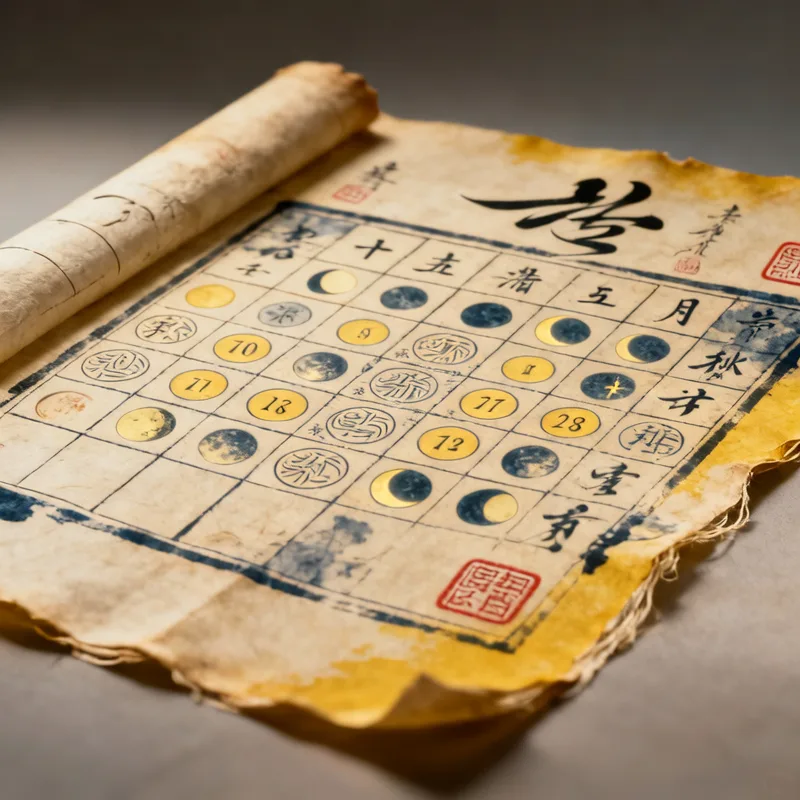
    หน้าจากปฏิทินจีนโบราณที่แสดงเดือนตามปฏิทินจันทรคติ ฤดูกาลตามปฏิทินสุริยคติ และวันมงคล
    เดือนจันทรคติเริ่มนับจากจันทร์เสี้ยวหนึ่งไปจนถึงจันทร์เสี้ยวถัดไป ส่วนเทอมสุริยคติจะระบุตำแหน่งของดวงอาทิตย์ ภาพประกอบที่สร้างโดย AI · SinoViz

    การสังเกตกลายเป็นวิทยาศาสตร์

    ระบบปฏิทินนี้พัฒนามาจากการสังเกตการณ์ จารึกบนกระดูกสัตว์จากราชวงศ์ชาง (ประมาณ ค.ศ. 1600–1046 ก่อนคริสต์ศักราช) บันทึกเดือนจันทรคติ สุริยุปราคา และเดือนแทรก และพงศาวดารฤดูใบไม้ผลิและฤดูใบไม้ร่วงได้เก็บรักษาบันทึกสุริยุปราคาในยุคแรกๆ ซึ่งใช้ในภายหลังเพื่อทดสอบการคำนวณ ปฏิทินไท่จู ซึ่งนำมาใช้ในปี ค.ศ. 104 ก่อนคริสต์ศักราช ในสมัยจักรพรรดิอู่แห่งฮั่น กำหนดให้เริ่มต้นปีที่เดือนแรกของจันทรคติและกำหนดกฎการแทรกเดือน 19 ปี การปฏิรูปในภายหลังได้ปรับปรุงให้ดียิ่งขึ้น ปฏิทินโช่วซือของกัวโช่วจิงในปี ค.ศ. 1281 ซึ่งจัดทำขึ้นสำหรับเมืองหลวงของราชวงศ์หยวนที่ต้าตู (ปักกิ่ง) ใช้ปีสุริยคติที่มี 365.2425 วัน ซึ่งเป็นความยาวเดียวกันกับที่นำมาใช้ในการปฏิรูปปฏิทินเกรกอเรียนในภายหลัง

    ทักษะด้านปฏิทินมีความสำคัญทางการเมือง ผู้ปกครองที่สามารถทำนายสุริยุปราคาและประกาศข้างขึ้นข้างแรมได้จะอ้างว่าได้รับอาณัติจากสวรรค์ การออกปฏิทินให้แก่รัฐที่อยู่ภายใต้การปกครองถือเป็นการแสดงอำนาจ หอดูดาวโบราณปักกิ่งที่สร้างขึ้นในปี 1442 ยังคงเก็บรักษาทรงกลมจำลองท้องฟ้าสมัยราชวงศ์หมิงและแท่งบอกเวลาที่ใช้ในการทำนายดังกล่าว นักดาราศาสตร์ที่นั่นทำงานร่วมกับมิชชันนารีเยซูอิตในศตวรรษที่ 17 เมื่อราชสำนักชิงนำวิธีการทำนายสุริยุปราคาแบบยุโรปมาใช้ในขณะที่ยังคงโครงสร้างเดือนตามปฏิทินจันทรคติไว้ ดังนั้นปฏิทินจึงเป็นจุดบรรจบกันของการเมืองการปกครอง คณิตศาสตร์ และการสังเกตการณ์

    ฤดูกาลทั้ง 24 ของสุริยคติ

    ควบคู่ไปกับปฏิทินจันทรคติคือปฏิทินสุริยคติที่มี 24 ฤดูกาล แต่ละฤดูกาลห่างกัน 15 องศาตามเส้นทางโคจรประจำปีของดวงอาทิตย์ ลำดับเริ่มต้นด้วยหลี่ชุน (Lichun) หรือต้นฤดูใบไม้ผลิ ประมาณวันที่ 4 กุมภาพันธ์ และรวมถึงชิงหมิง (Qingming) หรือความสว่างบริสุทธิ์ ในต้นเดือนเมษายน เซี่ยจือ (Xiazhi) หรือวันครีษมายัน ไป่หลู่ (Bailu) หรือน้ำค้างขาว และตงจือ (Dongzhi) หรือวันเหมายัน ฤดูกาลเหล่านี้พัฒนาขึ้นในแถบแม่น้ำเหลืองและนำไปใช้ทั่วประเทศ บอกเกษตรกรว่าเมื่อใดควรคาดหวังว่าจะมีน้ำค้างแข็งหรือฝนตก สุภาษิตยังคงเชื่อมโยงฤดูกาลเหล่านี้กับการเพาะปลูกและการเก็บเกี่ยว องค์การยูเนสโกได้ขึ้นทะเบียนความรู้และแนวปฏิบัตินี้ไว้ในรายชื่อตัวแทนในปี 2016
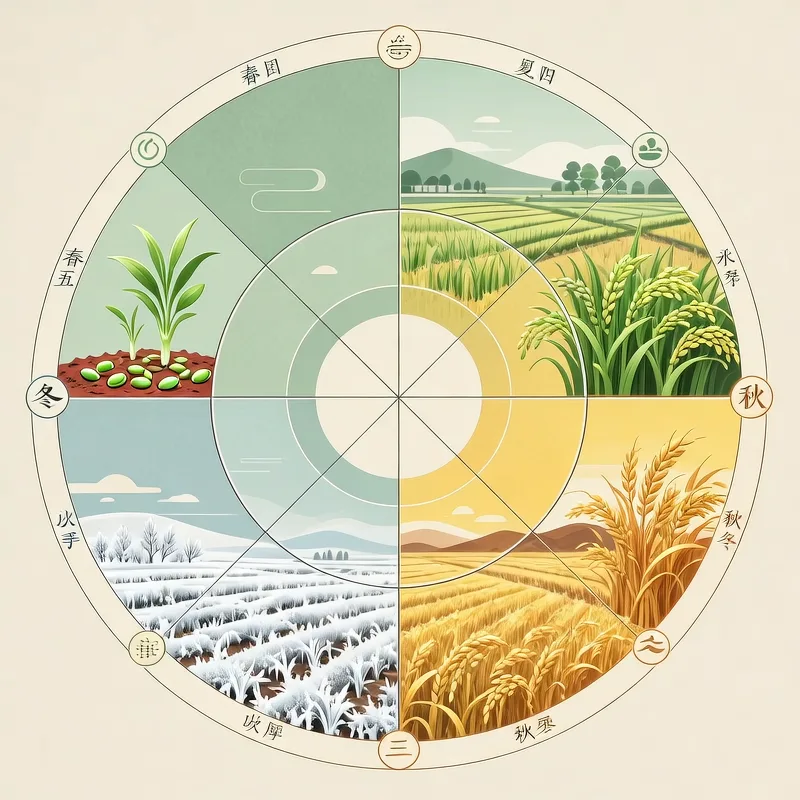
    แผนภาพแสดงเส้นทางโคจรประจำปีของดวงอาทิตย์ แบ่งออกเป็น 24 ส่วน พร้อมระบุชื่อพื้นที่ทางการเกษตร
    แต่ละเทอมสุริยคติครอบคลุมระยะทาง 15 องศาของเส้นทางโคจรของดวงอาทิตย์ โดยมีระยะห่างกันประมาณ 15 วัน ภาพประกอบที่สร้างโดย AI · SinoViz

    ปฏิทินเทศกาล

    เนื่องจากปฏิทินจันทรคติใช้การนับเดือนตามปฏิทินจันทรคติ เทศกาลต่างๆ จึงแตกต่างจากปฏิทินเกรกอเรียน เทศกาลตรุษจีนเริ่มต้นในวันแรกของเดือนแรกตามปฏิทินจันทรคติ และสิ้นสุดลงด้วยเทศกาลโคมไฟในวันที่สิบห้า ซึ่งเป็นวันที่ถนนเต็มไปด้วยโคมไฟ เทศกาลเรือมังกรตรงกับวันที่ห้าของเดือนที่ห้า เทศกาลผีตรงกับวันที่สิบห้าของเดือนที่เจ็ด และเทศกาลไหว้พระจันทร์ตรงกับวันที่สิบห้าของเดือนที่แปด ซึ่งเป็นวันที่ครอบครัวต่างๆ มารวมตัวกันใต้แสงจันทร์เต็มดวง

    • เทศกาลตรุษจีน — วันแรกของเดือนแรกตามปฏิทินจันทรคติ
    • เทศกาลโคมไฟ — วันที่สิบห้าของเดือนแรก
    • เทศกาลเรือมังกร — วันที่ห้าของเดือนที่ห้า
    • เทศกาลไหว้พระจันทร์ — วันที่สิบห้าของเดือนแปด
    • ชิงหมิง — ช่วงเวลาตามปฏิทินสุริยคติประมาณวันที่ 4-6 เมษายน

    เหตุใดเรื่องนี้จึงยังคงมีความสำคัญ

    ปฏิทินจันทรคติยังคงอยู่เพราะมันรวมทั้งเวลาทางสังคมและเวลาทางดาราศาสตร์ บรรพบุรุษได้รับการเคารพในวันชิงหมิงและในวันครบรอบการเสียชีวิตที่นับตามปฏิทินจันทรคติ งานแต่งงานและงานศพมักกำหนดตามปฏิทินจันทรคติ สัตว์ประจำปีนักษัตร อักษรแปดตัวของวันเกิด และวันมงคลสำหรับการย้ายบ้าน ล้วนขึ้นอยู่กับโครงสร้างกิ่งก้านสาขาเดียวกันนี้ ในปักกิ่ง งานวัดและงานแสดงโคมไฟยังคงยึดตามเดือนแรกของปฏิทินจันทรคติ ในขณะที่ชุมชนชนบทปรึกษาเรื่องเวลาตามปฏิทินสุริยคติสำหรับการทำงานในไร่นา สองระบบ หนึ่งปฏิทิน
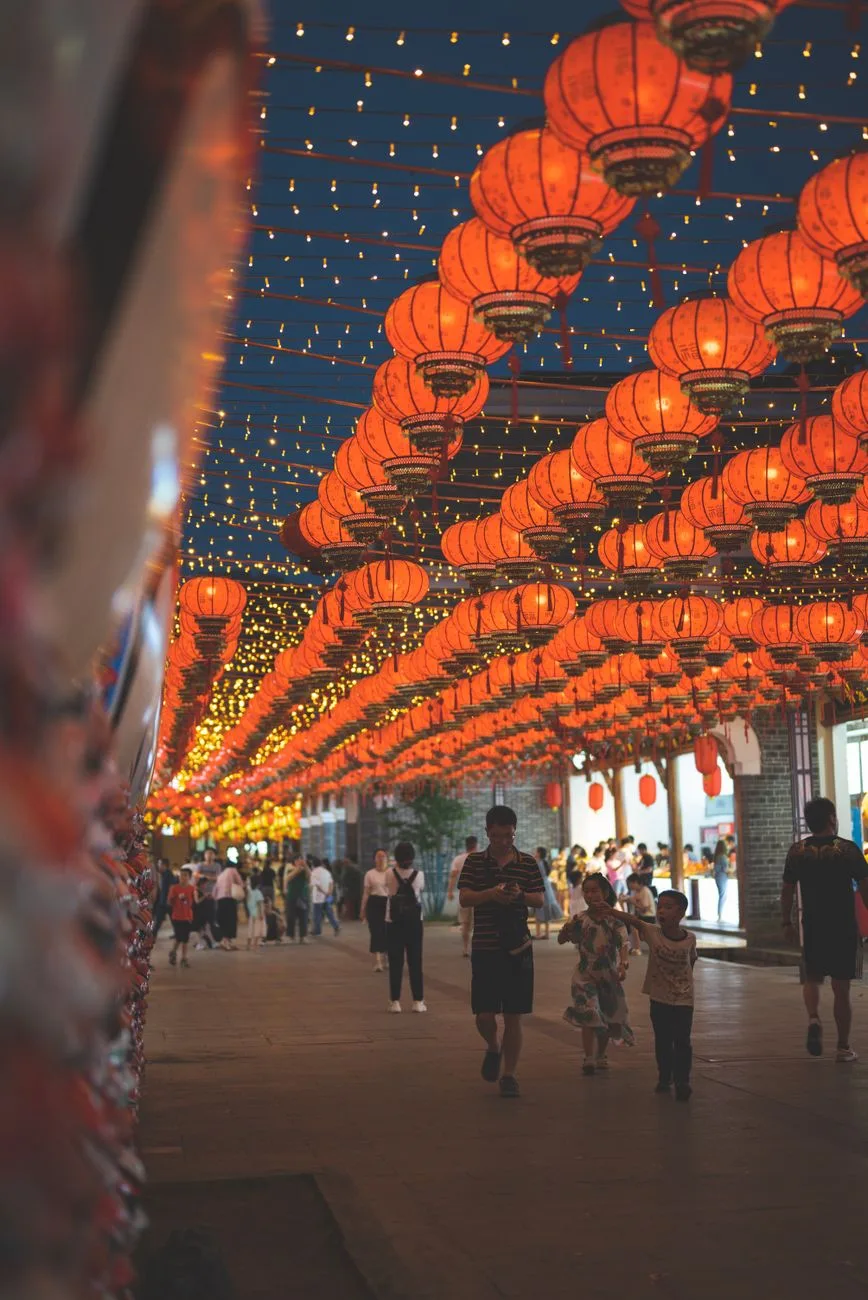
    โคมไฟแขวนเรียงรายอยู่ตามถนนในกรุงปักกิ่งในช่วงเดือนแรกของปฏิทินจันทรคติ
    งานวัดและการจัดแสดงโคมไฟยังคงเป็นสัญลักษณ์ของการเริ่มต้นปีตามปฏิทินจันทรคติ Cz Jen | ใบอนุญาต Pexels (https://www.pexels.com/license/)
    เดือนต่างๆ สัมพันธ์กับดวงจันทร์ แต่ปีต้องสัมพันธ์กับดวงอาทิตย์

    แหล่งข้อมูลและเอกสารอ่านเพิ่มเติม

    1. ฤดูกาลทั้ง 24 ของจีน เป็นความรู้เกี่ยวกับเวลาและแนวปฏิบัติที่พัฒนาขึ้นจากการสังเกตการเคลื่อนที่ประจำปีของดวงอาทิตย์ — มรดกทางวัฒนธรรมที่จับต้องไม่ได้ขององค์การยูเนสโก
    2. ปฏิทินจีน — สารานุกรมบริแทนนิกา
    3. ตรุษจีน — สารานุกรมบริแทนนิกา
    ดูตำแหน่งที่ติดตั้ง

    โปรดติดตามข้อมูลนี้ไปยังภูมิภาคที่เกี่ยวข้อง

    สำรวจโดยใช้แผนที่

    ติดตามกระทู้นี้

    ดูรายการอื่นๆ ที่มีแท็กเดียวกัน

    เรียกดูแท็ก
  • นักษัตรจีน

    ชีวิตและนิทานพื้นบ้าน

    นักษัตรจีน

    สัตว์สิบสองชนิด วัฏจักรหกสิบปี

    สัตว์ทั้งสิบสองตัวกำหนดช่วงเวลา ปี ชั่วโมง และบุคลิกภาพลงบนวัฏจักรที่ซ้ำกัน

    ส่วน
    ชีวิตและนิทานพื้นบ้าน
    ภูมิภาค
    ปักกิ่ง
    ยุค
    ข้ามยุคสมัย
    แท็ก
    ศุลกากร

    โหราศาสตร์จีนกำหนดสัตว์ประจำปีให้กับแต่ละปีในรอบสิบสองปี นี่ไม่ใช่โหราศาสตร์แบบแยกต่างหาก แต่เป็นส่วนหนึ่งของปฏิทินจันทรคติ ซึ่งประกอบด้วยกิ่งก้านบนโลกสิบสองกิ่งรวมกับกิ่งก้านบนสวรรค์สิบกิ่ง เพื่อให้เกิดเป็นวัฏจักรสมบูรณ์หกสิบปี

    สัตว์ทั้งสิบสองตัว

    ลำดับคือ หนู วัว เสือ กระต่าย มังกร งู ม้า แพะ ลิง ไก่ สุนัข และหมู โดยแต่ละชนิดจับคู่กับกิ่งก้านทั้งสิบสองของโลก ได้แก่ จื่อ โจว หยิน เหมา เฉิน ซี อู๋ เว่ย เสิน โยว ซู และไห่ แพะยังแปลว่าแกะหรือแพะตัวผู้ได้อีกด้วย นิทานพื้นบ้านที่รู้จักกันดีเรื่องหนึ่งอธิบายลำดับนี้ว่าเป็นผลมาจากการแข่งขันข้ามแม่น้ำ โดยหนูขี่วัวและกระโดดนำหน้าเมื่อถึงฝั่ง ในขณะที่แมว ในบางเวอร์ชัน กลับข้ามไม่ทัน เรื่องราวนี้เกิดขึ้นหลังจากระบบที่มันอธิบาย

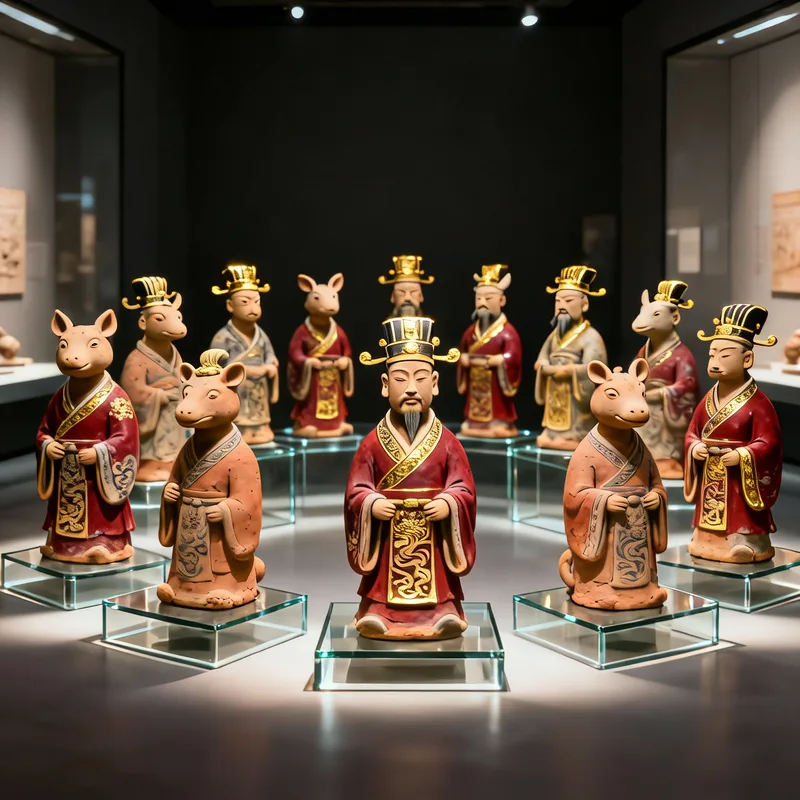
    ชุดตุ๊กตาเซรามิกสมัยราชวงศ์ถัง 12 ชิ้น depicting สัตว์ประจำปีนักษัตร แต่งกายเป็นข้าราชการ
    ลำดับของสัตว์ในลำดับชั้นทางสังคมได้รับการกำหนดขึ้นโดยราชวงศ์ฮั่นตะวันออก และปรากฏให้เห็นในเครื่องปั้นดินเผาในสุสานสมัยราชวงศ์ถัง ภาพประกอบที่สร้างโดย AI · SinoViz

    จากกิ่งไม้สู่สัญลักษณ์สัตว์

    กิ่งไม้เหล่านั้นมีอายุเก่าแก่ ส่วนสัตว์ที่ติดอยู่บนกิ่งไม้นั้นค่อยๆ ปรากฏขึ้นทีละน้อย พิพิธภัณฑ์ศิลปะเมโทรโพลิแทนระบุว่า สัตว์ทั้งสิบสองชนิดนี้มีความเกี่ยวข้องกับปฏิทินจันทรคติในประเทศจีนเป็นครั้งแรกราวศตวรรษที่ 3 ก่อนคริสต์ศักราช และได้รับการยอมรับอย่างมั่นคงในศตวรรษที่ 1 หลังคริสต์ศักราช ในสมัยราชวงศ์ฮั่นตะวันออก (ค.ศ. 25–220) ลำดับตามธรรมเนียมได้ถูกกำหนดไว้ และตำราต่างๆ เช่น หลุนเหิงของหวังฉง ก็ได้ระบุรายชื่อสัตว์ชนิดเดียวกันกับที่ใช้ในปัจจุบัน การจับคู่ดังกล่าวแพร่กระจายไปทั่วเอเชียตะวันออกและเอเชียตะวันออกเฉียงใต้ ซึ่งประเพณีท้องถิ่นได้เปลี่ยนแปลงตัวสัตว์ไปตามแต่ละพื้นที่

    ศิลปะในสุสานยืนยันการกำหนดอายุ หลุมฝังศพสมัยราชวงศ์ถัง (ค.ศ. 618–907) มีชุดสัตว์ดินเผา 12 ตัวในชุดข้าราชการ วางไว้เป็นเครื่องบูชาเพื่อขอพรให้ชีวิตใหม่และปกป้องคุ้มครอง ตัวอย่างในสมัยราชวงศ์ซ่งเป็นรูปปั้นดินเผาเคลือบขนาดเล็กกว่า แสดงภาพข้าราชการหรือผู้ปฏิบัติธรรมลัทธิเต๋า โดยมีสัตว์ประจำตัวอยู่ในมือหรือสวมไว้บนหมวก จักรราศีไม่ได้เป็นเพียงสิ่งแปลกใหม่ในช่วงปีใหม่เท่านั้น แต่ยังเป็นโครงสร้างกำหนดเวลาในสุสานเช่นเดียวกับในหมู่คนเป็น

    ลำต้น กิ่งก้าน และโชคชะตา

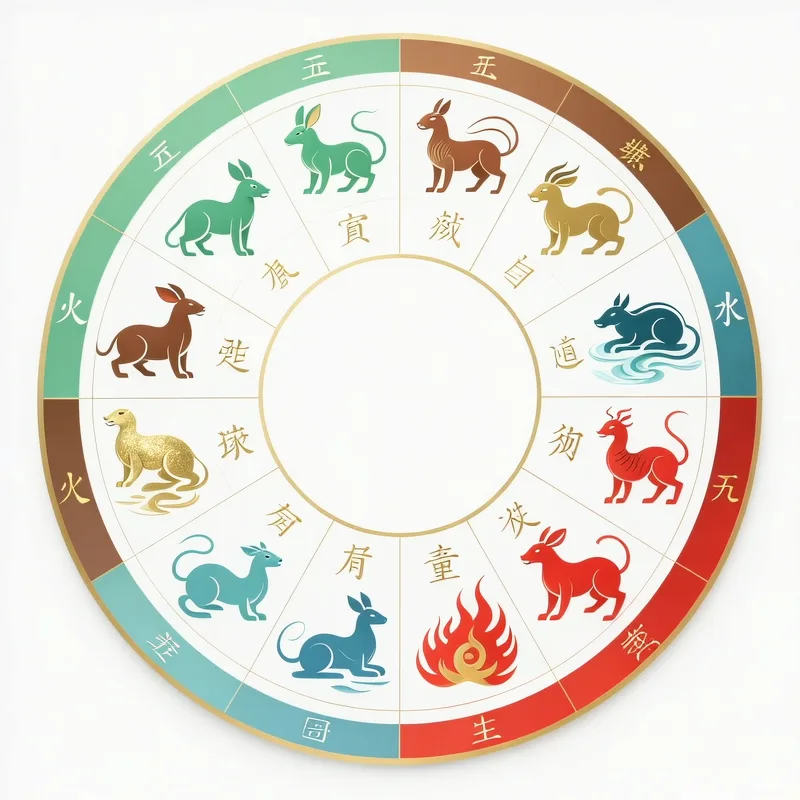
    เนื่องจากลำต้นสิบต้นและกิ่งก้านสิบสองกิ่งเคลื่อนที่ไปพร้อมกัน ปีหนึ่งๆ จึงถูกอธิบายด้วยคู่ เช่น ปิงหวู่ ม้าไฟแห่งปี 2026 ซึ่งคู่เดียวกันนี้จะปรากฏขึ้นอีกครั้งหลังจากหกสิบปี กิ่งก้านยังแบ่งวันออกเป็นสิบสองช่วง ช่วงละสองชั่วโมง โดยชั่วโมงจื่อเริ่มตั้งแต่สิบเอ็ดโมงกลางคืนถึงตีหนึ่งเช้า เสาหลักแห่งโชคชะตาทั้งสี่ ได้แก่ ปี เดือน วัน และชั่วโมง สร้างขึ้นจากคู่ดังกล่าวสี่คู่ ผู้ปฏิบัติโหราศาสตร์ปาจื่อจะอ่านสิ่งเหล่านี้เพื่อดูอารมณ์และโชคลาภ และในอดีตครอบครัวต่างๆ ก็ปรึกษาสิ่งเหล่านี้เมื่อจัดหาคู่ครอง

    แผนภาพวงกลมแสดงสัตว์ 12 ราศีจีนและธาตุทั้งห้า
    สัตว์และธาตุผสานกัน: ปี 2026 คือปีม้าไฟ (ปิงหวู่) ภาพประกอบที่สร้างโดย AI · SinoViz

    ในชีวิตประจำวัน

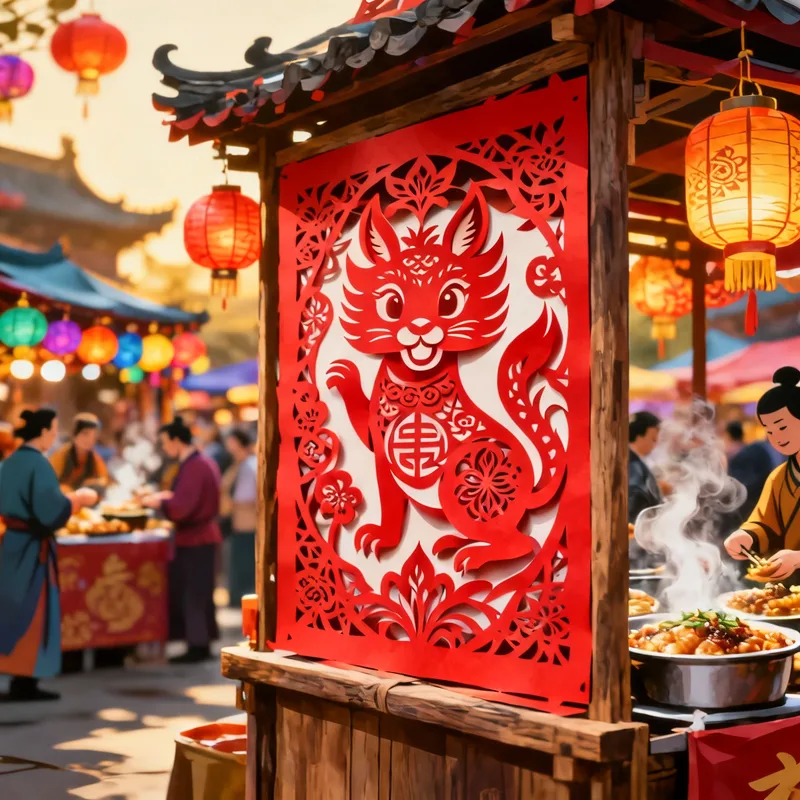
    สัญลักษณ์ราศีทำหน้าที่เป็นเหมือนสัญลักษณ์ที่ใช้กันทั่วไปมากกว่าความเชื่อที่เคร่งครัด ปีที่สัตว์ประจำปีเกิดของแต่ละคนกลับมาเกิดอีกครั้ง จะได้รับการปฏิบัติอย่างระมัดระวัง เสื้อผ้าสีแดงและเชือกสีแดงเป็นข้อควรระวังทั่วไป โดยเฉพาะอย่างยิ่งสำหรับเด็กและผู้สูงอายุ ภาพพิมพ์ปีใหม่ งานตัดกระดาษ และงานวัดต่างๆ จะแสดงสัตว์ประจำปี และคำอวยพรต่างๆ มักจะระบุชื่อสัตว์นั้น การกล่าวอ้างเกี่ยวกับความเข้ากันได้นั้นอิงตามวัฏจักรของราศี โดยราศีที่อยู่ห่างกันหกราศีจะถือว่าไม่เข้ากัน

    • ปี 2026 คือปีปิงหวู่ หรือปีม้าไฟ
    • แต่ละสาขาจะดูแลช่วงเวลาสองชั่วโมง โดยสาขา zi ครอบคลุมช่วงเวลา 23.00 น. – 01.00 น.
    • เสาหลักทั้งสี่แห่งโชคชะตาประกอบด้วย ปี เดือน วัน และชั่วโมง
    • เวียดนามใช้แมวแทนกระต่าย

    ความแตกต่างตามภูมิภาค

    วัฏจักรนี้แพร่กระจายไปพร้อมกับการตั้งถิ่นฐานและการค้าของชาวจีน ในเวียดนาม กระต่ายกลายเป็นแมว และวัวกลายเป็นควาย ส่วนแพะอาจถูกเรียกว่าแกะในที่อื่นๆ สัตว์ในจักรราศีปรากฏอยู่บนเหรียญ กระจก เครื่องเคลือบ และเครื่องปั้นดินเผาทั่วทั้งภูมิภาค และปฏิทินของเกาหลีและญี่ปุ่นก็รับเอาสาขาเดียวกันนี้มาปรับใช้โดยมีรายชื่อสัตว์ของตนเอง ความแตกต่างเหล่านี้มีความสำคัญ เพราะมันแสดงให้เห็นว่าระบบปฏิทินกำลังถูกแปลความหมาย ไม่ใช่แค่คัดลอกมาเฉยๆ ลำดับของปฏิทินจีนยังคงเป็นจุดอ้างอิงสำหรับเทศกาลตรุษจีนที่เฉลิมฉลองในปักกิ่งและในชุมชนชาวจีนพลัดถิ่นทั่วโลก

    งานตัดกระดาษสีแดงแสดงรูปสัตว์ประจำปีนักษัตร บนแผงขายของในงานวัด
    ทุกๆ ปีใหม่ตามปฏิทินจันทรคติ จะนำสัตว์ชนิดใหม่มาสู่ลวดลายพิมพ์ งานตัดกระดาษ และการ์ดอวยพร ภาพประกอบที่สร้างโดย AI · SinoViz
    หนูชนะการแข่งขันเพราะมันรู้ว่าเมื่อไหร่ควรจะกระโดด — เรื่องเล่านี้ถูกแต่งขึ้นนานหลังจากที่จักรยานถูกนำมาใช้แล้ว

    แหล่งข้อมูลและเอกสารอ่านเพิ่มเติม

    1. จักรราศีจีน — สารานุกรมบริแทนนิกา
    2. ชุดสัตว์ 12 ราศี สมัยราชวงศ์ถัง — พิพิธภัณฑ์ศิลปะเมโทรโพลิแทน
    3. เฉลิมฉลองปีจอ — พิพิธภัณฑ์ศิลปะเมโทรโพลิแทน

    ดูตำแหน่งที่ติดตั้ง

    โปรดติดตามข้อมูลนี้ไปยังภูมิภาคที่เกี่ยวข้อง

    สำรวจโดยใช้แผนที่

    ติดตามกระทู้นี้

    ดูรายการอื่นๆ ที่มีแท็กเดียวกัน

    เรียกดูแท็ก
  • การเคารพสักการะบรรพบุรุษ

    ชีวิตและนิทานพื้นบ้าน

    การเคารพสักการะบรรพบุรุษ

    วงศ์ตระกูล พิธีกรรม และความทรงจำ

    พิธีกรรมบูชาบรรพบุรุษเชื่อมโยงครัวเรือน หอวงศ์ตระกูล และสุสานหมู่บ้านเข้าด้วยกัน

    ส่วน
    ชีวิตและนิทานพื้นบ้าน
    ภูมิภาค
    ฝูเจี้ยน
    ยุค
    ข้ามยุคสมัย
    แท็ก
    ศุลกากร

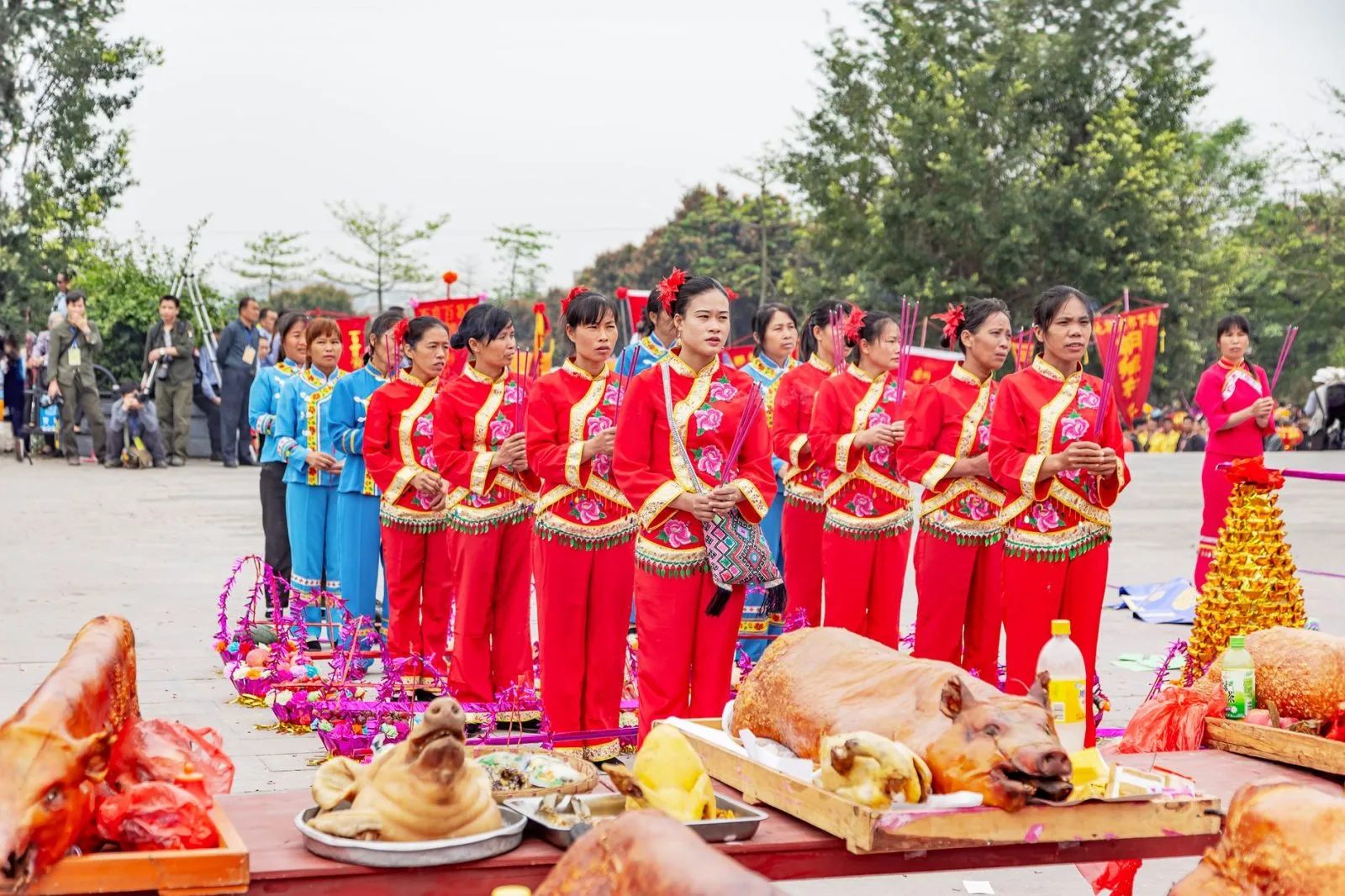
    การเคารพบรรพบุรุษเป็นการปฏิบัติเพื่อแสดงความเคารพต่อญาติผู้ล่วงลับด้วยการถวายเครื่องบูชา ธูป และพิธีกรรมที่กำหนดไว้ ในมณฑลฝูเจี้ยน การเคารพบรรพบุรุษได้กลายเป็นกรอบการจัดระเบียบวงศ์ตระกูล การเป็นเจ้าของทรัพย์สิน และการอพยพย้ายถิ่นฐาน ซึ่งเชื่อมโยงหมู่บ้านเข้ากับบรรพบุรุษที่มักจะมีชีวิตอยู่เมื่อหลายศตวรรษก่อน

    หน้าที่ต่อผู้ตาย

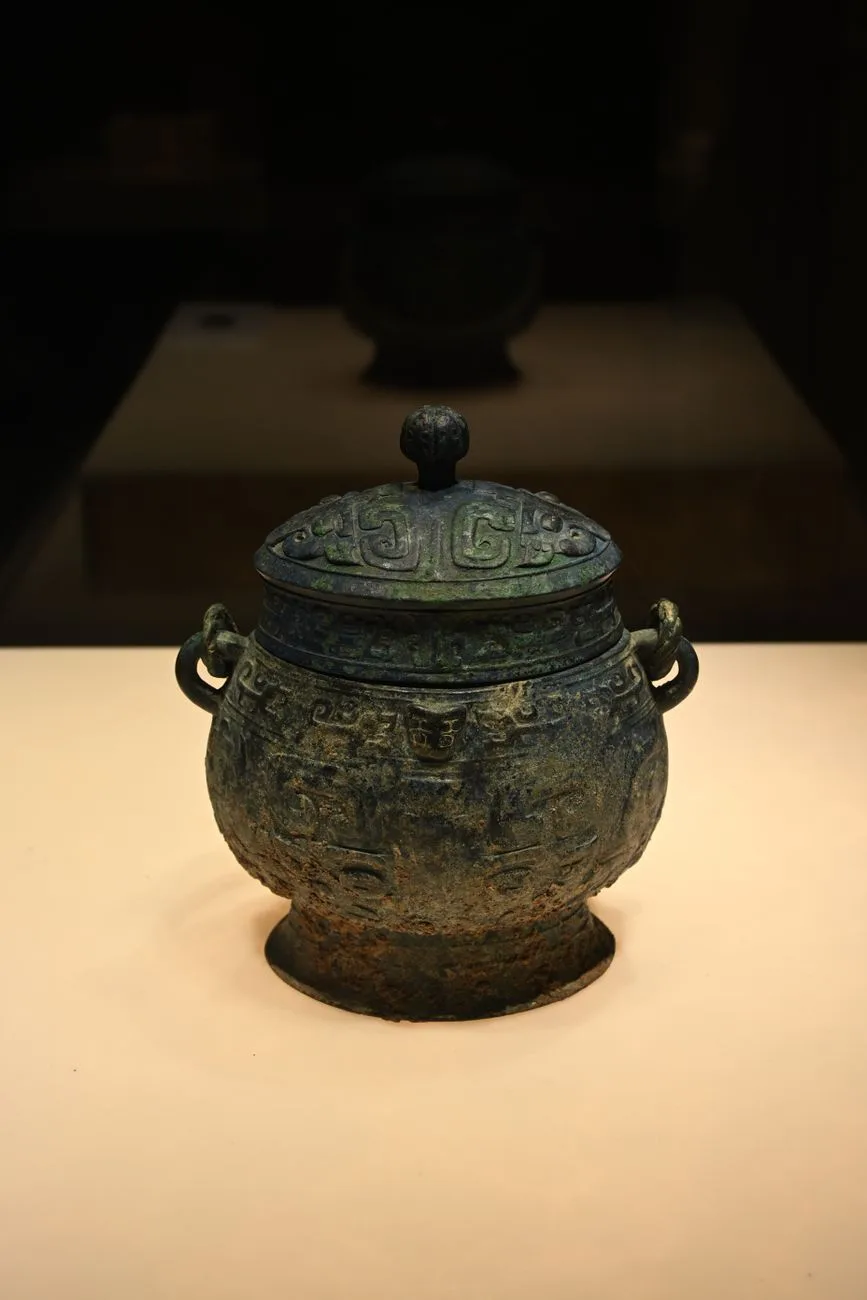
    คำสอนของขงจื๊อได้ให้ภาษาทางศีลธรรมแก่การปฏิบัติเหล่านี้ คัมภีร์อนาลักต์กระตุ้นให้ผู้คนใส่ใจในพิธีศพและติดตามบรรพบุรุษไปในที่ห่างไกล และบรรยายถึงการบูชายัญราวกับว่าวิญญาณของบรรพบุรุษอยู่ ณ ที่นั้น คัมภีร์พิธีกรรมและตำราพิธีกรรมที่เกี่ยวข้องได้กำหนดระดับการไว้ทุกข์ เครื่องบูชา และลำดับที่ถูกต้องของผู้ตาย นักโบราณคดีสืบย้อนร่องรอยการบูชาบรรพบุรุษไปถึงยุคหินใหม่ตอนปลาย และภาชนะสำริดสมัยราชวงศ์ชางถูกหล่อขึ้นโดยมีจารึกชื่อบรรพบุรุษที่ถวายเหล้าองุ่นหรือธัญพืช การเคารพบูชาเป็นทั้งหน้าที่และความรัก

    ภาชนะสำริดสำหรับประกอบพิธีกรรมสมัยราชวงศ์ชาง พร้อมจารึกอุทิศแด่บรรพบุรุษ
    ภาชนะทองสัมฤทธิ์ระบุชื่อผู้รับเครื่องบูชา เป็นการบันทึกความสัมพันธ์ไว้เป็นลายลักษณ์อักษร K ZHAO | ใบอนุญาต Pexels (https://www.pexels.com/license/)

    แท่นบูชาประจำบ้าน

    ในบ้านแบบดั้งเดิม แท่นบูชาขนาดเล็กจะประดิษฐานแผ่นจารึกบรรพบุรุษ ซึ่งเป็นแผ่นไม้ที่จารึกชื่อและตำแหน่งต่างๆ เรียงตามลำดับรุ่น จะมีการจุดธูปในวันที่ 1 และวันที่ 15 ของเดือนตามปฏิทินจันทรคติ และในวันครบรอบการเสียชีวิต เครื่องบูชาอาจรวมถึงชา ไวน์ ผลไม้ ข้าว และเนื้อสัตว์สามชนิด จัดวางอย่างเป็นระเบียบ สมาชิกในครอบครัวจะโค้งคำนับหรือกราบไหว้ตามลำดับอายุ แผ่นจารึกนั้นไม่ใช่รูปภาพของบุคคล แต่เป็นสถานที่ที่สามารถกล่าวถึงความสัมพันธ์ได้

    พิธีกรรมต่างๆ จะเป็นไปตามปฏิทิน ชิงหมิง หรือช่วงต้นเดือนเมษายน เป็นวันสำคัญในการกวาดสุสาน: สุสานจะถูกกำจัดวัชพืช วางเครื่องบูชา และเผาเงินกระดาษ วันเหมายันนำมาซึ่งการบูชาอีกครั้งในหลายครัวเรือนของมณฑลฝูเจี้ยน โดยมักจะมีถังหยวน หรือขนมข้าวเหนียวหวาน ในช่วงเดือนจันทรคติที่เจ็ด เทศกาลผีสางจะขยายความสนใจไปไกลกว่าญาติพี่น้องของตนเองไปยังวิญญาณเร่ร่อน ด้วยงานเลี้ยงชุมชนและหุ่นกระดาษ

    หอวงศ์ตระกูลฝูเจี้ยน

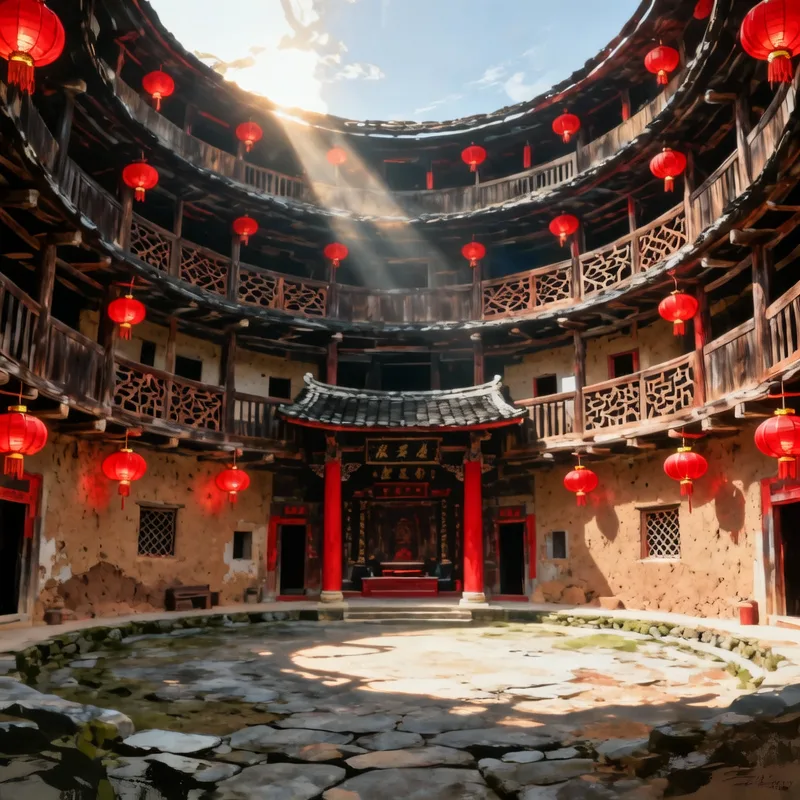
    ไม่มีที่ใดที่จะเห็นความเหลื่อมล้ำทางสังคมได้ชัดเจนเท่าในมณฑลฝูเจี้ยน ตั้งแต่ศตวรรษที่สิบหก ศาลประจำตระกูล—ซิ่ถัง—ได้แพร่กระจายจากชนชั้นสูงไปยังหมู่บ้านต่างๆ ทั่วภาคตะวันออกเฉียงใต้ของจีน และในถิ่นกำเนิดของผู้อพยพ ศาลเหล่านี้ก็กลายเป็นสิ่งก่อสร้างที่โดดเด่นในภูมิทัศน์ ศาลเหล่านี้เป็นที่เก็บรักษาแผ่นจารึกประจำตระกูลของกลุ่มนามสกุล เก็บรักษาลำดับวงศ์ตระกูล และบริหารจัดการที่ดินส่วนรวมซึ่งรายได้จากที่ดินนั้นใช้สำหรับซ่อมแซม บูชายัญ และโรงเรียน ภายในบ้านดินขนาดใหญ่ของชาวฮักกา (ตุลโหลว) ในภาคตะวันตกเฉียงใต้ของฝูเจี้ยน ศาลบรรพบุรุษตั้งอยู่ภายในวงแหวนป้องกัน

    ลานภายในและศาลบรรพบุรุษของบ้านดินแบบตุลโหล (tulou) ในมณฑลฝูเจี้ยน
    ห้องโถงประจำตระกูลภายในตุลู่นั้นใช้สำหรับทั้งตระกูล ไม่ใช่เพียงครัวเรือนเดียว ภาพประกอบที่สร้างโดย AI · SinoViz

    การย้ายถิ่นฐานและการกลับคืนสู่ถิ่นฐานเดิม

    ชายฝั่งของมณฑลฝูเจี้ยนเป็นแหล่งที่มาของผู้อพยพไปยังเอเชียตะวันออกเฉียงใต้ตั้งแต่ปลายสมัยราชวงศ์ชิงเป็นต้นมา และพิธีกรรมบูชาบรรพบุรุษก็เดินทางไปพร้อมกับพวกเขา ผู้อพยพเข้าร่วมสมาคมตามนามสกุลและสร้างศาลบูชาในสิงคโปร์ มาเลเซีย และอินโดนีเซีย เงินที่ส่งกลับมายังบ้านเกิดช่วยสร้างศาลบูชาใหม่และบูรณะสุสาน นักวิชาการอธิบายความเชื่อมโยงเหล่านี้ว่าเป็นเครือข่ายวงศ์ตระกูลข้ามชาติ กล่าวคือ คำศัพท์ทางพิธีกรรมเดียวกันเชื่อมโยงแท่นบูชาในหมู่บ้าน สมาคมตระกูลในต่างแดน และสุสาน หลังจากทศวรรษ 1980 ลูกหลานจำนวนมากได้กลับมาบูรณะศาลบูชา ทำให้ลำดับวงศ์ตระกูลกลายเป็นสะพานเชื่อมระหว่างรุ่นและพรมแดน

    • เทศกาลชิงหมิง: การทำความสะอาดสุสานและการวางเครื่องบูชาในช่วงต้นเดือนเมษายน
    • เดือนจันทรคติที่เจ็ด: พิธีกรรมเทศกาลผีสำหรับวิญญาณนิรนาม
    • Citang: หอเก็บรักษาจารึก บันทึกวงศ์ตระกูล และเอกสารของบริษัท
    • ฝูเจี้ยนทูโหลว: มรดกโลกของยูเนสโกตั้งแต่ปี 2008

    การเปลี่ยนแปลงและความต่อเนื่อง

    ศตวรรษที่ 20 ได้เปลี่ยนแปลงด้านสถาบันไปอย่างมาก การปฏิรูปที่ดินและการรวมกลุ่มทางการเกษตรทำให้ที่ดินของตระกูลสูญเสียรายได้ และในช่วงการปฏิวัติวัฒนธรรม หอประชุมหลายแห่งถูกปิดหรือได้รับความเสียหาย ตั้งแต่ทศวรรษ 1980 เป็นต้นมา โครงการริเริ่มในท้องถิ่นได้บูรณะอาคารและฟื้นฟูพิธีกรรมต่างๆ บางครั้งเพื่อการท่องเที่ยวเชิงมรดก และบางครั้งเพื่อเป็นหน้าที่ของครอบครัว การปฏิบัติยังคงดำเนินต่อไปในรูปแบบที่ปรับเปลี่ยนไป เช่น การจุดธูปบนชั้นวางในบ้าน การทำความสะอาดหลุมศพก่อนวันชิงหมิง การบันทึกชื่อในลำดับวงศ์ตระกูลที่สร้างขึ้นใหม่ สิ่งที่ยังคงอยู่คือความเชื่อที่ว่าผู้ตายยังคงเป็นส่วนหนึ่งของระเบียบทางสังคม

    Family members burning paper offerings at a grave during Qingming in southern China
    Grave sweeping and offerings remain the most visible part of the Qingming rites. Man Fong Wong | Pexels License (https://www.pexels.com/license/)
    A tablet is not a portrait of the dead. It is an address at which the living may still speak to them.

    แหล่งข้อมูลและเอกสารอ่านเพิ่มเติม

    1. China: Religious beliefs and social organization — สารานุกรมบริแทนนิกา
    2. Fujian Tulou — UNESCO World Heritage Centre.
    3. Chinese Diasporas: Early Modern Patterns, 1500–1740 — Cambridge University Press.

    ดูตำแหน่งที่ติดตั้ง

    โปรดติดตามข้อมูลนี้ไปยังภูมิภาคที่เกี่ยวข้อง

    สำรวจโดยใช้แผนที่

    ติดตามกระทู้นี้

    ดูรายการอื่นๆ ที่มีแท็กเดียวกัน

    เรียกดูแท็ก
  • เครื่องลายคราม

    ชีวิตและนิทานพื้นบ้าน

    เครื่องลายคราม

    Clay, fire, and the white of Dehua

    Fujian’s kilns turned local clay into porcelain that travelled across the sea and changed how the world pictured China.

    ส่วน
    ชีวิตและนิทานพื้นบ้าน
    ภูมิภาค
    ฝูเจี้ยน
    ยุค
    ข้ามยุคสมัย
    แท็ก
    Customs, History, Scenic Sites

    Porcelain is defined by its body and its firing: a pale, fine clay heated to temperatures that vitrify the material and make it ring when struck. Fujian’s Dehua kilns made a version so white it seemed translucent, known in Europe as blanc de Chine.

    What Makes Porcelain

    Porcelain differs from ordinary pottery in both material and firing. Potters use kaolin, a white clay, mixed with feldspar and quartz, then fire the shaped vessel at roughly 1,200 to 1,400 degrees Celsius. At that temperature the body vitrifies: it becomes dense, non-porous, and slightly translucent at the edges. A glassy glaze is usually applied before firing, bonding to the body rather than sitting on it as a separate layer. Chinese potters had reached this threshold by the Tang and Song periods, and Jingdezhen in Jiangxi became the great production centre. The English word china stuck to the ware because the country was the source of the finest examples. A light tap on a good cup gives a clear ring, a quick test that still works in a shop.

    A porcelain bowl with a pale glaze photographed against light
    True porcelain is fired hot enough to vitrify the body, giving it a hard, resonant wall. lee c | Pexels License (https://www.pexels.com/license/)

    Dehua White

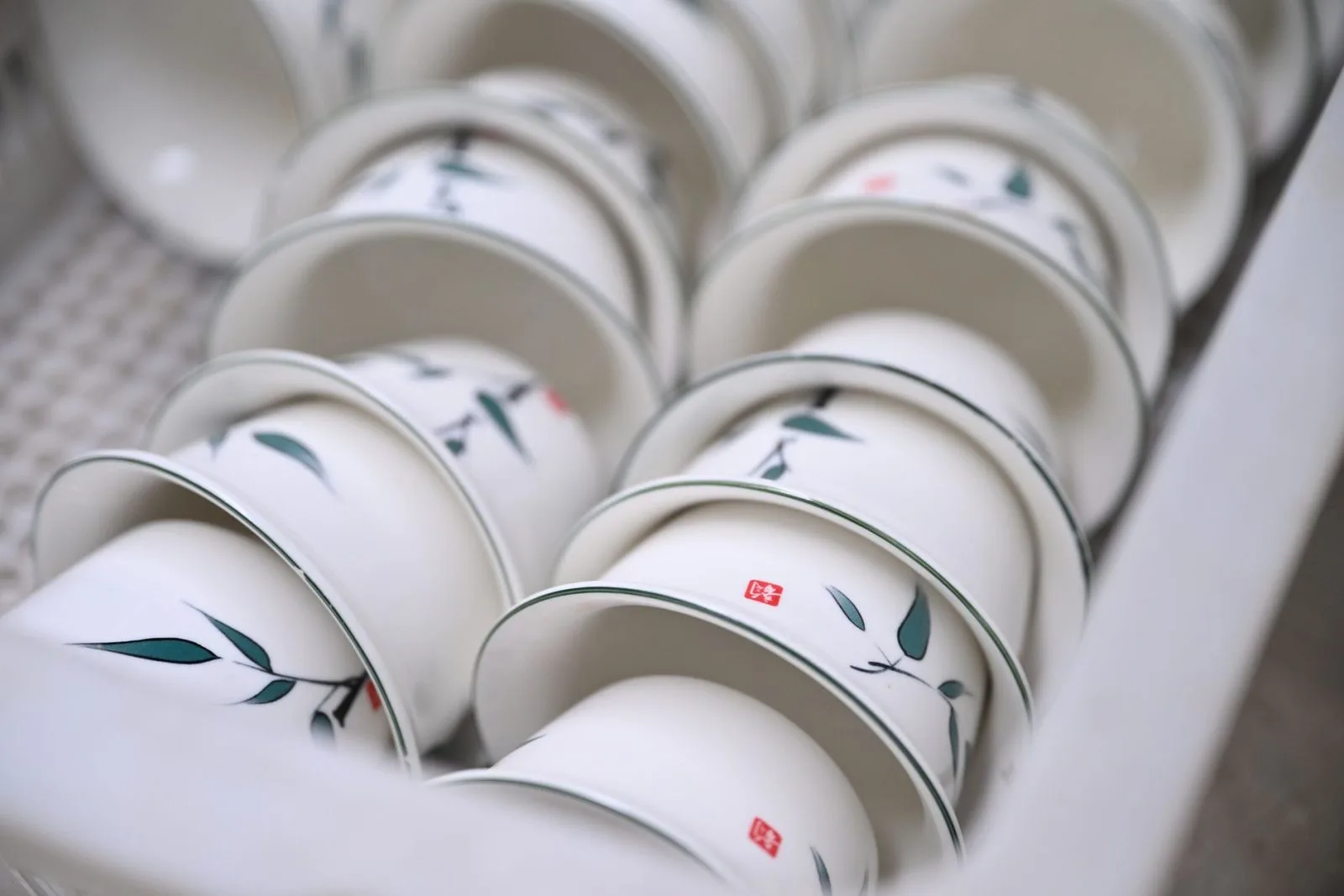
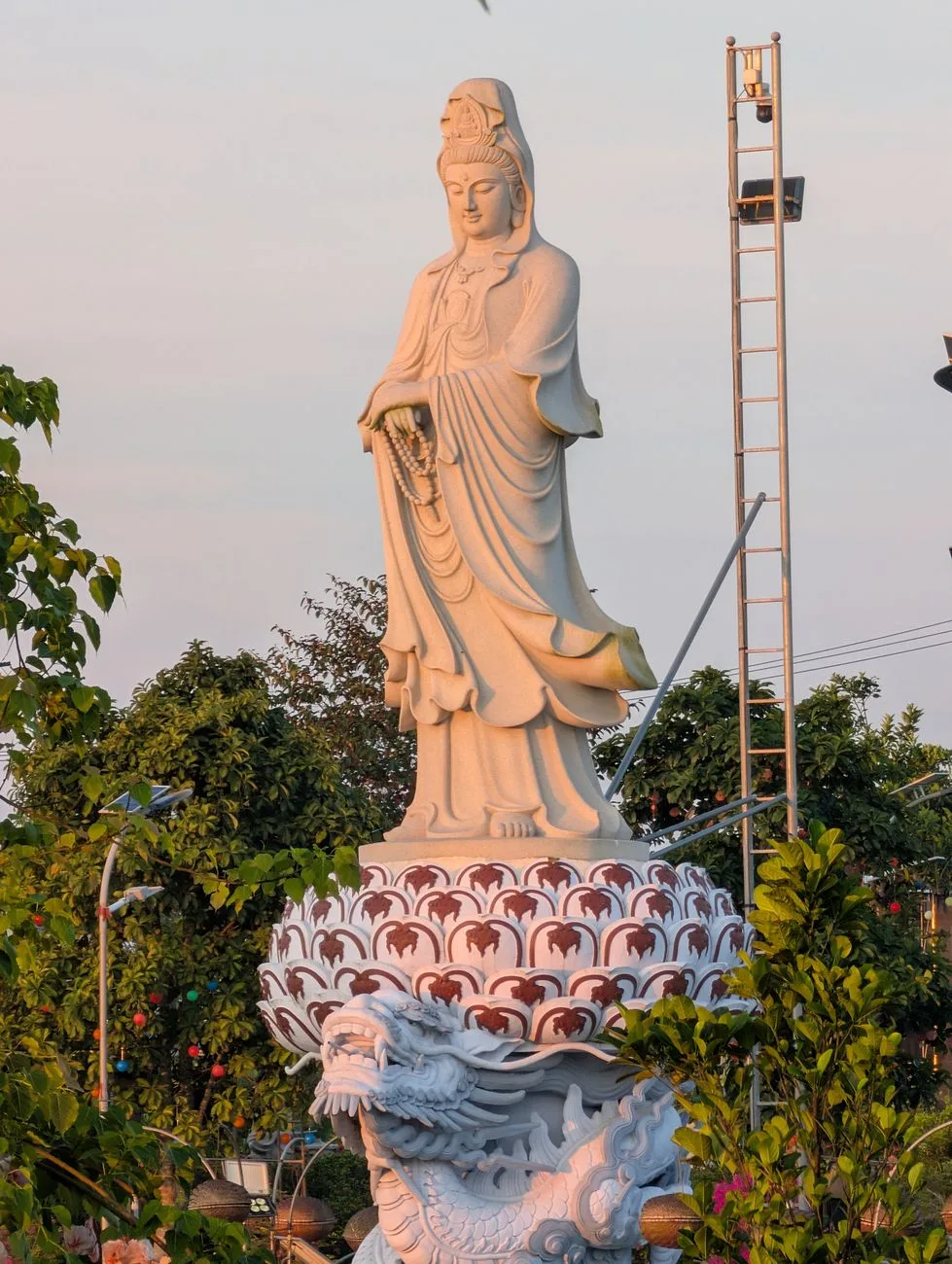
    Dehua, a county in Fujian’s Quanzhou prefecture, developed a white porcelain with a warm, creamy tone. Its clay is low in iron, which lets the glaze fire almost colourless, and its potters mastered figures as well as vessels. From the Ming dynasty onward, Dehua workshops produced small statues of Guanyin, the bodhisattva of compassion, with soft modelling and a smooth, almost waxy surface. European traders called the ware blanc de Chine, and by the seventeenth century it was collected in royal cabinets and copied by potters in Meissen and elsewhere. Tea wares also left the kilns: small cups, gaiwan lids and bowls, and white vessels that showed the colour of tea clearly. Local museums trace the kiln sequence from Song-period celadons through the white wares that made Dehua famous.

    A milky white porcelain figurine of Guanyin from Dehua
    Dehua’s porcelain figures of Guanyin became known in Europe as blanc de Chine. Quý Hoàng | Pexels License (https://www.pexels.com/license/)

    A Port for Porcelain

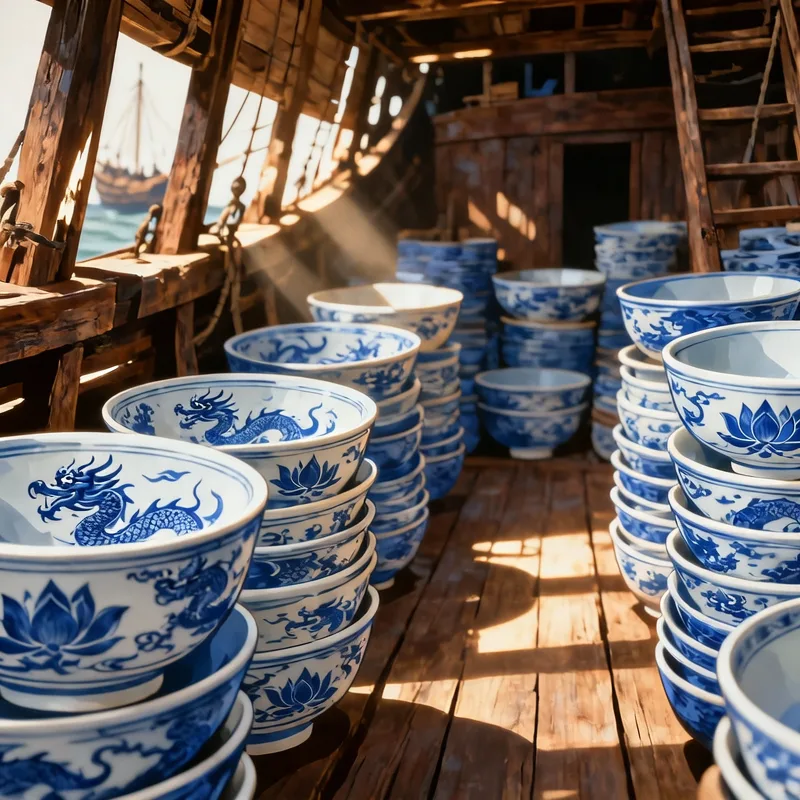
    Porcelain shaped trade as much as taste. Fujian’s coast faced the South China Sea, and Quanzhou became one of the busiest ports of the Song and Yuan dynasties, a place where merchants, monks, and ship crews exchanged goods and techniques. Archaeologists have recovered Chinese ceramics from ports and shipwrecks across Southeast Asia, the Indian Ocean, and East Africa; the fragments are dated by glaze and shape, making them a record of demand as well as production. UNESCO listed Quanzhou in 2021 as an emporium of the world in Song-Yuan China, with surviving mosques and temples. The export ware was not always the finest court piece. Sturdy bowls and jars packed in straw travelled in bulk, reaching households that never saw the kiln but knew the clay by its colour.

    Blue-and-white porcelain packed as cargo in a ship’s hold
    Quanzhou was a major Song and Yuan port from which Fujian ceramics were shipped abroad. ภาพประกอบที่สร้างโดย AI · SinoViz

    Using and Collecting

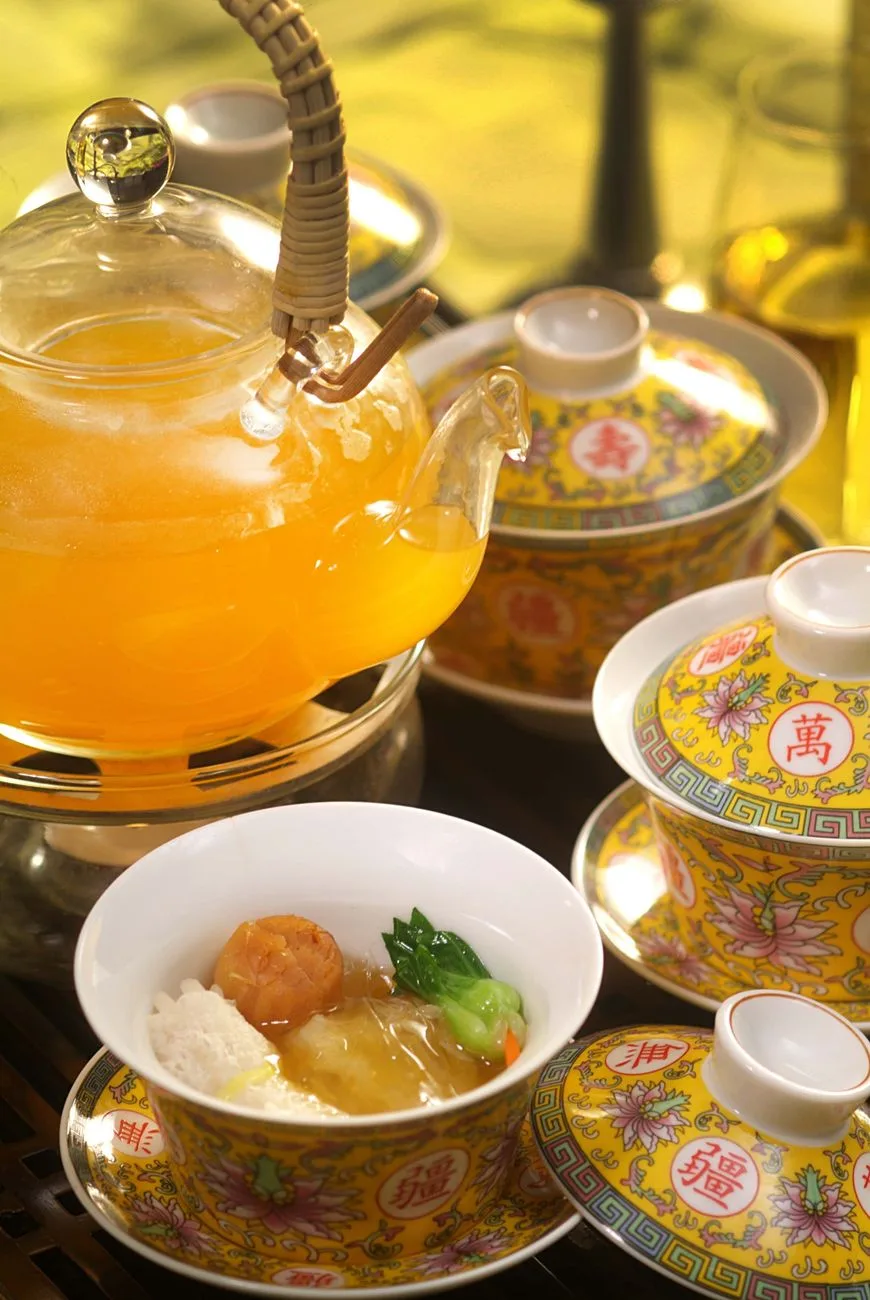
    Porcelain entered daily ritual as well as trade. A gaiwan, a bowl with a lid and saucer, is used for brewing tea in northern China; the lid controls the leaves and the saucer protects the fingers. White Dehua cups make the colour of a tea liquor easy to judge. Collectors look for a clean foot ring, an even glaze, and a mark painted on the base, though many imitations copy famous reign marks. Visit a kiln museum in Dehua or a ceramic gallery in Quanzhou to see the sequence from raw clay to finished piece. Handling a cup with a saucer and a steady hand is still the simplest way to understand why this material travelled so far.

    A clear ring and a translucent edge tell you what the fire has done.

    แหล่งข้อมูลและเอกสารอ่านเพิ่มเติม

    1. Chinese Porcelain — พิพิธภัณฑ์ศิลปะเมโทรโพลิแทน
    2. Quanzhou: Emporium of the World in Song-Yuan China — UNESCO World Heritage Centre.
    3. Blanc de Chine — สารานุกรมบริแทนนิกา

    ดูตำแหน่งที่ติดตั้ง

    โปรดติดตามข้อมูลนี้ไปยังภูมิภาคที่เกี่ยวข้อง

    สำรวจโดยใช้แผนที่

    ติดตามกระทู้นี้

    ดูรายการอื่นๆ ที่มีแท็กเดียวกัน

    เรียกดูแท็ก
  • Calligraphy

    ชีวิตและนิทานพื้นบ้าน

    Calligraphy

    The brush as a record of the hand

    Chinese calligraphy turns writing into an art of pressure, rhythm, and restraint.

    ส่วน
    ชีวิตและนิทานพื้นบ้าน
    ภูมิภาค
    มณฑลฉานซี
    ยุค
    ข้ามยุคสมัย
    แท็ก
    Customs, History

    A line of Chinese calligraphy is made once: the brush touches paper, and the mark cannot be corrected. That irreversibility is part of its appeal. In Xi’an, the city’s stone steles preserve the work of centuries of calligraphers in a form anyone can still read.

    The Four Treasures

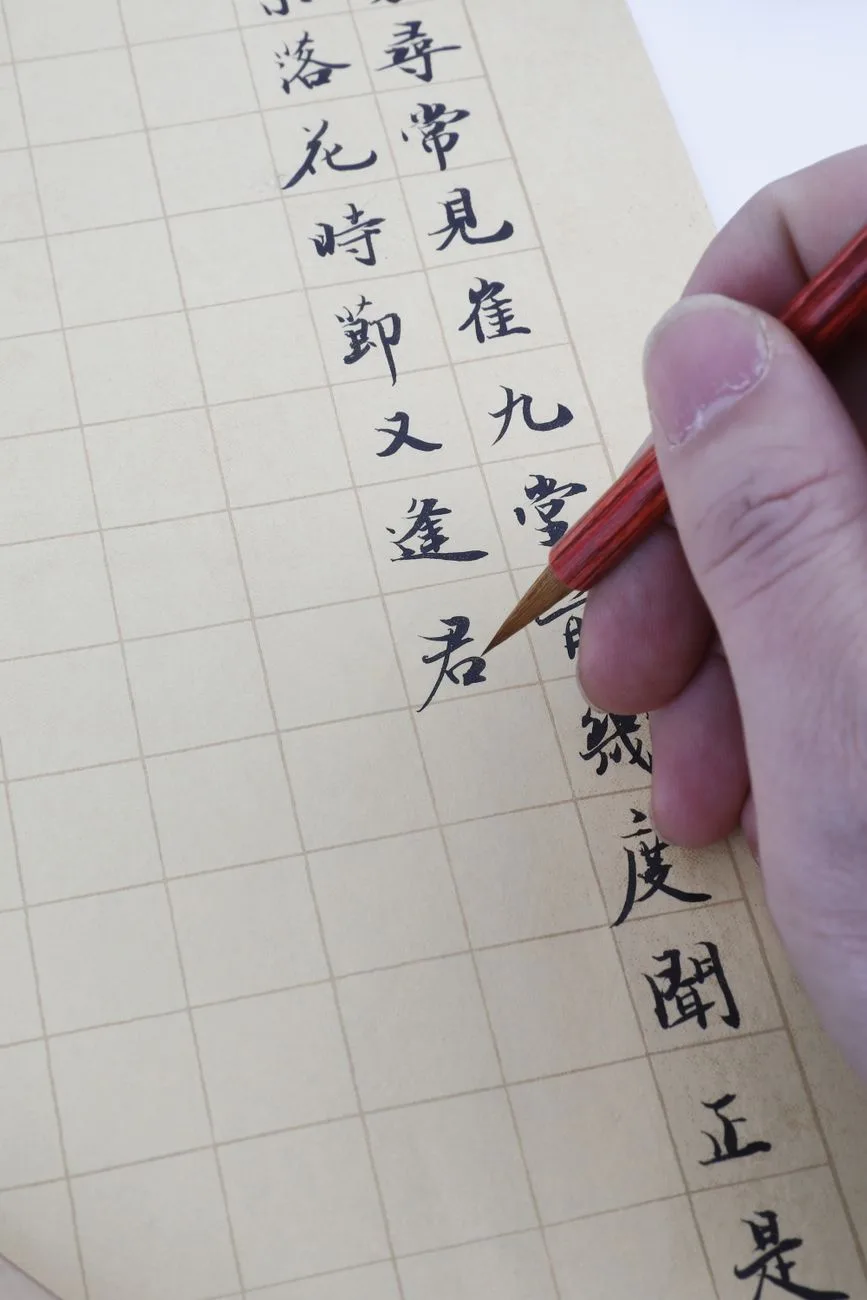
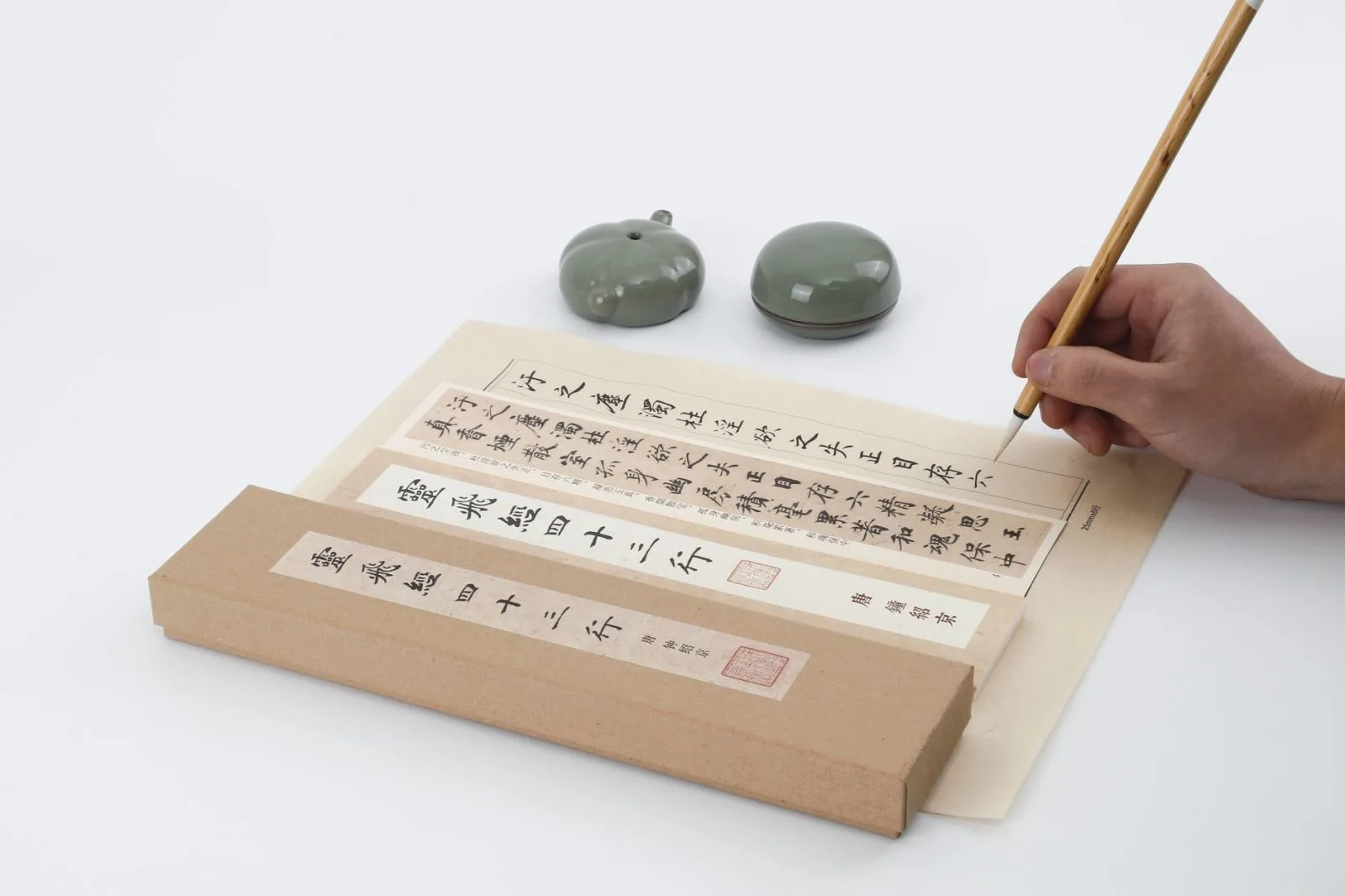
    The tools are known as the Four Treasures of the Study: brush, ink, paper, and inkstone. A brush of animal hair is held upright between thumb and fingers, and pressure makes the stroke swell and thin. Ink comes as a solid stick ground with water on a stone; the density of the mixture changes the character of the line. Paper is absorbent, so hesitation shows as a blot. Practice begins with the basic strokes, then with copying a model character hundreds of times until the hand remembers its proportions. Students still learn by tracing the regular script of Tang dynasty masters such as Yan Zhenqing and Ouyang Xun. The aim is not decorative flourish but control: a steady wrist, an even rhythm, and a line that holds its centre.

    Calligrapher’s brush, ink stick, paper, and inkstone laid on a desk
    Brush, ink, paper, and inkstone are the traditional Four Treasures of the Study. Feng Zou | Pexels License (https://www.pexels.com/license/)

    Scripts and Masters

    Chinese writing moved through several scripts, and calligraphers kept them all alive as styles. Seal script, with even, rounded lines, comes from the inscriptions on bronze and stone of the Zhou and Qin periods. Clerical script, formalised in the Han dynasty, flattened characters with a distinctive flared stroke. Regular script, settled by the Tang, is the model still taught in schools; each part of a character sits in a clear frame. Running script links strokes without losing legibility, while cursive script reduces them to rapid, connected gestures. Wang Xizhi’s Lantingji Xu, written in 353, is the famous example of running script; the original is lost, but copies carry its reputation. Later Song and Yuan artists, including Su Shi and Zhao Mengfu, made personal expression as important as correct form.

    Close view of flowing cursive calligraphy on a hanging scroll
    Cursive script compresses characters into gestures that reward slow reading. Feng Zou | Pexels License (https://www.pexels.com/license/)

    Stone Records in Xi’an

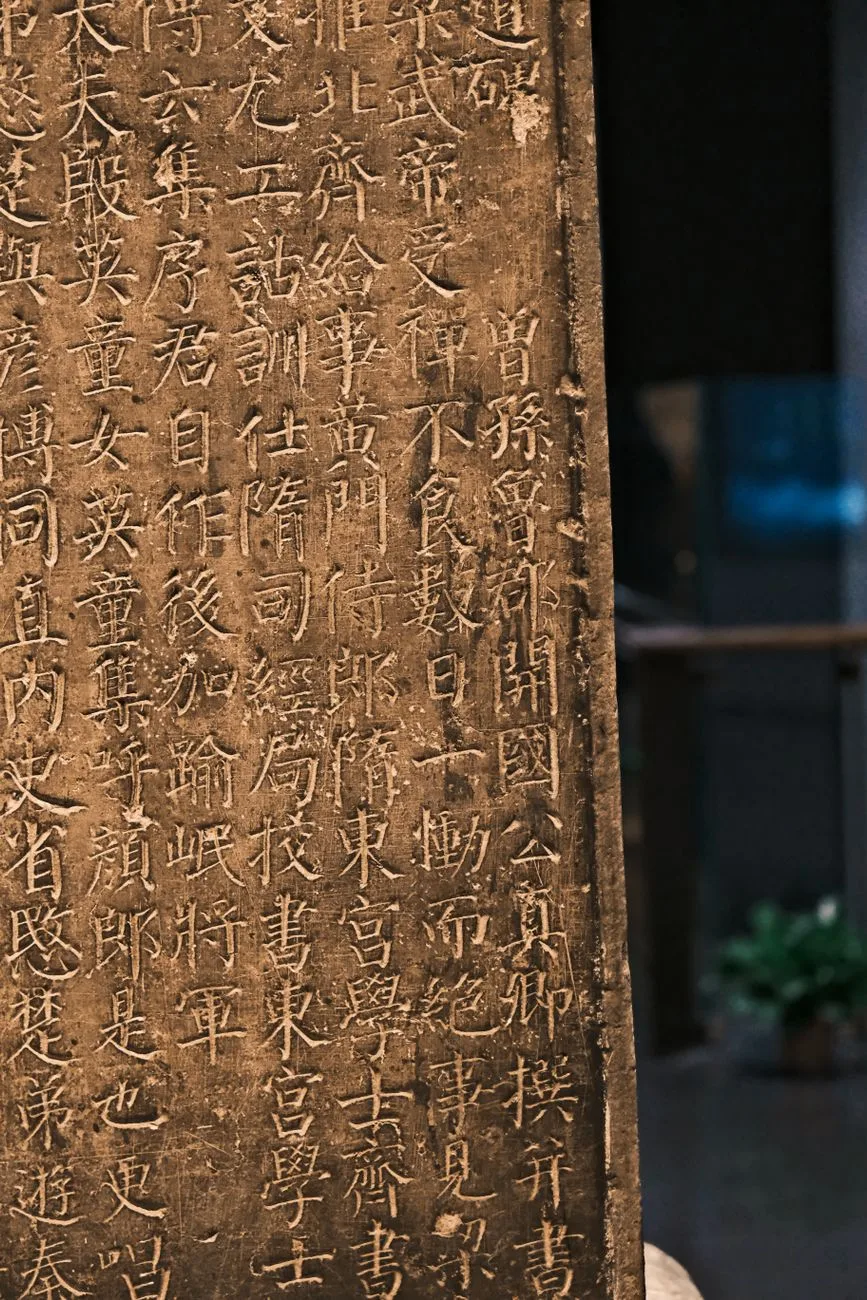
    Xi’an, the former Chang’an, preserves calligraphy on stone at the Beilin Museum, the Forest of Stone Steles. The collection began in 1087, when the Confucian classics were carved onto more than a hundred steles and installed beside the city’s Confucius Temple. Centuries of additions followed: tombstones, imperial edicts, Buddhist texts, and poems cut in several scripts. Rubbing a stele with damp paper and ink was the traditional way to study and circulate a model, and museums still demonstrate the technique. One slab records a Tang emperor’s visit to a Nestorian Christian church; another carries a Song dynasty city diagram. Walking the covered galleries, you can compare the same character written in seal, clerical, and regular forms across a thousand years.

    Rows of carved stone steles at the Beilin Museum in Xi’an
    The Beilin Museum holds thousands of steles, including Confucian classics cut into stone. Lily Lili | Pexels License (https://www.pexels.com/license/)

    Living Practice

    Calligraphy remains a daily practice rather than a museum relic. Around Spring Festival, shops sell red paper couplets, and a single character for good fortune is pasted on doors, sometimes upside down to suggest that fortune has arrived. Temple names, shop signs, and station plaques are often lettered by accomplished hands. Schoolchildren practise copying characters in grid books, and older residents gather in parks to write with large water brushes on the pavement, where the characters dry in minutes. Workshops in Xi’an let visitors try a brush and learn how a stroke begins with a pause and ends with a lift. You need not read every character to see the differences: one script sits square and calm, the next leans and races.

    A stroke begins with a pause and ends with a lift; the paper keeps the record.

    แหล่งข้อมูลและเอกสารอ่านเพิ่มเติม

    1. Chinese calligraphy — สารานุกรมบริแทนนิกา
    2. Chinese Calligraphy — พิพิธภัณฑ์ศิลปะเมโทรโพลิแทน
    3. Beilin Museum, Xi’an — China Highlights.

    ดูตำแหน่งที่ติดตั้ง

    โปรดติดตามข้อมูลนี้ไปยังภูมิภาคที่เกี่ยวข้อง

    สำรวจโดยใช้แผนที่

    ติดตามกระทู้นี้

    ดูรายการอื่นๆ ที่มีแท็กเดียวกัน

    เรียกดูแท็ก
  • ชิงหมิง

    ชีวิตและนิทานพื้นบ้าน

    ชิงหมิง

    Sweeping tombs, welcoming spring

    Qingming pairs the remembrance of ancestors with the first serious outings of spring.

    ส่วน
    ชีวิตและนิทานพื้นบ้าน
    ภูมิภาค
    เจ้อเจียง
    ยุค
    ข้ามยุคสมัย
    แท็ก
    Customs, Geography

    Qingming arrives around 4 or 5 April, when the sun reaches fifteen degrees of the spring equinox on the traditional solar-term calendar. Its two halves belong together: cleaning a family grave, then walking out into the greening countryside.

    A Solar Term and a Day of Remembrance

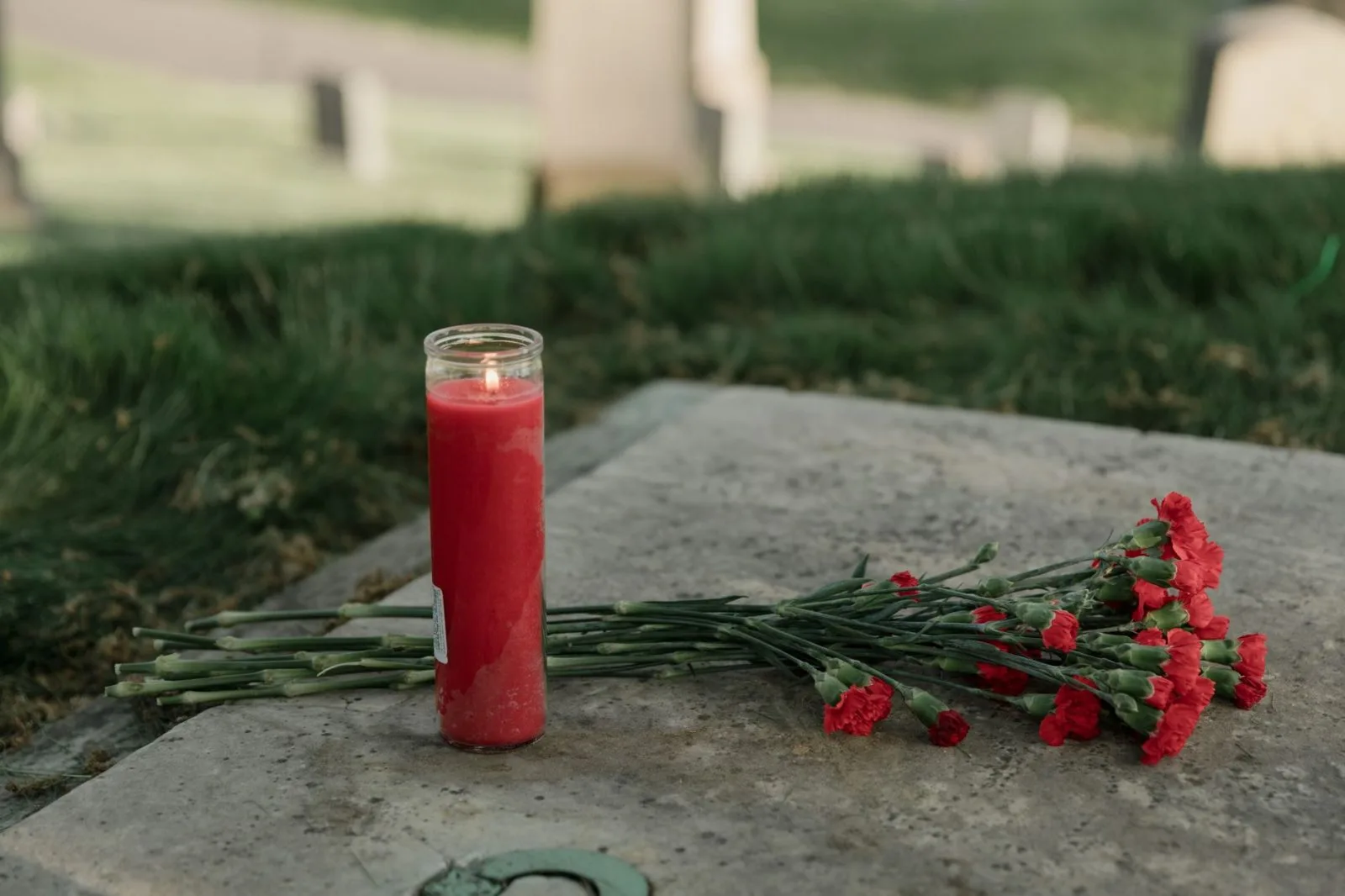
    Qingming means clear and bright, a name drawn from the twenty-four solar terms, the calendar that divides the year by the sun’s position. The term falls around 4 or 5 April, when temperatures rise and rain becomes frequent in the lower Yangtze. Families visit ancestral graves to sweep away leaves and weeds, repaint inscriptions, and lay out food, tea, and paper money. Offerings are followed by bows or a few words addressed to the dead. Paper money may be burned in a designated container, depending on local rules. The act is not a celebration of death but a maintenance of family continuity: the dead remain part of the household’s obligations. In Zhejiang, hillside graves make the visit a walk as much as a ritual.

    A family tending a grave with flowers on a hillside in spring
    Tomb sweeping means cleaning the grave, making offerings, and bowing before ancestors. RDNE Stock project | Pexels License (https://www.pexels.com/license/)

    The Cold Food Connection

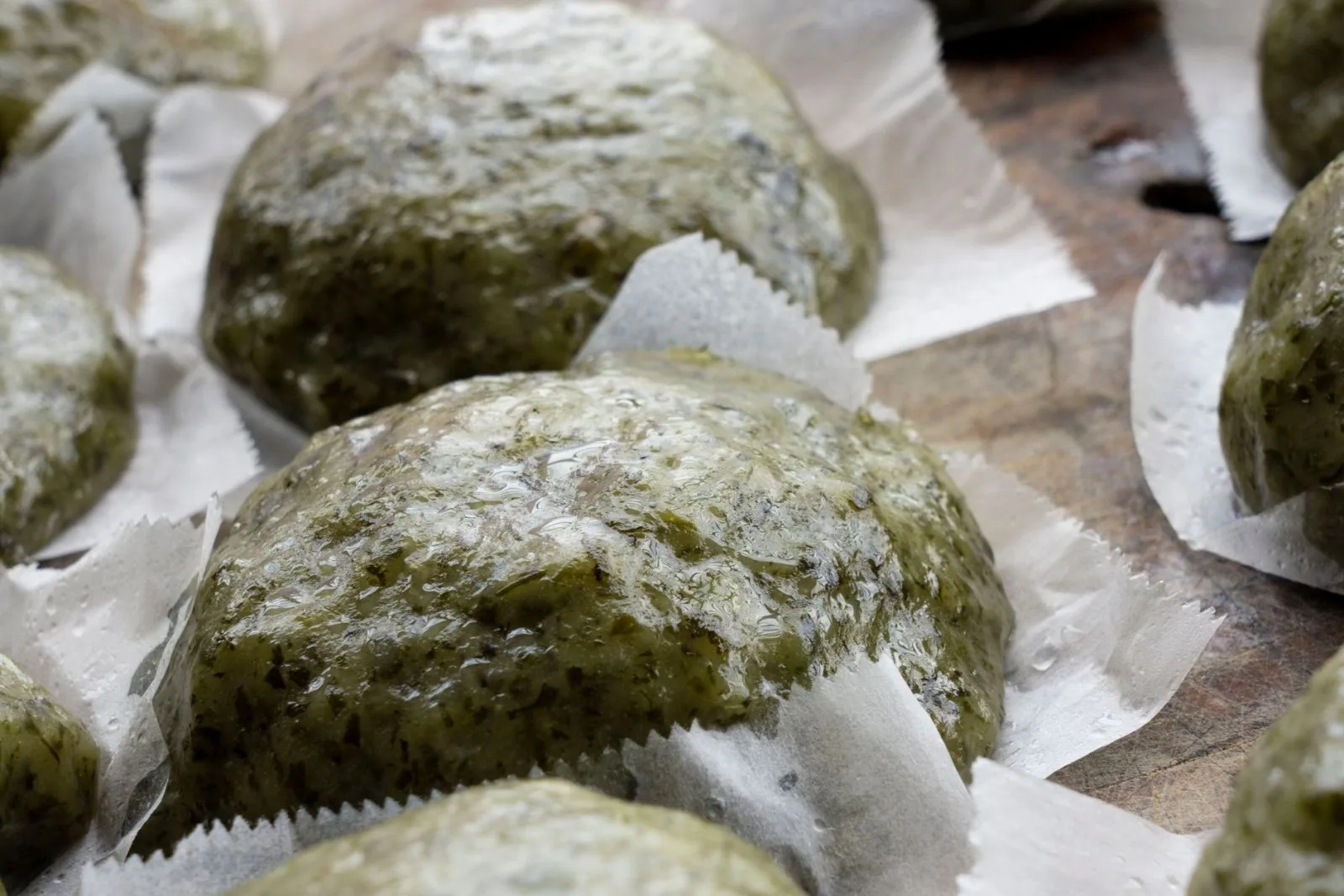
    Earlier custom linked this season with the Cold Food Festival, when fires were forbidden and families ate food prepared in advance. One traditional explanation connects the practice to Jie Zitui, a loyal follower of a Spring and Autumn duke who died in a forest fire; later historians treat the story as one among several local traditions rather than a single origin. In practice, the cold-food element has faded, but special foods remain. In Zhejiang and neighbouring Jiangnan, people eat qingtuan, soft green dumplings made with glutinous rice and mugwort juice, often filled with sweet red bean paste. Their colour comes from the first spring growth, and they are sold in markets for only a short season. Eating one links the memory of the dead to the first green.

    Qingming dumplings and cold food arranged on a table
    Qingming foods in Zhejiang include qingtuan, green rice cakes flavoured with mugwort. Jimmy Liao | Pexels License (https://www.pexels.com/license/)

    Spring Outings in Zhejiang

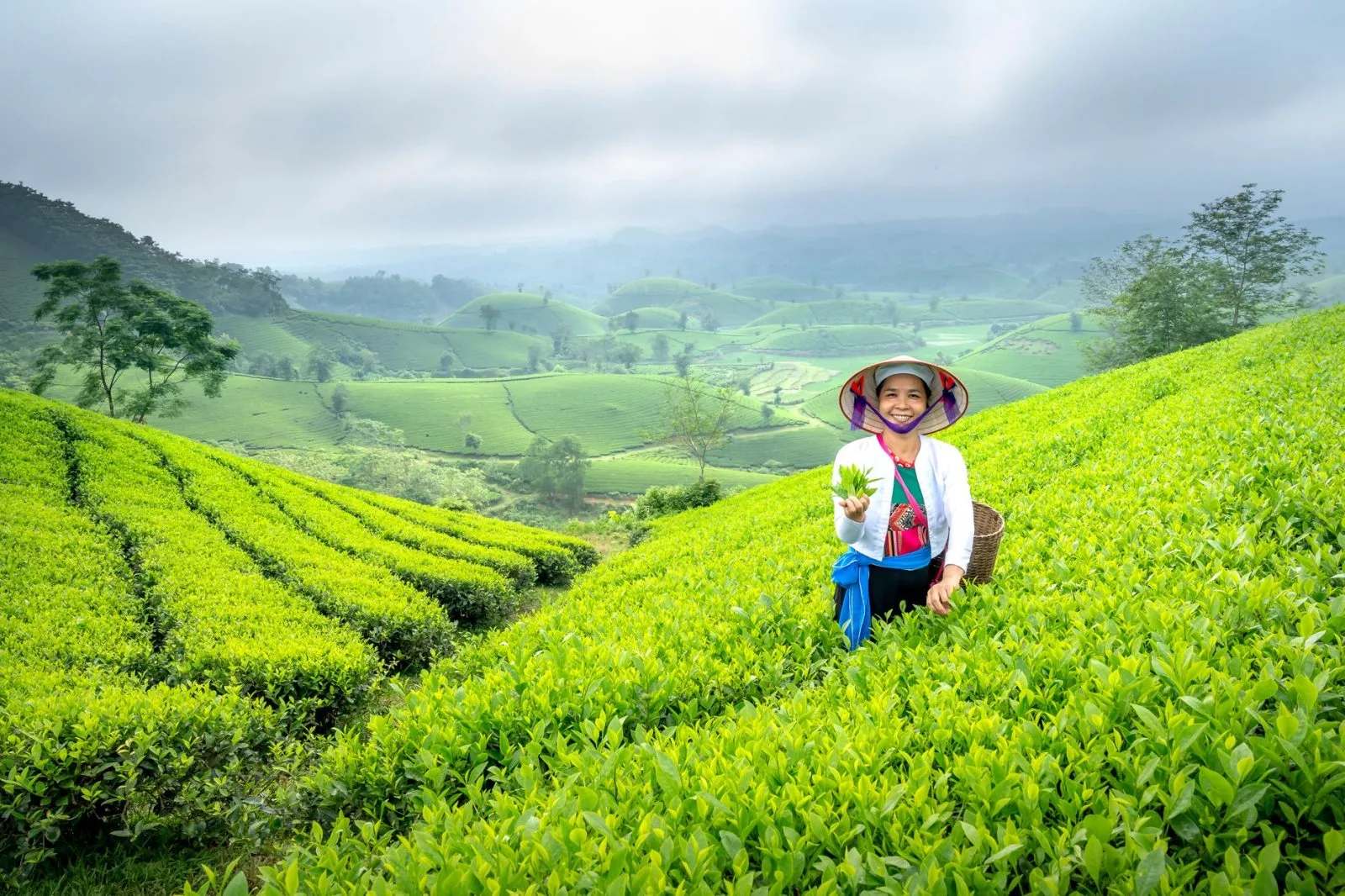
    The second half of Qingming is an outing, known as taqing, when families walk in parks, visit temples, or climb hills. Willow branches were once tucked into hair or hung at doors. In Zhejiang, the festival coincides with the first tea harvest around Hangzhou. Longjing, the tea from the hills near West Lake, is at its most valued when picked before Qingming; the tender buds of pre-Qingming pickings command higher prices. Visitors can see pickers between rows, and lakeside tea houses serve the new leaves. Qingming became a public holiday in 2008, giving the outing a practical boost. Combined with tomb sweeping, the day makes an unusual pair: a visit to the ancestors in the morning, a walk among new leaves in the afternoon.

    Tea pickers gathering early spring leaves in Zhejiang hills
    Pre-Qingming tea from Zhejiang’s hills is prized for its tender leaves. Quang Nguyen Vinh | Pexels License (https://www.pexels.com/license/)

    Poetry and Practice Today

    Qingming has a fixed place in Chinese literature. The Tang poet Du Mu wrote of drizzling rain on the Mourning Day and a traveller asking where wine could be bought, a poem that schoolchildren still memorise. The lines capture the day’s two moods: rain and sorrow, and the impulse to go out despite them. For a visitor, the details matter. Cemeteries can be crowded, so go early and keep to marked paths. Bring water and wear shoes suitable for muddy slopes. In Hangzhou, traffic around West Lake builds by mid-morning, and the metro is simpler than a taxi. Tea villages welcome visitors, but a field is a working crop, not a garden; wait for an invitation before touching the leaves. Respect anyone burning offerings, and never photograph a grave close-up.

    In the morning the family tends the grave; in the afternoon it walks among new leaves.

    แหล่งข้อมูลและเอกสารอ่านเพิ่มเติม

    1. ฤดูกาลทั้ง 24 ของสุริยคติ — มรดกทางวัฒนธรรมที่จับต้องไม่ได้ขององค์การยูเนสโก
    2. West Lake Cultural Landscape of Hangzhou — UNESCO World Heritage Centre.
    3. Qingming Festival — China Highlights.

    ดูตำแหน่งที่ติดตั้ง

    โปรดติดตามข้อมูลนี้ไปยังภูมิภาคที่เกี่ยวข้อง

    สำรวจโดยใช้แผนที่

    ติดตามกระทู้นี้

    ดูรายการอื่นๆ ที่มีแท็กเดียวกัน

    เรียกดูแท็ก
  • เทศกาลเรือมังกร

    ชีวิตและนิทานพื้นบ้าน

    เทศกาลเรือมังกร

    Racing, rice dumplings, and the fifth moon

    The Dragon Boat Festival joins boat races, sticky rice parcels, and a story of loyalty to a poet.

    ส่วน
    ชีวิตและนิทานพื้นบ้าน
    ภูมิภาค
    กวางตุ้ง
    ยุค
    ข้ามยุคสมัย
    แท็ก
    ศุลกากร อาหาร

    Duanwu falls on the fifth day of the fifth lunar month, when the heat of early summer arrives in Guangdong. The holiday is best known for dragon boat racing and zongzi, but its smaller customs reveal as much about how the day is understood.

    Qu Yuan and the River

    The festival is commonly linked to Qu Yuan, a poet and minister of the state of Chu who died in 278 BCE after his advice was rejected and his state fell. Legend says that fishermen raced out in boats to find his body and threw bundles of rice into the river to keep fish from eating it. Historians note that the custom of racing boats and the fifth-month observance existed before this story attached to it; the legend explains a practice rather than creating it. Either way, the pairing of boat and rice dumpling gives the holiday its two enduring symbols. In school lessons and public ceremonies, Qu Yuan is presented as a figure of loyalty and moral independence, a poet whose writing still reads as political dissent.

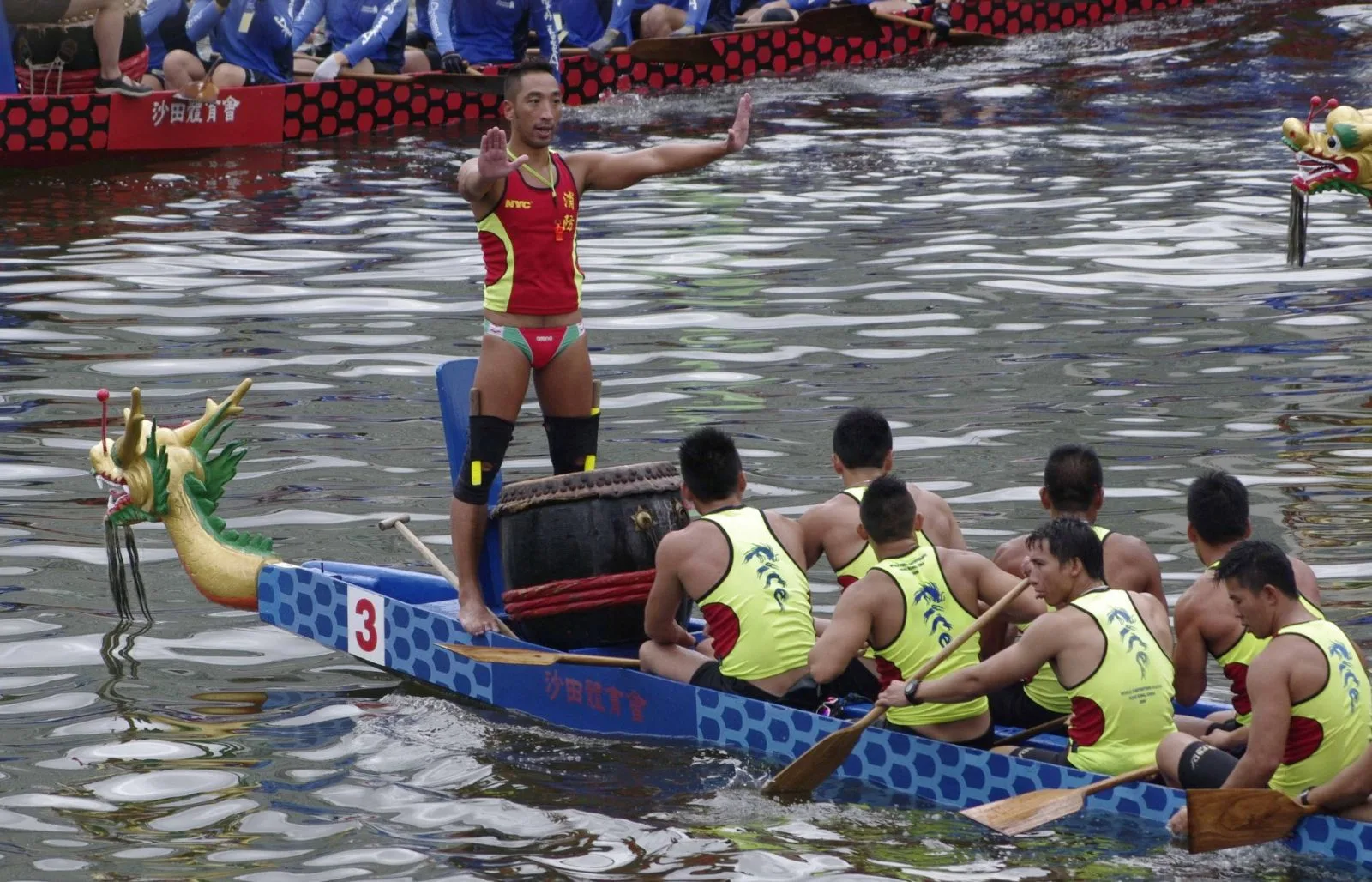
    A dragon boat with a carved head and paddlers in formation
    Dragon boats are painted and carved; crews race to the beat of a drum. Kamus Cheung | Pexels License (https://www.pexels.com/license/)

    Zongzi and Household Charms

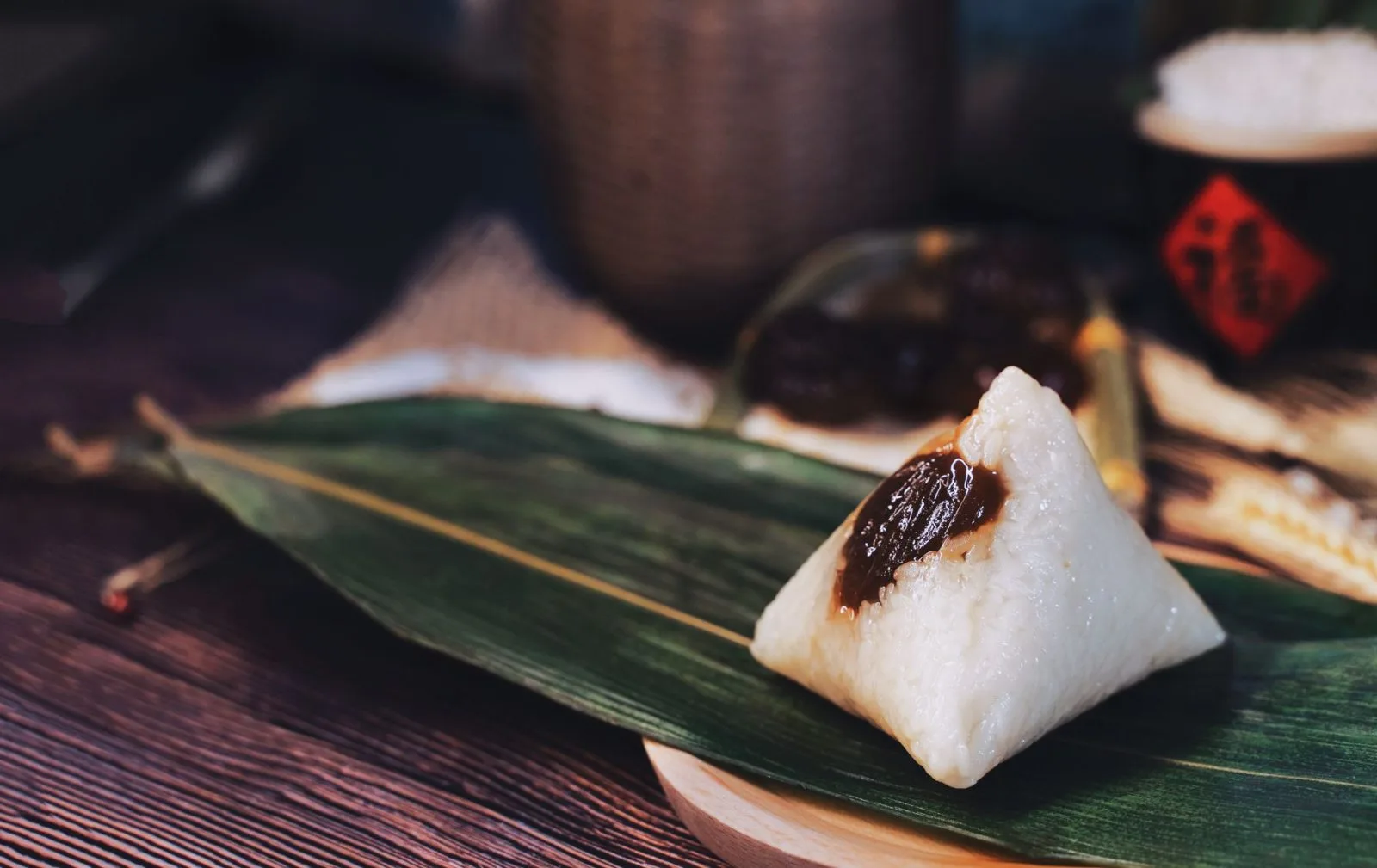
    Zongzi are parcels of glutinous rice wrapped in bamboo or reed leaves and tied with string, then boiled for hours. Fillings vary by region: Guangdong versions may include pork, salted egg, and mushrooms, while northern ones are often sweet with dates or red bean. Families make them in batches and give them to neighbours. The festival also has a protective side. In older practice, people hung mugwort and calamus at doorways to keep away illness and insects and tied five-coloured silk around children’s wrists. Realgar wine, a yellow mixture with a strong smell, was sprinkled around the house or dabbed on a child’s forehead, though modern safety advice discourages drinking it. These acts belong to a time when the fifth moon was thought to carry dampness, snakes, and fever.

    Pyramidal zongzi wrapped in bamboo leaves and tied with string
    Zongzi are filled with sticky rice and tied with string before boiling. zhen tang | Pexels License (https://www.pexels.com/license/)

    Guangdong on the Water

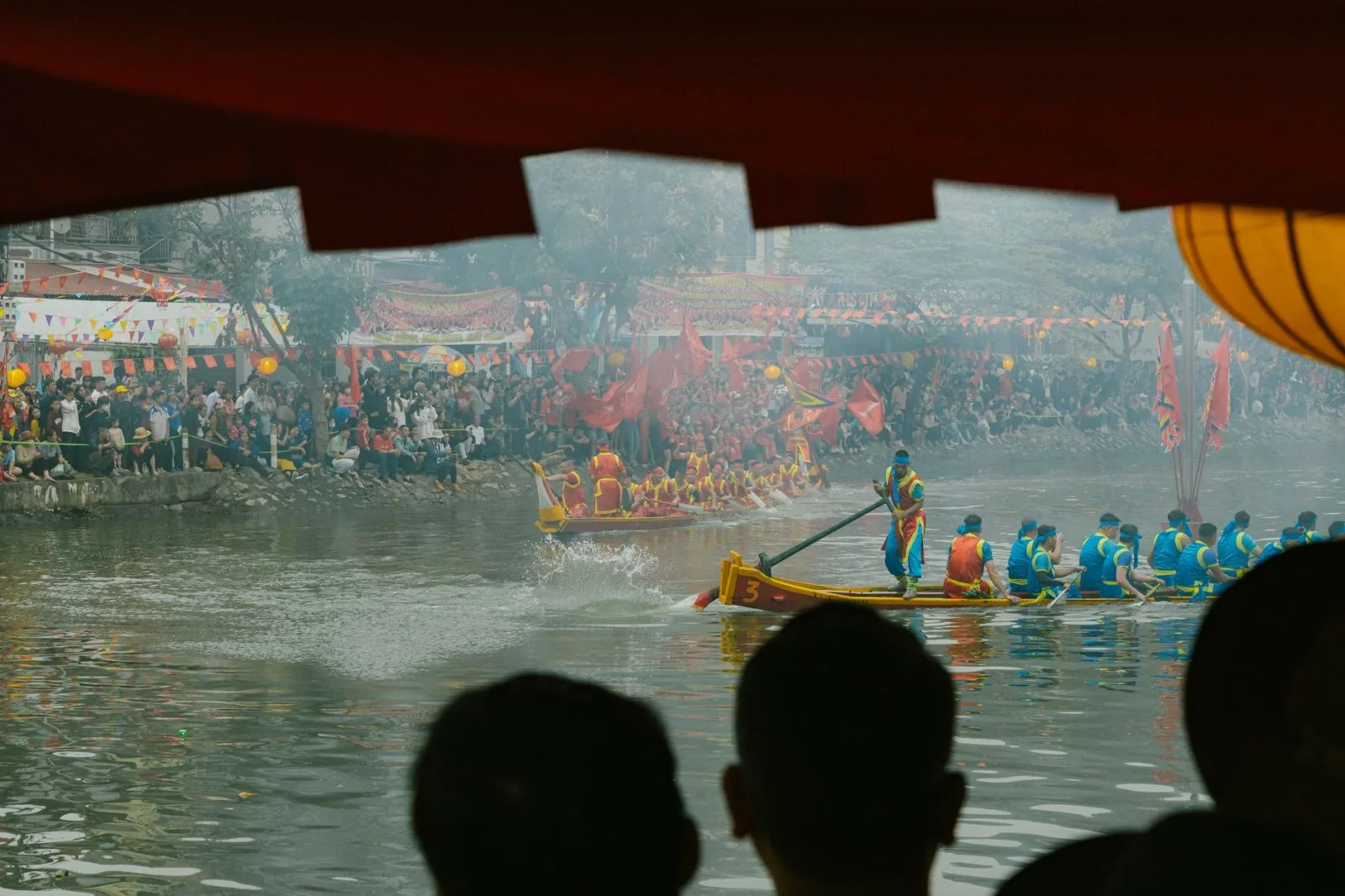
    In Guangdong, dragon boat racing is not a single event but a season. Villages and districts along the Pearl River Delta prepare boats through the spring, then race on rivers and creeks in the weeks around Duanwu. A long narrow boat carries a crew of paddlers, a drummer who sets the stroke, and a helmsman; the painted head and tail give the craft its name. Races are loud, crowded, and local, with teams known by village or temple affiliation. Spectators line bridges and banks, and the best vantage points fill early. The custom was inscribed on UNESCO’s intangible cultural heritage list in 2009. For a visitor, check local listings rather than assuming one central race: events are spread across Guangzhou and Foshan, and dates shift with the lunar calendar.

    Dragon boat crews racing on a Guangdong river before a crowd
    Pearl River Delta races draw village crews and large crowds in the weeks around Duanwu. HONG SON | Pexels License (https://www.pexels.com/license/)

    Observing the Day Today

    Duanwu is an official public holiday, so transport and tourist sites are busy. In Guangdong, the weather is hot and wet by May or June; bring water, a hat, and insect repellent if you plan to watch a race from an open bank. Respect the crews’ space at the water’s edge and do not step onto a boat or touch a drum without being invited. Many families still put mugwort at the door, and zongzi are easy to buy from markets in the days before the holiday. The festival is also an occasion for calling on relatives, though on a smaller scale. For travellers, the pleasure lies in the combination: a public spectacle on the river and a quiet, food-filled custom at home, both tied to the same lunar date.

    The drum sets the stroke, and the village supplies the crew.

    แหล่งข้อมูลและเอกสารอ่านเพิ่มเติม

    1. Dragon boat festival — มรดกทางวัฒนธรรมที่จับต้องไม่ได้ขององค์การยูเนสโก
    2. เทศกาลเรือมังกร — สารานุกรมบริแทนนิกา
    3. Qu Yuan — สารานุกรมบริแทนนิกา
    ดูตำแหน่งที่ติดตั้ง

    โปรดติดตามข้อมูลนี้ไปยังภูมิภาคที่เกี่ยวข้อง

    สำรวจโดยใช้แผนที่

    ติดตามกระทู้นี้

    ดูรายการอื่นๆ ที่มีแท็กเดียวกัน

    เรียกดูแท็ก
  • เทศกาลไหว้พระจันทร์

    ชีวิตและนิทานพื้นบ้าน

    เทศกาลไหว้พระจันทร์

    Mooncakes under a full moon

    The Mid-Autumn Festival gathers families around the full moon, mooncakes, and a long tradition of watching the night sky.

    ส่วน
    ชีวิตและนิทานพื้นบ้าน
    ภูมิภาค
    ปักกิ่ง
    ยุค
    ข้ามยุคสมัย
    แท็ก
    ศุลกากร อาหาร

    Falling on the fifteenth day of the eighth lunar month, the Mid-Autumn Festival is a harvest celebration and a family reunion. In Beijing, the holiday is marked in courtyards, parks, and moon-viewing spots that fill after sunset.

    The Date and the Moon

    The festival follows the lunar calendar, so its date moves between early September and early October. The fifteenth day of the eighth month is chosen because the moon should be full, and roundness stands for completeness and family unity. Chinese tradition reads the moon’s surface as the figure of Chang’e, a woman who, in one version of the myth, drank an elixir and rose to live there with a rabbit that pounds medicine. Another story tells of Wu Gang cutting a tree that regrows each time. These tales are not scripture; they are the stories families retell while looking up. Around the festival, parks stay open late and lakes reflect the moon, giving city dwellers a quiet reason to be outdoors after dinner.

    A full moon rising over a Beijing park lake
    The festival falls on the full moon of the eighth lunar month, usually in September or October. marnock | Pexels License (https://www.pexels.com/license/)

    Mooncakes and Their Fillings

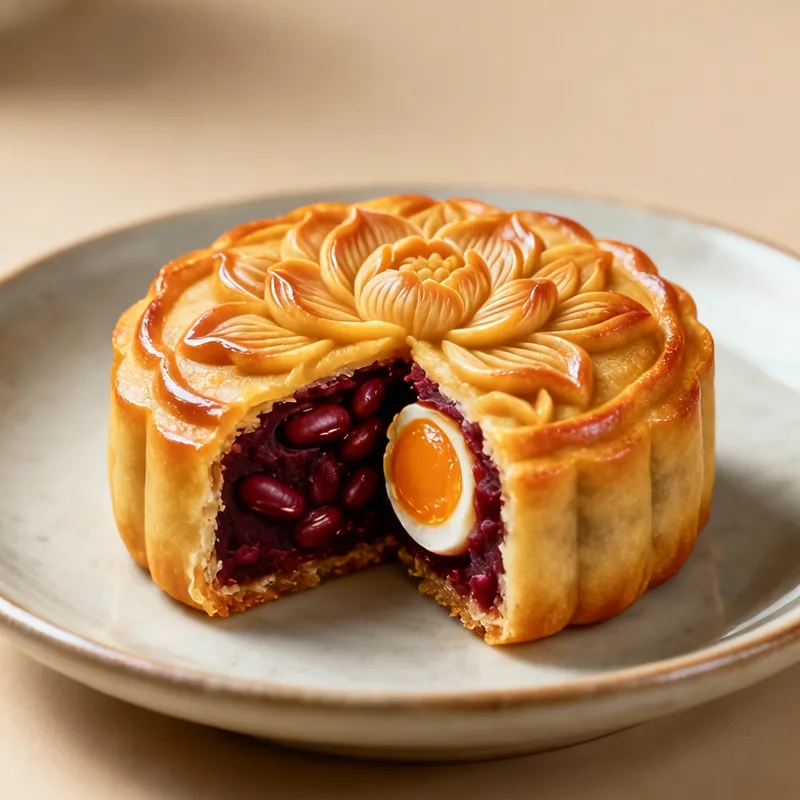
    Mooncakes are small, dense pastries with a thin crust and a heavy filling, traditionally cut into wedges and shared. The round shape echoes the moon, and the top is stamped with a pattern or characters such as longevity or harmony. Cantonese-style cakes often hold lotus seed paste and a salted duck egg yolk, whose yellow centre stands for the moon; other fillings include red bean, five nuts, and preserved fruit. Suzhou-style pastries use flaky layers, while snow-skin mooncakes are chilled and made with a glutinous rice wrapper. Because the cakes are rich, a sliver is usually enough, and tea helps. Prices rise in the weeks before the holiday, and elaborate boxes are made for gifting rather than eating. In Beijing, bakeries sell both traditional versions and small cakes.

    A round mooncake with a stamped pattern cut open to show the filling
    Mooncakes are dense pastries stamped with characters for longevity or harmony. ภาพประกอบที่สร้างโดย AI · SinoViz

    Beijing After Dark

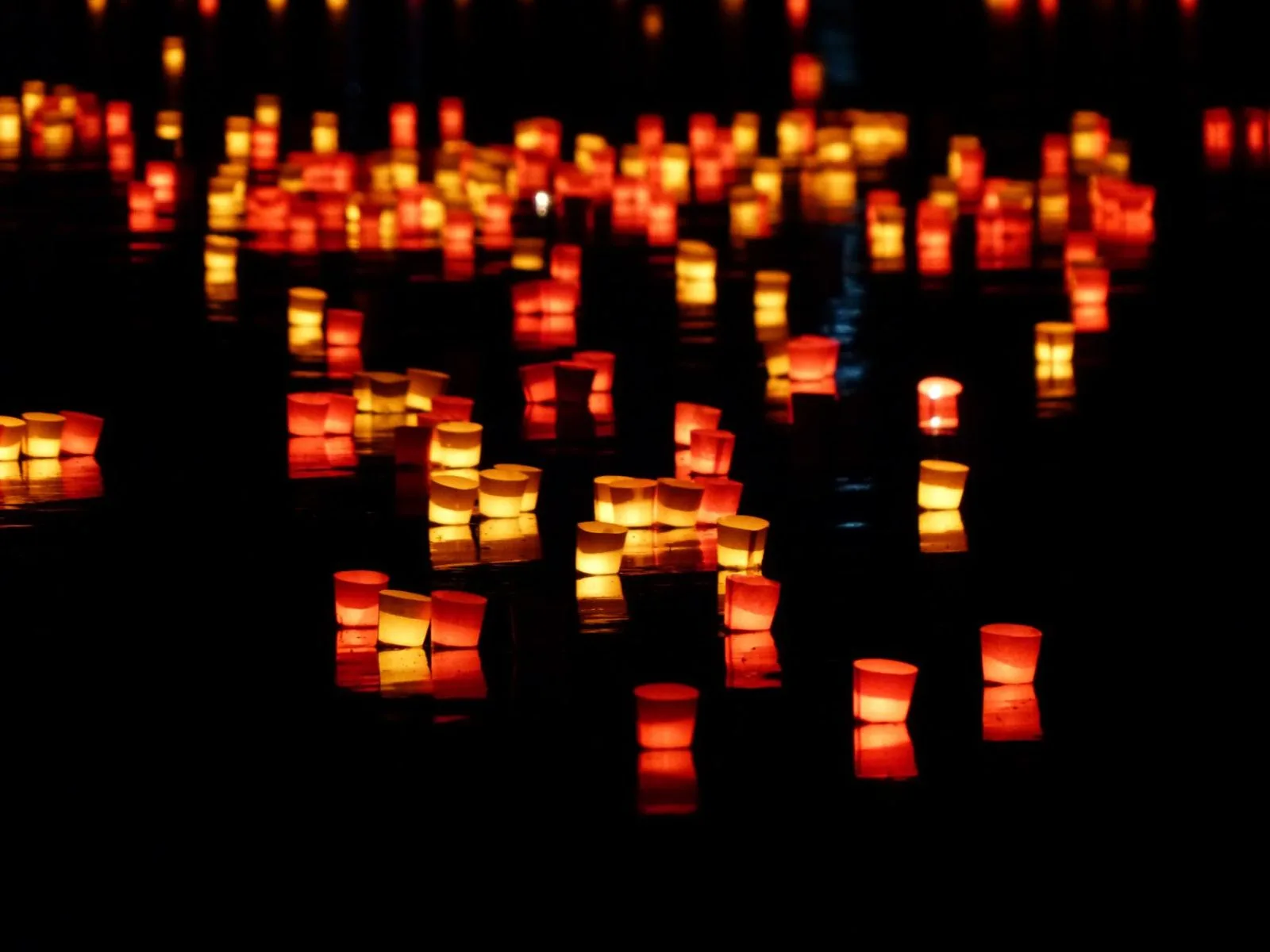
    Beijing’s moon-viewing spots fill quickly after dark. Beihai Park, with its lake and white stupa, and the Summer Palace, with Kunming Lake and the Long Corridor, are classic places to walk and watch the reflection. The Temple of Heaven also draws visitors. Families may light paper lanterns, and children carry them through the lanes; in some neighbourhoods, lantern riddles are posted for anyone who wants to try. Public holiday crowds mean metro stations near the parks stay busy late, so allow time to get back. Camping or bringing a barbecue is not appropriate in these historic grounds. A practical plan is to visit in the late afternoon, walk as the light fades, and take a seat by the water before the moon clears the rooftops.

    Lanterns reflected in a lake at a Beijing park during the Mid-Autumn Festival
    Parks such as Beihai and the Summer Palace draw moon-viewing crowds after sunset. Pixabay | Pexels License (https://www.pexels.com/license/)

    Gifts, Holiday, and Meaning

    Mooncakes are exchanged as gifts, often in boxes of four or six, and carrying a box to a family dinner is normal. The act matters more than the price; a modest cake from a favourite bakery can be more welcome than a lavish tin. Since 2008, the festival has been an official public holiday, reinforcing its role as a reunion, with millions travelling to see relatives. The deeper theme is tuanyuan, reunion, expressed by the circle of the cake and the full moon. Not everyone can be at the table, and the holiday acknowledges that absence as much as presence. If you are invited to a Beijing home, bring the cakes, arrive on time, and expect the evening to centre on a long meal rather than on speeches.

    Roundness carries the argument: a full moon, a round cake, a family gathered in one room.

    แหล่งข้อมูลและเอกสารอ่านเพิ่มเติม

    1. เทศกาลไหว้พระจันทร์ — สารานุกรมบริแทนนิกา
    2. เทศกาลไหว้พระจันทร์ — China Highlights.

    ดูตำแหน่งที่ติดตั้ง

    โปรดติดตามข้อมูลนี้ไปยังภูมิภาคที่เกี่ยวข้อง

    สำรวจโดยใช้แผนที่

    ติดตามกระทู้นี้

    ดูรายการอื่นๆ ที่มีแท็กเดียวกัน

    เรียกดูแท็ก
  • Chinese Paper Cutting

    ชีวิตและนิทานพื้นบ้าน

    Chinese Paper Cutting

    Red paper, folded and cut

    A pair of scissors and a sheet of red paper can carry a whole vocabulary of wishes.

    ส่วน
    ชีวิตและนิทานพื้นบ้าน
    ภูมิภาค
    มณฑลฉานซี
    ยุค
    ข้ามยุคสมัย
    แท็ก
    Customs, Ethnic

    Chinese paper cutting, or jianzhi, turns a flat sheet into a pattern of figures, flowers, and characters. Practised for centuries in rural households, it still marks weddings and New Year, and Shaanxi’s bold window designs are among its most recognisable regional forms.

    Origins and Technique

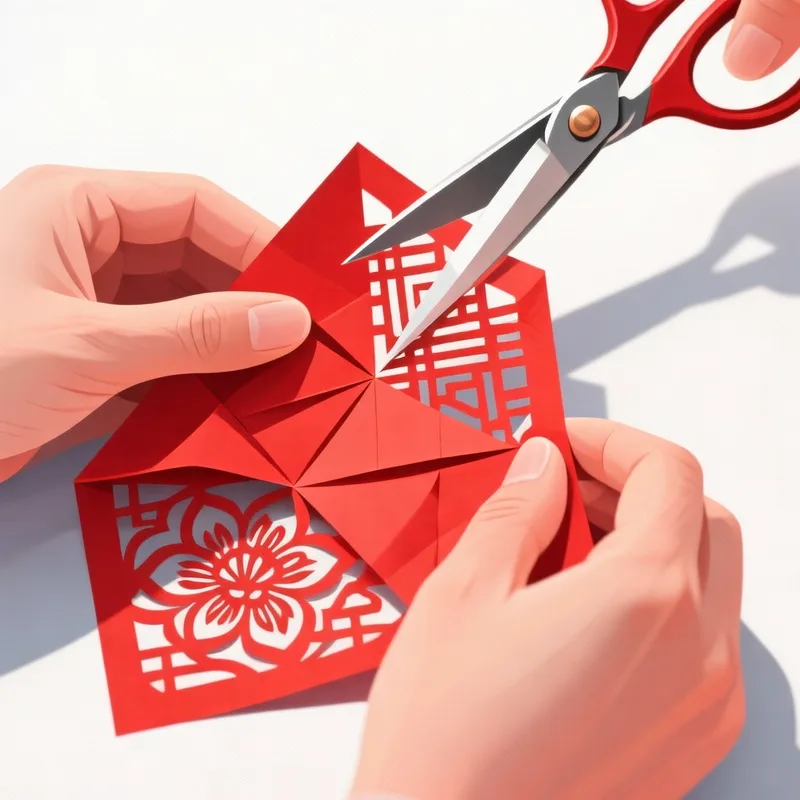
    Paper reached China in the Eastern Han period, and the first cuts followed once the material was cheap enough to experiment with. Early examples were used as offerings and as templates for embroidery; a surviving cut-paper find from the sixth century shows that the technique was established by then. Two methods developed. Scissors cut a folded sheet, creating a mirror-symmetric design with a single sequence of snips. A knife held upright cuts a stack of paper against a wax board, a method suited to finer lines and repeated motifs. Artists draw no outline for many traditional patterns; they cut directly, keeping the connecting threads that stop the design falling apart. The finished piece is light, cheap, and easy to paste on a window or door.

    Hands cutting a red paper design with small scissors
    Folding the paper before cutting produces the symmetrical patterns typical of window decorations. ภาพประกอบที่สร้างโดย AI · SinoViz

    A Language of Motifs

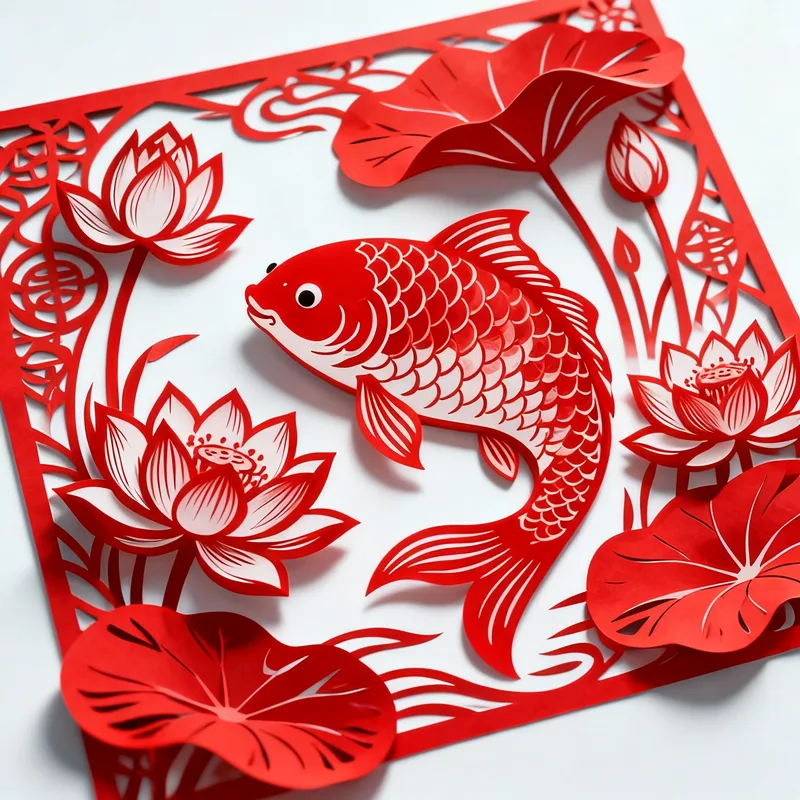
    The images are a system of visual puns. A fish means surplus, because the word for fish sounds like the word for abundance; lotus suggests purity. A pomegranate stands for many children, a bat for good fortune, and a peach for long life. The character fu, meaning good fortune, appears alone or inside a circular design, while shuangxi, double happiness, belongs to weddings. Zodiac animals, opera figures, and scenes of children at play all circulate as patterns. Colour matters as much as shape: red is the default for celebration, while white paper cuts are rarer and tied to older ritual uses. In a Shaanxi village window, the arrangement of these motifs tells a visitor what the household is hoping for in the coming year.

    Red paper-cut window decoration showing a fish and lotus flowers
    Fish and lotus form a rebus for abundance; motifs are chosen for the wish they carry. ภาพประกอบที่สร้างโดย AI · SinoViz

    Shaanxi Windows

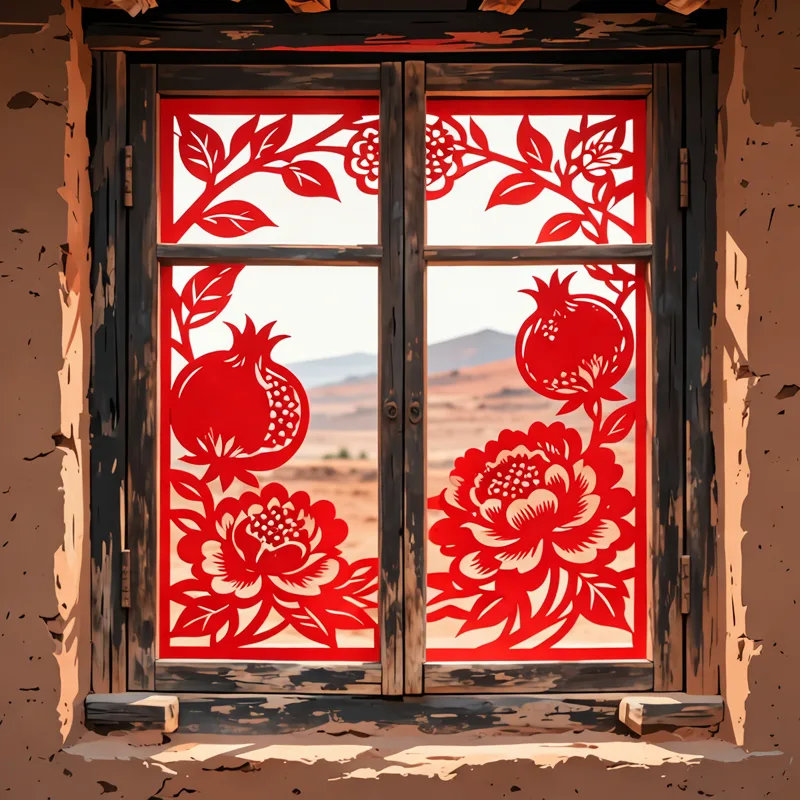
    Paper cutting in Shaanxi is associated with rural life on the Loess Plateau, especially around Yan’an. Windows there were once small and deeply set, so designs favoured bold silhouettes and broad, connected shapes that could be read from across a room. Local artists talk of cutting with the heart rather than measuring with a ruler, and compositions often show figures, animals, and plants together in a single dense frame. Window grilles, or chuanghua, are pasted at New Year and replaced when they fade. Wedding cuts carry double happiness characters and images of fertility; birthday cuts use peaches and cranes. Women were the main practitioners in many villages, passing patterns from mother to daughter, and village fairs still sell sheets cut in the old local style.

    A Shaanxi farmhouse window with bold red paper cutouts
    Shaanxi cuts favour strong silhouettes and broad shapes, designed to read from a distance. ภาพประกอบที่สร้างโดย AI · SinoViz

    Recognition and Travel

    Chinese paper-cut was inscribed on UNESCO’s Representative List of the Intangible Cultural Heritage of Humanity in 2009, a recognition that named both the craft and the communities that sustain it. The listing does not freeze the art. Contemporary artists cut portraits, cityscapes, and political images with the same tools, and paper cuts appear in graphic design and animation. For a visitor, the appeal is that the work is easy to find and easy to try. Museum shops sell small sheets, market stalls sell single motifs, and workshops in Xi’an and rural Shaanxi teach the basic fold-and-cut method in an hour. Bring a sharp pair of scissors and practice on cheap red paper before attempting a detailed pattern. A finished cut pasted on glass changes with the light.

    The pattern holds together because the cutter leaves just enough paper between the lines.

    แหล่งข้อมูลและเอกสารอ่านเพิ่มเติม

    1. Chinese paper-cut — มรดกทางวัฒนธรรมที่จับต้องไม่ได้ขององค์การยูเนสโก
    2. Chinese Paper Cutting — China Highlights.
    3. Paper cutting — สารานุกรมบริแทนนิกา
    ดูตำแหน่งที่ติดตั้ง

    โปรดติดตามข้อมูลนี้ไปยังภูมิภาคที่เกี่ยวข้อง

    สำรวจโดยใช้แผนที่

    ติดตามกระทู้นี้

    ดูรายการอื่นๆ ที่มีแท็กเดียวกัน

    เรียกดูแท็ก
  • Cantonese Cuisine

    ชีวิตและนิทานพื้นบ้าน

    Cantonese Cuisine

    Steam, Wok Heat, and Coastal Markets

    Guangdong cooking turns local seafood and temple fair foods into a refined restaurant tradition.

    ส่วน
    ชีวิตและนิทานพื้นบ้าน
    ภูมิภาค
    กวางตุ้ง
    ยุค
    ข้ามยุคสมัย
    แท็ก
    Food, Geography

    Cantonese cuisine is the cooking of Guangdong and its diaspora, built on river deltas, coastal markets, and the heat of the wok. Its best-known dishes—roast goose, dim sum, and steamed fish—sit beside home-style soups and street snacks.

    The Pearl River Pantry

    The Pearl River Delta gave Cantonese cooking an unusually broad pantry. Rice grows in the lowlands, fish and shellfish come from the estuary, and hills behind Guangzhou supply vegetables, pork, and poultry. Guangzhou was a major port under the Tang and again after European traders arrived in the seventeenth and eighteenth centuries. Merchants, officials, and temple fairs supported restaurants that could pay for skilled chefs. By the Qing period, Guangzhou’s tea houses served small plates known as dim sum through the morning and midday. Emigrants from Guangdong later carried these dishes to Southeast Asia, North America, and Europe, adapting them to local supplies.

    Bamboo steamers filled with dim sum
    Dim sum developed in the teahouses of Guangzhou and spread with Cantonese migration. parveen tasud | Pexels License (https://www.pexels.com/license/)

    Wok Hei and the Roast House

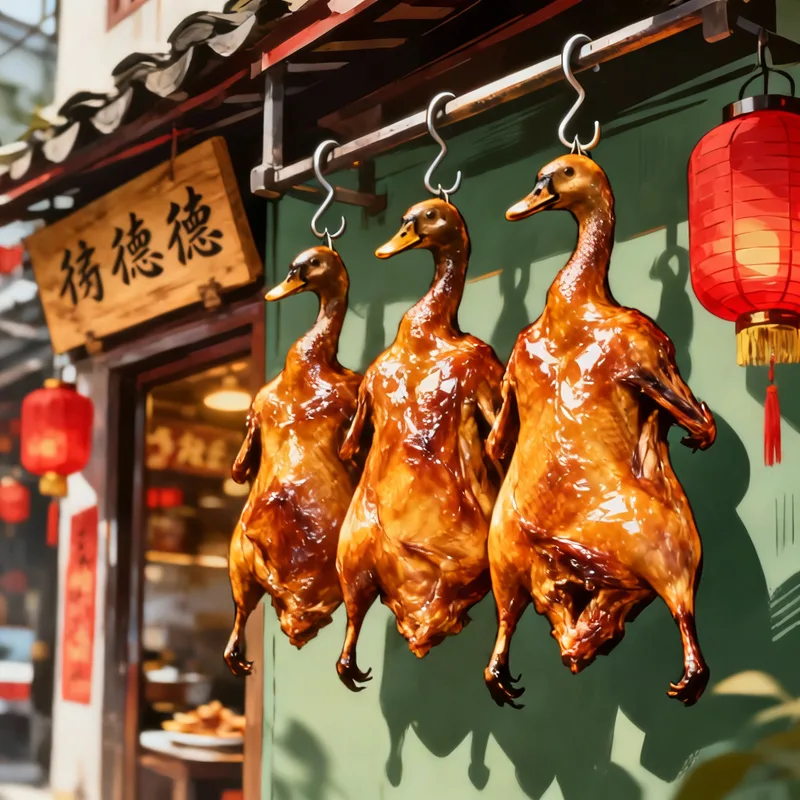
    Cantonese stir-frying depends on wok hei, the barely definable aroma produced when hot oil, vapours, and food meet a very hot wok. Chefs toss ingredients to keep them moving and prevent scorching; sauces are added late, often with cornstarch to give a light coating. Roasting is another speciality. Guangzhou-style white-cut chicken is poached and served with ginger and spring onion, while roast goose from Shunde is glazed, air-dried, and hung in a brick oven until the skin blisters. Char siu pork is marinated with honey and red fermented bean curd, then roasted with sugar caramelising at the edges.

    Roast geese hung to dry before roasting outside a Shunde restaurant
    Air-drying the skin is a key step in Shunde’s roast goose. ภาพประกอบที่สร้างโดย AI · SinoViz

    Dim Sum and Morning Ritual

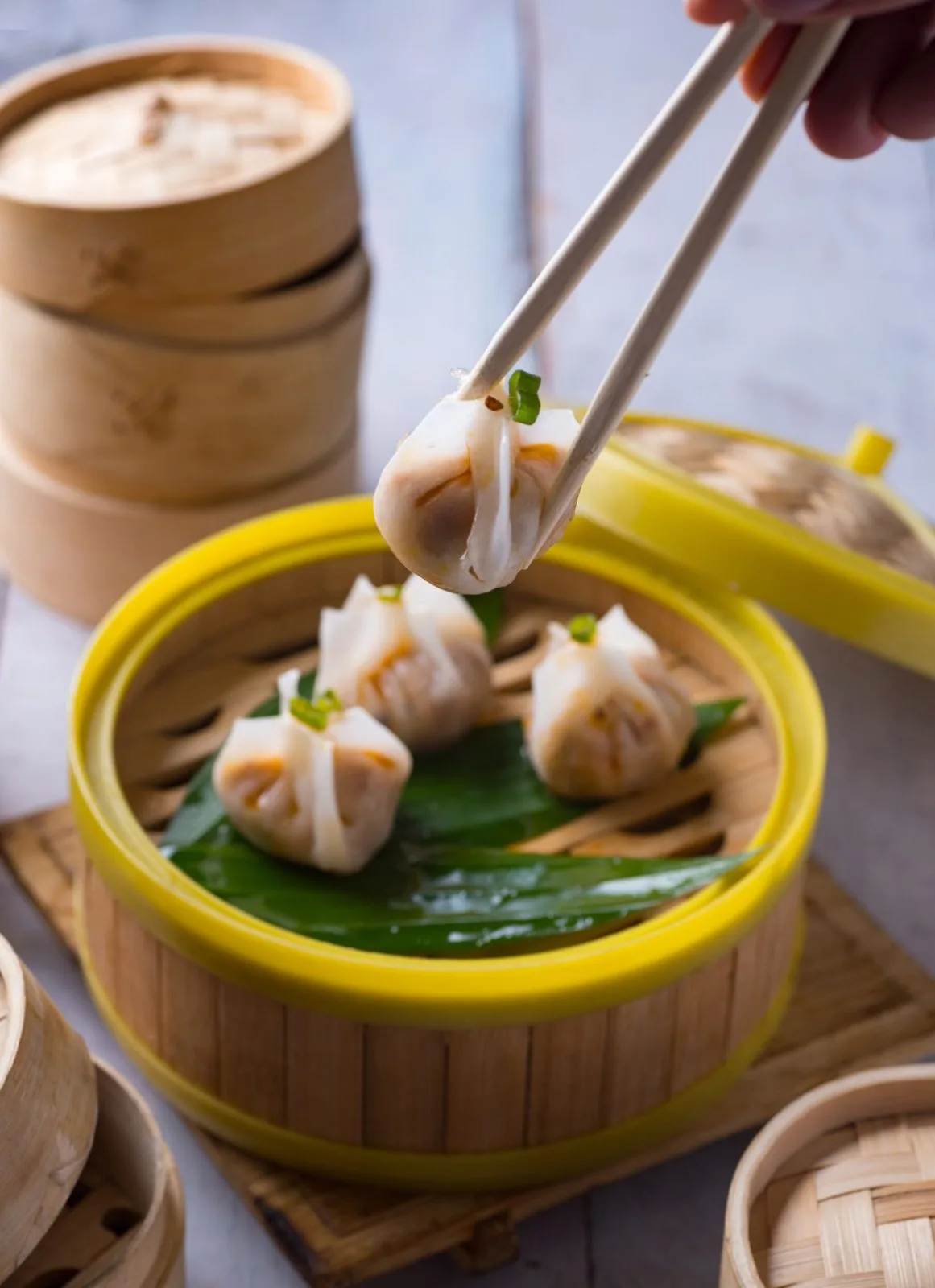
    Dim sum means a light snack, but in Cantonese practice it describes a meal of small portions ordered from trolleys or a paper card. Har gow wrap shrimp in a translucent wheat-starch skin; siu mai open-topped dumplings hold pork and shrimp; char siu bao are soft steamed buns with sweet roast-pork filling. Cheung fun are broad rice-noodle sheets rolled around shrimp, pork, or beef and dressed in soy sauce. Tea accompanies the meal, and the old custom of tapping a pot’s lid to signal for a refill is still performed, though younger diners may simply ask. The ritual is social as much as culinary, filling teahouses from early morning.

    • Har gow with translucent shrimp filling
    • Siu mai topped with a single shrimp
    • Cheung fun rice rolls with soy dressing
    • Egg tarts adapted from British custard pastry
    A trolley of bamboo steamers and tea pots beside a crowded Guangzhou dining room
    A dim sum meal is ordered in small dishes and shared across the table. minchephoto photography | Pexels License (https://www.pexels.com/license/)

    Regional Range and Diaspora

    Cantonese food is not one style. Shunde is known for delicate dairy desserts and fish dishes, Chaozhou nearby has a separate tradition of braised goose, seafood, and strong oolong tea, and Hakka communities in the hills favour preserved vegetables and stuffed tofu. Teochew and Hainanese migrants carried their own versions abroad. In Chinatowns from San Francisco to Singapore, Cantonese restaurants adapted to local tastes while keeping techniques such as steaming, roasting, and long simmered double-boiled soups. The resulting cuisines are mixed, but they preserve a central idea: fresh ingredients, precise heat, and a sauce that supports rather than hides them.

    Cantonese cooking asks a wok to do in seconds what other traditions give hours of stewing.

    แหล่งข้อมูลและเอกสารอ่านเพิ่มเติม

    1. Chinese Cuisine — สารานุกรมบริแทนนิกา
    2. Cantonese cuisine — สารานุกรมบริแทนนิกา
    3. Guangzhou — UNESCO World Heritage Centre.

    ดูตำแหน่งที่ติดตั้ง

    โปรดติดตามข้อมูลนี้ไปยังภูมิภาคที่เกี่ยวข้อง

    สำรวจโดยใช้แผนที่

    ติดตามกระทู้นี้

    ดูรายการอื่นๆ ที่มีแท็กเดียวกัน

    เรียกดูแท็ก