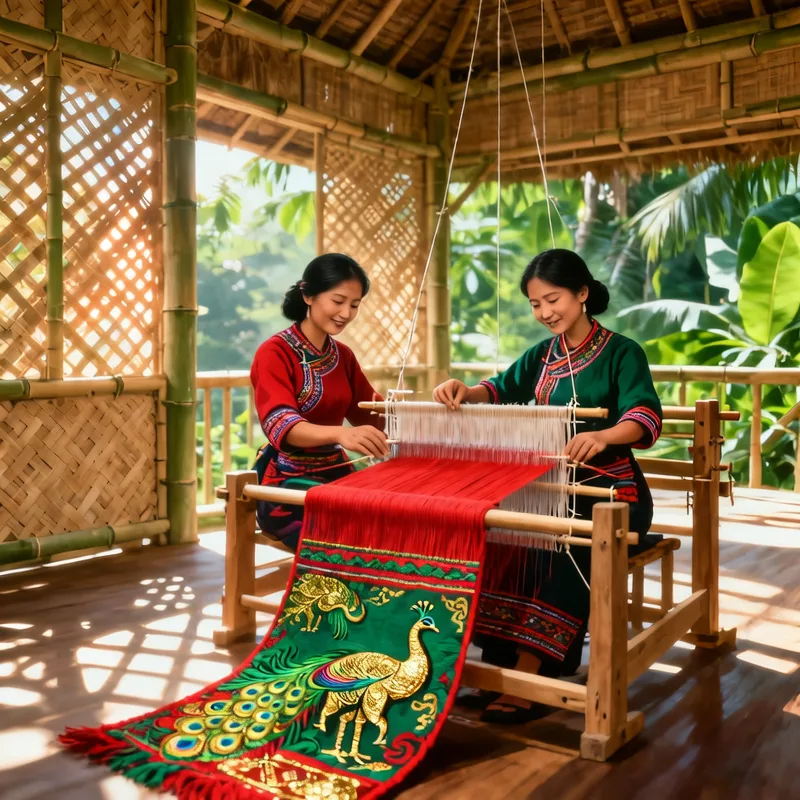
Category: ชีวิตและนิทานพื้นบ้าน

  • ชาวไป๋

    ชีวิตและนิทานพื้นบ้าน

    ชาวไป๋

    ผนังสีขาวและงานฝีมือรอบตัวดาลี

    ชาวไป๋เป็นกลุ่มคนที่พูดภาษาจีน-ทิเบต อาศัยอยู่หนาแน่นรอบเมืองต้าหลี่ บ้านเรือนแบบมีลานภายในและการย้อมผ้าสีครามเป็นเอกลักษณ์ทางศิลปะของท้องถิ่น

    ส่วน
    ชีวิตและนิทานพื้นบ้าน
    ภูมิภาค
    ยูนนาน
    ยุค
    ข้ามยุคสมัย
    แท็ก
    ชาติพันธุ์ ประเพณี

    เมืองของชาวไป๋ตั้งอยู่ระหว่างเทือกเขาชางซานและทะเลสาบเอ๋อไห่ทางตะวันตกเฉียงเหนือของมณฑลยูนนาน ภาษาที่พวกเขาใช้คือภาษาจีน-ทิเบต และชุมชนของพวกเขายังคงรักษาความทรงจำเกี่ยวกับอาณาจักรหนานจ้าวและต้าหลี่ที่เคยปกครองภูมิภาคนี้ก่อนการพิชิตของมองโกลในศตวรรษที่สิบสาม

    ระหว่างเมืองชางซานและเอ๋อไห่

    จากการสำรวจสำมะโนประชากรของจีนในปี 2010 พบว่ามีชาวไป๋ประมาณ 1.9 ล้านคน โดยประมาณสี่ในห้าอาศัยอยู่ในเขตปกครองตนเองต้าหลี่ไป๋ ส่วนชุมชนอื่นๆ กระจายอยู่ในคุนหมิง ชูเซียง ลี่เจียง เป่าซาน และบางส่วนของยูนนานตะวันตก เมืองและหมู่บ้านต่างๆ กระจุกตัวอยู่บนที่ราบแคบๆ ระหว่างเชิงเขาชางซานและชายฝั่งของแม่น้ำเอ๋อไห่ ซึ่งระบบชลประทานช่วยสนับสนุนการปลูกข้าว ถั่ว และการเลี้ยงโคนม ชื่อไป๋หมายถึงสีขาว ซึ่งหมายถึงปูนปลาสเตอร์สีอ่อนที่โดดเด่นของอาคารในท้องถิ่น เนื่องจากต้าหลี่ตั้งอยู่บนเส้นทางการค้าที่เชื่อมยูนนานกับเสฉวนและทิเบต เมืองของชาวไป๋จึงรับเอาสินค้าและเทคนิคจากหลายทิศทาง ในขณะเดียวกันก็ยังคงรักษารูปแบบและการตกแต่งที่เป็นเอกลักษณ์ของท้องถิ่นไว้อย่างแข็งแกร่ง
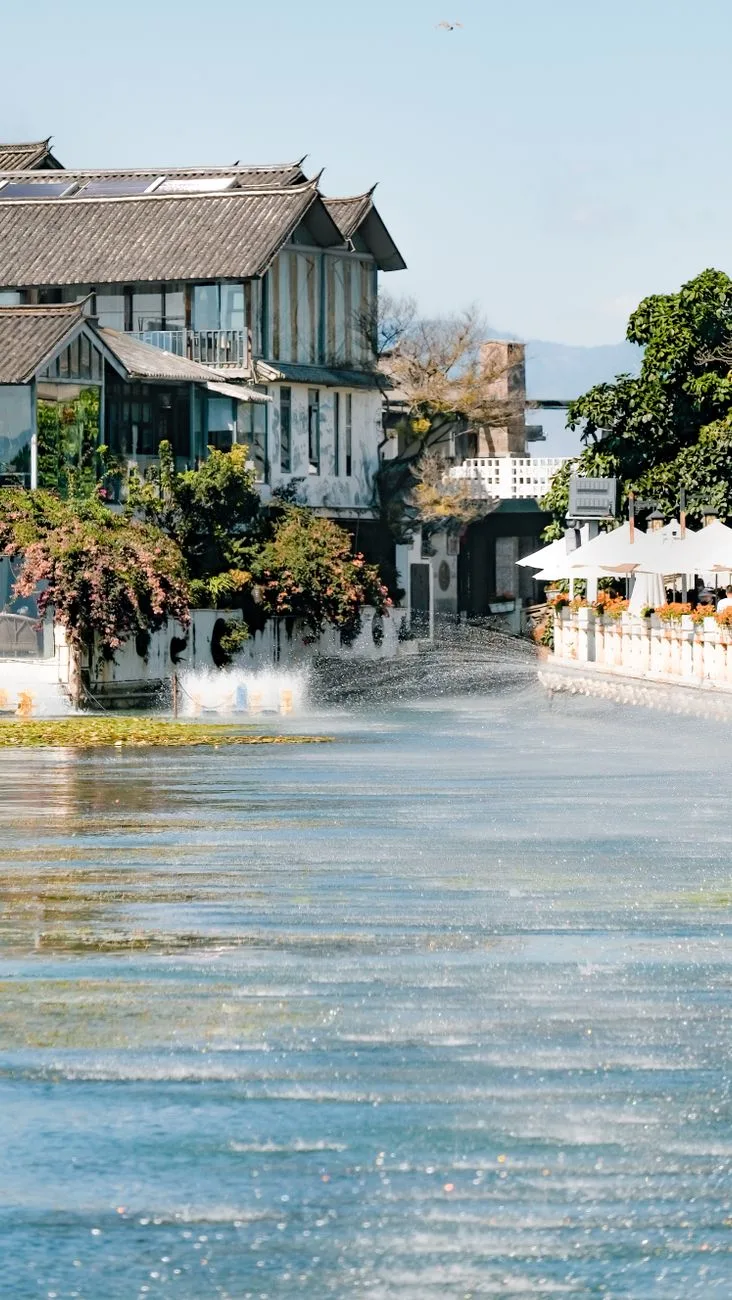
    บ้านเรือนชาวไป๋ที่ทาสีขาวหลังคามุงกระเบื้องสีเทา ตั้งอยู่บริเวณเชิงเขาชางซาน ใกล้เมืองต้าหลี่
    ปูนฉาบสีขาวและกระเบื้องสีเข้มทำให้หมู่บ้านในเขตต้าหลี่มีลักษณะเฉพาะตัว ภาพ "Doing Be" | ลิขสิทธิ์ของ Pexels (https://www.pexels.com/license/)

    ภาษาและรากฐานทางประวัติศาสตร์

    ภาษาไป๋อยู่ในตระกูลภาษาจีน-ทิเบต โดยทั่วไปจัดอยู่ในกลุ่มภาษาทิเบต-พม่า แม้ว่านักวิชาการยังคงถกเถียงกันถึงตำแหน่งที่แน่นอนเนื่องจากการยืมคำจากภาษาจีนจำนวนมาก ไม่มีอักษรไป๋แบบดั้งเดิมที่ใช้กันอย่างแพร่หลาย และอักษรจีนถูกนำมาใช้ในการเขียนชื่อ สัญญา และบันทึกท้องถิ่น ประเพณีปากเปล่าของชาวไป๋ รวมถึงเรื่องราวการสร้างโลกและเรื่องราวของผู้สร้างอาณาจักร ถูกถ่ายทอดผ่านการพูดและการแสดง บรรพบุรุษของชาวไป๋มีความเกี่ยวข้องกับอาณาจักรหนานจ้าว ซึ่งเจริญรุ่งเรืองตั้งแต่ศตวรรษที่ 8 ถึง 9 และอาณาจักรต้าหลี่ที่ตามมาในช่วงปี 937 ถึง 1253 ทั้งสองอาณาจักรได้ทิ้งจารึกหิน ภาพแกะสลักพระพุทธรูป และป้อมปราการไว้รอบทะเลสาบ

    ลานภายในอาคาร หินอ่อน และสีย้อม

    บ้านแบบไป๋มาตรฐานมีผังแบบที่เรียกว่า ซานฟาง อี้จ้าวปี้ คือมีสามปีกอาคารเรียงตัวรอบลานบ้าน โดยมีกำแพงกั้นตั้งอยู่ตรงข้าม ผนังทาสีขาว หลังคามุงด้วยกระเบื้องดินเผาสีเทา และประตูหน้าต่างมีงานแกะสลักไม้ฉลุลายอย่างประณีต กำแพงกั้นมักวาดภาพทิวทัศน์หรืออักษรจีน และแผ่นหินอ่อนในท้องถิ่นถูกนำมาประดับเป็นคานและโต๊ะ ในโจวเฉิงและหมู่บ้านใกล้เคียง การย้อมผ้าแบบมัดย้อมด้วยสีครามทำให้ได้ผ้าสีน้ำเงินที่มีลวดลายจากการเย็บและผูกก่อนย้อม งานปัก งานแกะสลักปูนปั้น และงานหินของชาวไป๋ใช้ลวดลายดอกไม้และเรขาคณิตที่คล้ายคลึงกัน ดังนั้นจึงมีการใช้รูปแบบการออกแบบเดียวกันบนเสื้อผ้า เฟอร์นิเจอร์ และด้านหน้าอาคาร
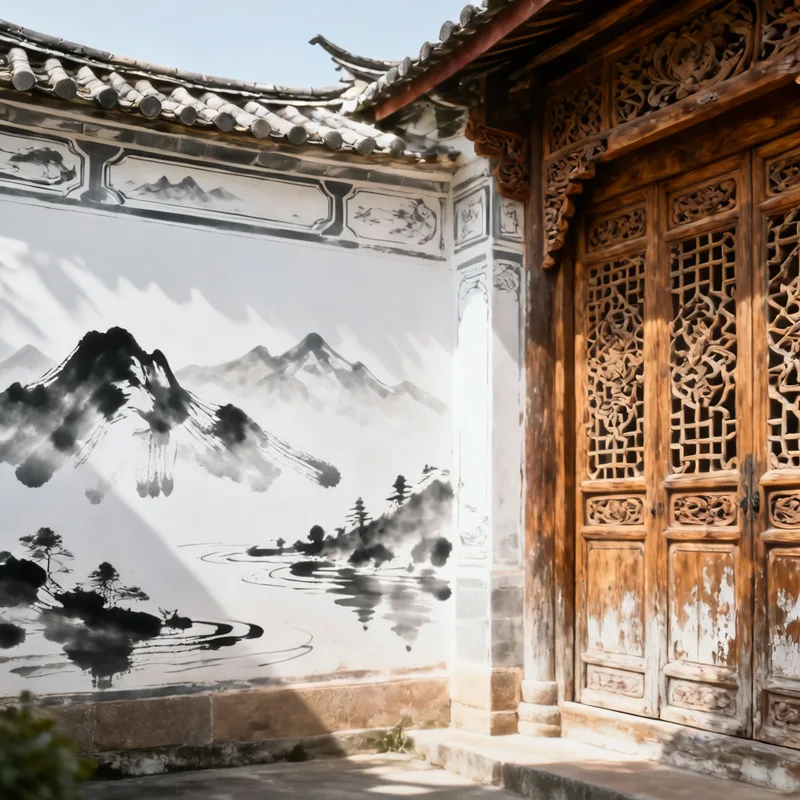
    กำแพงกั้นลานบ้านแบบไป๋ ตกแต่งด้วยภาพวาดหมึก และประตูไม้แกะสลัก ในเมืองต้าหลี่
    กำแพงภาพวาดหันหน้าเข้าหาปีกหลักของบ้านลานบ้านแบบดั้งเดิมของชาวไป๋ ภาพประกอบที่สร้างโดย AI · SinoViz

    ชา ตลาด และเทศกาล

    ชาสามคอร์สเป็นธรรมเนียมการต้อนรับของชาวไป๋: ถ้วยแรกมีรสขม ชงจากใบชาคั่ว ถ้วยที่สองมีรสหวาน เติมถั่วและน้ำผึ้ง และถ้วยสุดท้ายผสมสองรสชาติเข้าด้วยกัน ซึ่งว่ากันว่าจะให้รสชาติที่ติดตรึงใจ อาหารท้องถิ่นได้แก่ แผ่นนมตากแห้งที่เรียกว่า รูซาน สลัดหนังหมูดิบ ปลาเปรี้ยวจากเอ๋อไห่ และเต้าหู้ผัดสมุนไพรท้องถิ่น งานเทศกาลเดือนสาม ซึ่งจัดขึ้นในเดือนสามตามปฏิทินจันทรคติที่ต้าหลี่ เริ่มต้นจากการเป็นตลาดค้าปศุสัตว์และสินค้า ปัจจุบันได้เติมเต็มเชิงเขาชางซานด้วยแผงลอย การซื้อขายม้า และการแสดงต่างๆ นอกจากนี้ยังมีเทศกาลราโอซานหลิง ซึ่งเป็นการแสวงบุญและการรวมตัวร้องเพลง และประเพณีจุดคบไฟในบางหมู่บ้าน ซึ่งเป็นวันสำคัญอื่นๆ ของปี
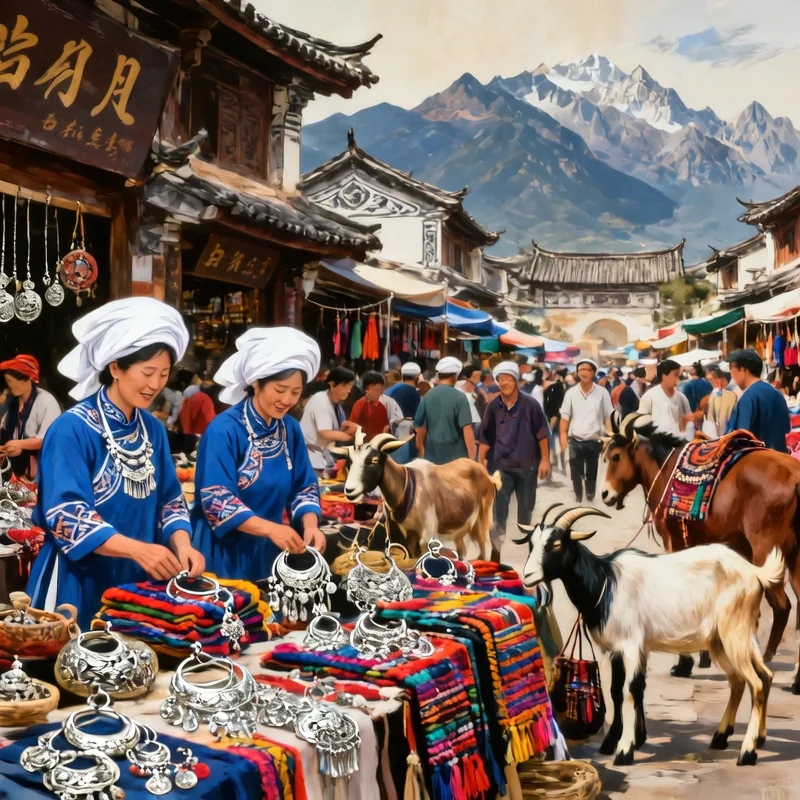
    พ่อค้าแม่ค้าชาวไป๋และปศุสัตว์ในงานเทศกาลเดือนสาม ใกล้เมืองต้าหลี่ มณฑลยูนนาน
    งานเทศกาลเดือนที่สามได้เติบโตจากตลาดระดับภูมิภาคกลายเป็นงานชุมนุมสาธารณะขนาดใหญ่ ภาพประกอบที่สร้างโดย AI · SinoViz
    ช่างฝีมือชาวไป๋ถือว่าด้านหน้าบ้าน ถ้วยชา และผ้าที่ย้อมสี เป็นพื้นผิวเดียวกันสำหรับการสร้างลวดลาย

    แหล่งข้อมูลและเอกสารอ่านเพิ่มเติม

    1. ไป๋ — สารานุกรมบริแทนนิกา
    2. กลุ่มชาติพันธุ์ไป๋ — China.org.cn
    ดูตำแหน่งที่ติดตั้ง

    โปรดติดตามข้อมูลนี้ไปยังภูมิภาคที่เกี่ยวข้อง

    สำรวจโดยใช้แผนที่

    ติดตามกระทู้นี้

    ดูรายการอื่นๆ ที่มีแท็กเดียวกัน

    เรียกดูแท็ก
  • ชุมชนชาวจีนเกาหลี

    ชีวิตและนิทานพื้นบ้าน

    ชุมชนชาวจีนเกาหลี

    ภาษาและวัฒนธรรมเกาหลีในปักกิ่ง

    ชาวเกาหลีที่อาศัยอยู่ในจีนยังคงดำรงชีวิตทางวัฒนธรรมโดยใช้ภาษาเกาหลีในภาคตะวันออกเฉียงเหนือของจีนและในเมืองต่างๆ เช่น ปักกิ่ง

    ส่วน
    ชีวิตและนิทานพื้นบ้าน
    ภูมิภาค
    ปักกิ่ง
    ยุค
    ข้ามยุคสมัย
    แท็ก
    ชาติพันธุ์ ประเพณี

    ชาวจีนที่อาศัยอยู่ในเกาหลี หรือที่รู้จักในภาษาจีนว่า เฉาเซียนจู มีจำนวนประมาณ 1.8 ล้านคน ศูนย์กลางการตั้งถิ่นฐานของพวกเขาอยู่ตามแนวชายแดนทางตะวันออกเฉียงเหนือ แต่เขตหวังจิงและหวู่ต้าโข่วในกรุงปักกิ่งได้กลายเป็นย่านที่ใช้ภาษาเกาหลีที่เห็นได้ชัดเจนมาก

    การย้ายถิ่นฐานและชุมชน

    ครอบครัวชาวจีนเกาหลีส่วนใหญ่สืบย้อนการตั้งถิ่นฐานในประเทศจีนไปถึงปลายศตวรรษที่ 19 และต้นศตวรรษที่ 20 เมื่อความยากลำบาก การเกณฑ์ทหาร และการผนวกเกาหลีของญี่ปุ่นในปี 1910 ผลักดันให้เกิดการอพยพข้ามแม่น้ำทูเมนและแม่น้ำยาลู เขตปกครองตนเองเกาหลีเหยียนเปียนก่อตั้งขึ้นในมณฑลจี๋หลินในปี 1952 และฉางไป่และหุนชุนยังคงเป็นศูนย์กลางที่สำคัญ ประชากรชาวเกาหลีในปักกิ่งเติบโตอย่างรวดเร็วหลังจากที่จีนและเกาหลีใต้สถาปนาความสัมพันธ์ทางการทูตในปี 1992 เมื่อนักเรียน พ่อค้า และวิศวกรจำนวนมากเดินทางเข้ามา อู๋ต้าโข่วกลายเป็นที่รู้จักในด้านโรงเรียนสอนภาษาและที่พักนักเรียน ในขณะที่หวังจิงพัฒนาซูเปอร์มาร์เก็ต ร้านอาหาร และป้ายภาษาเกาหลีในเชิงพาณิชย์

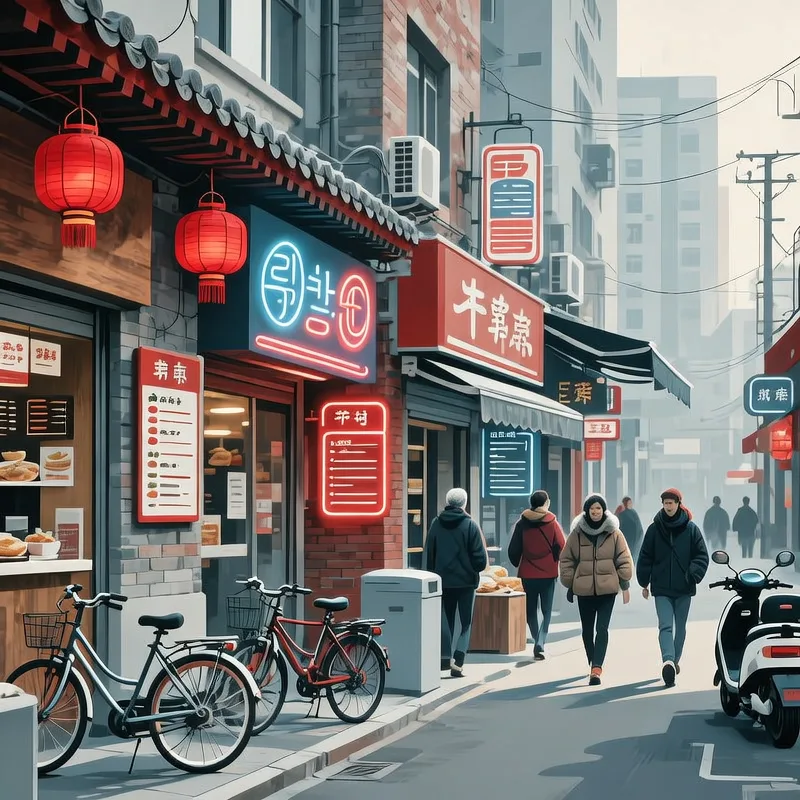
    ป้ายร้านค้าภาษาเกาหลีเรียงรายอยู่ตามถนนในเขตหวังจิงของกรุงปักกิ่ง
    ป้ายภาษาเกาหลีในย่านหวังจิงสะท้อนให้เห็นถึงการย้ายถิ่นฐานของนักศึกษาและนักธุรกิจมานานหลายทศวรรษ ภาพประกอบที่สร้างโดย AI · SinoViz

    ภาษาและการเขียน

    ภาษาเกาหลีเป็นภาษาในกลุ่มภาษาเกาหลี ซึ่งแตกต่างจากภาษาจีนและภาษาตงกูสิกที่พูดกันในภูมิภาคอื่น อักษรฮันกึลถูกสร้างขึ้นในศตวรรษที่ 15 และปัจจุบันเป็นอักษรมาตรฐานสำหรับการเขียนภาษาจีนในภาษาเกาหลี ส่วนอักษรจีนหรือฮันจา ปรากฏในเอกสารทางประวัติศาสตร์และชื่อบางชื่อ ผู้สูงอายุในเมืองเหยียนเปียนหลายคนพูดได้สองภาษาคือเกาหลีและจีนกลาง ในขณะที่คนรุ่นใหม่ที่เกิดในเมืองมักใช้ภาษาจีนกลางที่โรงเรียนและที่ทำงาน และใช้ภาษาเกาหลีที่บ้านหรือในสื่อชุมชน หนังสือพิมพ์ วิทยุ และพิธีกรรมทางศาสนาที่เป็นภาษาเกาหลีช่วยรักษาภาษาไว้ และบางครอบครัวส่งลูกไปโรงเรียนที่สอนภาษาเกาหลีควบคู่ไปกับหลักสูตรการศึกษาแห่งชาติ

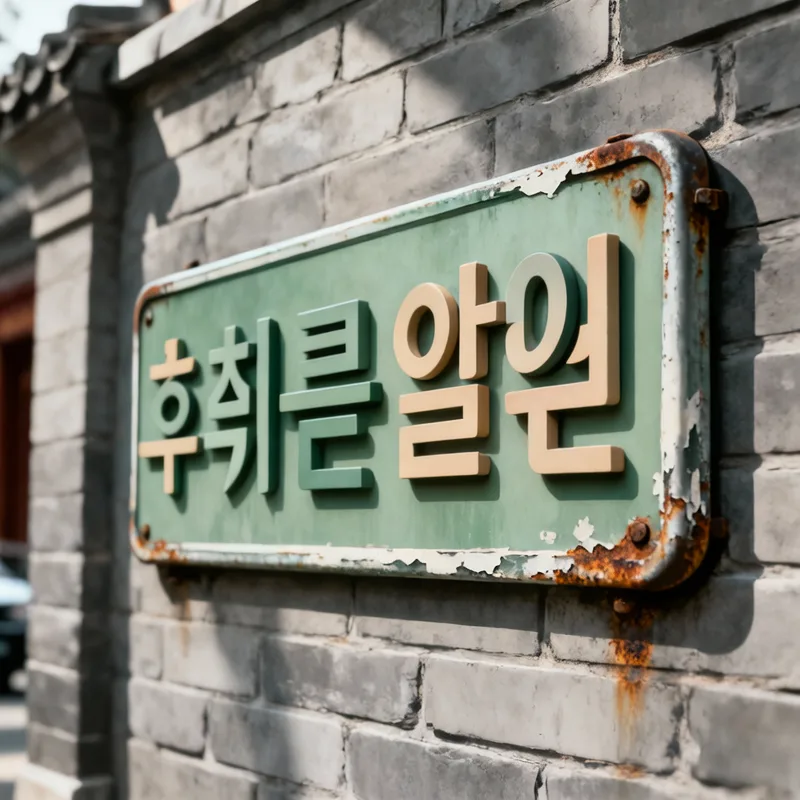
    ป้ายบอกทางสองภาษา เกาหลีและจีน ในย่านหนึ่งของปักกิ่ง
    ระบบการเขียนสองระบบนี้เป็นสิ่งที่บ่งบอกถึงการใช้สองภาษาในชีวิตประจำวันของครัวเรือนชาวเกาหลีเชื้อสายจีนจำนวนมาก ภาพประกอบที่สร้างโดย AI · SinoViz

    อาหารและของใช้ในครัวเรือน

    วัฒนธรรมการกินอาหารของเกาหลีเป็นส่วนที่เห็นได้ชัดเจนที่สุดส่วนหนึ่งของชีวิตชุมชน กิมจิที่ทำจากผักดองเกลือจะถูกเตรียมในปริมาณมากในช่วงฤดูใบไม้ร่วง และธรรมเนียมการทำและแบ่งปันกิมจิได้รับการยอมรับจากยูเนสโกให้เป็นมรดกทางวัฒนธรรมที่จับต้องไม่ได้ของเกาหลี อาหารประจำวันประกอบด้วยข้าว ซุป บิบิมบับที่ใส่ผักและพริกแกง เนื้อย่าง และแนงมยอน หรือบะหมี่เย็น บ้านแบบดั้งเดิมใช้ออนดอล ซึ่งเป็นระบบปล่องไฟใต้พื้นบ้านที่ให้ความร้อนแก่ที่นอน และบ้านในชนบทบางแห่งยังคงรักษารูปแบบโต๊ะเตี้ยและการนั่งบนพื้นแบบฮันอกเอาไว้ ในปักกิ่ง การอยู่อาศัยในอพาร์ตเมนต์ได้เปลี่ยนสภาพแวดล้อมไป แต่รูปแบบการกินอาหารและการนั่งร่วมกันที่โต๊ะอาหารเดียวกันยังคงอยู่

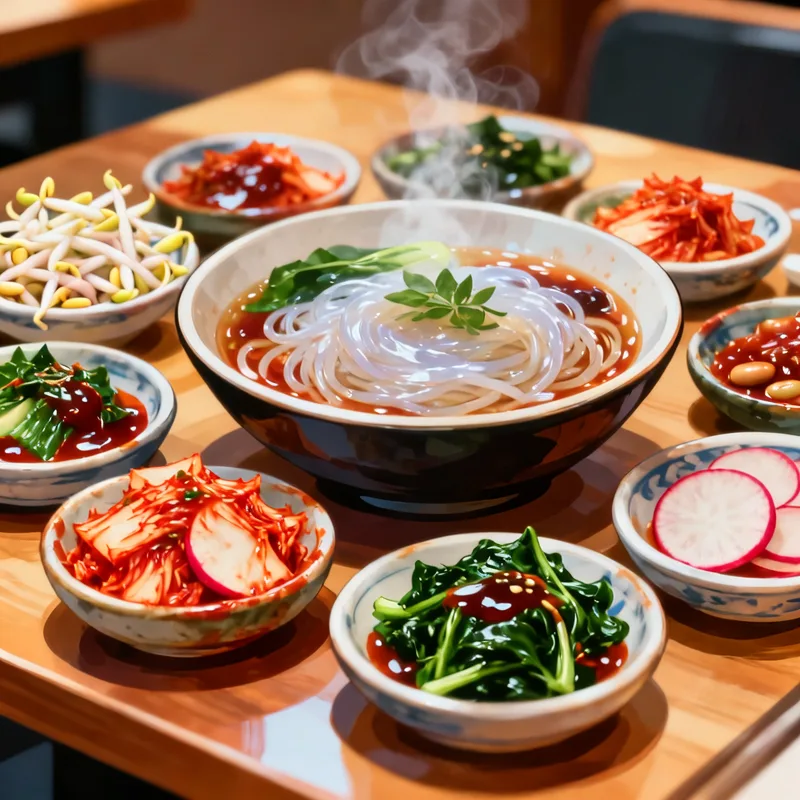
    อาหารเกาหลีนานาชนิดและบะหมี่เย็นวางอยู่บนโต๊ะอาหารในร้านอาหาร
    อาหารจานเคียงที่เสิร์ฟร่วมกันและบะหมี่เย็นเป็นส่วนประกอบที่คุ้นเคยในอาหารจีนเกาหลี ภาพประกอบที่สร้างโดย AI · SinoViz

    เทศกาลและชีวิตชุมชน

    เทศกาลสำคัญของครอบครัวมีสองเทศกาล ได้แก่ ซอลลัล หรือปีใหม่ตามปฏิทินจันทรคติ และชูซอก หรือเทศกาลเก็บเกี่ยวในฤดูใบไม้ร่วง ในเทศกาลซอลลัล ครอบครัวจะรับประทานต็อกกุก ซึ่งเป็นซุปที่ทำจากขนมข้าวเหนียวหั่นเป็นชิ้น และญาติรุ่นน้องจะโค้งคำนับผู้ใหญ่ ส่วนในเทศกาลชูซอกนั้น จะมีการไปเยี่ยมสุสานบรรพบุรุษและรับประทานซงพยอน ซึ่งเป็นขนมข้าวเหนียวชิ้นเล็กๆ สอดไส้ถั่วหรืองา ชุมชนชาวเกาหลีเชื้อสายจีนในปักกิ่งยังรวมตัวกันในงานแต่งงาน งานเลี้ยงรุ่น และการรวมกลุ่มทางธุรกิจ ซึ่งภาษาเกาหลียังคงเป็นภาษาแห่งความไว้วางใจและการอ้างอิงร่วมกัน การปรากฏตัวของชาวเกาหลีในที่สาธารณะนั้นมาจากการที่พวกเขามีร้านอาหาร บริษัทท่องเที่ยว และร้านค้าต่างๆ มากกว่าที่จะอยู่ในพื้นที่ปิดล้อม ถนนสายเดียวกันนั้นเป็นที่พบปะสังสรรค์ของผู้คนจากหลากหลายภูมิหลัง

    ป้ายภาษาเกาหลีในปักกิ่งบ่งบอกถึงขนบธรรมเนียมประเพณีที่สืบทอดกันมาในครัวเรือนมากกว่าจะเป็นเพียงแค่สัญลักษณ์ของพรมแดน

    แหล่งข้อมูลและเอกสารอ่านเพิ่มเติม

    1. ภาษาเกาหลี — สารานุกรมบริแทนนิกา
    2. กลุ่มชาติพันธุ์เกาหลี — China.org.cn
    3. คิมจัง การทำและแบ่งปันกิมจิ — มรดกทางวัฒนธรรมที่จับต้องไม่ได้ขององค์การยูเนสโก

    ดูตำแหน่งที่ติดตั้ง

    โปรดติดตามข้อมูลนี้ไปยังภูมิภาคที่เกี่ยวข้อง

    สำรวจโดยใช้แผนที่

    ติดตามกระทู้นี้

    ดูรายการอื่นๆ ที่มีแท็กเดียวกัน

    เรียกดูแท็ก
  • ชาวทูเจีย

    ชีวิตและนิทานพื้นบ้าน

    ชาวทูเจีย

    ช่างทอผ้าบนภูเขาทางตะวันออกของมณฑลเสฉวน

    ชาวทูเจียเป็นชนเผ่าที่พูดภาษาธิเบต-พม่า อาศัยอยู่ในเทือกเขาวู่หลิง มีชื่อเสียงในเรื่องบ้านยกพื้นสูง ผ้าทอมือ และการรำวงหมู่คณะ

    ส่วน
    ชีวิตและนิทานพื้นบ้าน
    ภูมิภาค
    เสฉวน
    ยุค
    ข้ามยุคสมัย
    แท็ก
    ชาติพันธุ์ ประเพณี

    แม้ว่าในที่นี้จะระบุไว้ว่าอยู่ในภูมิภาคเสฉวน แต่ชุมชนชาวทูเจียส่วนใหญ่ตั้งอยู่ทางตะวันออกของแอ่งเสฉวนในเทือกเขาหวู่หลิง ความเชื่อมโยงทางประวัติศาสตร์กับรัฐปาโบราณทำให้พวกเขามีความผูกพันกับโลกวัฒนธรรมปาซูที่กว้างขวางกว่าในภาคตะวันตกเฉียงใต้ของจีน

    ช่วงและจำนวน

    จากการสำรวจสำมะโนประชากรปี 2553 พบว่าชาวทูเจียมีประมาณ 8.35 ล้านคน ทำให้พวกเขากลายเป็นหนึ่งในชนกลุ่มน้อยที่ใหญ่ที่สุดของจีน แหล่งที่อยู่อาศัยหลักของพวกเขากระจายอยู่ทั่วเทือกเขาอู่หลิง ซึ่งเป็นจุดบรรจบกันของมณฑลหูหนาน หูเป่ย ฉงชิ่ง และกุ้ยโจว ในอำเภอต่างๆ เช่น หย่งซุนและหลงซานในมณฑลหูหนาน ซือจูและเผิงสุ่ยในฉงชิ่ง และเหยียนเหอในมณฑลกุ้ยโจว หมู่บ้านต่างๆ ตั้งอยู่ในหุบเขาที่มีลำธารไหลผ่านและเนินเขาหินปูน โดยมีนาขั้นบันไดและป่าไม้บนพื้นที่สูง การที่พวกเขาถูกรวมอยู่ในภูมิภาคเสฉวนในเว็บไซต์นี้ สะท้อนให้เห็นถึงความเชื่อมโยงกับลุ่มน้ำปาซูในอดีตและการเคลื่อนย้ายในปัจจุบันระหว่างลุ่มน้ำและเทือกเขาทางตะวันออก ประชากรชาวทูเจียที่หนาแน่นที่สุดไม่ได้อยู่ในมณฑลเสฉวนเอง

    บ้านไม้ยกพื้นสูงบนเนินเขาที่มีป่าปกคลุมในเทือกเขาวู่หลิง
    หมู่บ้านชาวทูเจียตั้งอยู่ตามหุบเขาที่มีลำธารไหลผ่านและเนินลาดที่มีลักษณะเป็นขั้นบันได มากกว่าที่จะอยู่บนที่ราบลุ่ม ภาพประกอบที่สร้างโดย AI · SinoViz

    ภาษาและอัตลักษณ์

    ภาษาตูเจียอยู่ในกลุ่มภาษาธิเบต-พม่า ซึ่งเป็นส่วนหนึ่งของตระกูลภาษาจีน-ธิเบต โดยมักมีการกล่าวถึงความสัมพันธ์ใกล้ชิดกับภาษานาซีและภาษาตระกูลฉางอื่นๆ ปัจจุบันมีผู้คนเพียงไม่กี่คนเท่านั้นที่พูดภาษานี้ได้อย่างคล่องแคล่ว ส่วนใหญ่อยู่ในหมู่บ้านไม่กี่แห่งทางตะวันตกของมณฑลหูหนาน ภาษาที่ใช้ในชีวิตประจำวันส่วนใหญ่ในภูมิภาคนี้คือภาษาจีนกลางตะวันตกเฉียงใต้ ชื่อตูเจียมีความหมายว่า "ผู้อยู่อาศัยดั้งเดิม" และการรับรองอย่างเป็นทางการในทศวรรษ 1950 ได้ให้ชื่อเรียกทั่วไปแก่ชุมชนที่เคยมีปฏิสัมพันธ์กับเพื่อนบ้านชาวฮั่น เหมียว ตง และเช่ มาอย่างยาวนาน ประวัติศาสตร์ปากเปล่าเก็บรักษาความทรงจำของรัฐปาโบราณ ซึ่งควบคุมบางส่วนของภูมิภาคเสฉวนตะวันออกจนกระทั่งการพิชิตของราชวงศ์ฉินในปี 316 ก่อนคริสตกาล

    บ้านยกพื้นและผ้าไหมปักดิ้นทอง

    บนพื้นที่ลาดชัน ช่างก่อสร้างชาวทูเจียจะสร้างบ้านแบบเตียวเจียโหลว ซึ่งชั้นบนเป็นที่อยู่อาศัยที่ยื่นออกมาเหนือชั้นล่างโดยใช้เสาไม้ มีระเบียงหน้าบ้าน และหลังคาเป็นทรงจั่วเพื่อระบายฝนตกหนัก ฉากกั้นภายในและกรอบหน้าต่างแกะสลักเป็นลวดลายดอกไม้และเรขาคณิต ผ้าทอที่มีชื่อเสียงที่สุดคือซีหลานคาปู ผ้าไหมทอมือสีสันสดใสที่ทอด้วยเครื่องทอแบบสะพายหลัง มีลวดลายดอกไม้ นก ตัวละครจากงิ้ว และลวดลายต้าไท่ฮวา ปรากฏอยู่ในเสื้อผ้า กระเป๋า และผ้าแขวนผนัง และได้รับการคุ้มครองเป็นมรดกทางวัฒนธรรมที่จับต้องไม่ได้ของชาติ อาหารมักประกอบด้วยหมูรมควัน ปลารมควัน ขนมข้าวเหนียว และซุปชาที่ผัดกับข้าวและถั่วลิสง

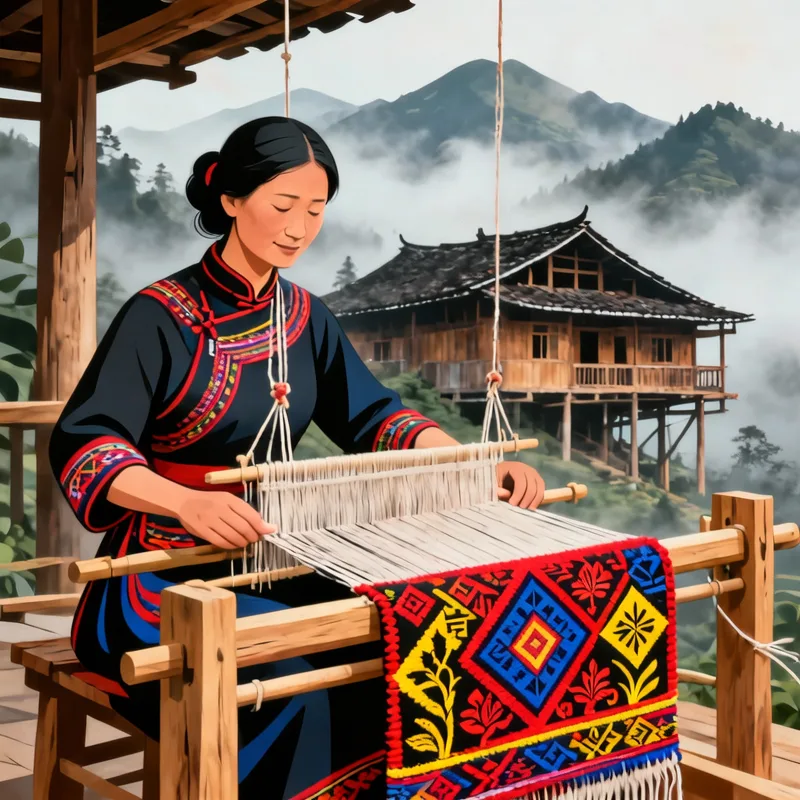
    ผ้าไหมทูเจีย ทอด้วยลวดลายเรขาคณิตและดอกไม้ ทอด้วยด้ายสีแดงและดำ
    ผ้าไหมซีหลานคาปูทอด้วยเครื่องทอแบบสะพายหลัง และใช้ในการทำเสื้อผ้าและสิ่งทอสำหรับใช้ในครัวเรือน ภาพประกอบที่สร้างโดย AI · SinoViz

    โบกมือและเต้นรำต้อนรับปีใหม่

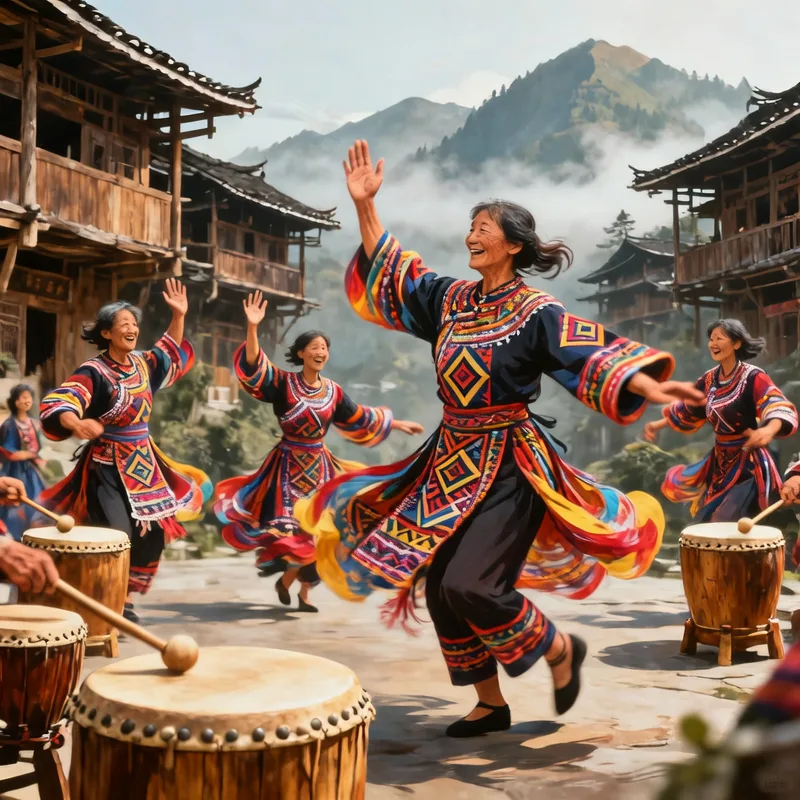
    การรำโบกมือ หรือไป่โชวหวู่ เป็นการแสดงโดยนักเต้นเป็นแถวที่แกว่งแขนไปตามจังหวะกลองและฆ้อง การแสดงนี้จะจัดขึ้นในหอรำโบกมือในช่วงเทศกาลตรุษจีนและเทศกาลเชบา ซึ่งมีการถวายเครื่องบูชาแก่บรรพบุรุษและผู้พิทักษ์หมู่บ้าน บางหมู่บ้านยังมีการแสดงเหมากูซี ซึ่งเป็นการรำสวมหน้ากากหรือชุดฟางที่แสดงฉากการล่าสัตว์และการทำเกษตรกรรม อีกหนึ่งประเพณีที่โดดเด่นคือ กานเนียน ซึ่งเป็นการเฉลิมฉลองปีใหม่ล่วงหน้าหนึ่งวัน โดยตามประเพณีปากต่อปากเชื่อมโยงกับการเตรียมตัวของบรรพบุรุษเพื่อออกไปทำสงคราม ปัจจุบันการแสดงเหล่านี้ได้รับการสอนในโรงเรียนและศูนย์วัฒนธรรม ดังนั้นพิธีกรรมที่เคยจำกัดอยู่เฉพาะในหอประชุมหมู่บ้านแห่งเดียวจึงได้รับการชมจากผู้ชมในวงกว้างมากขึ้น

    นักเต้นชาวทูเจียในชุดปักลวดลายกำลังแสดงระบำโบกมือพร้อมเสียงกลอง
    การรำโบกมือเป็นการรวมตัวของชาวบ้านด้วยการเคลื่อนไหวแขนที่ประสานกันและจังหวะกลอง ภาพประกอบที่สร้างโดย AI · SinoViz
    ในหมู่บ้านของชาวทูเจีย ลวดลายการทอผ้าและท่าเต้นต่างก็เป็นสื่อกลางในการถ่ายทอดความทรงจำของครอบครัว

    แหล่งข้อมูลและเอกสารอ่านเพิ่มเติม

    1. ทูเจีย — สารานุกรมบริแทนนิกา
    2. กลุ่มชาติพันธุ์ทูเจีย — China.org.cn
    3. มรดกทางวัฒนธรรมที่จับต้องไม่ได้ของจีน — เครือข่าย ICH ของจีน

    ดูตำแหน่งที่ติดตั้ง

    โปรดติดตามข้อมูลนี้ไปยังภูมิภาคที่เกี่ยวข้อง

    สำรวจโดยใช้แผนที่

    ติดตามกระทู้นี้

    ดูรายการอื่นๆ ที่มีแท็กเดียวกัน

    เรียกดูแท็ก
  • The Manchu People

    ชีวิตและนิทานพื้นบ้าน

    The Manchu People

    Jurchen roots, Qing legacy in Beijing

    The Manchu are a Tungusic-speaking people whose Qing dynasty left a deep imprint on Beijing’s buildings and court culture.

    ส่วน
    ชีวิตและนิทานพื้นบ้าน
    ภูมิภาค
    ปักกิ่ง
    ยุค
    yuan-ming-qing
    แท็ก
    Ethnic, History

    Manchu identity took shape in the early seventeenth century among Jurchen groups of northeastern China. The Qing dynasty they founded ruled from Beijing between 1644 and 1912, and its material traces remain in the city’s palaces and archives.

    From Jurchen to Qing

    The Manchu descend from Jurchen communities of the northeast, who earlier founded the Jin dynasty of 1115 to 1234. In 1635 the ruler Hong Taiji adopted the name Manchu for his people, and in 1636 he renamed the state Qing. The dynasty took Beijing in 1644 and ruled China until 1912. Today roughly 10.4 million people identify as Manchu according to the 2010 census, making them one of the largest ethnic minorities. Most live in Liaoning, Hebei, Jilin and Heilongjiang, with substantial populations in Beijing and Tianjin. Migration into the capital after 1644 created banner neighbourhoods whose street names and food shops still register the Qing presence.

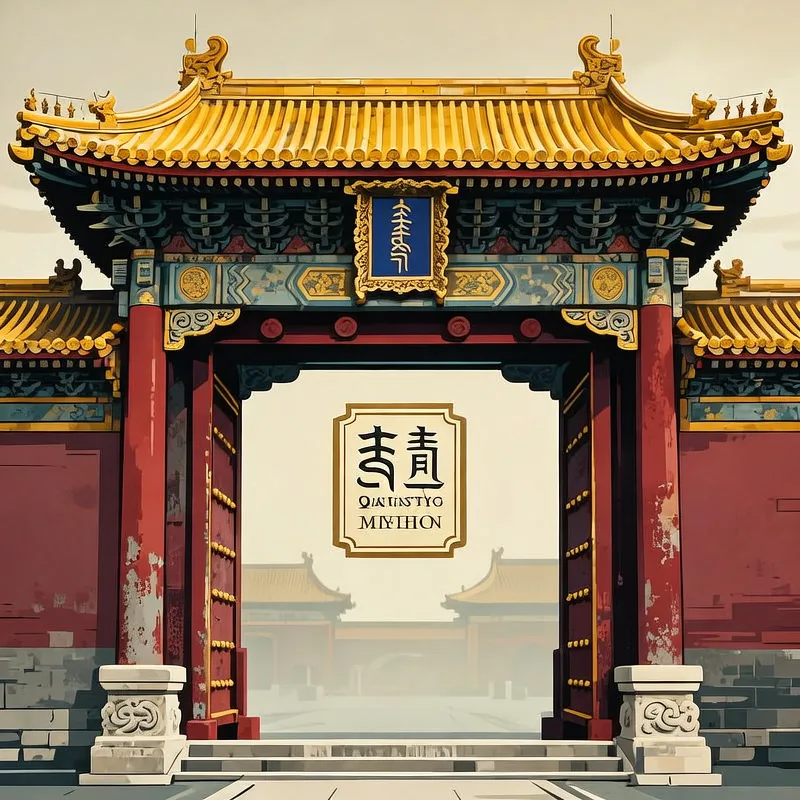
    A bilingual Manchu and Chinese plaque above a gate in Beijing’s Forbidden City
    Palace gates in Beijing carry inscriptions in both Manchu and Chinese. ภาพประกอบที่สร้างโดย AI · SinoViz

    A written language of archives

    Manchu is a Tungusic language, related to Xibe and more distantly to Evenki. Its written form was devised in the late sixteenth century by adapting the Mongolian script, and it became the language of Qing military records, imperial edicts and family archives. Thousands of these documents survive in Chinese and foreign collections, and they are consulted for the history of the dynasty and its frontier administration. Few people speak Manchu fluently today, mostly in a handful of northeastern villages, and Mandarin is the normal language of daily life. Even so, Manchu words survive in place names, court titles and the vocabulary of Qing institutions.

    Dress, house and food

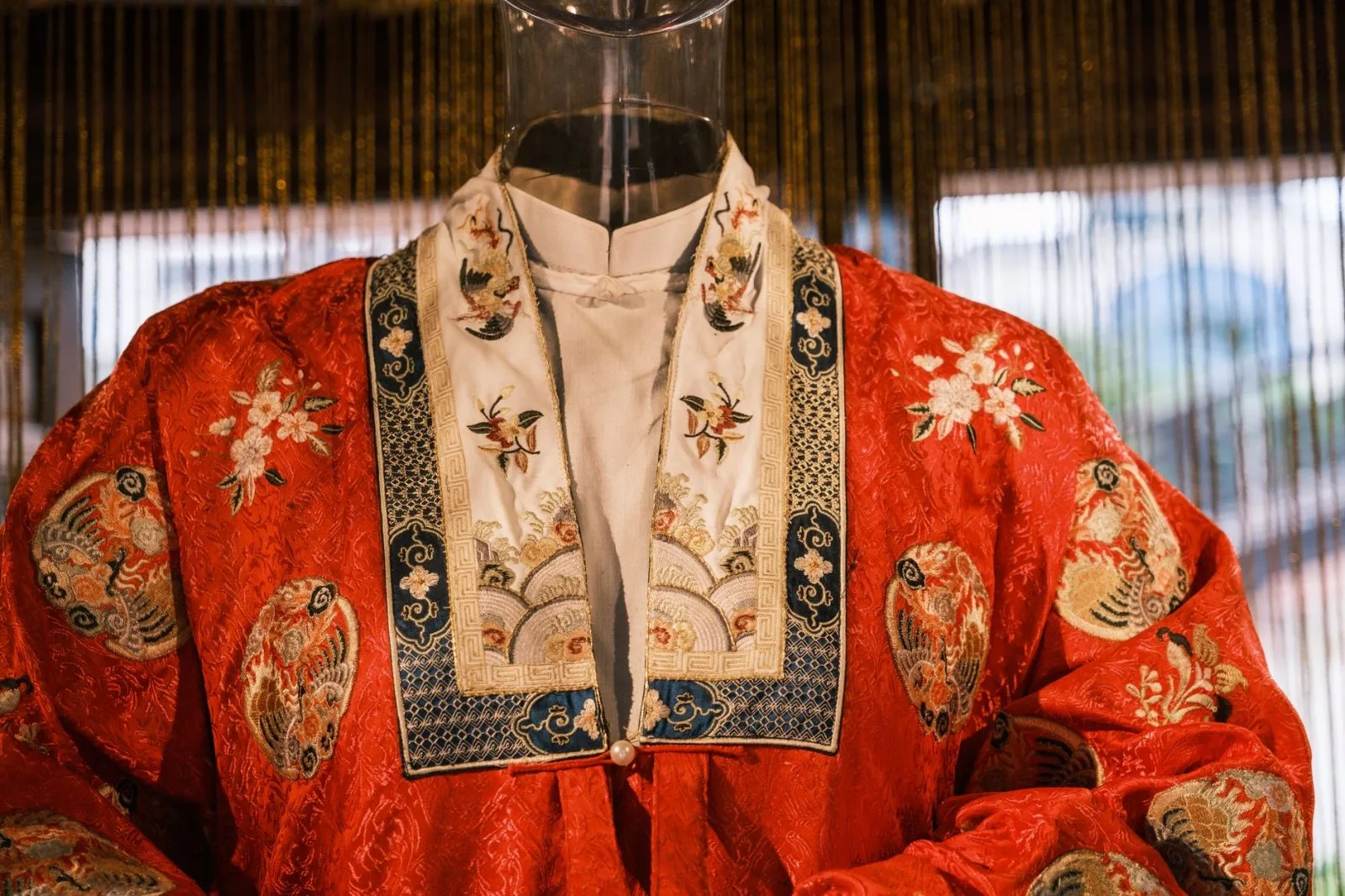
    Manchu dress shaped the qipao, the close-fitting robe later worn widely by Han Chinese women and known abroad as the cheongsam. Older garments had horse-hoof cuffs that could be folded back over the hands, and women’s formal dress included a tall flag headdress and shoes with a raised flowerpot sole. Under the Qing, men wore a shaved forehead and a braided queue, a rule enforced until the dynasty’s end. A traditional house was arranged as a pocket room with a heated kang platform along the west wall, where honored guests slept and ancestral tablets were kept. A pole in the courtyard was used in offerings that fed crows, an animal associated with founding legends.

    A Qing dynasty Manchu robe with horse-hoof cuffs and embroidered panels
    Manchu court dress influenced the qipao and the formal clothing of the Qing elite. TBD Tuyên | Pexels License (https://www.pexels.com/license/)

    What remains in Beijing

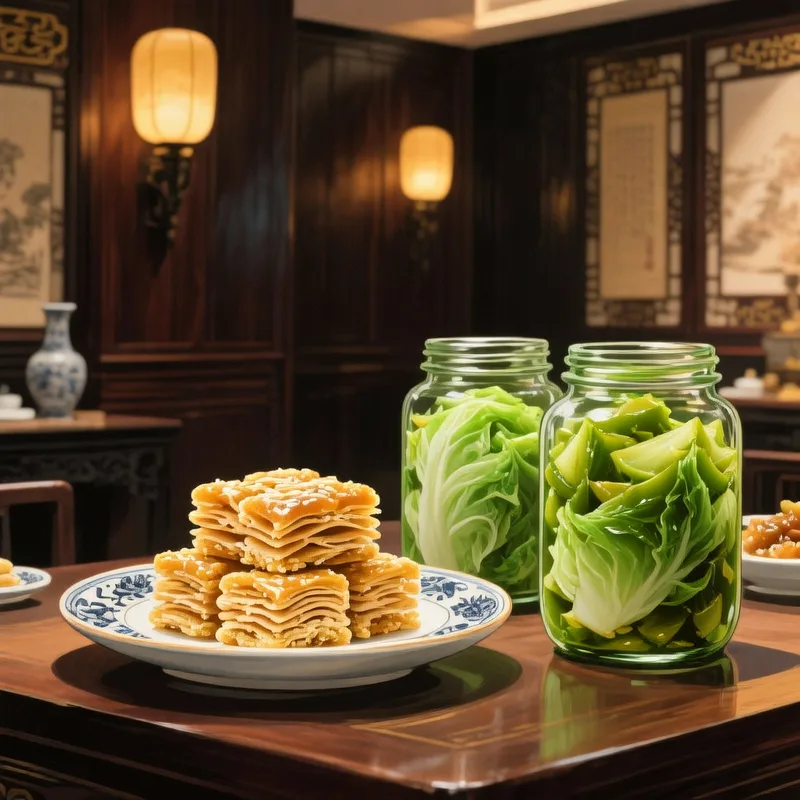
    Manchu cuisine survives in Beijing and the northeast through sachima, a sweet pastry made of fried dough and syrup, and through hot pots of pickled cabbage, pork and blood sausage. The elaborate Manchu-Han banquet is a later dining form assembled from court and regional dishes rather than a single unbroken tradition. Paper-cutting, embroidery and painted snuff bottles are among the crafts associated with Manchu households. In Beijing, the most public inheritance is architectural: the Forbidden City’s bilingual plaques, the layout of former banner quarters, and restaurants and museums that explain Qing court life. These traces make the dynasty legible on an ordinary walk through the old city.

    A Beijing restaurant display of Manchu sachima pastry and pickled cabbage hot pot
    Manchu food traditions remain visible in Beijing and northeastern China. ภาพประกอบที่สร้างโดย AI · SinoViz
    On Beijing’s palace gates, Manchu and Chinese script still share the same lintel.

    แหล่งข้อมูลและเอกสารอ่านเพิ่มเติม

    1. Manchu — สารานุกรมบริแทนนิกา
    2. Qing dynasty — สารานุกรมบริแทนนิกา
    3. Manchu Ethnic Group — China.org.cn
    ดูตำแหน่งที่ติดตั้ง

    โปรดติดตามข้อมูลนี้ไปยังภูมิภาคที่เกี่ยวข้อง

    สำรวจโดยใช้แผนที่

    ติดตามกระทู้นี้

    ดูรายการอื่นๆ ที่มีแท็กเดียวกัน

    เรียกดูแท็ก
  • ชาวดง

    ชีวิตและนิทานพื้นบ้าน

    ชาวดง

    หอกลองและเพลงบรรเลงเดี่ยว

    ชาวตง หรือ ชาวกัม เป็นชาวบ้านที่พูดภาษาคราไดในภาคตะวันตกเฉียงใต้ของจีน ซึ่งมีชื่อเสียงในด้านหอคอยไม้ สะพานมีหลังคา และการร้องเพลงประสานเสียง

    ส่วน
    ชีวิตและนิทานพื้นบ้าน
    ภูมิภาค
    กวางซี
    ยุค
    ข้ามยุคสมัย
    แท็ก
    ชาติพันธุ์ ประเพณี

    หมู่บ้านชาวดงจะรวมตัวกันรอบหอกลองและหอขับร้อง ซึ่งเป็นสถานที่เรียนรู้ดนตรีด้วยการฟัง เพลงอันยิ่งใหญ่ของพวกเขาซึ่งขับร้องเป็นส่วนๆ โดยไม่บรรเลงเครื่องดนตรี ได้รับการขึ้นทะเบียนในรายชื่อมรดกทางวัฒนธรรมที่จับต้องไม่ได้ขององค์การยูเนสโกในปี 2552

    หมู่บ้านต่างๆ ในสามจังหวัด

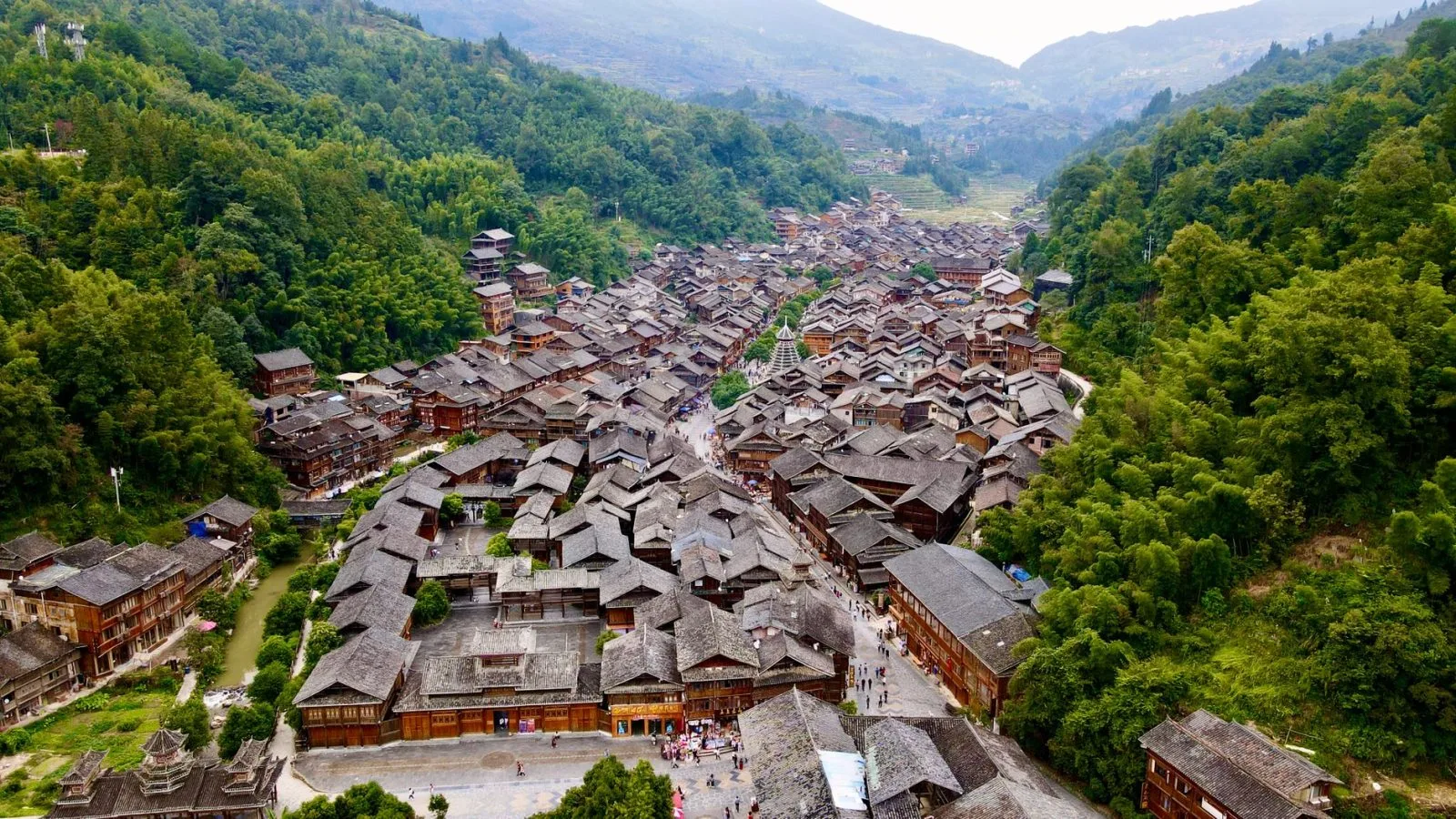
    จากการสำรวจสำมะโนประชากรปี 2553 พบว่ามีชาวตง หรือที่รู้จักกันในชื่อกัม ประมาณ 2.96 ล้านคน ส่วนใหญ่อาศัยอยู่ในเขตปกครองตนเองเหมียวและตงเฉียนตงหนาน ทางตะวันออกของมณฑลกุ้ยโจว ส่วนที่เหลืออาศัยอยู่ในอำเภอซินหวง ทางตะวันตกของมณฑลหูหนาน และอำเภอซานเจียง ทางตอนเหนือของมณฑลกวางซี ซึ่งเป็นพื้นที่ที่ระบุไว้ในบทความนี้ ชุมชนต่างๆ กระจุกตัวอยู่ตามลำธารในพื้นที่ภูเขา โดยบ้านเรือนสร้างอยู่ใกล้กันบนเสาไม้ และชั้นล่างใช้สำหรับเลี้ยงสัตว์และเก็บของ หมู่บ้านมักจะก่อตัวขึ้นรอบๆ ตระกูลหรือกลุ่มครอบครัวที่มีความสัมพันธ์กัน และมีหอกลองเป็นศูนย์กลาง ชุมชนเหมียว เหยา และฮั่นที่อยู่ใกล้เคียงมีอิทธิพลต่อตลาดและรูปแบบการแต่งงานข้ามเผ่าในภูมิภาคนี้

    บ้านยกพื้นทรงสูงแบบตงตั้งเรียงรายรอบหอระฆังในเมืองซานเจียง มณฑลกวางซี
    หมู่บ้านของชาวดงสร้างขึ้นอย่างหนาแน่น โดยมีหอกลองตั้งอยู่ตรงกลาง ภาพถ่ายโดย Collins Zhao | ใบอนุญาต Pexels (https://www.pexels.com/license/)

    ภาษาและกฎของหมู่บ้าน

    ภาษาดง หรือที่เรียกว่าภาษาคำ จัดอยู่ในกลุ่มภาษาคำสุ่ย ซึ่งเป็นสาขาหนึ่งของตระกูลภาษาครา-ได ตระกูลภาษาที่กว้างกว่านั้น ได้แก่ ภาษาไดและภาษาไทย ภาษาดงมีวรรณยุกต์และคำศัพท์จำนวนมาก ใช้ในการทำนา การทำงานในป่า และพิธีกรรมในหมู่บ้าน ไม่มีอักษรดงโบราณที่ใช้กันอย่างแพร่หลาย อักษรจีนถูกนำมาใช้ในเอกสารราชการ และการสะกดคำแบบโรมันช่วยในการจัดพิมพ์พจนานุกรมและบทเพลงต่างๆ ชีวิตในหมู่บ้านถูกควบคุมโดยข้อตกลงที่เรียกว่า กวน ซึ่งเป็นข้อตกลงเกี่ยวกับการใช้ที่ดิน การแต่งงาน และการระงับข้อพิพาท ที่ท่องกันในที่ประชุม ผู้เฒ่าผู้แก่และหัวหน้าหมู่บ้านที่ได้รับการเลือกตั้งเป็นตัวแทนของหมู่บ้าน ในขณะที่หอเพลงและหอกลองเป็นสถานที่ที่คนหนุ่มสาวเรียนรู้บทเพลงและกฎระเบียบต่างๆ

    หอคอยและสะพานมีหลังคา

    อาคารไม้ของชาวตงมีชื่อเสียงจากสิ่งก่อสร้างสองอย่าง หอระฆังสูงตระหง่านเหนือหลังคาบ้าน มีลักษณะคล้ายเจดีย์หลายชั้น มีชายคาที่ยื่นออกมา สร้างจากไม้ที่ต่อกัน ใช้สำหรับการประชุม การส่งสัญญาณ และการเฉลิมฉลองในงานเทศกาล ส่วนสะพานลมและฝนเป็นสะพานข้ามที่มีหลังคามุงกระเบื้อง มีม้านั่งตลอดทาง และมีหอศาลาหนึ่งหรือหลายหอ สะพานเฉิงหยางหย่งจีในซานเจียง ซึ่งสร้างขึ้นในช่วงต้นศตวรรษที่ 20 เป็นตัวอย่างที่รู้จักกันดีของสะพานประเภทนี้ โครงสร้างทั้งสองอย่างนี้ประกอบขึ้นโดยช่างไม้ท้องถิ่นโดยใช้ข้อต่อแบบเดือยและร่องแทนการใช้โลหะ และทั้งหมู่บ้านจะร่วมกันลงแรงและนำไม้มาสร้างหรือซ่อมแซม

    สะพานลมและฝนแบบมีหลังคาคลุมของราชวงศ์ตง พร้อมหอเจดีย์ทอดข้ามลำธารในมณฑลกวางซี
    สะพานไม้มีหลังคาให้ทั้งที่พักพิง ที่นั่ง และเป็นแลนด์มาร์คของหมู่บ้านในโครงสร้างเดียวกัน ภาพประกอบที่สร้างโดย AI · SinoViz

    บทเพลงอันยิ่งใหญ่และอาหารประจำวัน

    เพลงกม หรือ ตงเก เป็นการร้องเพลงประสานเสียงแบบไม่มีดนตรีประกอบ โดยมีเสียงสูงนำและเสียงต่ำจากกลุ่มร้องตอบ การร้องเพลงประเภทนี้จะเรียนรู้กันในโรงฝึกร้องเพลง ที่ซึ่งคนหนุ่มสาวจะนั่งล้อมรอบเตาผิงและฝึกซ้อมกันตลอดฤดูหนาว และจะมีการแสดงในงานแต่งงาน งานเทศกาล และการเยี่ยมเยียนระหว่างหมู่บ้าน ปีใหม่ดงตรงกับเดือนที่สิบเอ็ดตามปฏิทินจันทรคติในหลายพื้นที่ โดยมีการรวมตัวกันที่หอกลอง และในบางพื้นที่ก็มีการแข่งวัวกระทิง อาหารประจำวันประกอบด้วยปลาหมักเปรี้ยวบรรจุข้าว ซุปเปรี้ยว ข้าวเหนียว และหยูฉา ซึ่งเป็นชาที่ตีกับข้าวผัด ถั่วลิสง และสมุนไพร อาหารเหล่านี้เหมาะกับสภาพอากาศชื้นบนที่สูง ซึ่งการถนอมอาหารและการใช้ความร้อนร่วมกันมีความสำคัญ

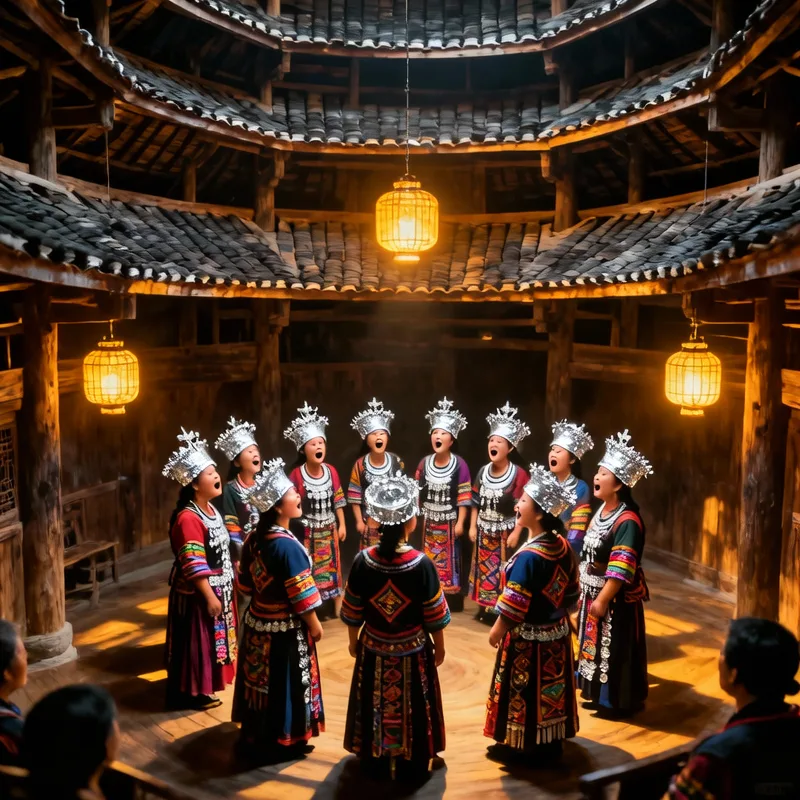
    นักร้องชาวดงในหอเพลงหมู่บ้านกำลังขับร้องประสานเสียงโดยไม่มีดนตรีประกอบ
    บทเพลงอันยิ่งใหญ่จะถูกฝึกฝนในโรงฝึกร้องเพลงและขับร้องในงานชุมนุมชุมชน ภาพประกอบที่สร้างโดย AI · SinoViz
    ในหมู่บ้านของชาวดง หอระฆังเป็นทั้งแลนด์มาร์คและสัญลักษณ์เชิญชวนให้มารวมตัวกัน

    แหล่งข้อมูลและเอกสารอ่านเพิ่มเติม

    1. บทเพลงอันยิ่งใหญ่ของชนเผ่าดง — มรดกทางวัฒนธรรมที่จับต้องไม่ได้ขององค์การยูเนสโก
    2. ดง — สารานุกรมบริแทนนิกา
    3. กลุ่มชาติพันธุ์ดง — China.org.cn

    ดูตำแหน่งที่ติดตั้ง

    โปรดติดตามข้อมูลนี้ไปยังภูมิภาคที่เกี่ยวข้อง

    สำรวจโดยใช้แผนที่

    ติดตามกระทู้นี้

    ดูรายการอื่นๆ ที่มีแท็กเดียวกัน

    เรียกดูแท็ก
  • The Eight Great Cuisines

    ชีวิตและนิทานพื้นบ้าน

    The Eight Great Cuisines

    A Map of Eight Regional Styles

    The eight great cuisines classify Chinese cooking by region, climate and technique.

    ส่วน
    ชีวิตและนิทานพื้นบ้าน
    ภูมิภาค
    ปักกิ่ง
    ยุค
    ข้ามยุคสมัย
    แท็ก
    Food

    Ask a Chinese cook to name the country’s great cuisines and you will hear a list of eight. The scheme is a modern way of sorting older regional traditions, each shaped by climate, staple crops, waterways and trade.

    How the List Was Made

    An older division recognised four great traditions: Lu in the north, Yue in the south, Chuan in the west and Huaiyang in the east. The more detailed eight-cuisine scheme emerged in the 1980s and is often credited to Wang Shaoquan, a journalist at the People’s Daily. It added Zhe, Min, Xiang and Hui to the original four, giving provinces a more precise place on the culinary map. The categories are conventions, not laws; cooks in Chengdu and Guangzhou have always borrowed from neighbours.

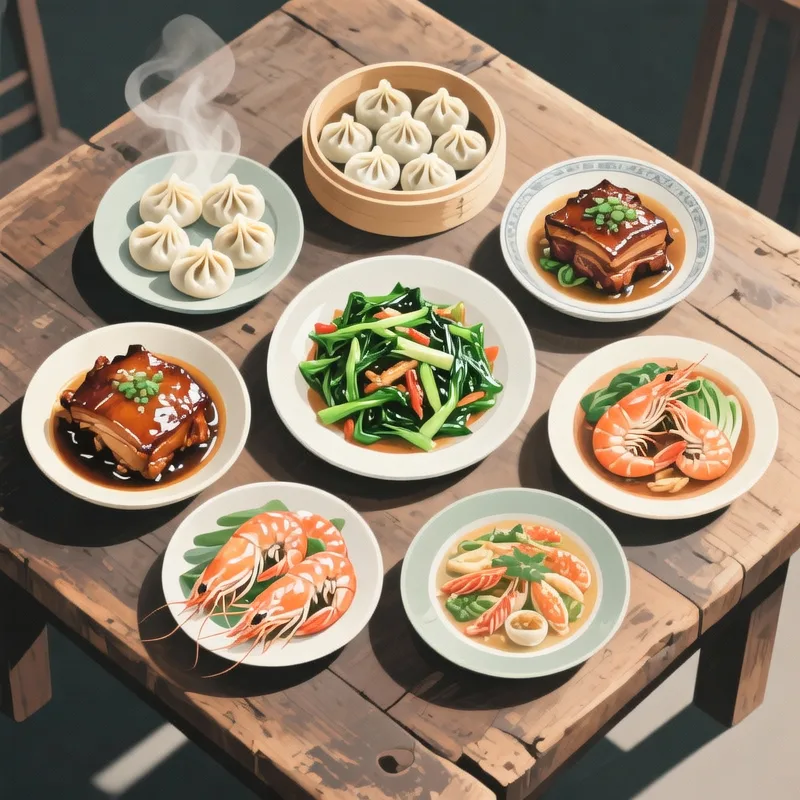
    Eight regional Chinese dishes arranged around a table
    The eight-cuisine scheme groups regional cooking styles by province and climate. ภาพประกอบที่สร้างโดย AI · SinoViz

    North and East

    Lu, or Shandong cuisine, is the classic northern style. Coastal branches favour prawns, scallops and abalone, often quickly stir-fried, while inland cooks around Jinan excel at soups and long braises. Scallions and salt are characteristic seasonings, and steamed bread often replaces rice. Lu cooking shaped the food of the imperial court and of Beijing, where Shandong chefs dominated many restaurants; the capital’s Peking duck belongs to this northern lineage.

    Su, or Jiangsu cuisine, covers the Yangtze delta and Huaiyang region. It favours mild, slightly sweet flavours, careful knife work and serious soups; lotus root, bamboo shoots and water chestnut are common, and xiao long bao soup dumplings are its best-known export. Zhe cuisine, from Zhejiang, is lighter still: Dongpo pork is braised slowly with wine and soy, while West Lake vinegar fish and Longjing shrimp keep the taste of the water and the tea leaves.

    South and West

    Yue, or Cantonese cuisine, draws on the Pearl River delta and the South China Sea. Freshness governs the kitchen: fish and shellfish are steamed, roast meats are hung in the window, and dim sum is served with tea in a yum cha session. Chuan, or Sichuan cuisine, is defined by ma la, the numbing-spicy pairing of chilli and Sichuan pepper; pixian broad-bean paste gives many dishes their fermented depth. Xiang cooking from Hunan uses chilli without the numbing note, often smoked or pickled, while Hui cuisine from Anhui makes much of mountain ingredients such as bamboo shoots and preserved mandarin fish.

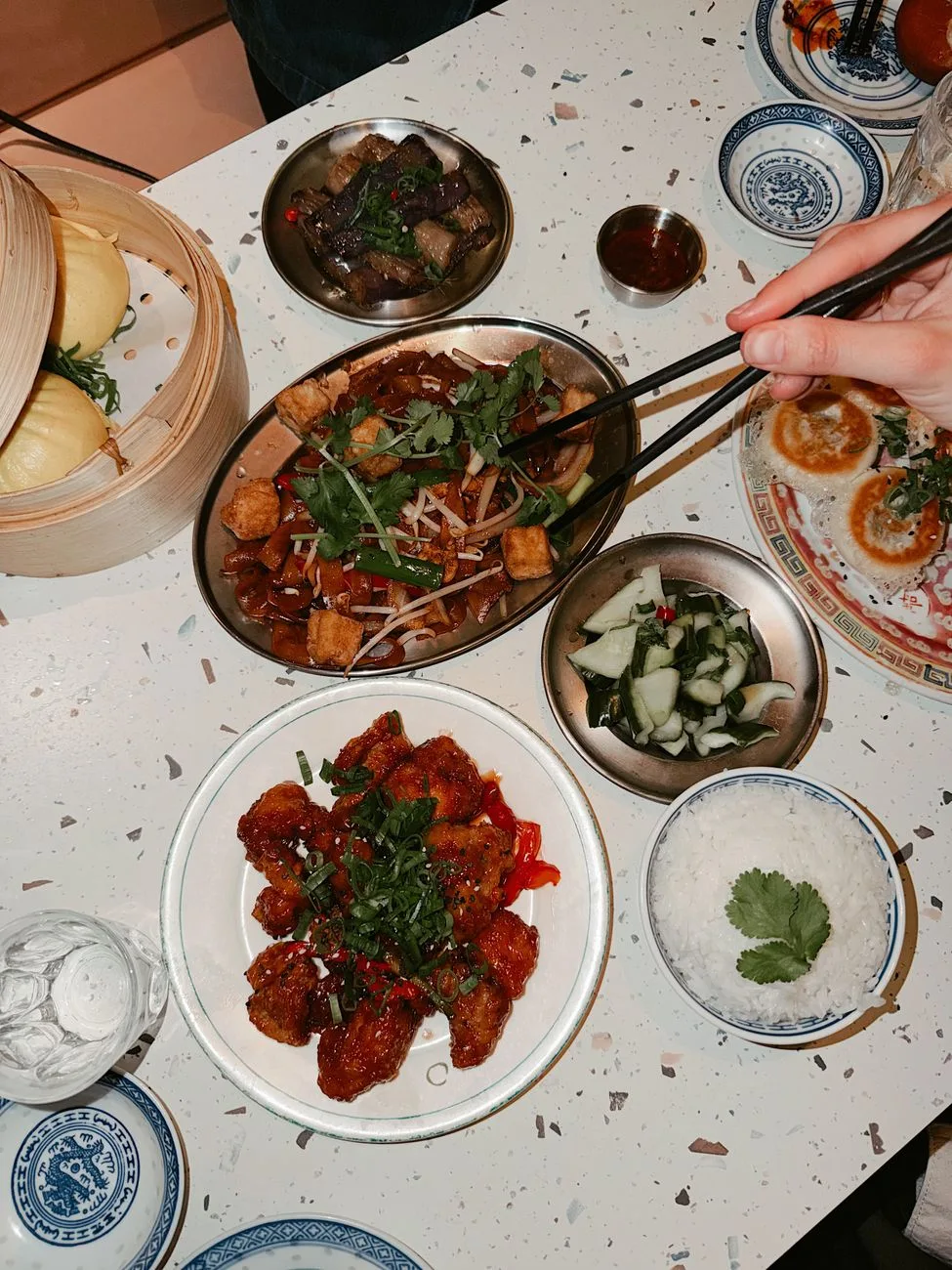
    Cantonese dim sum baskets and Sichuan dishes with chilli and Sichuan pepper
    Steam and freshness in the south; chilli and fermentation in the west. Vincent Rivaud | Pexels License (https://www.pexels.com/license/)

    Min and the Sea

    Min, or Fujian cuisine, is easy to overlook and hard to mistake. Fuzhou cooks are masters of soup and of hongzao, fermented red rice lees that colour and flavour pork, fish and river eels. Buddha jumps over the wall is a layered broth of shark fin, abalone, scallop, mushrooms and ham, named for a monk said to have leapt the wall for a taste. Coastal Fujian adds fish balls, oyster omelets and popiah-style crepes, reflecting a province oriented toward the sea and toward migration.

    • Lu — Shandong: scallions, seafood, slow soups
    • Chuan — Sichuan: ma la, chilli oil, broad-bean paste
    • Yue — Guangdong: dim sum, steaming, roast meats
    • Min — Fujian: red rice lees and layered soups

    Beijing as a Crossroads

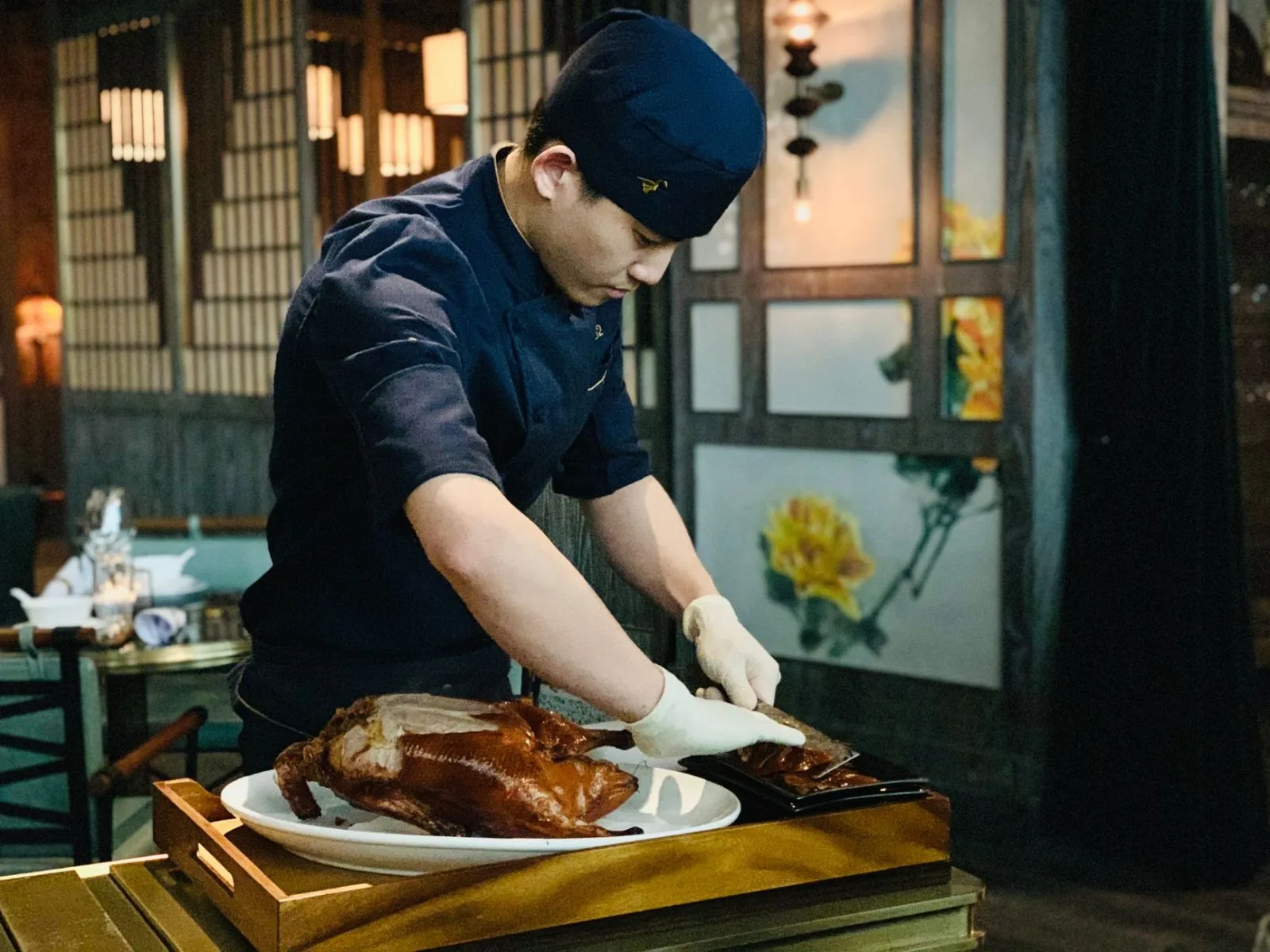
    The eight-cuisine map describes provinces, but Beijing has always eaten beyond its own borders. Shandong technique supplied the basis of restaurant cooking, Mongol and Manchu tastes left their mark in mutton dishes and hotpot, and the Qing court staged the elaborate Manchu-Han feast. Bianyifang, founded in 1416, roasted ducks in a closed oven; Quanjude, opened in 1864 by Yang Quanren, popularised the hanging oven and the crisp skin served with pancakes, scallions and sweet bean sauce. A capital city turns regional styles into a shared vocabulary.

    Peking duck being carved at a Beijing restaurant with pancakes and scallions
    Beijing’s roast duck emerged from northern techniques and capital city exchange. MorNa Tang | Pexels License (https://www.pexels.com/license/)
    Eight cuisines are a map of climate and trade, written in oil, vinegar and fermented bean paste.

    แหล่งข้อมูลและเอกสารอ่านเพิ่มเติม

    1. Chinese cuisine — สารานุกรมบริแทนนิกา
    2. Gastronomy in China — สารานุกรมบริแทนนิกา
    3. Lu cuisine — สารานุกรมบริแทนนิกา

    ดูตำแหน่งที่ติดตั้ง

    โปรดติดตามข้อมูลนี้ไปยังภูมิภาคที่เกี่ยวข้อง

    สำรวจโดยใช้แผนที่

    ติดตามกระทู้นี้

    ดูรายการอื่นๆ ที่มีแท็กเดียวกัน

    เรียกดูแท็ก
  • Hotpot

    ชีวิตและนิทานพื้นบ้าน

    Hotpot

    A Pot at the Centre of the Table

    Hotpot turns dinner into a shared act of cooking at the table.

    ส่วน
    ชีวิตและนิทานพื้นบ้าน
    ภูมิภาค
    เสฉวน
    ยุค
    ข้ามยุคสมัย
    แท็ก
    Food

    Hotpot is a meal built around a vessel of simmering broth. Diners lower thin slices of meat, vegetables and offal into the liquid, cook them to the texture they want and dip them in sauce before eating.

    One Pot, Many Names

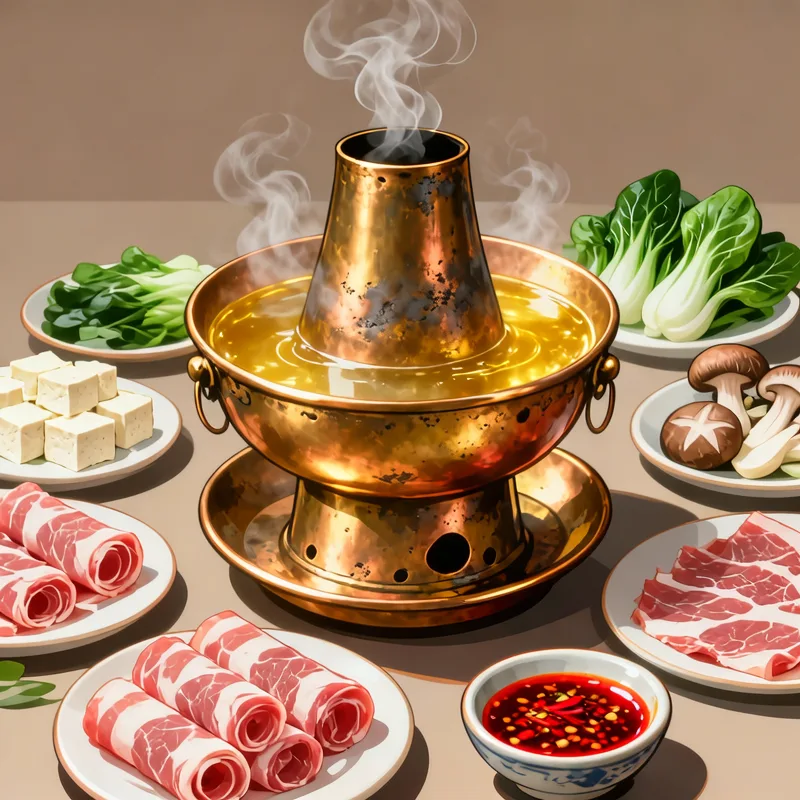
    The Chinese term huoguo literally means fire pot. In northern China the classic form is the copper pot with a central chimney, heated by charcoal, in which paper-thin slices of mutton are swished briefly in a clear broth. Beijing’s Donglaishun, founded in 1903, made the mutton dip famous, served with sesame sauce, fermented tofu and chive flower sauce. In Sichuan and Chongqing the pot is filled with a red, oil-floated broth instead. The table method is the same; the flavourings mark the region.

    Charcoal-heated copper hotpot with a central chimney set on a restaurant table
    The northern copper pot uses a clear broth; Sichuan versions favour red oil. ภาพประกอบที่สร้างโดย AI · SinoViz

    The Sichuan Broth

    Two sensations define the Sichuan version. Chilli brings capsaicin heat; Sichuan pepper, the husk of a prickly ash, supplies hydroxy-alpha sanshool, which makes the tongue tingle and vibrate. Together they create ma la, numbing spicy. Chilli reached China only after the sixteenth century, arriving from the Americas through maritime trade, so the modern red broth is comparatively recent. Earlier seasonings relied on Sichuan pepper, ginger, fermented beans and the broad-bean chilli paste of Pixian.

    A Chongqing lao huoguo, or old hotpot, traditionally starts with beef tallow, dried chillies and paste, browned until the oil turns red. The nine-grid pot divides the surface: the centre boils hardest, the corners simmer gently, and each diner keeps track of their own food. Offal — tripe, duck blood, intestine — was the original cheap fare of dockworkers and boatmen at Chaotianmen. Tripe is cooked by the rule of seven up, eight down, dipped and lifted repeatedly for a few seconds.

    Chengdu and the Split Pot

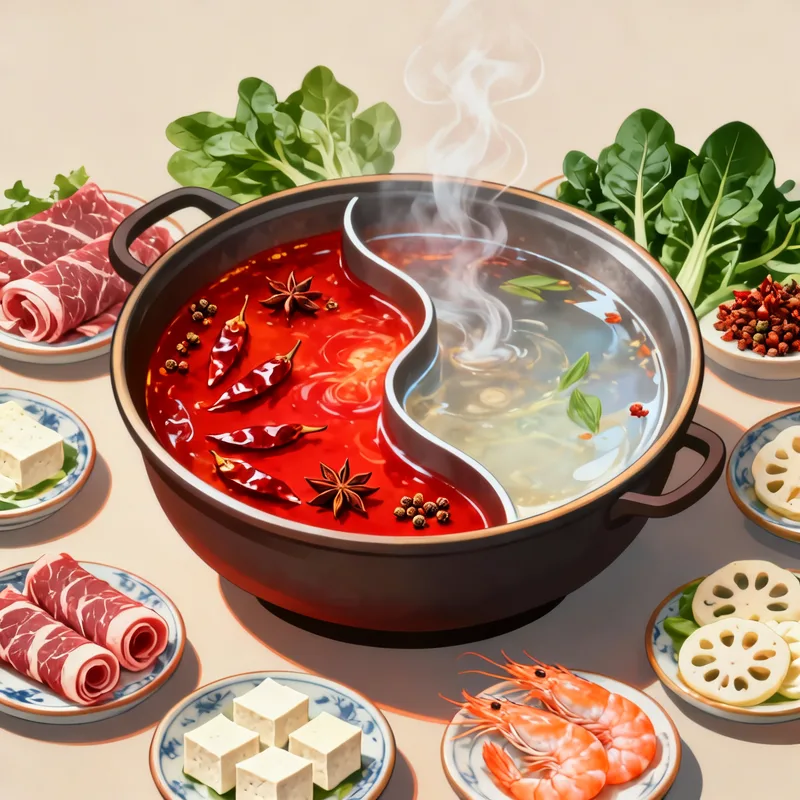
    Chengdu style is usually gentler than its Chongqing cousin. Cooks often use vegetable oil rather than beef tallow, add more aromatics and offer a yuanyang pot, a divided vessel with red broth on one side and a clear, mild stock on the other. Diners gather around it in stages: tough items go in first, greens and sliced fish last. Sesame oil mixed with garlic, coriander and scallions cools each bite before it reaches the mouth. The divided pot is a useful invention for a table with mixed tolerances.

    Divided hotpot with bubbling red chilli broth and clear broth in one vessel
    The yuanyang pot lets a table share one meal at two heat levels. ภาพประกอบที่สร้างโดย AI · SinoViz

    How to Eat It

    Hotpot has a practical etiquette. Raw and cooked foods need separate chopsticks or serving utensils, and a shared pot requires patience with other diners’ timing. A few rules are widely repeated: do not stir the whole broth, do not fish with your own chopsticks, and let the boil return after adding cold ingredients. The meal is slow by design. As the pot reduces, the broth grows stronger, and the last handful of noodles absorbs everything that has gone before.

    • Nine-grid pot: centre boils; corners simmer
    • Mutton dip: sesame sauce, fermented tofu, chive flower sauce
    • Tripe: seven up, eight down
    • Yuanyang pot: one red side, one clear side

    From Street Stall to Global Chain

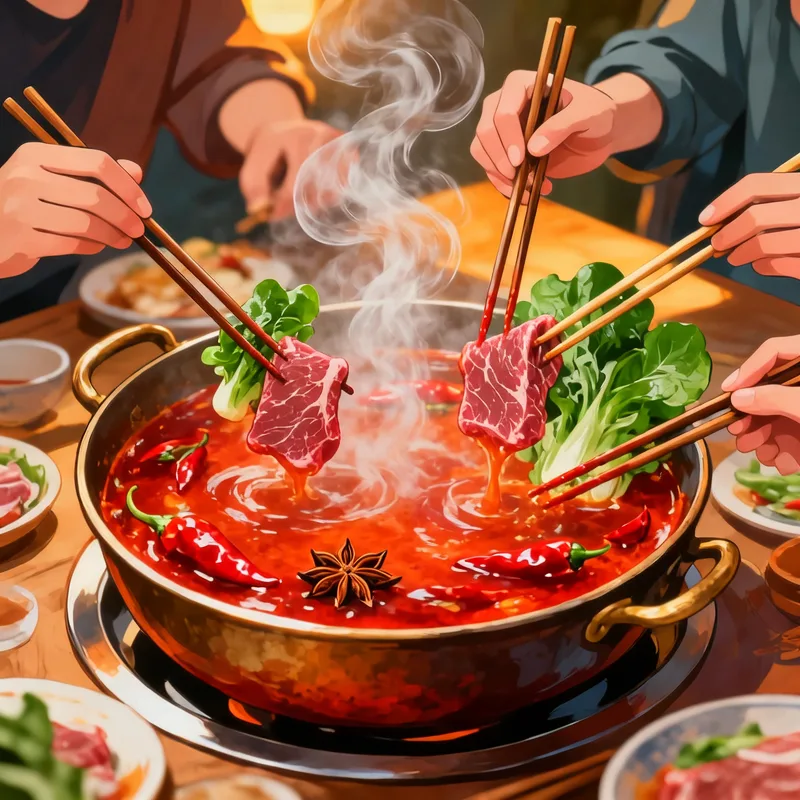
    The modern restaurant trade carried hotpot far beyond Sichuan. Haidilao, founded in Jiangyou in 1994, turned the meal into a service spectacle with waiting-area snacks and attentive staff; its branches now appear in many countries. Other chains adapted the format to clear broths and individual pots. Yet the social logic has not changed. A pot keeps everyone at the table for an hour, cooking in stages and talking between courses, which is why hotpot spreads easily wherever Chinese communities gather.

    Diners cooking sliced meat and vegetables in a bubbling red hotpot in Chongqing
    The shared pot keeps the meal slow and conversational. ภาพประกอบที่สร้างโดย AI · SinoViz
    In a hotpot restaurant the meal is not served; it happens, slowly, in the middle of the table.

    แหล่งข้อมูลและเอกสารอ่านเพิ่มเติม

    1. Chongqing: Administration and society — สารานุกรมบริแทนนิกา
    2. Chinese cuisine — สารานุกรมบริแทนนิกา
    3. What flavors distinguish Sichuan cuisine from other Chinese cuisines? — สารานุกรมบริแทนนิกา

    ดูตำแหน่งที่ติดตั้ง

    โปรดติดตามข้อมูลนี้ไปยังภูมิภาคที่เกี่ยวข้อง

    สำรวจโดยใช้แผนที่

    ติดตามกระทู้นี้

    ดูรายการอื่นๆ ที่มีแท็กเดียวกัน

    เรียกดูแท็ก
  • Noodles of North China

    ชีวิตและนิทานพื้นบ้าน

    Noodles of North China

    From Millet Bowls to Hand-Pulled Strands

    Wheat, water and hand technique make noodles a staple of the northern table.

    ส่วน
    ชีวิตและนิทานพื้นบ้าน
    ภูมิภาค
    มณฑลฉานซี
    ยุค
    ข้ามยุคสมัย
    แท็ก
    Food, Geography

    North of the Qinling–Huaihe line, wheat and millet rather than rice shaped the daily meal. Noodles — mian when made from wheat, fen when made from other starches — became the most visible expression of that divide.

    An Archaeological Bowl

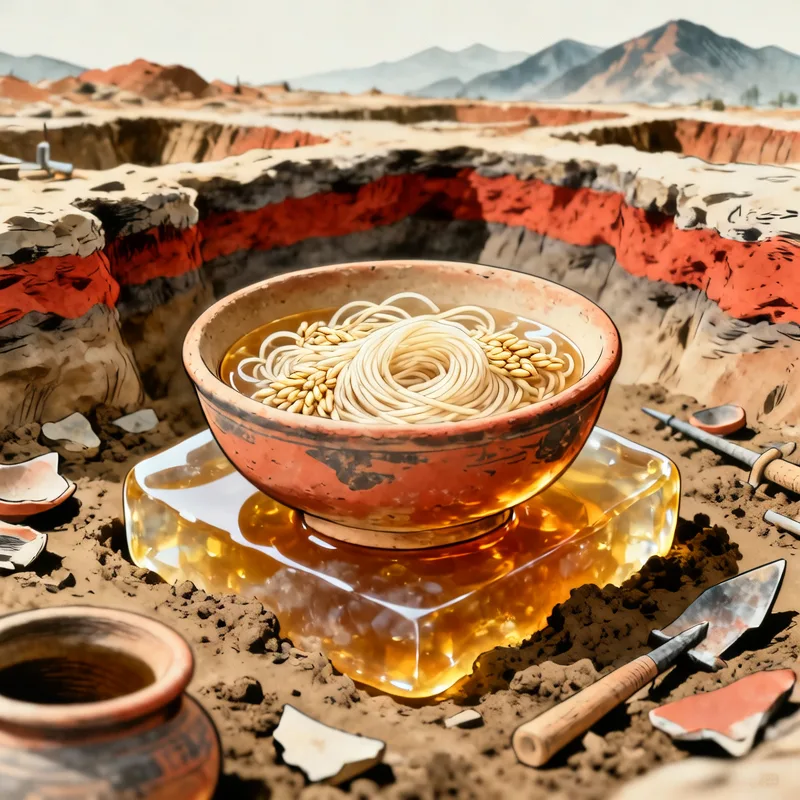
    Noodles are older than the wheat noodle. In 2005 researchers reported a bundle of thin yellow strands from a sealed earthenware bowl at Lajia, a Late Neolithic site in Qinghai on the Yellow River, dating to about 4,000 years ago. Starch grains and husk phytoliths identified foxtail and broomcorn millet, not wheat. A 2014 study used traditional extruding tools to reproduce similar strands from millet flour. The find does not settle every argument about noodle origins, but it gives the craft a solid archaeological date.

    Ancient millet noodle strands preserved in an earthenware bowl from the Lajia site
    A sealed bowl at Lajia preserved millet noodles dating to about 4,000 years ago. ภาพประกอบที่สร้างโดย AI · SinoViz

    Wheat Moves North

    Wheat was domesticated in the Fertile Crescent and reached northern China several millennia before the Han dynasty. Its gluten made dough elastic enough to be stretched, rolled and boiled without breaking, which millet alone could not do. By the Tang and Song periods, mills, wheat fields and noodle shops were part of urban life in the north, and written recipes describe dried noodles kept for later use. The split with the rice-growing south hardened around this staple.

    Shaanxi sits at the centre of that wheat world. The Guanzhong plain is enclosed by the Qinling mountains to the south and the Loess Plateau to the north, with the Wei River running through it. Chang’an, the Tang capital at modern Xi’an, stood at the eastern end of the Silk Road; merchants, soldiers and Muslim communities all left marks on local food. Geography here is not background scenery — it determines the grain in the bowl.

    The Shaanxi Repertoire

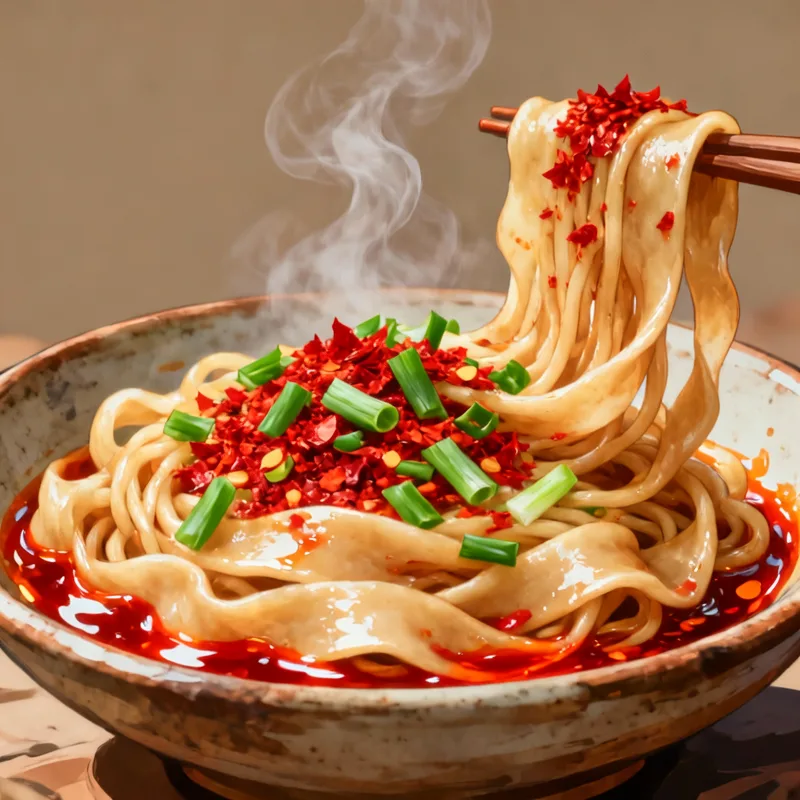
    The province’s noodles are made rather than merely cooked. Biangbiang mian are broad, hand-slapped ribbons, named for the sound of dough hitting the counter; the dialect character for biang has more than fifty strokes. Youpo mian are topped with chilli flakes, garlic and scallions, then splashed with hot oil until they hiss. Qishan saozi mian arrive in broth with diced pork, egg, tofu, wood ear and daylily, and the first bowl is traditionally set aside as an offering to ancestors before the family eats.

    Wide hand-slapped biangbiang noodles topped with chilli flakes and scallions
    Biangbiang mian take their name from the sound of dough striking the board. ภาพประกอบที่สร้างโดย AI · SinoViz

    Soups, Bread and Cold Noodles

    Not all northern noodles are wheat strands. Yang rou paomo, a Xi’an speciality associated with the city’s Hui community, begins with a flatbread that the diner tears into small pieces before a rich mutton broth is poured over it. Liangpi are cold sheets or strips made from wheat or mung bean starch, dressed with vinegar, garlic and chilli oil. Shanxi, the neighbouring province, is known for knife-shaved dao xiao mian and for aged vinegar; Henan favours wide hand-pulled hui mian in lamb soup.

    • Qishan saozi mian — noodles with minced meat and vegetables
    • Yang rou paomo — mutton soup with torn flatbread
    • Biangbiang mian — wide, hand-slapped wheat noodles
    • Liangpi — cold starch noodles with chilli oil

    Beyond the Province

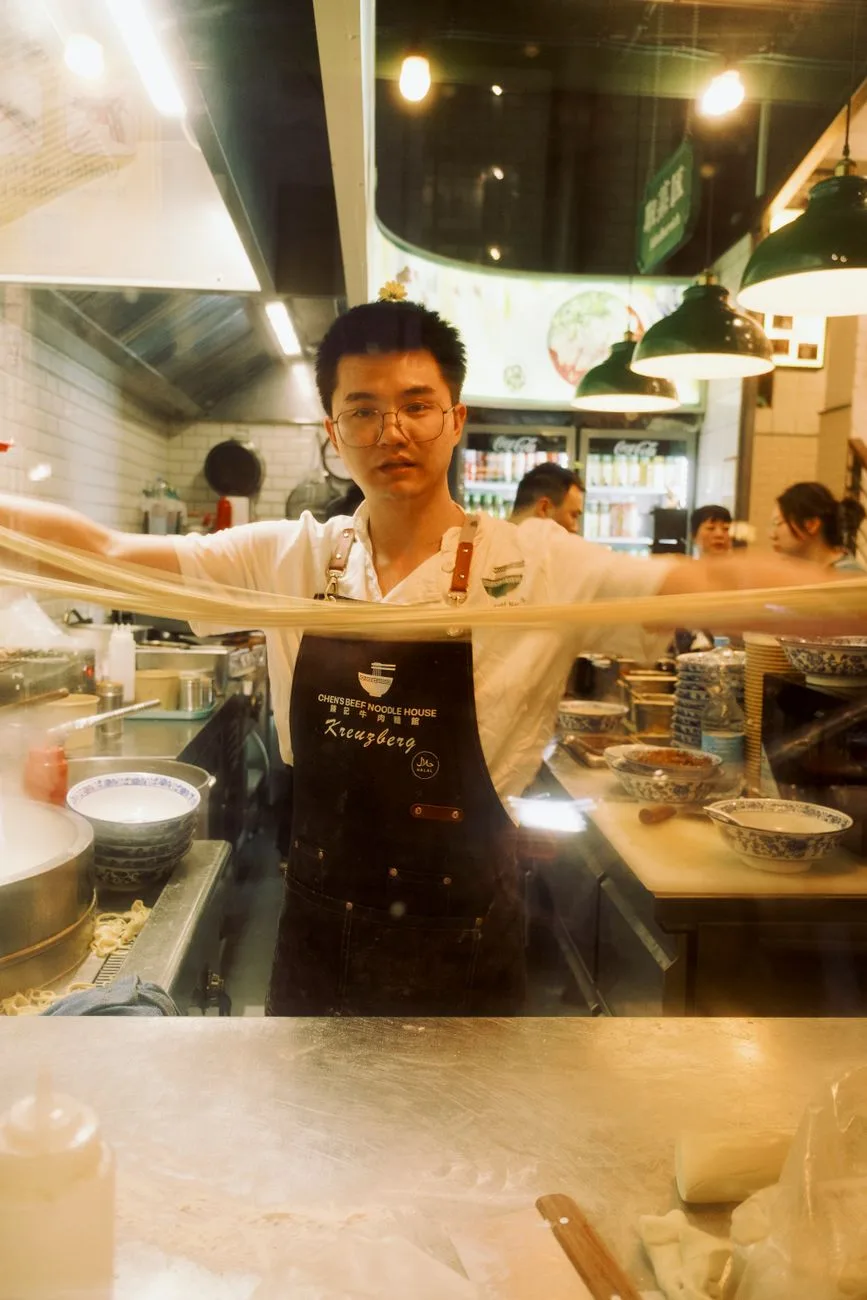
    The same techniques travel well. Lanzhou beef noodle soup, sold by Hui traders across China, pairs hand-pulled strands with a clear broth, sliced beef, radish and coriander. Beijing’s zhajiangmian uses wheat noodles under a thick fried soybean paste, surrounded by cucumber and bean sprouts. What unites these dishes is not a single sauce but a method: flour worked by hand into strands, boiled and served in a broth or with a paste. Northern noodle shops remain places where that work is visible.

    Cook pulling fresh wheat noodles by hand in a northern Chinese noodle shop
    Hand-pulling turns flour and water into strands in minutes. Felipe Souza Melo | Pexels License (https://www.pexels.com/license/)
    The sound of dough slapped on a board is part of the recipe: biangbiang is a verb before it is a name.

    แหล่งข้อมูลและเอกสารอ่านเพิ่มเติม

    1. Millet noodles in Late Neolithic China — Nature.
    2. Chinese cuisine — สารานุกรมบริแทนนิกา
    3. Component and simulation of the 4,000-year-old noodles excavated from the archaeological site of Lajia in Qinghai, China — Chinese Science Bulletin.

    ดูตำแหน่งที่ติดตั้ง

    โปรดติดตามข้อมูลนี้ไปยังภูมิภาคที่เกี่ยวข้อง

    สำรวจโดยใช้แผนที่

    ติดตามกระทู้นี้

    ดูรายการอื่นๆ ที่มีแท็กเดียวกัน

    เรียกดูแท็ก
  • ชาวได

    ชีวิตและนิทานพื้นบ้าน

    ชาวได

    ชุมชนผู้พูดภาษาไทในมณฑลยูนนานตอนใต้

    ชาวไดเป็นชุมชนชาวพุทธที่พูดภาษาไท ซึ่งหมู่บ้าน วัด และเทศกาลทางน้ำของพวกเขามีส่วนสำคัญในการกำหนดลักษณะของหุบเขาแม่น้ำทางตอนใต้ของมณฑลยูนนาน

    ส่วน
    ชีวิตและนิทานพื้นบ้าน
    ภูมิภาค
    ยูนนาน
    ยุค
    ข้ามยุคสมัย
    แท็ก
    ชาติพันธุ์ ประเพณี

    ในพื้นที่ราบลุ่มของซีซวงปันนาและเต๋อหง หมู่บ้านของชาวไทตั้งอยู่เคียงข้างทุ่งนาและวัดพุทธ ภาษาของพวกเขาอยู่ในกลุ่มภาษาไท ซึ่งเป็นส่วนหนึ่งของตระกูลภาษาครา-ไท และเทศกาลต่างๆ ของพวกเขามีปฏิทินร่วมกับชุมชนอื่นๆ ทั่วเอเชียตะวันออกเฉียงใต้แผ่นดินใหญ่

    บริเวณที่เป็นหุบเขา

    จากการสำรวจสำมะโนประชากรของจีนในปี 2010 พบว่าชาวไดมีจำนวนประมาณ 1.16 ล้านคน ส่วนใหญ่อาศัยอยู่ในที่ราบลุ่มทางตอนใต้และตะวันตกของมณฑลยูนนาน โดยเฉพาะอย่างยิ่งในเขตปกครองตนเองไดซีซวงปันนาตามแม่น้ำล้านช้าง (แม่น้ำโขง) และเขตปกครองตนเองไดเต๋อหงและจิงโปใกล้ชายแดนเมียนมาร์ ชุมชนขนาดเล็กกระจายตัวอยู่ตามหลินชาง ปู่เอ๋อร์ และหงเหอ การตั้งถิ่นฐานมักอยู่ในหุบเขาแม่น้ำที่อบอุ่นซึ่งสามารถปลูกข้าวได้ตลอดทั้งปีด้วยระบบชลประทาน มากกว่าเนินเขาโดยรอบที่เย็นกว่า การที่หมู่บ้านชาวไดตั้งอยู่ในที่ราบลุ่มทำให้พวกเขามีการติดต่อใกล้ชิดกับชุมชนชาวฉาน ไทย และลาวที่อยู่ข้ามพรมแดน และนี่คือเหตุผลที่สถาปัตยกรรม อาหาร และปฏิทินเทศกาลของท้องถิ่นมีลักษณะคล้ายคลึงกับเอเชียตะวันออกเฉียงใต้แผ่นดินใหญ่

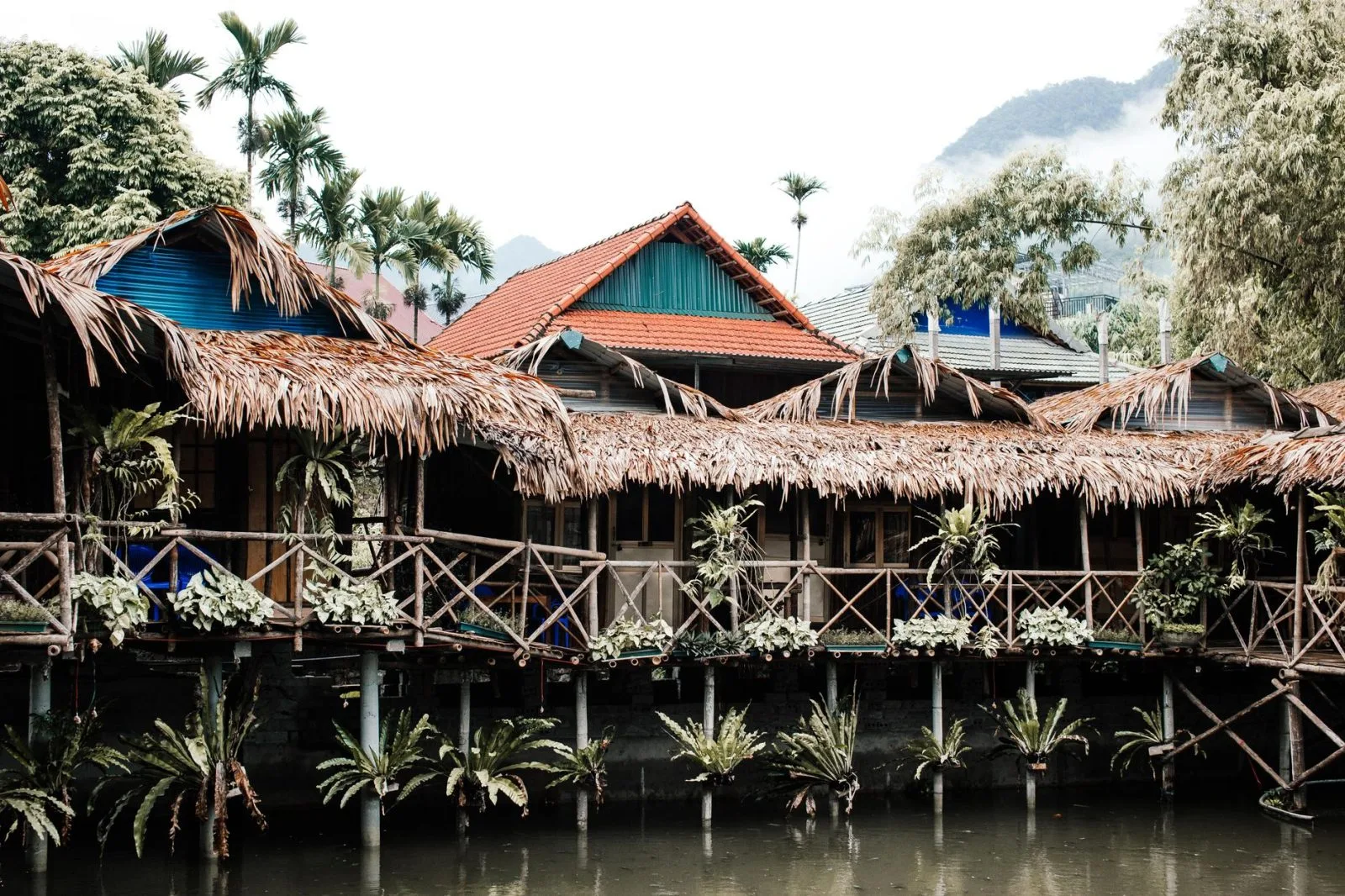
    บ้านหมู่บ้าน Dai ที่มีหลังคาสูงชันข้างนาข้าวชลประทานในสิบสองปันนา มณฑลยูนนาน
    หมู่บ้านต่างๆ ตั้งอยู่ตามหุบเขาแม่น้ำที่อบอุ่น ซึ่งสามารถปลูกข้าวได้ตลอดทั้งปี เรเชล แคลร์ | ใบอนุญาต Pexels (https://www.pexels.com/license/)

    ภาษา อักษร และน้ำ

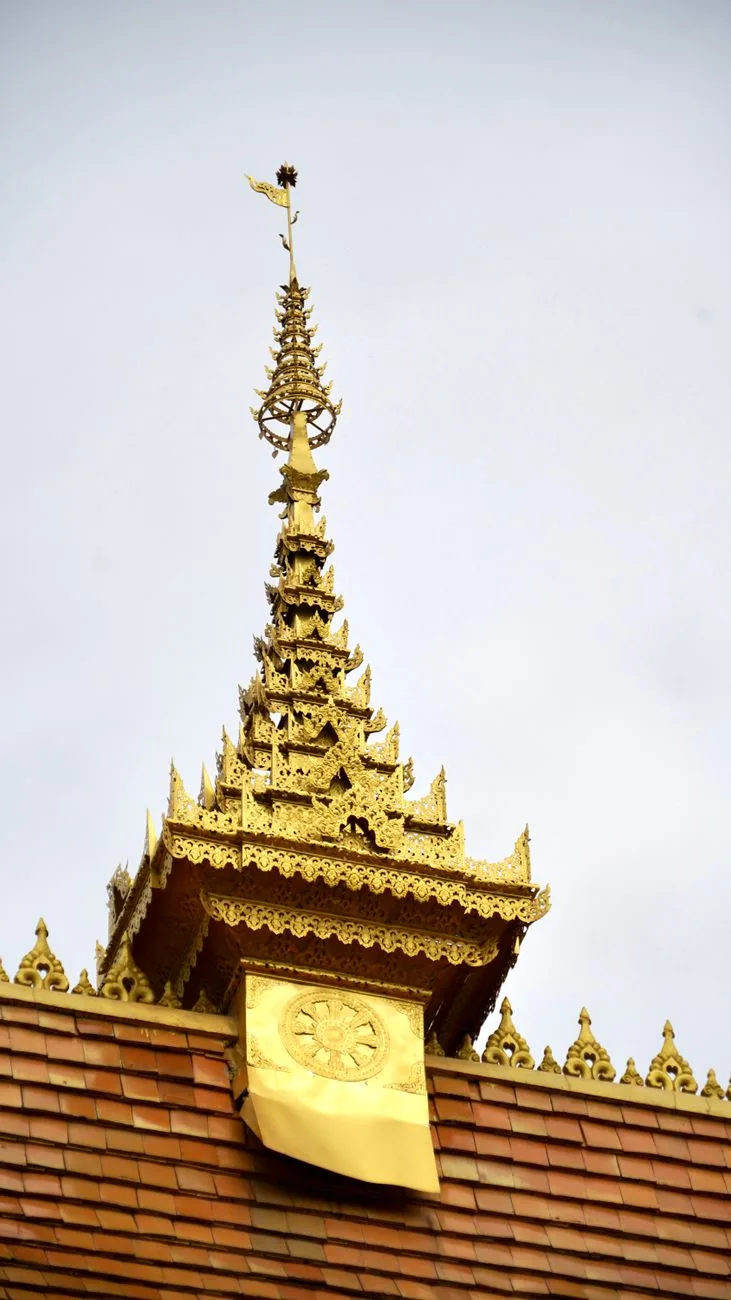
    ภาษาไดจัดอยู่ในกลุ่มภาษาไท ซึ่งเป็นส่วนหนึ่งของตระกูลภาษาคราได ตระกูลภาษาเดียวกันกับภาษาไทยและภาษาลาว ในมณฑลยูนนานมีระบบการเขียนสามแบบ ได้แก่ อักษรซีซวงปันนา อักษรเต๋อหง และอักษรอีกแบบหนึ่งที่ใช้ในบริเวณเมืองจินผิง อักษรเหล่านี้ล้วนสืบเนื่องมาจากระบบการเขียนของชาวไทโบราณ และเคยได้รับการสืบทอดต่อมาโดยการศึกษาในวัดเป็นหลัก พระพุทธศาสนาเถรวาดได้แพร่เข้ามายังชุมชนชาวไดผ่านเส้นทางการค้าและการแสวงบุญตลอดหลายศตวรรษ และวัดท้องถิ่นได้กลายเป็นศูนย์กลางของการศึกษาและการประกอบพิธีกรรมในหมู่บ้าน ตามประเพณีแล้ว เด็กผู้ชายจะใช้เวลาส่วนหนึ่งในวัยเยาว์เป็นสามเณร เรียนรู้การอ่านพระคัมภีร์และการสวดมนต์ เจดีย์ปิดทองและวัดไม้หลังคาลาดเอียงยังคงเป็นแลนด์มาร์คที่เห็นได้ชัดเจนที่สุดในภูมิประเทศ

    วัดไทในซีซวงปันนา มีเจดีย์ปิดทองและชายคาไม้แกะสลัก
    วัดท้องถิ่นแห่งนี้เป็นศูนย์กลางของการอ่าน การบวช และพิธีกรรมของหมู่บ้านมาอย่างยาวนาน เอริค เฟง | ใบอนุญาต Pexels (https://www.pexels.com/license/)

    บ้าน เครื่องนุ่งห่ม และอาหารประจำวัน

    บ้านแบบดั้งเดิมของชาวไดตั้งอยู่บนเสาไม้หรือไม้ไผ่ โดยพื้นที่อยู่อาศัยยกสูงขึ้นจากพื้นดิน และมีหลังคาสูงชันเพื่อระบายฝนตกหนักในช่วงฤดูมรสุม ระเบียงเปิดโล่งใช้เป็นพื้นที่ทำงานและนั่งพักผ่อน ขณะที่พื้นที่ใต้บ้านใช้สำหรับเก็บของและเลี้ยงสัตว์ การทอผ้าในครัวเรือนผลิตผ้าฝ้ายและผ้าไหม และผ้าไหมทอมือของชาวไดมีชื่อเสียงในเรื่องลวดลาย นกยูง ช้าง และลวดลายเรขาคณิตที่ทอด้วยเส้นด้ายสีสดใส เครื่องประดับเงิน หมาก และถาดเคลือบแล็กเกอร์ปรากฏให้เห็นในการแลกเปลี่ยนในชีวิตประจำวันและในพิธีกรรม อาหารหลักคือข้าวเหนียว ปลาน้ำจืด หน่อไม้ดอง และน้ำจิ้มพริก ซึ่งมักห่อด้วยใบตอง สวนชาบริเวณซีซวงปันนาและผู่เอ๋อร์เป็นพืชผลอีกชนิดหนึ่งที่มีประวัติศาสตร์ยาวนานในภูมิภาคนี้

    ช่างทอผ้าชาวไดกำลังทำงานบนเครื่องทอผ้าแบบสะพายหลังข้างบ้านไม้ยกพื้นสูง
    ผ้าไหมทอมือ เครื่องเงิน และหมาก เป็นส่วนหนึ่งของชีวิตประจำวันในครัวเรือน ภาพประกอบที่สร้างโดย AI · SinoViz

    เทศกาลน้ำ

    ปีใหม่ของชาวไทตรงกับช่วงกลางเดือนเมษายน และมีการเฉลิมฉลองในชื่อเทศกาลสงกรานต์ ซึ่งเป็นที่รู้จักในท้องถิ่นว่า สงกรานต์ มีการสาดน้ำหรือพรมน้ำใส่ครอบครัว เพื่อนบ้าน และแขกผู้มาเยือน เพื่ออวยพรให้ปีใหม่สะอาดและอุดมสมบูรณ์ ในวันนั้นยังมีการไปวัด การสร้างเจดีย์ทรายขนาดเล็ก และการแข่งเรือในแม่น้ำ ในตอนเย็น จะมีการแสดงรำนกยูงและรำช้าง ซึ่งมีการใช้มืออย่างช้าๆ และควบคุมได้ดี พร้อมด้วยเครื่องแต่งกายสีสันสดใส การรำเหล่านี้ยังมีการสอนในคณะวัฒนธรรมและโรงเรียนควบคู่ไปกับงิ้วไทและการเล่าเรื่องพื้นบ้าน ปัจจุบันเทศกาลนี้ดึงดูดนักท่องเที่ยวจากส่วนอื่นๆ ของจีน ในขณะที่วัดและช่างฝีมือในหมู่บ้านยังคงรักษาภาษาและเทคนิคต่างๆ เอาไว้

    ในที่ราบลุ่มของชาวได วัด นาข้าว และเครื่องทอผ้า ต่างใช้ปฏิทินเดียวกัน

    แหล่งข้อมูลและเอกสารอ่านเพิ่มเติม

    1. ได — สารานุกรมบริแทนนิกา
    2. กลุ่มชาติพันธุ์ได — China.org.cn

    ดูตำแหน่งที่ติดตั้ง

    โปรดติดตามข้อมูลนี้ไปยังภูมิภาคที่เกี่ยวข้อง

    สำรวจโดยใช้แผนที่

    ติดตามกระทู้นี้

    ดูรายการอื่นๆ ที่มีแท็กเดียวกัน

    เรียกดูแท็ก
  • Chinese Weddings

    ชีวิตและนิทานพื้นบ้าน

    Chinese Weddings

    Rites, Gifts and the Red Veil

    Traditional Chinese weddings join two families through a sequence of gifts, processions and vows.

    ส่วน
    ชีวิตและนิทานพื้นบ้าน
    ภูมิภาค
    เจ้อเจียง
    ยุค
    ข้ามยุคสมัย
    แท็ก
    ศุลกากร

    A Chinese wedding was historically less a single ceremony than a negotiated sequence between households. The classical six rites set out steps from proposal to the fetching of the bride; local practice in Zhejiang added its own music, boats and wines.

    The Six Rites

    The classical sequence, codified in ritual texts of the Zhou dynasty, is known as the six rites. A go-between first presented a proposal (nacai), then asked the bride’s name and birth details (wenming). Divination at the ancestral altar produced a favourable answer (naji), after which the groom’s family sent betrothal gifts (nazheng), requested an auspicious date (qingqi) and finally fetched the bride (qinying). Three documents — the betrothal, gift and wedding letters — accompanied the exchange. Few families performed all six in full, but the vocabulary survived in engagements.

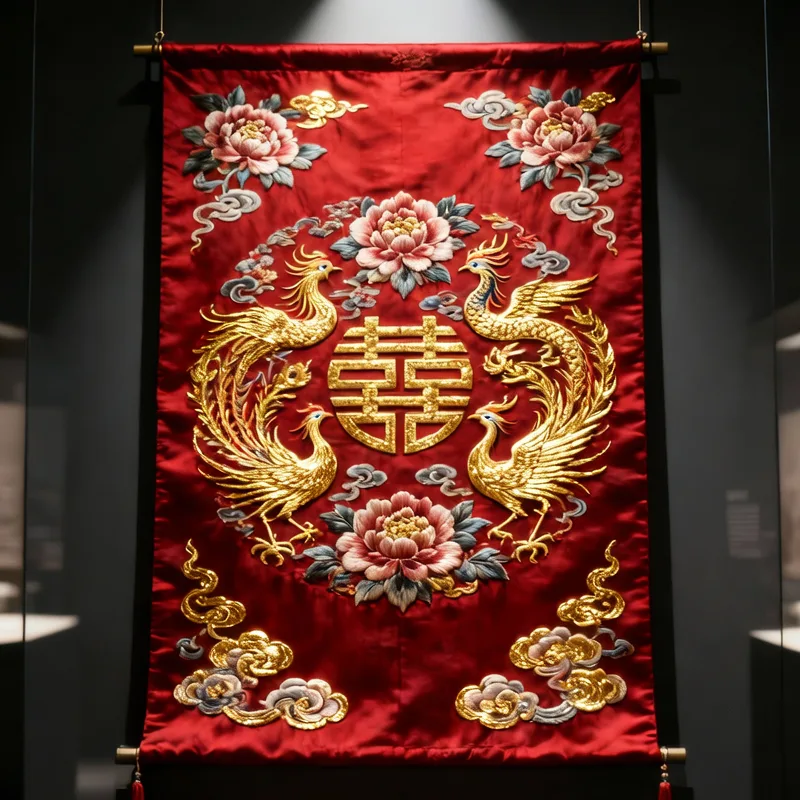
    Qing dynasty wedding hanging in silk and gold thread with auspicious symbols
    Auspicious textiles marked the threshold between two households. ภาพประกอบที่สร้างโดย AI · SinoViz

    The Day of the Procession

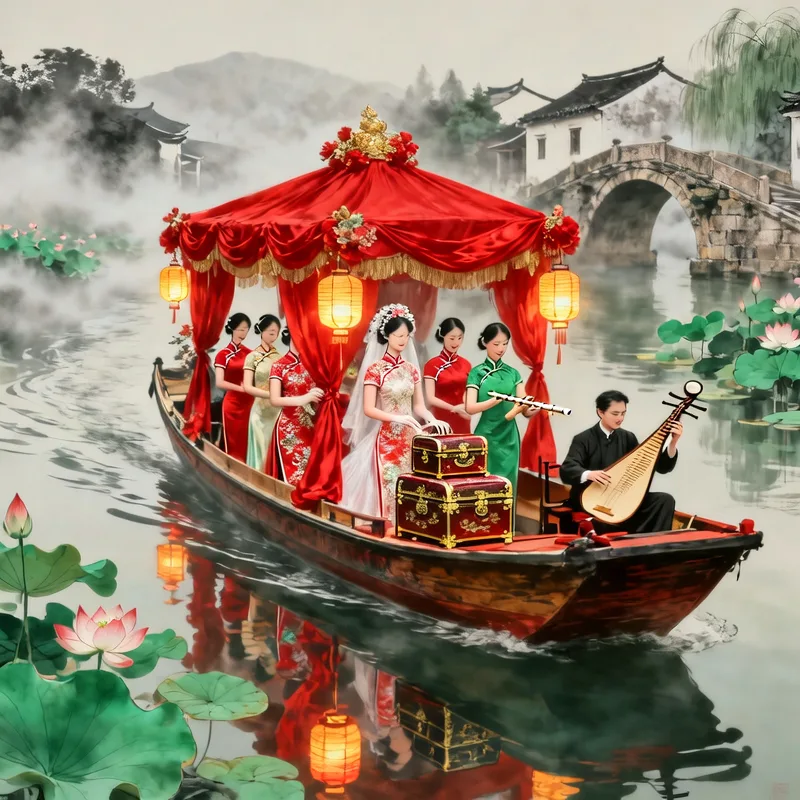
    The word for marriage, hunyin, shares its first character with dusk, the traditional hour of the ceremony. Before dawn the bride, veiled in red, was carried from her natal home in a decorated sedan or, in the water towns of northern Zhejiang, aboard a boat hung with lanterns. Firecrackers and the reeds of suona horns announced the party. Crossing a saddle and a burning brazier at the groom’s gate invoked safety through puns on peace; the bride stepped over a threshold that marked a change of household.

    Inside, the couple bowed to the wedding candles, to the groom’s ancestors and to the elders, then served tea to both families in order of seniority. Red envelopes of money acknowledged each bow. On the bridal bed, dates, peanuts, longans and lotus seeds were scattered for a pun on bearing a son soon. A woman of good fortune straightened the quilts and spoke auspicious words. Only after the banquet, with its toasts of ganbei, did the formal duties ease.

    Zhejiang Inflections

    Regional custom gave the framework local texture. In Shaoxing, a jar of yellow rice wine might be buried when a daughter was born and opened at her wedding: nuer hong, daughter’s red. The wine belonged to the bride’s family and travelled with the dowry, alongside silk quilts from Huzhou and lacquered furniture. In Wuzhen and other canal towns, the bridal procession moved by water, and Yue opera troupes were hired for the feast. Southern Zhejiang kept the custom of laments, in which the bride and her women sang farewell verses.

    Traditional bridal boat with red lanterns on a canal in a Zhejiang water town
    In canal towns the wedding procession travelled by water. ภาพประกอบที่สร้างโดย AI · SinoViz

    Gifts, Dowries and Alliances

    Betrothal gifts and dowries were not mere display; they recorded the standing of two families and the terms of an alliance. The groom’s side supplied money, tea, wine, silk and livestock, while the bride brought textiles, jewellery, furniture and sometimes land or a shop. Surname exogamy was the rule: marriage within the same patrilineal clan was treated as incest. The 1950 Marriage Law recast the legal framework, establishing free choice of partner and equal property rights for spouses, but many gift customs continued.

    • Six rites: nacai, wenming, naji, nazheng, qingqi, qinying
    • Shaoxing’s nuer hong wine is opened at the daughter’s wedding.
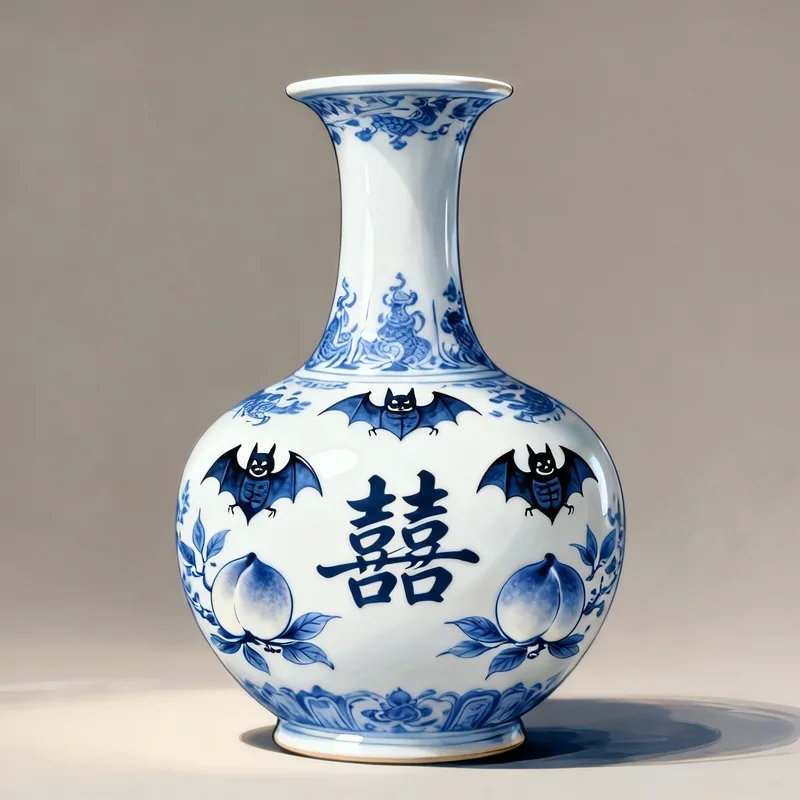
    • Double happiness (shuangxi) appears on linens, paper cuts and pottery.
    • Tea served to elders wins red envelopes in return.

    Weddings Now

    Today a civil registration at the local civil affairs office makes a marriage legal, and ceremonies are chosen from a menu of options. Some couples hold a restrained tea ceremony at home; others book a banquet hall, a photographer and a host who keeps the toasts moving. The red veil has given way to a white dress for many brides, often followed by a red qipao for the formal photographs. In Zhejiang’s water towns, staged wedding processions are also a tourist performance, repeating the same gestures for an audience of visitors.

    Qing dynasty porcelain vase painted with bats, peaches and the double happiness character
    Double happiness, shuangxi, is the most recognisable emblem of a wedding. ภาพประกอบที่สร้างโดย AI · SinoViz
    The bride’s tears, the groom’s brazier and the jar of wine buried at her birth all belong to one grammar of departure and arrival.

    แหล่งข้อมูลและเอกสารอ่านเพิ่มเติม

    1. Marriage rituals — สารานุกรมบริแทนนิกา
    2. Why did traditional Chinese society prohibit marriage between people with the same surname? — สารานุกรมบริแทนนิกา
    3. Vase decorated with bats and peaches amid scrolling floral vines and double happiness character — The Metropolitan Museum of Art.

    ดูตำแหน่งที่ติดตั้ง

    โปรดติดตามข้อมูลนี้ไปยังภูมิภาคที่เกี่ยวข้อง

    สำรวจโดยใช้แผนที่

    ติดตามกระทู้นี้

    ดูรายการอื่นๆ ที่มีแท็กเดียวกัน

    เรียกดูแท็ก