Category: Жизнь и фольклор

  • Лунный календарь

    Жизнь и фольклор

    Лунный календарь

    Отсчет времени по Луне и Солнцу.

    В традиционном китайском календаре лунные месяцы связаны с солнечными сезонами, а праздники — и с теми, и с другими.

    Раздел
    Жизнь и фольклор
    Область
    Пекин
    Эпоха
    На протяжении эпох
    Теги
    Таможня

    Китайский календарь — лунно-солнечный: месяцы следуют за Луной, а годы — за Солнцем. Более двух тысячелетий придворные астрономы и крестьяне использовали одну и ту же систему для разных целей — для определения дат правления и сроков посева.

    Как работает календарь

    Каждый месяц начинается в день астрономического новолуния и длится 29 или 30 дней, поэтому двенадцать лунных месяцев в сумме составляют около 354 дней — примерно на одиннадцать дней меньше солнечного года. Чтобы весна оставалась весной, вставляются високосные месяцы: семь дополнительных месяцев каждые девятнадцать лет, цикл, известный как метонов цикл. Повторяющийся месяц нумеруется вслед за следующим, отсюда и високосный четвертый месяц. Дни снова отсчитываются отдельно по шестидесятилетнему циклу, представляющему собой пару из десяти небесных стволов и двенадцати земных ветвей, которая обозначает каждый день и год комбинацией, например, цзячэнь.
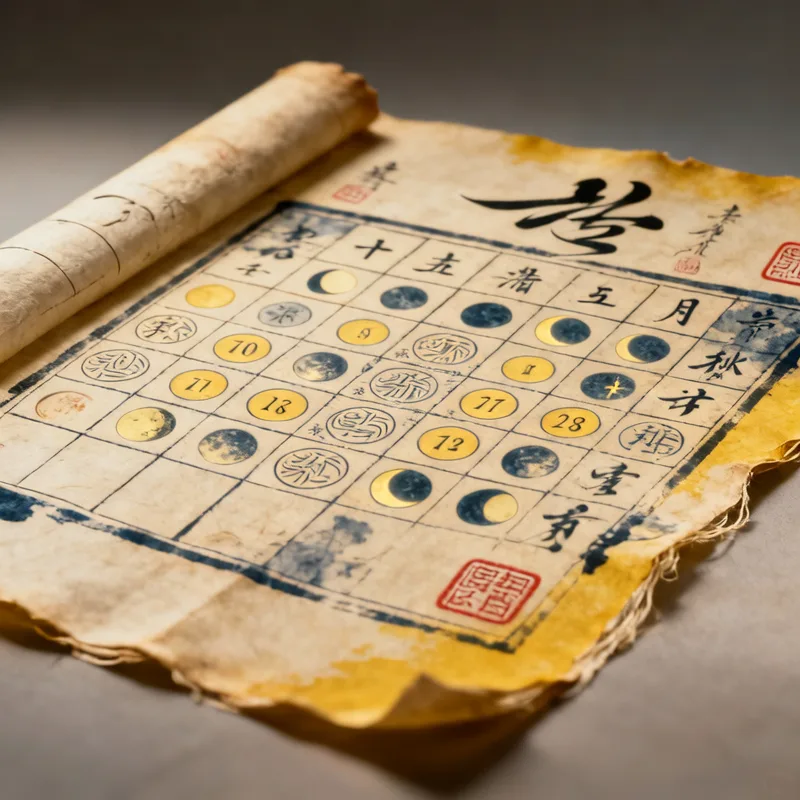
    Страница из традиционного китайского альманаха, содержащая информацию о лунных месяцах, солнечных периодах и благоприятных днях.
    Лунный месяц длится от одного новолуния до следующего; солнечный период обозначает положение Солнца. Иллюстрация, созданная с помощью ИИ · SinoViz

    Наблюдение становится наукой

    Система возникла в результате наблюдений. Надписи на гадательных костях династии Шан (ок. 1600–1046 до н.э.) содержат записи о лунных месяцах, затмениях и високосных месяцах, а «Весенние и осенние анналы» сохранили ранние записи о затмениях, которые позже использовались для проверки расчетов. Календарь Тайчу, принятый в 104 году до н.э. при императоре У из династии Хань, установил начало года в первом лунном месяце и правило девятнадцатилетней високосной вставки. Более поздние реформы усовершенствовали его: календарь Шоуши Го Шоуцзина 1281 года, созданный для столицы Юань в Даду (Пекин), использовал тропический год в 365,2425 дней — ту же длину, которая позже была принята григорианской реформой.

    Знание календаря имело политический характер. Правитель, способный предсказывать затмения и объявлять новолуние, претендовал на власть небес; издание альманаха для подчиненных государств было актом власти. В древней Пекинской обсерватории, построенной в 1442 году, до сих пор хранятся армиллярные сферы династии Мин и гномон, использовавшийся для таких работ. Астрономы там работали вместе с иезуитскими миссионерами в XVII веке, когда цинский двор перенял европейские методы предсказания затмений, сохранив при этом лунную месячную структуру. Таким образом, календарь стал местом встречи государственного управления, математики и наблюдений.

    Двадцать четыре солнечных периода

    Наряду с лунными месяцами существует солнечный календарь из двадцати четырех периодов, каждый из которых расположен на расстоянии пятнадцати градусов вдоль годового пути Солнца. Последовательность начинается с Личуня, начала весны, примерно 4 февраля, и включает Цинмин (Чистое сияние) в начале апреля, Сячжи (Летнее солнцестояние), Байлу (Белая роса) и Дунчжи (Зимнее солнцестояние). Разработанные в регионе Хуанхэ и применяемые по всей стране, эти периоды подсказывают фермерам, когда ожидать заморозков или дождя; пословицы до сих пор связывают их с посевом и сбором урожая. ЮНЕСКО включила эти знания и практику в свой Репрезентативный список в 2016 году.
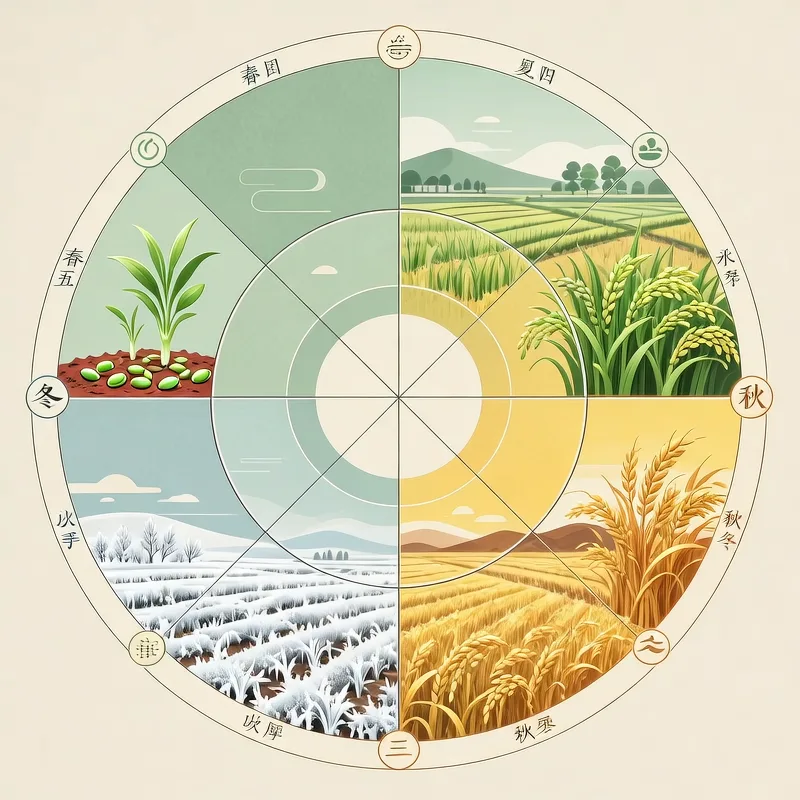
    Диаграмма годового пути Солнца, разделенная на двадцать четыре сегмента, с обозначениями сельскохозяйственных объектов.
    Каждый солнечный период охватывает пятнадцать градусов траектории движения Солнца, с интервалом примерно в пятнадцать дней. Иллюстрация, созданная с помощью ИИ · SinoViz

    Календарь фестивалей

    Поскольку даты отсчитываются от лунных месяцев, праздники переносятся по григорианскому календарю. Праздник Весны начинается в первый день первого лунного месяца и заканчивается Праздником фонарей пятнадцатого числа, когда улицы заполняются фонарями. Праздник лодок-драконов приходится на пятый день пятого месяца, Праздник призраков — на пятнадцатое число седьмого, а Праздник середины осени — на пятнадцатое число восьмого, когда семьи собираются под полной луной.

    • Праздник весны — первый день первого лунного месяца.
    • Праздник фонарей — пятнадцатый день первого месяца
    • Праздник лодок-драконов — пятый день пятого месяца
    • Праздник середины осени — пятнадцатый день восьмого месяца
    • Цинмин — солнечный период, примерно с 4 по 6 апреля.

    Почему это по-прежнему важно

    Лунный календарь сохранился, потому что он включает в себя как социальное, так и астрономическое время. Предков почитают в день Цинмин и в годовщину смерти, отсчитываемую по лунным датам; свадьбы и похороны часто планируются по альманаху. Зодиакальное животное года, восемь иероглифов, обозначающих дату рождения, и благоприятные дни для переезда — все это зависит от одной и той же основополагающей структуры. В Пекине храмовые ярмарки и выставки фонарей до сих пор следуют первому лунному месяцу, в то время как сельские общины используют солнечные термины для полевых работ. Две системы, один календарь.
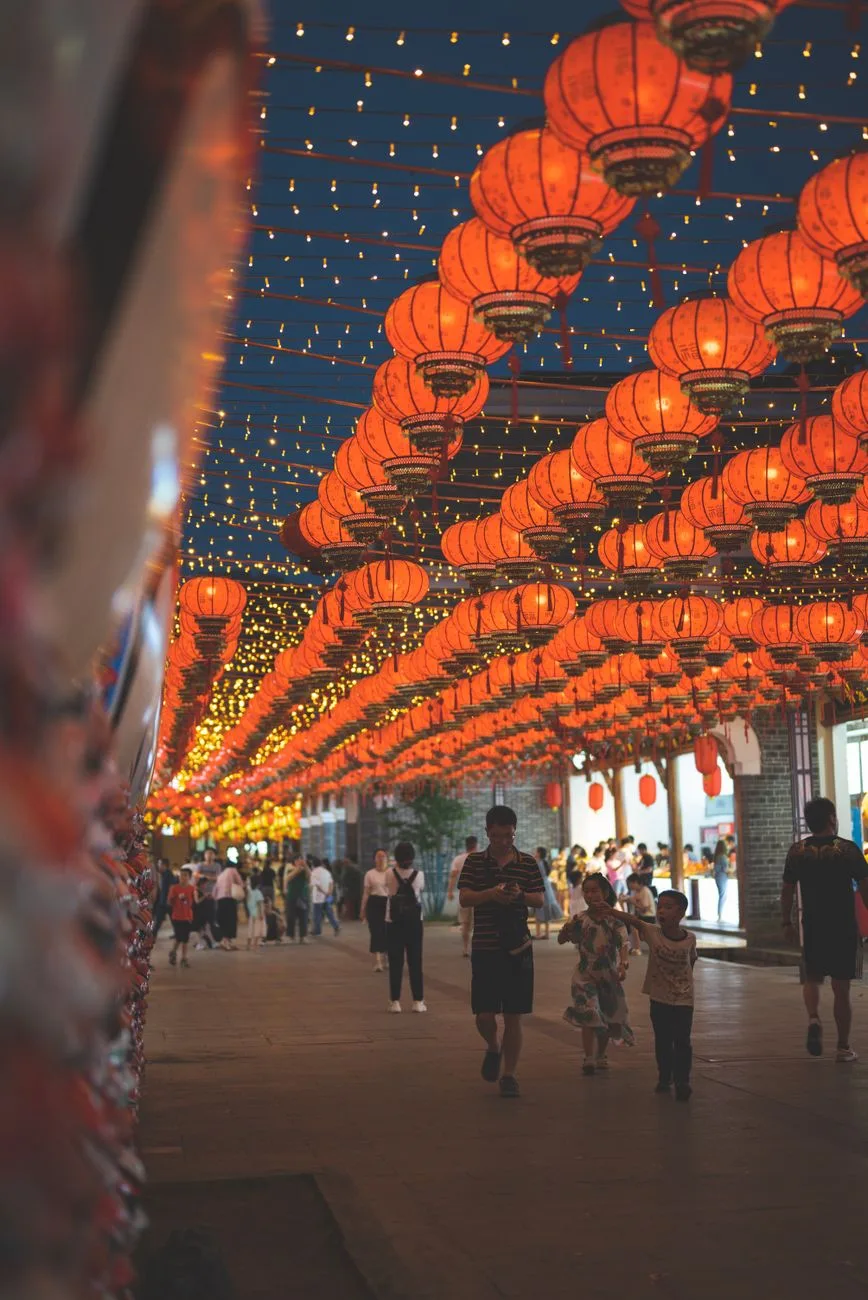
    Фонари, висящие на улице Пекина во время первого лунного месяца.
    Храмовые ярмарки и выставки фонарей по-прежнему отмечают начало лунного года. Cz Jen | Лицензия Pexels (https://www.pexels.com/license/)
    Месяцы следуют за луной, но год подчиняется солнцу.

    Источники и дополнительная литература

    1. Двадцать четыре солнечных периода — это китайские знания о времени и практика, разработанные на основе наблюдений за годовым движением Солнца. — Нематериальное культурное наследие ЮНЕСКО.
    2. Китайский календарь — Энциклопедия Британника.
    3. Китайский Новый год — Энциклопедия Британника.

    Посмотрите, как это выглядит на месте.

    Перейдите по этой ссылке в регион, к которому она относится.

    Исследуйте с помощью карты
    Продолжите обсуждение

    Просмотрите другие записи, имеющие теги.

    Просмотрите тег
  • Китайский зодиак

    Жизнь и фольклор

    Китайский зодиак

    Двенадцать животных, шестидесятилетний цикл

    Двенадцать животных сопоставляют годы, часы и особенности характера с повторяющимся циклом.

    Раздел
    Жизнь и фольклор
    Область
    Пекин
    Эпоха
    На протяжении эпох
    Теги
    Таможня

    Китайский зодиак присваивает каждому году двенадцатилетнего цикла животное. Это не самостоятельный гороскоп, а один из слоев лунно-солнечного календаря, где двенадцать земных ветвей объединяются с десятью небесными стволами, образуя полный шестидесятилетний цикл.

    Двенадцать животных

    Последовательность такова: крыса, бык, тигр, кролик, дракон, змея, лошадь, коза, обезьяна, петух, собака и свинья, каждая из которых соотносится с одной из двенадцати земных ветвей: цзы, чжоу, инь, мао, чэнь, си, у, вэй, шэнь, ю, сюй и хай. Коза также переводится как овца или баран. Известная народная сказка объясняет этот порядок результатом гонки через реку: крыса едет на быке и выпрыгивает вперед на берегу, в то время как кошка, в некоторых версиях, вообще не переправляется. Эта история более поздняя, чем система, которую она объясняет.

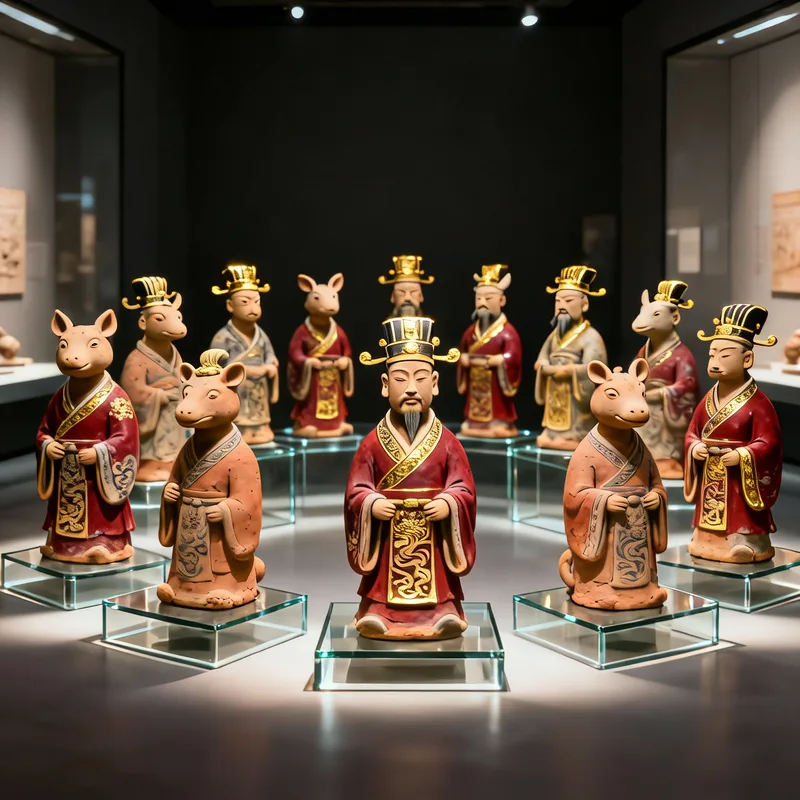
    Набор из двенадцати глиняных фигурок зодиака эпохи династии Тан, изображающих чиновников в костюмах.
    Орден животных был установлен в эпоху Восточной Хань и встречается на керамике гробниц эпохи Тан. Иллюстрация, созданная с помощью ИИ · SinoViz

    От ветвей до символов животных

    Сами ветви старые; животные, прикрепленные к ним, появляются постепенно. Метрополитен-музей отмечает, что двенадцать животных впервые были связаны с лунным календарем в Китае примерно в III веке до н.э. и прочно утвердились к I веку н.э. К династии Восточная Хань (25–220 гг. н.э.) традиционный порядок был зафиксирован, и в таких текстах, как «Луньхэн» Ван Чуна, перечислены те же животные, которые используются и сегодня. Эта пара распространилась по Восточной и Юго-Восточной Азии, где местные традиции изменили форму статуэтки.

    Наскальная живопись подтверждает датировку. В захоронениях династии Тан (618–907) обнаружены наборы из двенадцати глиняных фигурок животных в официальных одеждах, возложенных в качестве подношений для обновления и защиты. Примеры эпохи династии Сун представляют собой более мелкие глазурованные фигурки из каменной керамики, изображающие гражданских чиновников или даосских деятелей, с изображением животного в руке или на головном уборе. Зодиак никогда не был просто новогодней новинкой; он структурировал время в гробнице так же, как и среди живых.

    Стебли, ветви и судьба

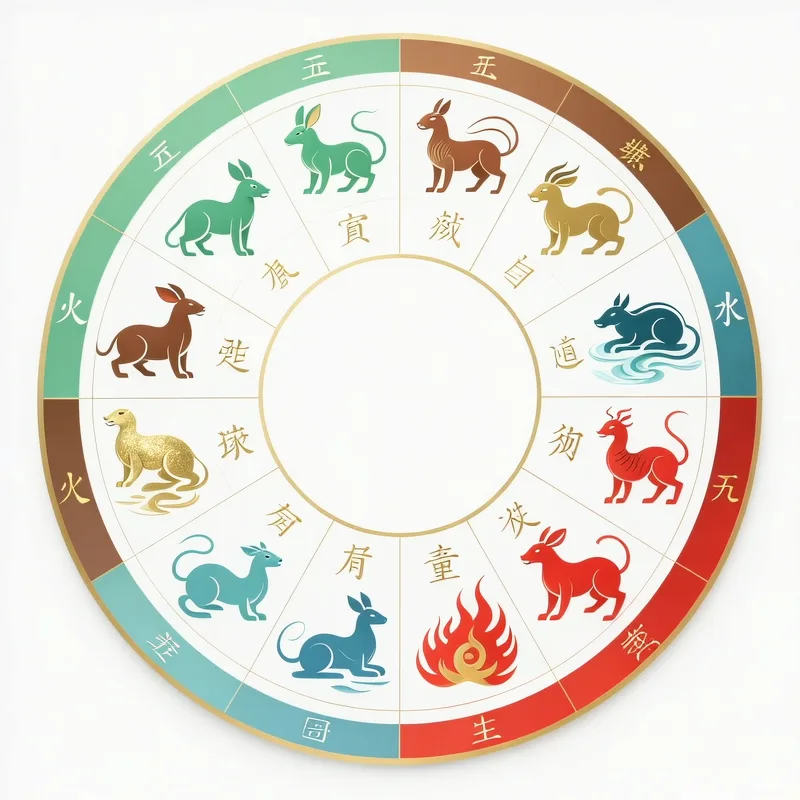
    Поскольку десять стволов и двенадцать ветвей развиваются одновременно, год описывается парой, например, бинву, Огненный Конь 2026 года; та же пара повторяется только через шестьдесят лет. Ветви также делят день на двенадцать двухчасовых периодов, час цзы длится с одиннадцати вечера до часа ночи. Четыре столпа судьбы — год, месяц, день и час — построены из четырех таких пар. Практикующие бацзы читают их для определения темперамента и удачи, а семьи когда-то обращались к ним при заключении браков.

    Круговая диаграмма двенадцати животных китайского зодиака и пяти элементов.
    Сочетание животного и стихии: 2026 год – Бинву, Огненный Конь. Иллюстрация, созданная с помощью ИИ · SinoViz

    В повседневной жизни

    Знаки зодиака используются скорее как общепринятый способ обозначения, чем как строгая вера. К году возвращения животного-символа (беньмин нянь) человека относятся с осторожностью; красная одежда и красные шнуры — распространенные меры предосторожности, особенно для детей и пожилых людей. На новогодних гравюрах, бумажных аппликациях и храмовых ярмарках изображается животное года, а в поздравлениях обычно указывается его название. Утверждения о совместимости основаны на цикле ветвей, и считается, что знаки, расположенные на расстоянии шести позиций друг от друга, конфликтуют.

    • 2026 год — это Бинву, год Огненной Лошади.
    • Каждая ветвь регулирует двухчасовой период; zi охватывает время с 23:00 до 1:00.
    • Четыре столпа судьбы объединяют год, месяц, день и час.
    • Во Вьетнаме кролика заменили кошкой.

    Региональные различия

    Этот цикл распространялся вместе с китайским поселением и торговлей. Во Вьетнаме кролик превращается в кошку, а бык — в буйвола; в других местах козу могут называть овцой. Животные зодиака изображаются на монетах, зеркалах, лаке и керамике по всему региону, а корейский и японский календари переняли те же ветви со своими собственными списками животных. Такие вариации важны: они показывают, что календарная система не просто копируется, а переводится. Китайская последовательность остается отправной точкой для празднования лунного Нового года в Пекине и в диаспорных сообществах по всему миру.

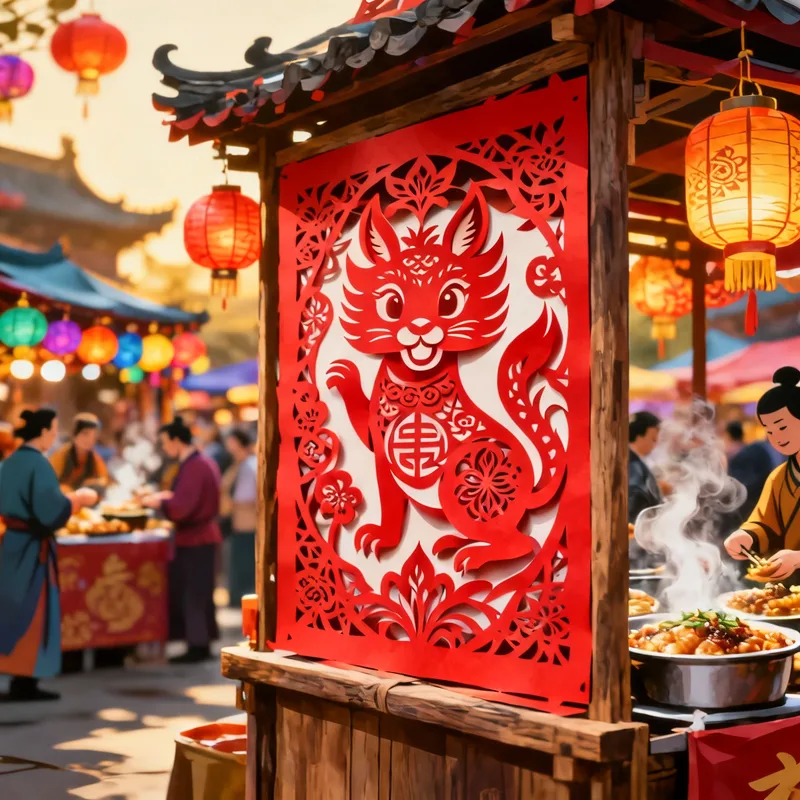
    Вырезанное из красной бумаги изображение животного года по зодиаку, выставленное на прилавке храмовой ярмарки.
    Каждый год по лунному календарю на гравюрах, бумажных вырезках и поздравительных открытках появляется новое животное. Иллюстрация, созданная с помощью ИИ · SinoViz
    Крыса выигрывает гонку, потому что знает, когда прыгать — эта история придумана задолго до того, как этот цикл уже стал использоваться.

    Источники и дополнительная литература

    1. Китайский зодиак — Энциклопедия Британника.
    2. Набор из двенадцати зодиакальных животных, династия Тан. — Метрополитен-музей.
    3. Празднование Года Собаки — Метрополитен-музей.

    Посмотрите, как это выглядит на месте.

    Перейдите по этой ссылке в регион, к которому она относится.

    Исследуйте с помощью карты
    Продолжите обсуждение

    Просмотрите другие записи, имеющие теги.

    Просмотрите тег
  • Почитание предков

    Жизнь и фольклор

    Почитание предков

    Родословная, ритуал и память

    Родовые обряды связывают дом, родовой зал и деревенское кладбище.

    Раздел
    Жизнь и фольклор
    Область
    Фуцзянь
    Эпоха
    На протяжении эпох
    Теги
    Таможня

    Почитание предков — это практика чествования умерших родственников посредством подношений, благовоний и предписанных обрядов. В провинции Фуцзянь она стала основой для организации родословных, владения собственностью и миграции, связывая деревни с предками, которые часто жили столетиями ранее.

    Долг перед мертвыми

    Учение конфуцианства наделило эту практику моральным языком. «Аналекты» призывают живых тщательно соблюдать погребальные обряды и следовать за предками издалека, описывая жертвоприношения так, как если бы духи присутствовали. «Книга обрядов» и связанные с ней ритуальные тексты устанавливают степени траура, подношения и надлежащий порядок поминовения умерших. Археологи прослеживают культ предков до позднего неолита, а бронзовые сосуды эпохи Шан отливались с надписями, на которых указывались имена предков, которым приносилось в жертву вино или зерно. Почитание было одновременно и обязанностью, и проявлением привязанности.

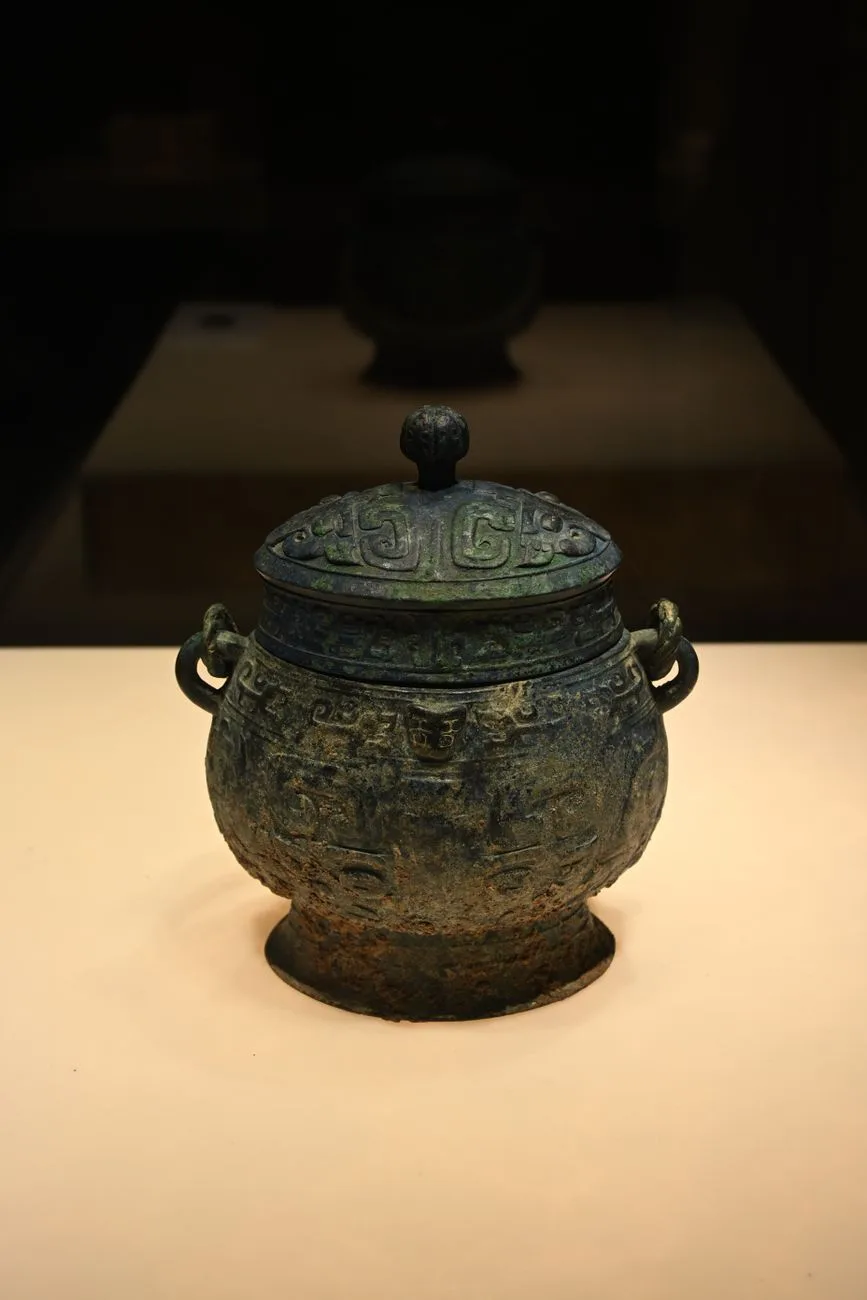
    Бронзовый ритуальный сосуд эпохи династии Шан с надписью, посвящённой предку.
    Бронзовые сосуды указывали получателя подношений, фиксируя родственные связи в письменной форме. К. Чжао | Лицензия Pexels (https://www.pexels.com/license/)

    Домашний алтарь

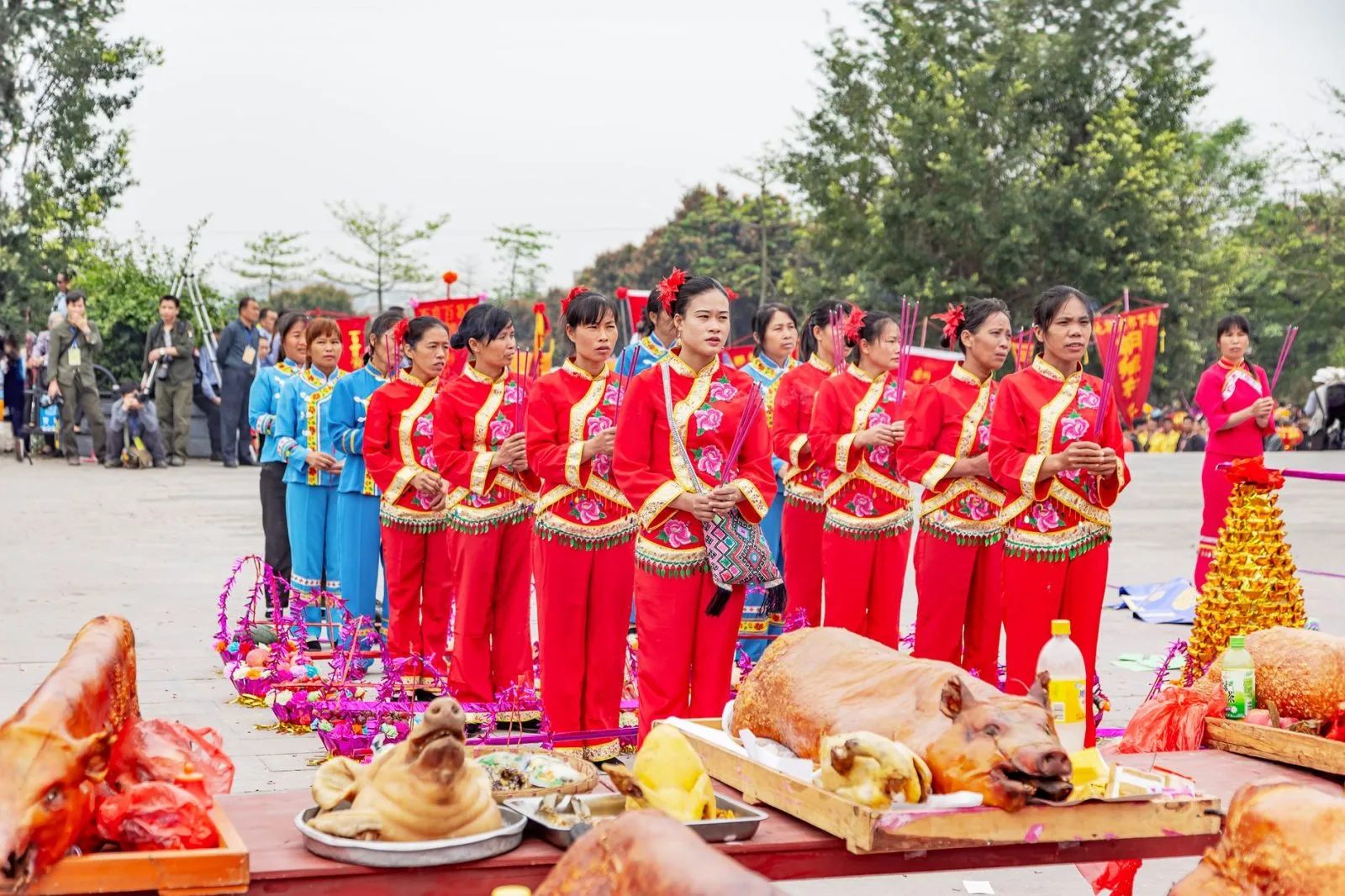
    В традиционном доме на небольшом алтаре хранятся родовые таблички — деревянные доски с выгравированными именами и титулами, расположенные по поколениям. Благовония зажигают в первый и пятнадцатый дни лунного месяца, а также в годовщину смерти. В качестве подношений могут использоваться чай, вино, фрукты, рис и три вида мяса, разложенные в определенном порядке; члены семьи кланяются или совершают земной поклон в порядке возрастания возраста. Табличка — это не изображение человека, а место, где можно обратиться к родственным связям.

    Ритуальное время следует календарю. Цинмин, солнечный период Чистого Света в начале апреля, — это великий день поминовения предков: могилы очищают от сорняков, оставляют подношения и сжигают бумажные деньги. Зимнее солнцестояние приносит еще один раунд подношений во многих домах провинции Фуцзянь, часто с тангюань — сладкими рисовыми шариками. В течение седьмого лунного месяца Праздник Призраков привлекает внимание не только к своим родственникам, но и к блуждающим духам, с общественными пиршествами и бумажными чучелами.

    Залы родословной провинции Фуцзянь

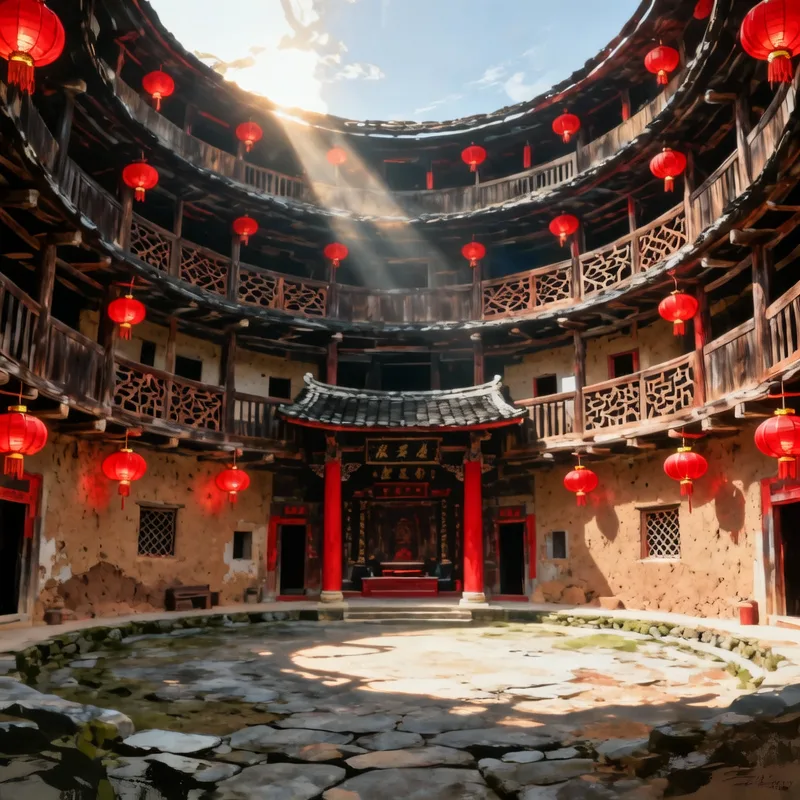
    Нигде социальная структура не проявляется так отчетливо, как в Фуцзяне. С XVI века родовые залы — цитанг — распространились за пределы элиты в деревни по всему юго-восточному Китаю, и в регионах происхождения эмигрантов они стали доминировать в архитектурном ландшафте. В зале хранятся коллективные таблички фамилии, ведется генеалогическое древо и управляются корпоративные земли, доходы от которых идут на ремонт, жертвоприношения и школы. Внутри некоторых хакка-тулоу, больших глиняных общинных домов юго-западного Фуцзяня, родовой зал занимает место внутри оборонительного кольца.

    Внутренний двор и родовое здание общинного дома из глиняных тулоу в провинции Фуцзянь.
    Родовой зал внутри тулоу служил всему клану, а не отдельному домохозяйству. Иллюстрация, созданная с помощью ИИ · SinoViz

    Миграция и возвращение

    Начиная с позднего периода Цин, побережье Фуцзяня направляло мигрантов в Юго-Восточную Азию, и вместе с ними переносились родовые обряды. Эмигранты вступали в фамильные объединения и строили залы в Сингапуре, Малайзии и Индонезии; денежные переводы оплачивали строительство новых залов и восстановление могил на родине. Ученые описывают эти связи как транснациональные родовые сети: один и тот же ритуальный словарь связывал деревенский алтарь, зарубежное клановое объединение и кладбище. После 1980-х годов многие потомки вернулись, чтобы восстановить залы, превратив генеалогию в мост между поколениями и границами.

    • Цинмин: в начале апреля убирают могилы и возлагают подношения.
    • Седьмой лунный месяц: обряды Праздника Призраков для безымянных духов.
    • Цитанг: родословный зал, где хранятся таблички, генеалогические и корпоративные документы.
    • Фуцзяньские тулоу: объект Всемирного наследия ЮНЕСКО с 2008 года.

    Изменения и преемственность

    В XX веке институциональная сторона вопроса претерпела изменения. Земельная реформа и коллективизация лишили родовые поместья дохода, а во время Культурной революции многие залы были закрыты или повреждены. С 1980-х годов местные инициативы восстанавливают здания и возрождают обряды, иногда в рамках культурного туризма, а иногда как семейный долг. Практика сохраняется в измененном виде: благовония на домашней полке, уборка могилы перед Цинмином, запись имени в восстановленной генеалогии. Сохранилось лишь убеждение, что умершие остаются частью социального порядка.

    Члены семьи сжигают бумажные подношения на могиле во время празднования Цинмин на юге Китая.
    Наиболее заметной частью обрядов Цинмин остаются подметание могил и принесение подношений. Ман Фонг Вонг | Лицензия Pexels (https://www.pexels.com/license/)
    Табличка — это не портрет умершего. Это обращение, по которому живые еще могут говорить с ним.

    Источники и дополнительная литература

    1. Китай: религиозные верования и социальная организация — Энциклопедия Британника.
    2. Фуцзянь Тулоу — Центр всемирного наследия ЮНЕСКО.
    3. Китайские диаспоры: модели раннего Нового времени, 1500–1740 гг. — Издательство Кембриджского университета.

    Посмотрите, как это выглядит на месте.

    Перейдите по этой ссылке в регион, к которому она относится.

    Исследуйте с помощью карты
    Продолжите обсуждение

    Просмотрите другие записи, имеющие теги.

    Просмотрите тег
  • Фарфор

    Жизнь и фольклор

    Фарфор

    Clay, fire, and the white of Dehua

    Fujian’s kilns turned local clay into porcelain that travelled across the sea and changed how the world pictured China.

    Раздел
    Жизнь и фольклор
    Область
    Фуцзянь
    Эпоха
    На протяжении эпох
    Теги
    Customs, History, Scenic Sites

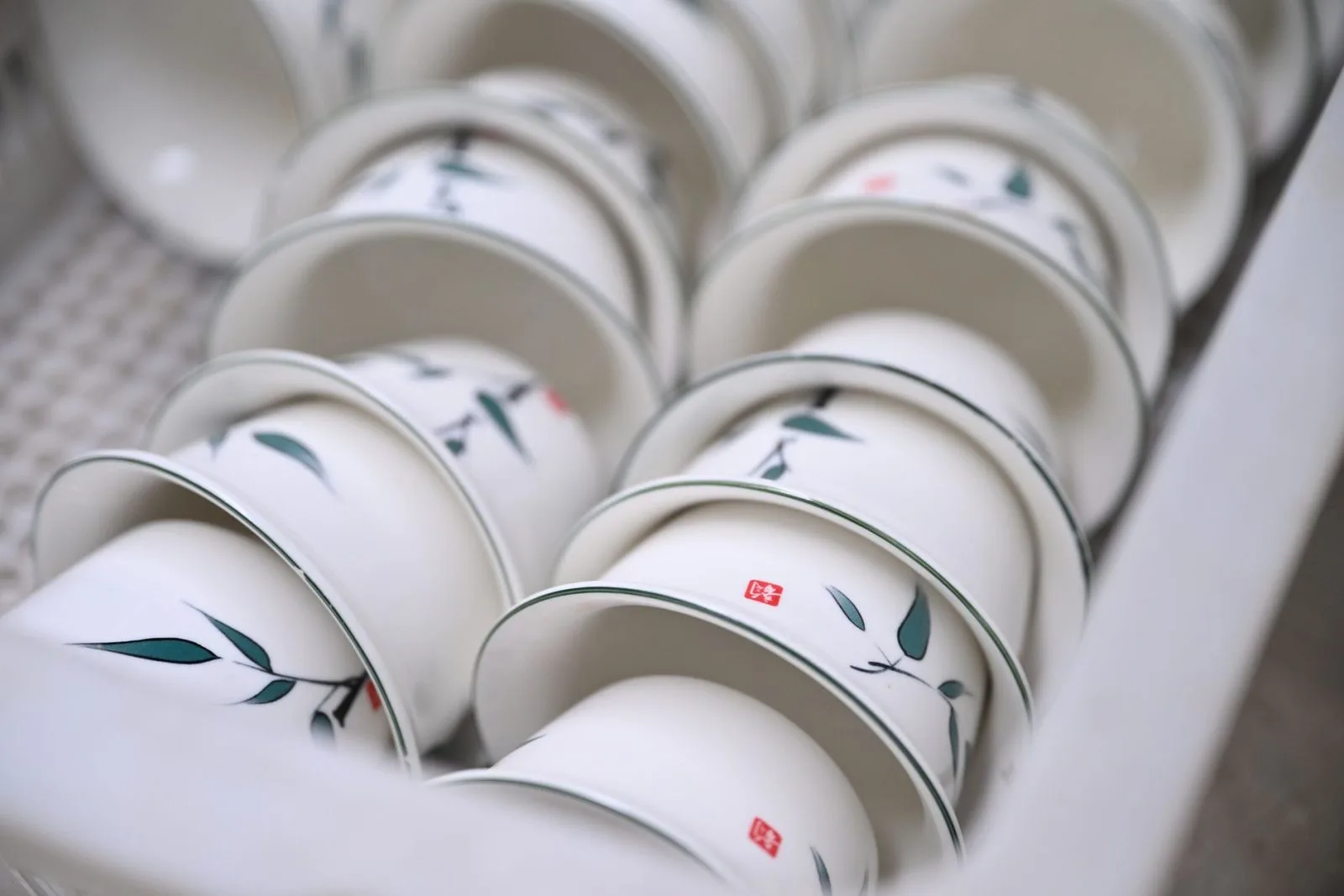
    Porcelain is defined by its body and its firing: a pale, fine clay heated to temperatures that vitrify the material and make it ring when struck. Fujian’s Dehua kilns made a version so white it seemed translucent, known in Europe as blanc de Chine.

    What Makes Porcelain

    Porcelain differs from ordinary pottery in both material and firing. Potters use kaolin, a white clay, mixed with feldspar and quartz, then fire the shaped vessel at roughly 1,200 to 1,400 degrees Celsius. At that temperature the body vitrifies: it becomes dense, non-porous, and slightly translucent at the edges. A glassy glaze is usually applied before firing, bonding to the body rather than sitting on it as a separate layer. Chinese potters had reached this threshold by the Tang and Song periods, and Jingdezhen in Jiangxi became the great production centre. The English word china stuck to the ware because the country was the source of the finest examples. A light tap on a good cup gives a clear ring, a quick test that still works in a shop.

    A porcelain bowl with a pale glaze photographed against light
    True porcelain is fired hot enough to vitrify the body, giving it a hard, resonant wall. lee c | Pexels License (https://www.pexels.com/license/)

    Dehua White

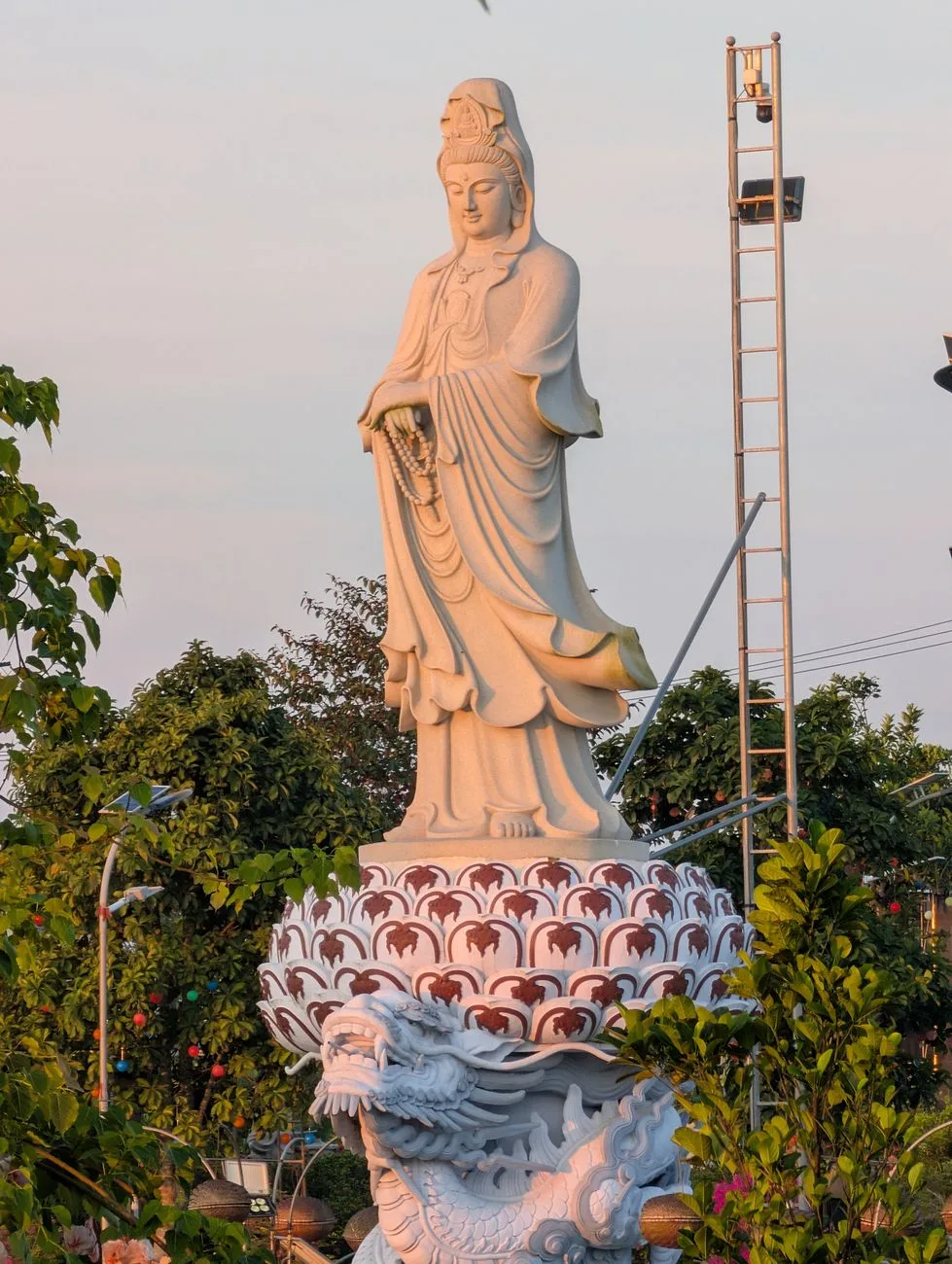
    Dehua, a county in Fujian’s Quanzhou prefecture, developed a white porcelain with a warm, creamy tone. Its clay is low in iron, which lets the glaze fire almost colourless, and its potters mastered figures as well as vessels. From the Ming dynasty onward, Dehua workshops produced small statues of Guanyin, the bodhisattva of compassion, with soft modelling and a smooth, almost waxy surface. European traders called the ware blanc de Chine, and by the seventeenth century it was collected in royal cabinets and copied by potters in Meissen and elsewhere. Tea wares also left the kilns: small cups, gaiwan lids and bowls, and white vessels that showed the colour of tea clearly. Local museums trace the kiln sequence from Song-period celadons through the white wares that made Dehua famous.

    A milky white porcelain figurine of Guanyin from Dehua
    Dehua’s porcelain figures of Guanyin became known in Europe as blanc de Chine. Quý Hoàng | Pexels License (https://www.pexels.com/license/)

    A Port for Porcelain

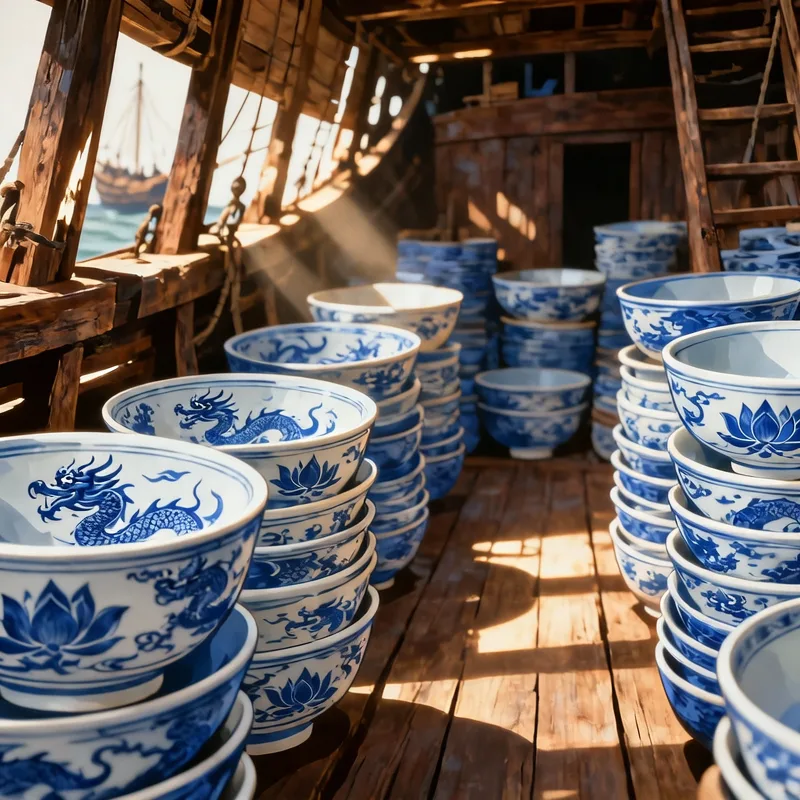
    Porcelain shaped trade as much as taste. Fujian’s coast faced the South China Sea, and Quanzhou became one of the busiest ports of the Song and Yuan dynasties, a place where merchants, monks, and ship crews exchanged goods and techniques. Archaeologists have recovered Chinese ceramics from ports and shipwrecks across Southeast Asia, the Indian Ocean, and East Africa; the fragments are dated by glaze and shape, making them a record of demand as well as production. UNESCO listed Quanzhou in 2021 as an emporium of the world in Song-Yuan China, with surviving mosques and temples. The export ware was not always the finest court piece. Sturdy bowls and jars packed in straw travelled in bulk, reaching households that never saw the kiln but knew the clay by its colour.

    Blue-and-white porcelain packed as cargo in a ship’s hold
    Quanzhou was a major Song and Yuan port from which Fujian ceramics were shipped abroad. Иллюстрация, созданная с помощью ИИ · SinoViz

    Using and Collecting

    Porcelain entered daily ritual as well as trade. A gaiwan, a bowl with a lid and saucer, is used for brewing tea in northern China; the lid controls the leaves and the saucer protects the fingers. White Dehua cups make the colour of a tea liquor easy to judge. Collectors look for a clean foot ring, an even glaze, and a mark painted on the base, though many imitations copy famous reign marks. Visit a kiln museum in Dehua or a ceramic gallery in Quanzhou to see the sequence from raw clay to finished piece. Handling a cup with a saucer and a steady hand is still the simplest way to understand why this material travelled so far.

    A clear ring and a translucent edge tell you what the fire has done.

    Источники и дополнительная литература

    1. Chinese Porcelain — Метрополитен-музей.
    2. Quanzhou: Emporium of the World in Song-Yuan China — Центр всемирного наследия ЮНЕСКО.
    3. Blanc de Chine — Энциклопедия Британника.

    Посмотрите, как это выглядит на месте.

    Перейдите по этой ссылке в регион, к которому она относится.

    Исследуйте с помощью карты
    Продолжите обсуждение

    Просмотрите другие записи, имеющие теги.

    Просмотрите тег
  • Calligraphy

    Жизнь и фольклор

    Calligraphy

    The brush as a record of the hand

    Chinese calligraphy turns writing into an art of pressure, rhythm, and restraint.

    Раздел
    Жизнь и фольклор
    Область
    Шэньси
    Эпоха
    На протяжении эпох
    Теги
    Customs, History

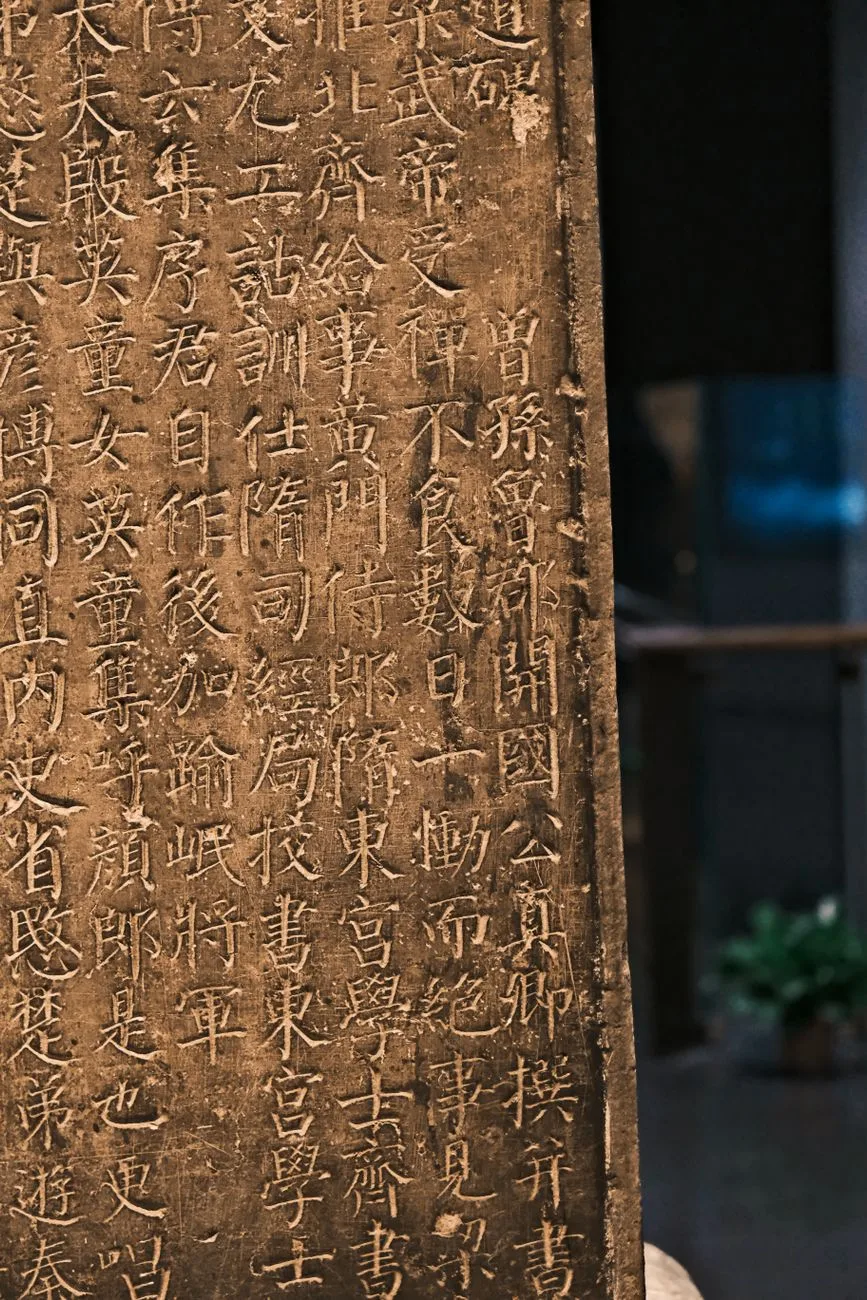
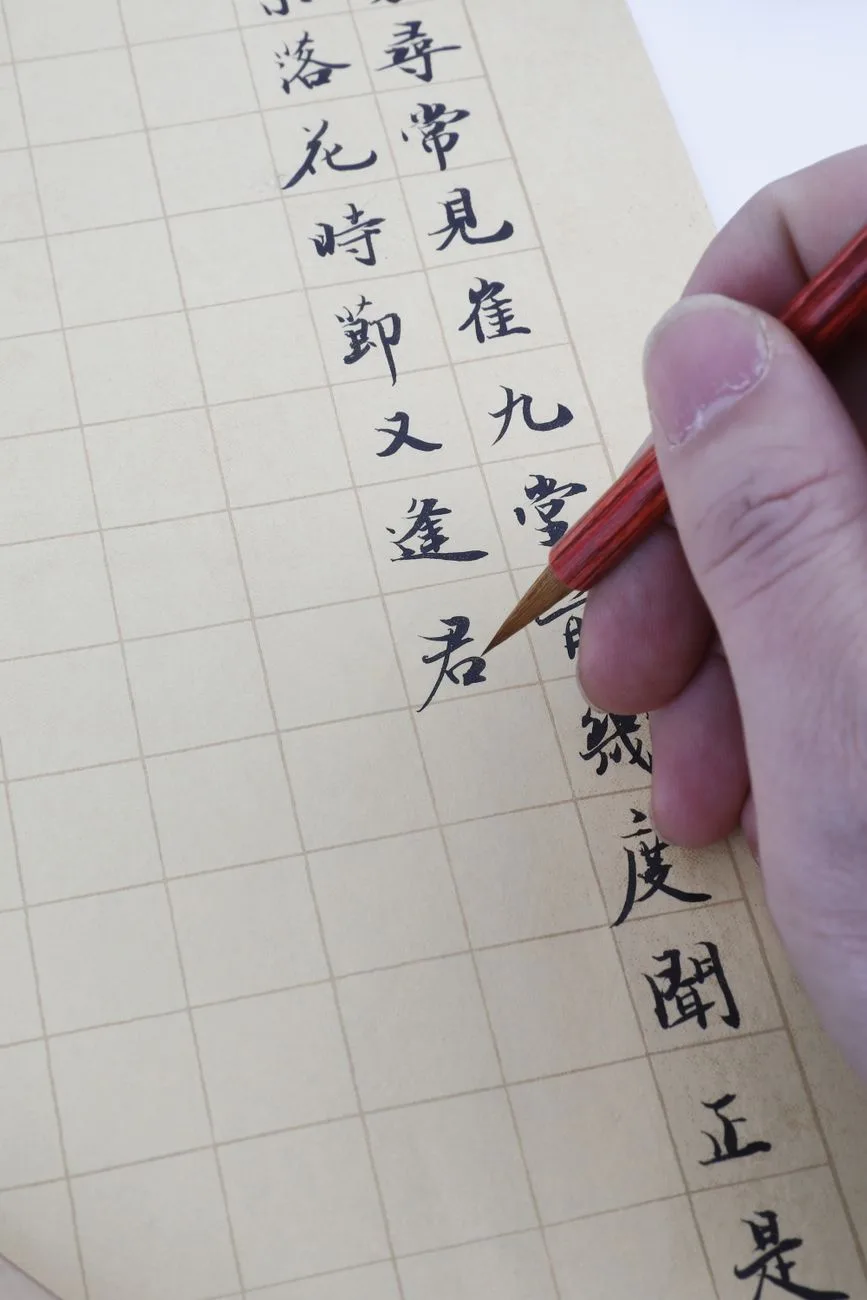
    A line of Chinese calligraphy is made once: the brush touches paper, and the mark cannot be corrected. That irreversibility is part of its appeal. In Xi’an, the city’s stone steles preserve the work of centuries of calligraphers in a form anyone can still read.

    The Four Treasures

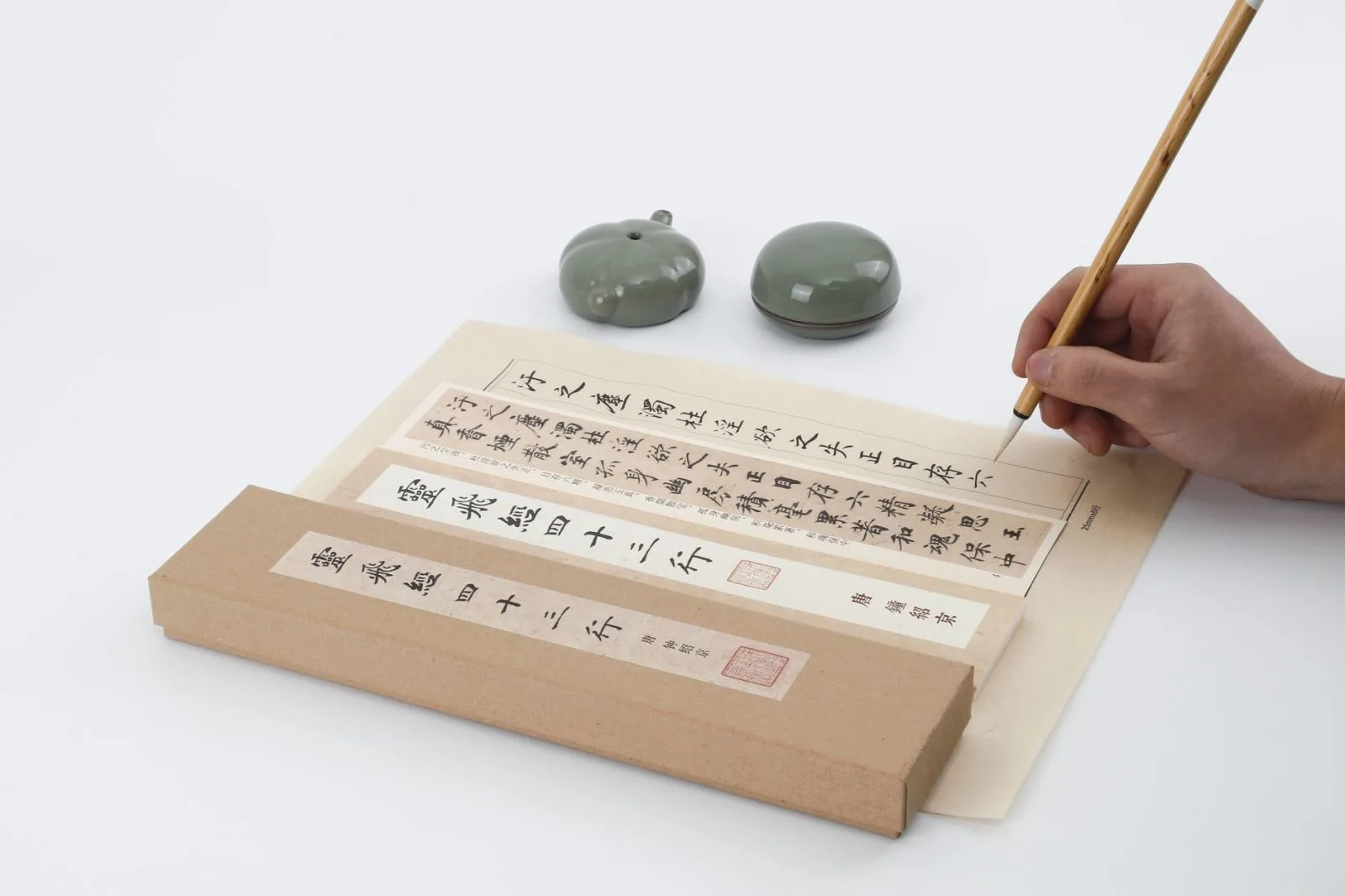
    The tools are known as the Four Treasures of the Study: brush, ink, paper, and inkstone. A brush of animal hair is held upright between thumb and fingers, and pressure makes the stroke swell and thin. Ink comes as a solid stick ground with water on a stone; the density of the mixture changes the character of the line. Paper is absorbent, so hesitation shows as a blot. Practice begins with the basic strokes, then with copying a model character hundreds of times until the hand remembers its proportions. Students still learn by tracing the regular script of Tang dynasty masters such as Yan Zhenqing and Ouyang Xun. The aim is not decorative flourish but control: a steady wrist, an even rhythm, and a line that holds its centre.

    Calligrapher’s brush, ink stick, paper, and inkstone laid on a desk
    Brush, ink, paper, and inkstone are the traditional Four Treasures of the Study. Feng Zou | Pexels License (https://www.pexels.com/license/)

    Scripts and Masters

    Chinese writing moved through several scripts, and calligraphers kept them all alive as styles. Seal script, with even, rounded lines, comes from the inscriptions on bronze and stone of the Zhou and Qin periods. Clerical script, formalised in the Han dynasty, flattened characters with a distinctive flared stroke. Regular script, settled by the Tang, is the model still taught in schools; each part of a character sits in a clear frame. Running script links strokes without losing legibility, while cursive script reduces them to rapid, connected gestures. Wang Xizhi’s Lantingji Xu, written in 353, is the famous example of running script; the original is lost, but copies carry its reputation. Later Song and Yuan artists, including Su Shi and Zhao Mengfu, made personal expression as important as correct form.

    Close view of flowing cursive calligraphy on a hanging scroll
    Cursive script compresses characters into gestures that reward slow reading. Feng Zou | Pexels License (https://www.pexels.com/license/)

    Stone Records in Xi’an

    Xi’an, the former Chang’an, preserves calligraphy on stone at the Beilin Museum, the Forest of Stone Steles. The collection began in 1087, when the Confucian classics were carved onto more than a hundred steles and installed beside the city’s Confucius Temple. Centuries of additions followed: tombstones, imperial edicts, Buddhist texts, and poems cut in several scripts. Rubbing a stele with damp paper and ink was the traditional way to study and circulate a model, and museums still demonstrate the technique. One slab records a Tang emperor’s visit to a Nestorian Christian church; another carries a Song dynasty city diagram. Walking the covered galleries, you can compare the same character written in seal, clerical, and regular forms across a thousand years.

    Rows of carved stone steles at the Beilin Museum in Xi’an
    The Beilin Museum holds thousands of steles, including Confucian classics cut into stone. Lily Lili | Pexels License (https://www.pexels.com/license/)

    Living Practice

    Calligraphy remains a daily practice rather than a museum relic. Around Spring Festival, shops sell red paper couplets, and a single character for good fortune is pasted on doors, sometimes upside down to suggest that fortune has arrived. Temple names, shop signs, and station plaques are often lettered by accomplished hands. Schoolchildren practise copying characters in grid books, and older residents gather in parks to write with large water brushes on the pavement, where the characters dry in minutes. Workshops in Xi’an let visitors try a brush and learn how a stroke begins with a pause and ends with a lift. You need not read every character to see the differences: one script sits square and calm, the next leans and races.

    A stroke begins with a pause and ends with a lift; the paper keeps the record.

    Источники и дополнительная литература

    1. Chinese calligraphy — Энциклопедия Британника.
    2. Chinese Calligraphy — Метрополитен-музей.
    3. Beilin Museum, Xi’an — China Highlights.

    Посмотрите, как это выглядит на месте.

    Перейдите по этой ссылке в регион, к которому она относится.

    Исследуйте с помощью карты
    Продолжите обсуждение

    Просмотрите другие записи, имеющие теги.

    Просмотрите тег
  • Qingming

    Жизнь и фольклор

    Qingming

    Sweeping tombs, welcoming spring

    Qingming pairs the remembrance of ancestors with the first serious outings of spring.

    Раздел
    Жизнь и фольклор
    Область
    Чжэцзян
    Эпоха
    На протяжении эпох
    Теги
    Customs, Geography

    Qingming arrives around 4 or 5 April, when the sun reaches fifteen degrees of the spring equinox on the traditional solar-term calendar. Its two halves belong together: cleaning a family grave, then walking out into the greening countryside.

    A Solar Term and a Day of Remembrance

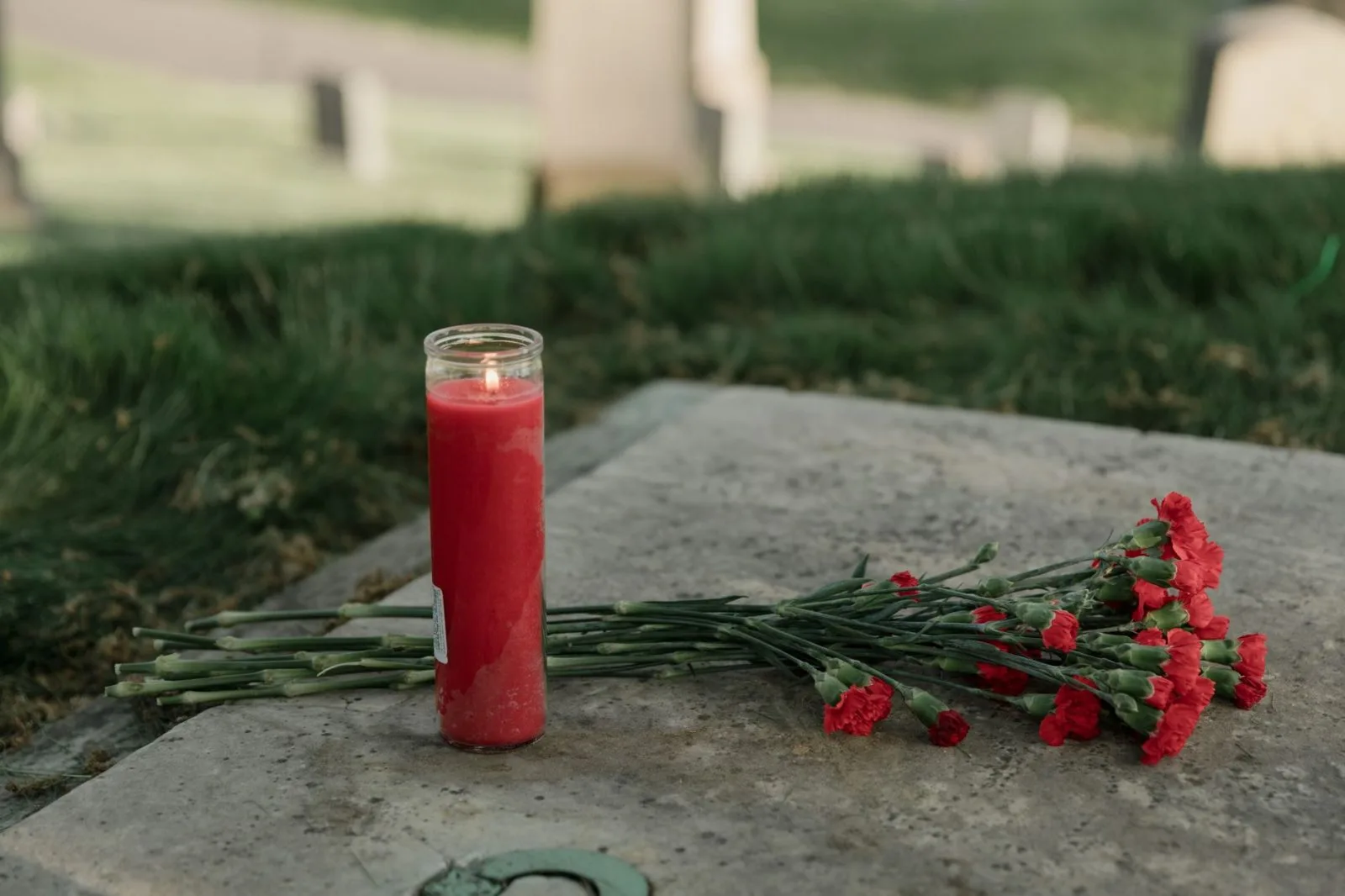
    Qingming means clear and bright, a name drawn from the twenty-four solar terms, the calendar that divides the year by the sun’s position. The term falls around 4 or 5 April, when temperatures rise and rain becomes frequent in the lower Yangtze. Families visit ancestral graves to sweep away leaves and weeds, repaint inscriptions, and lay out food, tea, and paper money. Offerings are followed by bows or a few words addressed to the dead. Paper money may be burned in a designated container, depending on local rules. The act is not a celebration of death but a maintenance of family continuity: the dead remain part of the household’s obligations. In Zhejiang, hillside graves make the visit a walk as much as a ritual.

    A family tending a grave with flowers on a hillside in spring
    Tomb sweeping means cleaning the grave, making offerings, and bowing before ancestors. RDNE Stock project | Pexels License (https://www.pexels.com/license/)

    The Cold Food Connection

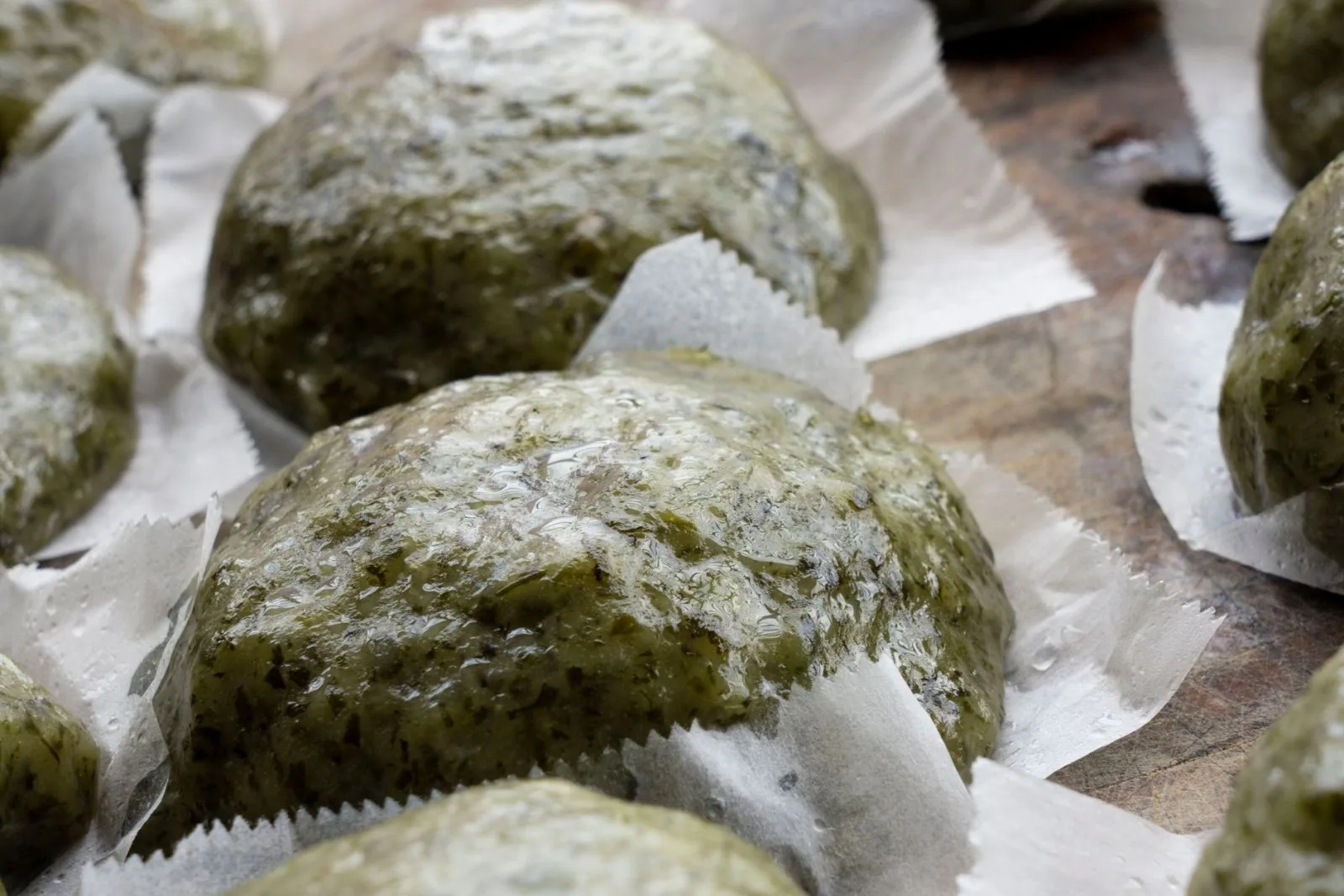
    Earlier custom linked this season with the Cold Food Festival, when fires were forbidden and families ate food prepared in advance. One traditional explanation connects the practice to Jie Zitui, a loyal follower of a Spring and Autumn duke who died in a forest fire; later historians treat the story as one among several local traditions rather than a single origin. In practice, the cold-food element has faded, but special foods remain. In Zhejiang and neighbouring Jiangnan, people eat qingtuan, soft green dumplings made with glutinous rice and mugwort juice, often filled with sweet red bean paste. Their colour comes from the first spring growth, and they are sold in markets for only a short season. Eating one links the memory of the dead to the first green.

    Qingming dumplings and cold food arranged on a table
    Qingming foods in Zhejiang include qingtuan, green rice cakes flavoured with mugwort. Jimmy Liao | Pexels License (https://www.pexels.com/license/)

    Spring Outings in Zhejiang

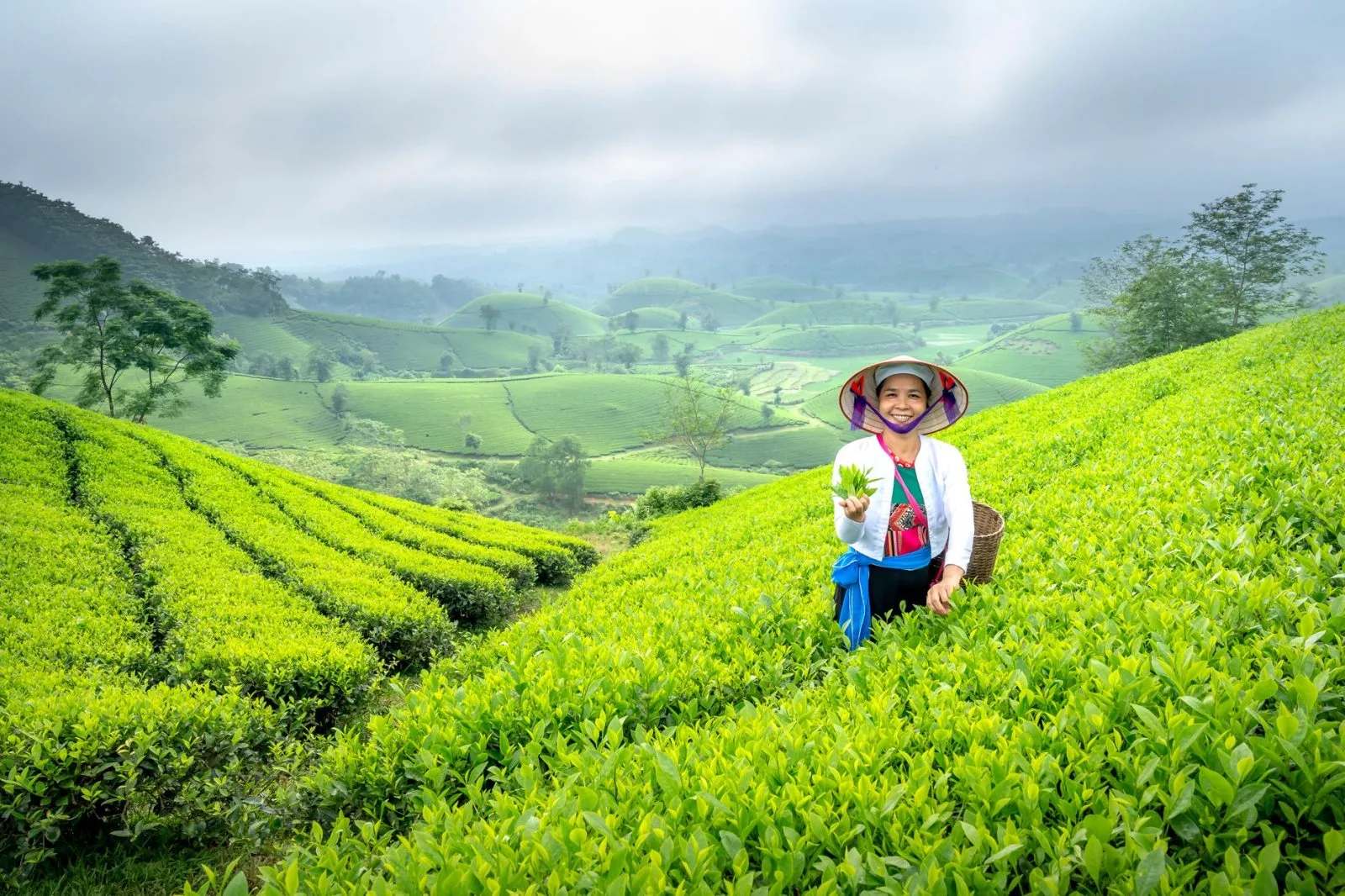
    The second half of Qingming is an outing, known as taqing, when families walk in parks, visit temples, or climb hills. Willow branches were once tucked into hair or hung at doors. In Zhejiang, the festival coincides with the first tea harvest around Hangzhou. Longjing, the tea from the hills near West Lake, is at its most valued when picked before Qingming; the tender buds of pre-Qingming pickings command higher prices. Visitors can see pickers between rows, and lakeside tea houses serve the new leaves. Qingming became a public holiday in 2008, giving the outing a practical boost. Combined with tomb sweeping, the day makes an unusual pair: a visit to the ancestors in the morning, a walk among new leaves in the afternoon.

    Tea pickers gathering early spring leaves in Zhejiang hills
    Pre-Qingming tea from Zhejiang’s hills is prized for its tender leaves. Quang Nguyen Vinh | Pexels License (https://www.pexels.com/license/)

    Poetry and Practice Today

    Qingming has a fixed place in Chinese literature. The Tang poet Du Mu wrote of drizzling rain on the Mourning Day and a traveller asking where wine could be bought, a poem that schoolchildren still memorise. The lines capture the day’s two moods: rain and sorrow, and the impulse to go out despite them. For a visitor, the details matter. Cemeteries can be crowded, so go early and keep to marked paths. Bring water and wear shoes suitable for muddy slopes. In Hangzhou, traffic around West Lake builds by mid-morning, and the metro is simpler than a taxi. Tea villages welcome visitors, but a field is a working crop, not a garden; wait for an invitation before touching the leaves. Respect anyone burning offerings, and never photograph a grave close-up.

    In the morning the family tends the grave; in the afternoon it walks among new leaves.

    Источники и дополнительная литература

    1. Двадцать четыре солнечных периода — Нематериальное культурное наследие ЮНЕСКО.
    2. West Lake Cultural Landscape of Hangzhou — Центр всемирного наследия ЮНЕСКО.
    3. Qingming Festival — China Highlights.

    Посмотрите, как это выглядит на месте.

    Перейдите по этой ссылке в регион, к которому она относится.

    Исследуйте с помощью карты
    Продолжите обсуждение

    Просмотрите другие записи, имеющие теги.

    Просмотрите тег
  • Фестиваль лодок-драконов

    Жизнь и фольклор

    Фестиваль лодок-драконов

    Racing, rice dumplings, and the fifth moon

    The Dragon Boat Festival joins boat races, sticky rice parcels, and a story of loyalty to a poet.

    Раздел
    Жизнь и фольклор
    Область
    Гуандун
    Эпоха
    На протяжении эпох
    Теги
    Таможня, еда

    Duanwu falls on the fifth day of the fifth lunar month, when the heat of early summer arrives in Guangdong. The holiday is best known for dragon boat racing and zongzi, but its smaller customs reveal as much about how the day is understood.

    Qu Yuan and the River

    The festival is commonly linked to Qu Yuan, a poet and minister of the state of Chu who died in 278 BCE after his advice was rejected and his state fell. Legend says that fishermen raced out in boats to find his body and threw bundles of rice into the river to keep fish from eating it. Historians note that the custom of racing boats and the fifth-month observance existed before this story attached to it; the legend explains a practice rather than creating it. Either way, the pairing of boat and rice dumpling gives the holiday its two enduring symbols. In school lessons and public ceremonies, Qu Yuan is presented as a figure of loyalty and moral independence, a poet whose writing still reads as political dissent.

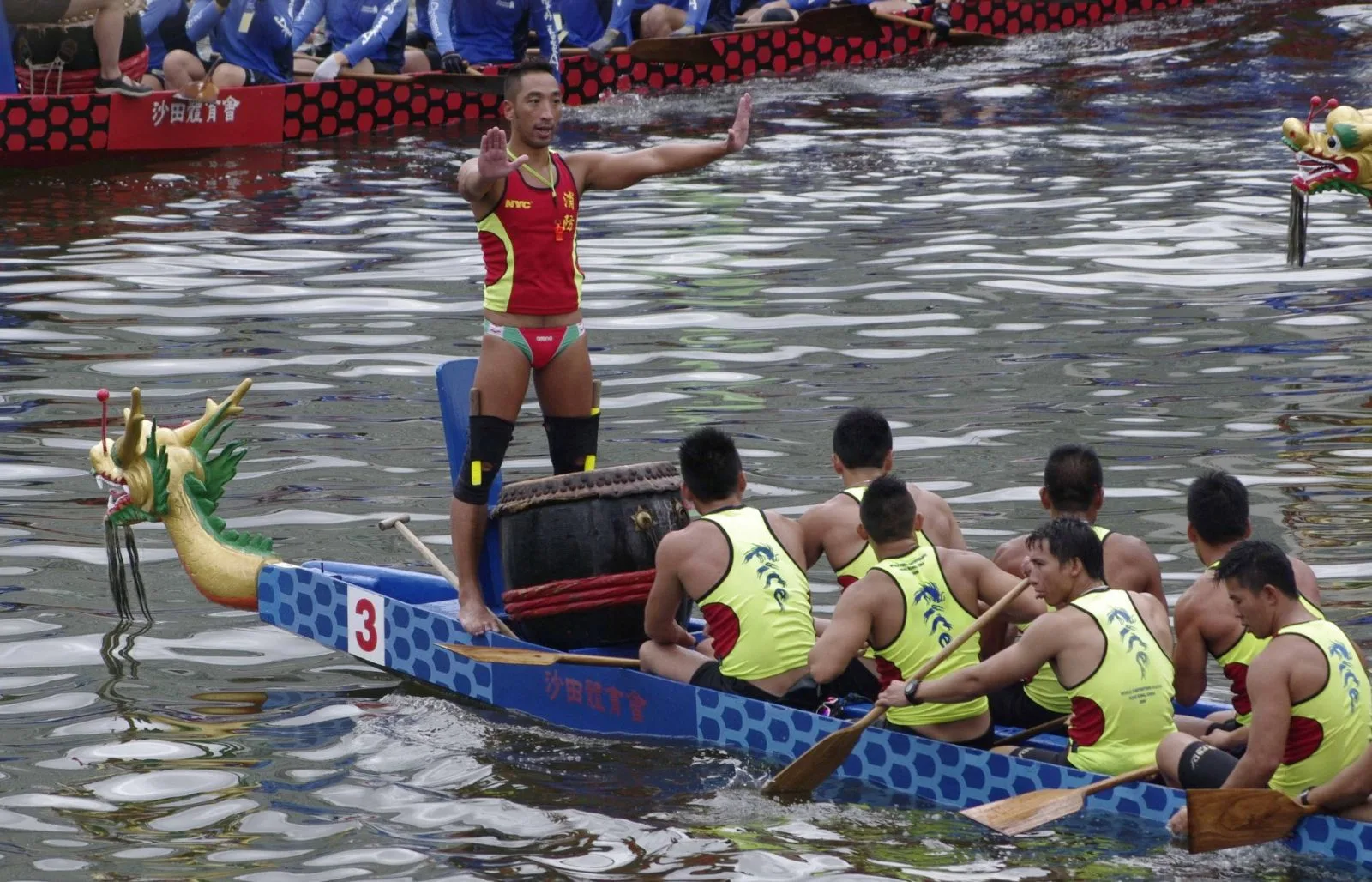
    A dragon boat with a carved head and paddlers in formation
    Dragon boats are painted and carved; crews race to the beat of a drum. Kamus Cheung | Pexels License (https://www.pexels.com/license/)

    Zongzi and Household Charms

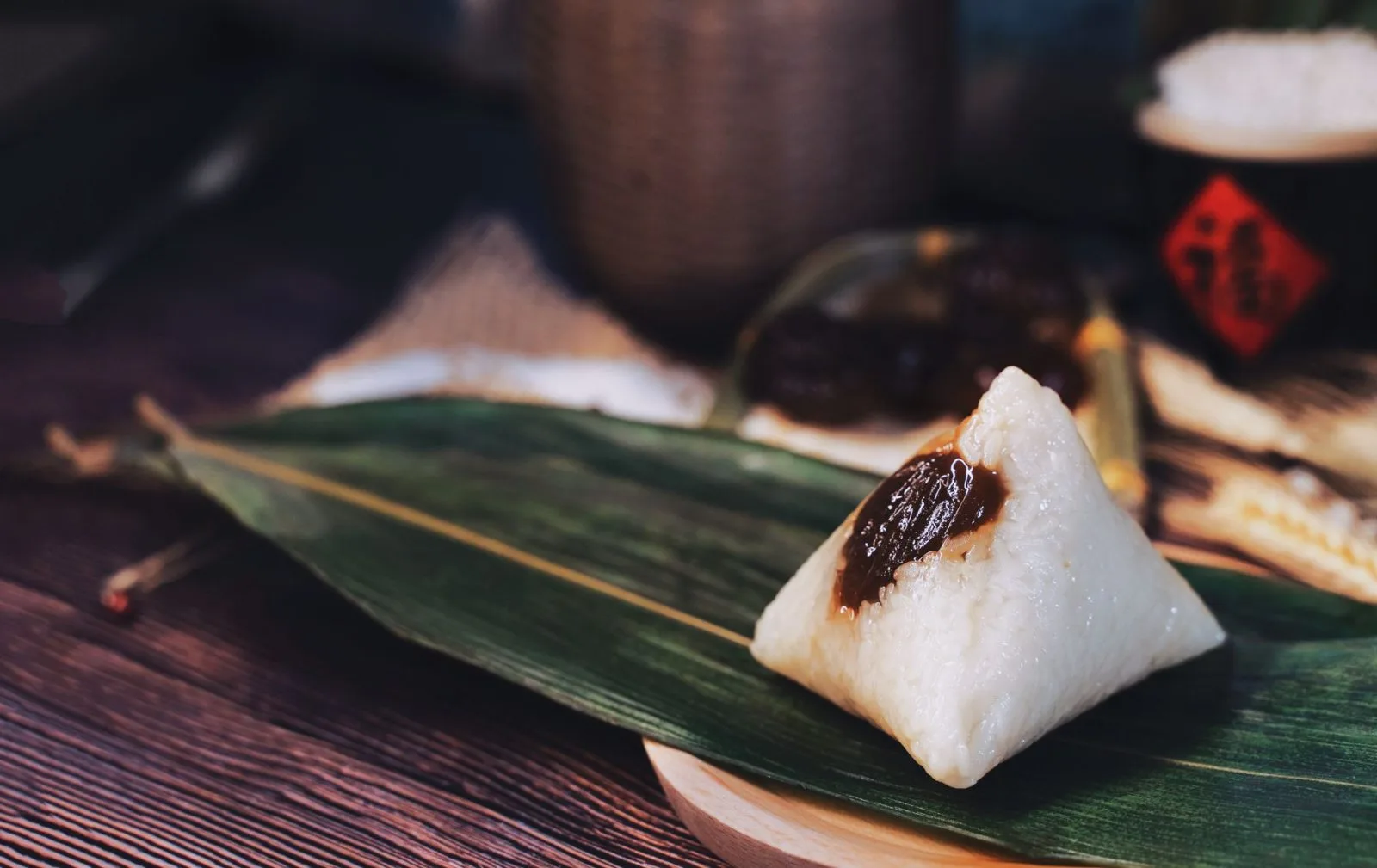
    Zongzi are parcels of glutinous rice wrapped in bamboo or reed leaves and tied with string, then boiled for hours. Fillings vary by region: Guangdong versions may include pork, salted egg, and mushrooms, while northern ones are often sweet with dates or red bean. Families make them in batches and give them to neighbours. The festival also has a protective side. In older practice, people hung mugwort and calamus at doorways to keep away illness and insects and tied five-coloured silk around children’s wrists. Realgar wine, a yellow mixture with a strong smell, was sprinkled around the house or dabbed on a child’s forehead, though modern safety advice discourages drinking it. These acts belong to a time when the fifth moon was thought to carry dampness, snakes, and fever.

    Pyramidal zongzi wrapped in bamboo leaves and tied with string
    Zongzi are filled with sticky rice and tied with string before boiling. zhen tang | Pexels License (https://www.pexels.com/license/)

    Guangdong on the Water

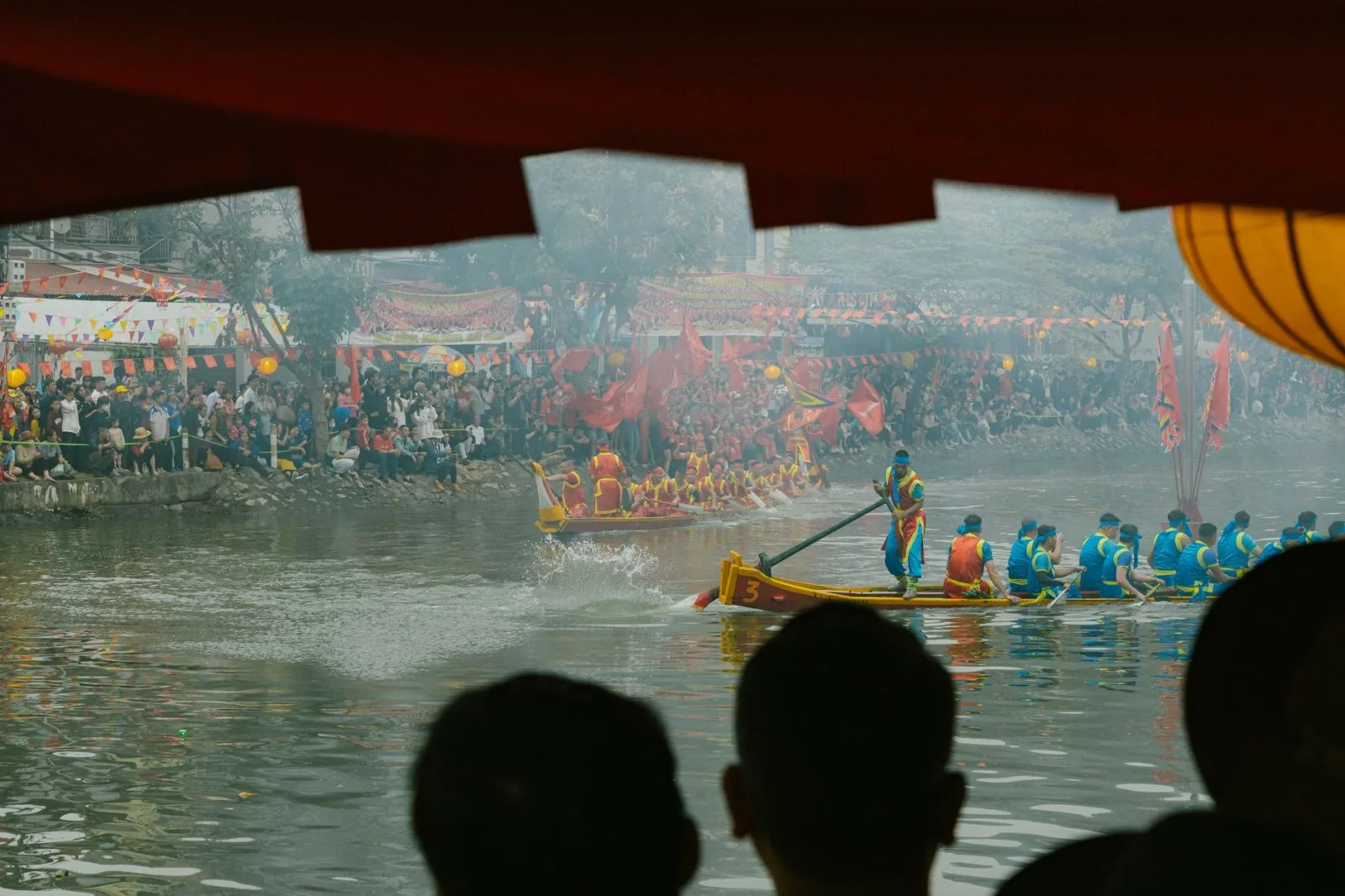
    In Guangdong, dragon boat racing is not a single event but a season. Villages and districts along the Pearl River Delta prepare boats through the spring, then race on rivers and creeks in the weeks around Duanwu. A long narrow boat carries a crew of paddlers, a drummer who sets the stroke, and a helmsman; the painted head and tail give the craft its name. Races are loud, crowded, and local, with teams known by village or temple affiliation. Spectators line bridges and banks, and the best vantage points fill early. The custom was inscribed on UNESCO’s intangible cultural heritage list in 2009. For a visitor, check local listings rather than assuming one central race: events are spread across Guangzhou and Foshan, and dates shift with the lunar calendar.

    Dragon boat crews racing on a Guangdong river before a crowd
    Pearl River Delta races draw village crews and large crowds in the weeks around Duanwu. HONG SON | Pexels License (https://www.pexels.com/license/)

    Observing the Day Today

    Duanwu is an official public holiday, so transport and tourist sites are busy. In Guangdong, the weather is hot and wet by May or June; bring water, a hat, and insect repellent if you plan to watch a race from an open bank. Respect the crews’ space at the water’s edge and do not step onto a boat or touch a drum without being invited. Many families still put mugwort at the door, and zongzi are easy to buy from markets in the days before the holiday. The festival is also an occasion for calling on relatives, though on a smaller scale. For travellers, the pleasure lies in the combination: a public spectacle on the river and a quiet, food-filled custom at home, both tied to the same lunar date.

    The drum sets the stroke, and the village supplies the crew.

    Источники и дополнительная литература

    1. Dragon boat festival — Нематериальное культурное наследие ЮНЕСКО.
    2. Фестиваль лодок-драконов — Энциклопедия Британника.
    3. Qu Yuan — Энциклопедия Британника.

    Посмотрите, как это выглядит на месте.

    Перейдите по этой ссылке в регион, к которому она относится.

    Исследуйте с помощью карты
    Продолжите обсуждение

    Просмотрите другие записи, имеющие теги.

    Просмотрите тег
  • Mid-Autumn Festival

    Жизнь и фольклор

    Mid-Autumn Festival

    Mooncakes under a full moon

    The Mid-Autumn Festival gathers families around the full moon, mooncakes, and a long tradition of watching the night sky.

    Раздел
    Жизнь и фольклор
    Область
    Пекин
    Эпоха
    На протяжении эпох
    Теги
    Таможня, еда

    Falling on the fifteenth day of the eighth lunar month, the Mid-Autumn Festival is a harvest celebration and a family reunion. In Beijing, the holiday is marked in courtyards, parks, and moon-viewing spots that fill after sunset.

    The Date and the Moon

    The festival follows the lunar calendar, so its date moves between early September and early October. The fifteenth day of the eighth month is chosen because the moon should be full, and roundness stands for completeness and family unity. Chinese tradition reads the moon’s surface as the figure of Chang’e, a woman who, in one version of the myth, drank an elixir and rose to live there with a rabbit that pounds medicine. Another story tells of Wu Gang cutting a tree that regrows each time. These tales are not scripture; they are the stories families retell while looking up. Around the festival, parks stay open late and lakes reflect the moon, giving city dwellers a quiet reason to be outdoors after dinner.

    A full moon rising over a Beijing park lake
    The festival falls on the full moon of the eighth lunar month, usually in September or October. marnock | Pexels License (https://www.pexels.com/license/)

    Mooncakes and Their Fillings

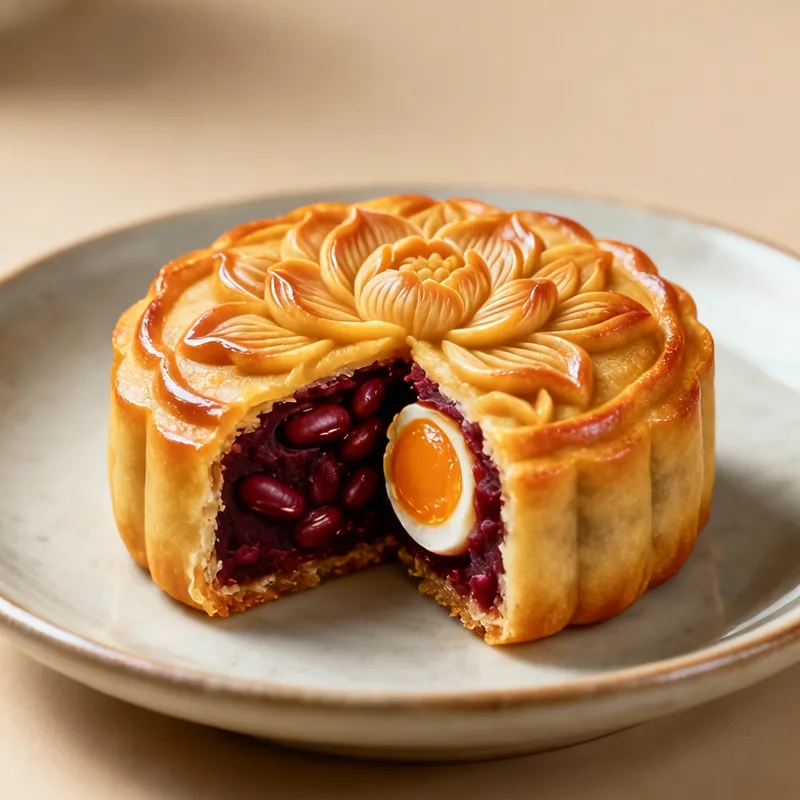
    Mooncakes are small, dense pastries with a thin crust and a heavy filling, traditionally cut into wedges and shared. The round shape echoes the moon, and the top is stamped with a pattern or characters such as longevity or harmony. Cantonese-style cakes often hold lotus seed paste and a salted duck egg yolk, whose yellow centre stands for the moon; other fillings include red bean, five nuts, and preserved fruit. Suzhou-style pastries use flaky layers, while snow-skin mooncakes are chilled and made with a glutinous rice wrapper. Because the cakes are rich, a sliver is usually enough, and tea helps. Prices rise in the weeks before the holiday, and elaborate boxes are made for gifting rather than eating. In Beijing, bakeries sell both traditional versions and small cakes.

    A round mooncake with a stamped pattern cut open to show the filling
    Mooncakes are dense pastries stamped with characters for longevity or harmony. Иллюстрация, созданная с помощью ИИ · SinoViz

    Beijing After Dark

    Beijing’s moon-viewing spots fill quickly after dark. Beihai Park, with its lake and white stupa, and the Summer Palace, with Kunming Lake and the Long Corridor, are classic places to walk and watch the reflection. The Temple of Heaven also draws visitors. Families may light paper lanterns, and children carry them through the lanes; in some neighbourhoods, lantern riddles are posted for anyone who wants to try. Public holiday crowds mean metro stations near the parks stay busy late, so allow time to get back. Camping or bringing a barbecue is not appropriate in these historic grounds. A practical plan is to visit in the late afternoon, walk as the light fades, and take a seat by the water before the moon clears the rooftops.

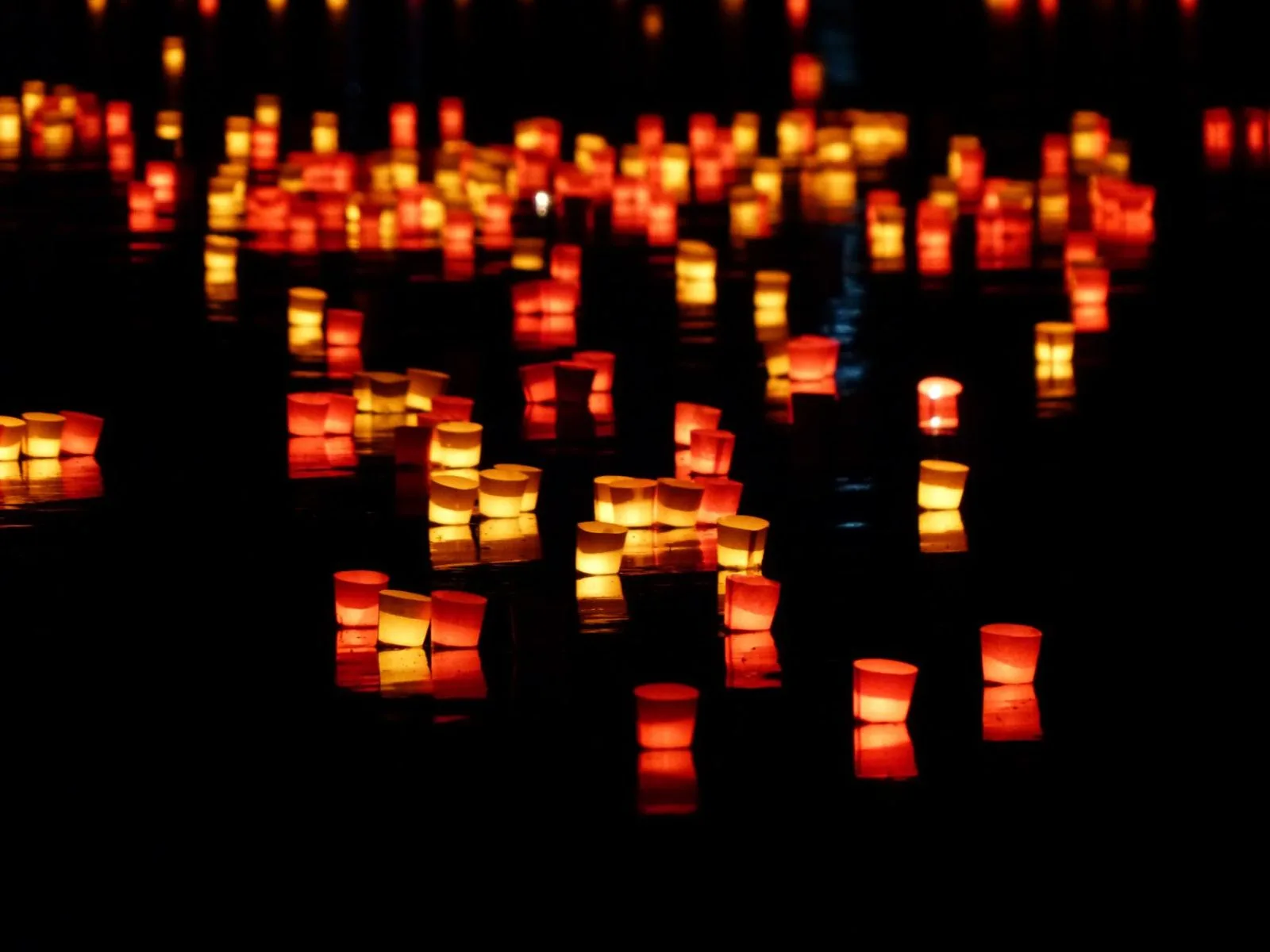
    Lanterns reflected in a lake at a Beijing park during the Mid-Autumn Festival
    Parks such as Beihai and the Summer Palace draw moon-viewing crowds after sunset. Pixabay | Pexels License (https://www.pexels.com/license/)

    Gifts, Holiday, and Meaning

    Mooncakes are exchanged as gifts, often in boxes of four or six, and carrying a box to a family dinner is normal. The act matters more than the price; a modest cake from a favourite bakery can be more welcome than a lavish tin. Since 2008, the festival has been an official public holiday, reinforcing its role as a reunion, with millions travelling to see relatives. The deeper theme is tuanyuan, reunion, expressed by the circle of the cake and the full moon. Not everyone can be at the table, and the holiday acknowledges that absence as much as presence. If you are invited to a Beijing home, bring the cakes, arrive on time, and expect the evening to centre on a long meal rather than on speeches.

    Roundness carries the argument: a full moon, a round cake, a family gathered in one room.

    Источники и дополнительная литература

    1. Mid-Autumn Festival — Энциклопедия Британника.
    2. Mid-Autumn Festival — China Highlights.

    Посмотрите, как это выглядит на месте.

    Перейдите по этой ссылке в регион, к которому она относится.

    Исследуйте с помощью карты
    Продолжите обсуждение

    Просмотрите другие записи, имеющие теги.

    Просмотрите тег
  • Chinese Paper Cutting

    Жизнь и фольклор

    Chinese Paper Cutting

    Red paper, folded and cut

    A pair of scissors and a sheet of red paper can carry a whole vocabulary of wishes.

    Раздел
    Жизнь и фольклор
    Область
    Шэньси
    Эпоха
    На протяжении эпох
    Теги
    Customs, Ethnic

    Chinese paper cutting, or jianzhi, turns a flat sheet into a pattern of figures, flowers, and characters. Practised for centuries in rural households, it still marks weddings and New Year, and Shaanxi’s bold window designs are among its most recognisable regional forms.

    Origins and Technique

    Paper reached China in the Eastern Han period, and the first cuts followed once the material was cheap enough to experiment with. Early examples were used as offerings and as templates for embroidery; a surviving cut-paper find from the sixth century shows that the technique was established by then. Two methods developed. Scissors cut a folded sheet, creating a mirror-symmetric design with a single sequence of snips. A knife held upright cuts a stack of paper against a wax board, a method suited to finer lines and repeated motifs. Artists draw no outline for many traditional patterns; they cut directly, keeping the connecting threads that stop the design falling apart. The finished piece is light, cheap, and easy to paste on a window or door.

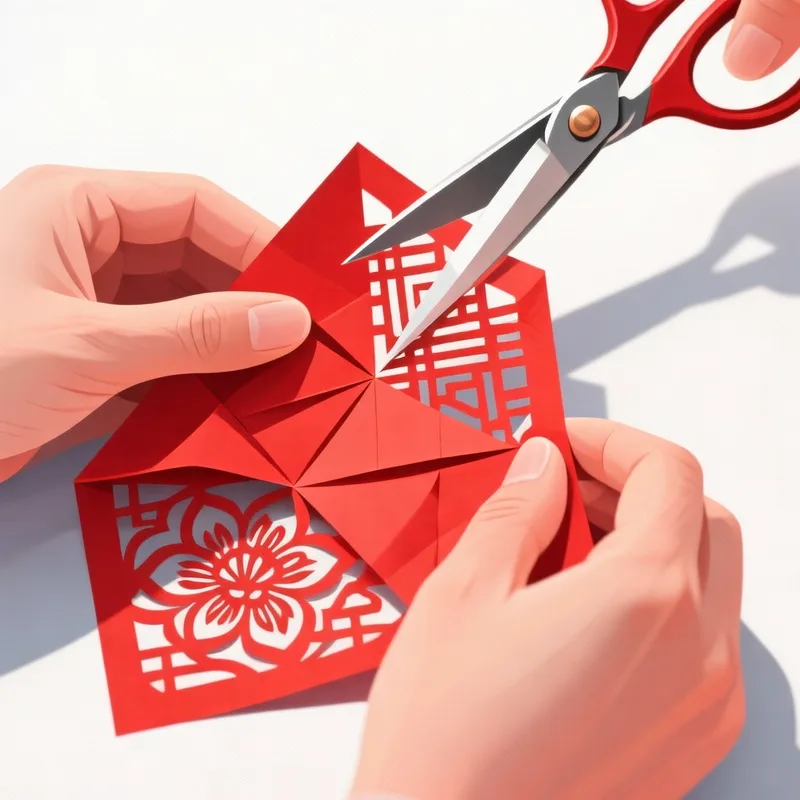
    Hands cutting a red paper design with small scissors
    Folding the paper before cutting produces the symmetrical patterns typical of window decorations. Иллюстрация, созданная с помощью ИИ · SinoViz

    A Language of Motifs

    The images are a system of visual puns. A fish means surplus, because the word for fish sounds like the word for abundance; lotus suggests purity. A pomegranate stands for many children, a bat for good fortune, and a peach for long life. The character fu, meaning good fortune, appears alone or inside a circular design, while shuangxi, double happiness, belongs to weddings. Zodiac animals, opera figures, and scenes of children at play all circulate as patterns. Colour matters as much as shape: red is the default for celebration, while white paper cuts are rarer and tied to older ritual uses. In a Shaanxi village window, the arrangement of these motifs tells a visitor what the household is hoping for in the coming year.

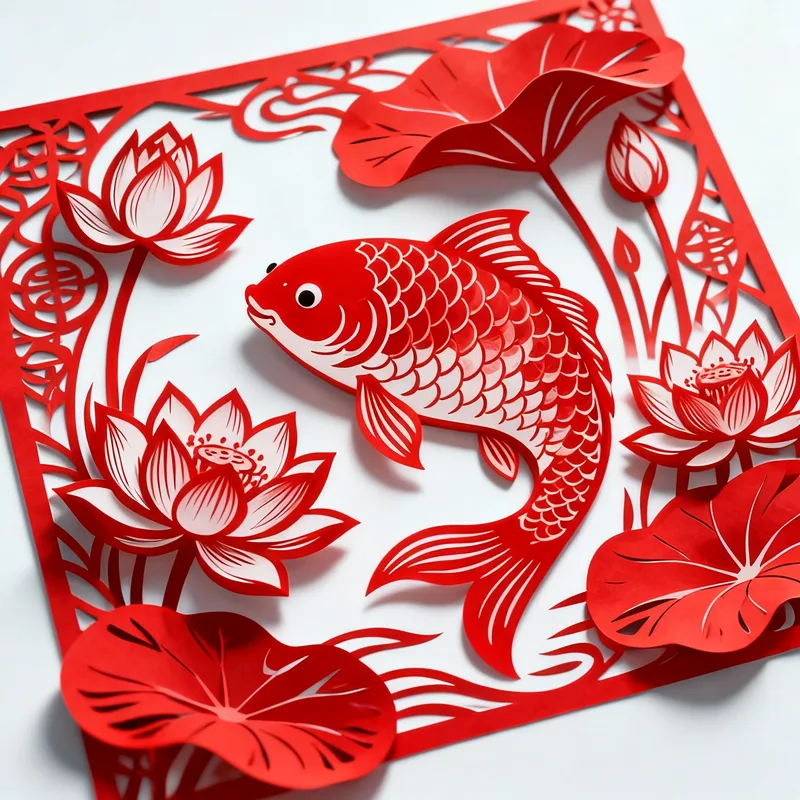
    Red paper-cut window decoration showing a fish and lotus flowers
    Fish and lotus form a rebus for abundance; motifs are chosen for the wish they carry. Иллюстрация, созданная с помощью ИИ · SinoViz

    Shaanxi Windows

    Paper cutting in Shaanxi is associated with rural life on the Loess Plateau, especially around Yan’an. Windows there were once small and deeply set, so designs favoured bold silhouettes and broad, connected shapes that could be read from across a room. Local artists talk of cutting with the heart rather than measuring with a ruler, and compositions often show figures, animals, and plants together in a single dense frame. Window grilles, or chuanghua, are pasted at New Year and replaced when they fade. Wedding cuts carry double happiness characters and images of fertility; birthday cuts use peaches and cranes. Women were the main practitioners in many villages, passing patterns from mother to daughter, and village fairs still sell sheets cut in the old local style.

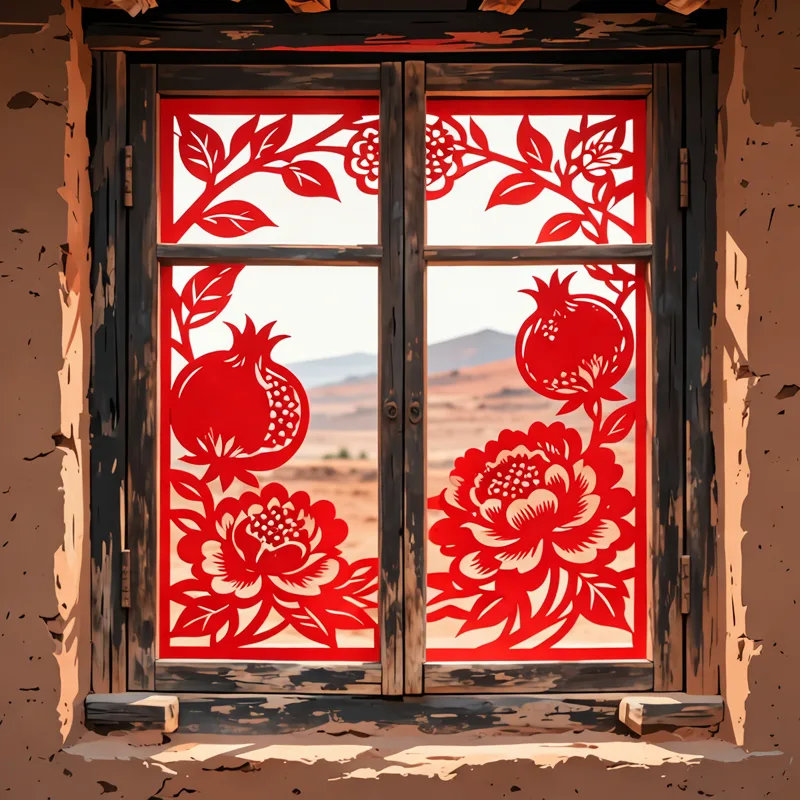
    A Shaanxi farmhouse window with bold red paper cutouts
    Shaanxi cuts favour strong silhouettes and broad shapes, designed to read from a distance. Иллюстрация, созданная с помощью ИИ · SinoViz

    Recognition and Travel

    Chinese paper-cut was inscribed on UNESCO’s Representative List of the Intangible Cultural Heritage of Humanity in 2009, a recognition that named both the craft and the communities that sustain it. The listing does not freeze the art. Contemporary artists cut portraits, cityscapes, and political images with the same tools, and paper cuts appear in graphic design and animation. For a visitor, the appeal is that the work is easy to find and easy to try. Museum shops sell small sheets, market stalls sell single motifs, and workshops in Xi’an and rural Shaanxi teach the basic fold-and-cut method in an hour. Bring a sharp pair of scissors and practice on cheap red paper before attempting a detailed pattern. A finished cut pasted on glass changes with the light.

    The pattern holds together because the cutter leaves just enough paper between the lines.

    Источники и дополнительная литература

    1. Chinese paper-cut — Нематериальное культурное наследие ЮНЕСКО.
    2. Chinese Paper Cutting — China Highlights.
    3. Paper cutting — Энциклопедия Британника.

    Посмотрите, как это выглядит на месте.

    Перейдите по этой ссылке в регион, к которому она относится.

    Исследуйте с помощью карты
    Продолжите обсуждение

    Просмотрите другие записи, имеющие теги.

    Просмотрите тег
  • Кантонская кухня

    Жизнь и фольклор

    Кантонская кухня

    Steam, Wok Heat, and Coastal Markets

    Guangdong cooking turns local seafood and temple fair foods into a refined restaurant tradition.

    Раздел
    Жизнь и фольклор
    Область
    Гуандун
    Эпоха
    На протяжении эпох
    Теги
    Food, Geography

    Cantonese cuisine is the cooking of Guangdong and its diaspora, built on river deltas, coastal markets, and the heat of the wok. Its best-known dishes—roast goose, dim sum, and steamed fish—sit beside home-style soups and street snacks.

    The Pearl River Pantry

    The Pearl River Delta gave Cantonese cooking an unusually broad pantry. Rice grows in the lowlands, fish and shellfish come from the estuary, and hills behind Guangzhou supply vegetables, pork, and poultry. Guangzhou was a major port under the Tang and again after European traders arrived in the seventeenth and eighteenth centuries. Merchants, officials, and temple fairs supported restaurants that could pay for skilled chefs. By the Qing period, Guangzhou’s tea houses served small plates known as dim sum through the morning and midday. Emigrants from Guangdong later carried these dishes to Southeast Asia, North America, and Europe, adapting them to local supplies.

    Bamboo steamers filled with dim sum
    Dim sum developed in the teahouses of Guangzhou and spread with Cantonese migration. parveen tasud | Pexels License (https://www.pexels.com/license/)

    Wok Hei and the Roast House

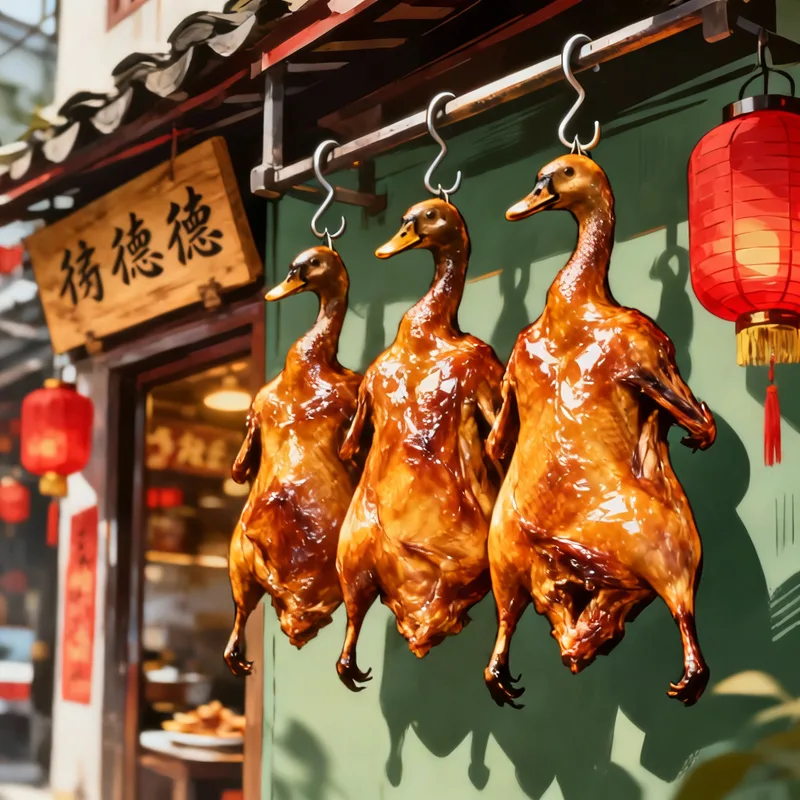
    Cantonese stir-frying depends on wok hei, the barely definable aroma produced when hot oil, vapours, and food meet a very hot wok. Chefs toss ingredients to keep them moving and prevent scorching; sauces are added late, often with cornstarch to give a light coating. Roasting is another speciality. Guangzhou-style white-cut chicken is poached and served with ginger and spring onion, while roast goose from Shunde is glazed, air-dried, and hung in a brick oven until the skin blisters. Char siu pork is marinated with honey and red fermented bean curd, then roasted with sugar caramelising at the edges.

    Roast geese hung to dry before roasting outside a Shunde restaurant
    Air-drying the skin is a key step in Shunde’s roast goose. Иллюстрация, созданная с помощью ИИ · SinoViz

    Dim Sum and Morning Ritual

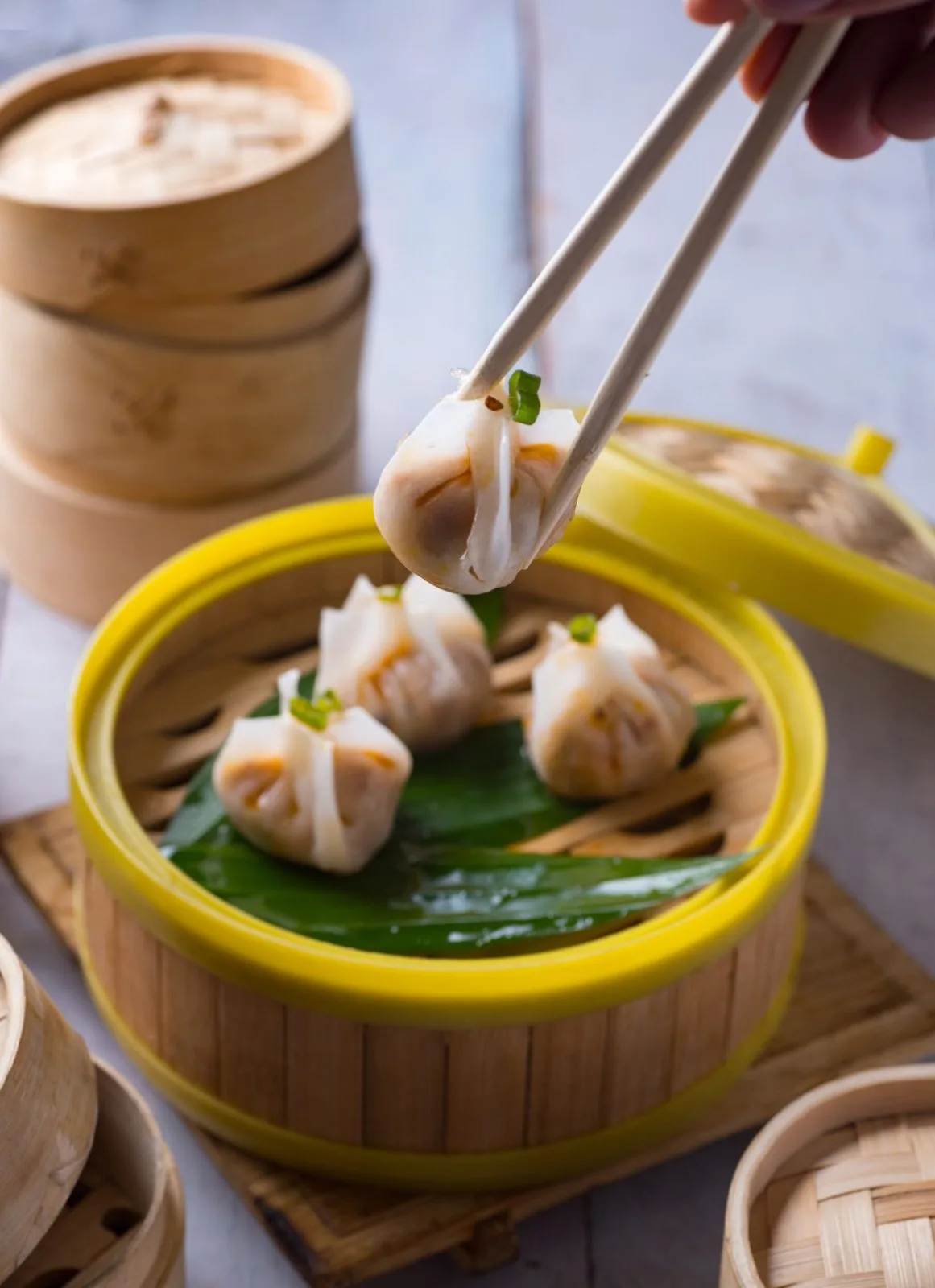
    Dim sum means a light snack, but in Cantonese practice it describes a meal of small portions ordered from trolleys or a paper card. Har gow wrap shrimp in a translucent wheat-starch skin; siu mai open-topped dumplings hold pork and shrimp; char siu bao are soft steamed buns with sweet roast-pork filling. Cheung fun are broad rice-noodle sheets rolled around shrimp, pork, or beef and dressed in soy sauce. Tea accompanies the meal, and the old custom of tapping a pot’s lid to signal for a refill is still performed, though younger diners may simply ask. The ritual is social as much as culinary, filling teahouses from early morning.

    • Har gow with translucent shrimp filling
    • Siu mai topped with a single shrimp
    • Cheung fun rice rolls with soy dressing
    • Egg tarts adapted from British custard pastry
    A trolley of bamboo steamers and tea pots beside a crowded Guangzhou dining room
    A dim sum meal is ordered in small dishes and shared across the table. minchephoto photography | Pexels License (https://www.pexels.com/license/)

    Regional Range and Diaspora

    Cantonese food is not one style. Shunde is known for delicate dairy desserts and fish dishes, Chaozhou nearby has a separate tradition of braised goose, seafood, and strong oolong tea, and Hakka communities in the hills favour preserved vegetables and stuffed tofu. Teochew and Hainanese migrants carried their own versions abroad. In Chinatowns from San Francisco to Singapore, Cantonese restaurants adapted to local tastes while keeping techniques such as steaming, roasting, and long simmered double-boiled soups. The resulting cuisines are mixed, but they preserve a central idea: fresh ingredients, precise heat, and a sauce that supports rather than hides them.

    Cantonese cooking asks a wok to do in seconds what other traditions give hours of stewing.

    Источники и дополнительная литература

    1. Chinese Cuisine — Энциклопедия Британника.
    2. Cantonese cuisine — Энциклопедия Британника.
    3. Guangzhou — Центр всемирного наследия ЮНЕСКО.

    Посмотрите, как это выглядит на месте.

    Перейдите по этой ссылке в регион, к которому она относится.

    Исследуйте с помощью карты
    Продолжите обсуждение

    Просмотрите другие записи, имеющие теги.

    Просмотрите тег