Category: Yaşam ve Folklor

  • Ay Takvimi

    Yaşam ve Folklor

    Ay Takvimi

    Ay ve Güneş ile Zaman Tutma

    Çin'in geleneksel takvimi, ay takvimini güneş takvimine bağlı aylarla, festivalleri ise hem ay takvimine hem de güneş takvimine bağlı mevsimlerle ilişkilendirir.

    Bölüm
    Yaşam ve Folklor
    Bölge
    Pekin
    Dönem
    Çağlar boyunca
    Etiketler
    Gümrük

    Çin takvimi ay ve güneş döngüsüne dayalıdır: aylar ayın hareketlerini, yıllar ise güneşin hareketlerini takip eder. İki binden fazla yıldır, saray astronomları ve köy çiftçileri aynı sistemi farklı amaçlar için kullandılar - hükümdarlık dönemlerini tarihlendirmek ve ne zaman ekim yapılacağını bilmek gibi.

    Takvim Nasıl Çalışır?

    Her ay astronomik yeni ay gününde başlar ve 29 veya 30 gün sürer, bu nedenle on iki ay toplamda yaklaşık 354 gün eder - bu da güneş yılından yaklaşık on bir gün eksiktir. Baharın baharda kalmasını sağlamak için araya artık aylar eklenir: her on dokuz yılda yedi ekstra ay, Metonik döngü olarak bilinen bir döngü. Tekrarlanan ay, kendisini takip eden ayın numarasından sonra numaralandırılır, bu nedenle artık dördüncü ay vardır. Günler, on göksel kök ve on iki dünyevi daldan oluşan ve her günü ve yılı jiachen gibi bir kombinasyonla etiketleyen altmışlık döngü ile ayrı ayrı sayılır.
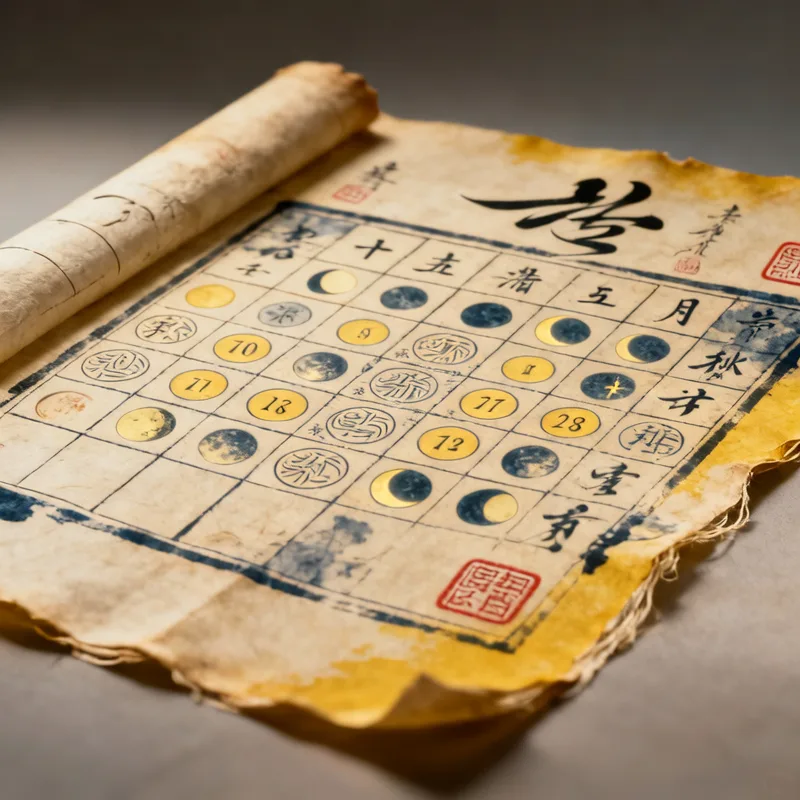
    Ay takvimini, güneş terimlerini ve uğurlu günleri gösteren geleneksel bir Çin almanakından bir sayfa.
    Ay takviminde bir ay, bir yeni aydan bir sonrakine kadar sürer; güneş takviminde ise bir dönem güneşin konumunu belirtir. Yapay zeka tarafından oluşturulmuş illüstrasyon · SinoViz

    Gözlem Bilime Dönüşüyor

    Sistem gözlemlerden doğdu. Shang Hanedanlığı'ndan (yaklaşık MÖ 1600-1046) kalma kehanet kemiği yazıtları, ay takvimlerini, tutulmaları ve artık ayları kaydeder ve İlkbahar ve Sonbahar Yıllıkları, daha sonra hesaplamaları test etmek için kullanılan erken dönem tutulma kayıtlarını korur. Han İmparatoru Wu döneminde MÖ 104'te kabul edilen Taichu takvimi, yılın başlangıcını ilk ay takvimine sabitledi ve on dokuz yıllık artık ay kuralını belirledi. Daha sonraki reformlar bunu geliştirdi: Yuan başkenti Dadu (Pekin) için yapılan Guo Shoujing'in 1281 tarihli Shoushi takvimi, 365.2425 günlük tropikal bir yıl kullandı - bu, daha sonra Gregoryen reformu tarafından da benimsenen aynı uzunluktur.

    Takvimcilik becerisi siyasi bir öneme sahipti. Ay tutulmalarını tahmin edebilen ve yeni ayı duyurabilen bir hükümdar, göklerin yetkisini elinde bulunduruyordu; takvim takvimini ast devletlere dağıtmak bir otorite göstergesiydi. 1442'de inşa edilen Pekin Antik Gözlemevi, hâlâ Ming dönemine ait küresel astronomik aletleri ve bu tür çalışmalar için kullanılan bir güneş saati (gnomon) barındırmaktadır. Oradaki astronomlar, Qing sarayının ay takvimini korurken ay tutulmalarını tahmin etmek için Avrupa yöntemlerini benimsediği 17. yüzyılda Cizvit misyonerleriyle birlikte çalışmışlardır. Bu nedenle takvim, devlet yönetimi, matematik ve gözlemin bir buluşma noktasıydı.

    Yirmi Dört Güneş Terimi

    Ay takviminin yanında, güneşin yıllık yörüngesi boyunca on beş derece aralıklarla yerleştirilmiş yirmi dört terimden oluşan bir güneş takvimi bulunur. Bu takvim, yaklaşık 4 Şubat'ta başlayan Baharın Başlangıcı Lichun ile başlar ve Nisan başlarında Qingming (Saf Parlaklık), Xiazhi (Yaz Gündönümü), Bailu (Beyaz Çiğ) ve Dongzhi (Kış Gündönümü) ile devam eder. Sarı Nehir bölgesinde geliştirilen ve ülke çapında uygulanan bu terimler, çiftçilere don veya yağmurun ne zaman bekleneceğini söyler; atasözleri hala bunları ekim ve hasatla ilişkilendirir. UNESCO, bu bilgi ve uygulamayı 2016 yılında Temsili Listesine dahil etmiştir.
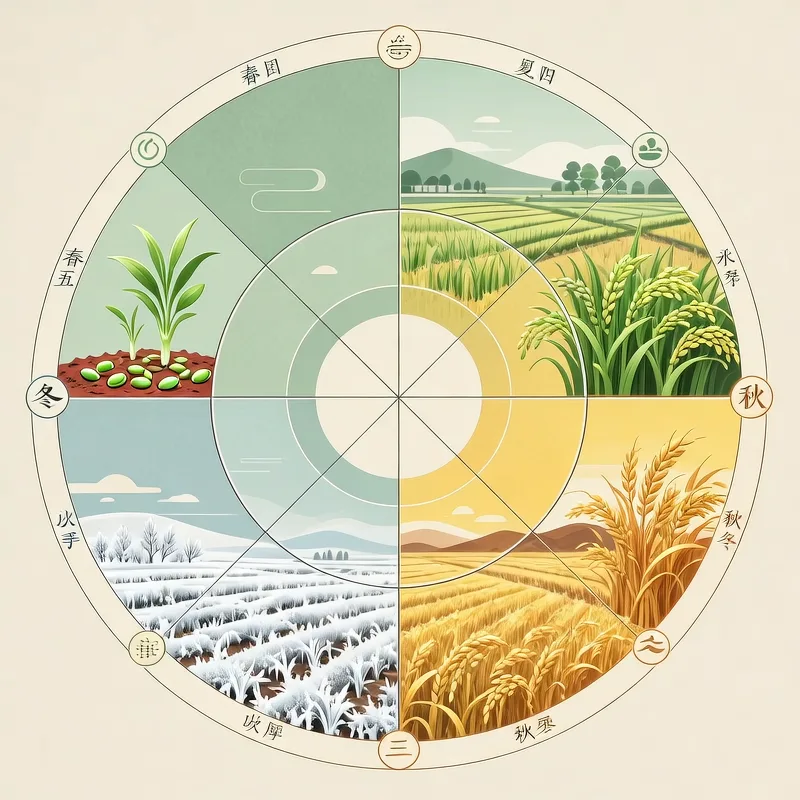
    Güneşin yıllık yörüngesinin tarımsal etiketlerle işaretlenmiş yirmi dört bölüme ayrılmış diyagramı.
    Her bir güneş dönemi, güneşin yörüngesinin on beş derecesini kapsar ve yaklaşık on beş gün arayla gerçekleşir. Yapay zeka tarafından oluşturulmuş illüstrasyon · SinoViz

    Festivaller Takvimi

    Tarihler ay takvimine göre sayıldığından, festivaller Gregoryen takvimine göre değişir. Bahar Festivali, ilk ayın ilk gününde başlar ve sokakların fenerlerle dolduğu on beşinci günde Fener Festivali ile sona erer. Ejderha Kayığı Festivali beşinci ayın beşinci gününe, Hayalet Festivali yedinci ayın on beşinci gününe ve Sonbahar Ortası Festivali sekizinci ayın on beşinci gününe denk gelir ve aileler dolunay altında bir araya gelir.

    • Bahar Festivali — Ay takviminin ilk ayının ilk günü
    • Fener Bayramı — birinci ayın on beşinci günü
    • Ejderha Kayığı Festivali — beşinci ayın beşinci günü
    • Sonbahar Ortası Festivali — sekizinci ayın on beşinci günü
    • Qingming — yaklaşık 4-6 Nisan tarihleri arasında kutlanan bir güneş takvimi dönemi.

    Hâlâ Neden Önemli?

    Ay takvimi, astronomik zamanın yanı sıra sosyal zamanı da taşıdığı için varlığını sürdürüyor. Atalar, Qingming'de ve ay takvimine göre sayılan ölüm yıldönümlerinde anılıyor; düğünler ve cenazeler genellikle almanak takvimine göre planlanıyor. Bir yılın zodyak hayvanı, bir doğumun sekiz karakteri ve ev taşımak için uğurlu günler, aynı kök-dal yapısına dayanıyor. Pekin'de tapınak panayırları ve fener gösterileri hala ilk ay ayını takip ederken, kırsal topluluklar tarla işleri için güneş takvimine başvuruyor. İki sistem, tek takvim.
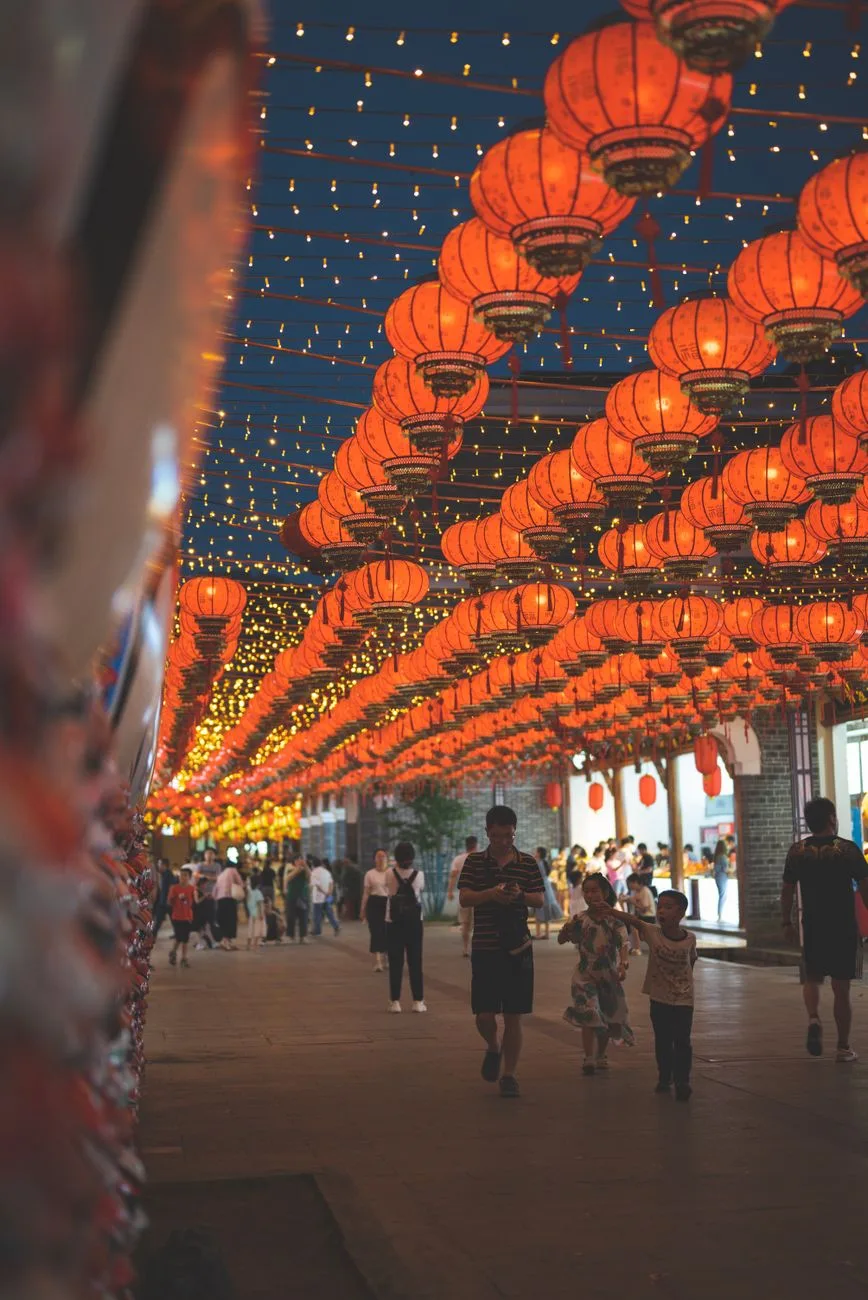
    Ay takviminin ilk ayında Pekin sokaklarında asılı duran fenerler.
    Ay takvimine göre yeni yılın ilk haftaları hala tapınak panayırları ve fener gösterileriyle kutlanmaktadır. Cz Jen | Pexels Lisansı (https://www.pexels.com/license/)
    Aylar ayın hareketlerini takip eder, ancak yıl güneşin hareketlerine göre şekillenir.

    Kaynaklar ve daha fazla okuma

    1. Yirmi Dört Güneş Terimi, Çin'de güneşin yıllık hareketinin gözlemlenmesi yoluyla geliştirilen zaman bilgisi ve uygulamalarıdır. — UNESCO Somut Olmayan Kültürel Miras.
    2. Çin takvimi — Britannica Ansiklopedisi.
    3. Çin Yeni Yılı — Britannica Ansiklopedisi.
    Yerinde görün

    Bu kaydı ait olduğu bölgeye kadar takip edin.

    Harita üzerinden keşfedin

    Konuyu takip edin

    Aynı etiketleri paylaşan diğer içeriklere göz atın.

    Etiketlere göz atın
  • Çin Zodyakı

    Yaşam ve Folklor

    Çin Zodyakı

    On İki Hayvan, Altmış Yıllık Döngü

    On iki hayvan, yılları, saatleri ve kişilik özelliklerini tekrarlayan bir döngüye yansıtıyor.

    Bölüm
    Yaşam ve Folklor
    Bölge
    Pekin
    Dönem
    Çağlar boyunca
    Etiketler
    Gümrük

    Çin zodyakı, on iki yıllık bir döngüde her yıla bir hayvan atar. Bağımsız bir burç sistemi değil, on iki dünyevi dalın on göksel kökle birleşerek altmış yıllık tam bir döngüyü adlandırdığı ay-güneş takviminin bir katmanıdır.

    On İki Hayvan

    Sıralama şu şekildedir: fare, öküz, kaplan, tavşan, ejderha, yılan, at, keçi, maymun, horoz, köpek ve domuz; her biri on iki dünyevi daldan biriyle eşleştirilmiştir: zi, chou, yin, mao, chen, si, wu, wei, shen, you, xu ve hai. Keçi ayrıca koyun veya koç olarak da çevrilir. Bilinen bir halk masalı, sıralamayı bir nehir yarışının sonucu olarak açıklar: fare öküzün üzerinde gider ve kıyıda öne atlar, bazı versiyonlarda ise kedi geçişi tamamen kaçırır. Hikaye, açıkladığı sistemden daha sonraya aittir.

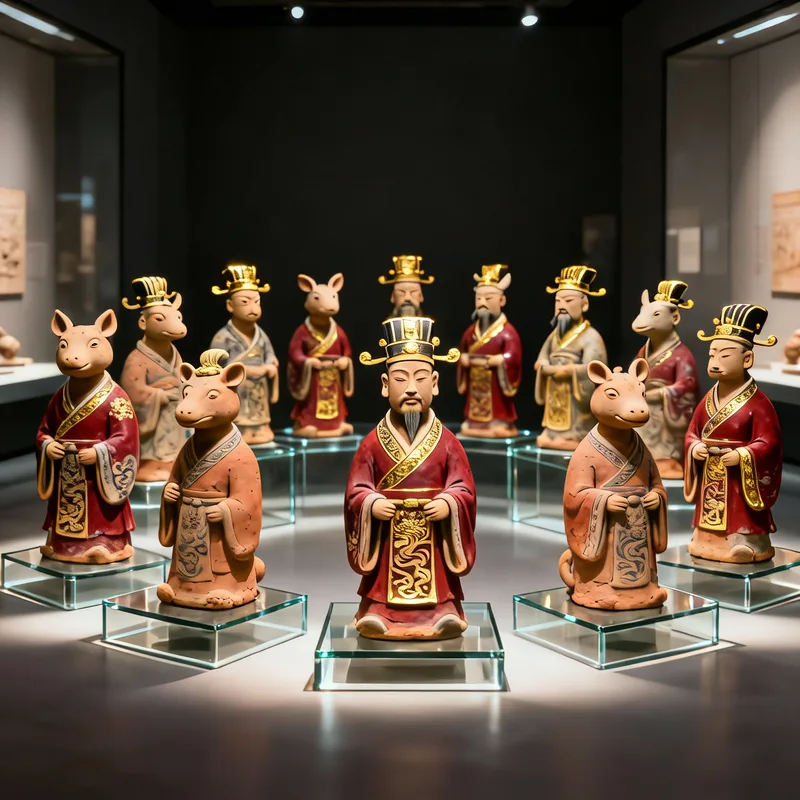
    Tang Hanedanlığı dönemine ait, memur kıyafetleri giymiş on iki adet seramik burç figürü seti.
    Hayvanların sıralaması Doğu Han döneminde belirlenmiş olup Tang dönemi mezar çömleklerinde de görülmektedir. Yapay zeka tarafından oluşturulmuş illüstrasyon · SinoViz

    Dallardan Hayvan İşaretlerine

    Dalların kendileri eskidir; onlara bağlı hayvanlar daha kademeli olarak ortaya çıkmıştır. Metropolitan Sanat Müzesi, on iki hayvanın ilk olarak MÖ üçüncü yüzyıl civarında Çin'de ay takvimiyle ilişkilendirildiğini ve MS birinci yüzyılda sağlam bir şekilde yerleştiğini belirtmektedir. Doğu Han Hanedanlığı (MS 25-220) döneminde geleneksel sıralama sabitlenmiş ve Wang Chong'un Lunheng'i gibi metinler bugün kullanılan aynı hayvanları listelemiştir. Bu eşleştirme Doğu ve Güneydoğu Asya'ya yayılmış ve yerel gelenekler döküm şeklini değiştirmiştir.

    Mezar resimleri tarihlemeyi doğruluyor. Tang Hanedanlığı (618–907) mezarlarında, yenilenme ve koruma için sunulan, resmi kıyafetler giymiş on iki adet toprak hayvan figürü bulunuyor. Song Hanedanlığı örnekleri ise, sivil memurlar veya Taoist uygulayıcılar olarak gösterilen, ellerinde tuttukları veya şapkalarında taşıdıkları hayvan figürleriyle daha küçük, sırlı seramik figürlerdir. Zodyak hiçbir zaman sadece Yeni Yıl yeniliği olmadı; yaşayanlar arasında olduğu gibi mezarda da zamanı yapılandırdı.

    Gövdeler, Dalları ve Kader

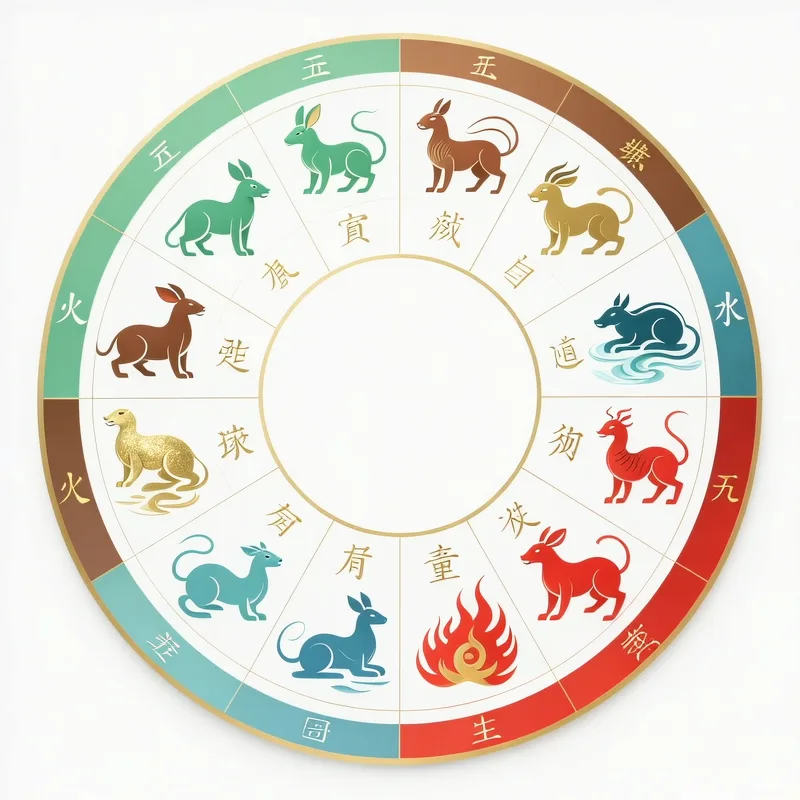
    On gövde ve on iki dal birlikte ilerlediği için, bir yıl, 2026'nın Ateş Atı olan bingwu gibi bir çiftle tanımlanır; aynı çift ancak altmış yıl sonra tekrar ortaya çıkar. Dalların ayrıca günü on iki iki saatlik saate böldüğü, zi saatinin gece on birden sabah bire kadar sürdüğü belirtilmektedir. Kaderin dört sütunu - yıl, ay, gün ve saat - bu dört çiftten oluşur. Bazi uygulayıcıları bunları mizaç ve şans için okurlar ve aileler eskiden evlilik düzenlerken bunlara danışırlardı.

    On iki Çin zodyak hayvanını ve beş elementi gösteren dairesel şema.
    Hayvan ve element birleşiyor: 2026, Ateş Atı Bingwu'dur. Yapay zeka tarafından oluşturulmuş illüstrasyon · SinoViz

    Günlük Yaşamda

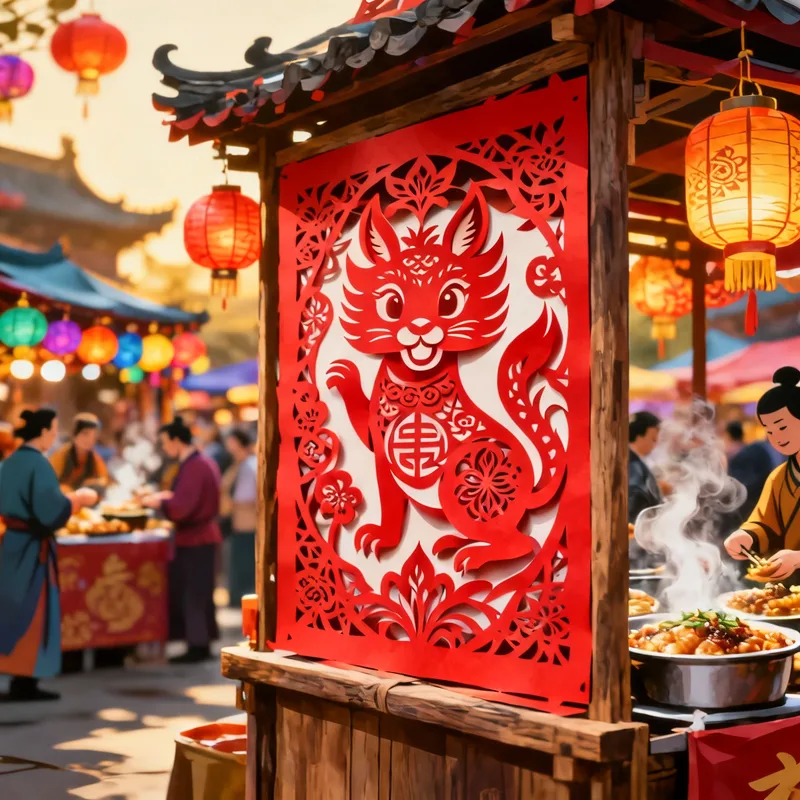
    Zodyak işaretleri, katı bir inançtan ziyade ortak bir kısaltma görevi görür. Bir kişinin hayvanının geri döndüğü yıl olan benming nian'a dikkatle yaklaşılır; özellikle çocuklar ve yaşlılar için kırmızı giysiler ve kırmızı kordonlar yaygın önlemlerdir. Yeni yıl baskıları, kağıt kesimleri ve tapınak panayırları yılın hayvanını sergiler ve selamlaşmalarda rutin olarak hayvanın adı geçer. Uyumluluk hakkındaki iddialar, altı basamak arayla olan burçların çatıştığı söylenen dal döngüsüne dayanır.

    • 2026, Ateş Atı Yılı olan Bingwu'dur.
    • Her bir şube iki saatlik bir süreyi kapsar; zi şubesi gece 11'den gece 1'e kadar olan süreyi kapsar.
    • Kaderin dört temel taşı yıl, ay, gün ve saatten oluşur.
    • Vietnam tavşan yerine kedi kullanıyor.

    Bölgesel Varyasyonlar

    Bu döngü, Çin yerleşimi ve ticaretiyle birlikte yayıldı. Vietnam'da tavşan kedi, öküz ise su bufalosu olur; keçi başka yerlerde koyun olarak adlandırılabilir. Zodyak hayvanları bölge genelinde madeni paralarda, aynalarda, lake eşyalarda ve seramiklerde görülür ve Kore ve Japon takvimleri de kendi hayvan listeleriyle aynı dalları benimsemiştir. Bu tür varyasyonlar önemlidir: bunlar, bir takvim sisteminin sadece kopyalanmadığını, tercüme edildiğini gösterir. Çin takvimi, Pekin'de ve dünya çapındaki diaspora topluluklarında kutlanan Ay Yeni Yılı için referans noktası olmaya devam etmektedir.

    Bir tapınak panayırı tezgahında, yılın zodyak hayvanını gösteren kırmızı kağıt kesimi.
    Her ay takvimine göre yeni yıl, baskılara, kağıt kesimlerine ve tebrik kartlarına yeni bir hayvan figürü getiriyor. Yapay zeka tarafından oluşturulmuş illüstrasyon · SinoViz
    Fare, ne zaman zıplayacağını bildiği için yarışı kazanır - bu hikaye, bisiklet zaten kullanılmaya başlandıktan çok sonra uydurulmuş bir öyküdür.

    Kaynaklar ve daha fazla okuma

    1. Çin zodyakı — Britannica Ansiklopedisi.
    2. Tang Hanedanlığı dönemine ait on iki zodyak hayvanından oluşan set. — Metropolitan Sanat Müzesi.
    3. Köpek Yılı'nı Kutluyoruz — Metropolitan Sanat Müzesi.

    Yerinde görün

    Bu kaydı ait olduğu bölgeye kadar takip edin.

    Harita üzerinden keşfedin

    Konuyu takip edin

    Aynı etiketleri paylaşan diğer içeriklere göz atın.

    Etiketlere göz atın
  • Atalara Saygı

    Yaşam ve Folklor

    Atalara Saygı

    Soy, Ritüel ve Hafıza

    Atalarla ilgili ritüeller, hane halkını, soy ağacını ve köy mezarlığını birbirine bağlar.

    Bölüm
    Yaşam ve Folklor
    Bölge
    Fujian
    Dönem
    Çağlar boyunca
    Etiketler
    Gümrük

    Ataları anma, ölmüş akrabaları adaklar, tütsüler ve belirlenmiş ritüellerle onurlandırma uygulamasıdır. Fujian'da bu, soy örgütlenmesi, mülkiyet ve göç için bir çerçeve haline gelmiş ve köyleri genellikle yüzyıllar önce yaşamış atalara bağlamıştır.

    Ölülere Karşı Bir Görev

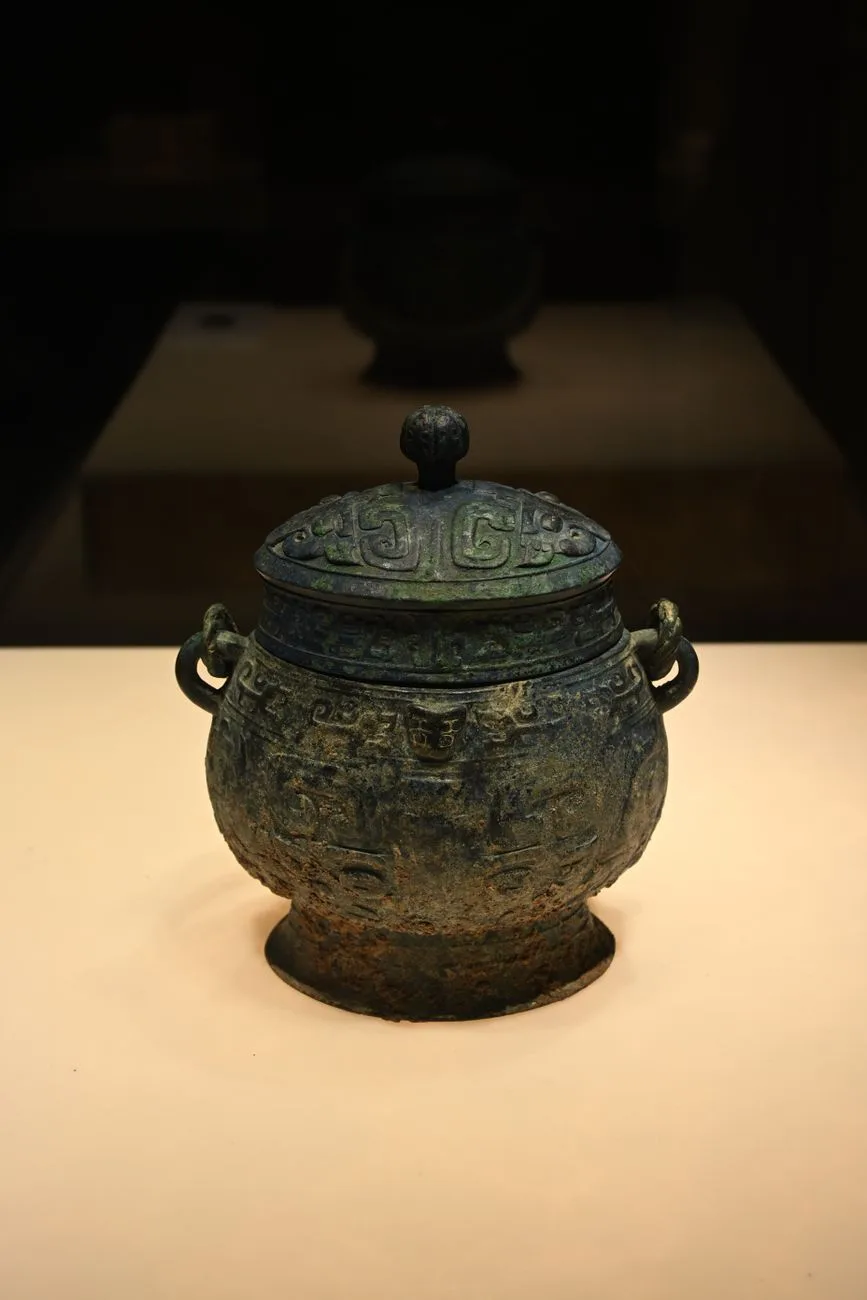
    Konfüçyüs öğretisi, bu uygulamaya ahlaki bir dil kazandırdı. Analektler, yaşayanları cenaze törenlerine özen göstermeye ve ataları uzaktan takip etmeye çağırır ve kurbanı, ruhların orada olduğu bir ortamda gerçekleştirir. Ritüeller Kitabı ve ilgili ritüel metinleri, yas tutma derecelerini, sunuları ve ölülerin uygun sırasını belirler. Arkeologlar, atalar kültlerinin Geç Neolitik döneme kadar uzandığını ve Shang bronz kaplarının, şarap veya tahıl sunulan atanın adını taşıyan yazıtlarla döküldüğünü tespit etmiştir. Saygı göstermek, sevgi kadar bir yükümlülüktü.

    Shang Hanedanlığı dönemine ait, üzerinde bir ataya ithaf edildiği yazılı bronz ritüel kabı.
    Bronz kaplar, sunulan adakların alıcısının adını yazarak, aralarındaki ilişkiyi yazılı olarak tescil ediyordu. K ZHAO | Pexels Lisansı (https://www.pexels.com/license/)

    Ev Sunağı

    Geleneksel bir evde, küçük bir sunakta, nesillere göre düzenlenmiş, isimlerin ve unvanların yazılı olduğu ahşap levhalar olan atalara ait tabletler bulunur. Ay takviminin birinci ve on beşinci günlerinde ve bir ölüm yıldönümünde tütsü yakılır. Sunulan adaklar arasında çay, şarap, meyve, pirinç ve üç çeşit et bulunur; aile üyeleri yaş sırasına göre eğilir veya diz çöker. Tablet, kişinin bir görüntüsü değil, ilişkinin ele alınabileceği bir yerdir.

    Ritüel zamanı takvime göre belirlenir. Nisan başındaki saf parlaklık güneş dönemi olan Qingming, büyük mezar temizleme günüdür: mezarlar otlardan temizlenir, adaklar bırakılır ve kağıt paralar yakılır. Kış gündönümü, Fujian'daki birçok evde, genellikle tatlı pirinç topları olan tangyuan ile birlikte, başka bir adak sunma dönemini getirir. Yedinci ay boyunca, Hayalet Festivali, topluluk şölenleri ve kağıttan yapılmış kuklalarla, kişinin kendi akrabalarının ötesinde dolaşan ruhlara da dikkat çekmesini sağlar.

    Fujian Soy Kütüğü Salonları

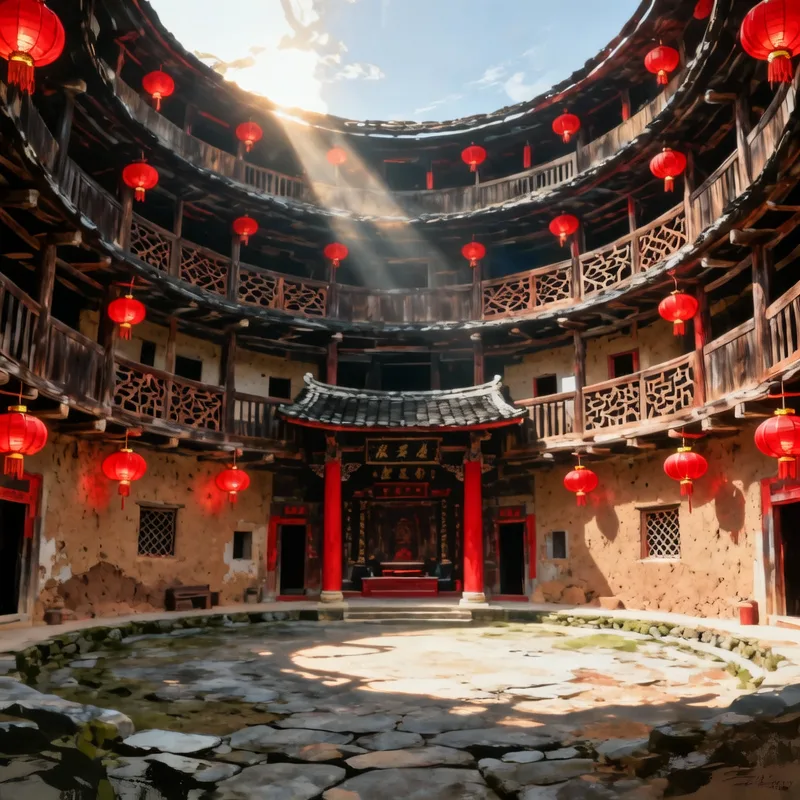
    Sosyal hiyerarşinin bu kadar belirgin olduğu başka bir yer yok Fujian. On altıncı yüzyıldan itibaren, soy ağacı salonları (citang) elit kesimin ötesine, Çin'in güneydoğusundaki köylere yayıldı ve göçmenlerin yaşadığı bölgelerde mimari manzaraya hakim oldular. Bir salon, bir soyadı grubunun toplu levhalarını barındırır, soyağacını korur ve geliri onarımlar, kurbanlar ve okullar için kullanılan ortak araziyi yönetir. Fujian'ın güneybatısındaki büyük toprak toplu evler olan bazı Hakka tulou'larının içinde, bir atalar salonu savunma halkasının içinde yer alır.

    Fujian toprak tulou ortak evinin iç avlusu ve atalar salonu.
    Tulou içindeki soy salonu, tek bir haneye değil, bütün bir klana hizmet ediyordu. Yapay zeka tarafından oluşturulmuş illüstrasyon · SinoViz

    Göç ve Geri Dönüş

    Fujian kıyıları, geç Qing döneminden itibaren Güneydoğu Asya'ya göçmenler gönderdi ve atalara ait ritüeller de onlarla birlikte yolculuk etti. Göçmenler soyadı derneklerine katıldılar ve Singapur, Malezya ve Endonezya'da salonlar inşa ettiler; havaleler, memleketlerindeki yeni salonların masraflarını karşıladı ve mezarları restore etti. Bilim insanları bu bağlantıları ulusötesi soy ağları olarak tanımlıyor: aynı ritüel sözcükler köy sunağını, denizaşırı klan derneğini ve mezarlığı birbirine bağladı. 1980'lerden sonra birçok torun salonları yeniden inşa etmek için geri döndü ve soyağacını nesiller ve sınırlar arasında bir köprüye dönüştürdü.

    • Qingming: Nisan başlarında mezarlar temizlenir ve adaklar sunulur.
    • Yedinci ay: İsimsiz ruhlar için Hayalet Festivali ayinleri
    • Citang: soy ağacı kayıtlarını, şecereleri ve şirket kayıtlarını barındıran bir soy kütüğü salonu.
    • Fujian Tulou: 2008'den beri UNESCO Dünya Mirası Listesi'nde.

    Değişimler ve Süreklilikler

    Yirminci yüzyıl kurumsal yapıyı altüst etti. Toprak reformu ve kolektivizasyon, soy ağacına dayalı mülklerin gelirlerini ortadan kaldırdı ve Kültür Devrimi sırasında birçok salon kapatıldı veya hasar gördü. 1980'lerden beri, yerel girişimler binaları restore etti ve ritüelleri yeniden canlandırdı; bazen miras turizmi olarak, bazen de ailevi bir görev olarak. Uygulama, değiştirilmiş bir biçimde devam ediyor: evdeki bir rafta tütsü, Qingming'den önce temizlenen bir mezar, yeniden oluşturulan bir soyağacında kaydedilen bir isim. Geriye kalan şey, ölülerin toplumsal düzenin bir parçası olarak kaldığı inancıdır.

    Güney Çin'de Qingming bayramı sırasında bir mezarda kağıt adaklarını yakan aile üyeleri.
    Mezarların temizlenmesi ve adak sunulması, Qingming ayinlerinin en görünür kısmı olmaya devam etmektedir. Man Fong Wong | Pexels Lisansı (https://www.pexels.com/license/)
    Bir anıt taşı, ölülerin portresi değildir. O, yaşayanların onlarla hâlâ konuşabileceği bir adrestir.

    Kaynaklar ve daha fazla okuma

    1. Çin: Dini inançlar ve toplumsal örgütlenme — Britannica Ansiklopedisi.
    2. Fujian Tulou — UNESCO World Heritage Centre.
    3. Chinese Diasporas: Early Modern Patterns, 1500–1740 — Cambridge University Press.

    Yerinde görün

    Bu kaydı ait olduğu bölgeye kadar takip edin.

    Harita üzerinden keşfedin

    Konuyu takip edin

    Aynı etiketleri paylaşan diğer içeriklere göz atın.

    Etiketlere göz atın
  • Porselen

    Yaşam ve Folklor

    Porselen

    Clay, fire, and the white of Dehua

    Fujian’s kilns turned local clay into porcelain that travelled across the sea and changed how the world pictured China.

    Bölüm
    Yaşam ve Folklor
    Bölge
    Fujian
    Dönem
    Çağlar boyunca
    Etiketler
    Customs, History, Scenic Sites

    Porcelain is defined by its body and its firing: a pale, fine clay heated to temperatures that vitrify the material and make it ring when struck. Fujian’s Dehua kilns made a version so white it seemed translucent, known in Europe as blanc de Chine.

    What Makes Porcelain

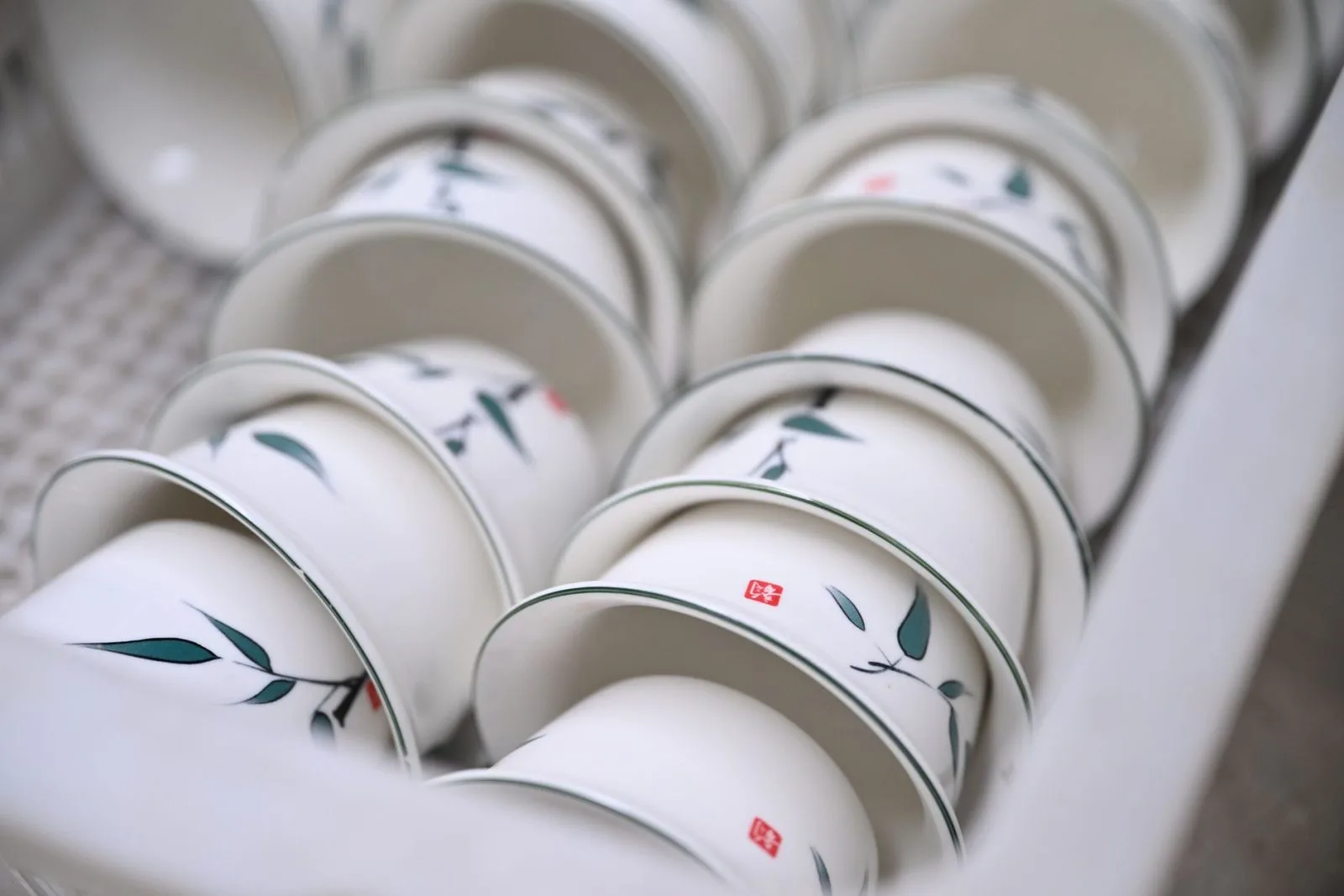
    Porcelain differs from ordinary pottery in both material and firing. Potters use kaolin, a white clay, mixed with feldspar and quartz, then fire the shaped vessel at roughly 1,200 to 1,400 degrees Celsius. At that temperature the body vitrifies: it becomes dense, non-porous, and slightly translucent at the edges. A glassy glaze is usually applied before firing, bonding to the body rather than sitting on it as a separate layer. Chinese potters had reached this threshold by the Tang and Song periods, and Jingdezhen in Jiangxi became the great production centre. The English word china stuck to the ware because the country was the source of the finest examples. A light tap on a good cup gives a clear ring, a quick test that still works in a shop.

    A porcelain bowl with a pale glaze photographed against light
    True porcelain is fired hot enough to vitrify the body, giving it a hard, resonant wall. lee c | Pexels License (https://www.pexels.com/license/)

    Dehua White

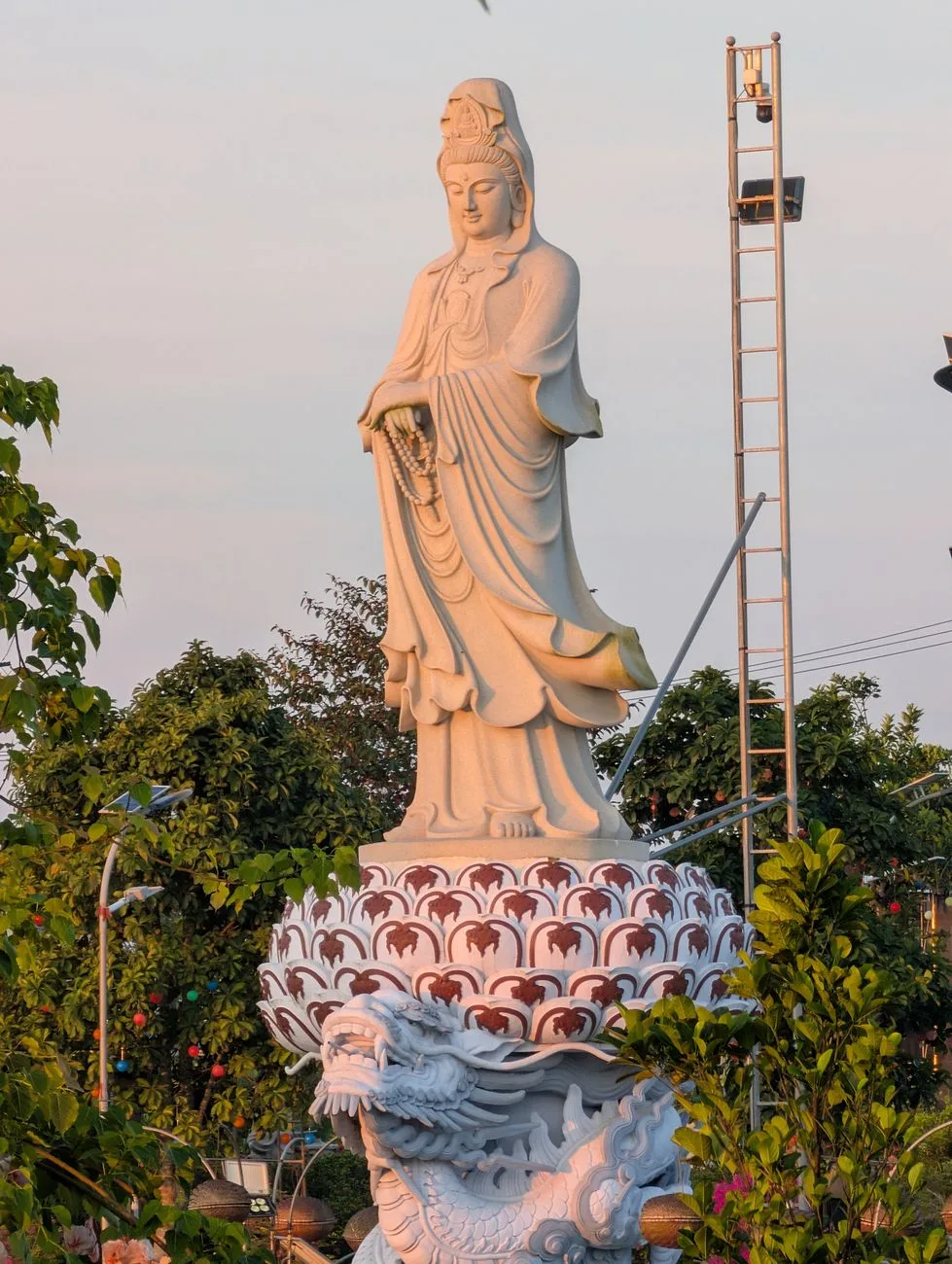
    Dehua, a county in Fujian’s Quanzhou prefecture, developed a white porcelain with a warm, creamy tone. Its clay is low in iron, which lets the glaze fire almost colourless, and its potters mastered figures as well as vessels. From the Ming dynasty onward, Dehua workshops produced small statues of Guanyin, the bodhisattva of compassion, with soft modelling and a smooth, almost waxy surface. European traders called the ware blanc de Chine, and by the seventeenth century it was collected in royal cabinets and copied by potters in Meissen and elsewhere. Tea wares also left the kilns: small cups, gaiwan lids and bowls, and white vessels that showed the colour of tea clearly. Local museums trace the kiln sequence from Song-period celadons through the white wares that made Dehua famous.

    A milky white porcelain figurine of Guanyin from Dehua
    Dehua’s porcelain figures of Guanyin became known in Europe as blanc de Chine. Quý Hoàng | Pexels License (https://www.pexels.com/license/)

    A Port for Porcelain

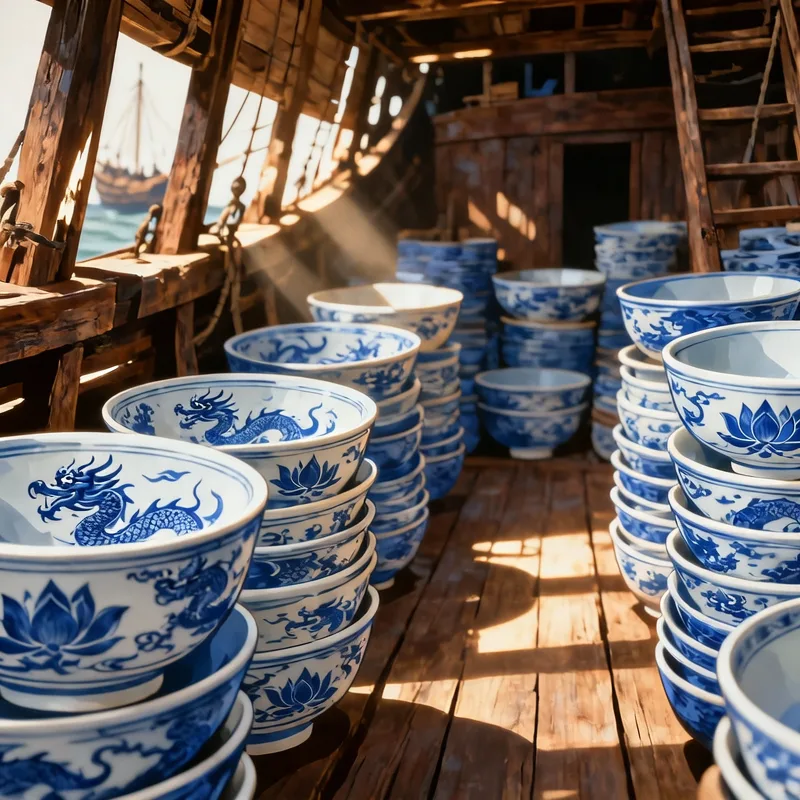
    Porcelain shaped trade as much as taste. Fujian’s coast faced the South China Sea, and Quanzhou became one of the busiest ports of the Song and Yuan dynasties, a place where merchants, monks, and ship crews exchanged goods and techniques. Archaeologists have recovered Chinese ceramics from ports and shipwrecks across Southeast Asia, the Indian Ocean, and East Africa; the fragments are dated by glaze and shape, making them a record of demand as well as production. UNESCO listed Quanzhou in 2021 as an emporium of the world in Song-Yuan China, with surviving mosques and temples. The export ware was not always the finest court piece. Sturdy bowls and jars packed in straw travelled in bulk, reaching households that never saw the kiln but knew the clay by its colour.

    Blue-and-white porcelain packed as cargo in a ship’s hold
    Quanzhou was a major Song and Yuan port from which Fujian ceramics were shipped abroad. Yapay zeka tarafından oluşturulmuş illüstrasyon · SinoViz

    Using and Collecting

    Porcelain entered daily ritual as well as trade. A gaiwan, a bowl with a lid and saucer, is used for brewing tea in northern China; the lid controls the leaves and the saucer protects the fingers. White Dehua cups make the colour of a tea liquor easy to judge. Collectors look for a clean foot ring, an even glaze, and a mark painted on the base, though many imitations copy famous reign marks. Visit a kiln museum in Dehua or a ceramic gallery in Quanzhou to see the sequence from raw clay to finished piece. Handling a cup with a saucer and a steady hand is still the simplest way to understand why this material travelled so far.

    A clear ring and a translucent edge tell you what the fire has done.

    Kaynaklar ve daha fazla okuma

    1. Chinese Porcelain — Metropolitan Sanat Müzesi.
    2. Quanzhou: Emporium of the World in Song-Yuan China — UNESCO World Heritage Centre.
    3. Blanc de Chine — Britannica Ansiklopedisi.
    Yerinde görün

    Bu kaydı ait olduğu bölgeye kadar takip edin.

    Harita üzerinden keşfedin

    Konuyu takip edin

    Aynı etiketleri paylaşan diğer içeriklere göz atın.

    Etiketlere göz atın
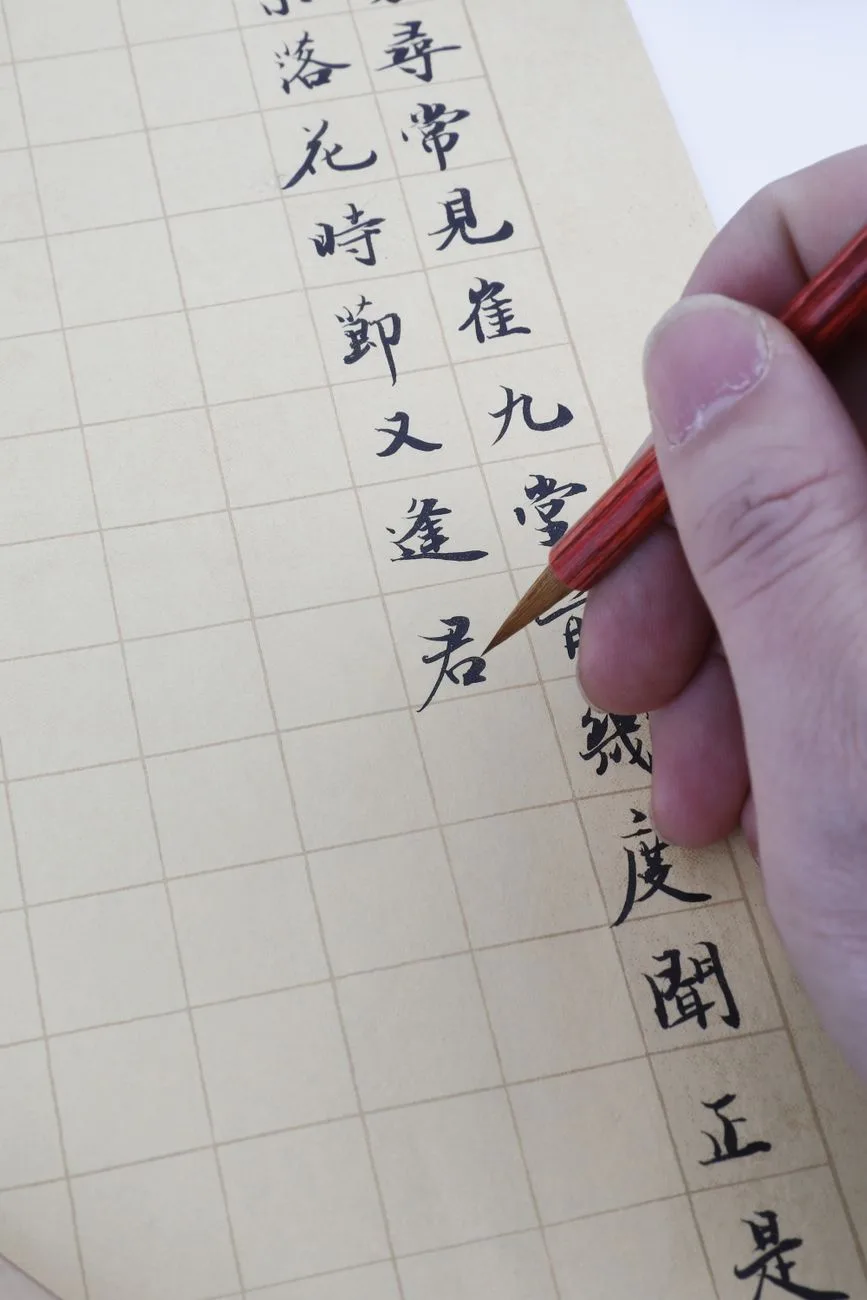
  • Calligraphy

    Yaşam ve Folklor

    Calligraphy

    The brush as a record of the hand

    Chinese calligraphy turns writing into an art of pressure, rhythm, and restraint.

    Bölüm
    Yaşam ve Folklor
    Bölge
    Şaanxi
    Dönem
    Çağlar boyunca
    Etiketler
    Customs, History

    A line of Chinese calligraphy is made once: the brush touches paper, and the mark cannot be corrected. That irreversibility is part of its appeal. In Xi’an, the city’s stone steles preserve the work of centuries of calligraphers in a form anyone can still read.

    The Four Treasures

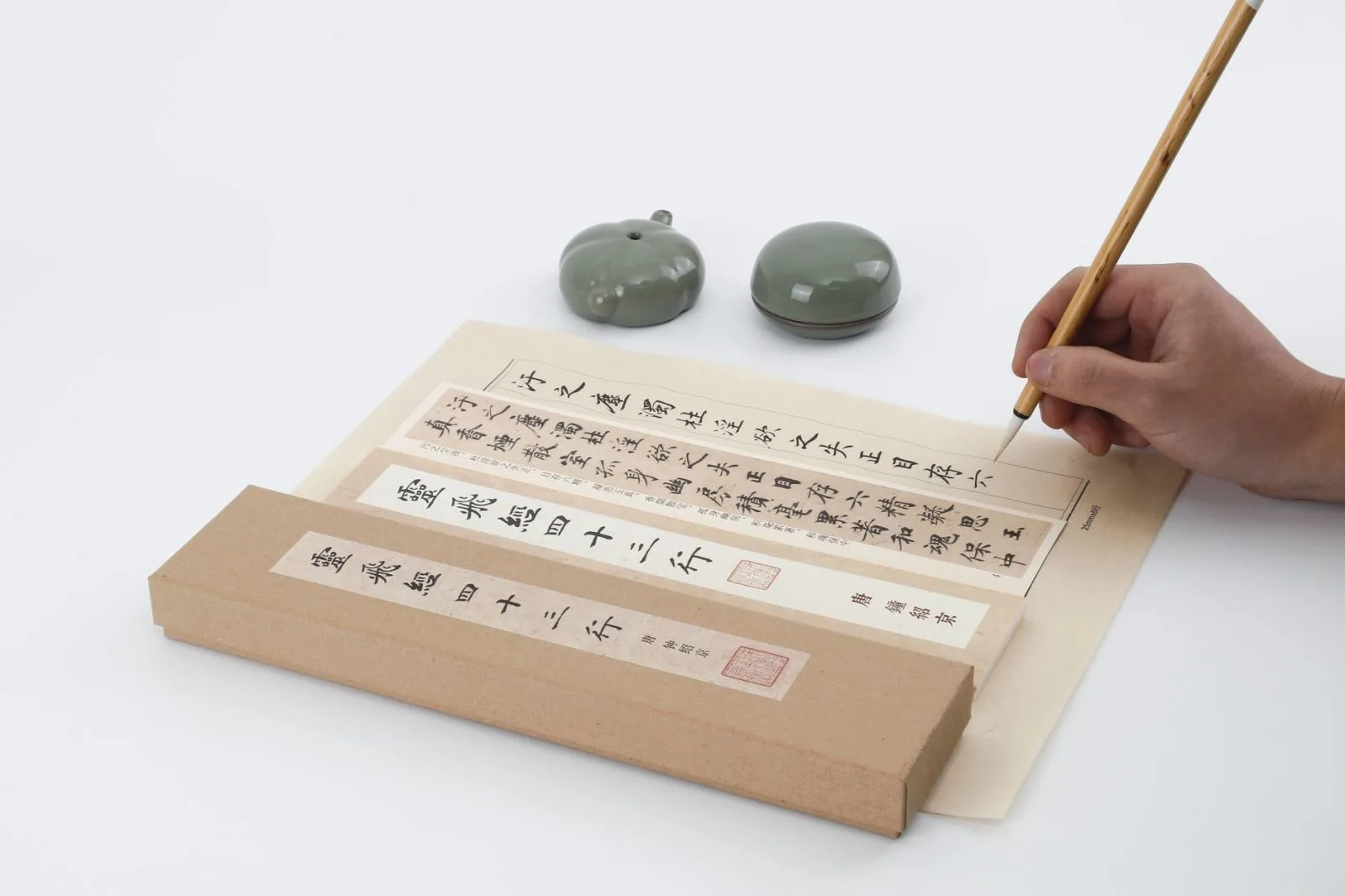
    The tools are known as the Four Treasures of the Study: brush, ink, paper, and inkstone. A brush of animal hair is held upright between thumb and fingers, and pressure makes the stroke swell and thin. Ink comes as a solid stick ground with water on a stone; the density of the mixture changes the character of the line. Paper is absorbent, so hesitation shows as a blot. Practice begins with the basic strokes, then with copying a model character hundreds of times until the hand remembers its proportions. Students still learn by tracing the regular script of Tang dynasty masters such as Yan Zhenqing and Ouyang Xun. The aim is not decorative flourish but control: a steady wrist, an even rhythm, and a line that holds its centre.

    Calligrapher’s brush, ink stick, paper, and inkstone laid on a desk
    Brush, ink, paper, and inkstone are the traditional Four Treasures of the Study. Feng Zou | Pexels License (https://www.pexels.com/license/)

    Scripts and Masters

    Chinese writing moved through several scripts, and calligraphers kept them all alive as styles. Seal script, with even, rounded lines, comes from the inscriptions on bronze and stone of the Zhou and Qin periods. Clerical script, formalised in the Han dynasty, flattened characters with a distinctive flared stroke. Regular script, settled by the Tang, is the model still taught in schools; each part of a character sits in a clear frame. Running script links strokes without losing legibility, while cursive script reduces them to rapid, connected gestures. Wang Xizhi’s Lantingji Xu, written in 353, is the famous example of running script; the original is lost, but copies carry its reputation. Later Song and Yuan artists, including Su Shi and Zhao Mengfu, made personal expression as important as correct form.

    Close view of flowing cursive calligraphy on a hanging scroll
    Cursive script compresses characters into gestures that reward slow reading. Feng Zou | Pexels License (https://www.pexels.com/license/)

    Stone Records in Xi’an

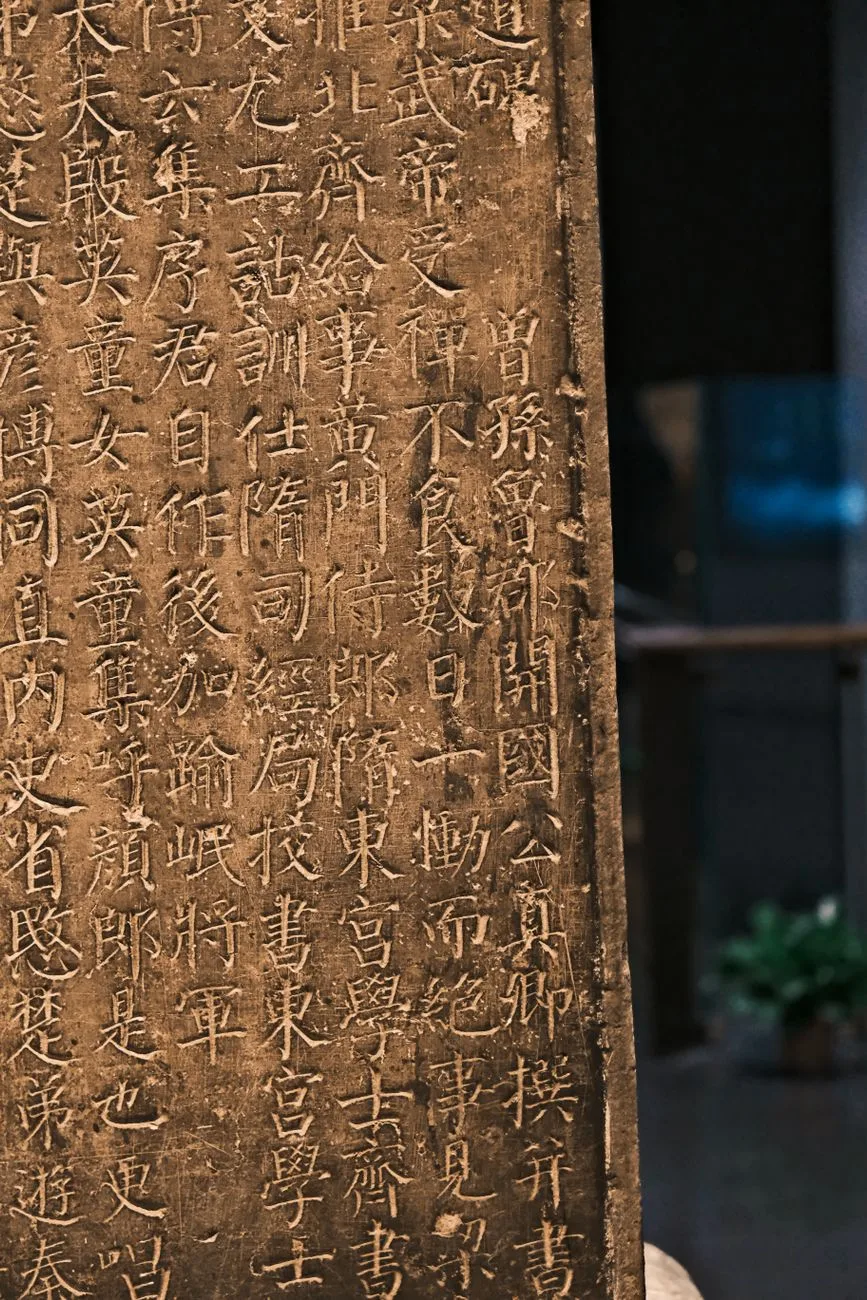
    Xi’an, the former Chang’an, preserves calligraphy on stone at the Beilin Museum, the Forest of Stone Steles. The collection began in 1087, when the Confucian classics were carved onto more than a hundred steles and installed beside the city’s Confucius Temple. Centuries of additions followed: tombstones, imperial edicts, Buddhist texts, and poems cut in several scripts. Rubbing a stele with damp paper and ink was the traditional way to study and circulate a model, and museums still demonstrate the technique. One slab records a Tang emperor’s visit to a Nestorian Christian church; another carries a Song dynasty city diagram. Walking the covered galleries, you can compare the same character written in seal, clerical, and regular forms across a thousand years.

    Rows of carved stone steles at the Beilin Museum in Xi’an
    The Beilin Museum holds thousands of steles, including Confucian classics cut into stone. Lily Lili | Pexels License (https://www.pexels.com/license/)

    Living Practice

    Calligraphy remains a daily practice rather than a museum relic. Around Spring Festival, shops sell red paper couplets, and a single character for good fortune is pasted on doors, sometimes upside down to suggest that fortune has arrived. Temple names, shop signs, and station plaques are often lettered by accomplished hands. Schoolchildren practise copying characters in grid books, and older residents gather in parks to write with large water brushes on the pavement, where the characters dry in minutes. Workshops in Xi’an let visitors try a brush and learn how a stroke begins with a pause and ends with a lift. You need not read every character to see the differences: one script sits square and calm, the next leans and races.

    A stroke begins with a pause and ends with a lift; the paper keeps the record.

    Kaynaklar ve daha fazla okuma

    1. Chinese calligraphy — Britannica Ansiklopedisi.
    2. Chinese Calligraphy — Metropolitan Sanat Müzesi.
    3. Beilin Museum, Xi’an — China Highlights.

    Yerinde görün

    Bu kaydı ait olduğu bölgeye kadar takip edin.

    Harita üzerinden keşfedin

    Konuyu takip edin

    Aynı etiketleri paylaşan diğer içeriklere göz atın.

    Etiketlere göz atın
  • Qingming

    Yaşam ve Folklor

    Qingming

    Sweeping tombs, welcoming spring

    Qingming pairs the remembrance of ancestors with the first serious outings of spring.

    Bölüm
    Yaşam ve Folklor
    Bölge
    Zhejiang
    Dönem
    Çağlar boyunca
    Etiketler
    Customs, Geography

    Qingming arrives around 4 or 5 April, when the sun reaches fifteen degrees of the spring equinox on the traditional solar-term calendar. Its two halves belong together: cleaning a family grave, then walking out into the greening countryside.

    A Solar Term and a Day of Remembrance

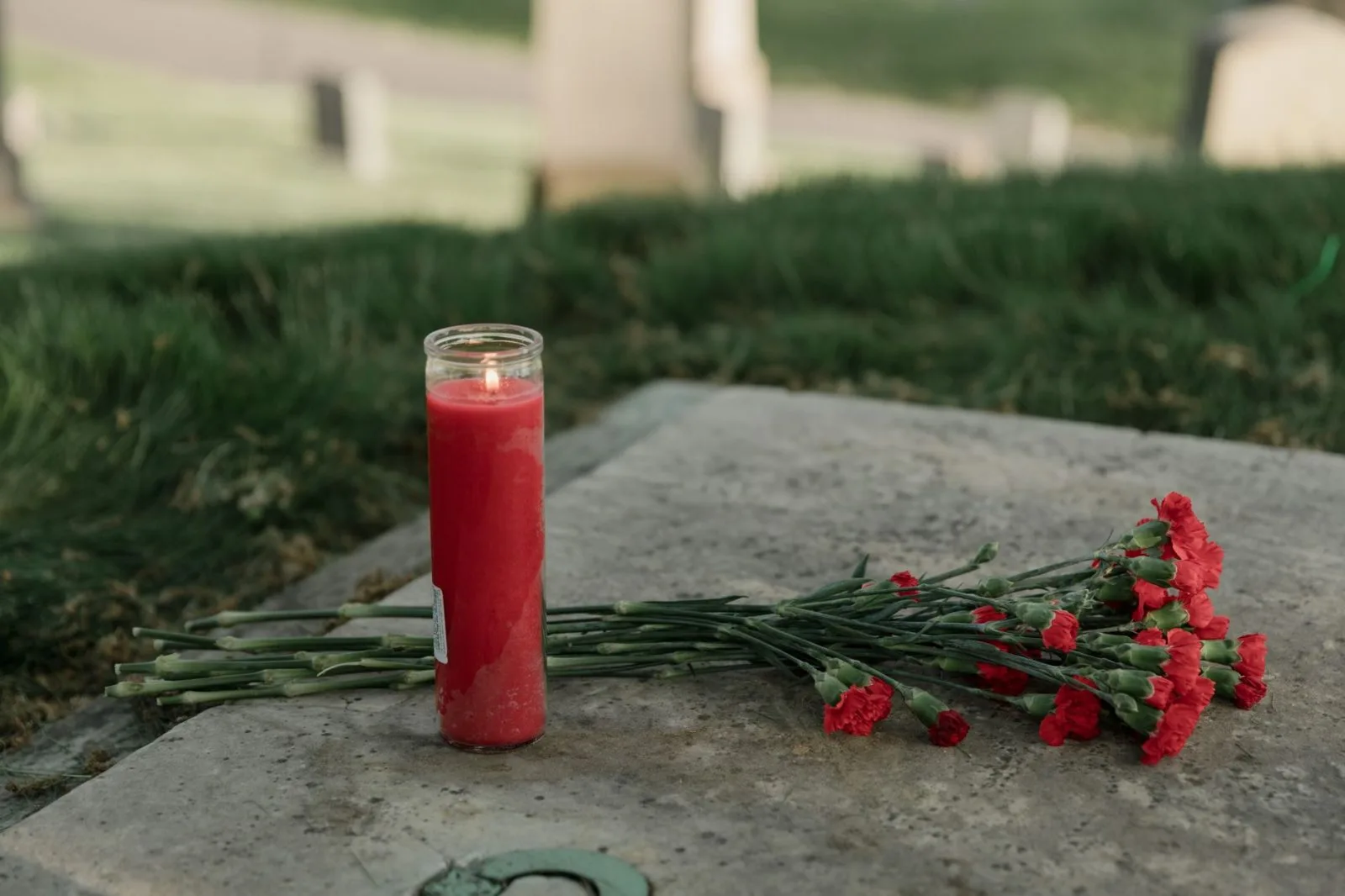
    Qingming means clear and bright, a name drawn from the twenty-four solar terms, the calendar that divides the year by the sun’s position. The term falls around 4 or 5 April, when temperatures rise and rain becomes frequent in the lower Yangtze. Families visit ancestral graves to sweep away leaves and weeds, repaint inscriptions, and lay out food, tea, and paper money. Offerings are followed by bows or a few words addressed to the dead. Paper money may be burned in a designated container, depending on local rules. The act is not a celebration of death but a maintenance of family continuity: the dead remain part of the household’s obligations. In Zhejiang, hillside graves make the visit a walk as much as a ritual.

    A family tending a grave with flowers on a hillside in spring
    Tomb sweeping means cleaning the grave, making offerings, and bowing before ancestors. RDNE Stock project | Pexels License (https://www.pexels.com/license/)

    The Cold Food Connection

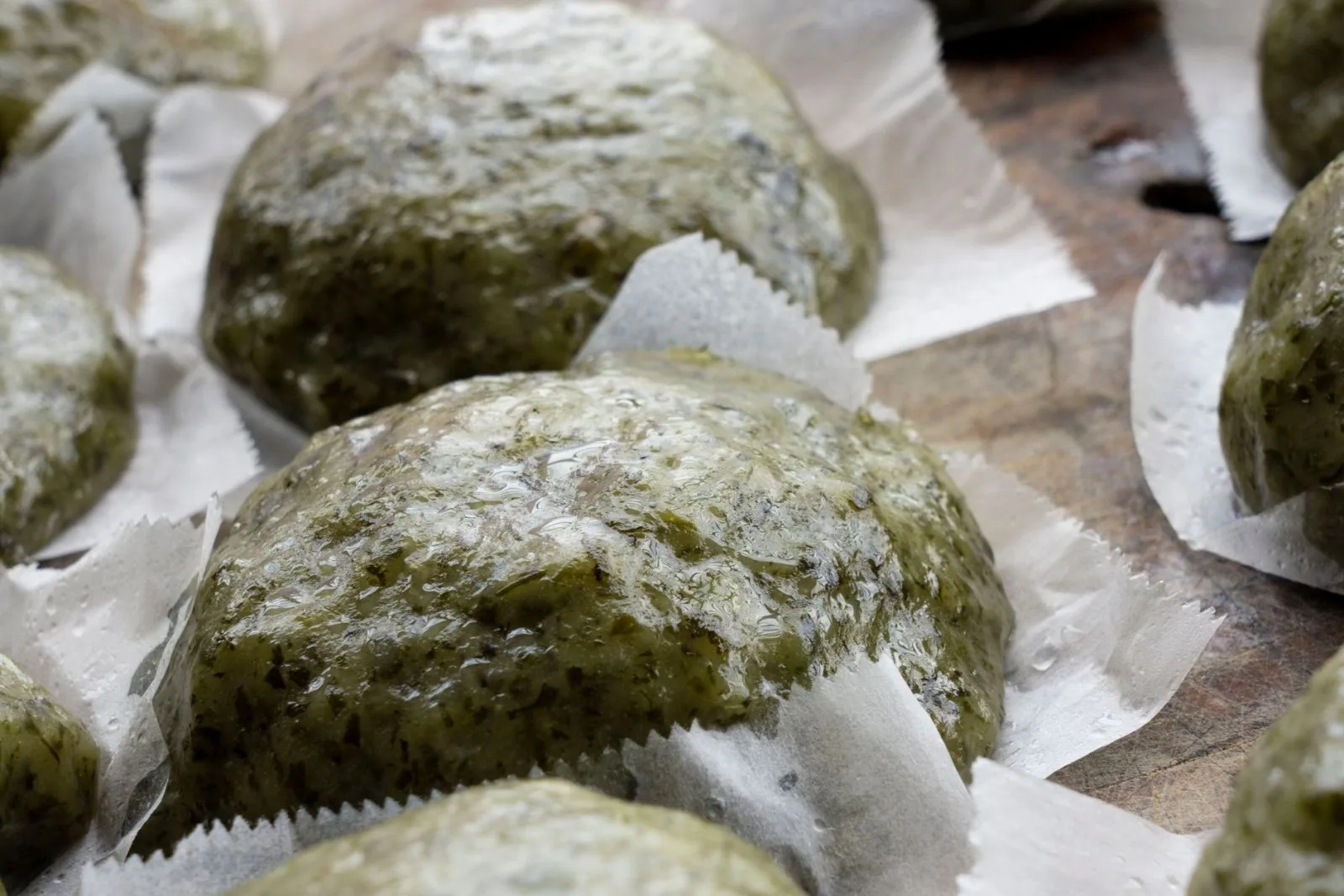
    Earlier custom linked this season with the Cold Food Festival, when fires were forbidden and families ate food prepared in advance. One traditional explanation connects the practice to Jie Zitui, a loyal follower of a Spring and Autumn duke who died in a forest fire; later historians treat the story as one among several local traditions rather than a single origin. In practice, the cold-food element has faded, but special foods remain. In Zhejiang and neighbouring Jiangnan, people eat qingtuan, soft green dumplings made with glutinous rice and mugwort juice, often filled with sweet red bean paste. Their colour comes from the first spring growth, and they are sold in markets for only a short season. Eating one links the memory of the dead to the first green.

    Qingming dumplings and cold food arranged on a table
    Qingming foods in Zhejiang include qingtuan, green rice cakes flavoured with mugwort. Jimmy Liao | Pexels License (https://www.pexels.com/license/)

    Spring Outings in Zhejiang

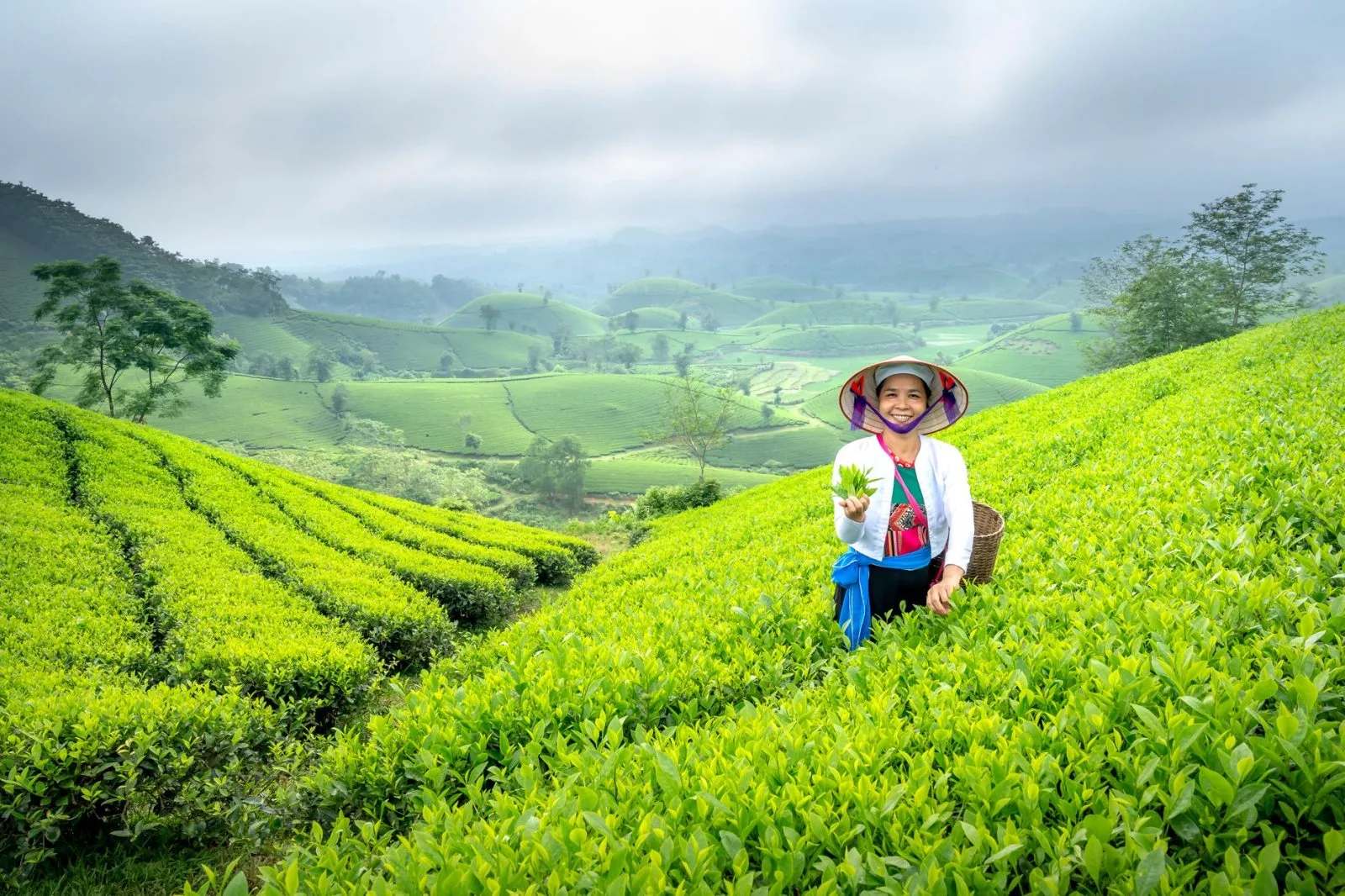
    The second half of Qingming is an outing, known as taqing, when families walk in parks, visit temples, or climb hills. Willow branches were once tucked into hair or hung at doors. In Zhejiang, the festival coincides with the first tea harvest around Hangzhou. Longjing, the tea from the hills near West Lake, is at its most valued when picked before Qingming; the tender buds of pre-Qingming pickings command higher prices. Visitors can see pickers between rows, and lakeside tea houses serve the new leaves. Qingming became a public holiday in 2008, giving the outing a practical boost. Combined with tomb sweeping, the day makes an unusual pair: a visit to the ancestors in the morning, a walk among new leaves in the afternoon.

    Tea pickers gathering early spring leaves in Zhejiang hills
    Pre-Qingming tea from Zhejiang’s hills is prized for its tender leaves. Quang Nguyen Vinh | Pexels License (https://www.pexels.com/license/)

    Poetry and Practice Today

    Qingming has a fixed place in Chinese literature. The Tang poet Du Mu wrote of drizzling rain on the Mourning Day and a traveller asking where wine could be bought, a poem that schoolchildren still memorise. The lines capture the day’s two moods: rain and sorrow, and the impulse to go out despite them. For a visitor, the details matter. Cemeteries can be crowded, so go early and keep to marked paths. Bring water and wear shoes suitable for muddy slopes. In Hangzhou, traffic around West Lake builds by mid-morning, and the metro is simpler than a taxi. Tea villages welcome visitors, but a field is a working crop, not a garden; wait for an invitation before touching the leaves. Respect anyone burning offerings, and never photograph a grave close-up.

    In the morning the family tends the grave; in the afternoon it walks among new leaves.

    Kaynaklar ve daha fazla okuma

    1. Yirmi Dört Güneş Terimi — UNESCO Somut Olmayan Kültürel Miras.
    2. West Lake Cultural Landscape of Hangzhou — UNESCO World Heritage Centre.
    3. Qingming Festival — China Highlights.

    Yerinde görün

    Bu kaydı ait olduğu bölgeye kadar takip edin.

    Harita üzerinden keşfedin

    Konuyu takip edin

    Aynı etiketleri paylaşan diğer içeriklere göz atın.

    Etiketlere göz atın
  • Dragon Boat Festival

    Yaşam ve Folklor

    Dragon Boat Festival

    Racing, rice dumplings, and the fifth moon

    The Dragon Boat Festival joins boat races, sticky rice parcels, and a story of loyalty to a poet.

    Bölüm
    Yaşam ve Folklor
    Bölge
    Guangdong
    Dönem
    Çağlar boyunca
    Etiketler
    Gümrük, Yiyecek

    Duanwu falls on the fifth day of the fifth lunar month, when the heat of early summer arrives in Guangdong. The holiday is best known for dragon boat racing and zongzi, but its smaller customs reveal as much about how the day is understood.

    Qu Yuan and the River

    The festival is commonly linked to Qu Yuan, a poet and minister of the state of Chu who died in 278 BCE after his advice was rejected and his state fell. Legend says that fishermen raced out in boats to find his body and threw bundles of rice into the river to keep fish from eating it. Historians note that the custom of racing boats and the fifth-month observance existed before this story attached to it; the legend explains a practice rather than creating it. Either way, the pairing of boat and rice dumpling gives the holiday its two enduring symbols. In school lessons and public ceremonies, Qu Yuan is presented as a figure of loyalty and moral independence, a poet whose writing still reads as political dissent.

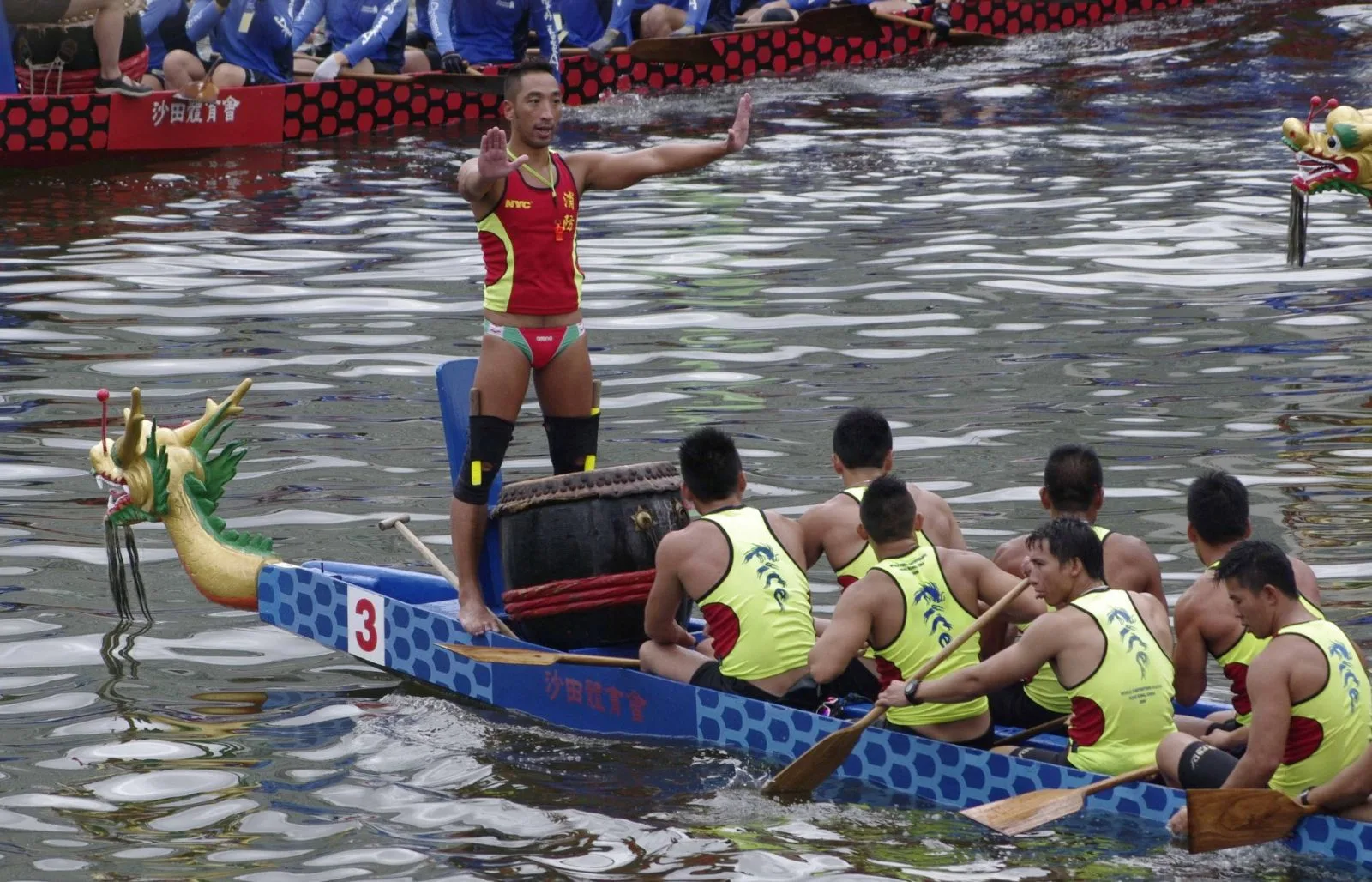
    A dragon boat with a carved head and paddlers in formation
    Dragon boats are painted and carved; crews race to the beat of a drum. Kamus Cheung | Pexels License (https://www.pexels.com/license/)

    Zongzi and Household Charms

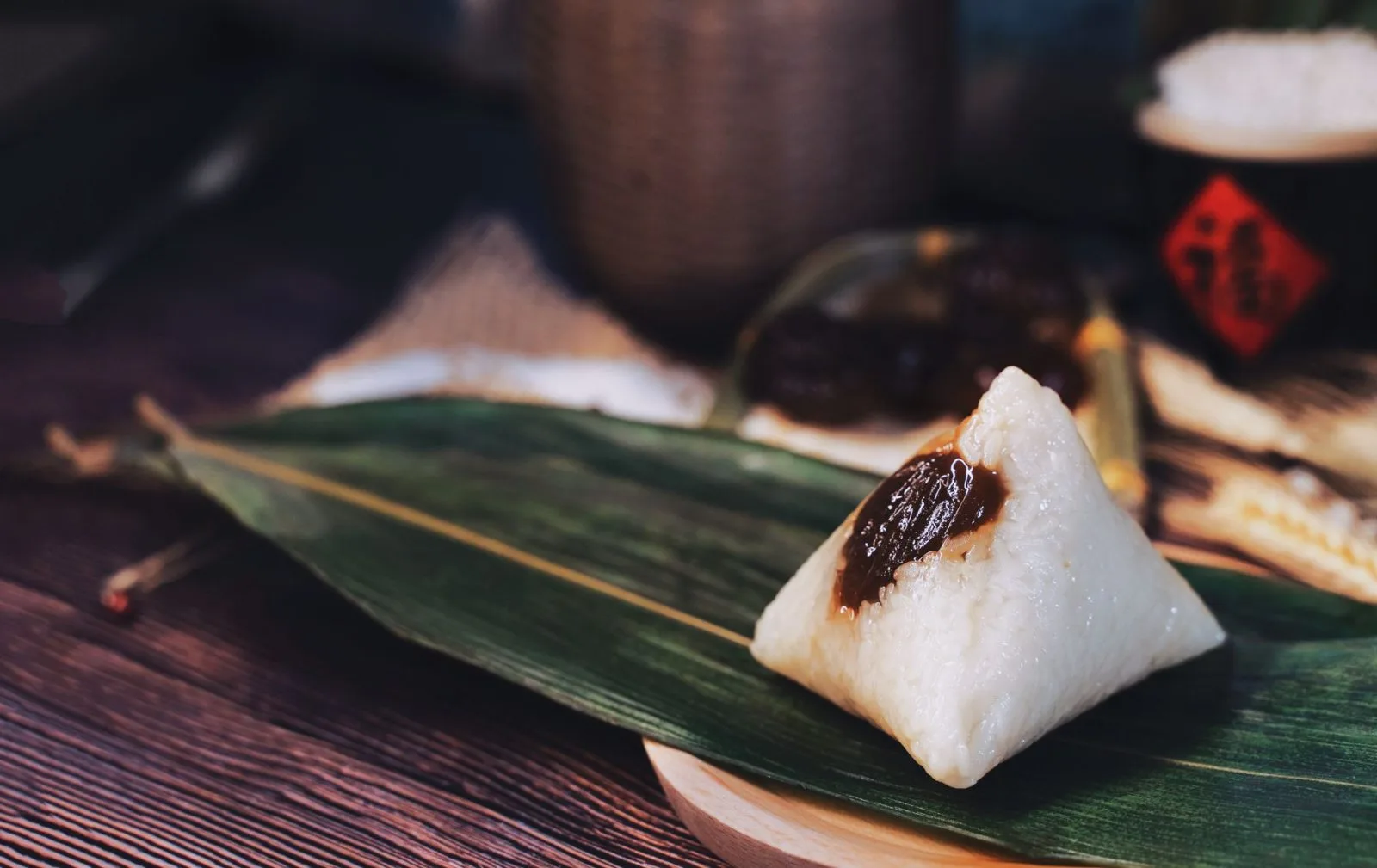
    Zongzi are parcels of glutinous rice wrapped in bamboo or reed leaves and tied with string, then boiled for hours. Fillings vary by region: Guangdong versions may include pork, salted egg, and mushrooms, while northern ones are often sweet with dates or red bean. Families make them in batches and give them to neighbours. The festival also has a protective side. In older practice, people hung mugwort and calamus at doorways to keep away illness and insects and tied five-coloured silk around children’s wrists. Realgar wine, a yellow mixture with a strong smell, was sprinkled around the house or dabbed on a child’s forehead, though modern safety advice discourages drinking it. These acts belong to a time when the fifth moon was thought to carry dampness, snakes, and fever.

    Pyramidal zongzi wrapped in bamboo leaves and tied with string
    Zongzi are filled with sticky rice and tied with string before boiling. zhen tang | Pexels License (https://www.pexels.com/license/)

    Guangdong on the Water

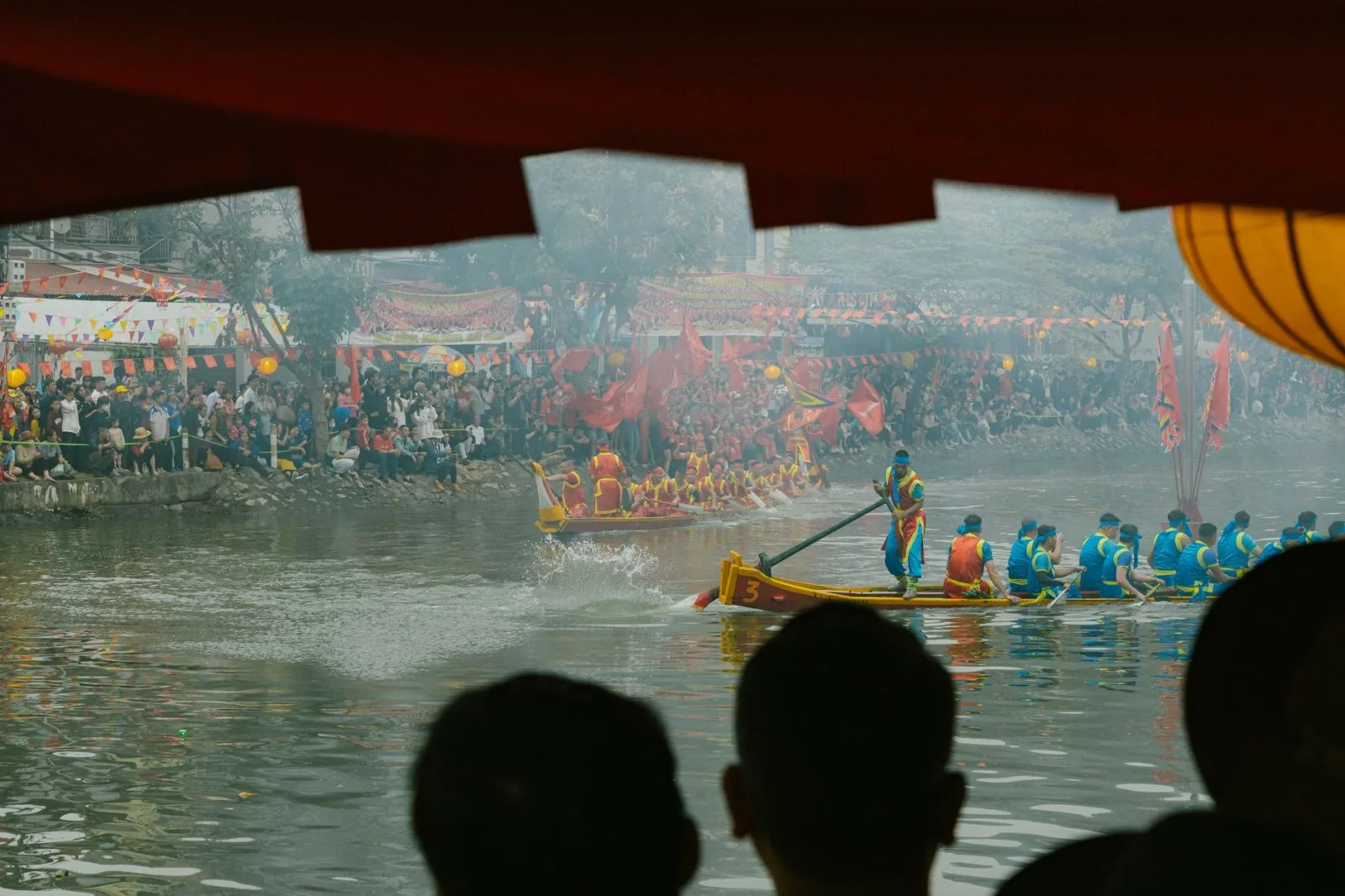
    In Guangdong, dragon boat racing is not a single event but a season. Villages and districts along the Pearl River Delta prepare boats through the spring, then race on rivers and creeks in the weeks around Duanwu. A long narrow boat carries a crew of paddlers, a drummer who sets the stroke, and a helmsman; the painted head and tail give the craft its name. Races are loud, crowded, and local, with teams known by village or temple affiliation. Spectators line bridges and banks, and the best vantage points fill early. The custom was inscribed on UNESCO’s intangible cultural heritage list in 2009. For a visitor, check local listings rather than assuming one central race: events are spread across Guangzhou and Foshan, and dates shift with the lunar calendar.

    Dragon boat crews racing on a Guangdong river before a crowd
    Pearl River Delta races draw village crews and large crowds in the weeks around Duanwu. HONG SON | Pexels License (https://www.pexels.com/license/)

    Observing the Day Today

    Duanwu is an official public holiday, so transport and tourist sites are busy. In Guangdong, the weather is hot and wet by May or June; bring water, a hat, and insect repellent if you plan to watch a race from an open bank. Respect the crews’ space at the water’s edge and do not step onto a boat or touch a drum without being invited. Many families still put mugwort at the door, and zongzi are easy to buy from markets in the days before the holiday. The festival is also an occasion for calling on relatives, though on a smaller scale. For travellers, the pleasure lies in the combination: a public spectacle on the river and a quiet, food-filled custom at home, both tied to the same lunar date.

    The drum sets the stroke, and the village supplies the crew.

    Kaynaklar ve daha fazla okuma

    1. Dragon boat festival — UNESCO Somut Olmayan Kültürel Miras.
    2. Dragon Boat Festival — Britannica Ansiklopedisi.
    3. Qu Yuan — Britannica Ansiklopedisi.
    Yerinde görün

    Bu kaydı ait olduğu bölgeye kadar takip edin.

    Harita üzerinden keşfedin

    Konuyu takip edin

    Aynı etiketleri paylaşan diğer içeriklere göz atın.

    Etiketlere göz atın
  • Mid-Autumn Festival

    Yaşam ve Folklor

    Mid-Autumn Festival

    Mooncakes under a full moon

    The Mid-Autumn Festival gathers families around the full moon, mooncakes, and a long tradition of watching the night sky.

    Bölüm
    Yaşam ve Folklor
    Bölge
    Pekin
    Dönem
    Çağlar boyunca
    Etiketler
    Gümrük, Yiyecek

    Falling on the fifteenth day of the eighth lunar month, the Mid-Autumn Festival is a harvest celebration and a family reunion. In Beijing, the holiday is marked in courtyards, parks, and moon-viewing spots that fill after sunset.

    The Date and the Moon

    The festival follows the lunar calendar, so its date moves between early September and early October. The fifteenth day of the eighth month is chosen because the moon should be full, and roundness stands for completeness and family unity. Chinese tradition reads the moon’s surface as the figure of Chang’e, a woman who, in one version of the myth, drank an elixir and rose to live there with a rabbit that pounds medicine. Another story tells of Wu Gang cutting a tree that regrows each time. These tales are not scripture; they are the stories families retell while looking up. Around the festival, parks stay open late and lakes reflect the moon, giving city dwellers a quiet reason to be outdoors after dinner.

    A full moon rising over a Beijing park lake
    The festival falls on the full moon of the eighth lunar month, usually in September or October. marnock | Pexels License (https://www.pexels.com/license/)

    Mooncakes and Their Fillings

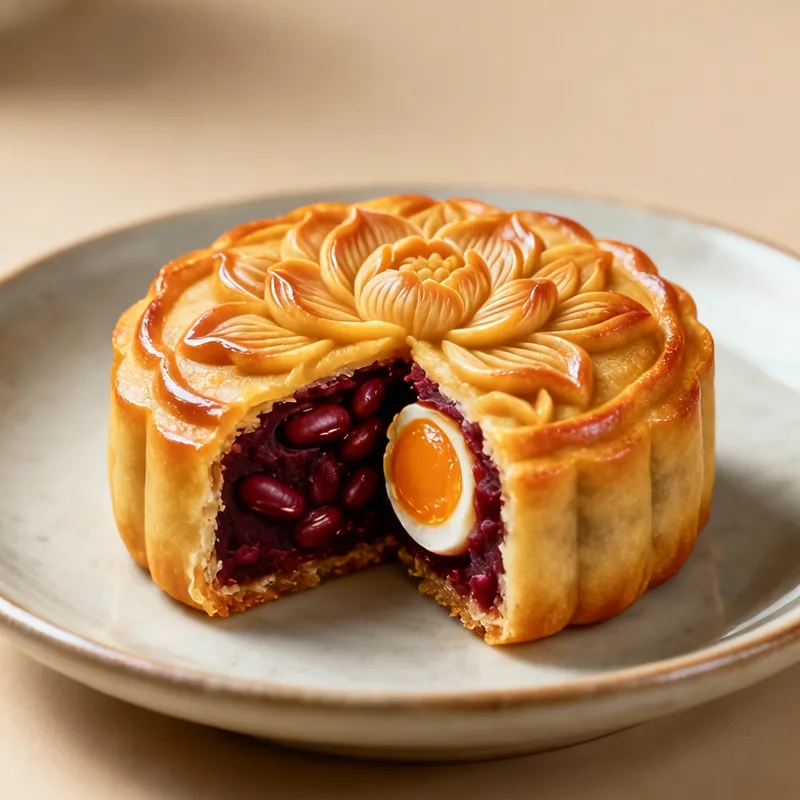
    Mooncakes are small, dense pastries with a thin crust and a heavy filling, traditionally cut into wedges and shared. The round shape echoes the moon, and the top is stamped with a pattern or characters such as longevity or harmony. Cantonese-style cakes often hold lotus seed paste and a salted duck egg yolk, whose yellow centre stands for the moon; other fillings include red bean, five nuts, and preserved fruit. Suzhou-style pastries use flaky layers, while snow-skin mooncakes are chilled and made with a glutinous rice wrapper. Because the cakes are rich, a sliver is usually enough, and tea helps. Prices rise in the weeks before the holiday, and elaborate boxes are made for gifting rather than eating. In Beijing, bakeries sell both traditional versions and small cakes.

    A round mooncake with a stamped pattern cut open to show the filling
    Mooncakes are dense pastries stamped with characters for longevity or harmony. Yapay zeka tarafından oluşturulmuş illüstrasyon · SinoViz

    Beijing After Dark

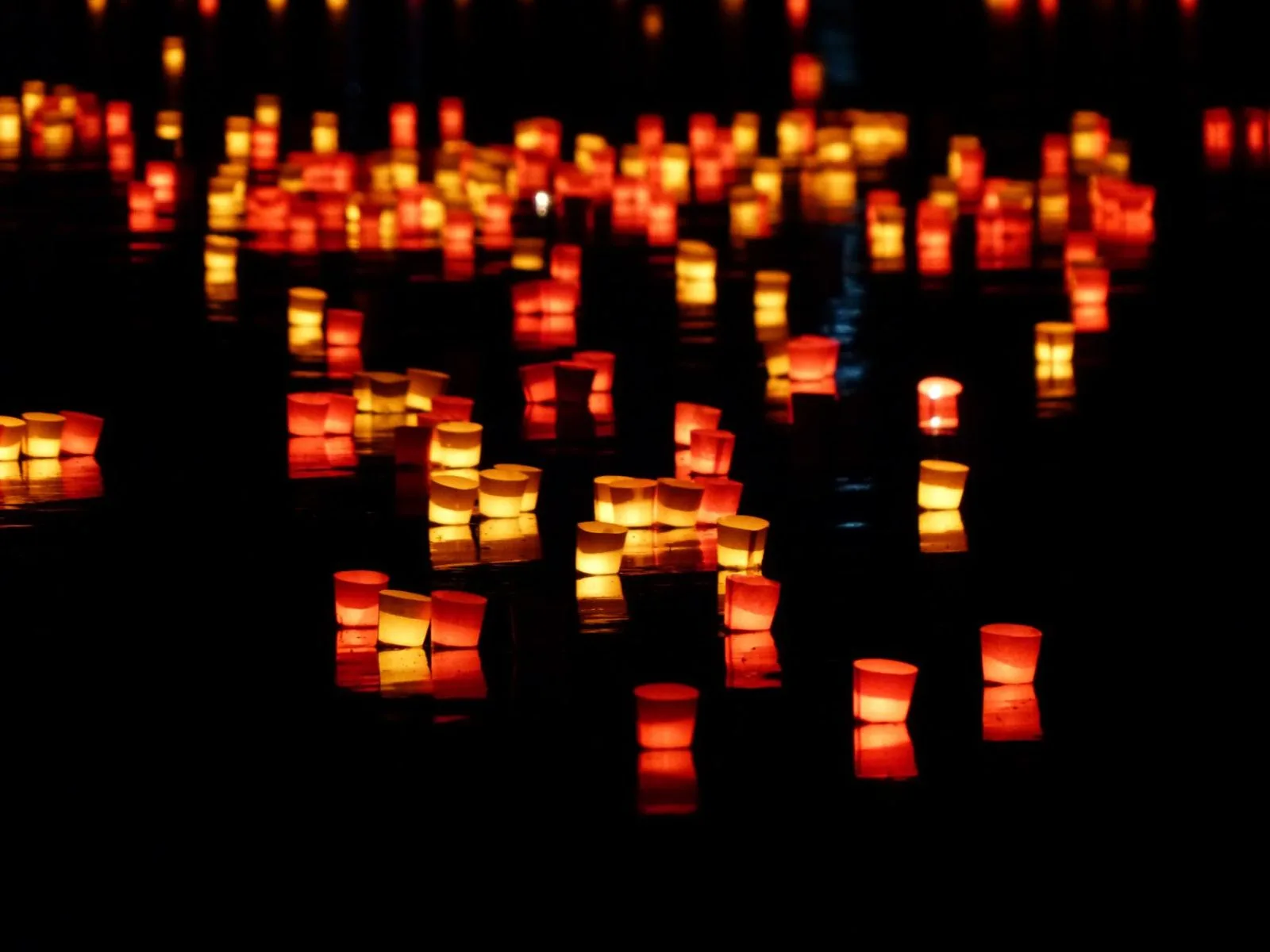
    Beijing’s moon-viewing spots fill quickly after dark. Beihai Park, with its lake and white stupa, and the Summer Palace, with Kunming Lake and the Long Corridor, are classic places to walk and watch the reflection. The Temple of Heaven also draws visitors. Families may light paper lanterns, and children carry them through the lanes; in some neighbourhoods, lantern riddles are posted for anyone who wants to try. Public holiday crowds mean metro stations near the parks stay busy late, so allow time to get back. Camping or bringing a barbecue is not appropriate in these historic grounds. A practical plan is to visit in the late afternoon, walk as the light fades, and take a seat by the water before the moon clears the rooftops.

    Lanterns reflected in a lake at a Beijing park during the Mid-Autumn Festival
    Parks such as Beihai and the Summer Palace draw moon-viewing crowds after sunset. Pixabay | Pexels License (https://www.pexels.com/license/)

    Gifts, Holiday, and Meaning

    Mooncakes are exchanged as gifts, often in boxes of four or six, and carrying a box to a family dinner is normal. The act matters more than the price; a modest cake from a favourite bakery can be more welcome than a lavish tin. Since 2008, the festival has been an official public holiday, reinforcing its role as a reunion, with millions travelling to see relatives. The deeper theme is tuanyuan, reunion, expressed by the circle of the cake and the full moon. Not everyone can be at the table, and the holiday acknowledges that absence as much as presence. If you are invited to a Beijing home, bring the cakes, arrive on time, and expect the evening to centre on a long meal rather than on speeches.

    Roundness carries the argument: a full moon, a round cake, a family gathered in one room.

    Kaynaklar ve daha fazla okuma

    1. Mid-Autumn Festival — Britannica Ansiklopedisi.
    2. Mid-Autumn Festival — China Highlights.

    Yerinde görün

    Bu kaydı ait olduğu bölgeye kadar takip edin.

    Harita üzerinden keşfedin

    Konuyu takip edin

    Aynı etiketleri paylaşan diğer içeriklere göz atın.

    Etiketlere göz atın
  • Chinese Paper Cutting

    Yaşam ve Folklor

    Chinese Paper Cutting

    Red paper, folded and cut

    A pair of scissors and a sheet of red paper can carry a whole vocabulary of wishes.

    Bölüm
    Yaşam ve Folklor
    Bölge
    Şaanxi
    Dönem
    Çağlar boyunca
    Etiketler
    Customs, Ethnic

    Chinese paper cutting, or jianzhi, turns a flat sheet into a pattern of figures, flowers, and characters. Practised for centuries in rural households, it still marks weddings and New Year, and Shaanxi’s bold window designs are among its most recognisable regional forms.

    Origins and Technique

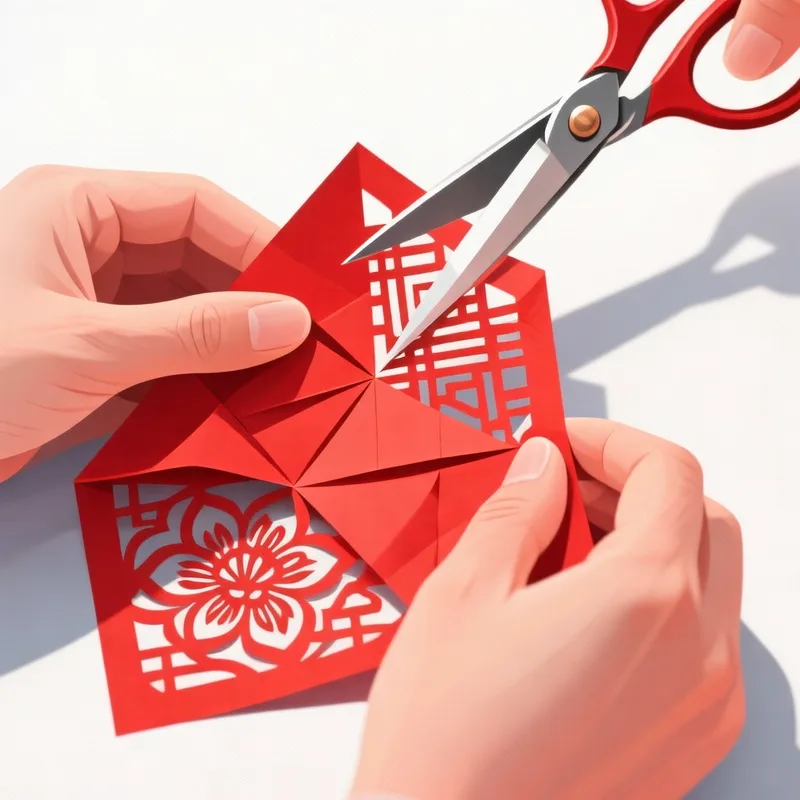
    Paper reached China in the Eastern Han period, and the first cuts followed once the material was cheap enough to experiment with. Early examples were used as offerings and as templates for embroidery; a surviving cut-paper find from the sixth century shows that the technique was established by then. Two methods developed. Scissors cut a folded sheet, creating a mirror-symmetric design with a single sequence of snips. A knife held upright cuts a stack of paper against a wax board, a method suited to finer lines and repeated motifs. Artists draw no outline for many traditional patterns; they cut directly, keeping the connecting threads that stop the design falling apart. The finished piece is light, cheap, and easy to paste on a window or door.

    Hands cutting a red paper design with small scissors
    Folding the paper before cutting produces the symmetrical patterns typical of window decorations. Yapay zeka tarafından oluşturulmuş illüstrasyon · SinoViz

    A Language of Motifs

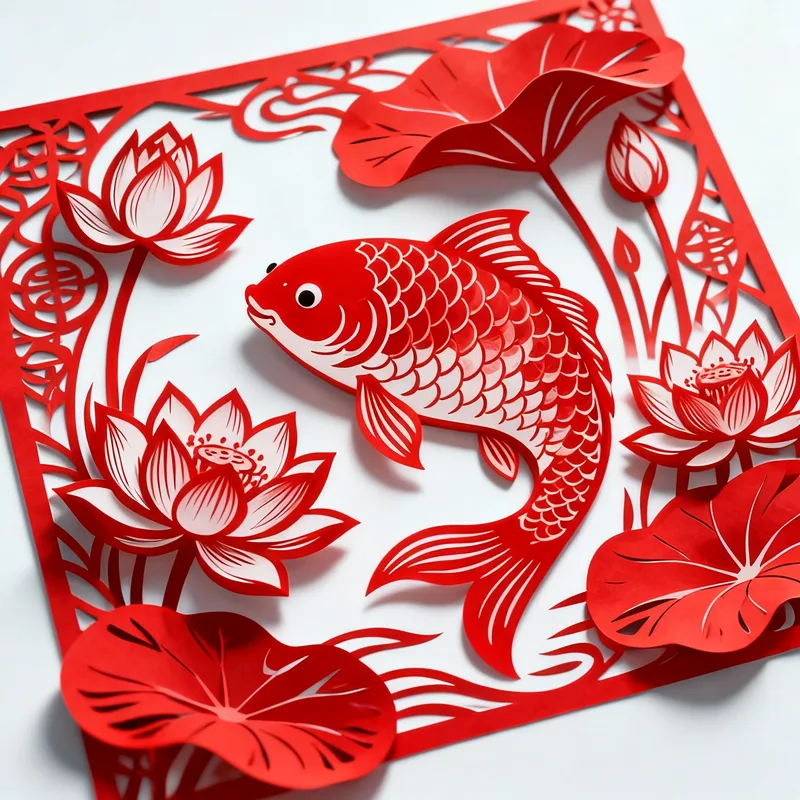
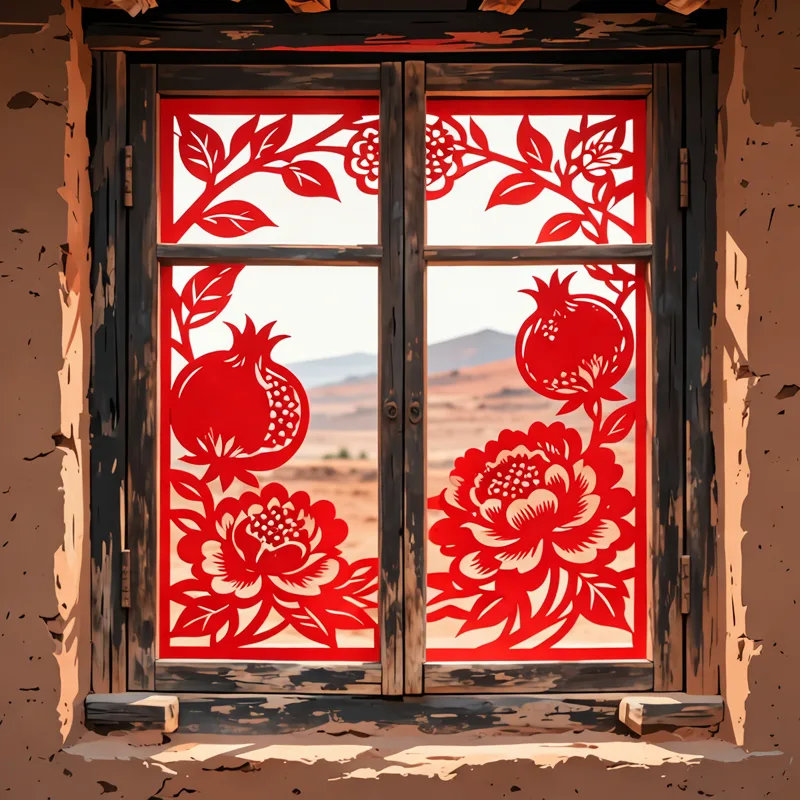
    The images are a system of visual puns. A fish means surplus, because the word for fish sounds like the word for abundance; lotus suggests purity. A pomegranate stands for many children, a bat for good fortune, and a peach for long life. The character fu, meaning good fortune, appears alone or inside a circular design, while shuangxi, double happiness, belongs to weddings. Zodiac animals, opera figures, and scenes of children at play all circulate as patterns. Colour matters as much as shape: red is the default for celebration, while white paper cuts are rarer and tied to older ritual uses. In a Shaanxi village window, the arrangement of these motifs tells a visitor what the household is hoping for in the coming year.

    Red paper-cut window decoration showing a fish and lotus flowers
    Fish and lotus form a rebus for abundance; motifs are chosen for the wish they carry. Yapay zeka tarafından oluşturulmuş illüstrasyon · SinoViz

    Shaanxi Windows

    Paper cutting in Shaanxi is associated with rural life on the Loess Plateau, especially around Yan’an. Windows there were once small and deeply set, so designs favoured bold silhouettes and broad, connected shapes that could be read from across a room. Local artists talk of cutting with the heart rather than measuring with a ruler, and compositions often show figures, animals, and plants together in a single dense frame. Window grilles, or chuanghua, are pasted at New Year and replaced when they fade. Wedding cuts carry double happiness characters and images of fertility; birthday cuts use peaches and cranes. Women were the main practitioners in many villages, passing patterns from mother to daughter, and village fairs still sell sheets cut in the old local style.

    A Shaanxi farmhouse window with bold red paper cutouts
    Shaanxi cuts favour strong silhouettes and broad shapes, designed to read from a distance. Yapay zeka tarafından oluşturulmuş illüstrasyon · SinoViz

    Recognition and Travel

    Chinese paper-cut was inscribed on UNESCO’s Representative List of the Intangible Cultural Heritage of Humanity in 2009, a recognition that named both the craft and the communities that sustain it. The listing does not freeze the art. Contemporary artists cut portraits, cityscapes, and political images with the same tools, and paper cuts appear in graphic design and animation. For a visitor, the appeal is that the work is easy to find and easy to try. Museum shops sell small sheets, market stalls sell single motifs, and workshops in Xi’an and rural Shaanxi teach the basic fold-and-cut method in an hour. Bring a sharp pair of scissors and practice on cheap red paper before attempting a detailed pattern. A finished cut pasted on glass changes with the light.

    The pattern holds together because the cutter leaves just enough paper between the lines.

    Kaynaklar ve daha fazla okuma

    1. Chinese paper-cut — UNESCO Somut Olmayan Kültürel Miras.
    2. Chinese Paper Cutting — China Highlights.
    3. Paper cutting — Britannica Ansiklopedisi.
    Yerinde görün

    Bu kaydı ait olduğu bölgeye kadar takip edin.

    Harita üzerinden keşfedin

    Konuyu takip edin

    Aynı etiketleri paylaşan diğer içeriklere göz atın.

    Etiketlere göz atın
  • Cantonese Cuisine

    Yaşam ve Folklor

    Cantonese Cuisine

    Steam, Wok Heat, and Coastal Markets

    Guangdong cooking turns local seafood and temple fair foods into a refined restaurant tradition.

    Bölüm
    Yaşam ve Folklor
    Bölge
    Guangdong
    Dönem
    Çağlar boyunca
    Etiketler
    Food, Geography

    Cantonese cuisine is the cooking of Guangdong and its diaspora, built on river deltas, coastal markets, and the heat of the wok. Its best-known dishes—roast goose, dim sum, and steamed fish—sit beside home-style soups and street snacks.

    The Pearl River Pantry

    The Pearl River Delta gave Cantonese cooking an unusually broad pantry. Rice grows in the lowlands, fish and shellfish come from the estuary, and hills behind Guangzhou supply vegetables, pork, and poultry. Guangzhou was a major port under the Tang and again after European traders arrived in the seventeenth and eighteenth centuries. Merchants, officials, and temple fairs supported restaurants that could pay for skilled chefs. By the Qing period, Guangzhou’s tea houses served small plates known as dim sum through the morning and midday. Emigrants from Guangdong later carried these dishes to Southeast Asia, North America, and Europe, adapting them to local supplies.

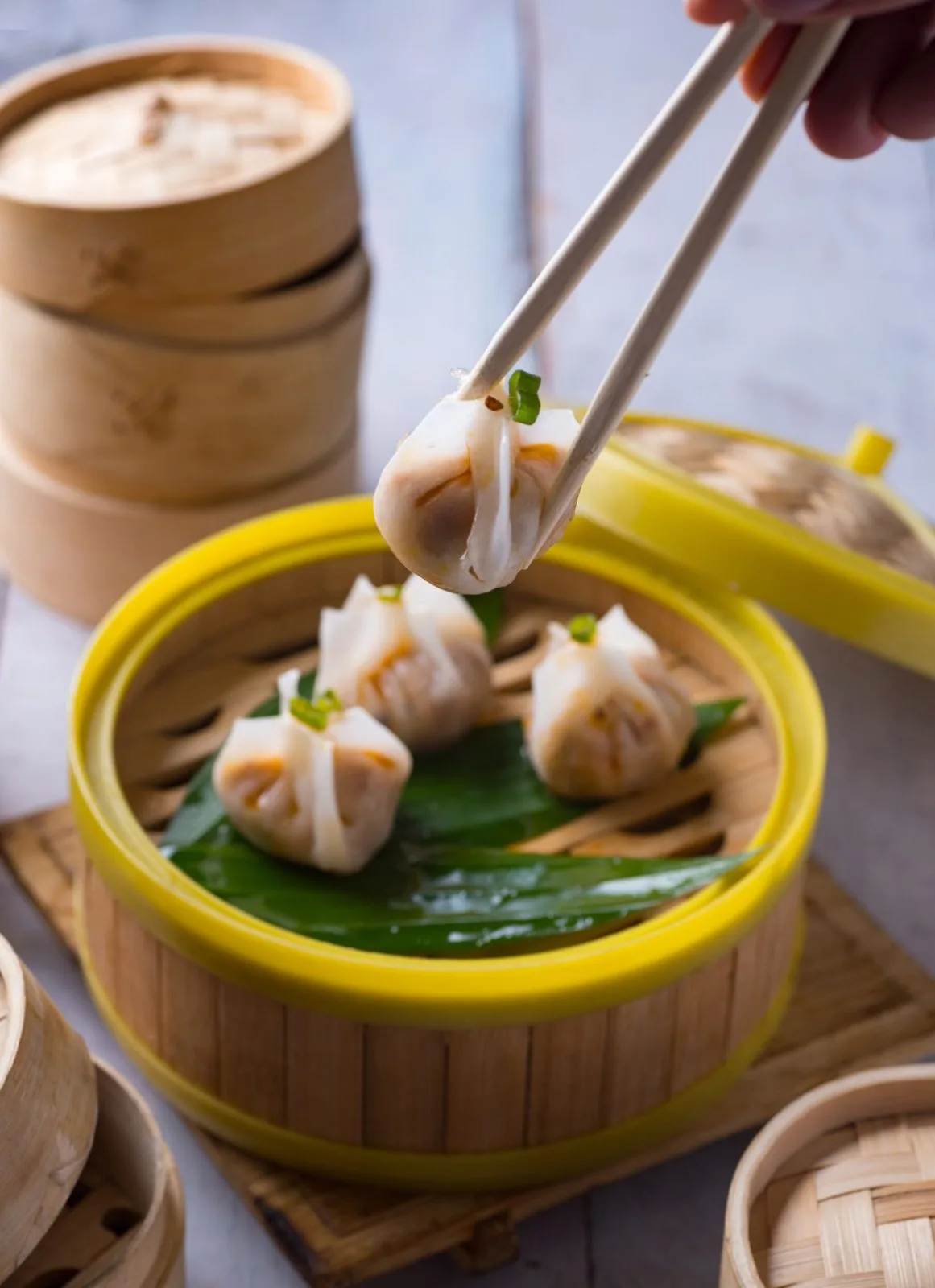
    Bamboo steamers filled with dim sum
    Dim sum developed in the teahouses of Guangzhou and spread with Cantonese migration. parveen tasud | Pexels License (https://www.pexels.com/license/)

    Wok Hei and the Roast House

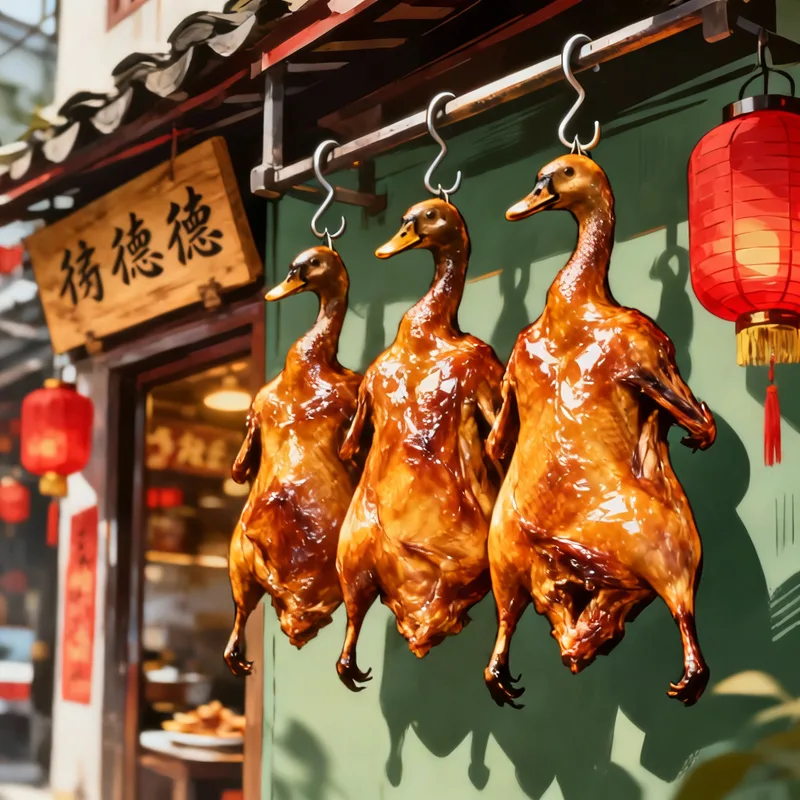
    Cantonese stir-frying depends on wok hei, the barely definable aroma produced when hot oil, vapours, and food meet a very hot wok. Chefs toss ingredients to keep them moving and prevent scorching; sauces are added late, often with cornstarch to give a light coating. Roasting is another speciality. Guangzhou-style white-cut chicken is poached and served with ginger and spring onion, while roast goose from Shunde is glazed, air-dried, and hung in a brick oven until the skin blisters. Char siu pork is marinated with honey and red fermented bean curd, then roasted with sugar caramelising at the edges.

    Roast geese hung to dry before roasting outside a Shunde restaurant
    Air-drying the skin is a key step in Shunde’s roast goose. Yapay zeka tarafından oluşturulmuş illüstrasyon · SinoViz

    Dim Sum and Morning Ritual

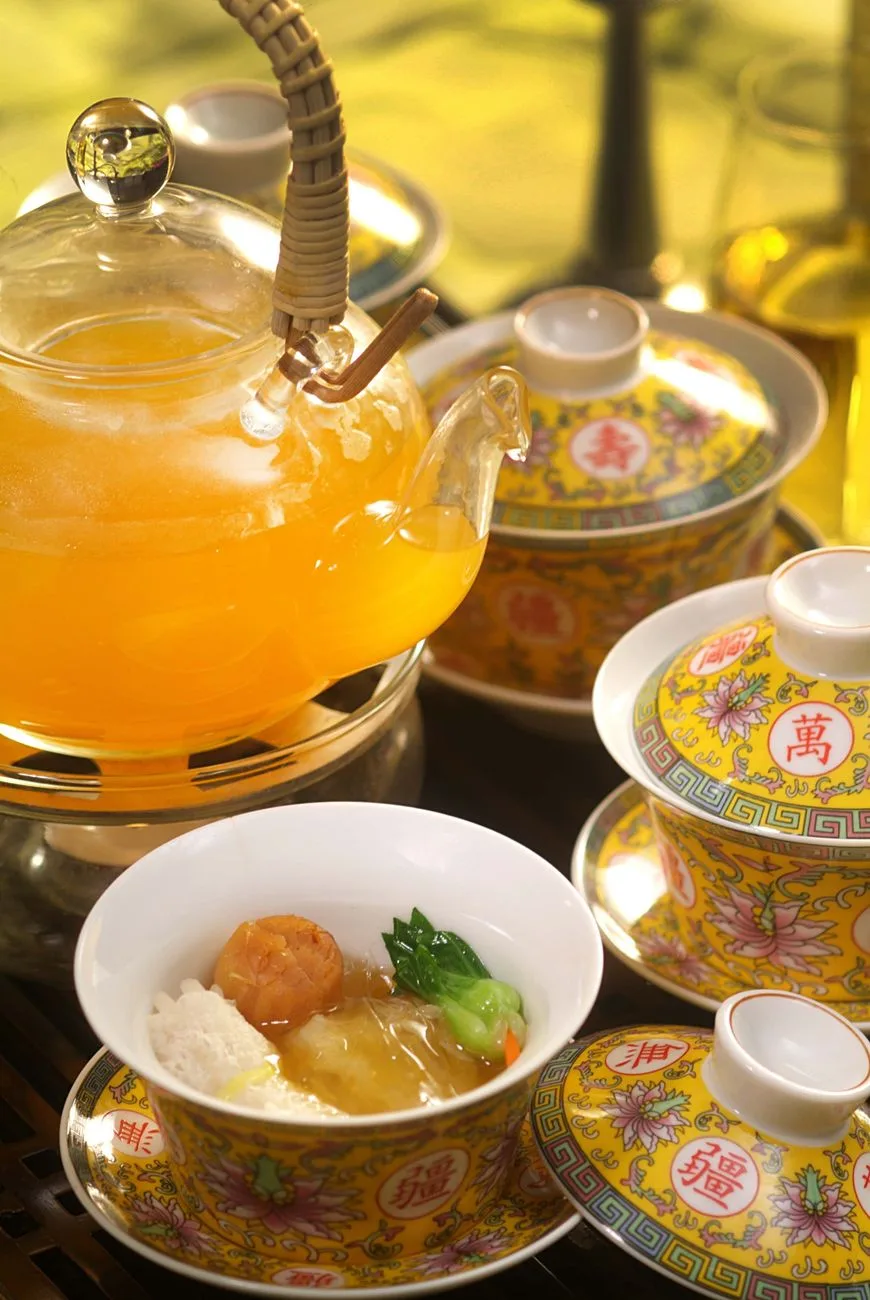
    Dim sum means a light snack, but in Cantonese practice it describes a meal of small portions ordered from trolleys or a paper card. Har gow wrap shrimp in a translucent wheat-starch skin; siu mai open-topped dumplings hold pork and shrimp; char siu bao are soft steamed buns with sweet roast-pork filling. Cheung fun are broad rice-noodle sheets rolled around shrimp, pork, or beef and dressed in soy sauce. Tea accompanies the meal, and the old custom of tapping a pot’s lid to signal for a refill is still performed, though younger diners may simply ask. The ritual is social as much as culinary, filling teahouses from early morning.

    • Har gow with translucent shrimp filling
    • Siu mai topped with a single shrimp
    • Cheung fun rice rolls with soy dressing
    • Egg tarts adapted from British custard pastry
    A trolley of bamboo steamers and tea pots beside a crowded Guangzhou dining room
    A dim sum meal is ordered in small dishes and shared across the table. minchephoto photography | Pexels License (https://www.pexels.com/license/)

    Regional Range and Diaspora

    Cantonese food is not one style. Shunde is known for delicate dairy desserts and fish dishes, Chaozhou nearby has a separate tradition of braised goose, seafood, and strong oolong tea, and Hakka communities in the hills favour preserved vegetables and stuffed tofu. Teochew and Hainanese migrants carried their own versions abroad. In Chinatowns from San Francisco to Singapore, Cantonese restaurants adapted to local tastes while keeping techniques such as steaming, roasting, and long simmered double-boiled soups. The resulting cuisines are mixed, but they preserve a central idea: fresh ingredients, precise heat, and a sauce that supports rather than hides them.

    Cantonese cooking asks a wok to do in seconds what other traditions give hours of stewing.

    Kaynaklar ve daha fazla okuma

    1. Chinese Cuisine — Britannica Ansiklopedisi.

    2. Cantonese cuisine — Britannica Ansiklopedisi.
    3. Guangzhou — UNESCO World Heritage Centre.

    Yerinde görün

    Bu kaydı ait olduğu bölgeye kadar takip edin.

    Harita üzerinden keşfedin

    Konuyu takip edin

    Aynı etiketleri paylaşan diğer içeriklere göz atın.

    Etiketlere göz atın