Category: Kehidupan & Cerita Rakyat

  • Kalender Bulan

    Kehidupan & Cerita Rakyat

    Kalender Bulan

    Penentuan waktu berdasarkan Bulan dan Matahari

    Kalender tradisional Tiongkok mengaitkan bulan lunar dengan musim matahari, dan festival dengan keduanya.

    Bagian
    Kehidupan & Cerita Rakyat
    Wilayah
    Beijing
    Era
    Sepanjang zaman
    Tag
    Bea cukai

    Kalender Tiongkok adalah kalender lunisolar: bulan-bulannya mengikuti pergerakan bulan, sedangkan tahun-tahunnya mengikuti pergerakan matahari. Selama lebih dari dua milenium, para astronom istana dan petani desa menggunakan sistem yang sama untuk tujuan yang berbeda — untuk menentukan masa pemerintahan dan untuk mengetahui kapan harus menanam.

    Cara Kerja Kalender

    Setiap bulan dimulai pada hari bulan baru astronomis dan berlangsung selama 29 atau 30 hari, sehingga dua belas bulan lunar berjumlah sekitar 354 hari — kira-kira sebelas hari lebih pendek dari satu tahun surya. Untuk menjaga agar musim semi tetap musim semi, bulan-bulan tambahan disisipkan: tujuh bulan tambahan setiap sembilan belas tahun, sebuah siklus yang dikenal sebagai siklus Metonik. Bulan yang berulang diberi nomor setelah bulan sebelumnya, sehingga disebut bulan kabisat keempat. Hari-hari dihitung secara terpisah lagi oleh siklus seksagenari, sebuah pasangan dari sepuluh batang langit dan dua belas cabang bumi yang memberi label setiap hari dan tahun dengan kombinasi seperti jiachen.
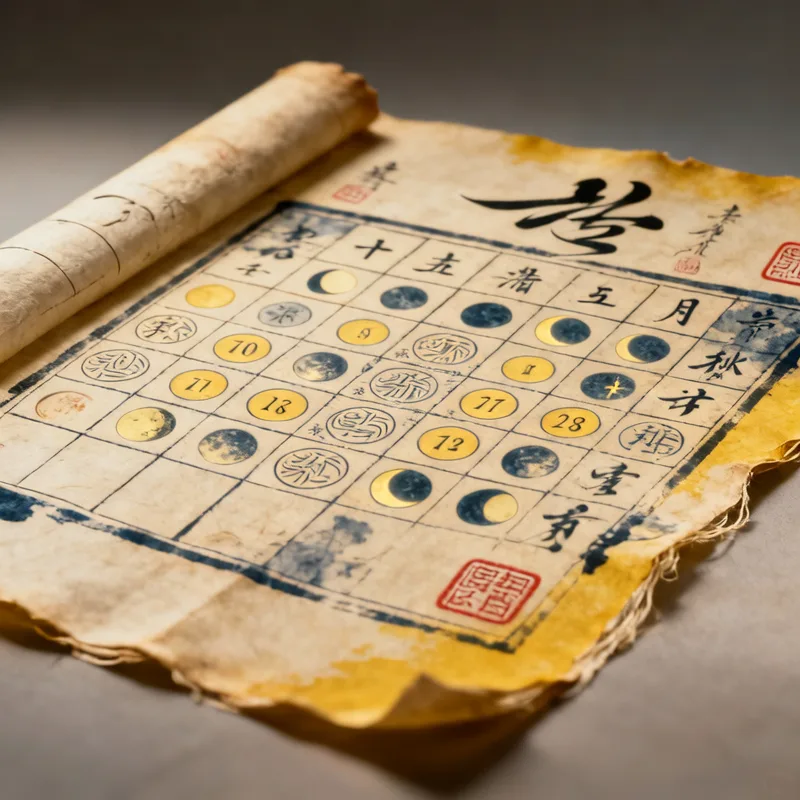
    Halaman dari almanak tradisional Tiongkok yang menunjukkan bulan lunar, istilah surya, dan hari-hari baik.
    Satu bulan lunar berlangsung dari satu bulan baru ke bulan baru berikutnya; satu istilah surya menandai posisi matahari. Ilustrasi yang dihasilkan AI · SinoViz

    Pengamatan Menjadi Sains

    Sistem ini berkembang dari pengamatan. Prasasti tulang ramalan dari dinasti Shang (sekitar 1600–1046 SM) mencatat bulan lunar, gerhana, dan bulan sisipan, dan Catatan Musim Semi dan Musim Gugur menyimpan catatan gerhana awal yang kemudian digunakan untuk menguji perhitungan. Kalender Taichu, yang diadopsi pada tahun 104 SM di bawah Kaisar Wu dari Han, menetapkan awal tahun pada bulan lunar pertama dan menetapkan aturan sisipan sembilan belas tahun. Reformasi selanjutnya menyempurnakannya: kalender Shoushi karya Guo Shoujing tahun 1281, yang dibuat untuk ibu kota Yuan di Dadu (Beijing), menggunakan tahun tropis 365,2425 hari — panjang yang sama yang kemudian diadopsi oleh reformasi Gregorian.

    Kemampuan dalam menyusun kalender bersifat politis. Seorang penguasa yang mampu memprediksi gerhana dan mengumumkan bulan baru mengklaim mandat dari surga; menerbitkan almanak kepada negara-negara bawahan merupakan tindakan otoritas. Observatorium Kuno Beijing, yang dibangun pada tahun 1442, masih menyimpan bola armiler Ming dan gnomon yang digunakan untuk pekerjaan tersebut. Para astronom di sana bekerja bersama para misionaris Yesuit pada abad ketujuh belas, ketika istana Qing mengadopsi metode Eropa untuk memprediksi gerhana sambil mempertahankan struktur bulan lunar. Dengan demikian, kalender merupakan titik temu antara tata pemerintahan, matematika, dan pengamatan.

    Dua Puluh Empat Istilah Matahari

    Di samping bulan lunar, terdapat kalender surya yang terdiri dari dua puluh empat periode, masing-masing berjarak lima belas derajat di sepanjang jalur tahunan matahari. Urutannya dimulai dengan Lichun, Awal Musim Semi, sekitar tanggal 4 Februari, dan mencakup Qingming (Kecerahan Murni) pada awal April, Xiazhi (Titik Balik Matahari Musim Panas), Bailu (Embun Putih), dan Dongzhi (Titik Balik Matahari Musim Dingin). Dikembangkan di wilayah Sungai Kuning dan diterapkan secara nasional, periode-periode ini memberi tahu petani kapan harus mengharapkan embun beku atau hujan; peribahasa masih menghubungkannya dengan penanaman dan panen. UNESCO memasukkan pengetahuan dan praktik ini ke dalam Daftar Representatifnya pada tahun 2016.
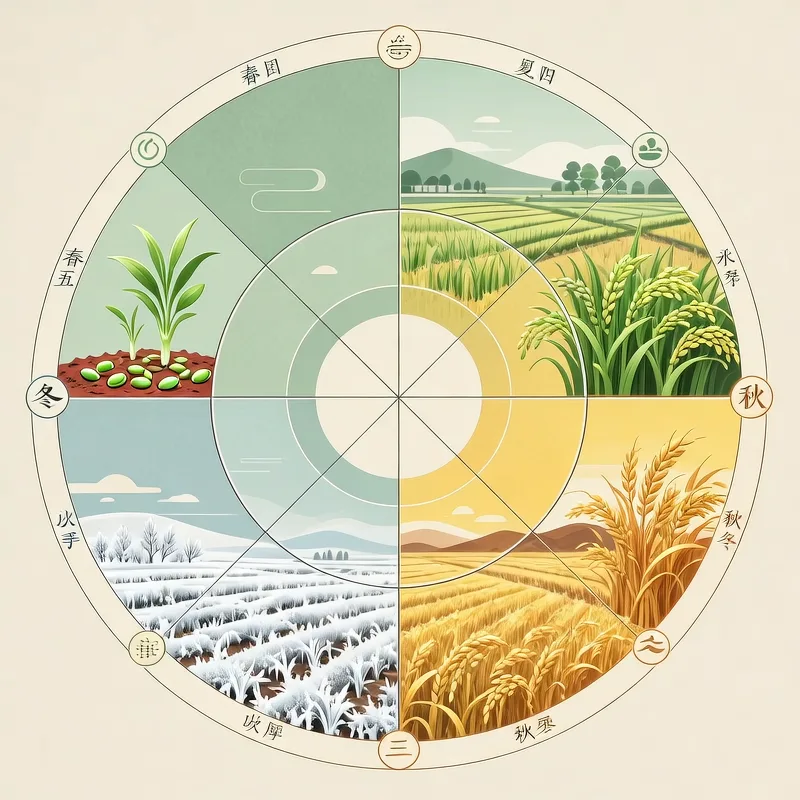
    Diagram jalur tahunan matahari yang dibagi menjadi dua puluh empat segmen dengan label pertanian.
    Setiap periode surya mencakup lima belas derajat dari jalur matahari, dengan jarak sekitar lima belas hari. Ilustrasi yang dihasilkan AI · SinoViz

    Kalender Festival

    Karena tanggal dihitung berdasarkan bulan lunar, festival-festival tersebut bergeser berlawanan dengan kalender Gregorian. Festival Musim Semi dimulai pada hari pertama bulan lunar pertama dan ditutup dengan Festival Lentera pada tanggal lima belas, ketika jalanan dipenuhi lentera. Festival Perahu Naga jatuh pada hari kelima bulan kelima, Festival Hantu pada tanggal lima belas bulan ketujuh, dan Festival Pertengahan Musim Gugur pada tanggal lima belas bulan kedelapan, ketika keluarga berkumpul di bawah bulan purnama.

    • Festival Musim Semi — hari pertama bulan lunar pertama
    • Festival Lentera — hari kelima belas bulan pertama
    • Festival Perahu Naga — hari kelima bulan kelima
    • Festival Pertengahan Musim Gugur — hari kelima belas bulan kedelapan
    • Qingming — istilah surya sekitar tanggal 4–6 April

    Mengapa Hal Itu Masih Penting

    Kalender lunar tetap bertahan karena memuat waktu sosial serta waktu astronomis. Leluhur dihormati pada Qingming dan pada peringatan kematian yang dihitung berdasarkan tanggal lunar; pernikahan dan pemakaman sering dijadwalkan berdasarkan almanak. Hewan zodiak suatu tahun, delapan karakter kelahiran, dan hari-hari baik untuk pindah rumah semuanya bergantung pada kerangka batang-cabang yang sama. Di Beijing, pasar kuil dan pertunjukan lampion masih mengikuti bulan lunar pertama, sementara masyarakat pedesaan berkonsultasi dengan istilah surya untuk pekerjaan ladang. Dua sistem, satu kalender.
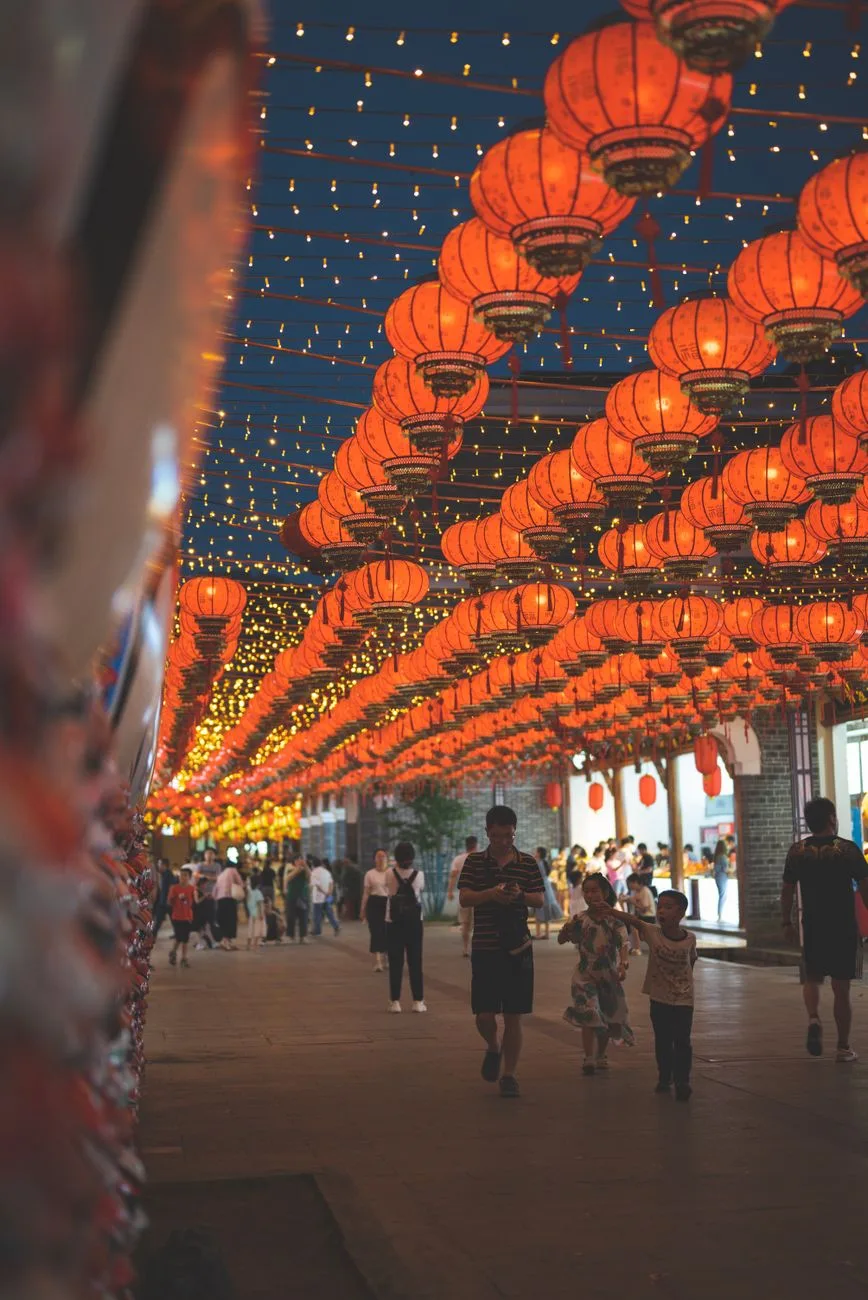
    Lampion-lampion yang digantung di jalanan Beijing selama bulan pertama kalender lunar.
    Pesta kuil dan pertunjukan lampion masih menandai minggu-minggu awal tahun lunar. Cz Jen | Lisensi Pexels (https://www.pexels.com/license/)
    Bulan mengikuti pergerakan bulan, tetapi tahun harus mengikuti pergerakan matahari.

    Sumber & bacaan lebih lanjut

    1. Dua Puluh Empat Istilah Matahari, pengetahuan tentang waktu dan praktik di Tiongkok yang dikembangkan melalui pengamatan pergerakan tahunan matahari. — Warisan Budaya Takbenda UNESCO.
    2. kalender Cina — Ensiklopedia Britannica.
    3. Tahun Baru Imlek — Ensiklopedia Britannica.
    Lihat di tempatnya

    Ikuti petunjuk ini ke wilayah yang sesuai.

    Jelajahi melalui Peta

    Ikuti alurnya

    Telusuri entri lain yang memiliki tag yang sama.

    Telusuri tag
  • Zodiak Cina

    Kehidupan & Cerita Rakyat

    Zodiak Cina

    Dua Belas Hewan, Siklus Enam Puluh Tahun

    Kedua belas hewan tersebut memetakan tahun, jam, dan kepribadian ke dalam siklus yang berulang.

    Bagian
    Kehidupan & Cerita Rakyat
    Wilayah
    Beijing
    Era
    Sepanjang zaman
    Tag
    Bea cukai

    Zodiak Cina menetapkan satu hewan untuk setiap tahun dalam siklus dua belas tahun. Ini bukanlah horoskop yang berdiri sendiri, tetapi merupakan salah satu lapisan dari kalender lunisolar, di mana dua belas cabang bumi bergabung dengan sepuluh batang langit untuk membentuk siklus penuh selama enam puluh tahun.

    Dua Belas Hewan

    Urutannya adalah tikus, sapi, harimau, kelinci, naga, ular, kuda, kambing, monyet, ayam jantan, anjing, dan babi, masing-masing dipasangkan dengan salah satu dari dua belas cabang bumi: zi, chou, yin, mao, chen, si, wu, wei, shen, you, xu, dan hai. Kambing juga diterjemahkan sebagai domba atau kambing jantan. Sebuah cerita rakyat terkenal menjelaskan urutan tersebut sebagai hasil dari perlombaan menyeberangi sungai: tikus menunggangi sapi dan melompat lebih dulu di tepi sungai, sementara kucing, dalam beberapa versi, sama sekali gagal menyeberang. Kisah ini lebih baru daripada sistem yang dijelaskannya.

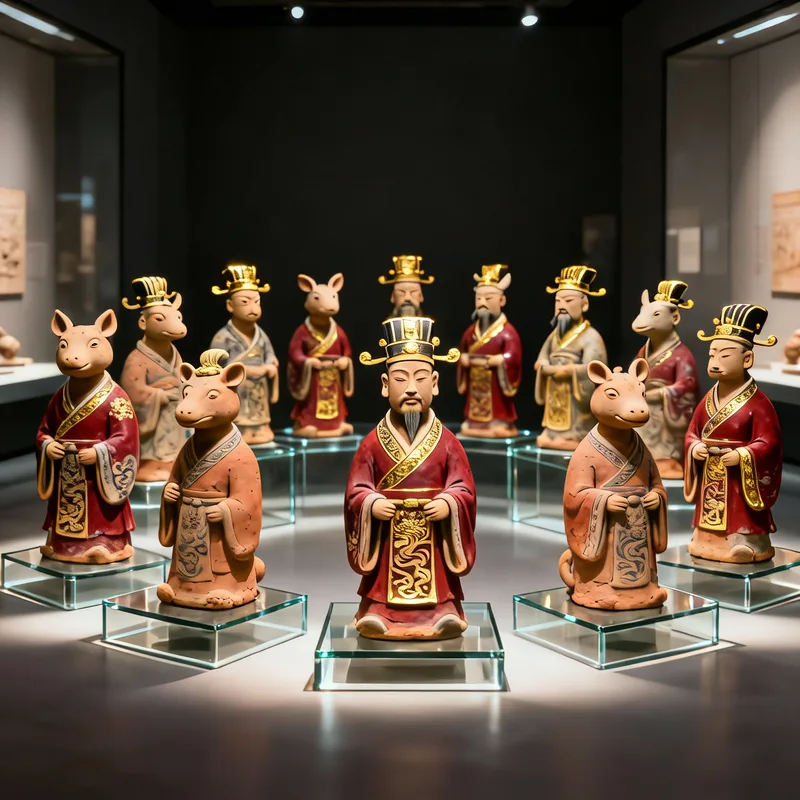
    Satu set berisi dua belas figur zodiak dari tembikar Dinasti Tang yang berpakaian sebagai pejabat.
    Urutan hewan tersebut ditetapkan oleh Dinasti Han Timur dan muncul dalam tembikar makam Tang. Ilustrasi yang dihasilkan AI · SinoViz

    Dari Ranting ke Tanda-Tanda Hewan

    Cabang-cabangnya sendiri sudah tua; hewan-hewan yang melekat padanya muncul secara bertahap. Museum Metropolitan of Art mencatat bahwa kedua belas hewan tersebut pertama kali dikaitkan dengan kalender lunar di Tiongkok sekitar abad ketiga SM dan telah mapan pada abad pertama M. Pada masa Dinasti Han Timur (25–220 M), urutan konvensionalnya telah ditetapkan, dan teks-teks seperti Lunheng karya Wang Chong mencantumkan hewan-hewan yang sama yang digunakan hingga saat ini. Pasangan ini menyebar ke seluruh Asia Timur dan Tenggara, di mana tradisi lokal mengubah susunan hewan tersebut.

    Seni makam mengkonfirmasi penanggalan tersebut. Makam Dinasti Tang (618–907) berisi dua belas patung hewan dari tanah liat yang mengenakan jubah resmi, ditempatkan sebagai persembahan untuk pembaruan dan perlindungan. Contoh dari Dinasti Song berupa figur-figur kecil dari batu tembikar berlapis glasir yang digambarkan sebagai pejabat sipil atau praktisi Taoisme, dengan hewan pengenal dipegang di tangan atau dikenakan di topi. Zodiak tidak pernah hanya menjadi hal baru di Tahun Baru; ia mengatur waktu di dalam makam seperti halnya di antara orang-orang yang masih hidup.

    Batang, Cabang, dan Takdir

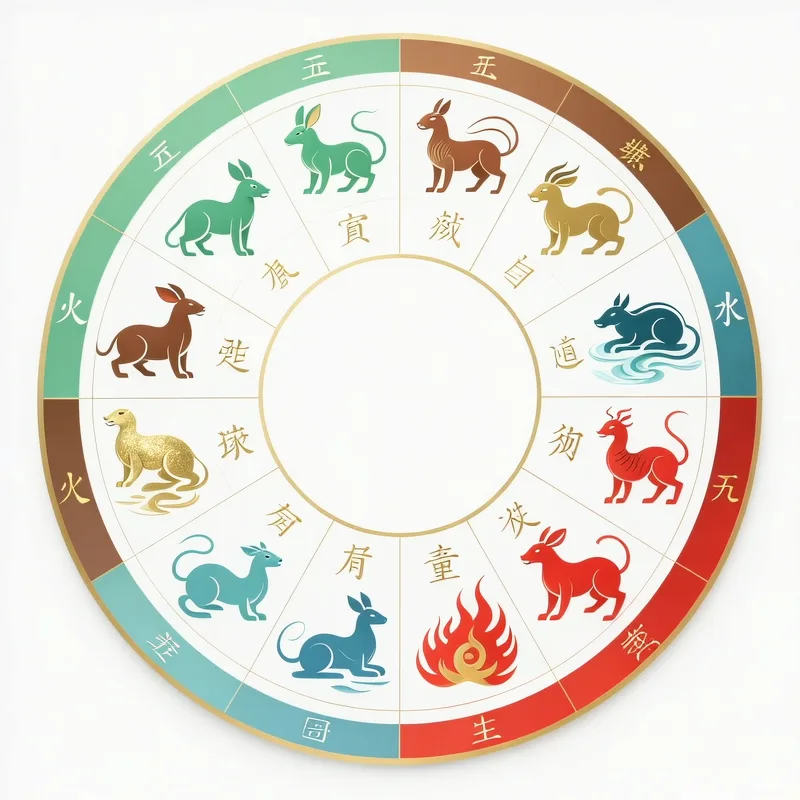
    Karena sepuluh batang dan dua belas cabang bergerak bersama, satu tahun digambarkan oleh sepasang simbol seperti bingwu, Kuda Api tahun 2026; pasangan yang sama hanya muncul kembali setelah enam puluh tahun. Cabang-cabang tersebut juga membagi hari menjadi dua belas jam, dengan jam zi yang berlangsung dari pukul sebelas malam hingga pukul satu pagi. Empat pilar takdir — tahun, bulan, hari, dan jam — dibangun dari empat pasangan tersebut. Praktisi bazi membacanya untuk mengetahui temperamen dan keberuntungan, dan keluarga dahulu berkonsultasi dengan mereka ketika mengatur perjodohan.

    Diagram lingkaran yang menggambarkan dua belas hewan zodiak Tiongkok dan lima elemen.
    Gabungan hewan dan elemen: 2026 adalah Bingwu, Kuda Api. Ilustrasi yang dihasilkan AI · SinoViz

    Dalam Kehidupan Sehari-hari

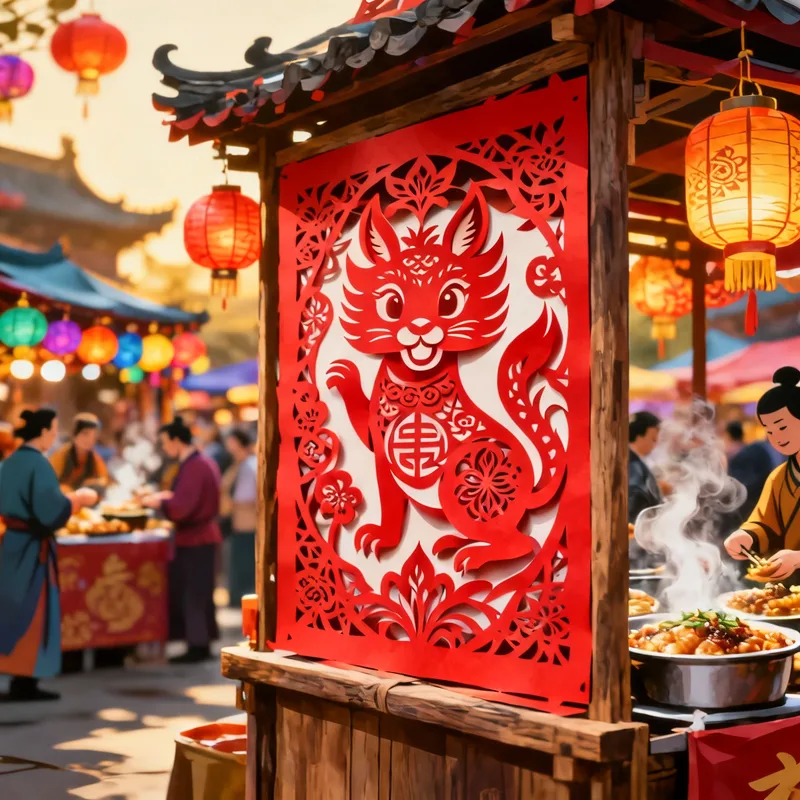
    Zodiak berfungsi sebagai cara mudah untuk memahami perbedaan antar zodiak, bukan sebagai kepercayaan yang kaku. Tahun kembalinya hewan zodiak seseorang (benming nian) diperlakukan dengan hati-hati; pakaian merah dan tali merah adalah tindakan pencegahan umum, terutama untuk anak-anak dan orang tua. Cetakan Tahun Baru, potongan kertas, dan pameran kuil menampilkan hewan zodiak tahun tersebut, dan ucapan selamat biasanya menyebutkan namanya. Klaim tentang kompatibilitas didasarkan pada siklus cabang, dengan tanda zodiak yang berjarak enam tempat dikatakan bertentangan.

    • Tahun 2026 adalah Bingwu, Tahun Kuda Api.
    • Setiap cabang mengatur periode dua jam; zi mencakup pukul 11 malam hingga 1 pagi.
    • Empat pilar takdir menggabungkan tahun, bulan, hari, dan jam.
    • Vietnam mengganti kelinci dengan kucing.

    Variasi Regional

    Siklus tersebut menyebar bersamaan dengan pemukiman dan perdagangan Tiongkok. Di Vietnam, kelinci menjadi kucing dan sapi menjadi kerbau; kambing mungkin disebut domba di tempat lain. Hewan-hewan zodiak muncul pada koin, cermin, pernis, dan keramik di seluruh wilayah tersebut, dan kalender Korea dan Jepang mengadopsi cabang yang sama dengan daftar hewan mereka sendiri. Variasi-variasi tersebut penting: hal itu menunjukkan sistem kalender yang diterjemahkan, bukan sekadar disalin. Urutan Tiongkok tetap menjadi titik acuan untuk Tahun Baru Imlek yang dirayakan di Beijing dan di komunitas diaspora di seluruh dunia.

    Potongan kertas merah bergambar hewan zodiak tahunan di sebuah stan pasar malam kuil.
    Setiap Tahun Baru Imlek menghadirkan hewan baru untuk karya cetak, seni potong kertas, dan kartu ucapan. Ilustrasi yang dihasilkan AI · SinoViz
    Tikus memenangkan perlombaan karena ia tahu kapan harus melompat — sebuah cerita yang diciptakan jauh setelah siklus tersebut sudah digunakan.

    Sumber & bacaan lebih lanjut

    1. Zodiak Cina — Ensiklopedia Britannica.
    2. Set dua belas hewan zodiak, Dinasti Tang — Museum Seni Metropolitan.
    3. Merayakan Tahun Anjing — Museum Seni Metropolitan.

    Lihat di tempatnya

    Ikuti petunjuk ini ke wilayah yang sesuai.

    Jelajahi melalui Peta

    Ikuti alurnya

    Telusuri entri lain yang memiliki tag yang sama.

    Telusuri tag
  • Penghormatan Leluhur

    Kehidupan & Cerita Rakyat

    Penghormatan Leluhur

    Silsilah, Ritual, dan Memori

    Ritual leluhur menghubungkan rumah tangga, balai garis keturunan, dan pemakaman desa.

    Bagian
    Kehidupan & Cerita Rakyat
    Wilayah
    Fujian
    Era
    Sepanjang zaman
    Tag
    Bea cukai

    Penghormatan leluhur adalah praktik menghormati kerabat yang telah meninggal dengan persembahan, dupa, dan ritual yang telah ditentukan. Di Fujian, praktik ini menjadi kerangka kerja untuk pengorganisasian garis keturunan, kepemilikan properti, dan migrasi, yang mengikat desa-desa dengan leluhur yang seringkali hidup berabad-abad sebelumnya.

    Kewajiban kepada Orang Mati

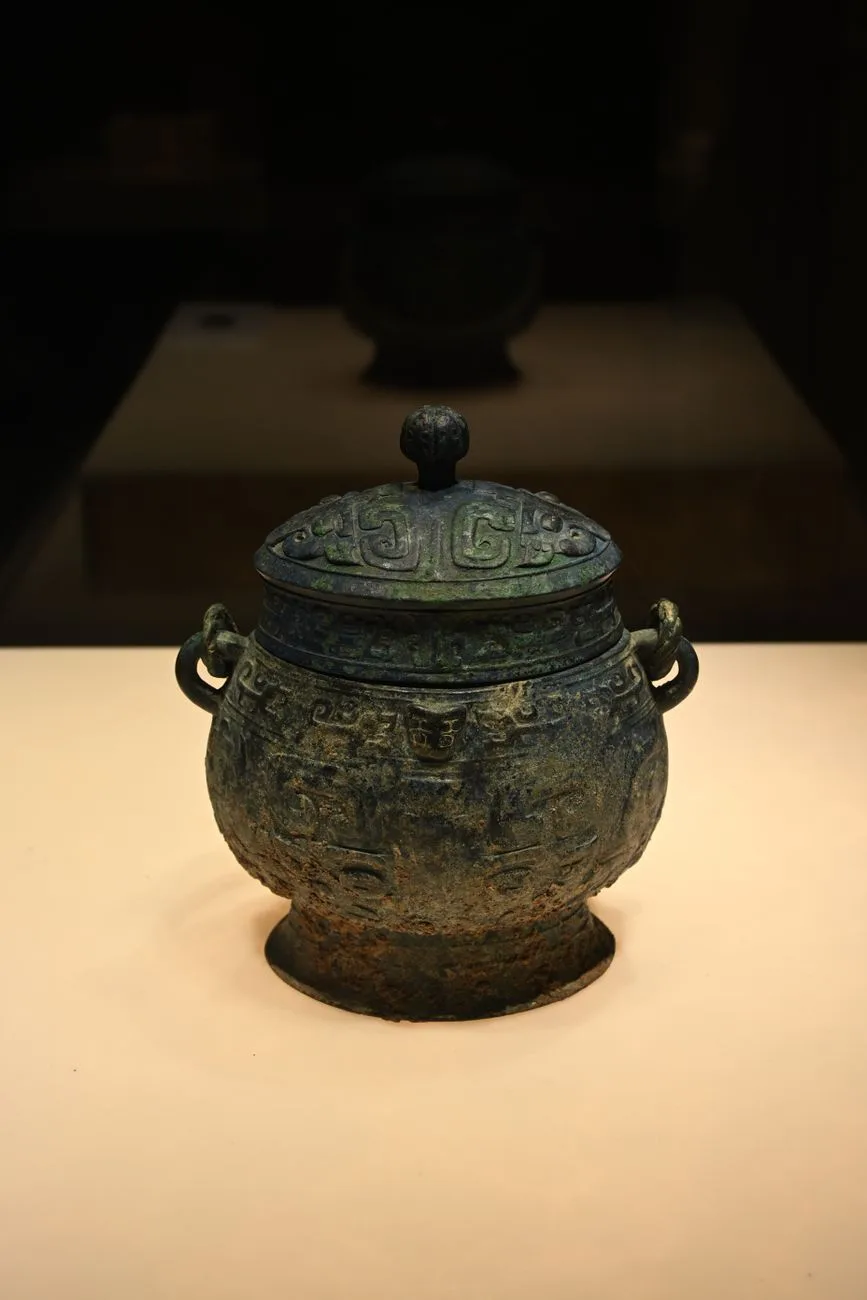
    Ajaran Konfusianisme memberikan bahasa moral pada praktik tersebut. Kitab Analekta mendesak orang yang masih hidup untuk memperhatikan dengan saksama upacara pemakaman dan mengikuti leluhur dari jauh, serta menggambarkan pengorbanan seolah-olah roh-roh hadir. Kitab Ritus dan teks-teks ritual terkait menetapkan tingkatan berkabung, persembahan, dan urutan yang tepat bagi orang mati. Para arkeolog menelusuri kultus leluhur hingga Neolitikum Akhir, dan bejana perunggu Shang dicetak dengan prasasti yang menyebutkan nama leluhur yang kepadanya anggur atau biji-bijian dipersembahkan. Penghormatan adalah kewajiban sekaligus kasih sayang.

    Bejana ritual perunggu Dinasti Shang dengan prasasti yang didedikasikan untuk leluhur.
    Bejana perunggu diberi nama penerima persembahan, menetapkan hubungan tersebut secara tertulis. K ZHAO | Lisensi Pexels (https://www.pexels.com/license/)

    Altar Rumah Tangga

    Di rumah tradisional, sebuah altar kecil menyimpan tablet leluhur — lempengan kayu yang diukir dengan nama dan gelar — yang disusun berdasarkan generasi. Dupa dinyalakan pada hari pertama dan kelima belas bulan lunar, dan pada peringatan kematian. Persembahan dapat berupa teh, anggur, buah-buahan, beras, dan tiga jenis daging, yang disusun secara teratur; anggota keluarga membungkuk atau bersujud sesuai urutan usia. Tablet tersebut bukanlah gambar orang tersebut, tetapi tempat di mana hubungan kekerabatan dapat diungkapkan.

    Waktu ritual mengikuti kalender. Qingming, istilah surya Kecerahan Murni di awal April, adalah hari pembersihan makam besar: kuburan dibersihkan dari gulma, persembahan ditinggalkan, dan uang kertas dibakar. Titik balik musim dingin membawa putaran persembahan lain di banyak rumah tangga Fujian, seringkali dengan tangyuan, bola nasi manis. Selama bulan lunar ketujuh, Festival Hantu memperluas perhatian melampaui kerabat sendiri ke roh-roh yang berkeliaran, dengan pesta komunitas dan patung kertas.

    Aula Silsilah Fujian

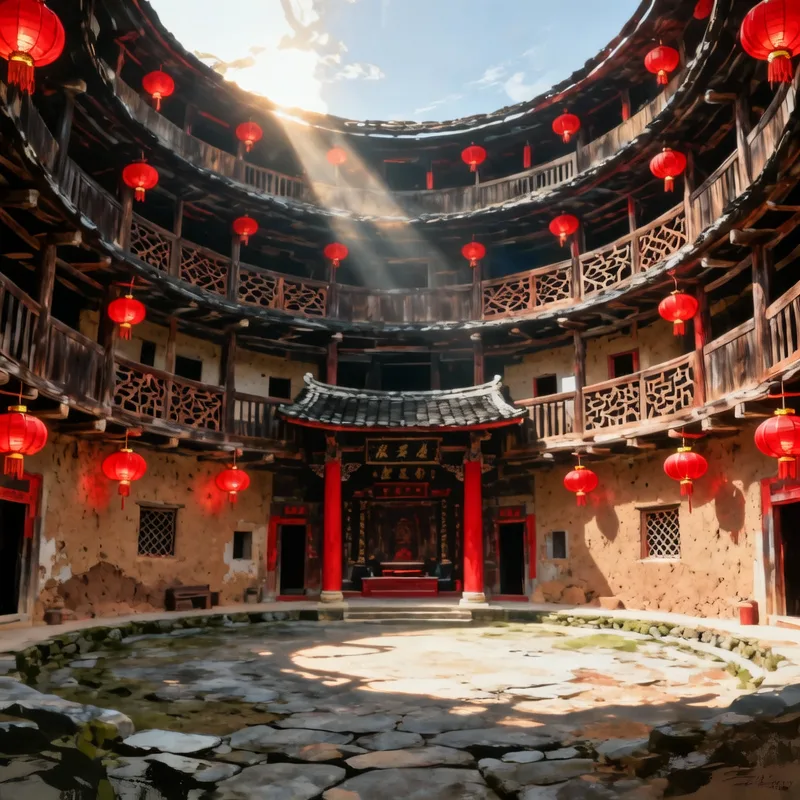
    Tidak ada tempat yang menunjukkan skala sosial sejelas di Fujian. Sejak abad keenam belas, balai silsilah—citang—menyebar melampaui kalangan elit ke desa-desa di seluruh Tiongkok tenggara, dan di daerah asal para emigran, balai-balai ini mendominasi lanskap bangunan. Sebuah balai menyimpan tablet kolektif dari kelompok keluarga, menyimpan silsilah, dan mengelola lahan perusahaan yang pendapatannya digunakan untuk membayar perbaikan, persembahan, dan sekolah. Di dalam beberapa tulou Hakka, rumah komunal besar dari tanah liat di barat daya Fujian, sebuah balai leluhur menempati tempat di dalam lingkaran pertahanan.

    Halaman dalam dan aula leluhur dari rumah komunal tulou tanah liat Fujian.
    Balai silsilah di dalam tulou melayani seluruh klan, bukan hanya satu rumah tangga. Ilustrasi yang dihasilkan AI · SinoViz

    Migrasi dan Kepulangan

    Pantai Fujian mengirimkan migran ke Asia Tenggara sejak akhir periode Qing dan seterusnya, dan ritual leluhur ikut berpindah bersama mereka. Para emigran bergabung dengan perkumpulan keluarga dan membangun balai pertemuan di Singapura, Malaysia, dan Indonesia; kiriman uang digunakan untuk membangun balai pertemuan baru dan memulihkan makam di kampung halaman. Para cendekiawan menggambarkan hubungan ini sebagai jaringan garis keturunan transnasional: kosakata ritual yang sama menghubungkan altar desa, perkumpulan klan di luar negeri, dan pemakaman. Setelah tahun 1980-an, banyak keturunan kembali untuk membangun kembali balai pertemuan, mengubah silsilah menjadi jembatan lintas generasi dan perbatasan.

    • Qingming: pemakaman disapu dan persembahan diletakkan di awal April.
    • Bulan lunar ketujuh: Ritual Festival Hantu untuk roh-roh yang tak bernama
    • Citang: sebuah aula silsilah yang menyimpan prasasti, catatan silsilah, dan arsip perusahaan.
    • Fujian Tulou: Situs Warisan Dunia UNESCO sejak 2008

    Perubahan dan Kontinuitas

    Abad kedua puluh mengganggu sisi kelembagaan. Reformasi agraria dan kolektivisasi merampas pendapatan dari perkebunan turun-temurun, dan selama Revolusi Kebudayaan banyak balai ditutup atau rusak. Sejak tahun 1980-an, inisiatif lokal telah memulihkan bangunan dan menghidupkan kembali ritual, terkadang sebagai wisata warisan budaya dan terkadang sebagai kewajiban keluarga. Praktik ini tetap ada dalam bentuk yang disesuaikan: dupa di rak rumah tangga, makam dibersihkan sebelum Qingming, nama dicatat dalam silsilah yang dibangun kembali. Yang bertahan adalah keyakinan bahwa orang mati tetap menjadi bagian dari tatanan sosial.

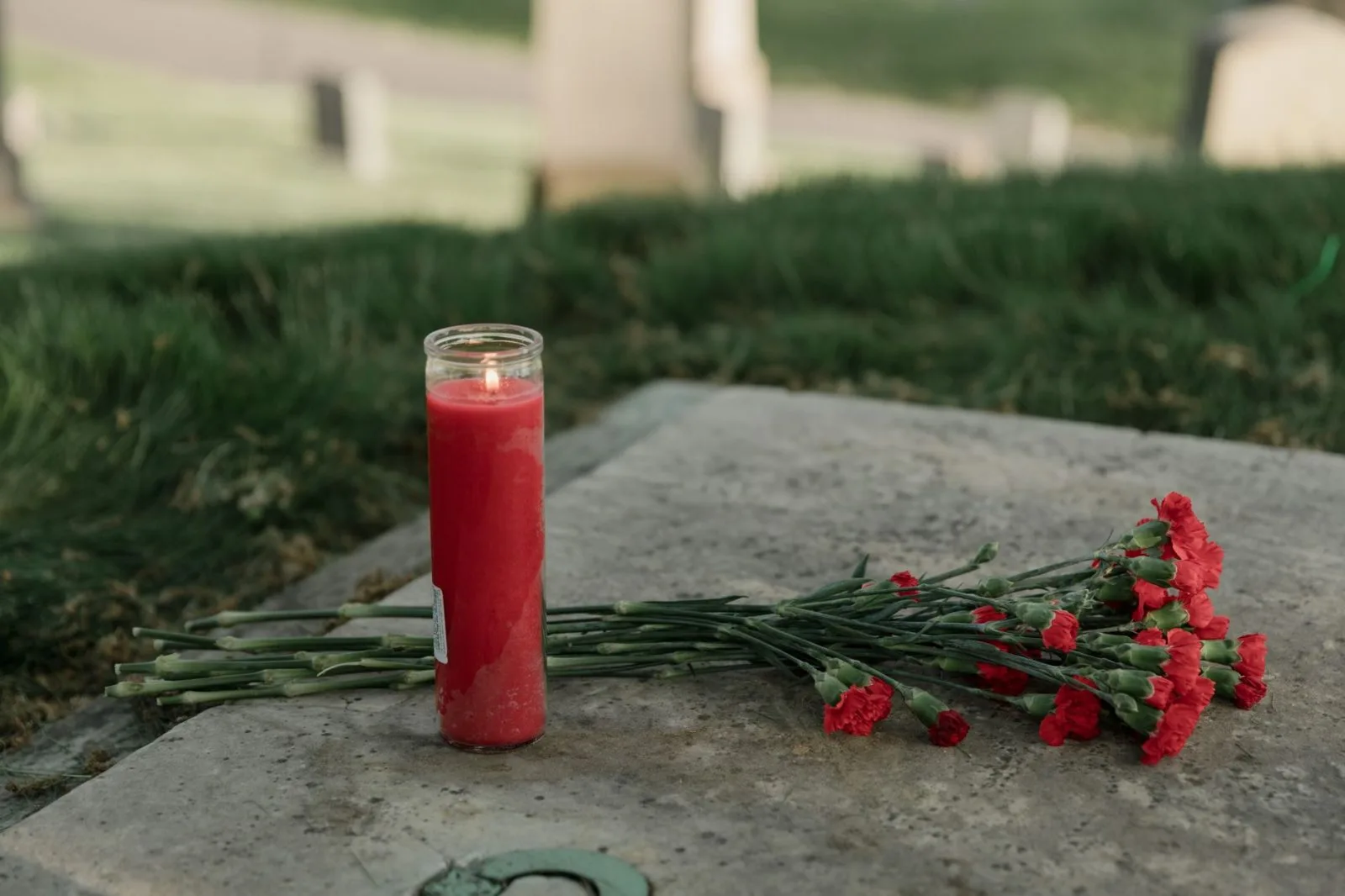
    Anggota keluarga membakar persembahan kertas di sebuah makam selama Qingming di Tiongkok selatan.
    Menggali kuburan dan persembahan tetap menjadi bagian yang paling terlihat dari upacara Qingming. Man Fong Wong | Lisensi Pexels (https://www.pexels.com/license/)
    Prasasti bukanlah potret orang yang telah meninggal. Itu adalah alamat di mana orang yang masih hidup dapat berbicara kepada mereka.

    Sumber & bacaan lebih lanjut

    1. Tiongkok: Kepercayaan agama dan organisasi sosial — Ensiklopedia Britannica.
    2. Fujian Tulou — Pusat Warisan Dunia UNESCO.
    3. Diaspora Tionghoa: Pola Awal Zaman Modern, 1500–1740 — Cambridge University Press.

    Lihat di tempatnya

    Ikuti petunjuk ini ke wilayah yang sesuai.

    Jelajahi melalui Peta

    Ikuti alurnya

    Telusuri entri lain yang memiliki tag yang sama.

    Telusuri tag
  • Porselen

    Kehidupan & Cerita Rakyat

    Porselen

    Clay, fire, and the white of Dehua

    Fujian’s kilns turned local clay into porcelain that travelled across the sea and changed how the world pictured China.

    Bagian
    Kehidupan & Cerita Rakyat
    Wilayah
    Fujian
    Era
    Sepanjang zaman
    Tag
    Customs, History, Scenic Sites

    Porcelain is defined by its body and its firing: a pale, fine clay heated to temperatures that vitrify the material and make it ring when struck. Fujian’s Dehua kilns made a version so white it seemed translucent, known in Europe as blanc de Chine.

    What Makes Porcelain

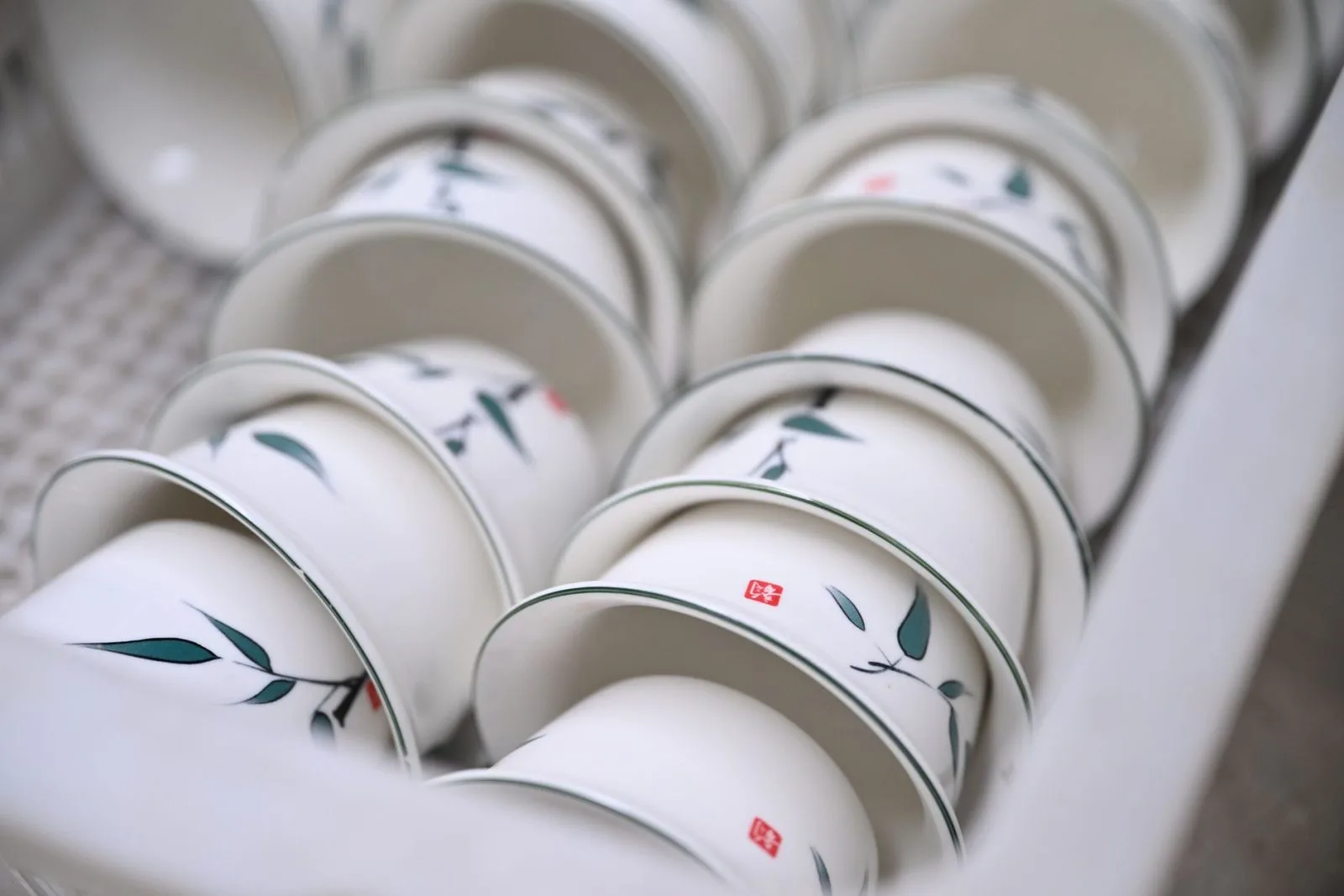
    Porcelain differs from ordinary pottery in both material and firing. Potters use kaolin, a white clay, mixed with feldspar and quartz, then fire the shaped vessel at roughly 1,200 to 1,400 degrees Celsius. At that temperature the body vitrifies: it becomes dense, non-porous, and slightly translucent at the edges. A glassy glaze is usually applied before firing, bonding to the body rather than sitting on it as a separate layer. Chinese potters had reached this threshold by the Tang and Song periods, and Jingdezhen in Jiangxi became the great production centre. The English word china stuck to the ware because the country was the source of the finest examples. A light tap on a good cup gives a clear ring, a quick test that still works in a shop.

    A porcelain bowl with a pale glaze photographed against light
    True porcelain is fired hot enough to vitrify the body, giving it a hard, resonant wall. lee c | Pexels License (https://www.pexels.com/license/)

    Dehua White

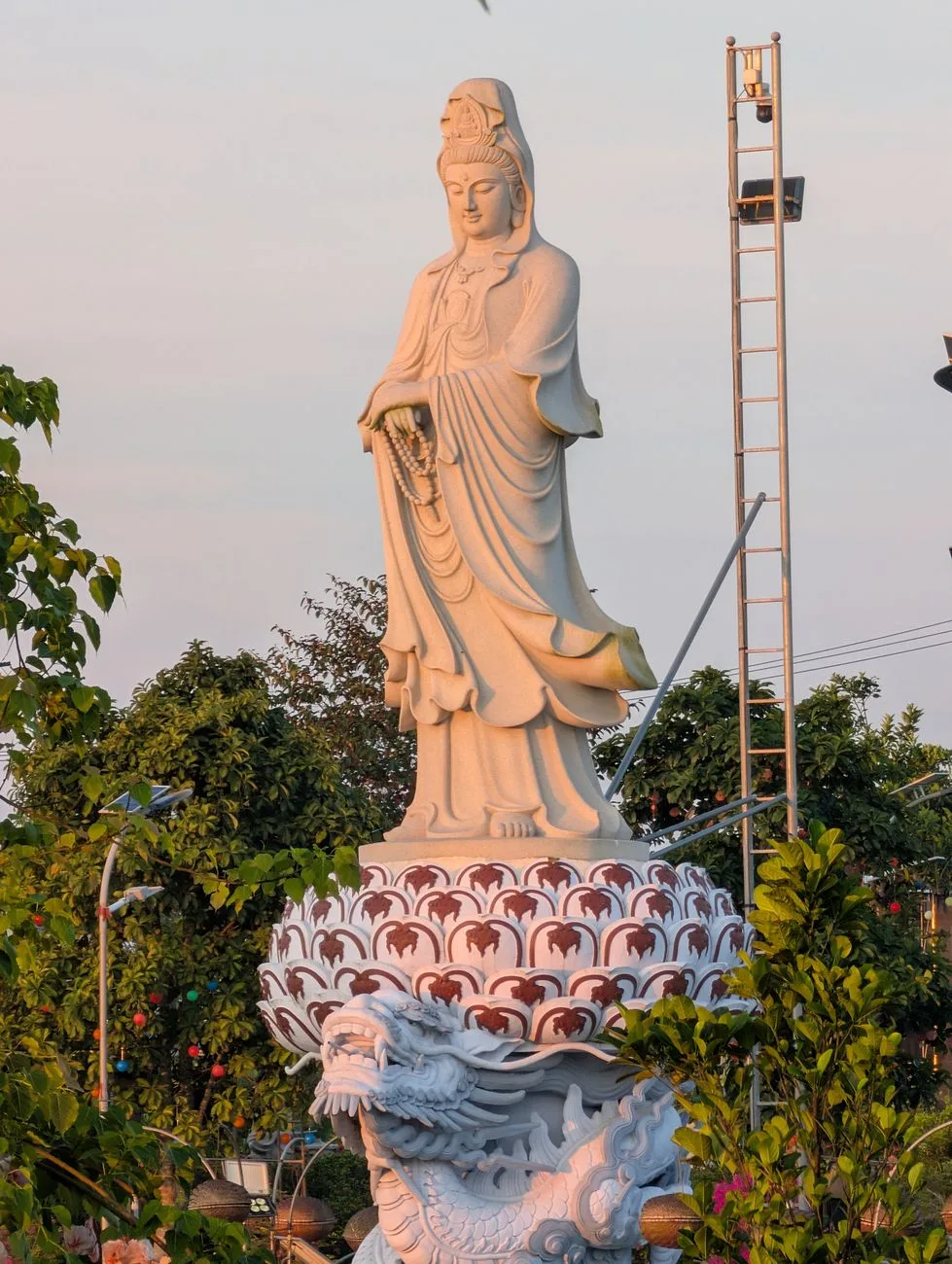
    Dehua, a county in Fujian’s Quanzhou prefecture, developed a white porcelain with a warm, creamy tone. Its clay is low in iron, which lets the glaze fire almost colourless, and its potters mastered figures as well as vessels. From the Ming dynasty onward, Dehua workshops produced small statues of Guanyin, the bodhisattva of compassion, with soft modelling and a smooth, almost waxy surface. European traders called the ware blanc de Chine, and by the seventeenth century it was collected in royal cabinets and copied by potters in Meissen and elsewhere. Tea wares also left the kilns: small cups, gaiwan lids and bowls, and white vessels that showed the colour of tea clearly. Local museums trace the kiln sequence from Song-period celadons through the white wares that made Dehua famous.

    A milky white porcelain figurine of Guanyin from Dehua
    Dehua’s porcelain figures of Guanyin became known in Europe as blanc de Chine. Quý Hoàng | Pexels License (https://www.pexels.com/license/)

    A Port for Porcelain

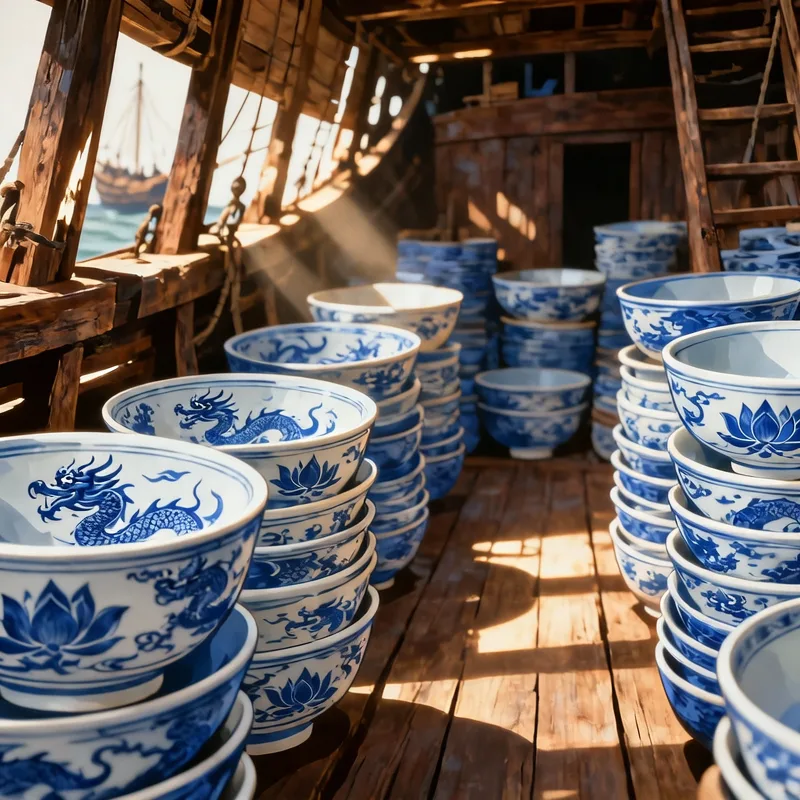
    Porcelain shaped trade as much as taste. Fujian’s coast faced the South China Sea, and Quanzhou became one of the busiest ports of the Song and Yuan dynasties, a place where merchants, monks, and ship crews exchanged goods and techniques. Archaeologists have recovered Chinese ceramics from ports and shipwrecks across Southeast Asia, the Indian Ocean, and East Africa; the fragments are dated by glaze and shape, making them a record of demand as well as production. UNESCO listed Quanzhou in 2021 as an emporium of the world in Song-Yuan China, with surviving mosques and temples. The export ware was not always the finest court piece. Sturdy bowls and jars packed in straw travelled in bulk, reaching households that never saw the kiln but knew the clay by its colour.

    Blue-and-white porcelain packed as cargo in a ship’s hold
    Quanzhou was a major Song and Yuan port from which Fujian ceramics were shipped abroad. Ilustrasi yang dihasilkan AI · SinoViz

    Using and Collecting

    Porcelain entered daily ritual as well as trade. A gaiwan, a bowl with a lid and saucer, is used for brewing tea in northern China; the lid controls the leaves and the saucer protects the fingers. White Dehua cups make the colour of a tea liquor easy to judge. Collectors look for a clean foot ring, an even glaze, and a mark painted on the base, though many imitations copy famous reign marks. Visit a kiln museum in Dehua or a ceramic gallery in Quanzhou to see the sequence from raw clay to finished piece. Handling a cup with a saucer and a steady hand is still the simplest way to understand why this material travelled so far.

    A clear ring and a translucent edge tell you what the fire has done.

    Sumber & bacaan lebih lanjut

    1. Chinese Porcelain — Museum Seni Metropolitan.
    2. Quanzhou: Emporium of the World in Song-Yuan China — Pusat Warisan Dunia UNESCO.
    3. Blanc de Chine — Ensiklopedia Britannica.
    Lihat di tempatnya

    Ikuti petunjuk ini ke wilayah yang sesuai.

    Jelajahi melalui Peta

    Ikuti alurnya

    Telusuri entri lain yang memiliki tag yang sama.

    Telusuri tag
  • Calligraphy

    Kehidupan & Cerita Rakyat

    Calligraphy

    The brush as a record of the hand

    Chinese calligraphy turns writing into an art of pressure, rhythm, and restraint.

    Bagian
    Kehidupan & Cerita Rakyat
    Wilayah
    Shaanxi
    Era
    Sepanjang zaman
    Tag
    Customs, History

    A line of Chinese calligraphy is made once: the brush touches paper, and the mark cannot be corrected. That irreversibility is part of its appeal. In Xi’an, the city’s stone steles preserve the work of centuries of calligraphers in a form anyone can still read.

    The Four Treasures

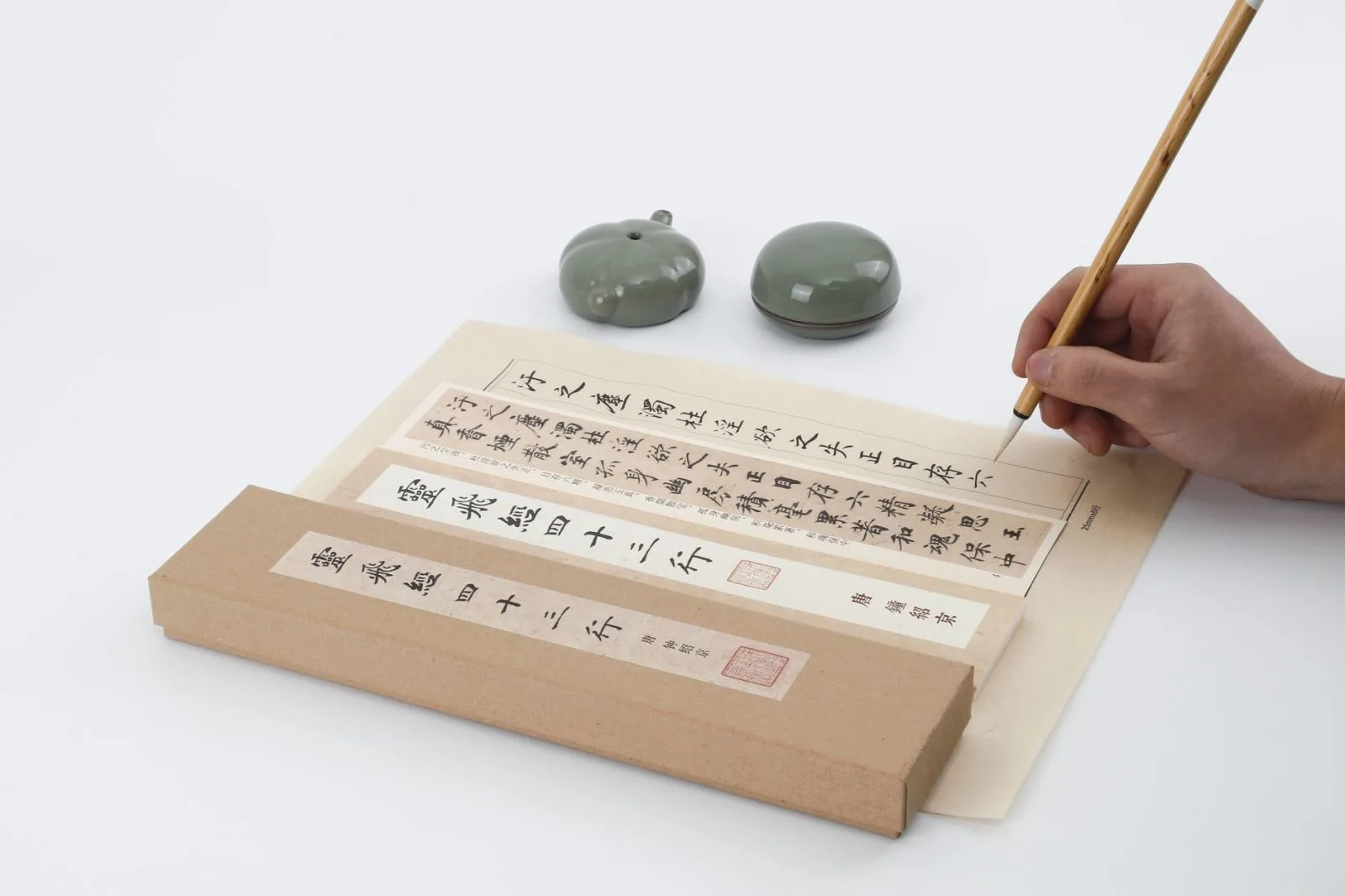
    The tools are known as the Four Treasures of the Study: brush, ink, paper, and inkstone. A brush of animal hair is held upright between thumb and fingers, and pressure makes the stroke swell and thin. Ink comes as a solid stick ground with water on a stone; the density of the mixture changes the character of the line. Paper is absorbent, so hesitation shows as a blot. Practice begins with the basic strokes, then with copying a model character hundreds of times until the hand remembers its proportions. Students still learn by tracing the regular script of Tang dynasty masters such as Yan Zhenqing and Ouyang Xun. The aim is not decorative flourish but control: a steady wrist, an even rhythm, and a line that holds its centre.

    Calligrapher’s brush, ink stick, paper, and inkstone laid on a desk
    Brush, ink, paper, and inkstone are the traditional Four Treasures of the Study. Feng Zou | Pexels License (https://www.pexels.com/license/)

    Scripts and Masters

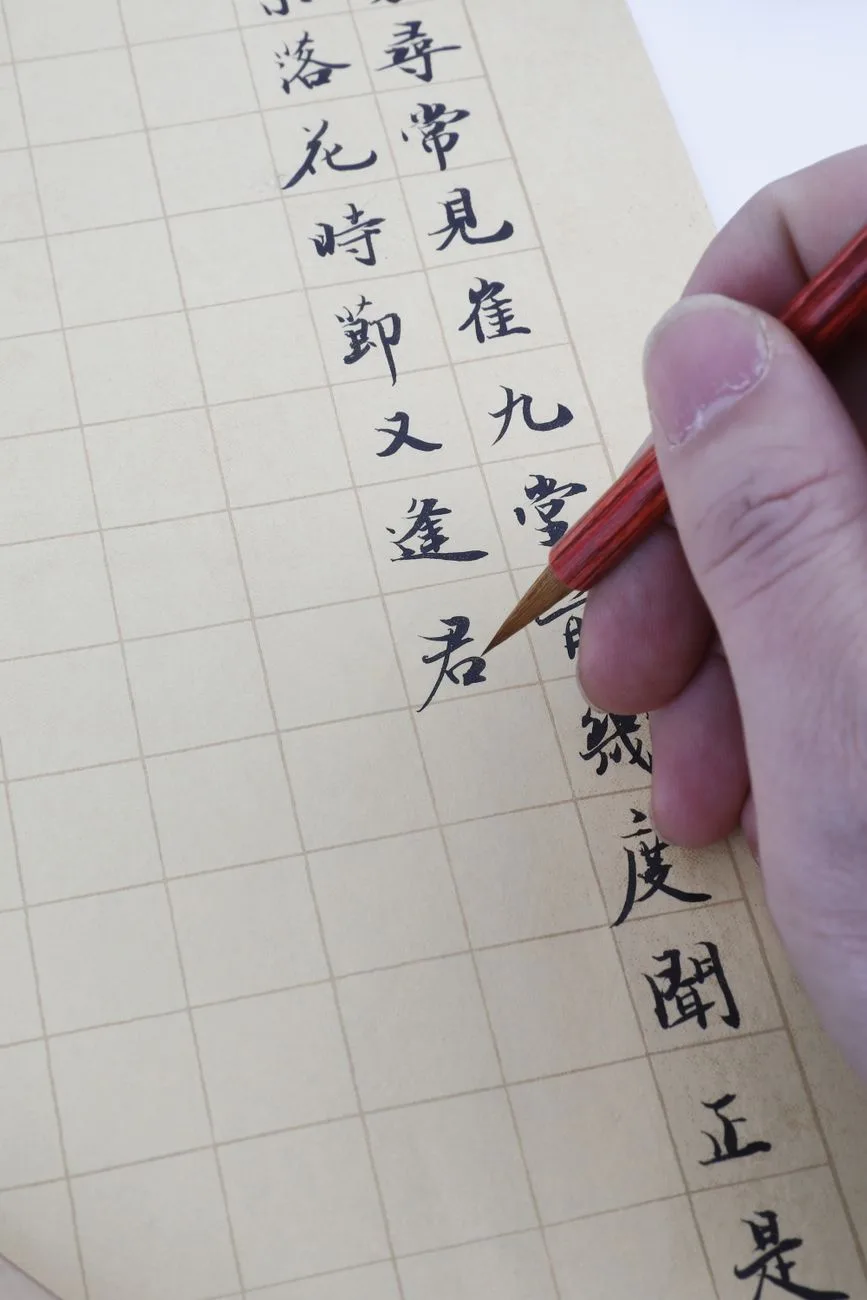
    Chinese writing moved through several scripts, and calligraphers kept them all alive as styles. Seal script, with even, rounded lines, comes from the inscriptions on bronze and stone of the Zhou and Qin periods. Clerical script, formalised in the Han dynasty, flattened characters with a distinctive flared stroke. Regular script, settled by the Tang, is the model still taught in schools; each part of a character sits in a clear frame. Running script links strokes without losing legibility, while cursive script reduces them to rapid, connected gestures. Wang Xizhi’s Lantingji Xu, written in 353, is the famous example of running script; the original is lost, but copies carry its reputation. Later Song and Yuan artists, including Su Shi and Zhao Mengfu, made personal expression as important as correct form.

    Close view of flowing cursive calligraphy on a hanging scroll
    Cursive script compresses characters into gestures that reward slow reading. Feng Zou | Pexels License (https://www.pexels.com/license/)

    Stone Records in Xi’an

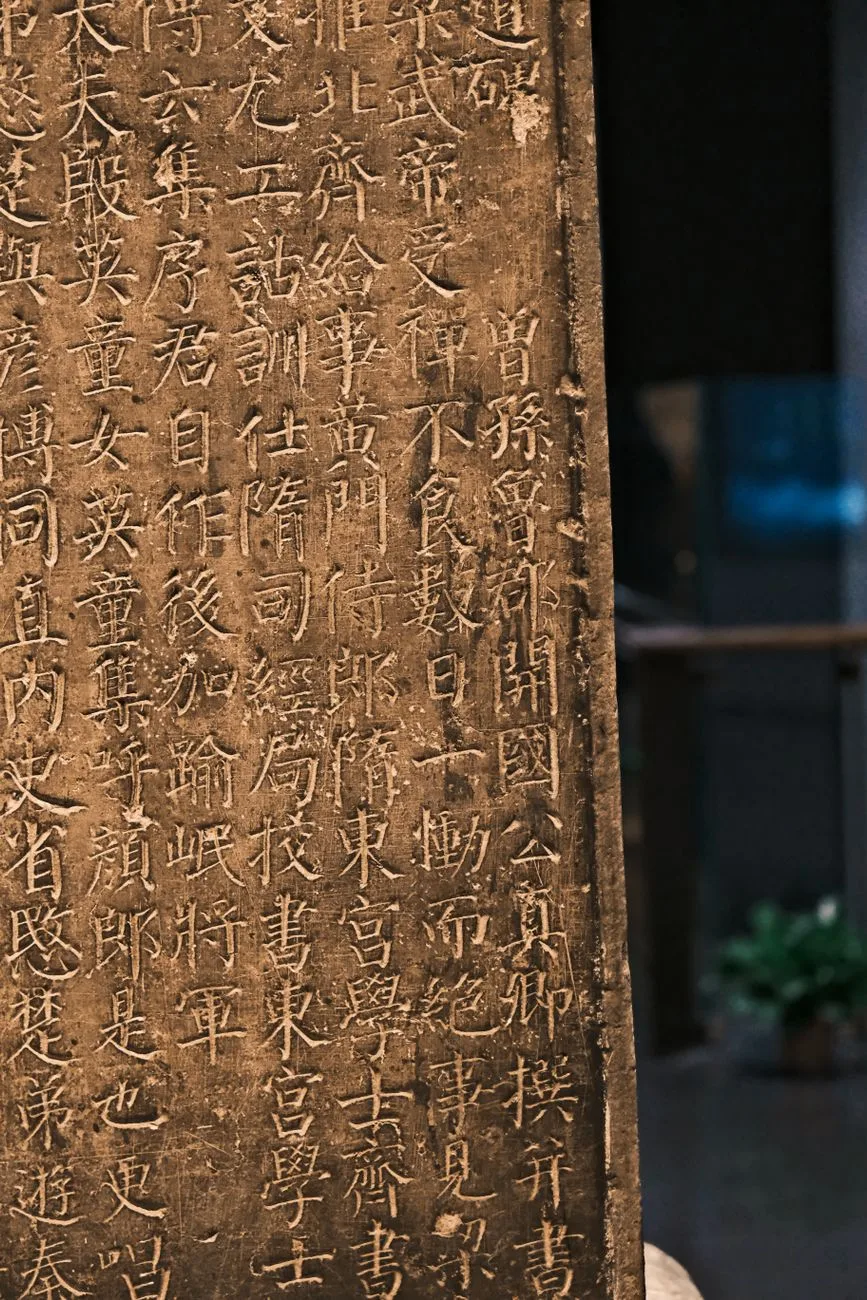
    Xi’an, the former Chang’an, preserves calligraphy on stone at the Beilin Museum, the Forest of Stone Steles. The collection began in 1087, when the Confucian classics were carved onto more than a hundred steles and installed beside the city’s Confucius Temple. Centuries of additions followed: tombstones, imperial edicts, Buddhist texts, and poems cut in several scripts. Rubbing a stele with damp paper and ink was the traditional way to study and circulate a model, and museums still demonstrate the technique. One slab records a Tang emperor’s visit to a Nestorian Christian church; another carries a Song dynasty city diagram. Walking the covered galleries, you can compare the same character written in seal, clerical, and regular forms across a thousand years.

    Rows of carved stone steles at the Beilin Museum in Xi’an
    The Beilin Museum holds thousands of steles, including Confucian classics cut into stone. Lily Lili | Pexels License (https://www.pexels.com/license/)

    Living Practice

    Calligraphy remains a daily practice rather than a museum relic. Around Spring Festival, shops sell red paper couplets, and a single character for good fortune is pasted on doors, sometimes upside down to suggest that fortune has arrived. Temple names, shop signs, and station plaques are often lettered by accomplished hands. Schoolchildren practise copying characters in grid books, and older residents gather in parks to write with large water brushes on the pavement, where the characters dry in minutes. Workshops in Xi’an let visitors try a brush and learn how a stroke begins with a pause and ends with a lift. You need not read every character to see the differences: one script sits square and calm, the next leans and races.

    A stroke begins with a pause and ends with a lift; the paper keeps the record.

    Sumber & bacaan lebih lanjut

    1. Chinese calligraphy — Ensiklopedia Britannica.
    2. Chinese Calligraphy — Museum Seni Metropolitan.
    3. Beilin Museum, Xi’an — China Highlights.

    Lihat di tempatnya

    Ikuti petunjuk ini ke wilayah yang sesuai.

    Jelajahi melalui Peta

    Ikuti alurnya

    Telusuri entri lain yang memiliki tag yang sama.

    Telusuri tag
  • Qingming

    Kehidupan & Cerita Rakyat

    Qingming

    Sweeping tombs, welcoming spring

    Qingming pairs the remembrance of ancestors with the first serious outings of spring.

    Bagian
    Kehidupan & Cerita Rakyat
    Wilayah
    Zhejiang
    Era
    Sepanjang zaman
    Tag
    Customs, Geography

    Qingming arrives around 4 or 5 April, when the sun reaches fifteen degrees of the spring equinox on the traditional solar-term calendar. Its two halves belong together: cleaning a family grave, then walking out into the greening countryside.

    A Solar Term and a Day of Remembrance

    Qingming means clear and bright, a name drawn from the twenty-four solar terms, the calendar that divides the year by the sun’s position. The term falls around 4 or 5 April, when temperatures rise and rain becomes frequent in the lower Yangtze. Families visit ancestral graves to sweep away leaves and weeds, repaint inscriptions, and lay out food, tea, and paper money. Offerings are followed by bows or a few words addressed to the dead. Paper money may be burned in a designated container, depending on local rules. The act is not a celebration of death but a maintenance of family continuity: the dead remain part of the household’s obligations. In Zhejiang, hillside graves make the visit a walk as much as a ritual.

    A family tending a grave with flowers on a hillside in spring
    Tomb sweeping means cleaning the grave, making offerings, and bowing before ancestors. RDNE Stock project | Pexels License (https://www.pexels.com/license/)

    The Cold Food Connection

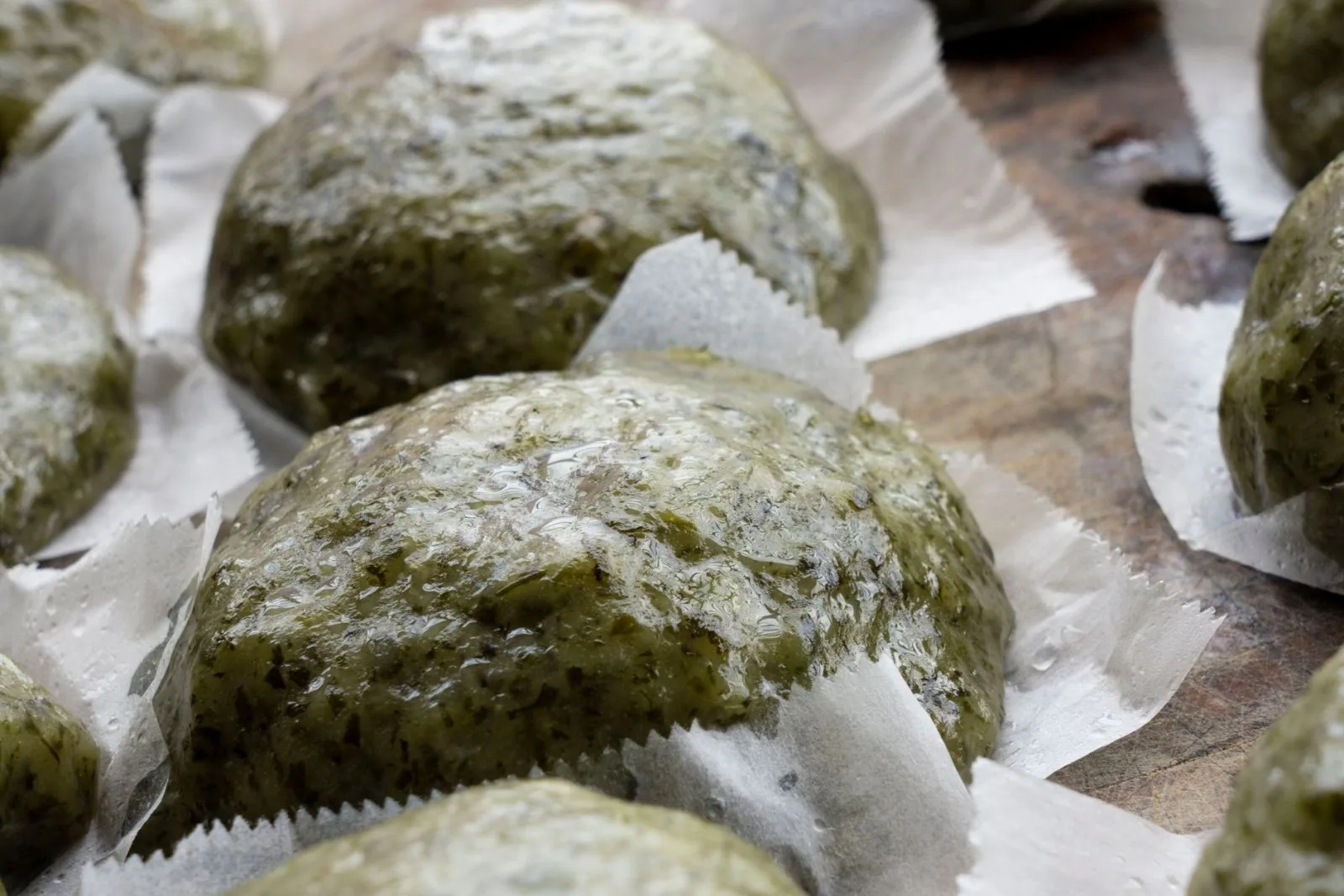
    Earlier custom linked this season with the Cold Food Festival, when fires were forbidden and families ate food prepared in advance. One traditional explanation connects the practice to Jie Zitui, a loyal follower of a Spring and Autumn duke who died in a forest fire; later historians treat the story as one among several local traditions rather than a single origin. In practice, the cold-food element has faded, but special foods remain. In Zhejiang and neighbouring Jiangnan, people eat qingtuan, soft green dumplings made with glutinous rice and mugwort juice, often filled with sweet red bean paste. Their colour comes from the first spring growth, and they are sold in markets for only a short season. Eating one links the memory of the dead to the first green.

    Qingming dumplings and cold food arranged on a table
    Qingming foods in Zhejiang include qingtuan, green rice cakes flavoured with mugwort. Jimmy Liao | Pexels License (https://www.pexels.com/license/)

    Spring Outings in Zhejiang

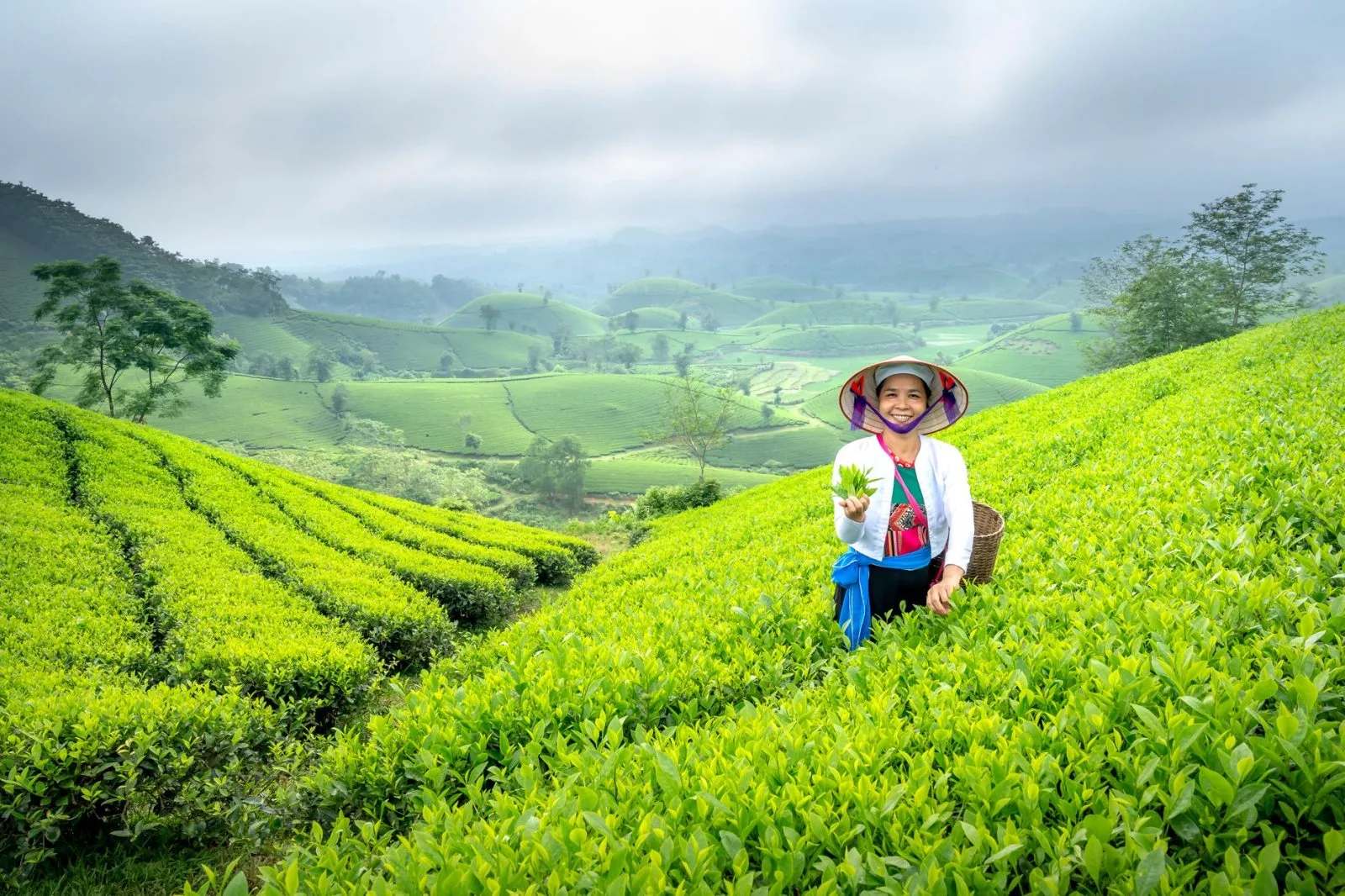
    The second half of Qingming is an outing, known as taqing, when families walk in parks, visit temples, or climb hills. Willow branches were once tucked into hair or hung at doors. In Zhejiang, the festival coincides with the first tea harvest around Hangzhou. Longjing, the tea from the hills near West Lake, is at its most valued when picked before Qingming; the tender buds of pre-Qingming pickings command higher prices. Visitors can see pickers between rows, and lakeside tea houses serve the new leaves. Qingming became a public holiday in 2008, giving the outing a practical boost. Combined with tomb sweeping, the day makes an unusual pair: a visit to the ancestors in the morning, a walk among new leaves in the afternoon.

    Tea pickers gathering early spring leaves in Zhejiang hills
    Pre-Qingming tea from Zhejiang’s hills is prized for its tender leaves. Quang Nguyen Vinh | Pexels License (https://www.pexels.com/license/)

    Poetry and Practice Today

    Qingming has a fixed place in Chinese literature. The Tang poet Du Mu wrote of drizzling rain on the Mourning Day and a traveller asking where wine could be bought, a poem that schoolchildren still memorise. The lines capture the day’s two moods: rain and sorrow, and the impulse to go out despite them. For a visitor, the details matter. Cemeteries can be crowded, so go early and keep to marked paths. Bring water and wear shoes suitable for muddy slopes. In Hangzhou, traffic around West Lake builds by mid-morning, and the metro is simpler than a taxi. Tea villages welcome visitors, but a field is a working crop, not a garden; wait for an invitation before touching the leaves. Respect anyone burning offerings, and never photograph a grave close-up.

    In the morning the family tends the grave; in the afternoon it walks among new leaves.

    Sumber & bacaan lebih lanjut

    1. Dua Puluh Empat Istilah Matahari — Warisan Budaya Takbenda UNESCO.
    2. West Lake Cultural Landscape of Hangzhou — Pusat Warisan Dunia UNESCO.
    3. Qingming Festival — China Highlights.

    Lihat di tempatnya

    Ikuti petunjuk ini ke wilayah yang sesuai.

    Jelajahi melalui Peta

    Ikuti alurnya

    Telusuri entri lain yang memiliki tag yang sama.

    Telusuri tag
  • Dragon Boat Festival

    Kehidupan & Cerita Rakyat

    Dragon Boat Festival

    Racing, rice dumplings, and the fifth moon

    The Dragon Boat Festival joins boat races, sticky rice parcels, and a story of loyalty to a poet.

    Bagian
    Kehidupan & Cerita Rakyat
    Wilayah
    Guangdong
    Era
    Sepanjang zaman
    Tag
    Bea Cukai, Makanan

    Duanwu falls on the fifth day of the fifth lunar month, when the heat of early summer arrives in Guangdong. The holiday is best known for dragon boat racing and zongzi, but its smaller customs reveal as much about how the day is understood.

    Qu Yuan and the River

    The festival is commonly linked to Qu Yuan, a poet and minister of the state of Chu who died in 278 BCE after his advice was rejected and his state fell. Legend says that fishermen raced out in boats to find his body and threw bundles of rice into the river to keep fish from eating it. Historians note that the custom of racing boats and the fifth-month observance existed before this story attached to it; the legend explains a practice rather than creating it. Either way, the pairing of boat and rice dumpling gives the holiday its two enduring symbols. In school lessons and public ceremonies, Qu Yuan is presented as a figure of loyalty and moral independence, a poet whose writing still reads as political dissent.

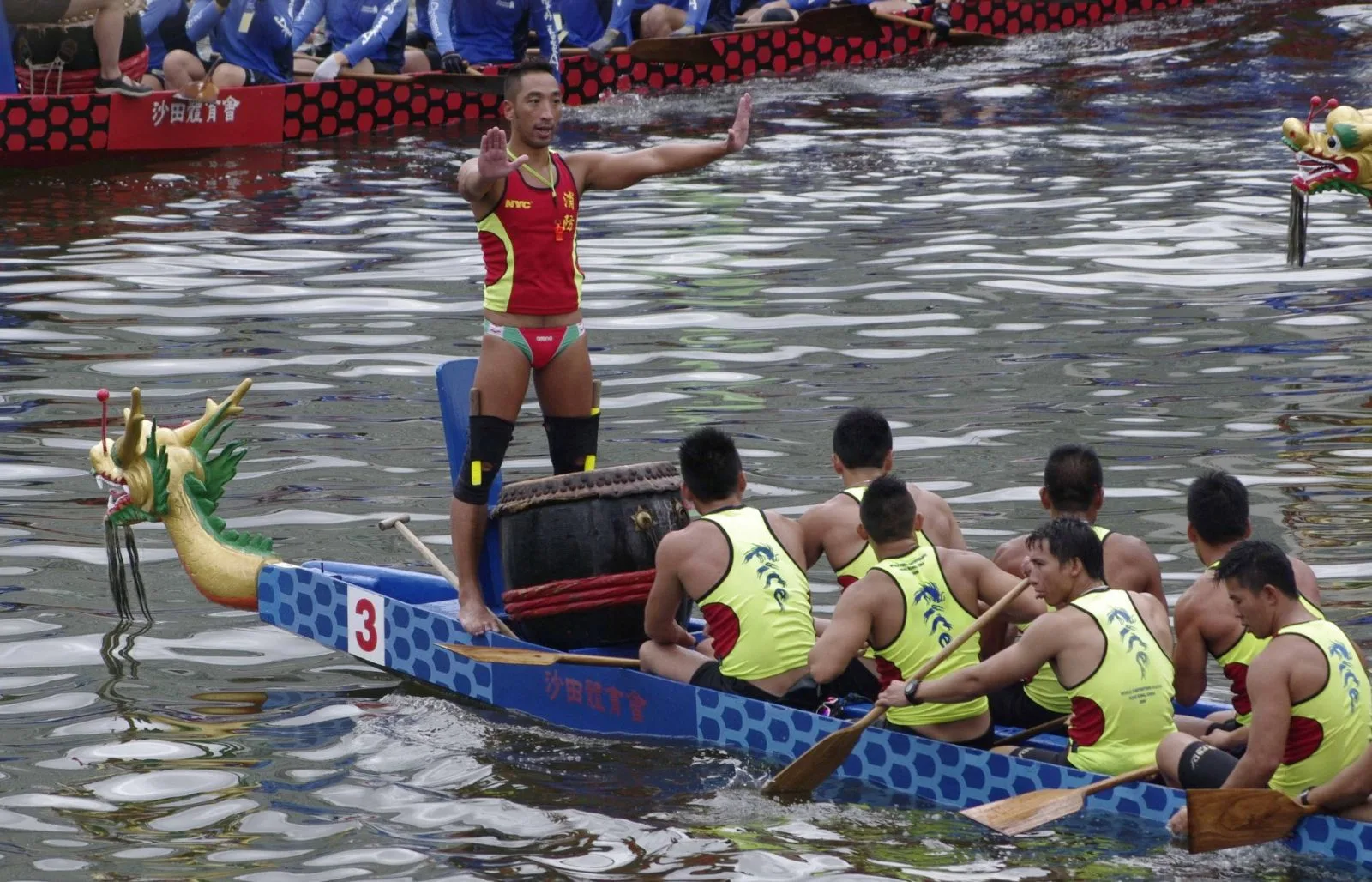
    A dragon boat with a carved head and paddlers in formation
    Dragon boats are painted and carved; crews race to the beat of a drum. Kamus Cheung | Pexels License (https://www.pexels.com/license/)

    Zongzi and Household Charms

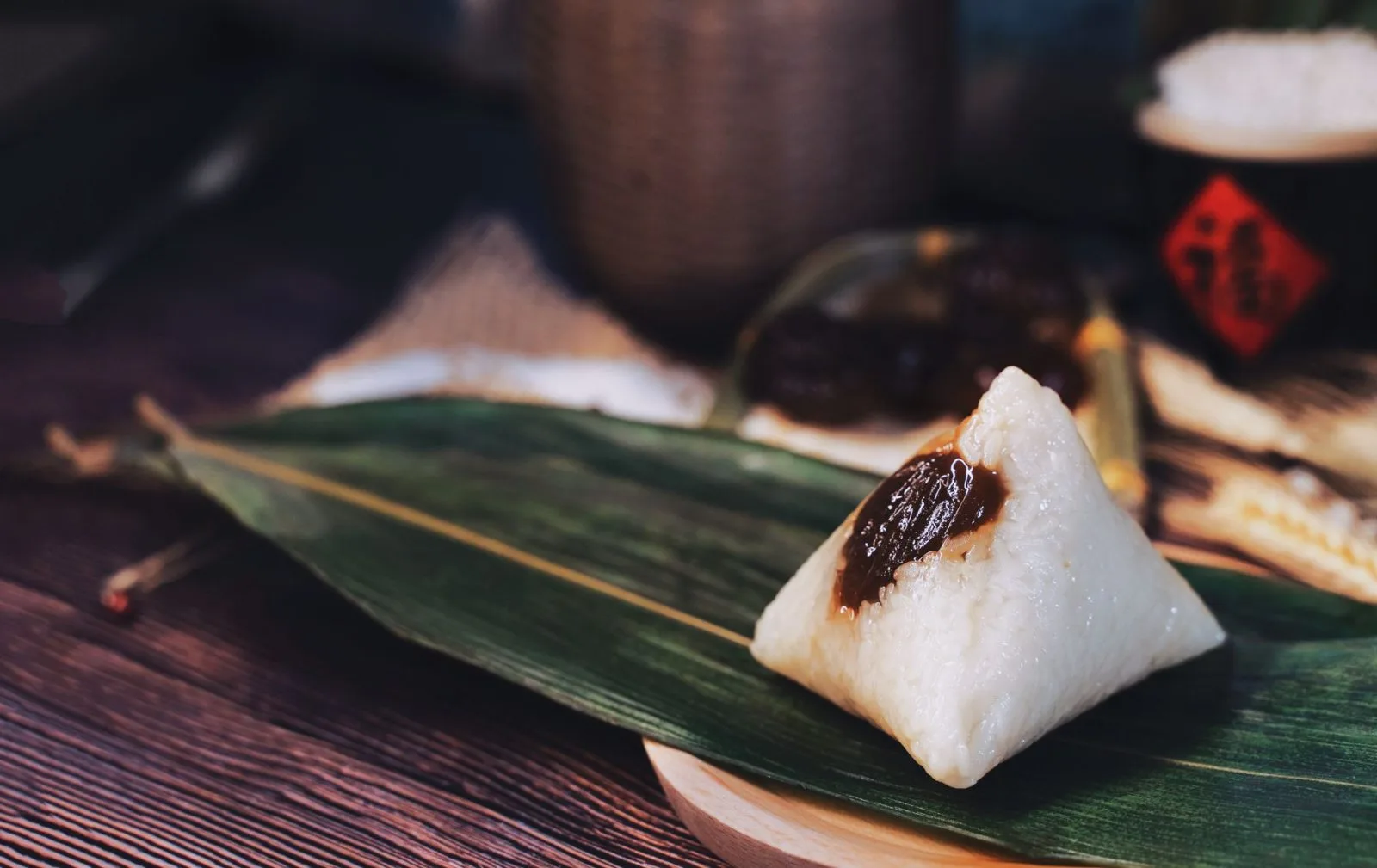
    Zongzi are parcels of glutinous rice wrapped in bamboo or reed leaves and tied with string, then boiled for hours. Fillings vary by region: Guangdong versions may include pork, salted egg, and mushrooms, while northern ones are often sweet with dates or red bean. Families make them in batches and give them to neighbours. The festival also has a protective side. In older practice, people hung mugwort and calamus at doorways to keep away illness and insects and tied five-coloured silk around children’s wrists. Realgar wine, a yellow mixture with a strong smell, was sprinkled around the house or dabbed on a child’s forehead, though modern safety advice discourages drinking it. These acts belong to a time when the fifth moon was thought to carry dampness, snakes, and fever.

    Pyramidal zongzi wrapped in bamboo leaves and tied with string
    Zongzi are filled with sticky rice and tied with string before boiling. zhen tang | Pexels License (https://www.pexels.com/license/)

    Guangdong on the Water

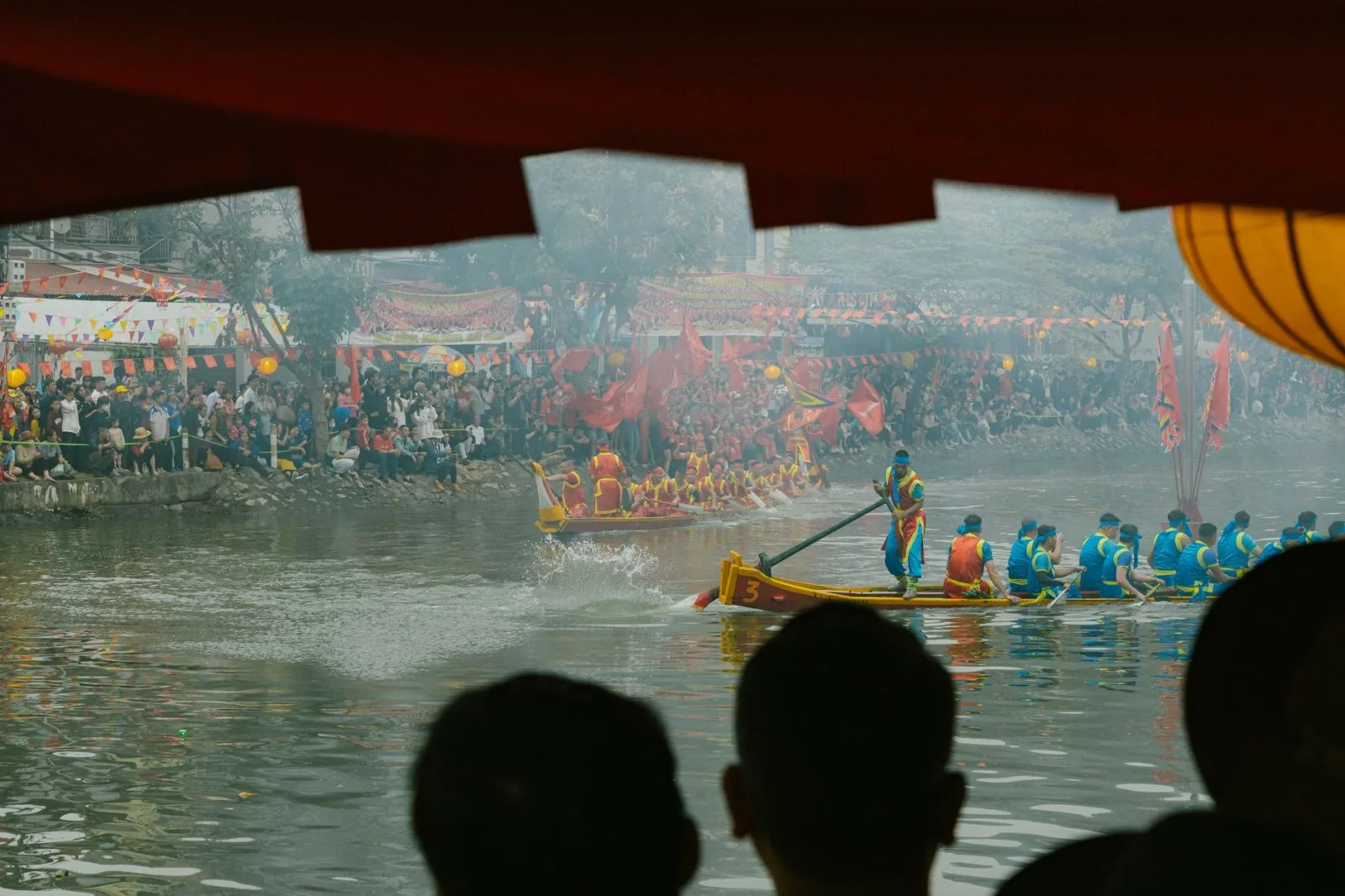
    In Guangdong, dragon boat racing is not a single event but a season. Villages and districts along the Pearl River Delta prepare boats through the spring, then race on rivers and creeks in the weeks around Duanwu. A long narrow boat carries a crew of paddlers, a drummer who sets the stroke, and a helmsman; the painted head and tail give the craft its name. Races are loud, crowded, and local, with teams known by village or temple affiliation. Spectators line bridges and banks, and the best vantage points fill early. The custom was inscribed on UNESCO’s intangible cultural heritage list in 2009. For a visitor, check local listings rather than assuming one central race: events are spread across Guangzhou and Foshan, and dates shift with the lunar calendar.

    Dragon boat crews racing on a Guangdong river before a crowd
    Pearl River Delta races draw village crews and large crowds in the weeks around Duanwu. HONG SON | Pexels License (https://www.pexels.com/license/)

    Observing the Day Today

    Duanwu is an official public holiday, so transport and tourist sites are busy. In Guangdong, the weather is hot and wet by May or June; bring water, a hat, and insect repellent if you plan to watch a race from an open bank. Respect the crews’ space at the water’s edge and do not step onto a boat or touch a drum without being invited. Many families still put mugwort at the door, and zongzi are easy to buy from markets in the days before the holiday. The festival is also an occasion for calling on relatives, though on a smaller scale. For travellers, the pleasure lies in the combination: a public spectacle on the river and a quiet, food-filled custom at home, both tied to the same lunar date.

    The drum sets the stroke, and the village supplies the crew.

    Sumber & bacaan lebih lanjut

    1. Dragon boat festival — Warisan Budaya Takbenda UNESCO.
    2. Dragon Boat Festival — Ensiklopedia Britannica.
    3. Qu Yuan — Ensiklopedia Britannica.
    Lihat di tempatnya

    Ikuti petunjuk ini ke wilayah yang sesuai.

    Jelajahi melalui Peta

    Ikuti alurnya

    Telusuri entri lain yang memiliki tag yang sama.

    Telusuri tag
  • Mid-Autumn Festival

    Kehidupan & Cerita Rakyat

    Mid-Autumn Festival

    Mooncakes under a full moon

    The Mid-Autumn Festival gathers families around the full moon, mooncakes, and a long tradition of watching the night sky.

    Bagian
    Kehidupan & Cerita Rakyat
    Wilayah
    Beijing
    Era
    Sepanjang zaman
    Tag
    Bea Cukai, Makanan

    Falling on the fifteenth day of the eighth lunar month, the Mid-Autumn Festival is a harvest celebration and a family reunion. In Beijing, the holiday is marked in courtyards, parks, and moon-viewing spots that fill after sunset.

    The Date and the Moon

    The festival follows the lunar calendar, so its date moves between early September and early October. The fifteenth day of the eighth month is chosen because the moon should be full, and roundness stands for completeness and family unity. Chinese tradition reads the moon’s surface as the figure of Chang’e, a woman who, in one version of the myth, drank an elixir and rose to live there with a rabbit that pounds medicine. Another story tells of Wu Gang cutting a tree that regrows each time. These tales are not scripture; they are the stories families retell while looking up. Around the festival, parks stay open late and lakes reflect the moon, giving city dwellers a quiet reason to be outdoors after dinner.

    A full moon rising over a Beijing park lake
    The festival falls on the full moon of the eighth lunar month, usually in September or October. marnock | Pexels License (https://www.pexels.com/license/)

    Mooncakes and Their Fillings

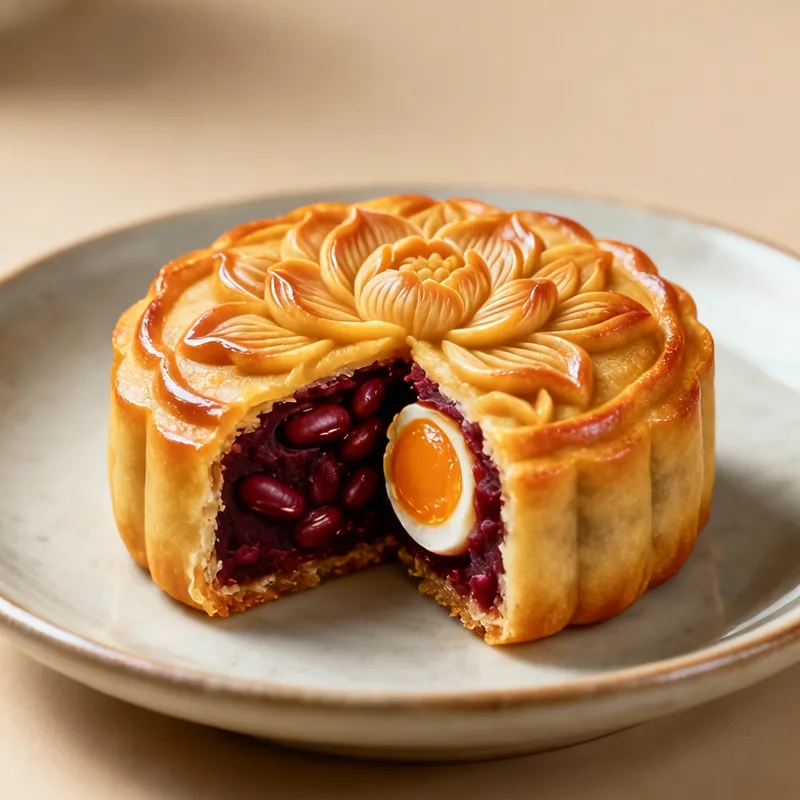
    Mooncakes are small, dense pastries with a thin crust and a heavy filling, traditionally cut into wedges and shared. The round shape echoes the moon, and the top is stamped with a pattern or characters such as longevity or harmony. Cantonese-style cakes often hold lotus seed paste and a salted duck egg yolk, whose yellow centre stands for the moon; other fillings include red bean, five nuts, and preserved fruit. Suzhou-style pastries use flaky layers, while snow-skin mooncakes are chilled and made with a glutinous rice wrapper. Because the cakes are rich, a sliver is usually enough, and tea helps. Prices rise in the weeks before the holiday, and elaborate boxes are made for gifting rather than eating. In Beijing, bakeries sell both traditional versions and small cakes.

    A round mooncake with a stamped pattern cut open to show the filling
    Mooncakes are dense pastries stamped with characters for longevity or harmony. Ilustrasi yang dihasilkan AI · SinoViz

    Beijing After Dark

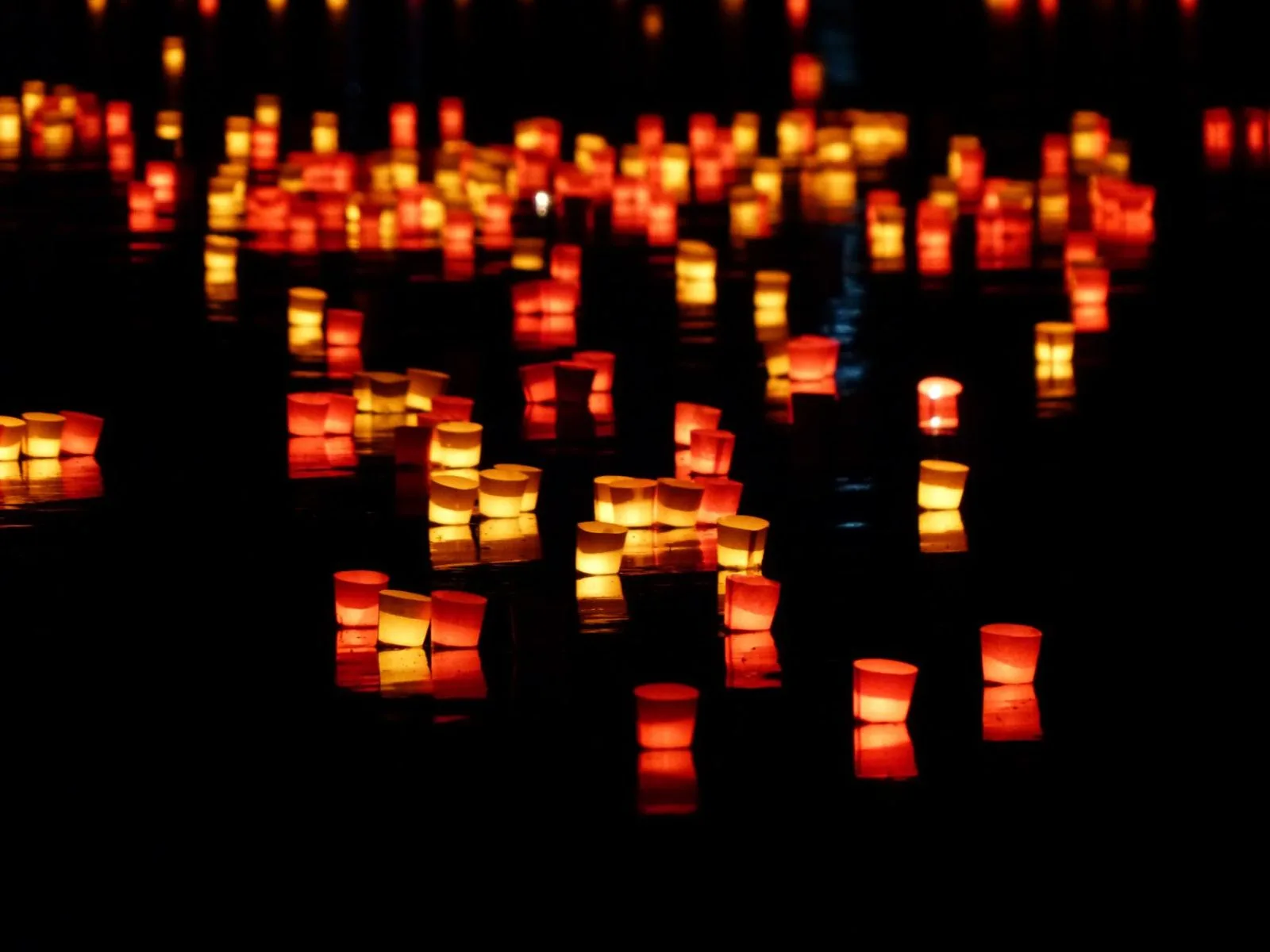
    Beijing’s moon-viewing spots fill quickly after dark. Beihai Park, with its lake and white stupa, and the Summer Palace, with Kunming Lake and the Long Corridor, are classic places to walk and watch the reflection. The Temple of Heaven also draws visitors. Families may light paper lanterns, and children carry them through the lanes; in some neighbourhoods, lantern riddles are posted for anyone who wants to try. Public holiday crowds mean metro stations near the parks stay busy late, so allow time to get back. Camping or bringing a barbecue is not appropriate in these historic grounds. A practical plan is to visit in the late afternoon, walk as the light fades, and take a seat by the water before the moon clears the rooftops.

    Lanterns reflected in a lake at a Beijing park during the Mid-Autumn Festival
    Parks such as Beihai and the Summer Palace draw moon-viewing crowds after sunset. Pixabay | Pexels License (https://www.pexels.com/license/)

    Gifts, Holiday, and Meaning

    Mooncakes are exchanged as gifts, often in boxes of four or six, and carrying a box to a family dinner is normal. The act matters more than the price; a modest cake from a favourite bakery can be more welcome than a lavish tin. Since 2008, the festival has been an official public holiday, reinforcing its role as a reunion, with millions travelling to see relatives. The deeper theme is tuanyuan, reunion, expressed by the circle of the cake and the full moon. Not everyone can be at the table, and the holiday acknowledges that absence as much as presence. If you are invited to a Beijing home, bring the cakes, arrive on time, and expect the evening to centre on a long meal rather than on speeches.

    Roundness carries the argument: a full moon, a round cake, a family gathered in one room.

    Sumber & bacaan lebih lanjut

    1. Mid-Autumn Festival — Ensiklopedia Britannica.

    2. Mid-Autumn Festival — China Highlights.

    Lihat di tempatnya

    Ikuti petunjuk ini ke wilayah yang sesuai.

    Jelajahi melalui Peta

    Ikuti alurnya

    Telusuri entri lain yang memiliki tag yang sama.

    Telusuri tag
  • Chinese Paper Cutting

    Kehidupan & Cerita Rakyat

    Chinese Paper Cutting

    Red paper, folded and cut

    A pair of scissors and a sheet of red paper can carry a whole vocabulary of wishes.

    Bagian
    Kehidupan & Cerita Rakyat
    Wilayah
    Shaanxi
    Era
    Sepanjang zaman
    Tag
    Customs, Ethnic

    Chinese paper cutting, or jianzhi, turns a flat sheet into a pattern of figures, flowers, and characters. Practised for centuries in rural households, it still marks weddings and New Year, and Shaanxi’s bold window designs are among its most recognisable regional forms.

    Origins and Technique

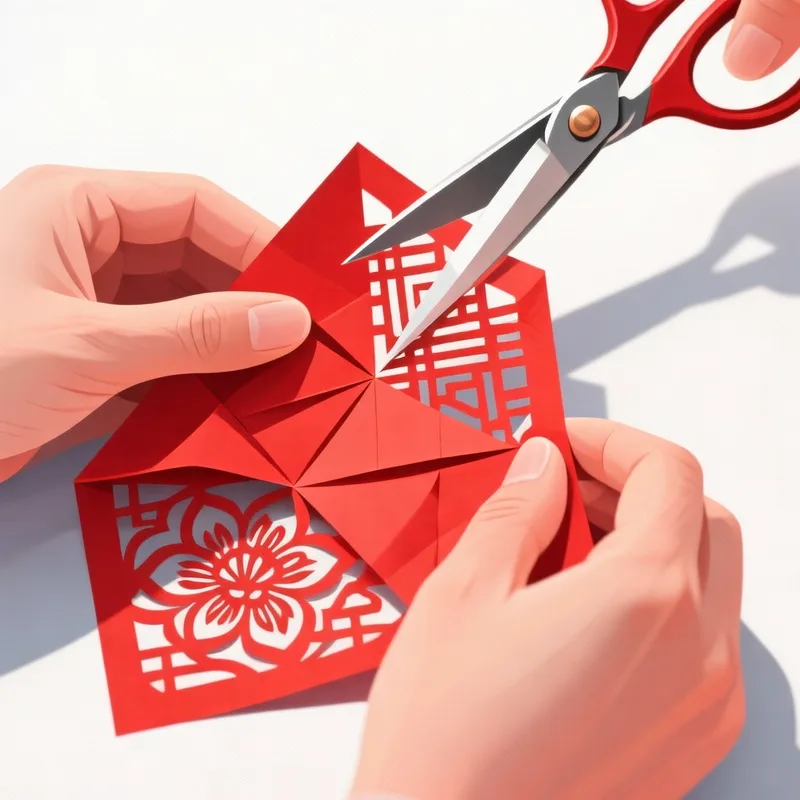
    Paper reached China in the Eastern Han period, and the first cuts followed once the material was cheap enough to experiment with. Early examples were used as offerings and as templates for embroidery; a surviving cut-paper find from the sixth century shows that the technique was established by then. Two methods developed. Scissors cut a folded sheet, creating a mirror-symmetric design with a single sequence of snips. A knife held upright cuts a stack of paper against a wax board, a method suited to finer lines and repeated motifs. Artists draw no outline for many traditional patterns; they cut directly, keeping the connecting threads that stop the design falling apart. The finished piece is light, cheap, and easy to paste on a window or door.

    Hands cutting a red paper design with small scissors
    Folding the paper before cutting produces the symmetrical patterns typical of window decorations. Ilustrasi yang dihasilkan AI · SinoViz

    A Language of Motifs

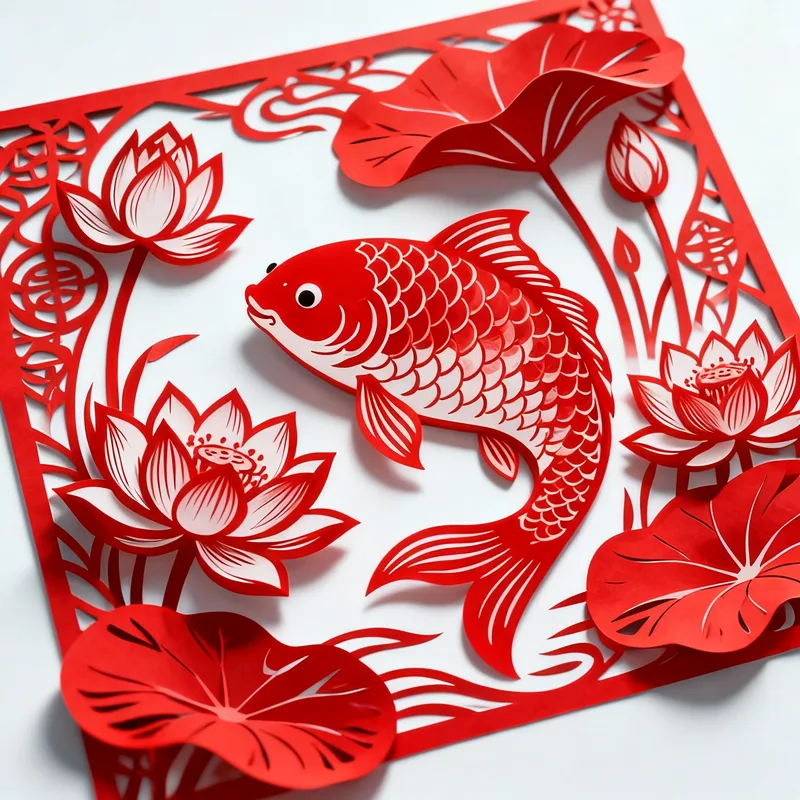
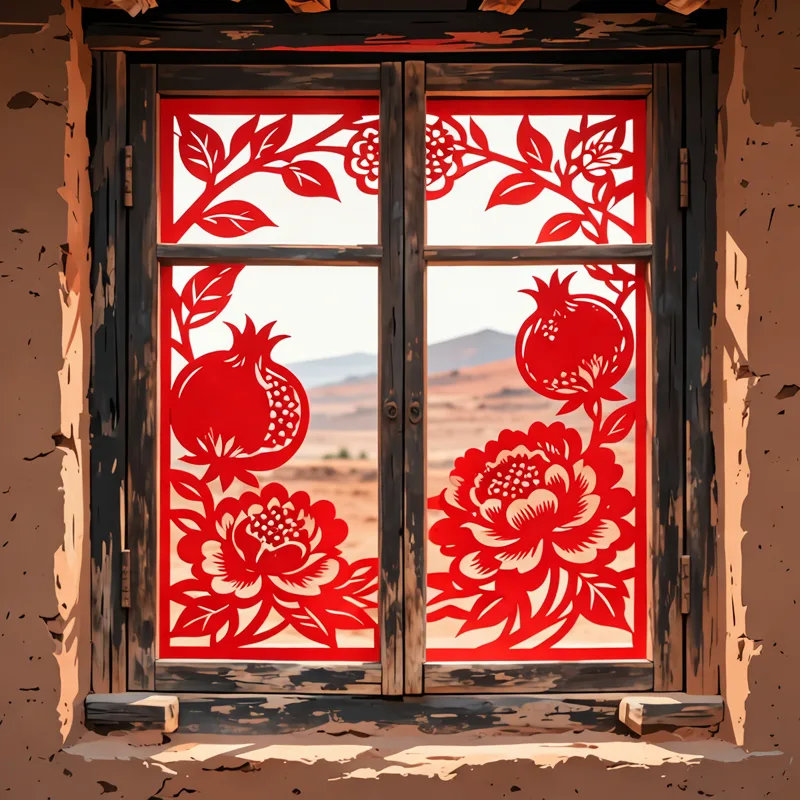
    The images are a system of visual puns. A fish means surplus, because the word for fish sounds like the word for abundance; lotus suggests purity. A pomegranate stands for many children, a bat for good fortune, and a peach for long life. The character fu, meaning good fortune, appears alone or inside a circular design, while shuangxi, double happiness, belongs to weddings. Zodiac animals, opera figures, and scenes of children at play all circulate as patterns. Colour matters as much as shape: red is the default for celebration, while white paper cuts are rarer and tied to older ritual uses. In a Shaanxi village window, the arrangement of these motifs tells a visitor what the household is hoping for in the coming year.

    Red paper-cut window decoration showing a fish and lotus flowers
    Fish and lotus form a rebus for abundance; motifs are chosen for the wish they carry. Ilustrasi yang dihasilkan AI · SinoViz

    Shaanxi Windows

    Paper cutting in Shaanxi is associated with rural life on the Loess Plateau, especially around Yan’an. Windows there were once small and deeply set, so designs favoured bold silhouettes and broad, connected shapes that could be read from across a room. Local artists talk of cutting with the heart rather than measuring with a ruler, and compositions often show figures, animals, and plants together in a single dense frame. Window grilles, or chuanghua, are pasted at New Year and replaced when they fade. Wedding cuts carry double happiness characters and images of fertility; birthday cuts use peaches and cranes. Women were the main practitioners in many villages, passing patterns from mother to daughter, and village fairs still sell sheets cut in the old local style.

    A Shaanxi farmhouse window with bold red paper cutouts
    Shaanxi cuts favour strong silhouettes and broad shapes, designed to read from a distance. Ilustrasi yang dihasilkan AI · SinoViz

    Recognition and Travel

    Chinese paper-cut was inscribed on UNESCO’s Representative List of the Intangible Cultural Heritage of Humanity in 2009, a recognition that named both the craft and the communities that sustain it. The listing does not freeze the art. Contemporary artists cut portraits, cityscapes, and political images with the same tools, and paper cuts appear in graphic design and animation. For a visitor, the appeal is that the work is easy to find and easy to try. Museum shops sell small sheets, market stalls sell single motifs, and workshops in Xi’an and rural Shaanxi teach the basic fold-and-cut method in an hour. Bring a sharp pair of scissors and practice on cheap red paper before attempting a detailed pattern. A finished cut pasted on glass changes with the light.

    The pattern holds together because the cutter leaves just enough paper between the lines.

    Sumber & bacaan lebih lanjut

    1. Chinese paper-cut — Warisan Budaya Takbenda UNESCO.
    2. Chinese Paper Cutting — China Highlights.
    3. Paper cutting — Ensiklopedia Britannica.
    Lihat di tempatnya

    Ikuti petunjuk ini ke wilayah yang sesuai.

    Jelajahi melalui Peta

    Ikuti alurnya

    Telusuri entri lain yang memiliki tag yang sama.

    Telusuri tag
  • Cantonese Cuisine

    Kehidupan & Cerita Rakyat

    Cantonese Cuisine

    Steam, Wok Heat, and Coastal Markets

    Guangdong cooking turns local seafood and temple fair foods into a refined restaurant tradition.

    Bagian
    Kehidupan & Cerita Rakyat
    Wilayah
    Guangdong
    Era
    Sepanjang zaman
    Tag
    Food, Geography

    Cantonese cuisine is the cooking of Guangdong and its diaspora, built on river deltas, coastal markets, and the heat of the wok. Its best-known dishes—roast goose, dim sum, and steamed fish—sit beside home-style soups and street snacks.

    The Pearl River Pantry

    The Pearl River Delta gave Cantonese cooking an unusually broad pantry. Rice grows in the lowlands, fish and shellfish come from the estuary, and hills behind Guangzhou supply vegetables, pork, and poultry. Guangzhou was a major port under the Tang and again after European traders arrived in the seventeenth and eighteenth centuries. Merchants, officials, and temple fairs supported restaurants that could pay for skilled chefs. By the Qing period, Guangzhou’s tea houses served small plates known as dim sum through the morning and midday. Emigrants from Guangdong later carried these dishes to Southeast Asia, North America, and Europe, adapting them to local supplies.

    Bamboo steamers filled with dim sum
    Dim sum developed in the teahouses of Guangzhou and spread with Cantonese migration. parveen tasud | Pexels License (https://www.pexels.com/license/)

    Wok Hei and the Roast House

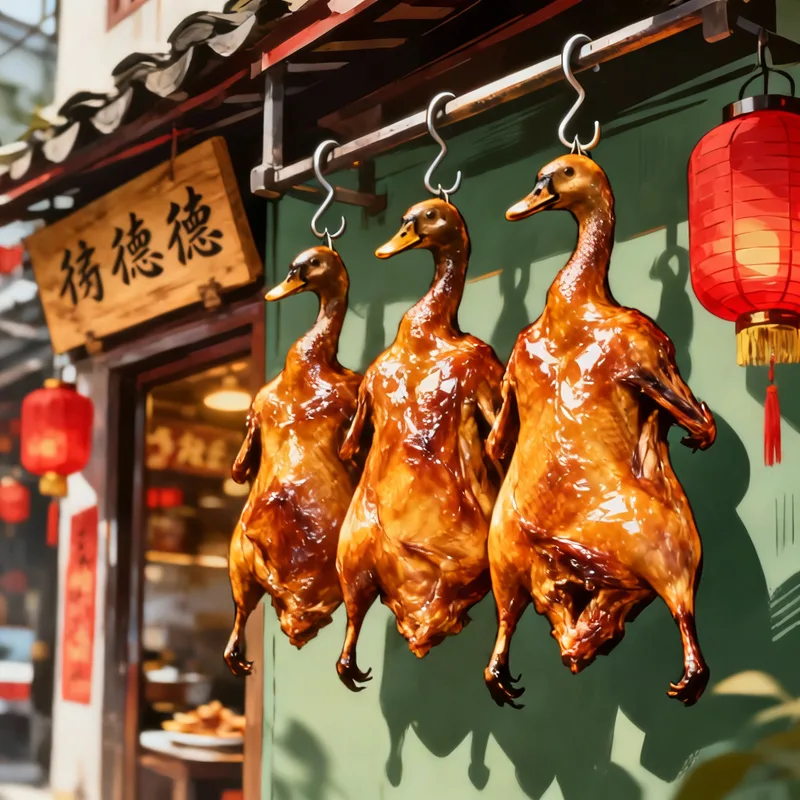
    Cantonese stir-frying depends on wok hei, the barely definable aroma produced when hot oil, vapours, and food meet a very hot wok. Chefs toss ingredients to keep them moving and prevent scorching; sauces are added late, often with cornstarch to give a light coating. Roasting is another speciality. Guangzhou-style white-cut chicken is poached and served with ginger and spring onion, while roast goose from Shunde is glazed, air-dried, and hung in a brick oven until the skin blisters. Char siu pork is marinated with honey and red fermented bean curd, then roasted with sugar caramelising at the edges.

    Roast geese hung to dry before roasting outside a Shunde restaurant
    Air-drying the skin is a key step in Shunde’s roast goose. Ilustrasi yang dihasilkan AI · SinoViz

    Dim Sum and Morning Ritual

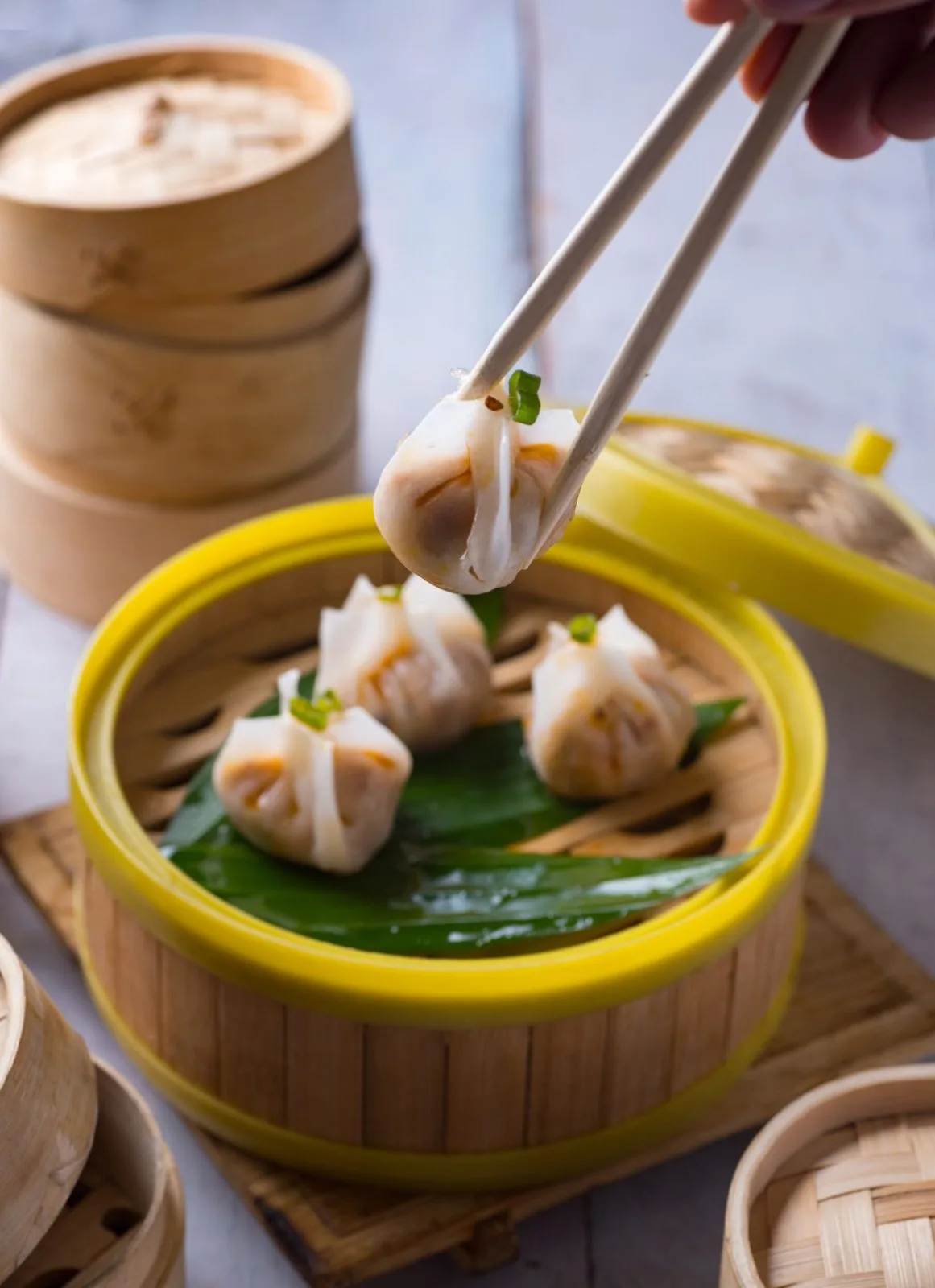
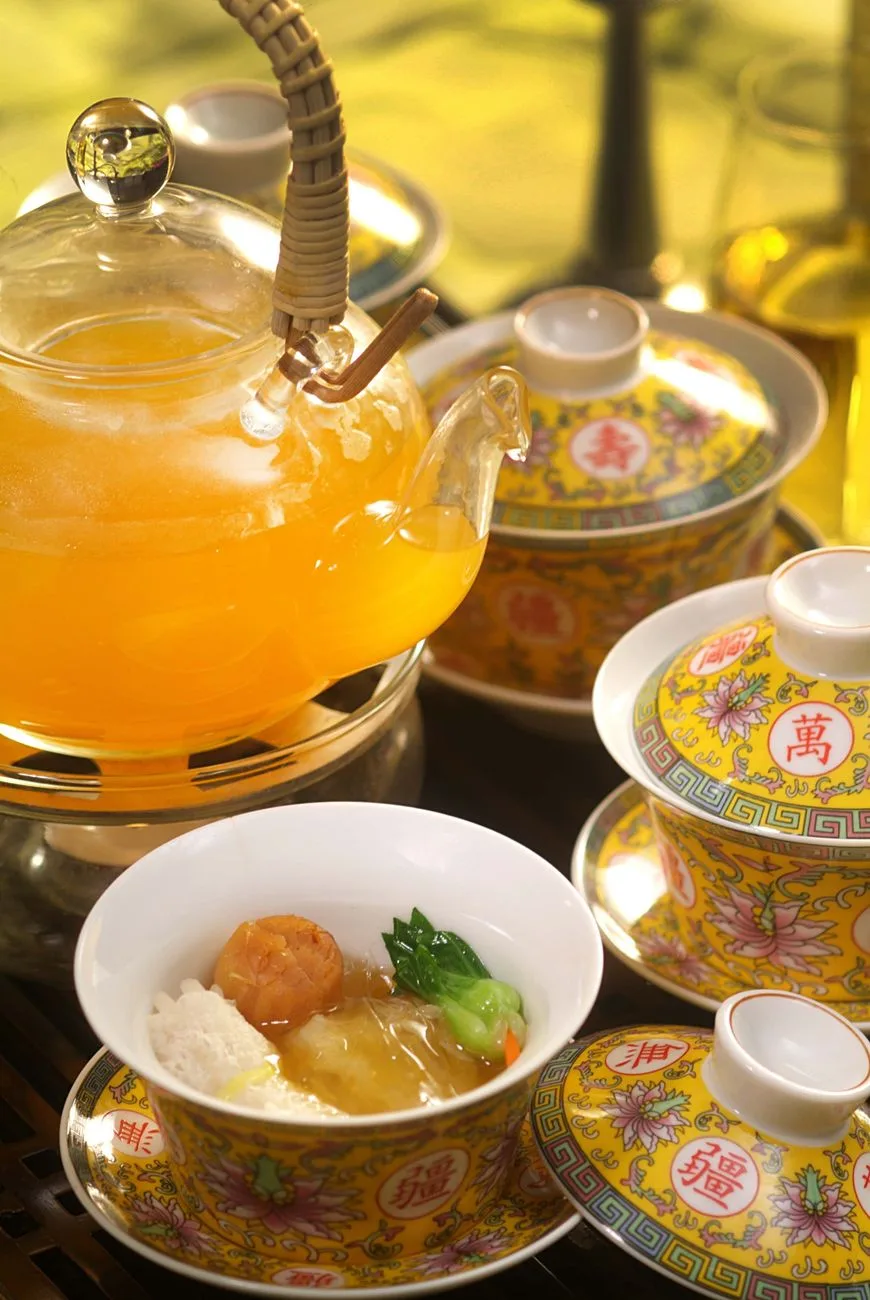
    Dim sum means a light snack, but in Cantonese practice it describes a meal of small portions ordered from trolleys or a paper card. Har gow wrap shrimp in a translucent wheat-starch skin; siu mai open-topped dumplings hold pork and shrimp; char siu bao are soft steamed buns with sweet roast-pork filling. Cheung fun are broad rice-noodle sheets rolled around shrimp, pork, or beef and dressed in soy sauce. Tea accompanies the meal, and the old custom of tapping a pot’s lid to signal for a refill is still performed, though younger diners may simply ask. The ritual is social as much as culinary, filling teahouses from early morning.

    • Har gow with translucent shrimp filling
    • Siu mai topped with a single shrimp
    • Cheung fun rice rolls with soy dressing
    • Egg tarts adapted from British custard pastry
    A trolley of bamboo steamers and tea pots beside a crowded Guangzhou dining room
    A dim sum meal is ordered in small dishes and shared across the table. minchephoto photography | Pexels License (https://www.pexels.com/license/)

    Regional Range and Diaspora

    Cantonese food is not one style. Shunde is known for delicate dairy desserts and fish dishes, Chaozhou nearby has a separate tradition of braised goose, seafood, and strong oolong tea, and Hakka communities in the hills favour preserved vegetables and stuffed tofu. Teochew and Hainanese migrants carried their own versions abroad. In Chinatowns from San Francisco to Singapore, Cantonese restaurants adapted to local tastes while keeping techniques such as steaming, roasting, and long simmered double-boiled soups. The resulting cuisines are mixed, but they preserve a central idea: fresh ingredients, precise heat, and a sauce that supports rather than hides them.

    Cantonese cooking asks a wok to do in seconds what other traditions give hours of stewing.

    Sumber & bacaan lebih lanjut

    1. Chinese Cuisine — Ensiklopedia Britannica.
    2. Cantonese cuisine — Ensiklopedia Britannica.
    3. Guangzhou — Pusat Warisan Dunia UNESCO.

    Lihat di tempatnya

    Ikuti petunjuk ini ke wilayah yang sesuai.

    Jelajahi melalui Peta

    Ikuti alurnya

    Telusuri entri lain yang memiliki tag yang sama.

    Telusuri tag