الوسم: طعام

  • مهرجان الفوانيس

    الحياة والفولكلور

    مهرجان الفوانيس

    Lights on the Fifteenth Night

    The fifteenth night of the first lunar month closes the New Year with lanterns and sweet rice balls.

    قسم
    الحياة والفولكلور
    منطقة
    بكين
    عصر
    عبر العصور
    الوسوم
    الجمارك، الغذاء

    The Lantern Festival falls on the fifteenth day of the first lunar month, the first full moon of the year. Lanterns, night markets, riddles, and tangyuan rice balls mark the end of the New Year period.

    Origins in Calendar and Court

    The festival’s date follows the lunar calendar, so its Gregorian date changes each year. Several origins are cited. Emperor Wen of Han is said to have declared a public holiday around 180 BCE after defeating the Lü clan, while the Eastern Han emperor Ming promoted lantern displays in the first century CE as Buddhism spread. Daoist tradition associated the day with the heavenly official who grants blessings. By the Tang dynasty, the festival had become a major urban occasion: court records describe vast lantern displays in Chang’an and Luoyang, and the poet Su Weidao wrote of night markets bright as day. The Tang court relaxed curfew so people could view the lights.
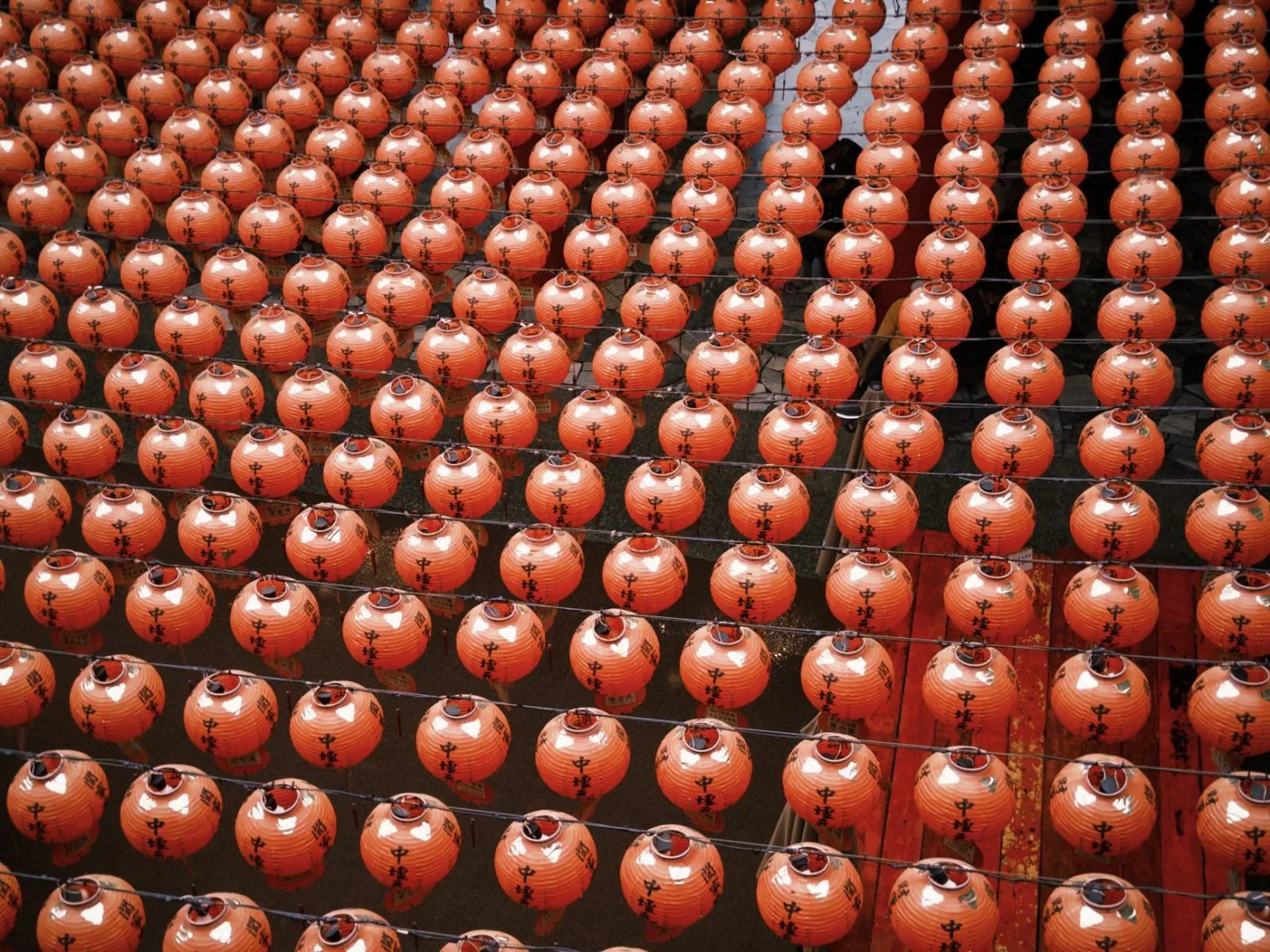
    Rows of illuminated red lanterns hanging along a street during a night festival
    Tang cities relaxed curfew so residents could walk among the lanterns at night. zack ZHUO | Pexels License (https://www.pexels.com/license/)

    Riddles, Lions, and Processions

    Lantern riddles are written on slips attached to the lamps; solving one is a small test of wordplay and classical learning. Lion dances, dragon dances, and walking-on-stilts performances draw crowds in the streets, with local troupes competing for space and applause. In some places, people carry lanterns representing animals or characters, and children pull small lanterns on sticks. Beijing’s temple fairs once gathered vendors, performers, and visitors around temple courtyards; today the festival is also marked in parks and commercial districts. Taiwan is known for large lantern festivals and elaborate installations, while Nanjing has long been associated with elaborate lantern craft along the Qinhuai River.
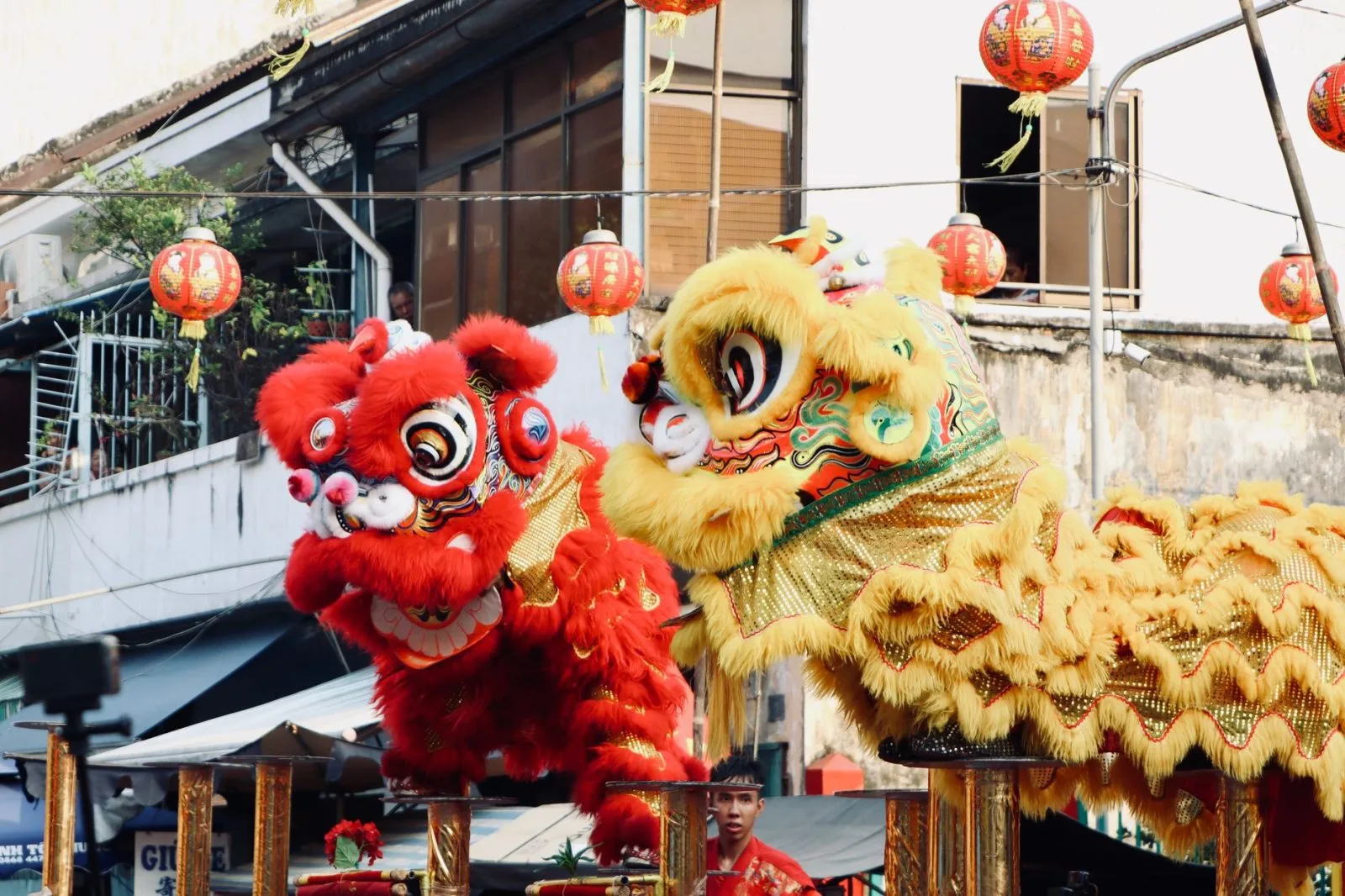
    A lion dance troupe leaping beneath hanging lanterns during a street celebration
    Processions and lion dances turn the festival into a public performance. Pham Huynh Tuan Vy | Pexels License (https://www.pexels.com/license/)

    Tangyuan and the Taste of Reunion

    The festival food is tangyuan in southern China and often yuanxiao in the north, both made from glutinous rice flour around a sweet filling. The names and methods differ: southern cooks wrap a soft dough around filling, while northern cooks may roll moistened filling in dry rice flour in repeated layers. Fillings include black sesame paste, red bean, peanut, and osmanthus sugar. The round shape suggests family unity, and the bowls are shared after the evening’s walk. In Ningbo, black-sesame tangyuan are a local speciality; in Shanghai and Suzhou they are sold from neighbourhood shops. Sweet rice wine and small glutinous balls are also served in some regions.

    • Black sesame, red bean, and peanut fillings
    • Southern wrapped tangyuan and northern rolled yuanxiao
    • Lantern riddles attached to public displays
    • Dragon and lion processions after dark
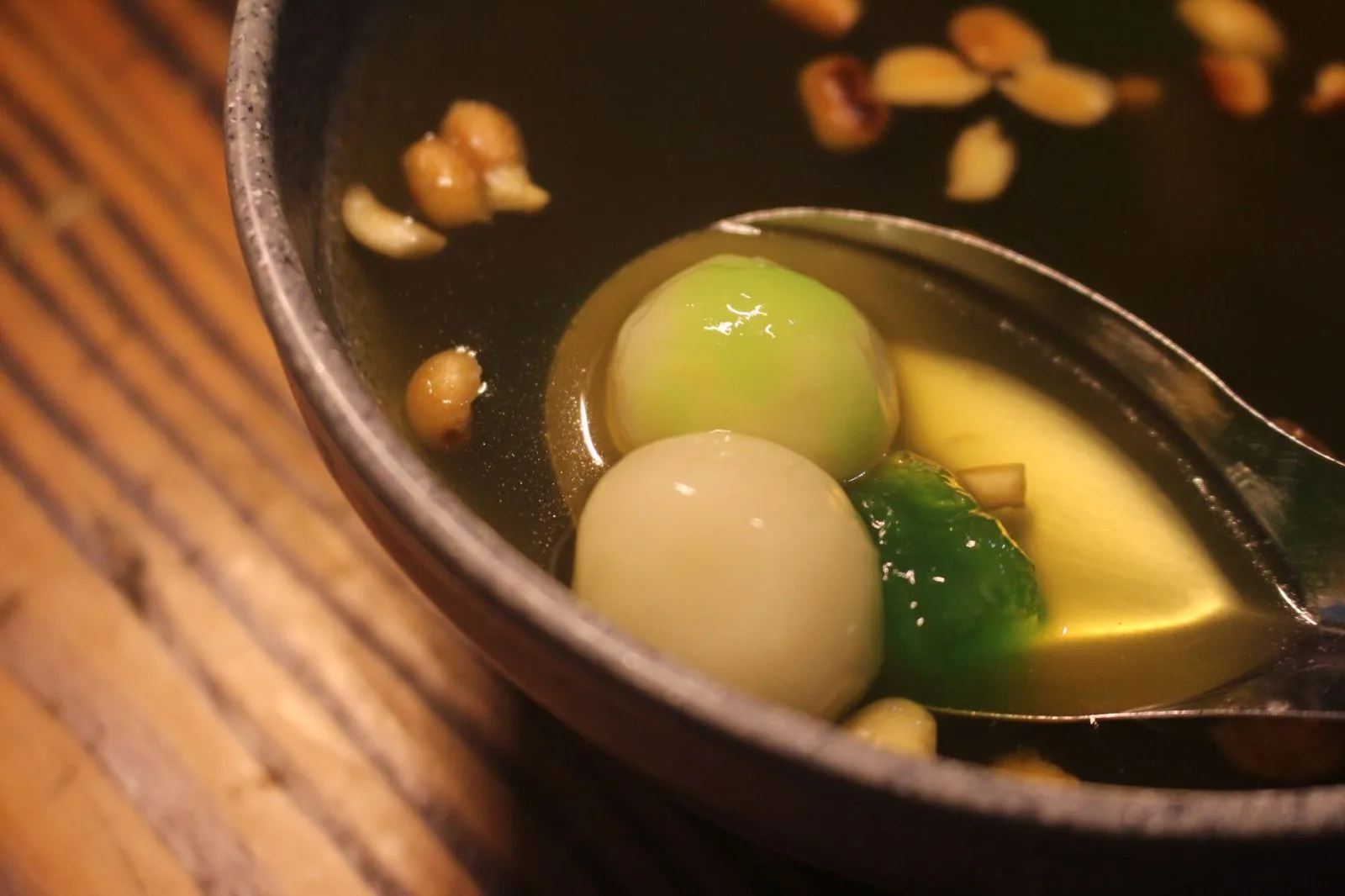
    A bowl of small white glutinous rice balls in clear sweet soup
    Round rice balls symbolise reunion at the first full moon. Jauhar Musthofal Qulub | Pexels License (https://www.pexels.com/license/)

    The Festival in Modern Cities

    The festival remains a public holiday in mainland China, though the number of days off and the school calendar vary. Major cities install temporary lighting, close some streets to traffic, and run lantern displays in parks and along rivers. Viewing a lantern show often means walking slowly in crowds; in Beijing, the temperature can still be below freezing, so warm layers matter. Photographers should check local rules on tripods and drones. Shopping districts extend the season commercially, but temple fairs and neighbourhood associations keep older practices alive. The date’s movement also means the festival may fall during term time or a working week, changing how families gather.

    The first full moon turns a winter street into a temporary gallery of paper, silk, and light.

    المصادر والمزيد من القراءة

    1. مهرجان الفوانيس — موسوعة بريتانيكا.
    2. Chinese Lantern Festival — China Highlights.
    3. Yuanxiao Festival — World History Encyclopedia.
    شاهدها في مكانها

    اتبع هذا المدخل إلى المنطقة التي ينتمي إليها.

    استكشف عبر الخريطة

    تابع الموضوع

    تصفح الإدخالات الأخرى التي تشترك في نفس الوسوم.

    تصفح الوسم
  • الزلابية

    الحياة والفولكلور

    الزلابية

    أكياس القمح المملوءة وطقوس الشتاء

    تُحوّل الزلابية الصينية الشمالية عجينة القمح والحشوات الموسمية إلى وجبة جماعية.

    قسم
    الحياة والفولكلور
    منطقة
    بكين
    عصر
    عبر العصور
    الوسوم
    الجمارك، الغذاء

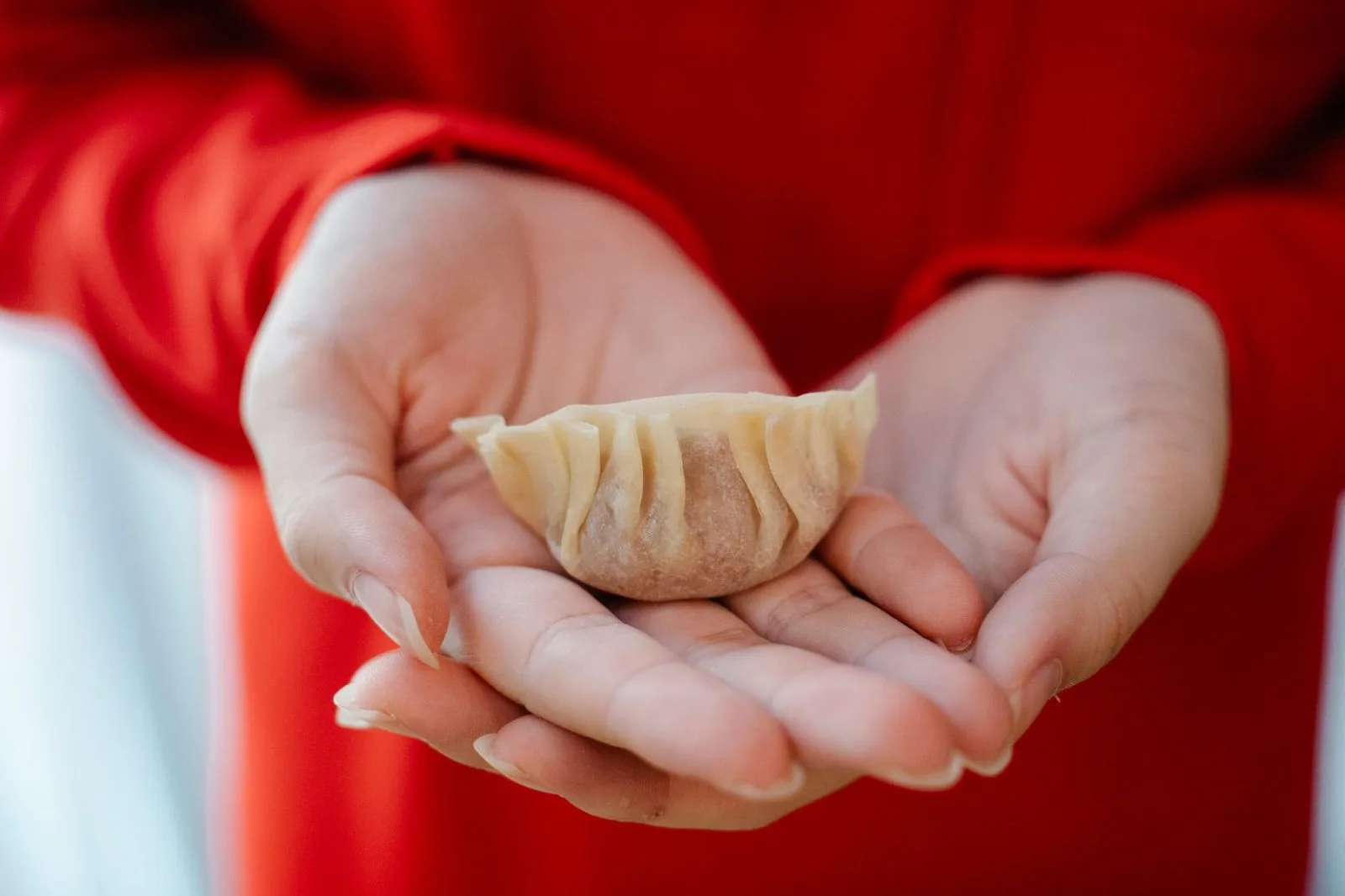
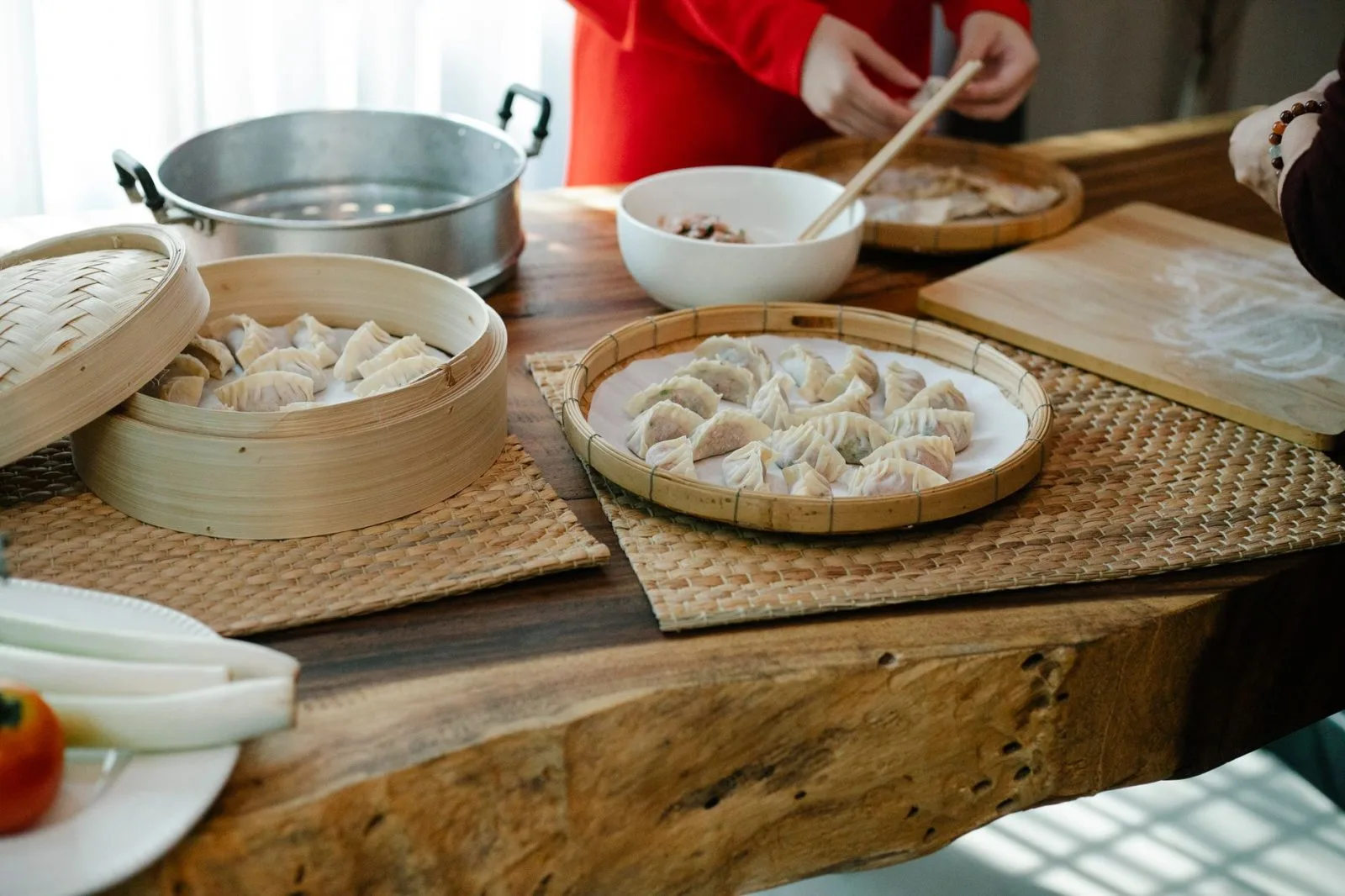
    الزلابية عبارة عن لفائف قمح محشوة تُطهى بالسلق أو التبخير أو القلي. في شمال الصين، تُحتفل بها بمناسبة الانقلاب الشتوي ورأس السنة القمرية، حيث تقوم العائلات بتجميع الجياوزي حول طاولة وطَيّ كل لفافة يدويًا.

    القمح في النظام الغذائي الشمالي

    تنتمي الزلابية إلى منطقة القمح والدخن في شمال الصين، حيث أصبح دقيق القمح غذاءً أساسياً في عهد أسرة هان وما تلاها من أسر. وقد شُبّه شكلها بالعملات الصينية القديمة، مما أكسبها مكانةً في لغة رأس السنة الصينية: فكلمة "جياوزي" تُشير إلى عبارة تبادل الكنوز. وتربط روايةٌ معروفةٌ الزلابية بالطبيب تشانغ تشونغ جينغ، الذي يُقال إنه كان يصنع لفائف عجين محشوة لعلاج آذان المصابين بقضمة الصقيع خلال عهد أسرة هان. يصعب التحقق من هذه الرواية، لكنها تُفسر عادة تناولها في الطقس البارد. وتُعدّ الأدلة الأثرية على وجود أطعمة القمح المحشوة أوضح من أي دليل يُشير إلى مخترعٍ واحد.

    صف من زلابية الجياوزي المطوية موضوعة على لوح خشبي مرشوش بالدقيق
    تعمل الحافة المطوية على إغلاق الحشوة وتعطي كل قطعة من الزلابية شكلها المألوف. أنجيلا روما | رخصة بيكسلز (https://www.pexels.com/license/)

    العجين، الحشوة، والطي

    تُصنع عجينة الجياوزي الأساسية من دقيق القمح والماء، وتُترك لترتاح حتى يسترخي الغلوتين ويُمكن فردها رقيقة دون أن تتمزق. يُضيف بعض الطهاة بيضة أو يستخدمون الماء الساخن بدلاً من جزء من الدقيق للحصول على قوام أكثر طراوة. تُفرم الحشوات فرماً ناعماً لتنضج تماماً: لحم الخنزير مع الملفوف أو الثوم المعمر أو الكراث؛ لحم الضأن مع البصل في الشمال الغربي؛ الروبيان والبيض في المناطق الساحلية. يضع الطاهي الحشوة في المنتصف، ثم يطوي العجينة ويضغط على الطيات على طول خط الطي. يُعد إحكام الإغلاق أمراً بالغ الأهمية لأن الغليان يُفتح العجينة إذا بقي الهواء بداخلها. تُعد الحشوات النباتية مثل التوفو أو الفطر أو البيض شائعة، خاصةً عند زيارة المعابد وفترات الصيام.

    الأيدي تضغط على ثنيات على طول حافة الزلابية غير المطبوخة
    تُحكم طيات الطي إغلاق الطرد؛ وقد تفضل كل عائلة طية مختلفة. أنجيلا روما | رخصة بيكسلز (https://www.pexels.com/license/)

    مسلوق، مطهو على البخار، ومقلي

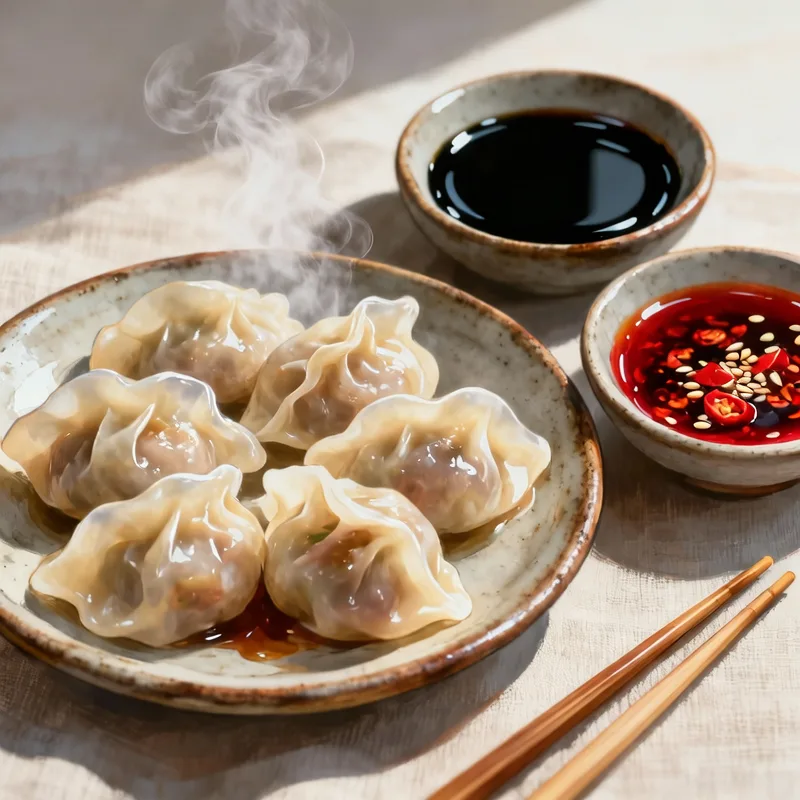
    الطريقة الأكثر شيوعًا هي السلق: تُضاف الزلابية إلى قدر كبير، وتُدفع من الأسفل، وتُطهى حتى تطفو وتنتفخ. غالبًا ما يُضيف طهاة الشمال القليل من الماء البارد عندما يغلي القدر مرة أخرى، ويكررون العملية ثلاث مرات للحصول على قشرة متماسكة. تُقلى الزلابية الصينية، أو "غوتي"، من جانب واحد، ثم تُطهى على البخار تحت غطاء مع القليل من الماء، مما يُكسبها قاعدة مقرمشة. تشمل النسخ الجنوبية ونسخ الشتات "هار غاو" المطهوة على البخار مع الروبيان ورقائق نشا القمح الشفافة. تختلف صلصات التغميس من الخل الأسود والزنجبيل إلى صلصة الصويا مع زيت الفلفل الحار أو الثوم. كما تختلف الحشوات أيضًا: يهيمن لحم الخنزير والثوم المعمر في بكين، ويظهر لحم البقر والضأن في المجتمعات المسلمة، بينما يُناسب الملفوف أو الفطر المدن الداخلية الباردة.

    • جياوزي مسلوق للاحتفال برأس السنة الجديدة والانقلاب الشتوي
    • غوتي بقاعدة مقلية مقرمشة
    • الخل الأسود والزنجبيل كصلصة كلاسيكية
    • حشوات محلية من لحم الخنزير أو لحم الضأن أو الروبيان أو الخضار
    زلابية مسلوقة تقدم مع أطباق صغيرة من الخل وزيت الفلفل الحار
    يُخفف مرق الخل والزنجبيل من دسامة حشوة لحم الخنزير. رسم توضيحي مُولّد بالذكاء الاصطناعي · سينوفيز

    صنعها معًا

    تُعتبر الزلابية طعامًا اجتماعيًا لأن تحضيرها يستغرق وقتًا. ففي ليلة رأس السنة القمرية، قد تقوم عدة أجيال بلفّ العجين، وتقطيع الحشوة، وطَيّ عشرات أو مئات من الزلابية معًا؛ بعضها يُشكّل على هيئة عملات معدنية أو يُخبأ مع عملة معدنية نظيفة كرمز للحظ السعيد. غالبًا ما يُرتّب تناول الطعام حول أكبر أفراد العائلة سنًا. تُقلى بقايا الطعام في اليوم التالي، وتُباع الزلابية المجمدة الآن في المتاجر الكبرى في جميع أنحاء الصين وخارجها. تتنوع أنواعها في المطاعم، من زلابية لحم الضأن في بكين إلى زلابية غوتيه في شنغهاي وزلابية شياو لونغ باو المحشوة بالحساء، والتي تنتمي إلى عائلة مختلفة من الفطائر المطهوة على البخار.

    الزلابية هي قطعة صغيرة من التنظيم المنزلي: العجين، والحشوة، والأيدي، وسبب للتجمع.

    المصادر والمزيد من القراءة

    1. زلابية — موسوعة بريتانيكا.
    2. جياوزي — موسوعة بريتانيكا.
    3. رأس السنة الصينية — موسوعة بريتانيكا.

    شاهدها في مكانها

    اتبع هذا المدخل إلى المنطقة التي ينتمي إليها.

    استكشف عبر الخريطة

    تابع الموضوع

    تصفح الإدخالات الأخرى التي تشترك في نفس الوسوم.

    تصفح الوسم
  • مطبخ سيتشوان

    الحياة والفولكلور

    مطبخ سيتشوان

    Chilli Oil, Ferment, and the Numbing Pepper

    Sichuan cooking balances chilli heat, Sichuan pepper numbness, fermented bean paste, and rich broth.

    قسم
    الحياة والفولكلور
    منطقة
    سيتشوان
    عصر
    عبر العصور
    الوسوم
    Customs, Food, Geography

    Sichuan cuisine is known for bold seasoning, but its classic dishes are built on contrast: chilli with Sichuan pepper, hot oil with cool cucumber, or a clear broth beside a fiery one.

    A Basin Pantry and Early Flavours

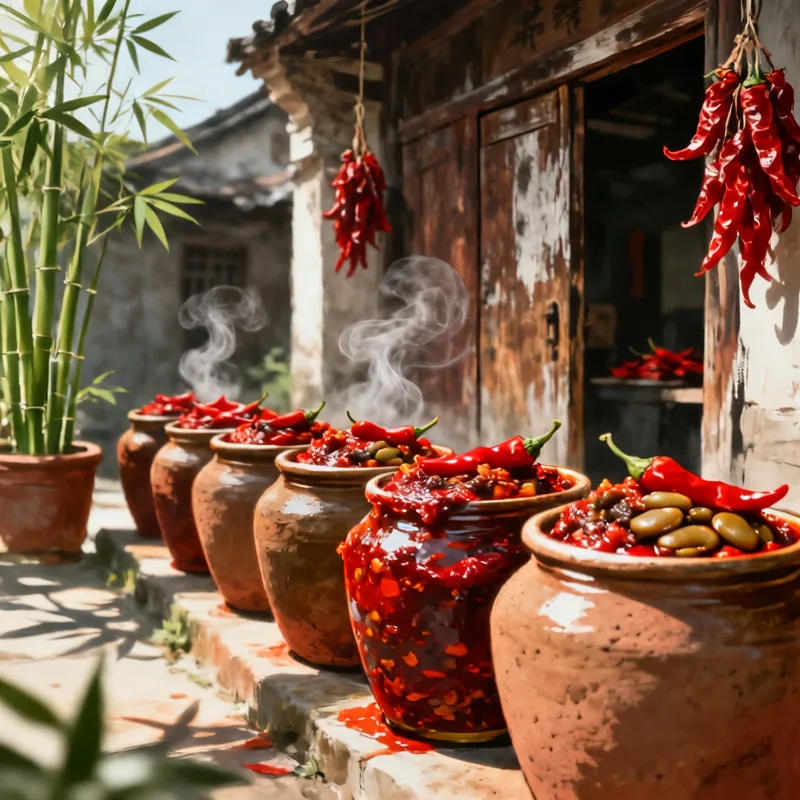
    The Sichuan Basin has fertile fields, rivers, and a humid climate, but its early elite cooking was not defined by chilli. Chilli peppers reached China from the Americas in the sixteenth century and became a Sichuan staple later, especially among ordinary households. Before that, cooks used ginger, garlic, mustard, vinegar, and the distinctive Sichuan pepper, Zanthoxylum simulans, whose husks cause a tingling sensation rather than heat.Fermented bean pastes from the basin towns added depth. Pixian doubanjiang, a broad-bean and chilli paste fermented in Pixian near Chengdu, became a foundation of many red-braised and stir-fried dishes. The province’s food therefore combines older preservation methods with ingredients that arrived through global trade.

    Jars of red chilli and broad-bean paste fermenting outside a Sichuan workshop
    Fermented doubanjiang gives many Sichuan dishes their deep red base. رسم توضيحي مُولّد بالذكاء الاصطناعي · سينوفيز

    The Grammar of Heat

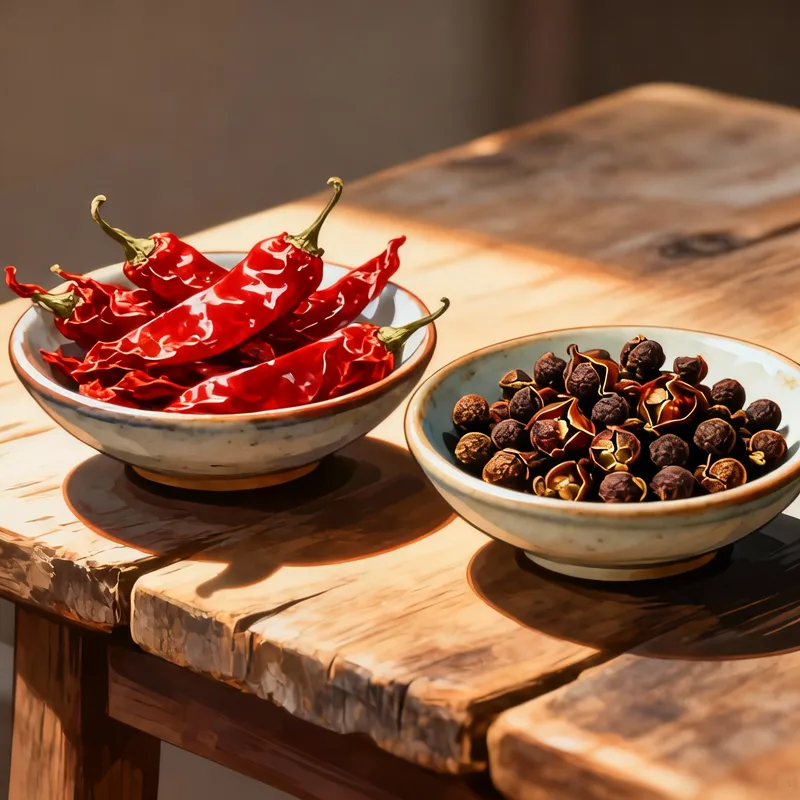
    Sichuan cooks distinguish several kinds of chilli heat. Dried chillies are fried in oil until fragrant but not blackened; chilli oil is steeped and aged; chilli bean paste supplies fermented heat; and fresh peppers give a brighter bite. Sichuan peppercorns, often toasted and ground, produce the málà combination of numbness and spice. Official Sichuan cookbooks describe more than twenty recognised flavour profiles, from guaiwei, strange or complex, to yuxiang, fish-fragrant, which uses no fish. Mapo tofu, associated with Chengdu in the nineteenth century, combines soft tofu, minced meat, doubanjiang, chilli oil, and Sichuan pepper. Kung Pao chicken uses dried chillies, peanuts, and a sweet-sour soy sauce.

    Dried red chillies and Sichuan peppercorns in separate shallow bowls
    Chilli heat and peppercorn numbness are distinct, and cooks balance them separately. رسم توضيحي مُولّد بالذكاء الاصطناعي · سينوفيز

    Hotpot and the Two-Flame Bowl

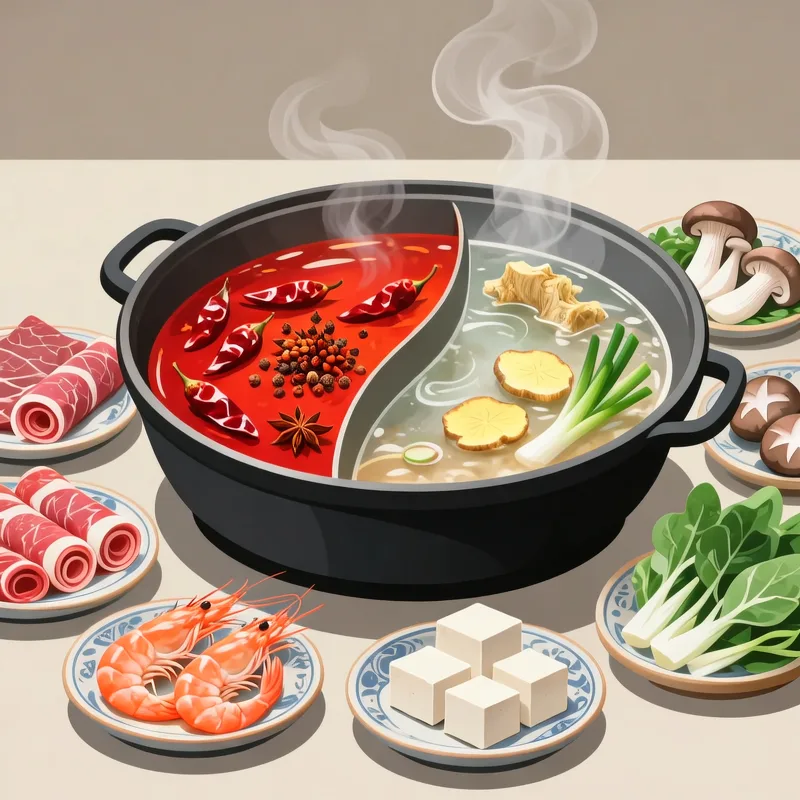
    Chengdu hotpot is a social meal built around a divided pot. One side may hold a red broth of chilli oil, doubanjiang, beef fat, and spices; the other a clear chicken or mushroom stock. Diners cook thinly sliced beef, tripe, duck blood, fish balls, vegetables, and mushrooms, then dip them in sesame oil, garlic, and chopped herbs. The sesame dip cools the palate and coats the mouth against spice. Chongqing hotpot is often heavier and more direct, traditionally using beef tallow; Chengdu versions are commonly more aromatic and varied. Yibin and other southern cities add their own chilli blends. Restaurants label spice levels, but heat can still be adjusted only by asking.

    • Pixian doubanjiang as a fermented chilli-bean base
    • Málà: chilli heat plus peppercorn numbness
    • Two-flavour hotpot with red and clear broth
    • Sesame oil dip to moderate the heat
    A divided hotpot with red chilli broth and clear broth surrounded by ingredient plates
    A two-flavour pot lets a table divide heat from clarity. رسم توضيحي مُولّد بالذكاء الاصطناعي · سينوفيز

    Beyond the Fiery Stereotype

    Not every Sichuan dish is hot. Sichuan’s most ceremonial dish, Gongbao chicken and the banquet classic ‘sweet and sour’ aside, the cuisine includes clear broths, steamed dishes, and delicate pastry. Zhangcha duck is smoked with tea leaves and camphor before steaming, while boiled pork slices are served in a clear broth with mustard greens. Chengdu’s teahouses and dish shops serve small noodles, sweet-water noodles, and dumplings. The province also includes Tibetan and Yi food traditions in its western highlands, where barley, yak products, and different seasonings dominate. Reading Sichuan cuisine only as heat misses its central achievement: layering aromas, textures, and ferments so that strong flavours remain controlled.

    Sichuan cooking is not simply hot; it is a carefully graded argument between chilli, pepper, oil, and ferment.

    المصادر والمزيد من القراءة

    1. Sichuan cuisine — موسوعة بريتانيكا.
    2. Chinese Cuisine — موسوعة بريتانيكا.
    3. Sichuan Food — China Highlights.

    شاهدها في مكانها

    اتبع هذا المدخل إلى المنطقة التي ينتمي إليها.

    استكشف عبر الخريطة

    تابع الموضوع

    تصفح الإدخالات الأخرى التي تشترك في نفس الوسوم.

    تصفح الوسم
  • فوجيان

    المنطقة · الساحل والتولو والشاي

    فوجيان

    تقع فوجيان على الجانب الآخر من المضيق وتطل على البحر. وقد وفرت جبالها ملاذاً لمجتمعات هاكا تولو، بينما كانت موانئها ترسل التجار والمهاجرين والشاي عبر الطرق البحرية.

    منطقة
    فوجيان
    الإحداثيات
    26.07° شمالاً، 119.30° شرقاً
    معروف بـ
    الساحل، والمباني الحجرية التقليدية (تولو)، والشاي.

    منظر جمالي

    تلتقي التلال شديدة الانحدار بسواحل وعرة. تشق الأنهار وديانًا قصيرة تؤدي إلى البحر، مما يخلق موانئ طبيعية ويعزل المجتمعات الداخلية التي طورت عمارة ولهجات مميزة.

    التراث والأماكن

    • فوجيان تولو
    • قولانغيو
    • جبال ووي
    • المواقع البحرية في تشوانتشو

    الثقافة والحياة اليومية

    تشتهر فوجيان بشاي أولونغ، والمأكولات البحرية، وتقاليد مينان وهاكا، وشبكة المعابد المرتبطة بالملاحة البحرية. تاريخ المقاطعة يجمع بين عبق الجبال وسحر المحيط.

    واصل الرحلة

    قم بإقران هذه المنطقة بدليل سياحي أو تتبع قصصها عبر الزمن.

    استكشف الوجهات أوبن كرونيكل
  • قوانغشي

    المنطقة · كارست ونهر لي

    قوانغشي

    Guangxi is a landscape of limestone peaks, rivers and terraced hills. Its karst scenery is famous, but the province is equally defined by Zhuang, Dong and Miao communities and their festivals.

    منطقة
    قوانغشي
    الإحداثيات
    22.82°N, 108.32°E
    معروف بـ
    كارست ونهر لي

    منظر جمالي

    Karst towers rise above the Li River and surrounding plains. Caves, sinkholes and underground rivers shape both the scenery and the agricultural life of the region.

    التراث والأماكن

    • Li River
    • Longji rice terraces
    • Detian Waterfall
    • Lingqu Canal

    الثقافة والحياة اليومية

    Guangxi food is sour, fragrant and often river-based. Zhuang song festivals, Dong drum towers and Miao silverwork connect the province’s scenic image to living local traditions.

    من هذه المنطقة

    قصص ننصح بقراءتها لاحقاً

    مداخل مرتبطة بهذا المكان عبر الخريطة والسجلات والحياة اليومية.

    واصل الرحلة

    قم بإقران هذه المنطقة بدليل سياحي أو تتبع قصصها عبر الزمن.

    استكشف الوجهات أوبن كرونيكل
  • قوانغدونغ

    المنطقة · نهر اللؤلؤ والبحر

    قوانغدونغ

    Guangdong faces the South China Sea and the Pearl River Delta. Its ports, dialects and Cantonese food culture have long connected China to maritime trade and overseas communities.

    منطقة
    قوانغدونغ
    الإحداثيات
    23.13°N, 113.26°E
    معروف بـ
    نهر اللؤلؤ والبحر

    منظر جمالي

    A subtropical coast gives way to river plains and northern hills. The delta’s waterways supported agriculture, trade and the dense urban networks that define the region today.

    التراث والأماكن

    • Kaiping diaolou
    • Danxia landforms
    • Guangzhou old quarters
    • Foshan ancestral halls

    الثقافة والحياة اليومية

    Cantonese cuisine prizes freshness, seafood and dim sum. Lingnan architecture, opera and clan halls reflect a culture shaped by commerce, migration and humid coastal life.

    واصل الرحلة

    قم بإقران هذه المنطقة بدليل سياحي أو تتبع قصصها عبر الزمن.

    استكشف الوجهات أوبن كرونيكل
  • شينجيانغ

    المنطقة · الصحراء والواحة وطريق الحرير

    شينجيانغ

    تمتد شينجيانغ عبر الصحاري والمروج والجبال الشاهقة على الحافة الشمالية الغربية للصين. وقد جعلت مدن الواحات على طول طريق الحرير منها ملتقى للبضائع والمعتقدات واللغات.

    منطقة
    شينجيانغ
    الإحداثيات
    43.83° شمالاً، 87.62° شرقاً
    معروف بـ
    الصحراء والواحة وطريق الحرير

    منظر جمالي

    تقع صحراء تاكلامكان بين سلسلتي جبال تيان شان وكونلون. ويغذي ذوبان الجليد أنهار الواحات، بينما جلبت قنوات الكاريز القديمة المياه الجوفية إلى المزارع والمدن.

    التراث والأماكن

    • مدينة كاشغر القديمة
    • أطلال جياوخه
    • نظام ري كاريز
    • تيانشان تيانتشي

    الثقافة والحياة اليومية

    تُضفي الموسيقى الأويغورية، وخبز النان، وكباب لحم الضأن، والأسواق الشعبية، على شينجيانغ ثقافة واحة مميزة. ويتجلى تاريخ المنطقة في الكهوف البوذية، والمعمار الإسلامي، وطرق القوافل.

    من هذه المنطقة

    قصص ننصح بقراءتها لاحقاً

    مداخل مرتبطة بهذا المكان عبر الخريطة والسجلات والحياة اليومية.

    واصل الرحلة

    قم بإقران هذه المنطقة بدليل سياحي أو تتبع قصصها عبر الزمن.

    استكشف الوجهات أوبن كرونيكل
  • التبت (شيزانغ)

    المنطقة · الهضبة العالية

    شيزانغ

    ترتفع التبت كهضبة عالية تضم الأديرة والممرات الجبلية والبحيرات المقدسة. وقد شكلت مناظرها الطبيعية وحياتها الدينية ثقافة متكيفة مع الارتفاع والضوء والمسافة.

    منطقة
    شيزانغ
    الإحداثيات
    29.65° شمالاً، 91.12° شرقاً
    معروف بـ
    الهضبة العالية

    منظر جمالي

    يبلغ متوسط ارتفاع هضبة التبت أكثر من 4000 متر. وتغذي الأنهار الجليدية الأنهار الآسيوية الرئيسية، بينما تعمل الوديان الواسعة والممرات الجبلية العالية على تنظيم الحركة بين المدن والأديرة.

    التراث والأماكن

    • قصر بوتالا
    • معبد جوخانغ
    • منطقة قاعدة جبل إيفرست
    • بحيرة نامتسو

    الثقافة والحياة اليومية

    تُعدّ البوذية التبتية وشاي الزبدة والتسامبا وأعلام الصلاة جزءًا من الحياة اليومية. كما تحمل المهرجانات الرهبانية ولوحات التانكا والعمارة الحجرية دلالات دينية في الأماكن العامة.

    من هذه المنطقة

    قصص ننصح بقراءتها لاحقاً

    مداخل مرتبطة بهذا المكان عبر الخريطة والسجلات والحياة اليومية.

    واصل الرحلة

    قم بإقران هذه المنطقة بدليل سياحي أو تتبع قصصها عبر الزمن.

    استكشف الوجهات أوبن كرونيكل
  • يونان

    منطقة · جبال، شاي، وشعوب كثيرة

    يونان

    Yunnan sits where the Tibetan plateau drops toward Southeast Asia. Its deep valleys, tea mountains and old towns hold an unusually wide range of languages, foods and festivals.

    منطقة
    يونان
    الإحداثيات
    25.04°N, 102.71°E
    معروف بـ
    الجبال والشاي والعديد من الشعوب

    منظر جمالي

    The province is a mosaic of high mountains, river gorges and subtropical valleys. The Three Parallel Rivers area carries the Yangtze, Mekong and Salween through dramatic terrain.

    التراث والأماكن

    • Old Town of Lijiang
    • Stone Forest
    • Three Parallel Rivers
    • Yuanyang rice terraces

    الثقافة والحياة اليومية

    Yunnan food is sour, spicy, herbal and intensely local: crossing-the-bridge noodles, mushrooms, cured ham and Pu’er tea. Dai, Bai, Yi, Naxi and many other communities shape the province’s festivals and crafts.

    واصل الرحلة

    قم بإقران هذه المنطقة بدليل سياحي أو تتبع قصصها عبر الزمن.

    استكشف الوجهات أوبن كرونيكل
  • سيتشوان

    منطقة · حوض من الفلفل والباندا

    سيتشوان

    Sichuan is defined by its fertile basin, mountain borders and a cuisine that turned chilli and Sichuan pepper into a regional language. Its history runs from ancient Shu kingdoms to modern high-speed corridors.

    منطقة
    سيتشوان
    الإحداثيات
    30.57°N, 104.07°E
    معروف بـ
    حوض من الفلفل والباندا

    منظر جمالي

    Ringed by mountains, the Sichuan Basin holds rivers, farmland and dense cities. To the west, the plateau rises sharply toward Tibet; to the east, gorges cut toward the Yangtze.

    التراث والأماكن

    • Leshan Giant Buddha
    • Dujiangyan irrigation system
    • Jiuzhaigou
    • Mount Emei

    الثقافة والحياة اليومية

    Sichuan cooking balances málà heat, fragrance and texture. Teahouses, opera, bamboo craft and panda conservation give the province a cultural life that is both local and widely recognised.

    من هذه المنطقة

    قصص ننصح بقراءتها لاحقاً

    مداخل مرتبطة بهذا المكان عبر الخريطة والسجلات والحياة اليومية.

    واصل الرحلة

    قم بإقران هذه المنطقة بدليل سياحي أو تتبع قصصها عبر الزمن.

    استكشف الوجهات أوبن كرونيكل