标签: 食物

  • 元宵节

    生活与民俗

    元宵节

    Lights on the Fifteenth Night

    The fifteenth night of the first lunar month closes the New Year with lanterns and sweet rice balls.

    部分
    生活与民俗
    地区
    北京
    时代
    跨越时代
    标签
    习俗、饮食

    The Lantern Festival falls on the fifteenth day of the first lunar month, the first full moon of the year. Lanterns, night markets, riddles, and tangyuan rice balls mark the end of the New Year period.

    Origins in Calendar and Court

    The festival’s date follows the lunar calendar, so its Gregorian date changes each year. Several origins are cited. Emperor Wen of Han is said to have declared a public holiday around 180 BCE after defeating the Lü clan, while the Eastern Han emperor Ming promoted lantern displays in the first century CE as Buddhism spread. Daoist tradition associated the day with the heavenly official who grants blessings. By the Tang dynasty, the festival had become a major urban occasion: court records describe vast lantern displays in Chang’an and Luoyang, and the poet Su Weidao wrote of night markets bright as day. The Tang court relaxed curfew so people could view the lights.
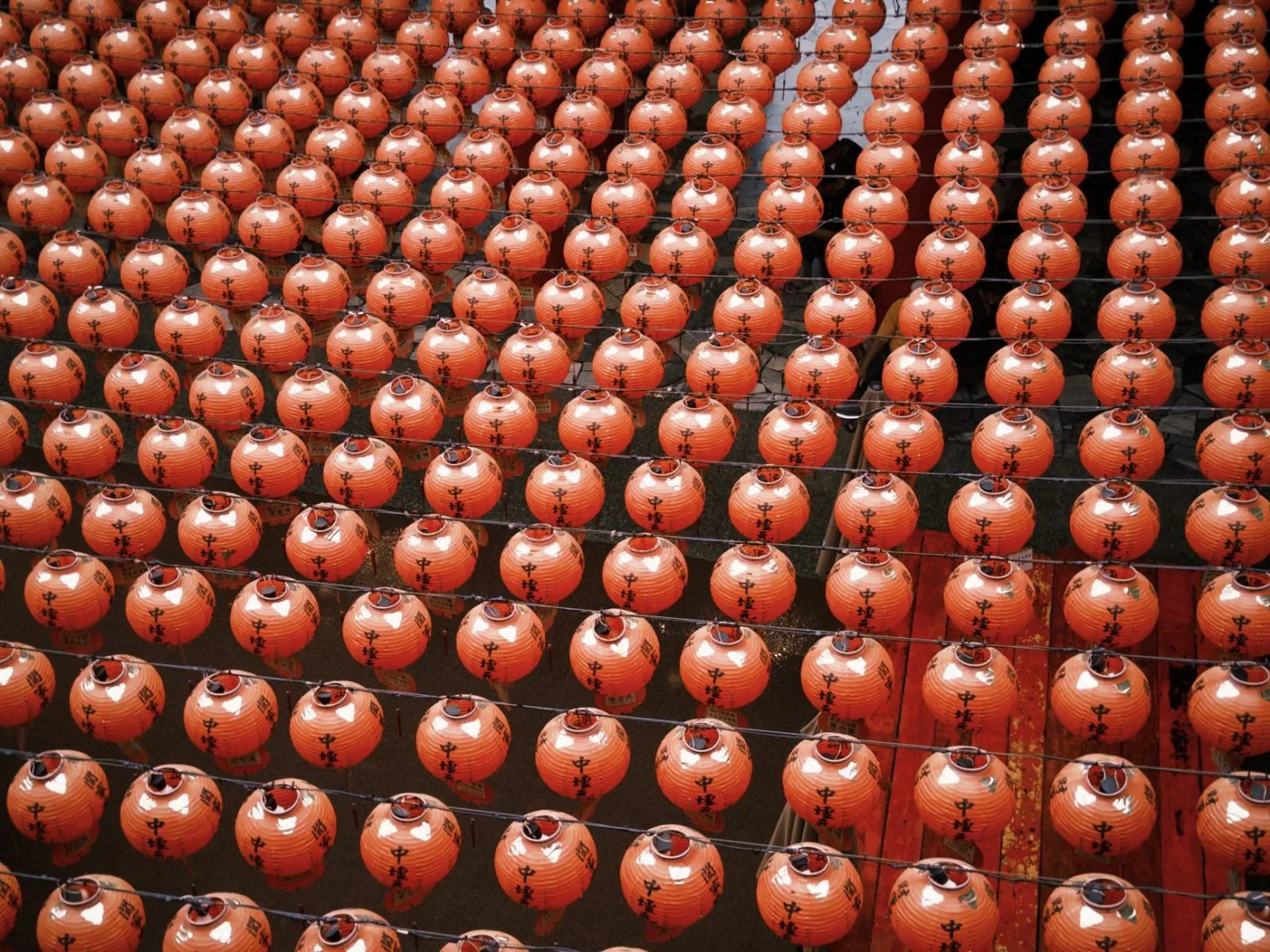
    Rows of illuminated red lanterns hanging along a street during a night festival
    Tang cities relaxed curfew so residents could walk among the lanterns at night. zack ZHUO | Pexels License (https://www.pexels.com/license/)

    Riddles, Lions, and Processions

    Lantern riddles are written on slips attached to the lamps; solving one is a small test of wordplay and classical learning. Lion dances, dragon dances, and walking-on-stilts performances draw crowds in the streets, with local troupes competing for space and applause. In some places, people carry lanterns representing animals or characters, and children pull small lanterns on sticks. Beijing’s temple fairs once gathered vendors, performers, and visitors around temple courtyards; today the festival is also marked in parks and commercial districts. Taiwan is known for large lantern festivals and elaborate installations, while Nanjing has long been associated with elaborate lantern craft along the Qinhuai River.
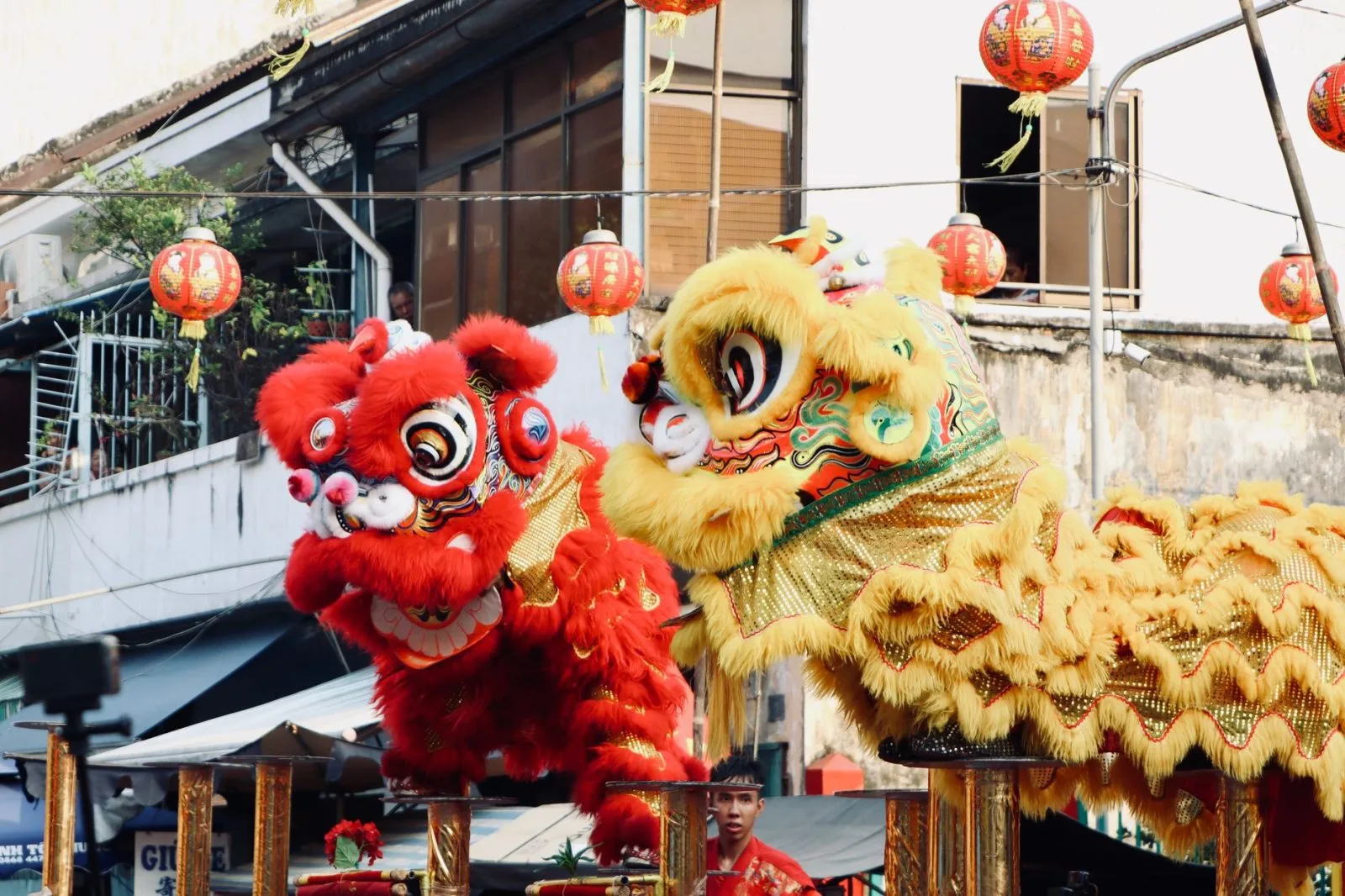
    A lion dance troupe leaping beneath hanging lanterns during a street celebration
    Processions and lion dances turn the festival into a public performance. Pham Huynh Tuan Vy | Pexels License (https://www.pexels.com/license/)

    Tangyuan and the Taste of Reunion

    The festival food is tangyuan in southern China and often yuanxiao in the north, both made from glutinous rice flour around a sweet filling. The names and methods differ: southern cooks wrap a soft dough around filling, while northern cooks may roll moistened filling in dry rice flour in repeated layers. Fillings include black sesame paste, red bean, peanut, and osmanthus sugar. The round shape suggests family unity, and the bowls are shared after the evening’s walk. In Ningbo, black-sesame tangyuan are a local speciality; in Shanghai and Suzhou they are sold from neighbourhood shops. Sweet rice wine and small glutinous balls are also served in some regions.

    • Black sesame, red bean, and peanut fillings
    • Southern wrapped tangyuan and northern rolled yuanxiao
    • Lantern riddles attached to public displays
    • Dragon and lion processions after dark
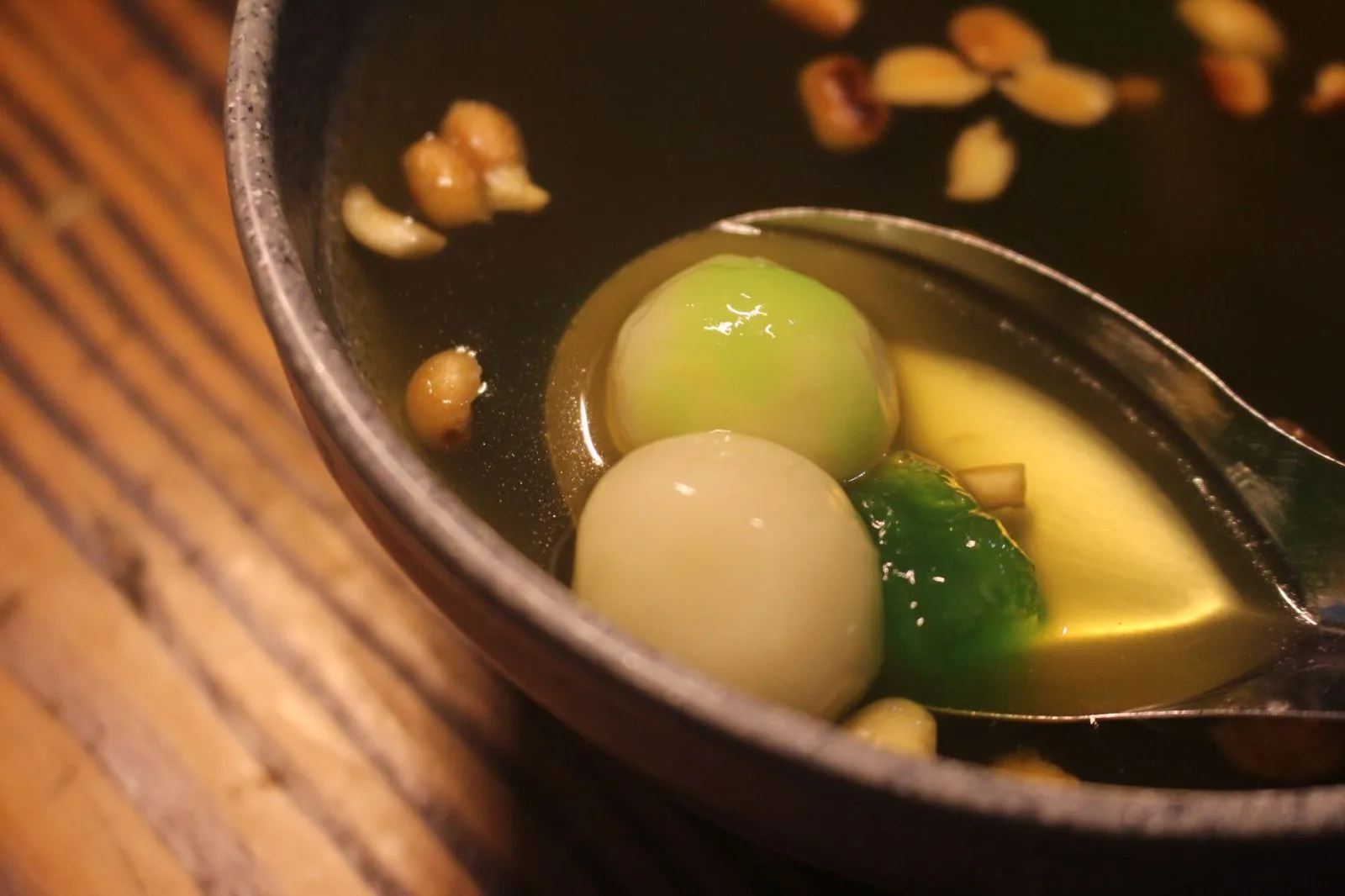
    A bowl of small white glutinous rice balls in clear sweet soup
    Round rice balls symbolise reunion at the first full moon. Jauhar Musthofal Qulub | Pexels License (https://www.pexels.com/license/)

    The Festival in Modern Cities

    The festival remains a public holiday in mainland China, though the number of days off and the school calendar vary. Major cities install temporary lighting, close some streets to traffic, and run lantern displays in parks and along rivers. Viewing a lantern show often means walking slowly in crowds; in Beijing, the temperature can still be below freezing, so warm layers matter. Photographers should check local rules on tripods and drones. Shopping districts extend the season commercially, but temple fairs and neighbourhood associations keep older practices alive. The date’s movement also means the festival may fall during term time or a working week, changing how families gather.

    The first full moon turns a winter street into a temporary gallery of paper, silk, and light.

    资料来源及延伸阅读

    1. 元宵节 ——《不列颠百科全书》。
    2. Chinese Lantern Festival — China Highlights.
    3. Yuanxiao Festival — World History Encyclopedia.
    看看它就位

    请跟随此条目前往其所属区域。

    通过地图探索

    请关注此帖

    浏览其他与此标签相同的条目。

    浏览标签
  • 饺子

    生活与民俗

    饺子

    装满小麦的箱子和冬季仪式

    中国北方饺子将小麦面团和时令馅料变成一道共享美食。

    部分
    生活与民俗
    地区
    北京
    时代
    跨越时代
    标签
    习俗、饮食

    饺子是用小麦粉包裹馅料,通过水煮、蒸煮或煎炸烹制而成。在中国北方,饺子是冬至和农历新年的象征,届时家家户户会围坐在桌旁,亲手包制饺子。

    北方饮食中的小麦

    饺子起源于中国北方的小麦和小米种植区,小麦粉在汉代及之后的朝代成为该地区的主食。饺子的形状常被比作古代的钱币,这使得饺子在新年语中占有一席之地:饺子的发音与“换钱”的谐音相近。一个广为流传的说法是,饺子与汉代名医张仲景有关,据说他曾用面皮包裹馅料来治疗冻伤的耳朵。这个故事难以考证,但它解释了人们在寒冷天气食用饺子的习俗。相比任何一位发明家,关于小麦馅料食物的考古证据都更为确凿。

    一排褶皱的饺子摆放在撒了面粉的木板上。
    褶皱的边缘可以密封馅料,并赋予每个饺子我们熟悉的形状。 Angela Roma | Pexels 许可 (https://www.pexels.com/license/)

    面团、馅料和折叠

    饺子的基本面团是用小麦粉和水揉成的,醒面后面筋松弛,这样饺子皮就能擀得很薄而不破裂。有些厨师会在面团里加一个鸡蛋,或者用热水代替一部分面粉,使面团更柔软。馅料要切得很碎,这样才能煮熟:猪肉馅配白菜、韭菜或大葱;西北地区常见的羊肉馅配洋葱;沿海地区常见的虾仁馅配鸡蛋。厨师将馅料放在饺子皮中央,对折饺子皮,然后沿着接缝处捏出褶皱。封口要紧实,因为如果里面有空气,煮的时候饺子皮就会裂开。素馅饺子也很常见,比如豆腐、香菇或鸡蛋馅,尤其是在参拜寺庙和斋戒期间。

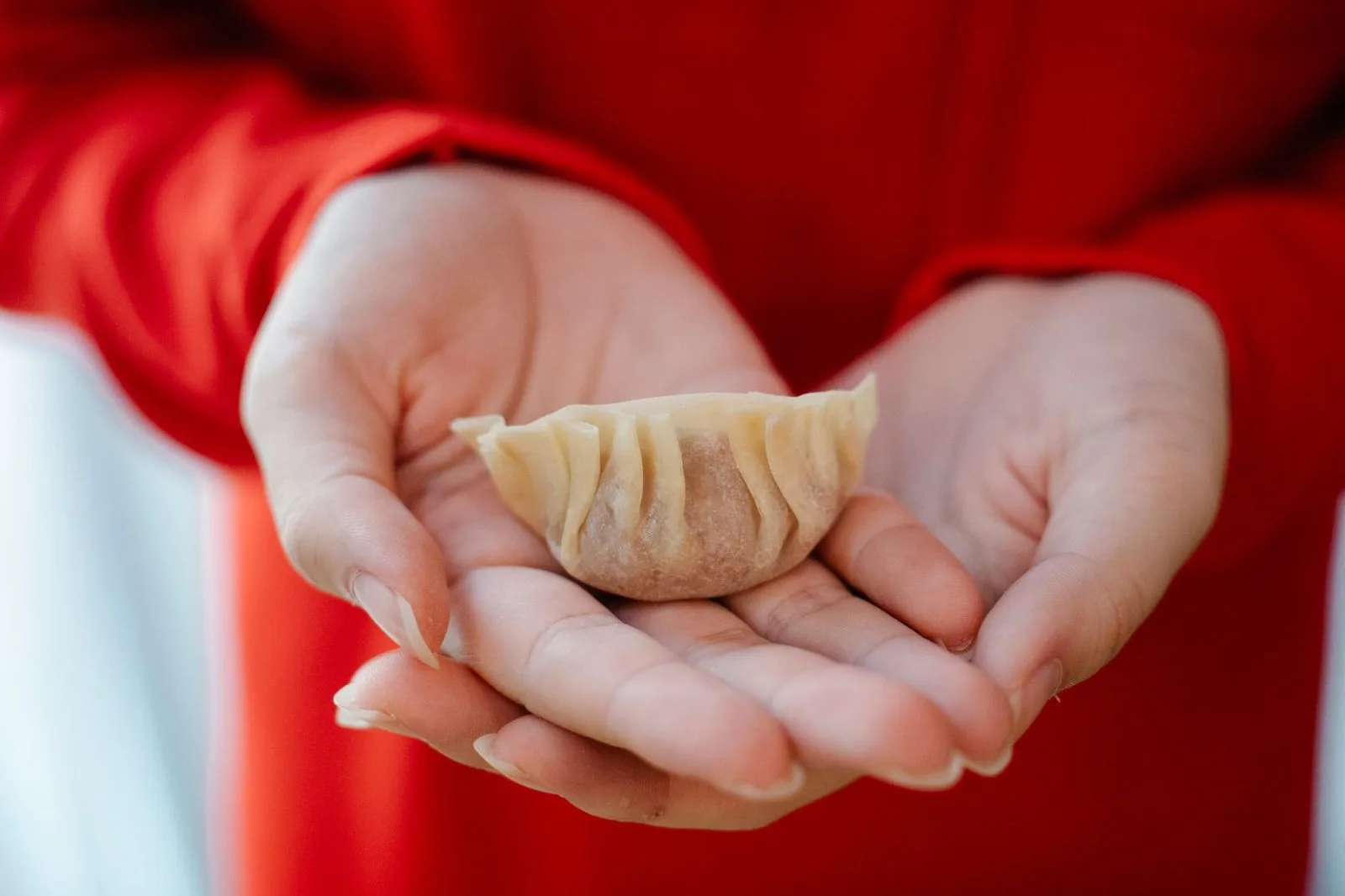
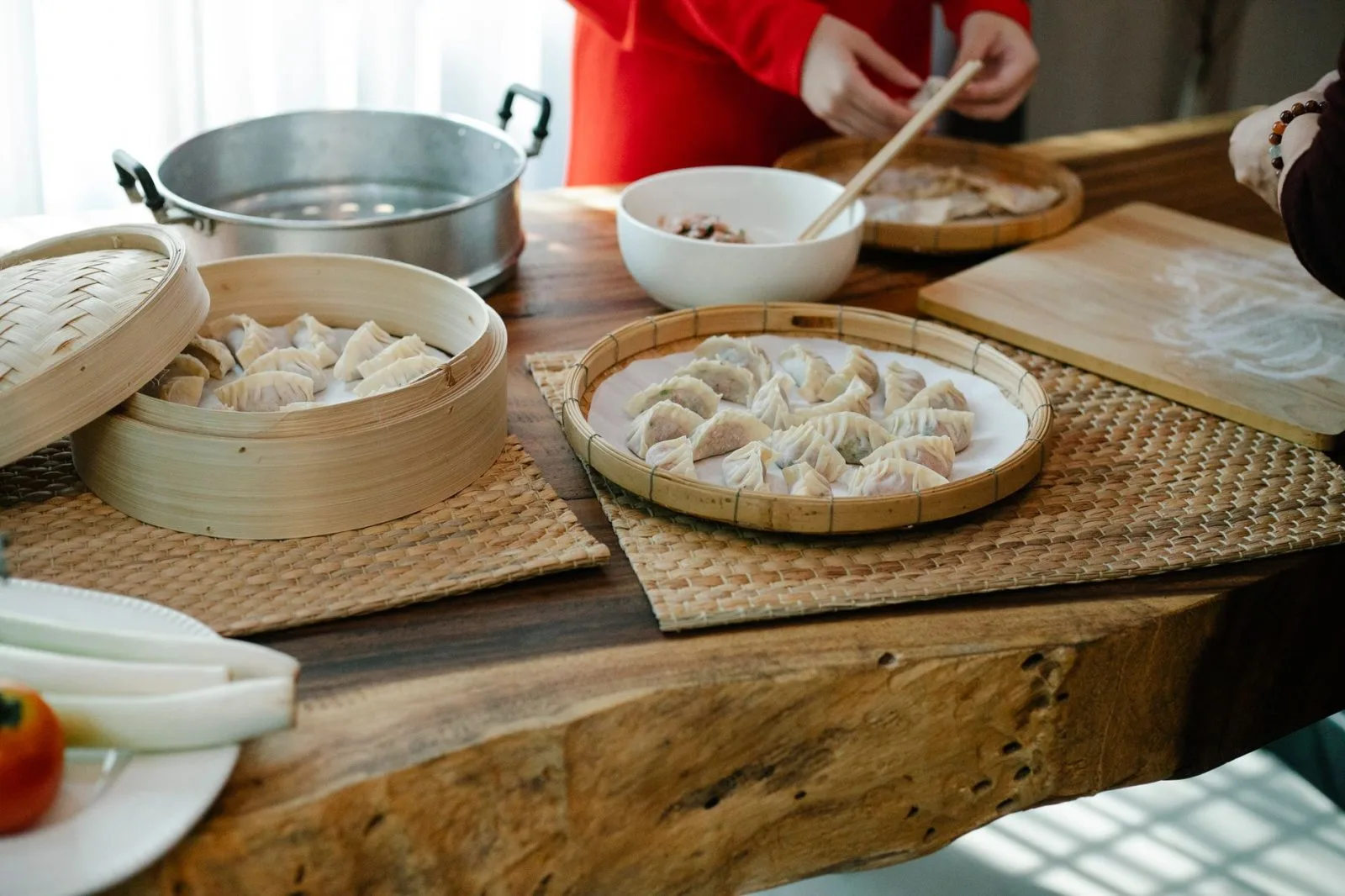
    双手捏出生饺子边缘的褶皱
    褶裥可以封住包裹;每个家庭可能喜欢不同的折叠方式。 Angela Roma | Pexels 许可 (https://www.pexels.com/license/)

    水煮、蒸煮、油炸

    最常见的方法是水煮:将饺子放入大锅中,轻轻按压锅底,煮至饺子浮起膨胀。北方厨师通常会在水再次沸腾后加入少量冷水,重复此过程三次,以使饺子皮更紧实。锅贴(或称锅贴)先煎一面,然后盖上锅盖,加少量水蒸熟,使其底部酥脆。南方和海外地区的锅贴则包括虾饺,馅料是虾仁,外皮是半透明的淀粉皮。蘸料种类繁多,从黑醋姜汁到酱油辣椒油或蒜蓉酱油都有。馅料也各不相同:猪肉韭菜馅在北京很常见,牛肉羊肉馅则出现在穆斯林社区,而卷心菜或蘑菇馅则更适合内陆较冷的城市。

    • 新年和冬至的煮饺子
    • 锅贴,底部酥脆炸制
    • 黑醋和姜是经典的蘸酱
    • 地方特色馅料,包括猪肉、羊肉、虾或蔬菜
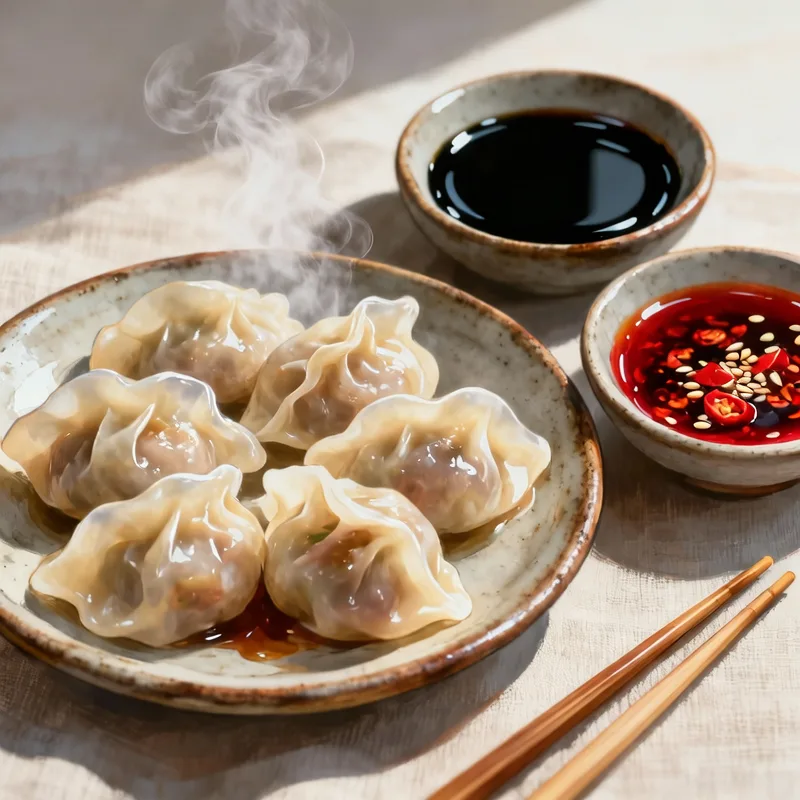
    水煮饺子配醋和辣椒油小碟。
    醋姜蘸酱可以中和猪肉馅料的油腻感。 AI生成的插图 · SinoViz

    将它们组合在一起

    饺子是一种社交食品,因为包饺子需要时间。在农历除夕夜,几代人会一起擀饺子皮、切馅,然后包好几十甚至几百个饺子;有些饺子做成硬币的形状,或者藏着一枚干净的硬币,寓意吉祥。吃饺子通常会围绕着家中的长辈安排。剩下的饺子第二天会煎着吃,现在中国乃至海外的超市里都有冷冻饺子出售。餐馆里的饺子种类繁多,从北京家常的羊肉饺子到上海的锅贴和汤包,应有尽有。小笼包虽然与蒸包同属一个家族,但又各有特色。

    饺子是家庭组织的一个缩影:面团、馅料、双手,以及一个聚会的理由。

    资料来源及延伸阅读

    1. 饺子 ——《不列颠百科全书》。
    2. 饺子 ——《不列颠百科全书》。
    3. 春节 ——《不列颠百科全书》。

    看看它就位

    请跟随此条目前往其所属区域。

    通过地图探索

    请关注此帖

    浏览其他与此标签相同的条目。

    浏览标签
  • 川菜

    生活与民俗

    川菜

    Chilli Oil, Ferment, and the Numbing Pepper

    Sichuan cooking balances chilli heat, Sichuan pepper numbness, fermented bean paste, and rich broth.

    部分
    生活与民俗
    地区
    四川
    时代
    跨越时代
    标签
    Customs, Food, Geography

    Sichuan cuisine is known for bold seasoning, but its classic dishes are built on contrast: chilli with Sichuan pepper, hot oil with cool cucumber, or a clear broth beside a fiery one.

    A Basin Pantry and Early Flavours

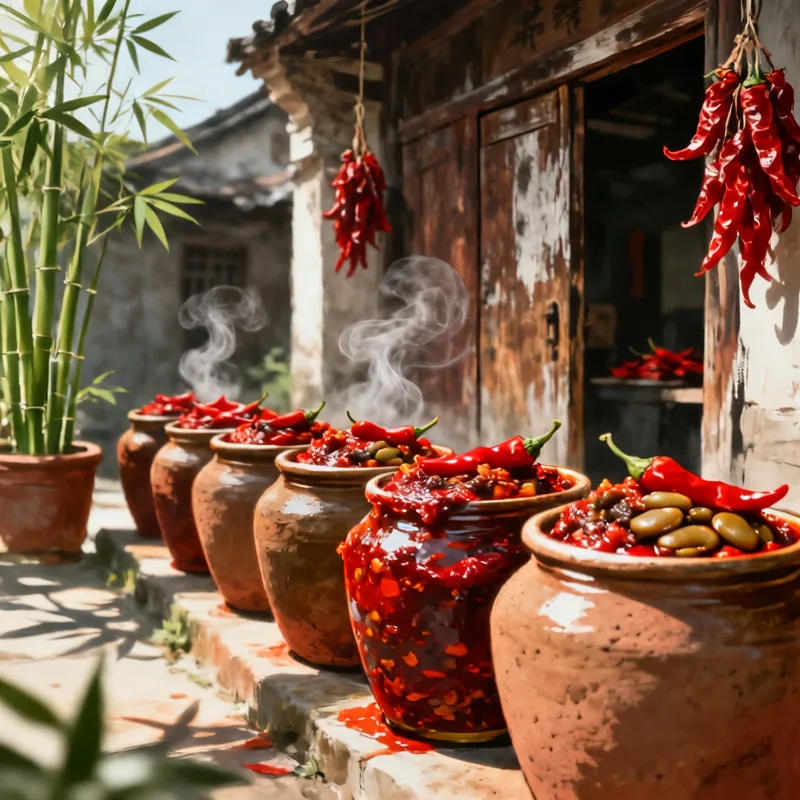
    The Sichuan Basin has fertile fields, rivers, and a humid climate, but its early elite cooking was not defined by chilli. Chilli peppers reached China from the Americas in the sixteenth century and became a Sichuan staple later, especially among ordinary households. Before that, cooks used ginger, garlic, mustard, vinegar, and the distinctive Sichuan pepper, Zanthoxylum simulans, whose husks cause a tingling sensation rather than heat.Fermented bean pastes from the basin towns added depth. Pixian doubanjiang, a broad-bean and chilli paste fermented in Pixian near Chengdu, became a foundation of many red-braised and stir-fried dishes. The province’s food therefore combines older preservation methods with ingredients that arrived through global trade.

    Jars of red chilli and broad-bean paste fermenting outside a Sichuan workshop
    Fermented doubanjiang gives many Sichuan dishes their deep red base. AI生成的插图 · SinoViz

    The Grammar of Heat

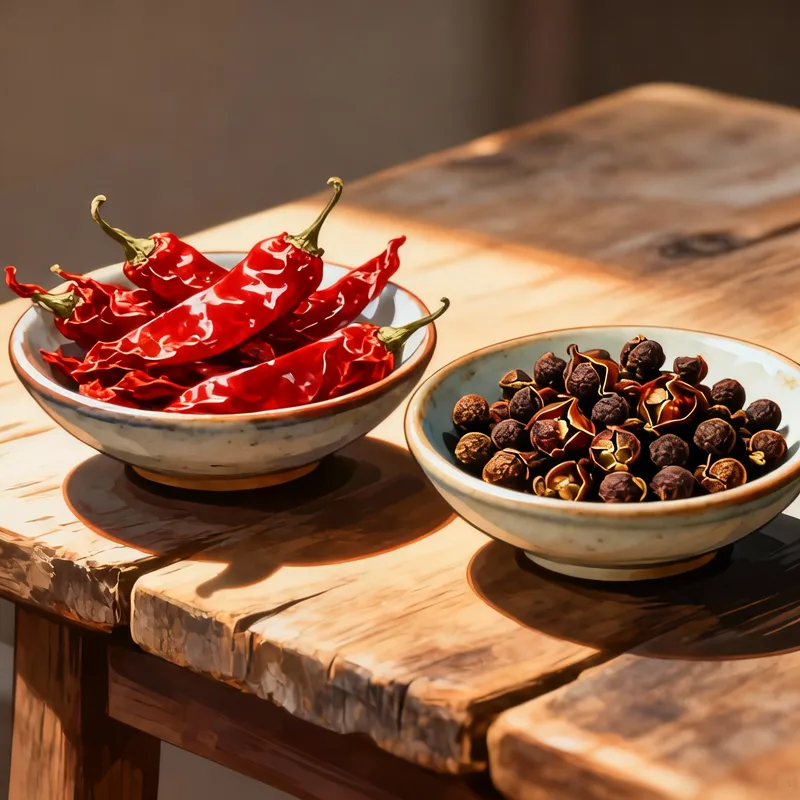
    Sichuan cooks distinguish several kinds of chilli heat. Dried chillies are fried in oil until fragrant but not blackened; chilli oil is steeped and aged; chilli bean paste supplies fermented heat; and fresh peppers give a brighter bite. Sichuan peppercorns, often toasted and ground, produce the málà combination of numbness and spice. Official Sichuan cookbooks describe more than twenty recognised flavour profiles, from guaiwei, strange or complex, to yuxiang, fish-fragrant, which uses no fish. Mapo tofu, associated with Chengdu in the nineteenth century, combines soft tofu, minced meat, doubanjiang, chilli oil, and Sichuan pepper. Kung Pao chicken uses dried chillies, peanuts, and a sweet-sour soy sauce.

    Dried red chillies and Sichuan peppercorns in separate shallow bowls
    Chilli heat and peppercorn numbness are distinct, and cooks balance them separately. AI生成的插图 · SinoViz

    Hotpot and the Two-Flame Bowl

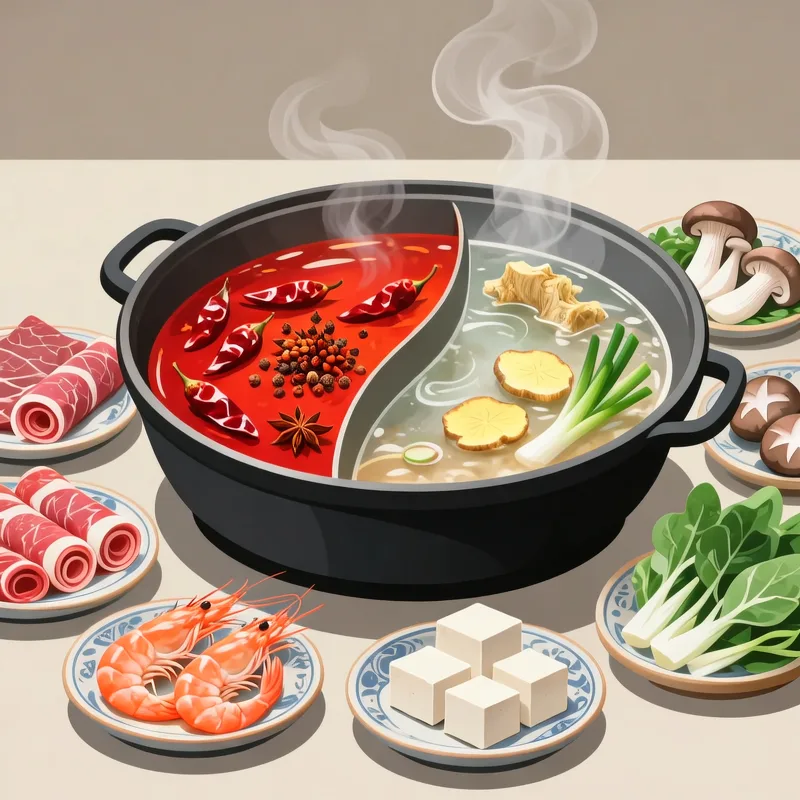
    Chengdu hotpot is a social meal built around a divided pot. One side may hold a red broth of chilli oil, doubanjiang, beef fat, and spices; the other a clear chicken or mushroom stock. Diners cook thinly sliced beef, tripe, duck blood, fish balls, vegetables, and mushrooms, then dip them in sesame oil, garlic, and chopped herbs. The sesame dip cools the palate and coats the mouth against spice. Chongqing hotpot is often heavier and more direct, traditionally using beef tallow; Chengdu versions are commonly more aromatic and varied. Yibin and other southern cities add their own chilli blends. Restaurants label spice levels, but heat can still be adjusted only by asking.

    • Pixian doubanjiang as a fermented chilli-bean base
    • Málà: chilli heat plus peppercorn numbness
    • Two-flavour hotpot with red and clear broth
    • Sesame oil dip to moderate the heat
    A divided hotpot with red chilli broth and clear broth surrounded by ingredient plates
    A two-flavour pot lets a table divide heat from clarity. AI生成的插图 · SinoViz

    Beyond the Fiery Stereotype

    Not every Sichuan dish is hot. Sichuan’s most ceremonial dish, Gongbao chicken and the banquet classic ‘sweet and sour’ aside, the cuisine includes clear broths, steamed dishes, and delicate pastry. Zhangcha duck is smoked with tea leaves and camphor before steaming, while boiled pork slices are served in a clear broth with mustard greens. Chengdu’s teahouses and dish shops serve small noodles, sweet-water noodles, and dumplings. The province also includes Tibetan and Yi food traditions in its western highlands, where barley, yak products, and different seasonings dominate. Reading Sichuan cuisine only as heat misses its central achievement: layering aromas, textures, and ferments so that strong flavours remain controlled.

    Sichuan cooking is not simply hot; it is a carefully graded argument between chilli, pepper, oil, and ferment.

    资料来源及延伸阅读

    1. Sichuan cuisine ——《不列颠百科全书》。
    2. Chinese Cuisine ——《不列颠百科全书》。
    3. Sichuan Food — China Highlights.

    看看它就位

    请跟随此条目前往其所属区域。

    通过地图探索

    请关注此帖

    浏览其他与此标签相同的条目。

    浏览标签
  • 福建

    地区·海岸、土楼、茶

    福建

    福建隔海峡与台湾相望,面向大海。其山脉庇护了客家土楼社区,而其港口则通过海上航线将商人、移民和茶叶输送到各地。

    地区
    福建
    坐标
    北纬26.07°,东经119.30°
    以……而闻名
    海岸、土楼和茶

    景观

    陡峭的山丘与崎岖的海岸线相接。河流切割出通往大海的短谷,形成天然港湾,并将内陆社区与世隔绝,这些社区发展出了独特的建筑风格和方言。

    遗产和场所

    • 福建土楼
    • 鼓浪屿
    • 武夷山
    • 泉州海事站点

    文化与日常生活

    福建以乌龙茶、海鲜、闽南和客家文化以及与航海息息相关的寺庙网络而闻名。该省的历史既与山地息息相关,又与海洋紧密相连。

    这个地区

    接下来要读的故事

    与此地相关的条目遍布地图、编年史和日常生活。

    继续旅程

    您可以参考旅游指南来了解这个地区,或者追溯它的历史故事。

    探索目的地 开放编年史
  • 广西

    区域·喀斯特和漓江

    广西

    Guangxi is a landscape of limestone peaks, rivers and terraced hills. Its karst scenery is famous, but the province is equally defined by Zhuang, Dong and Miao communities and their festivals.

    地区
    广西
    坐标
    22.82°N, 108.32°E
    以……而闻名
    喀斯特地貌与漓江

    景观

    Karst towers rise above the Li River and surrounding plains. Caves, sinkholes and underground rivers shape both the scenery and the agricultural life of the region.

    遗产和场所

    • Li River
    • Longji rice terraces
    • Detian Waterfall
    • Lingqu Canal

    文化与日常生活

    Guangxi food is sour, fragrant and often river-based. Zhuang song festivals, Dong drum towers and Miao silverwork connect the province’s scenic image to living local traditions.

    这个地区

    接下来要读的故事

    与此地相关的条目遍布地图、编年史和日常生活。

    继续旅程

    您可以参考旅游指南来了解这个地区,或者追溯它的历史故事。

    探索目的地 开放编年史
  • 粤

    区域·珠江和海洋

    粤

    Guangdong faces the South China Sea and the Pearl River Delta. Its ports, dialects and Cantonese food culture have long connected China to maritime trade and overseas communities.

    地区
    粤
    坐标
    23.13°N, 113.26°E
    以……而闻名
    珠江与大海

    景观

    A subtropical coast gives way to river plains and northern hills. The delta’s waterways supported agriculture, trade and the dense urban networks that define the region today.

    遗产和场所

    • Kaiping diaolou
    • Danxia landforms
    • Guangzhou old quarters
    • Foshan ancestral halls

    文化与日常生活

    Cantonese cuisine prizes freshness, seafood and dim sum. Lingnan architecture, opera and clan halls reflect a culture shaped by commerce, migration and humid coastal life.

    这个地区

    接下来要读的故事

    与此地相关的条目遍布地图、编年史和日常生活。

    继续旅程

    您可以参考旅游指南来了解这个地区,或者追溯它的历史故事。

    探索目的地 开放编年史
  • 新疆

    地区 · 沙漠、绿洲和丝绸之路

    新疆

    新疆位于中国西北边缘,横跨沙漠、草原和高山。丝绸之路沿线的绿洲城镇使其成为商品、信仰和语言交汇之地。

    地区
    新疆
    坐标
    北纬43.83°,东经87.62°
    以……而闻名
    沙漠、绿洲和丝绸之路

    景观

    塔克拉玛干沙漠位于天山山脉和昆仑山脉之间。冰川融水滋养着绿洲河流,而古代的坎儿井则将地下水引入农田和城镇。

    遗产和场所

    • 喀什古城
    • 交河遗址
    • 坎儿井灌溉系统
    • 天山天池

    文化与日常生活

    维吾尔族音乐、馕饼、羊肉串和集市赋予新疆独特的绿洲文化。佛教石窟、伊斯兰建筑和商队路线则见证了该地区的历史。

    这个地区

    接下来要读的故事

    与此地相关的条目遍布地图、编年史和日常生活。

    继续旅程

    您可以参考旅游指南来了解这个地区,或者追溯它的历史故事。

    探索目的地 开放编年史
  • 西藏(西藏)

    地区 · 高原

    西藏

    西藏地势高耸,遍布寺院、山口和圣湖。其独特的地貌和宗教生活造就了一种适应海拔、光照和距离的文化。

    地区
    西藏
    坐标
    北纬29.65°,东经91.12°
    以……而闻名
    高原

    景观

    青藏高原平均海拔超过4000米。冰川滋养着亚洲主要河流,而宽阔的山谷和高海拔山口则构成了城镇和寺庙之间的交通要道。

    遗产和场所

    • 布达拉宫
    • 大昭寺
    • 珠穆朗玛峰大本营
    • 纳木错湖

    文化与日常生活

    藏传佛教、酥油茶、糌糁和经幡是日常生活的一部分。寺院节庆、唐卡绘画和石砌建筑将宗教意义带入公共空间。

    这个地区

    接下来要读的故事

    与此地相关的条目遍布地图、编年史和日常生活。

    继续旅程

    您可以参考旅游指南来了解这个地区,或者追溯它的历史故事。

    探索目的地 开放编年史
  • 云南

    地区 · 山峦、茶叶和众多民族

    云南

    Yunnan sits where the Tibetan plateau drops toward Southeast Asia. Its deep valleys, tea mountains and old towns hold an unusually wide range of languages, foods and festivals.

    地区
    云南
    坐标
    25.04°N, 102.71°E
    以……而闻名
    山峦、茶叶和众多民族

    景观

    The province is a mosaic of high mountains, river gorges and subtropical valleys. The Three Parallel Rivers area carries the Yangtze, Mekong and Salween through dramatic terrain.

    遗产和场所

    • Old Town of Lijiang
    • Stone Forest
    • Three Parallel Rivers
    • Yuanyang rice terraces

    文化与日常生活

    Yunnan food is sour, spicy, herbal and intensely local: crossing-the-bridge noodles, mushrooms, cured ham and Pu’er tea. Dai, Bai, Yi, Naxi and many other communities shape the province’s festivals and crafts.

    这个地区

    接下来要读的故事

    与此地相关的条目遍布地图、编年史和日常生活。

    继续旅程

    您可以参考旅游指南来了解这个地区,或者追溯它的历史故事。

    探索目的地 开放编年史
  • 四川

    地区 · 胡椒和熊猫的盆地

    四川

    Sichuan is defined by its fertile basin, mountain borders and a cuisine that turned chilli and Sichuan pepper into a regional language. Its history runs from ancient Shu kingdoms to modern high-speed corridors.

    地区
    四川
    坐标
    30.57°N, 104.07°E
    以……而闻名
    一盆胡椒和熊猫

    景观

    Ringed by mountains, the Sichuan Basin holds rivers, farmland and dense cities. To the west, the plateau rises sharply toward Tibet; to the east, gorges cut toward the Yangtze.

    遗产和场所

    • Leshan Giant Buddha
    • Dujiangyan irrigation system
    • Jiuzhaigou
    • Mount Emei

    文化与日常生活

    Sichuan cooking balances málà heat, fragrance and texture. Teahouses, opera, bamboo craft and panda conservation give the province a cultural life that is both local and widely recognised.

    这个地区

    接下来要读的故事

    与此地相关的条目遍布地图、编年史和日常生活。

    继续旅程

    您可以参考旅游指南来了解这个地区,或者追溯它的历史故事。

    探索目的地 开放编年史