टैग: खाना

  • लालटेन महोत्सव

    जीवन और लोककथाएँ

    लालटेन महोत्सव

    Lights on the Fifteenth Night

    The fifteenth night of the first lunar month closes the New Year with lanterns and sweet rice balls.

    अनुभाग
    जीवन और लोककथाएँ
    क्षेत्र
    बीजिंग
    युग
    युगों के पार
    टैग
    रीति-रिवाज, भोजन

    The Lantern Festival falls on the fifteenth day of the first lunar month, the first full moon of the year. Lanterns, night markets, riddles, and tangyuan rice balls mark the end of the New Year period.

    Origins in Calendar and Court

    The festival’s date follows the lunar calendar, so its Gregorian date changes each year. Several origins are cited. Emperor Wen of Han is said to have declared a public holiday around 180 BCE after defeating the Lü clan, while the Eastern Han emperor Ming promoted lantern displays in the first century CE as Buddhism spread. Daoist tradition associated the day with the heavenly official who grants blessings. By the Tang dynasty, the festival had become a major urban occasion: court records describe vast lantern displays in Chang’an and Luoyang, and the poet Su Weidao wrote of night markets bright as day. The Tang court relaxed curfew so people could view the lights.
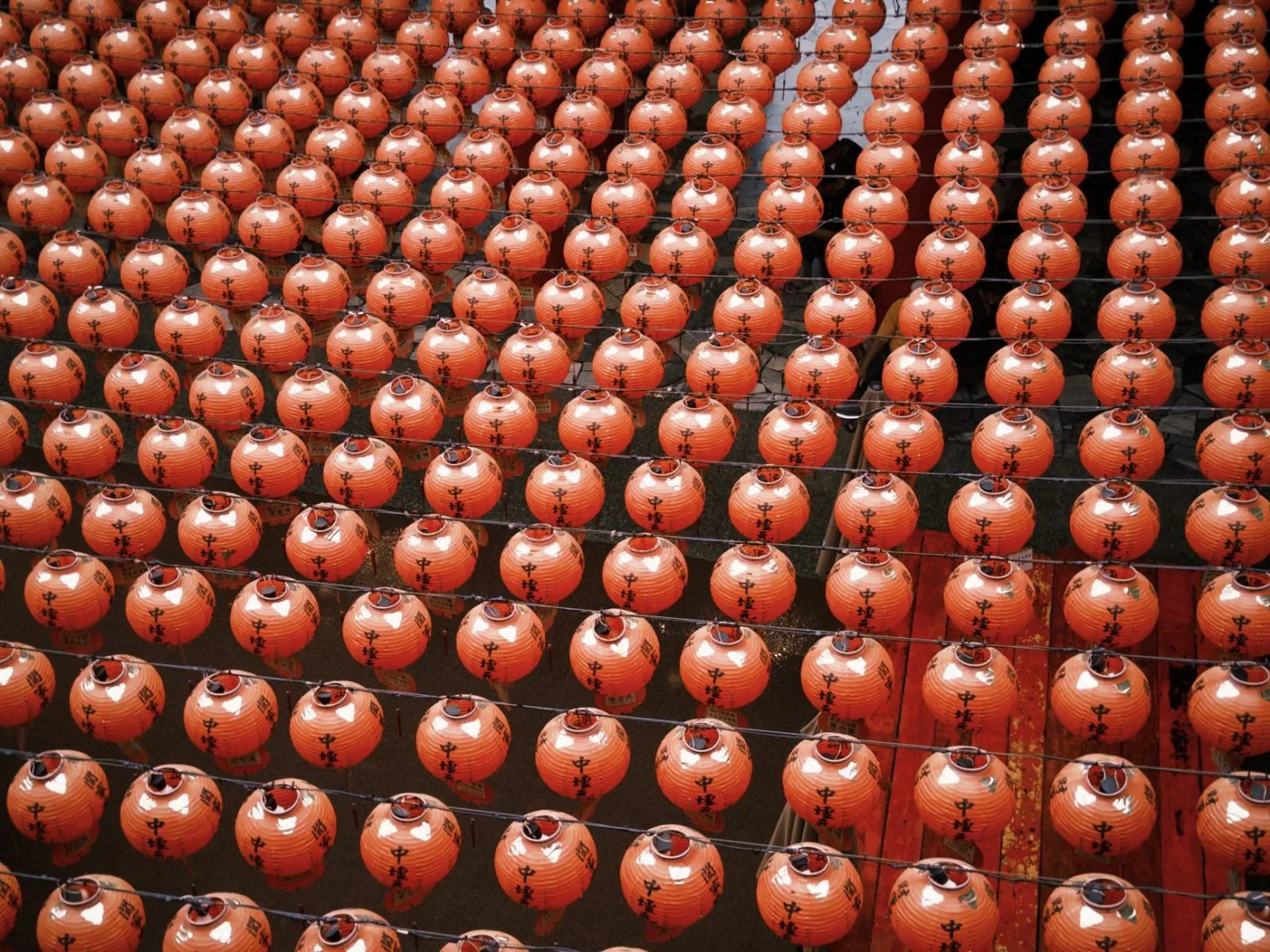
    Rows of illuminated red lanterns hanging along a street during a night festival
    Tang cities relaxed curfew so residents could walk among the lanterns at night. zack ZHUO | Pexels License (https://www.pexels.com/license/)

    Riddles, Lions, and Processions

    Lantern riddles are written on slips attached to the lamps; solving one is a small test of wordplay and classical learning. Lion dances, dragon dances, and walking-on-stilts performances draw crowds in the streets, with local troupes competing for space and applause. In some places, people carry lanterns representing animals or characters, and children pull small lanterns on sticks. Beijing’s temple fairs once gathered vendors, performers, and visitors around temple courtyards; today the festival is also marked in parks and commercial districts. Taiwan is known for large lantern festivals and elaborate installations, while Nanjing has long been associated with elaborate lantern craft along the Qinhuai River.
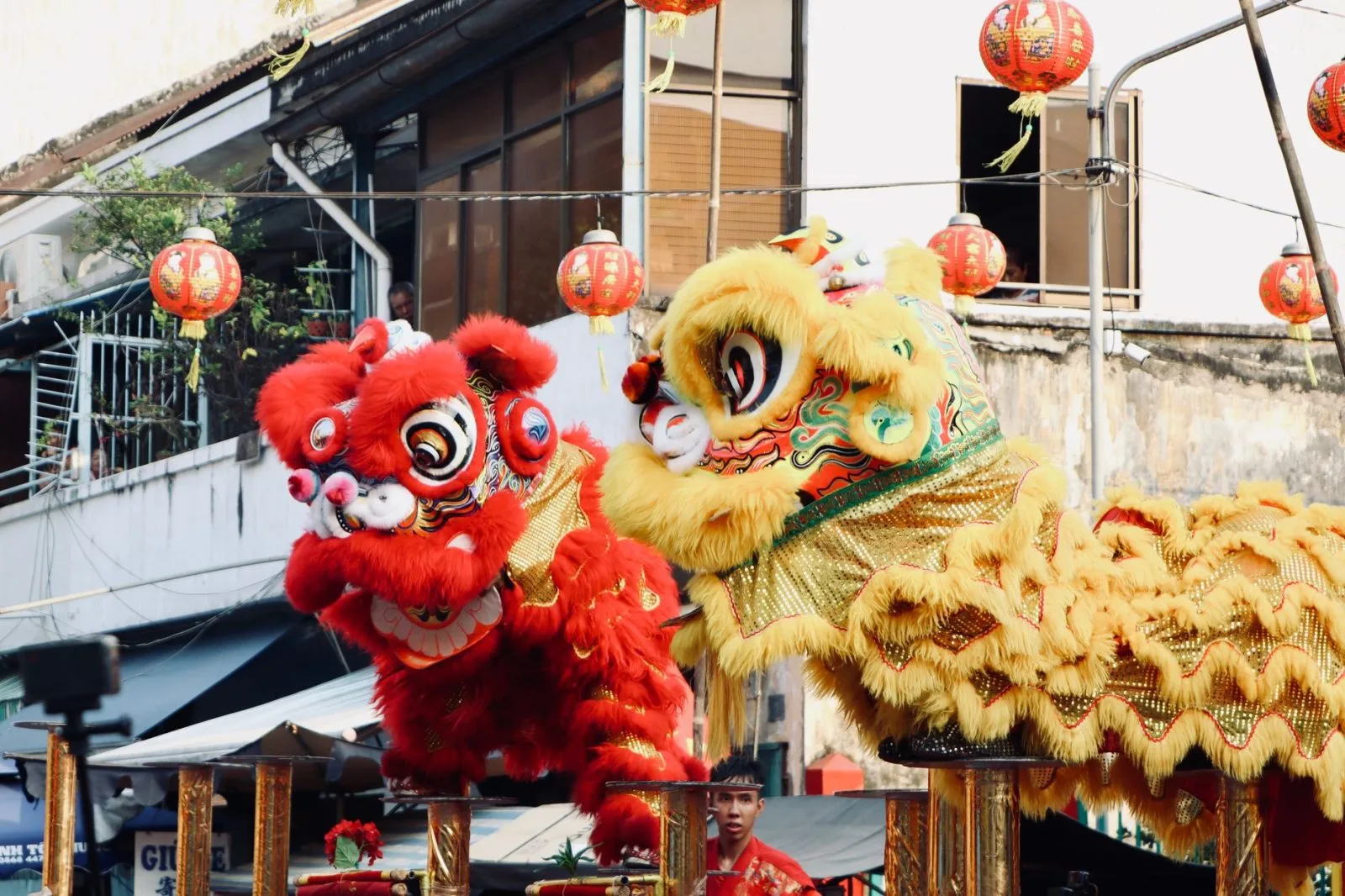
    A lion dance troupe leaping beneath hanging lanterns during a street celebration
    Processions and lion dances turn the festival into a public performance. Pham Huynh Tuan Vy | Pexels License (https://www.pexels.com/license/)

    Tangyuan and the Taste of Reunion

    The festival food is tangyuan in southern China and often yuanxiao in the north, both made from glutinous rice flour around a sweet filling. The names and methods differ: southern cooks wrap a soft dough around filling, while northern cooks may roll moistened filling in dry rice flour in repeated layers. Fillings include black sesame paste, red bean, peanut, and osmanthus sugar. The round shape suggests family unity, and the bowls are shared after the evening’s walk. In Ningbo, black-sesame tangyuan are a local speciality; in Shanghai and Suzhou they are sold from neighbourhood shops. Sweet rice wine and small glutinous balls are also served in some regions.

    • Black sesame, red bean, and peanut fillings
    • Southern wrapped tangyuan and northern rolled yuanxiao
    • Lantern riddles attached to public displays
    • Dragon and lion processions after dark
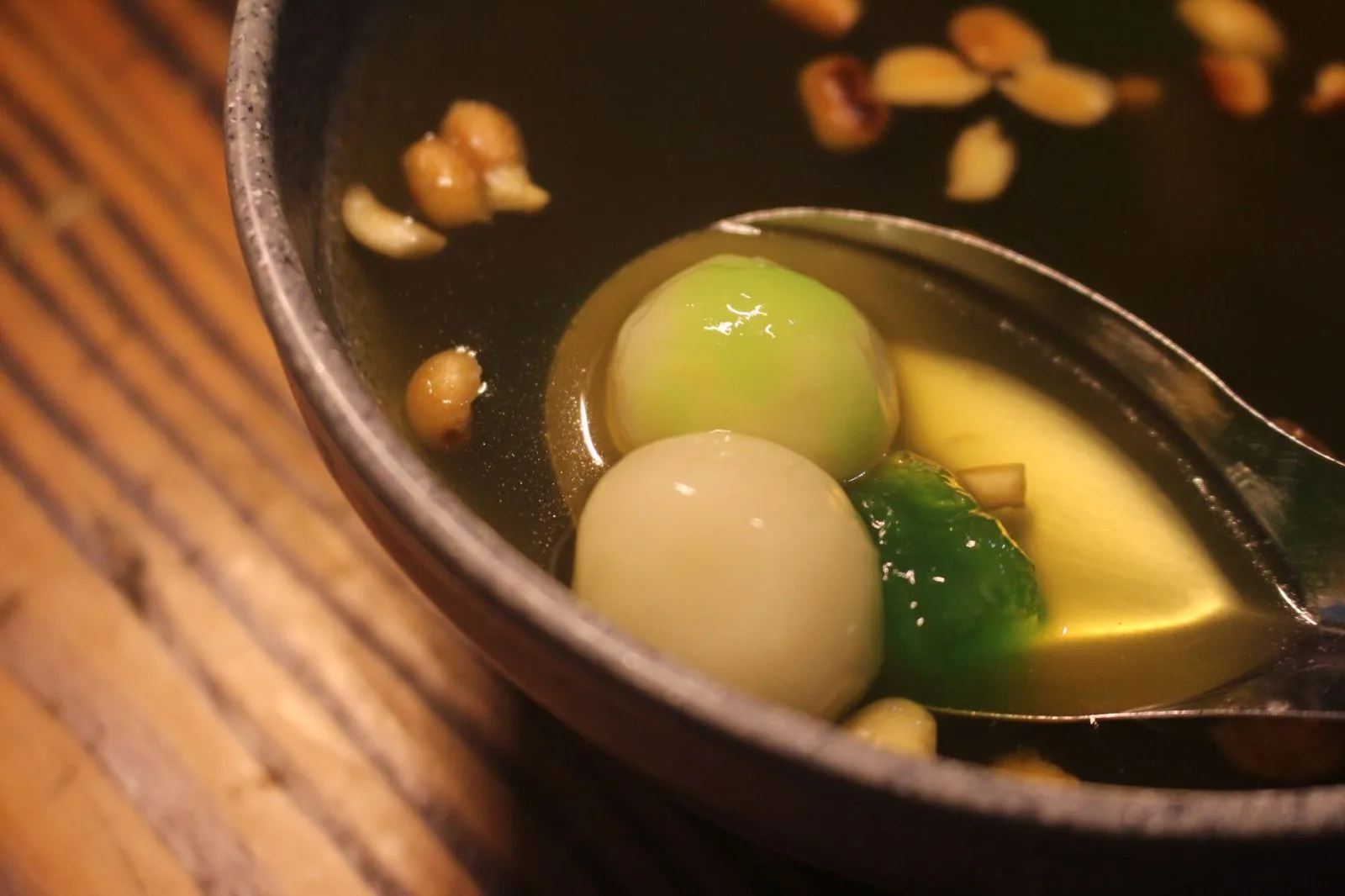
    A bowl of small white glutinous rice balls in clear sweet soup
    Round rice balls symbolise reunion at the first full moon. Jauhar Musthofal Qulub | Pexels License (https://www.pexels.com/license/)

    The Festival in Modern Cities

    The festival remains a public holiday in mainland China, though the number of days off and the school calendar vary. Major cities install temporary lighting, close some streets to traffic, and run lantern displays in parks and along rivers. Viewing a lantern show often means walking slowly in crowds; in Beijing, the temperature can still be below freezing, so warm layers matter. Photographers should check local rules on tripods and drones. Shopping districts extend the season commercially, but temple fairs and neighbourhood associations keep older practices alive. The date’s movement also means the festival may fall during term time or a working week, changing how families gather.

    The first full moon turns a winter street into a temporary gallery of paper, silk, and light.

    स्रोत और आगे की जानकारी

    1. लालटेन की त्योहार — एनसाइक्लोपीडिया ब्रिटानिका।
    2. Chinese Lantern Festival — China Highlights.
    3. Yuanxiao Festival — World History Encyclopedia.

    इसे यथास्थान देखें

    इस प्रविष्टि का अनुसरण करके उस क्षेत्र तक पहुँचें जहाँ यह संबंधित है।

    मानचित्र द्वारा अन्वेषण करें

    इस चर्चा का अनुसरण करें

    उन अन्य प्रविष्टियों को ब्राउज़ करें जिनमें इसके समान टैग हैं।

    टैग ब्राउज़ करें
  • पकौड़ी

    जीवन और लोककथाएँ

    पकौड़ी

    गेहूं से भरे डिब्बे और शीतकालीन अनुष्ठान

    उत्तरी चीन के पकौड़े गेहूं के आटे और मौसमी भरावन को एक सामूहिक भोजन में बदल देते हैं।

    अनुभाग
    जीवन और लोककथाएँ
    क्षेत्र
    बीजिंग
    युग
    युगों के पार
    टैग
    रीति-रिवाज, भोजन

    डम्पलिंग्स गेहूं से बने भरे हुए पार्सल होते हैं जिन्हें उबालकर, भाप में पकाकर या तलकर तैयार किया जाता है। उत्तरी चीन में इन्हें शीतकालीन संक्रांति और चंद्र नव वर्ष के उपलक्ष्य में मनाया जाता है, जब परिवार एक मेज के चारों ओर बैठकर जियाओज़ी (डम्पलिंग्स) बनाते हैं और प्रत्येक पार्सल को हाथ से मोड़ते हैं।

    उत्तरी आहार में गेहूं

    डम्पलिंग उत्तरी चीन के गेहूं और बाजरा उत्पादक क्षेत्र की देन हैं, जहां हान राजवंश और बाद के राजवंशों में गेहूं का आटा मुख्य भोजन बन गया था। इनके आकार की तुलना प्राचीन चीनी मुद्रा से की जाती है, जिससे नव वर्ष के संदर्भ में इस व्यंजन का विशेष महत्व हो गया: जियाओज़ी शब्द खजाने के आदान-प्रदान से संबंधित है। एक प्रसिद्ध परंपरा के अनुसार, डम्पलिंग का संबंध चिकित्सक झांग झोंगजिंग से है, जिन्होंने हान काल में ठंड से जमे कानों के इलाज के लिए भरे हुए आटे के पार्सल बनाए थे। इस कहानी की पुष्टि करना कठिन है, लेकिन यह ठंडे मौसम में डम्पलिंग खाने की प्रथा को स्पष्ट करती है। गेहूं से बने भरे हुए खाद्य पदार्थों के पुरातात्विक प्रमाण किसी एक आविष्कारक के प्रमाण से कहीं अधिक स्पष्ट हैं।

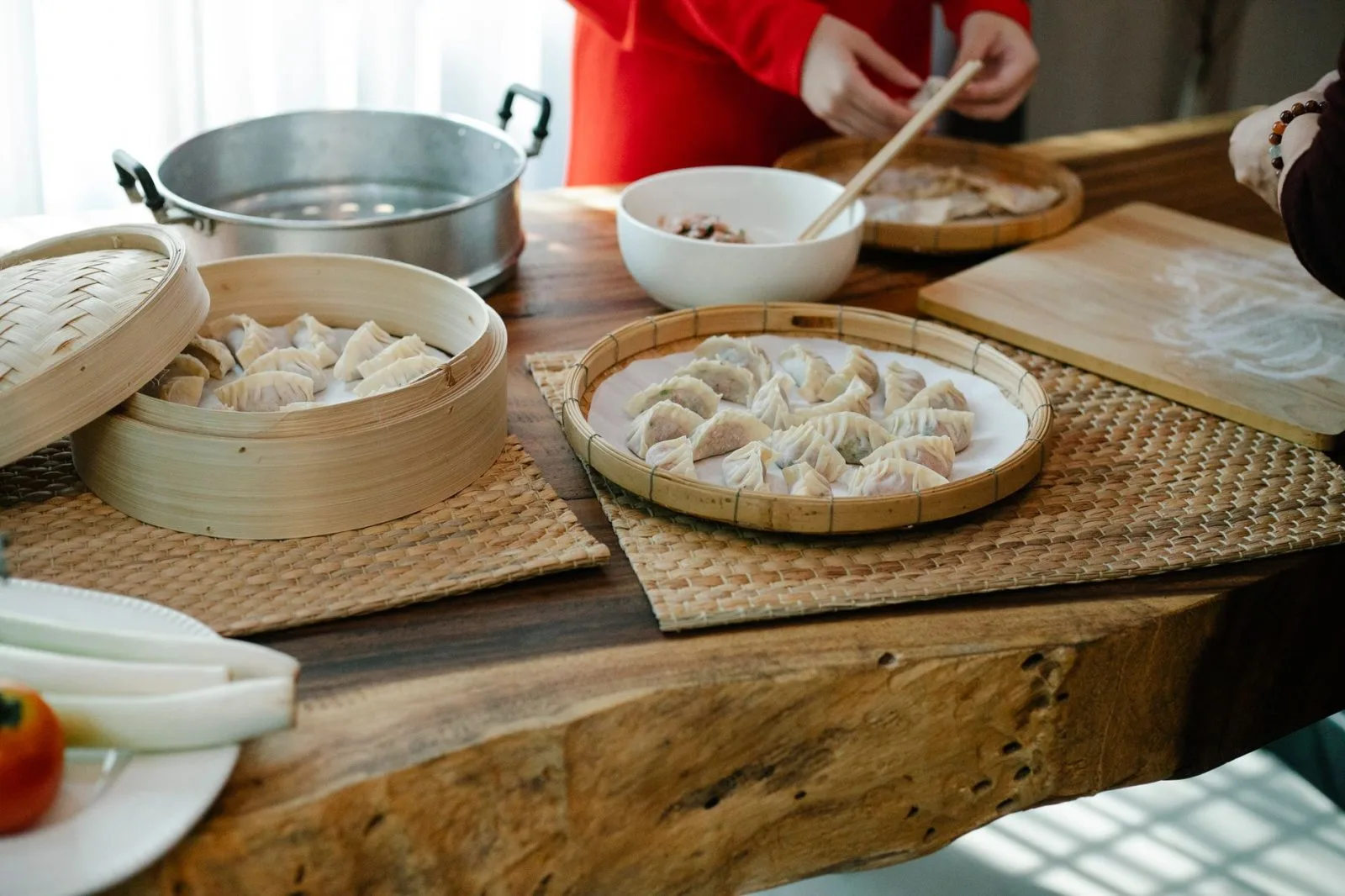
    आटे से ढकी लकड़ी की तख्ती पर तह किए हुए जियाओज़ी पकौड़ियों की एक पंक्ति रखी हुई है।
    किनारों पर बनी सिलवटें भरावन को सील कर देती हैं और प्रत्येक पकौड़ी को उसका परिचित आकार देती हैं। एंजेला रोमा | पेक्सेल्स लाइसेंस (https://www.pexels.com/license/)

    आटा, भरावन और मोड़

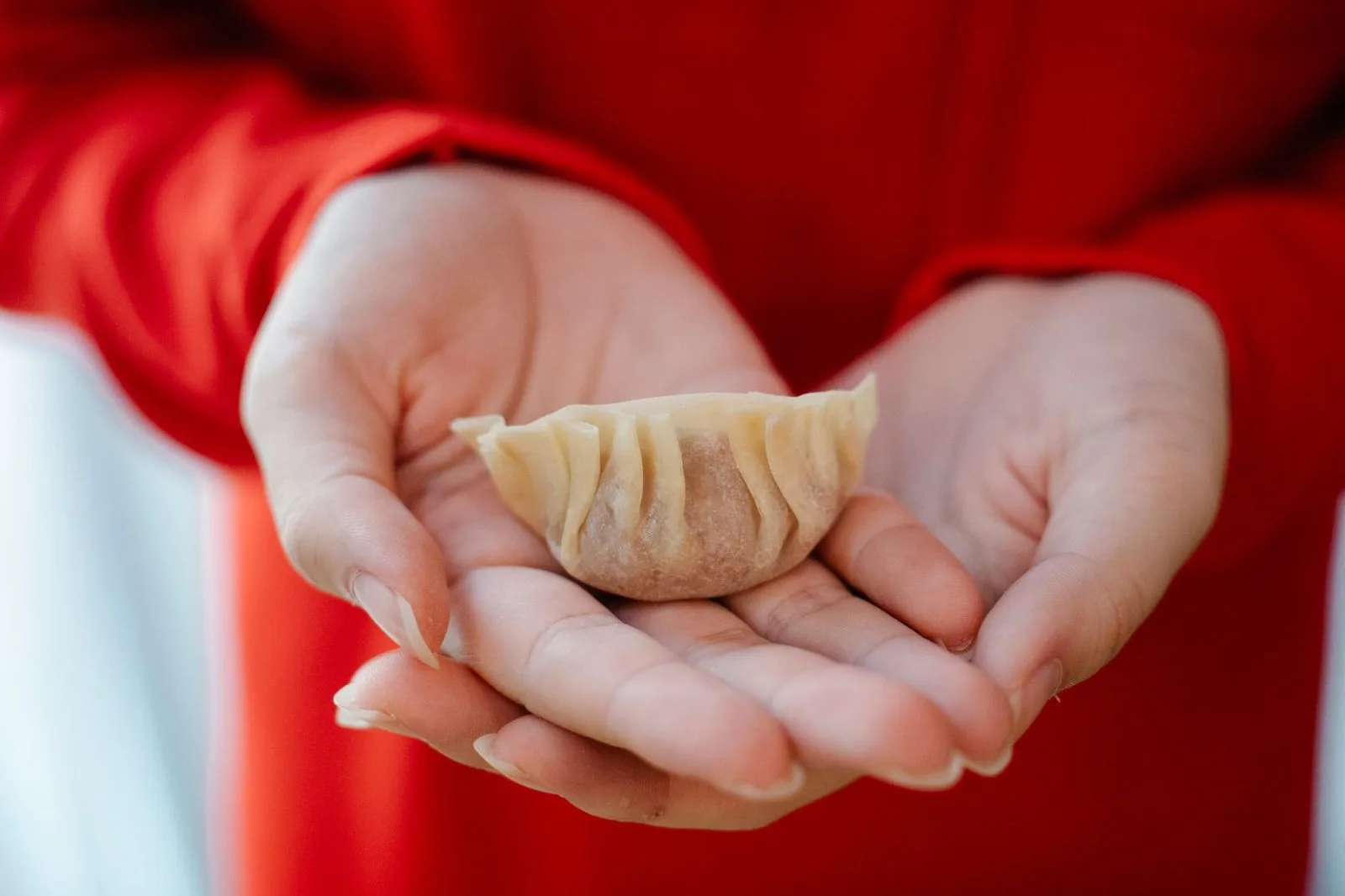
    जियाओज़ी के मूल आटे में गेहूं का आटा और पानी होता है, जिसे कुछ देर रखा जाता है ताकि ग्लूटेन नरम हो जाए और बिना फटे इसे पतला बेला जा सके। कुछ रसोइये इसमें अंडा मिलाते हैं या आटे के कुछ हिस्से में गर्म पानी डालते हैं ताकि आटा और भी नरम हो जाए। भरावन को बारीक काटकर पकाया जाता है ताकि वह अच्छी तरह पक जाए: सूअर का मांस पत्तागोभी, प्याज़ या लीक के साथ; उत्तर-पश्चिम में मेमने का मांस प्याज़ के साथ; तटीय क्षेत्रों में झींगा और अंडा। रसोइया भरावन को बीच में रखता है, लपेटे को मोड़ता है और किनारों पर सिलवटें दबाता है। अच्छी तरह सील करना ज़रूरी है क्योंकि अगर अंदर हवा रह जाए तो उबालने से आटा खुल जाता है। टोफू, मशरूम या अंडे के साथ शाकाहारी भरावन आम हैं, खासकर मंदिर दर्शन और उपवास के समय।

    कच्चे पकौड़े के किनारे पर बनी सिलवटों को हाथों से दबाते हुए।
    तह लगाने से पार्सल सील हो जाता है; प्रत्येक परिवार की तह लगाने की विधि अलग-अलग हो सकती है। एंजेला रोमा | पेक्सेल्स लाइसेंस (https://www.pexels.com/license/)

    उबला हुआ, भाप में पकाया हुआ और तला हुआ

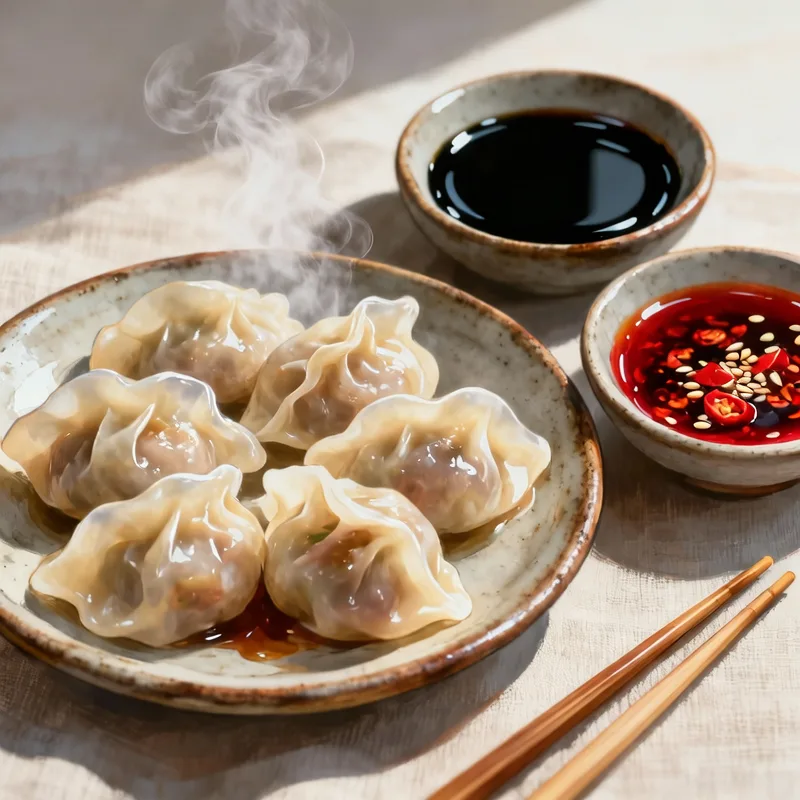
    सबसे आम तरीका उबालना है: पकौड़ियों को एक बड़े बर्तन में डाला जाता है, नीचे से हिलाया जाता है, और तब तक पकाया जाता है जब तक वे तैरने और फूलने न लगें। उत्तरी रसोइये अक्सर बर्तन के दोबारा उबलने पर थोड़ा ठंडा पानी डालते हैं, और सख्त परत के लिए इस प्रक्रिया को तीन बार दोहराते हैं। पॉटस्टिकर, या गुओटी, को एक तरफ से तला जाता है, फिर थोड़े पानी के साथ ढक्कन लगाकर भाप में पकाया जाता है, जिससे एक कुरकुरा आधार बनता है। दक्षिणी और प्रवासी संस्करणों में झींगा और पारदर्शी गेहूं के स्टार्च के रैपर के साथ भाप में पके हुए हार गाओ शामिल हैं। डिपिंग सॉस काले सिरके और अदरक से लेकर मिर्च के तेल या लहसुन के साथ सोया सॉस तक भिन्न होते हैं। भरावन भी बदलते रहते हैं: बीजिंग में सूअर का मांस और प्याज का तला प्रमुख है, मुस्लिम समुदायों में गोमांस और भेड़ का मांस दिखाई देता है, और ठंडे अंतर्देशीय शहरों में पत्तागोभी या मशरूम उपयुक्त होते हैं।

    • नव वर्ष और शीतकालीन संक्रांति के लिए उबले हुए जियाओज़ी
    • कुरकुरे तले हुए तल के साथ गुओटी
    • काला सिरका और अदरक एक क्लासिक डिप के रूप में
    • सूअर का मांस, भेड़ का मांस, झींगा या सब्जियों से भरी जाने वाली क्षेत्रीय फिलिंग
    उबले हुए पकौड़े, सिरके और मिर्च के तेल की छोटी कटोरियों के साथ परोसे जाते हैं।
    सिरका और अदरक से बनी चटनी, पोर्क की भरपूर फिलिंग के स्वाद को संतुलित करती है। कृत्रिम बुद्धिमत्ता द्वारा निर्मित चित्र · सिनोविज़

    इन्हें एक साथ बनाना

    डम्पलिंग एक सामाजिक भोजन है क्योंकि इसे बनाने में समय लगता है। चंद्र नव वर्ष की पूर्व संध्या पर, कई पीढ़ियाँ मिलकर रैपर रोल करती हैं, भरावन काटती हैं और दर्जनों या सैकड़ों डम्पलिंग बनाती हैं; कुछ डम्पलिंग सिक्के के आकार की होती हैं या सौभाग्य के प्रतीक के रूप में उनमें एक साफ सिक्का छिपाया जाता है। भोजन अक्सर परिवार के सबसे बुजुर्ग सदस्यों के साथ मिलकर किया जाता है। बचे हुए डम्पलिंग अगले दिन तले जाते हैं, और अब चीन और विदेशों के सुपरमार्केट में फ्रोजन डम्पलिंग भी बिकती हैं। रेस्तरां में मिलने वाली डम्पलिंग बीजिंग के भेड़ के मांस की डम्पलिंग से लेकर शंघाई के गुओटी और सूप से भरे शियाओलोंगबाओ तक विभिन्न प्रकार की होती हैं, जो भाप में पकाए जाने वाले बन्स के एक संबंधित लेकिन अलग परिवार से संबंधित हैं।

    एक पकौड़ी घर की व्यवस्था का एक छोटा सा हिस्सा है: आटा, भरावन, हाथ और एक साथ इकट्ठा होने का एक कारण।

    स्रोत और आगे की जानकारी

    1. उबाली हुई पकौड़ी — एनसाइक्लोपीडिया ब्रिटानिका।
    2. जियाओजी — एनसाइक्लोपीडिया ब्रिटानिका।
    3. चीनी नव वर्ष — एनसाइक्लोपीडिया ब्रिटानिका।

    इसे यथास्थान देखें

    इस प्रविष्टि का अनुसरण करके उस क्षेत्र तक पहुँचें जहाँ यह संबंधित है।

    मानचित्र द्वारा अन्वेषण करें

    इस चर्चा का अनुसरण करें

    उन अन्य प्रविष्टियों को ब्राउज़ करें जिनमें इसके समान टैग हैं।

    टैग ब्राउज़ करें
  • सिचुआन व्यंजन

    जीवन और लोककथाएँ

    सिचुआन व्यंजन

    Chilli Oil, Ferment, and the Numbing Pepper

    Sichuan cooking balances chilli heat, Sichuan pepper numbness, fermented bean paste, and rich broth.

    अनुभाग
    जीवन और लोककथाएँ
    क्षेत्र
    सिचुआन
    युग
    युगों के पार
    टैग
    Customs, Food, Geography

    Sichuan cuisine is known for bold seasoning, but its classic dishes are built on contrast: chilli with Sichuan pepper, hot oil with cool cucumber, or a clear broth beside a fiery one.

    A Basin Pantry and Early Flavours

    The Sichuan Basin has fertile fields, rivers, and a humid climate, but its early elite cooking was not defined by chilli. Chilli peppers reached China from the Americas in the sixteenth century and became a Sichuan staple later, especially among ordinary households. Before that, cooks used ginger, garlic, mustard, vinegar, and the distinctive Sichuan pepper, Zanthoxylum simulans, whose husks cause a tingling sensation rather than heat.Fermented bean pastes from the basin towns added depth. Pixian doubanjiang, a broad-bean and chilli paste fermented in Pixian near Chengdu, became a foundation of many red-braised and stir-fried dishes. The province’s food therefore combines older preservation methods with ingredients that arrived through global trade.

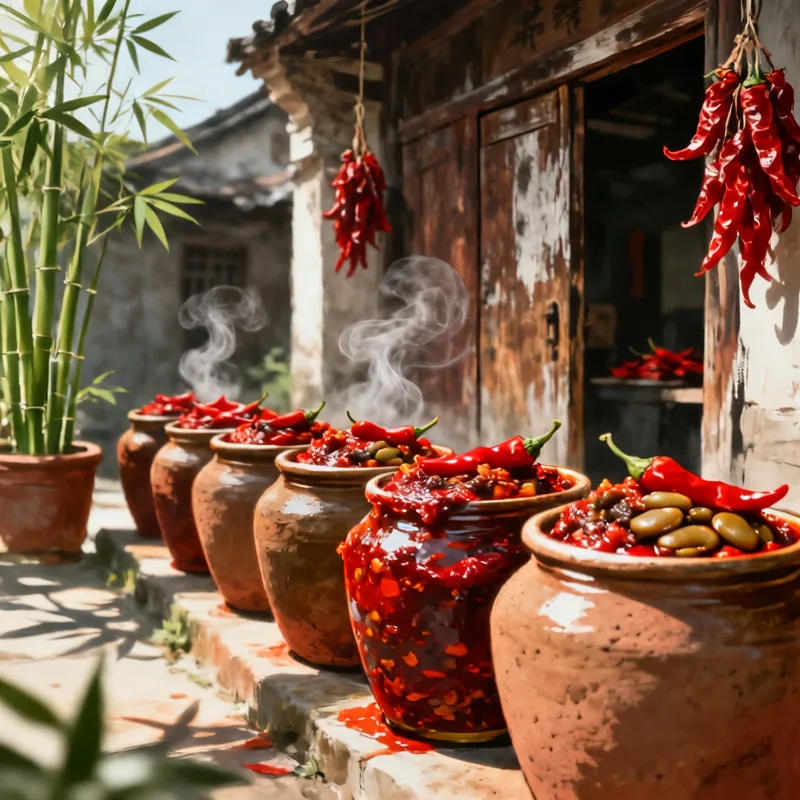
    Jars of red chilli and broad-bean paste fermenting outside a Sichuan workshop
    Fermented doubanjiang gives many Sichuan dishes their deep red base. कृत्रिम बुद्धिमत्ता द्वारा निर्मित चित्र · सिनोविज़

    The Grammar of Heat

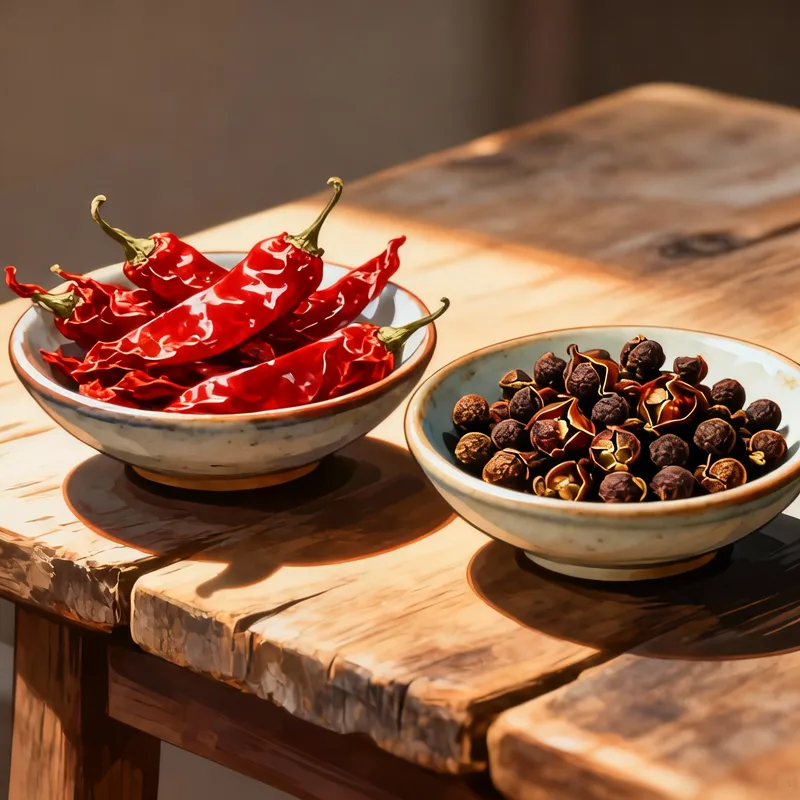
    Sichuan cooks distinguish several kinds of chilli heat. Dried chillies are fried in oil until fragrant but not blackened; chilli oil is steeped and aged; chilli bean paste supplies fermented heat; and fresh peppers give a brighter bite. Sichuan peppercorns, often toasted and ground, produce the málà combination of numbness and spice. Official Sichuan cookbooks describe more than twenty recognised flavour profiles, from guaiwei, strange or complex, to yuxiang, fish-fragrant, which uses no fish. Mapo tofu, associated with Chengdu in the nineteenth century, combines soft tofu, minced meat, doubanjiang, chilli oil, and Sichuan pepper. Kung Pao chicken uses dried chillies, peanuts, and a sweet-sour soy sauce.

    Dried red chillies and Sichuan peppercorns in separate shallow bowls
    Chilli heat and peppercorn numbness are distinct, and cooks balance them separately. कृत्रिम बुद्धिमत्ता द्वारा निर्मित चित्र · सिनोविज़

    Hotpot and the Two-Flame Bowl

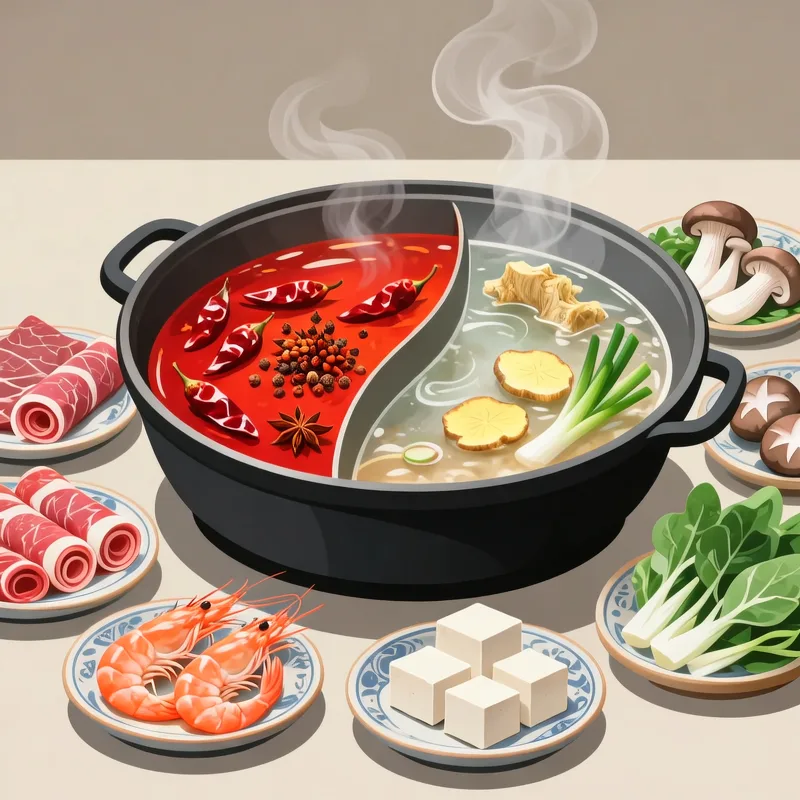
    Chengdu hotpot is a social meal built around a divided pot. One side may hold a red broth of chilli oil, doubanjiang, beef fat, and spices; the other a clear chicken or mushroom stock. Diners cook thinly sliced beef, tripe, duck blood, fish balls, vegetables, and mushrooms, then dip them in sesame oil, garlic, and chopped herbs. The sesame dip cools the palate and coats the mouth against spice. Chongqing hotpot is often heavier and more direct, traditionally using beef tallow; Chengdu versions are commonly more aromatic and varied. Yibin and other southern cities add their own chilli blends. Restaurants label spice levels, but heat can still be adjusted only by asking.

    • Pixian doubanjiang as a fermented chilli-bean base
    • Málà: chilli heat plus peppercorn numbness
    • Two-flavour hotpot with red and clear broth
    • Sesame oil dip to moderate the heat
    A divided hotpot with red chilli broth and clear broth surrounded by ingredient plates
    A two-flavour pot lets a table divide heat from clarity. कृत्रिम बुद्धिमत्ता द्वारा निर्मित चित्र · सिनोविज़

    Beyond the Fiery Stereotype

    Not every Sichuan dish is hot. Sichuan’s most ceremonial dish, Gongbao chicken and the banquet classic ‘sweet and sour’ aside, the cuisine includes clear broths, steamed dishes, and delicate pastry. Zhangcha duck is smoked with tea leaves and camphor before steaming, while boiled pork slices are served in a clear broth with mustard greens. Chengdu’s teahouses and dish shops serve small noodles, sweet-water noodles, and dumplings. The province also includes Tibetan and Yi food traditions in its western highlands, where barley, yak products, and different seasonings dominate. Reading Sichuan cuisine only as heat misses its central achievement: layering aromas, textures, and ferments so that strong flavours remain controlled.

    Sichuan cooking is not simply hot; it is a carefully graded argument between chilli, pepper, oil, and ferment.

    स्रोत और आगे की जानकारी

    1. Sichuan cuisine — एनसाइक्लोपीडिया ब्रिटानिका।
    2. Chinese Cuisine — एनसाइक्लोपीडिया ब्रिटानिका।
    3. Sichuan Food — China Highlights.

    इसे यथास्थान देखें

    इस प्रविष्टि का अनुसरण करके उस क्षेत्र तक पहुँचें जहाँ यह संबंधित है।

    मानचित्र द्वारा अन्वेषण करें

    इस चर्चा का अनुसरण करें

    उन अन्य प्रविष्टियों को ब्राउज़ करें जिनमें इसके समान टैग हैं।

    टैग ब्राउज़ करें
  • फ़ुज़ियान

    क्षेत्र · तट, टुलू और चाय

    फ़ुज़ियान

    फ़ुज़ियान जलडमरूमध्य के पार ताइवान के सामने स्थित है और समुद्र की ओर देखता है। इसके पहाड़ों ने हक्का तुलू समुदायों को आश्रय दिया, जबकि इसके बंदरगाहों से समुद्री मार्गों के माध्यम से व्यापारी, प्रवासी और चाय का परिवहन होता था।

    क्षेत्र
    फ़ुज़ियान
    COORDINATES
    26.07°N, 119.30°E
    के लिए जाना जाता है
    तट, तुलू और चाय

    परिदृश्य

    खड़ी पहाड़ियाँ एक ऊबड़-खाबड़ तटरेखा से मिलती हैं। नदियाँ समुद्र तक छोटी-छोटी घाटियाँ काटती हैं, जिससे प्राकृतिक बंदरगाह बनते हैं और अंतर्देशीय समुदायों को अलग-थलग कर देते हैं, जिन्होंने विशिष्ट वास्तुकला और बोलियाँ विकसित कीं।

    विरासत और स्थान

    • फ़ुज़ियान टुलू
    • गुलांग्यु
    • वुयी पर्वत
    • क्वानझोऊ समुद्री स्थल

    संस्कृति और दैनिक जीवन

    फ़ुज़ियान प्रांत ऊलोंग चाय, समुद्री भोजन, मिननान और हक्का परंपराओं और समुद्री यात्रा से जुड़े मंदिर नेटवर्क के लिए जाना जाता है। इस प्रांत का इतिहास पर्वतीय और समुद्री दोनों पहलुओं से जुड़ा है।

    यात्रा जारी रखें

    इस क्षेत्र को किसी पर्यटन गाइड के साथ जोड़ें या समय के साथ इसकी कहानियों का अनुसरण करें।

    घूमने की जगहों का अन्वेषण करें ओपन क्रॉनिकल
  • Guangxi

    क्षेत्र · कार्स्ट और ली नदी

    Guangxi

    Guangxi is a landscape of limestone peaks, rivers and terraced hills. Its karst scenery is famous, but the province is equally defined by Zhuang, Dong and Miao communities and their festivals.

    क्षेत्र
    Guangxi
    COORDINATES
    22.82°N, 108.32°E
    के लिए जाना जाता है
    कार्स्ट और ली नदी

    परिदृश्य

    Karst towers rise above the Li River and surrounding plains. Caves, sinkholes and underground rivers shape both the scenery and the agricultural life of the region.

    विरासत और स्थान

    • Li River
    • Longji rice terraces
    • Detian Waterfall
    • Lingqu Canal

    संस्कृति और दैनिक जीवन

    Guangxi food is sour, fragrant and often river-based. Zhuang song festivals, Dong drum towers and Miao silverwork connect the province’s scenic image to living local traditions.

    इस क्षेत्र से

    आगे पढ़ने के लिए कहानियां

    मानचित्र, इतिहास और दैनिक जीवन में इस स्थान से संबंधित प्रविष्टियाँ।

    यात्रा जारी रखें

    इस क्षेत्र को किसी पर्यटन गाइड के साथ जोड़ें या समय के साथ इसकी कहानियों का अनुसरण करें।

    घूमने की जगहों का अन्वेषण करें ओपन क्रॉनिकल
  • गुआंग्डोंग

    क्षेत्र · पर्ल नदी और समुद्र

    गुआंग्डोंग

    Guangdong faces the South China Sea and the Pearl River Delta. Its ports, dialects and Cantonese food culture have long connected China to maritime trade and overseas communities.

    क्षेत्र
    गुआंग्डोंग
    COORDINATES
    23.13°N, 113.26°E
    के लिए जाना जाता है
    पर्ल नदी और समुद्र

    परिदृश्य

    A subtropical coast gives way to river plains and northern hills. The delta’s waterways supported agriculture, trade and the dense urban networks that define the region today.

    विरासत और स्थान

    • Kaiping diaolou
    • Danxia landforms
    • Guangzhou old quarters
    • Foshan ancestral halls

    संस्कृति और दैनिक जीवन

    Cantonese cuisine prizes freshness, seafood and dim sum. Lingnan architecture, opera and clan halls reflect a culture shaped by commerce, migration and humid coastal life.

    यात्रा जारी रखें

    इस क्षेत्र को किसी पर्यटन गाइड के साथ जोड़ें या समय के साथ इसकी कहानियों का अनुसरण करें।

    घूमने की जगहों का अन्वेषण करें ओपन क्रॉनिकल
  • झिंजियांग

    क्षेत्र · रेगिस्तान, नखलिस्तान और रेशम मार्ग

    झिंजियांग

    शिनजियांग चीन के उत्तर-पश्चिमी छोर पर रेगिस्तान, घास के मैदानों और ऊंचे पहाड़ों में फैला हुआ है। रेशम मार्ग पर स्थित नखलिस्तान कस्बों ने इसे वस्तुओं, धर्मों और भाषाओं के लिए एक मिलन स्थल बना दिया।

    क्षेत्र
    झिंजियांग
    COORDINATES
    43.83°N, 87.62°E
    के लिए जाना जाता है
    रेगिस्तान, नखलिस्तान और रेशम मार्ग

    परिदृश्य

    तकलामकन रेगिस्तान तियान शान और कुनलुन पर्वत श्रृंखलाओं के बीच स्थित है। हिमनदों के पिघलने से नखलिस्तान की नदियाँ पोषित होती हैं, जबकि प्राचीन करेज़ नहरें भूमिगत रूप से खेतों और कस्बों तक पानी पहुँचाती थीं।

    विरासत और स्थान

    • काशगर का पुराना शहर
    • जियाओहे खंडहर
    • करेज़ सिंचाई प्रणाली
    • तियानशान तियानची

    संस्कृति और दैनिक जीवन

    उइघुर संगीत, नान, भेड़ के कबाब और बाज़ार शिनजियांग को एक विशिष्ट नखलिस्तान संस्कृति प्रदान करते हैं। इस क्षेत्र का इतिहास बौद्ध गुफाओं, इस्लामी वास्तुकला और कारवां मार्गों में झलकता है।

    इस क्षेत्र से

    आगे पढ़ने के लिए कहानियां

    मानचित्र, इतिहास और दैनिक जीवन में इस स्थान से संबंधित प्रविष्टियाँ।

    यात्रा जारी रखें

    इस क्षेत्र को किसी पर्यटन गाइड के साथ जोड़ें या समय के साथ इसकी कहानियों का अनुसरण करें।

    घूमने की जगहों का अन्वेषण करें ओपन क्रॉनिकल
  • तिब्बत (ज़िज़ांग)

    क्षेत्र · उच्च पठार

    Xizang

    तिब्बत मठों, पर्वतीय दर्रों और पवित्र झीलों से युक्त एक ऊंचे पठार के रूप में उभरा है। इसके भूदृश्य और धार्मिक जीवन ने एक ऐसी संस्कृति को आकार दिया है जो ऊंचाई, प्रकाश और दूरी के अनुकूल है।

    क्षेत्र
    Xizang
    COORDINATES
    29.65° उत्तर, 91.12° पूर्व
    के लिए जाना जाता है
    ऊँचा पठार

    परिदृश्य

    तिब्बती पठार की औसत ऊंचाई 4,000 मीटर से अधिक है। हिमनद प्रमुख एशियाई नदियों को जल प्रदान करते हैं, जबकि चौड़ी घाटियाँ और ऊंचे दर्रे शहरों और मठों के बीच आवागमन को सुगम बनाते हैं।

    विरासत और स्थान

    • पोटाला पैलेस
    • जोखांग मंदिर
    • माउंट एवरेस्ट का आधार क्षेत्र
    • नामत्सो झील

    संस्कृति और दैनिक जीवन

    तिब्बती बौद्ध धर्म, मक्खन वाली चाय, त्सम्पा और प्रार्थना ध्वज दैनिक जीवन का हिस्सा हैं। मठों के त्योहार, थांगका चित्रकला और पत्थर की वास्तुकला सार्वजनिक स्थानों में धार्मिक अर्थ को समाहित करते हैं।

    इस क्षेत्र से

    आगे पढ़ने के लिए कहानियां

    मानचित्र, इतिहास और दैनिक जीवन में इस स्थान से संबंधित प्रविष्टियाँ।

    यात्रा जारी रखें

    इस क्षेत्र को किसी पर्यटन गाइड के साथ जोड़ें या समय के साथ इसकी कहानियों का अनुसरण करें।

    घूमने की जगहों का अन्वेषण करें ओपन क्रॉनिकल
  • युन्नान

    क्षेत्र · पहाड़, चाय और अनेक लोग

    युन्नान

    Yunnan sits where the Tibetan plateau drops toward Southeast Asia. Its deep valleys, tea mountains and old towns hold an unusually wide range of languages, foods and festivals.

    क्षेत्र
    युन्नान
    COORDINATES
    25.04°N, 102.71°E
    के लिए जाना जाता है
    पहाड़, चाय और अनेक लोग

    परिदृश्य

    The province is a mosaic of high mountains, river gorges and subtropical valleys. The Three Parallel Rivers area carries the Yangtze, Mekong and Salween through dramatic terrain.

    विरासत और स्थान

    • Old Town of Lijiang
    • Stone Forest
    • Three Parallel Rivers
    • Yuanyang rice terraces

    संस्कृति और दैनिक जीवन

    Yunnan food is sour, spicy, herbal and intensely local: crossing-the-bridge noodles, mushrooms, cured ham and Pu’er tea. Dai, Bai, Yi, Naxi and many other communities shape the province’s festivals and crafts.

    यात्रा जारी रखें

    इस क्षेत्र को किसी पर्यटन गाइड के साथ जोड़ें या समय के साथ इसकी कहानियों का अनुसरण करें।

    घूमने की जगहों का अन्वेषण करें ओपन क्रॉनिकल
  • सिचुआन

    क्षेत्र · काली मिर्च और पांडा का एक बेसिन

    सिचुआन

    Sichuan is defined by its fertile basin, mountain borders and a cuisine that turned chilli and Sichuan pepper into a regional language. Its history runs from ancient Shu kingdoms to modern high-speed corridors.

    क्षेत्र
    सिचुआन
    COORDINATES
    30.57°N, 104.07°E
    के लिए जाना जाता है
    काली मिर्च और पांडा से भरा एक बर्तन

    परिदृश्य

    Ringed by mountains, the Sichuan Basin holds rivers, farmland and dense cities. To the west, the plateau rises sharply toward Tibet; to the east, gorges cut toward the Yangtze.

    विरासत और स्थान

    • Leshan Giant Buddha
    • Dujiangyan irrigation system
    • Jiuzhaigou
    • Mount Emei

    संस्कृति और दैनिक जीवन

    Sichuan cooking balances málà heat, fragrance and texture. Teahouses, opera, bamboo craft and panda conservation give the province a cultural life that is both local and widely recognised.

    यात्रा जारी रखें

    इस क्षेत्र को किसी पर्यटन गाइड के साथ जोड़ें या समय के साथ इसकी कहानियों का अनुसरण करें।

    घूमने की जगहों का अन्वेषण करें ओपन क्रॉनिकल