वर्ग: जीवन और लोककथाएँ

  • बाई लोग

    जीवन और लोककथाएँ

    बाई लोग

    डाली के चारों ओर सफेद दीवारें और शिल्पकला

    बाई लोग चीनी-तिब्बती भाषा बोलने वाले लोग हैं जो डाली के आसपास केंद्रित हैं, जिनके आंगन वाले घर और नीले रंग से रंगे कपड़े स्थानीय दृश्य शैली को परिभाषित करते हैं।

    अनुभाग
    जीवन और लोककथाएँ
    क्षेत्र
    युन्नान
    युग
    युगों के पार
    टैग
    जातीय, रीति-रिवाज

    बाई कस्बे उत्तर-पश्चिमी युन्नान में कांगशान पर्वतमाला और एरहाई झील के बीच स्थित हैं। उनकी भाषा चीनी-तिब्बती है, और उनके समुदाय तेरहवीं शताब्दी में मंगोल विजय से पहले इस क्षेत्र पर शासन करने वाले नानझाओ और डाली राज्यों की यादें संजोए हुए हैं।

    कैंगशान और एरहाई के बीच

    चीन की 2010 की जनगणना के अनुसार, लगभग 19 लाख बाई लोग दर्ज किए गए थे। इनमें से लगभग चार-पांचवां हिस्सा डाली बाई स्वायत्त प्रान्त में रहता है, जबकि अन्य समुदाय कुनमिंग, चुक्सिओंग, लिजियांग, बाओशान और पश्चिमी युन्नान के कुछ हिस्सों में बसे हुए हैं। कस्बे और गाँव कांगशान की ढलानों और एरहाई के तट के बीच स्थित समतल भूमि की संकरी पट्टी पर बसे हुए हैं, जहाँ सिंचाई से चावल, सेम और दुग्ध उत्पादन होता है। बाई नाम का अर्थ सफेद है, जो स्थानीय इमारतों की विशेषता बताने वाले हल्के रंग के प्लास्टर का संकेत है। चूंकि डाली युन्नान को सिचुआन और तिब्बत से जोड़ने वाले व्यापार मार्गों पर स्थित था, इसलिए बाई कस्बों ने कई दिशाओं से सामान और तकनीकें अपनाईं, साथ ही साथ रूप और सजावट की अपनी मजबूत स्थानीय शैली को भी बनाए रखा।
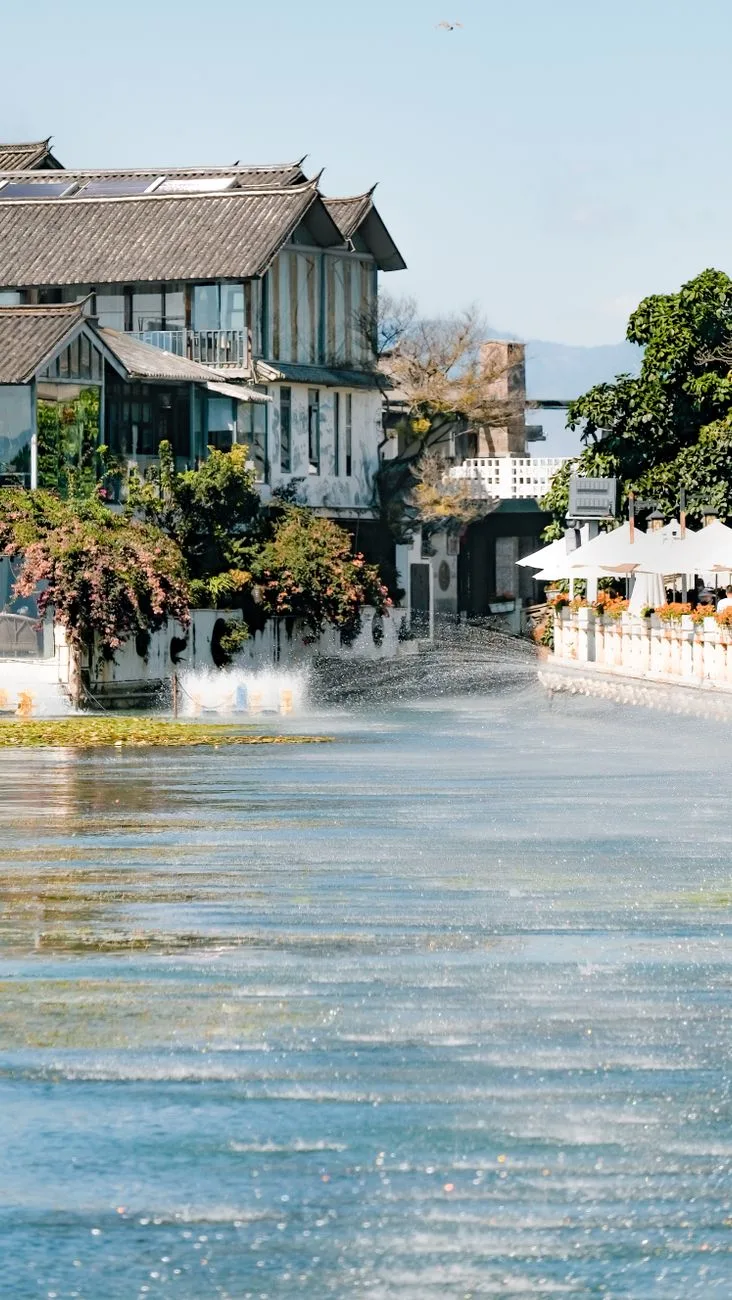
    डाली के पास कांगशान पर्वत श्रृंखला के नीचे, सफ़ेद रंग से पुते हुए बाई शैली के घर, जिनकी छतें धूसर टाइलों से बनी हैं।
    सफेद प्लास्टर और गहरे रंग की टाइलें डाली क्षेत्र के गांवों को उनकी विशिष्ट पहचान प्रदान करती हैं। डूइंग बी | पेक्सेल्स लाइसेंस (https://www.pexels.com/license/)

    भाषा और ऐतिहासिक जड़ें

    बाई भाषा चीनी-तिब्बती परिवार से संबंधित है, जिसे आमतौर पर तिब्बती-बर्मी भाषा परिवार में रखा जाता है, हालांकि चीनी भाषा से भारी मात्रा में शब्द लिए जाने के कारण विद्वान अभी भी इसकी सटीक स्थिति पर बहस करते हैं। बाई भाषा की कोई व्यापक रूप से प्रचलित पारंपरिक लिपि नहीं है, और चीनी अक्षरों का उपयोग नाम, अनुबंध और स्थानीय अभिलेख लिखने के लिए किया जाता रहा है। बाई भाषा की मौखिक परंपरा, जिसमें सृष्टि की कहानियां और राज्य निर्माताओं के वृत्तांत शामिल हैं, बोलचाल और प्रदर्शन के माध्यम से प्रसारित होती है। बाई लोगों के पूर्वज नानझाओ साम्राज्य से जुड़े हैं, जो आठवीं से नौवीं शताब्दी तक फला-फूला, और उसके बाद 937 से 1253 के बीच स्थापित डाली साम्राज्य से। दोनों साम्राज्यों ने झील के आसपास पत्थर के शिलालेख, बौद्ध नक्काशी और किलेबंद स्थल छोड़े हैं।

    आंगन, संगमरमर और रंग

    बाई शैली के पारंपरिक घरों का लेआउट सानफांग यिझाओबी कहलाता है, जिसमें एक आंगन के चारों ओर तीन भाग बने होते हैं, जिनके सामने एक स्वतंत्र दीवार होती है। दीवारें सफेदी से पुती होती हैं, छतें धूसर मिट्टी की टाइलों से ढकी होती हैं, और दरवाजों और खिड़कियों पर गहरी नक्काशीदार लकड़ी की जाली का काम होता है। दीवार पर अक्सर प्राकृतिक दृश्य या सुलेख चित्रित होते हैं, और चौखटों और मेजों पर स्थानीय संगमरमर के पैनल लगे होते हैं। झोउचेंग और आसपास के गांवों में, नील की टाई-डाई तकनीक से नीले रंग का कपड़ा बनाया जाता है, जिस पर रंगाई से पहले सिलाई और बंधन का काम किया जाता है। बाई कढ़ाई, प्लास्टर की नक्काशी और पत्थर के काम में भी इसी तरह के पुष्प और ज्यामितीय रूपांकनों का उपयोग होता है, इसलिए कपड़ों, फर्नीचर और इमारतों के अग्रभागों पर एक ही तरह की डिज़ाइन शैली दिखाई देती है।
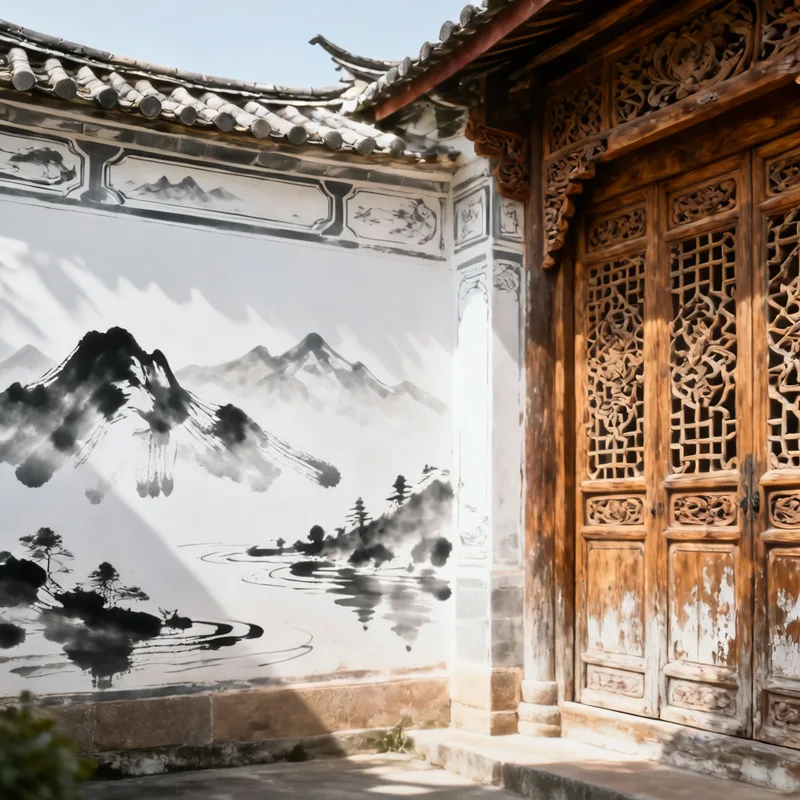
    डाली में स्याही से चित्रकारी की गई एक बाई आंगन की दीवार और नक्काशीदार लकड़ी का दरवाजा।
    एक चित्रित स्क्रीन दीवार एक पारंपरिक बाई आंगन वाले घर के मुख्य भाग के सामने है। कृत्रिम बुद्धिमत्ता द्वारा निर्मित चित्र · सिनोविज़

    चाय, बाजार और त्यौहार

    तीन प्रकार की चाय बाई लोगों की मेहमाननवाज़ी की एक परंपरा है: भुनी हुई पत्तियों से बनी एक कड़वी पहली प्याली, मेवों और शहद से बनी एक मीठी दूसरी प्याली, और एक आखिरी प्याली जिसमें दोनों का मिश्रण होता है और कहा जाता है कि इसका स्वाद देर तक मुंह में बना रहता है। स्थानीय व्यंजनों में रुशान नामक हवा में सुखाई गई दूध की चादरें, कच्चे सूअर की खाल का सलाद, एरहाई की खट्टी मछली और स्थानीय जड़ी-बूटियों के साथ पकाया गया टोफू शामिल हैं। डाली में चंद्र कैलेंडर के तीसरे महीने में आयोजित होने वाला तीसरा माह मेला, पहले पशुधन और वस्तुओं का बाज़ार हुआ करता था और अब कांगशान की तलहटी को स्टालों, घोड़ों के व्यापार और प्रदर्शनों से भर देता है। कुछ गांवों में राओसानलिंग (एक तीर्थयात्रा और गायन सभा) और मशाल जलाने की परंपराएं वर्ष में अन्य महत्वपूर्ण तिथियों को जोड़ती हैं।
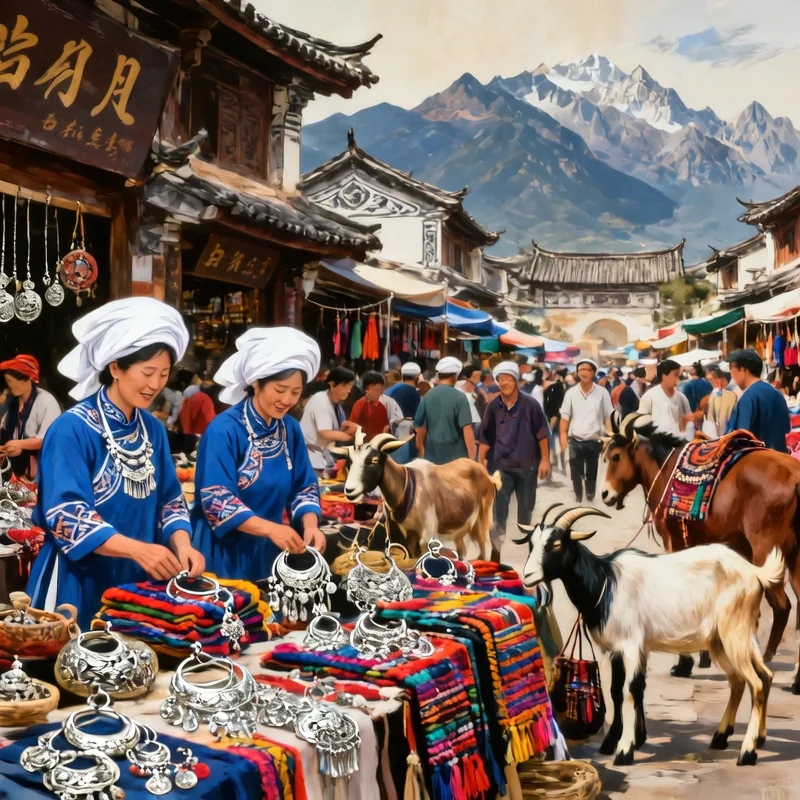
    युन्नान के डाली के पास तीसरे महीने के मेले में बाई विक्रेता और पशुधन।
    तीसरे महीने का मेला एक क्षेत्रीय बाजार से बढ़कर एक बड़ा सार्वजनिक आयोजन बन गया। कृत्रिम बुद्धिमत्ता द्वारा निर्मित चित्र · सिनोविज़
    बाई शिल्पकार घर के अग्रभाग, चाय के कप और रंगे हुए कपड़े को पैटर्न बनाने के लिए एक ही सतह के रूप में मानते हैं।

    स्रोत और आगे की जानकारी

    1. बाई — एनसाइक्लोपीडिया ब्रिटानिका।
    2. बाई जातीय समूह — China.org.cn.

    इसे यथास्थान देखें

    इस प्रविष्टि का अनुसरण करके उस क्षेत्र तक पहुँचें जहाँ यह संबंधित है।

    मानचित्र द्वारा अन्वेषण करें

    इस चर्चा का अनुसरण करें

    उन अन्य प्रविष्टियों को ब्राउज़ करें जिनमें इसके समान टैग हैं।

    टैग ब्राउज़ करें
  • कोरियाई चीनी समुदाय

    जीवन और लोककथाएँ

    कोरियाई चीनी समुदाय

    बीजिंग में कोरियाई भाषा और रीति-रिवाज

    पूर्वोत्तर चीन और बीजिंग जैसे शहरों में चीनी कोरियाई लोग कोरियाई भाषा बोलने वाली सांस्कृतिक जीवनशैली को बनाए रखते हैं।

    अनुभाग
    जीवन और लोककथाएँ
    क्षेत्र
    बीजिंग
    युग
    युगों के पार
    टैग
    जातीय, रीति-रिवाज

    चीनी भाषा में चाओशियान्ज़ू के नाम से जाने जाने वाले कोरियाई चीनी लोगों की संख्या लगभग 18 लाख है। उनके बसे हुए केंद्र उत्तर-पूर्वी सीमा के साथ स्थित हैं, लेकिन बीजिंग के वांगजिंग और वुडाओकोउ जिले कोरियाई भाषा बोलने वाले प्रमुख इलाकों के रूप में उभर कर सामने आए हैं।

    प्रवासन और पड़ोस

    अधिकांश कोरियाई चीनी परिवार उन्नीसवीं सदी के उत्तरार्ध और बीसवीं सदी के आरंभिक वर्षों से चीन में बसे हैं। उस समय आर्थिक तंगी, अनिवार्य सैन्य सेवा और 1910 में जापान द्वारा कोरिया पर कब्ज़ा करने के कारण कोरियाई लोगों को टुमेन और यालू नदियों के पार पलायन करना पड़ा। 1952 में जिलिन में यानबियान कोरियाई स्वायत्त प्रान्त की स्थापना हुई और चांगबाई और हुंचुन आज भी महत्वपूर्ण केंद्र बने हुए हैं। 1992 में चीन और दक्षिण कोरिया के बीच राजनयिक संबंध स्थापित होने के बाद बीजिंग में कोरियाई आबादी में तेजी से वृद्धि हुई, जब छात्र, व्यापारी और इंजीनियर बड़ी संख्या में वहाँ पहुँचे। वुडाओको भाषा विद्यालयों और छात्र आवासों के लिए प्रसिद्ध हो गया, जबकि वांगजिंग में व्यावसायिक स्तर पर सुपरमार्केट, रेस्तरां और कोरियाई भाषा के साइनबोर्ड विकसित हुए।

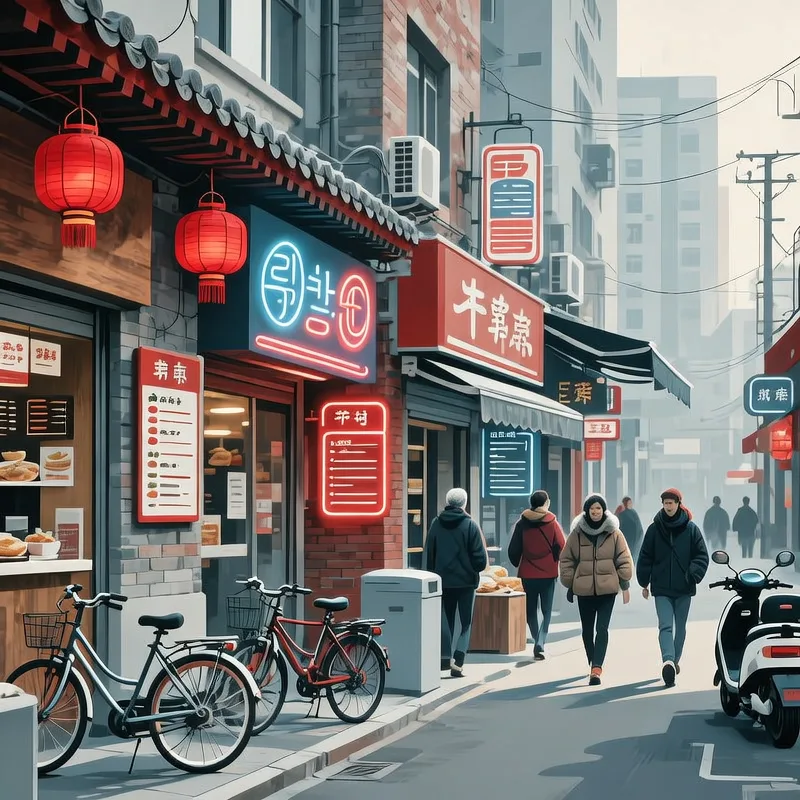
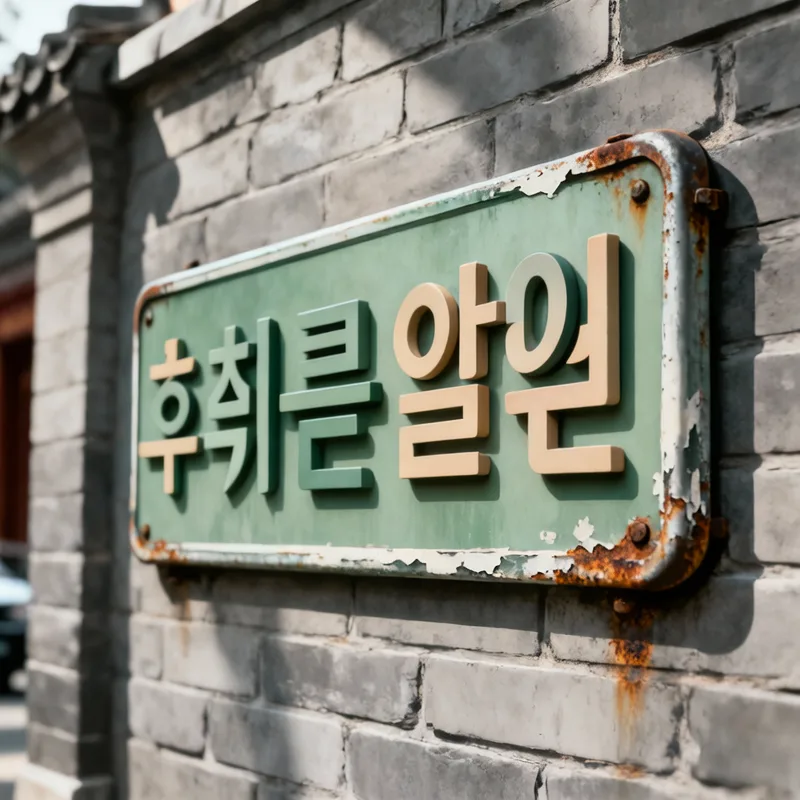
    बीजिंग के वांगजिंग जिले की एक सड़क पर कोरियाई भाषा में लिखे दुकान के साइनबोर्ड
    वांगजिंग में कोरियाई भाषा के साइनबोर्ड दशकों से हो रहे छात्र और व्यावसायिक प्रवास को दर्शाते हैं। कृत्रिम बुद्धिमत्ता द्वारा निर्मित चित्र · सिनोविज़

    भाषा और लेखन

    कोरियाई भाषा कोरियाई भाषी है, जो इस क्षेत्र में बोली जाने वाली सिनिटिक और तुंगुसिक भाषाओं से अलग है। इसकी वर्णमाला, हंगुल, पंद्रहवीं शताब्दी में बनाई गई थी और अब कोरियाई-चीनी लेखन की सामान्य लिपि है; चीनी अक्षर, या हान्जा, ऐतिहासिक ग्रंथों और कुछ नामों में दिखाई देते हैं। यानबियान के कई बुजुर्ग निवासी कोरियाई और मंदारिन दोनों भाषाएँ जानते हैं, जबकि शहर में जन्मे युवा अक्सर स्कूल और काम पर मंदारिन और घर पर या सामुदायिक मीडिया में कोरियाई का उपयोग करते हैं। कोरियाई भाषा के समाचार पत्र, रेडियो और चर्च सेवाएं भाषा को संरक्षित रखने में मदद करते हैं, और कुछ परिवार अपने बच्चों को ऐसे स्कूलों में भेजते हैं जहाँ राष्ट्रीय पाठ्यक्रम के साथ-साथ कोरियाई भाषा भी पढ़ाई जाती है।

    बीजिंग के एक मोहल्ले में कोरियाई और चीनी भाषा में लिखा हुआ एक द्विभाषी सड़क चिन्ह
    दो लेखन प्रणालियाँ कई कोरियाई चीनी परिवारों के दैनिक जीवन में द्विभाषी होने की विशेषता हैं। कृत्रिम बुद्धिमत्ता द्वारा निर्मित चित्र · सिनोविज़

    भोजन और घरेलू

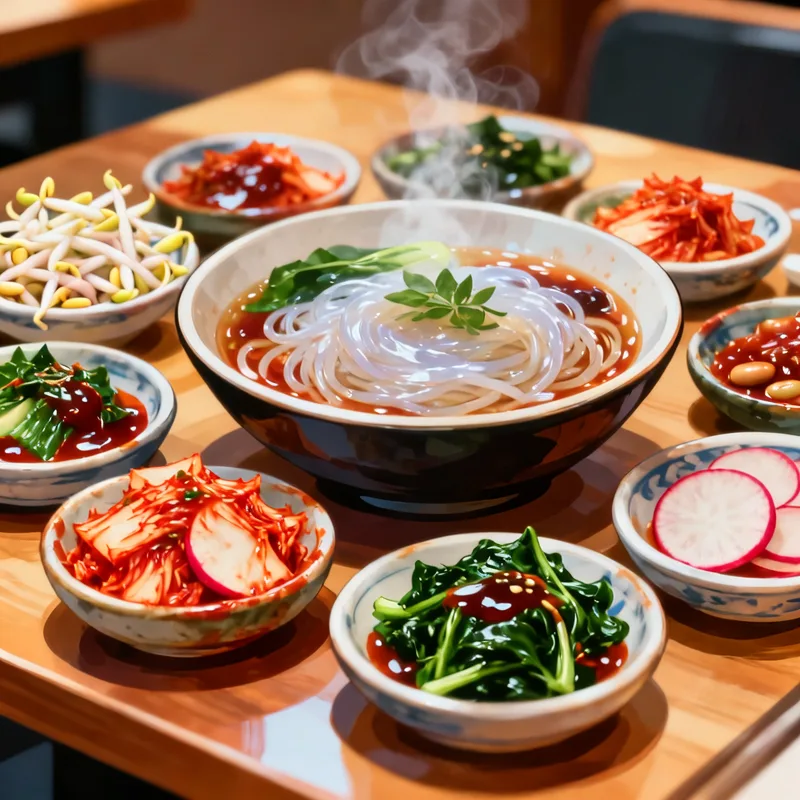
    कोरियाई खान-पान की परंपराएं सामुदायिक जीवन का सबसे प्रमुख हिस्सा हैं। नमक और किण्वित सब्जियों से बना किमची शरद ऋतु में बड़ी मात्रा में तैयार किया जाता है, और इसे बनाने और आपस में बांटने की प्रथा को यूनेस्को द्वारा कोरिया की अमूर्त विरासत के रूप में मान्यता दी गई है। रोजमर्रा के भोजन में चावल, सूप, सब्जियों और मिर्च के पेस्ट से बना बिबिम्बाप, ग्रिल्ड मीट और नाएंगम्योन (ठंडे बकव्हीट नूडल्स) शामिल होते हैं। पारंपरिक घरों में ओन्डोल नामक एक भूमिगत चिमनी प्रणाली का उपयोग किया जाता था जो सोने की चटाई को गर्म करती थी, और कुछ ग्रामीण घरों में अभी भी हनोक की तरह नीची मेज और फर्श पर बैठने की व्यवस्था है। बीजिंग में, अपार्टमेंट में रहने से माहौल बदल गया है, लेकिन खान-पान और एक ही मेज पर साथ बैठकर भोजन करने की आदत अभी भी कायम है।

    एक रेस्टोरेंट की मेज पर कोरियाई व्यंजनों और ठंडे नूडल्स की एक श्रृंखला परोसी गई है।
    कोरियाई चीनी भोजन में साझा किए जाने वाले साइड डिश और ठंडे नूडल्स आम विशेषताएं हैं। कृत्रिम बुद्धिमत्ता द्वारा निर्मित चित्र · सिनोविज़

    त्योहार और सामुदायिक जीवन

    परिवार के दो प्रमुख त्योहार हैं सेओलाल (चंद्र नव वर्ष) और चूसोक (शरद ऋतु की फसल का त्योहार)। सेओलाल में परिवार के लोग ट्टोकगुक खाते हैं, जो चावल के टुकड़ों से बना सूप होता है, और छोटे रिश्तेदार बड़ों को औपचारिक प्रणाम करते हैं। चूसोक में लोग पूर्वजों की कब्रों पर जाते हैं और सोंगप्योन खाते हैं, जो सेम या तिल से भरे छोटे चावल के केक होते हैं। बीजिंग में कोरियाई चीनी समुदाय शादियों, स्कूल पुनर्मिलन और व्यावसायिक कार्यक्रमों के लिए भी इकट्ठा होते हैं, जहाँ कोरियाई भाषा विश्वास और साझा संदर्भ की भाषा बनी हुई है। सार्वजनिक रूप से लोगों का मिलना-जुलना किसी बंद दायरे में होने के बजाय रेस्तरां, ट्रैवल एजेंसियों और दुकानों के माध्यम से होता है; एक ही सड़क पर विभिन्न पृष्ठभूमियों के पड़ोसी एक साथ मिलते हैं।

    बीजिंग में एक कोरियाई चिन्ह किसी सीमा को दर्शाने के बजाय एक प्रचलित घरेलू आदत को इंगित करता है।

    स्रोत और आगे की जानकारी

    1. कोरिया की भाषा — एनसाइक्लोपीडिया ब्रिटानिका।
    2. कोरियाई जातीय समूह — China.org.cn.
    3. किमजांग, किमची बनाना और बांटना — यूनेस्को की अमूर्त सांस्कृतिक विरासत।

    इसे यथास्थान देखें

    इस प्रविष्टि का अनुसरण करके उस क्षेत्र तक पहुँचें जहाँ यह संबंधित है।

    मानचित्र द्वारा अन्वेषण करें

    इस चर्चा का अनुसरण करें

    उन अन्य प्रविष्टियों को ब्राउज़ करें जिनमें इसके समान टैग हैं।

    टैग ब्राउज़ करें
  • तुजिया लोग

    जीवन और लोककथाएँ

    तुजिया लोग

    सिचुआन के पूर्व में स्थित पर्वतीय बुनकर

    तुजिया लोग वुलिंग पर्वतमाला के तिब्बती-बर्मी भाषा बोलने वाले लोग हैं, जो अपने ऊंचे स्तंभों पर बने घरों, बुने हुए ब्रोकेड वस्त्रों और सामूहिक नृत्यों के लिए जाने जाते हैं।

    अनुभाग
    जीवन और लोककथाएँ
    क्षेत्र
    सिचुआन
    युग
    युगों के पार
    टैग
    जातीय, रीति-रिवाज

    हालांकि तुजिया समुदाय को यहां सिचुआन क्षेत्र के अंतर्गत सूचीबद्ध किया गया है, लेकिन अधिकांश समुदाय सिचुआन बेसिन के पूर्व में वुलिंग पर्वतमाला में स्थित हैं। प्राचीन बा राज्य से उनका ऐतिहासिक संबंध उन्हें दक्षिण-पश्चिम चीन के व्यापक बाशु सांस्कृतिक जगत से जोड़ता है।

    सीमा और संख्याएँ

    2010 की जनगणना के अनुसार, तुजिया समुदाय की आबादी लगभग 83.5 करोड़ थी, जिससे वे चीन के सबसे बड़े जातीय अल्पसंख्यकों में से एक बन गए। उनकी मुख्य बस्तियाँ वुलिंग पर्वतमाला में फैली हुई हैं, जहाँ हुनान, हुबेई, चोंगकिंग और गुइझोऊ प्रांत मिलते हैं। ये बस्तियाँ हुनान के योंगशुन और लोंगशान, चोंगकिंग के शिझू और पेंगशुई तथा गुइझोऊ के यान्हे जैसे ज़िलों में स्थित हैं। गाँव नदी घाटियों और चूना पत्थर की ढलानों पर बसे हैं, जबकि ऊँचे इलाकों में सीढ़ीदार खेत और जंगल हैं। इस स्थल पर सिचुआन क्षेत्र में उनका उल्लेख बाशू जनजाति के पुराने संबंधों और बेसिन तथा इसके पूर्वी पर्वतों के बीच आधुनिक आवागमन को दर्शाता है; तुजिया समुदाय की सबसे घनी आबादी स्वयं सिचुआन प्रांत में नहीं है।

    वुलिंग पर्वतमाला की एक जंगली ढलान पर खंभों पर बने लकड़ी के घर
    तुजिया गांव समतल बेसिन भूमि के बजाय नदी घाटियों और सीढ़ीदार ढलानों का अनुसरण करते हैं। कृत्रिम बुद्धिमत्ता द्वारा निर्मित चित्र · सिनोविज़

    भाषा और पहचान

    तुजिया, चीनी-तिब्बती भाषा परिवार की तिब्बती-बर्मी शाखा से संबंधित है, और इसकी सबसे करीबी समानताएं अक्सर नाक्सी और अन्य कियांगिक भाषाओं के संदर्भ में बताई जाती हैं। आज केवल कुछ ही लोग, मुख्य रूप से पश्चिमी हुनान के कुछ गांवों में, इसे धाराप्रवाह बोलते हैं; दक्षिण-पश्चिमी मंदारिन इस क्षेत्र के अधिकांश भाग में आम बोलचाल की भाषा है। तुजिया नाम का अर्थ है मूल निवासी, और 1950 के दशक में आधिकारिक मान्यता ने उन समुदायों को एक सामान्य नाम दिया जो लंबे समय से हान, मियाओ, डोंग और शी पड़ोसियों के साथ संपर्क में थे। मौखिक इतिहास प्राचीन बा राज्य की यादों को संजोए हुए हैं, जिसने 316 ईसा पूर्व में किन विजय तक पूर्वी सिचुआन क्षेत्र के कुछ हिस्सों पर नियंत्रण रखा था।

    ऊंचे खंभों पर बने घर और जकूज़ी

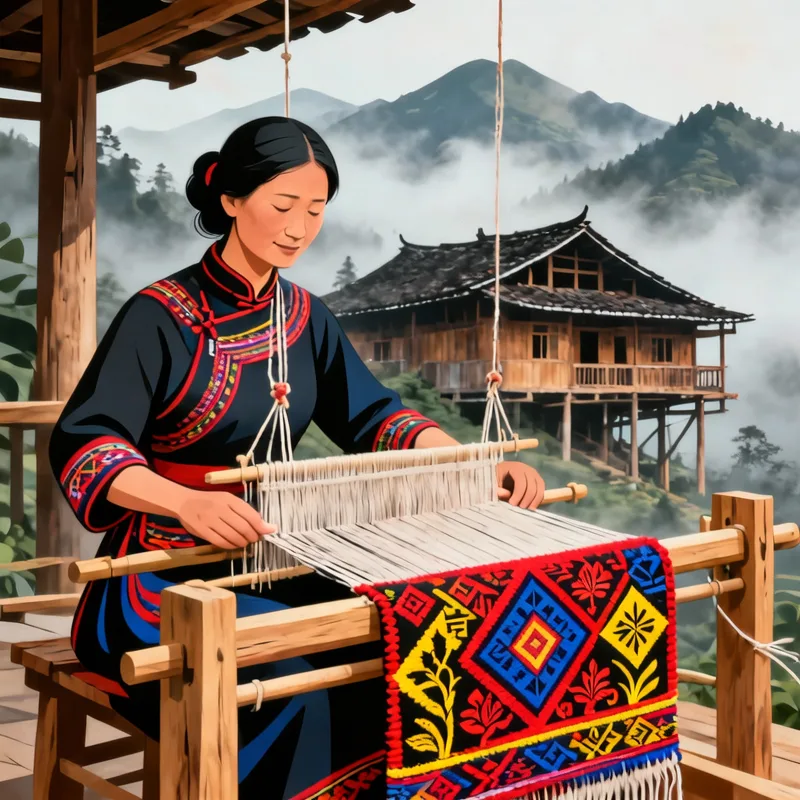
    ढलान वाली ज़मीन पर, तुजिया निर्माता दियाओजियाओलू नामक घर बनाते हैं, जिनका ऊपरी रहने का तल लकड़ी के खंभों पर टिके निचले तल से आगे निकला होता है। सामने की ओर एक ढका हुआ बरामदा होता है, और छत को ढलानदार बनाया जाता है ताकि भारी बारिश का पानी बह जाए। अंदरूनी जालीदार पर्दे और खिड़कियों के फ्रेम फूलों और ज्यामितीय आकृतियों से सजे होते हैं। सबसे प्रसिद्ध वस्त्र ज़िलानकापु है, जो एक रंगीन ब्रोकेड है जिसे बैकस्ट्रैप करघे पर बुना जाता है और इसमें फूल, पक्षी, ओपेरा के पात्र और पैटर्न वाले ता ताई हुआ डिज़ाइन होते हैं। यह कपड़ों, थैलों और दीवार पर टांगने वाली वस्तुओं में पाया जाता है और इसे राष्ट्रीय अमूर्त विरासत के रूप में संरक्षित किया गया है। भोजन में अक्सर प्रोसेस्ड सूअर का मांस, स्मोक्ड मछली, चिपचिपे चावल के केक और तले हुए चावल और मूंगफली से बना चाय का सूप शामिल होता है।

    तुजिया ब्रोकेड पर लाल और काले धागे से ज्यामितीय और पुष्प रूपांकन बुने हुए हैं।
    ज़िलानकापु ब्रोकेड को बैकस्ट्रैप लूम पर बुना जाता है और इसका उपयोग पोशाक और घरेलू वस्त्रों में किया जाता है। कृत्रिम बुद्धिमत्ता द्वारा निर्मित चित्र · सिनोविज़

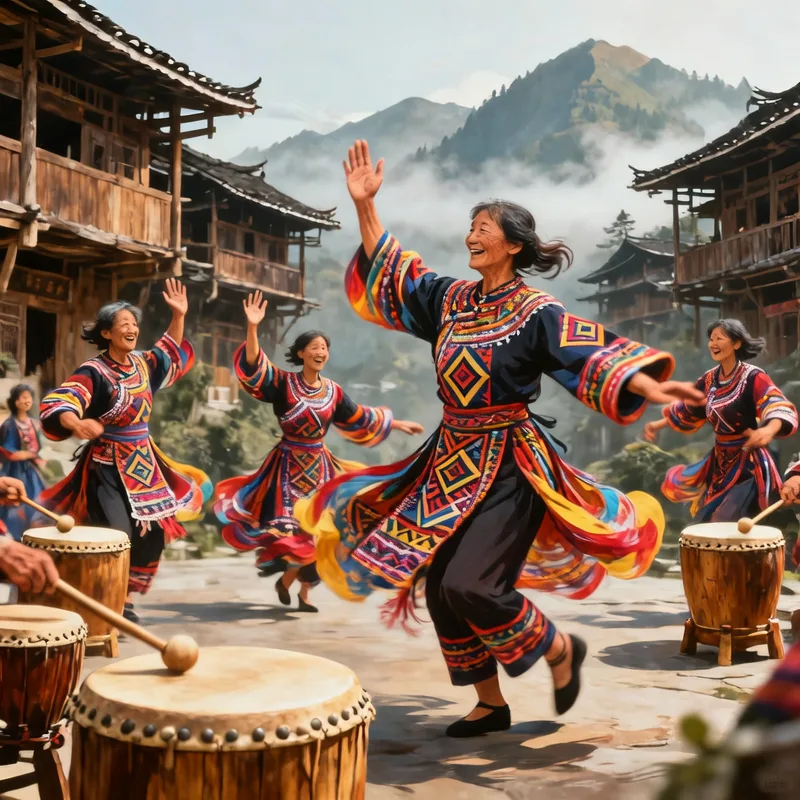
    नए साल के जश्न में हाथ हिलाते हुए नृत्य करना।

    लहराते हुए नृत्य, बाई शौ वू, में नर्तकों की कतारें ढोल और घंटों की थाप पर अपनी बाहों को हिलाती हैं। यह नृत्य चंद्र नव वर्ष के आसपास और शेबा उत्सव में एक लहराते हुए हॉल में किया जाता है, जहाँ पूर्वजों और ग्राम रक्षकों को भेंट चढ़ाई जाती है। कुछ गाँव माओगुसी नृत्य भी करते हैं, जो मुखौटा या भूसे से बनी वेशभूषा में किया जाने वाला नृत्य है और इसमें शिकार और खेती के दृश्यों को दर्शाया जाता है। एक और विशिष्ट प्रथा है गान नियान, जिसमें नव वर्ष एक दिन पहले मनाया जाता है, जिसे मौखिक परंपरा पूर्वजों द्वारा सैन्य प्रस्थान की तैयारी से जोड़ती है। ये प्रदर्शन अब स्कूलों और सांस्कृतिक केंद्रों में सिखाए जाते हैं, इसलिए एक ऐसा अनुष्ठान जो कभी एक ही ग्राम हॉल तक सीमित था, अब व्यापक दर्शकों द्वारा देखा जाता है।

    कढ़ाईदार पोशाक पहने तुजिया नर्तक ढोल की थाप पर लहराते हुए नृत्य प्रस्तुत कर रहे हैं।
    लहराते हुए किया जाने वाला यह नृत्य ग्रामीणों को समन्वित हाथ की हरकतों और ढोल की ताल में एक साथ लाता है। कृत्रिम बुद्धिमत्ता द्वारा निर्मित चित्र · सिनोविज़
    तुजिया गांवों में, बुनाई का एक पैटर्न और नृत्य की एक शैली दोनों ही पारिवारिक यादों को संजोए रखती हैं।

    स्रोत और आगे की जानकारी

    1. तुजिया — एनसाइक्लोपीडिया ब्रिटानिका।
    2. तुजिया जातीय समूह — China.org.cn.
    3. चीन की अमूर्त सांस्कृतिक विरासत — चाइना आईसीएच नेट.

    इसे यथास्थान देखें

    इस प्रविष्टि का अनुसरण करके उस क्षेत्र तक पहुँचें जहाँ यह संबंधित है।

    मानचित्र द्वारा अन्वेषण करें

    इस चर्चा का अनुसरण करें

    उन अन्य प्रविष्टियों को ब्राउज़ करें जिनमें इसके समान टैग हैं।

    टैग ब्राउज़ करें

  • The Manchu People

    जीवन और लोककथाएँ

    The Manchu People

    Jurchen roots, Qing legacy in Beijing

    The Manchu are a Tungusic-speaking people whose Qing dynasty left a deep imprint on Beijing’s buildings and court culture.

    अनुभाग
    जीवन और लोककथाएँ
    क्षेत्र
    बीजिंग
    युग
    युआन-मिंग-क्विंग
    टैग
    Ethnic, History

    Manchu identity took shape in the early seventeenth century among Jurchen groups of northeastern China. The Qing dynasty they founded ruled from Beijing between 1644 and 1912, and its material traces remain in the city’s palaces and archives.

    From Jurchen to Qing

    The Manchu descend from Jurchen communities of the northeast, who earlier founded the Jin dynasty of 1115 to 1234. In 1635 the ruler Hong Taiji adopted the name Manchu for his people, and in 1636 he renamed the state Qing. The dynasty took Beijing in 1644 and ruled China until 1912. Today roughly 10.4 million people identify as Manchu according to the 2010 census, making them one of the largest ethnic minorities. Most live in Liaoning, Hebei, Jilin and Heilongjiang, with substantial populations in Beijing and Tianjin. Migration into the capital after 1644 created banner neighbourhoods whose street names and food shops still register the Qing presence.

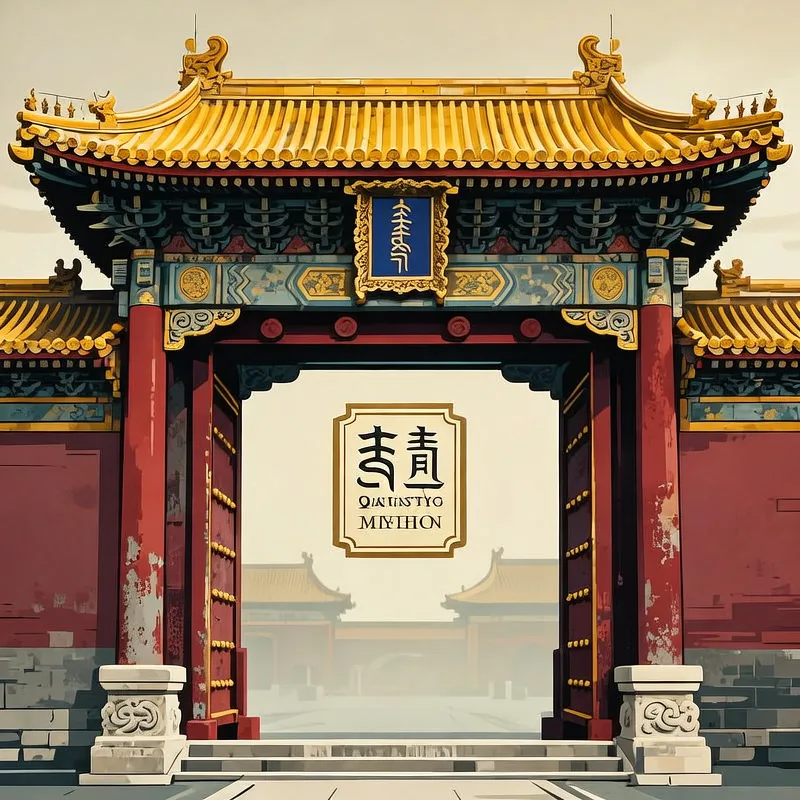
    A bilingual Manchu and Chinese plaque above a gate in Beijing’s Forbidden City
    Palace gates in Beijing carry inscriptions in both Manchu and Chinese. कृत्रिम बुद्धिमत्ता द्वारा निर्मित चित्र · सिनोविज़

    A written language of archives

    Manchu is a Tungusic language, related to Xibe and more distantly to Evenki. Its written form was devised in the late sixteenth century by adapting the Mongolian script, and it became the language of Qing military records, imperial edicts and family archives. Thousands of these documents survive in Chinese and foreign collections, and they are consulted for the history of the dynasty and its frontier administration. Few people speak Manchu fluently today, mostly in a handful of northeastern villages, and Mandarin is the normal language of daily life. Even so, Manchu words survive in place names, court titles and the vocabulary of Qing institutions.

    Dress, house and food

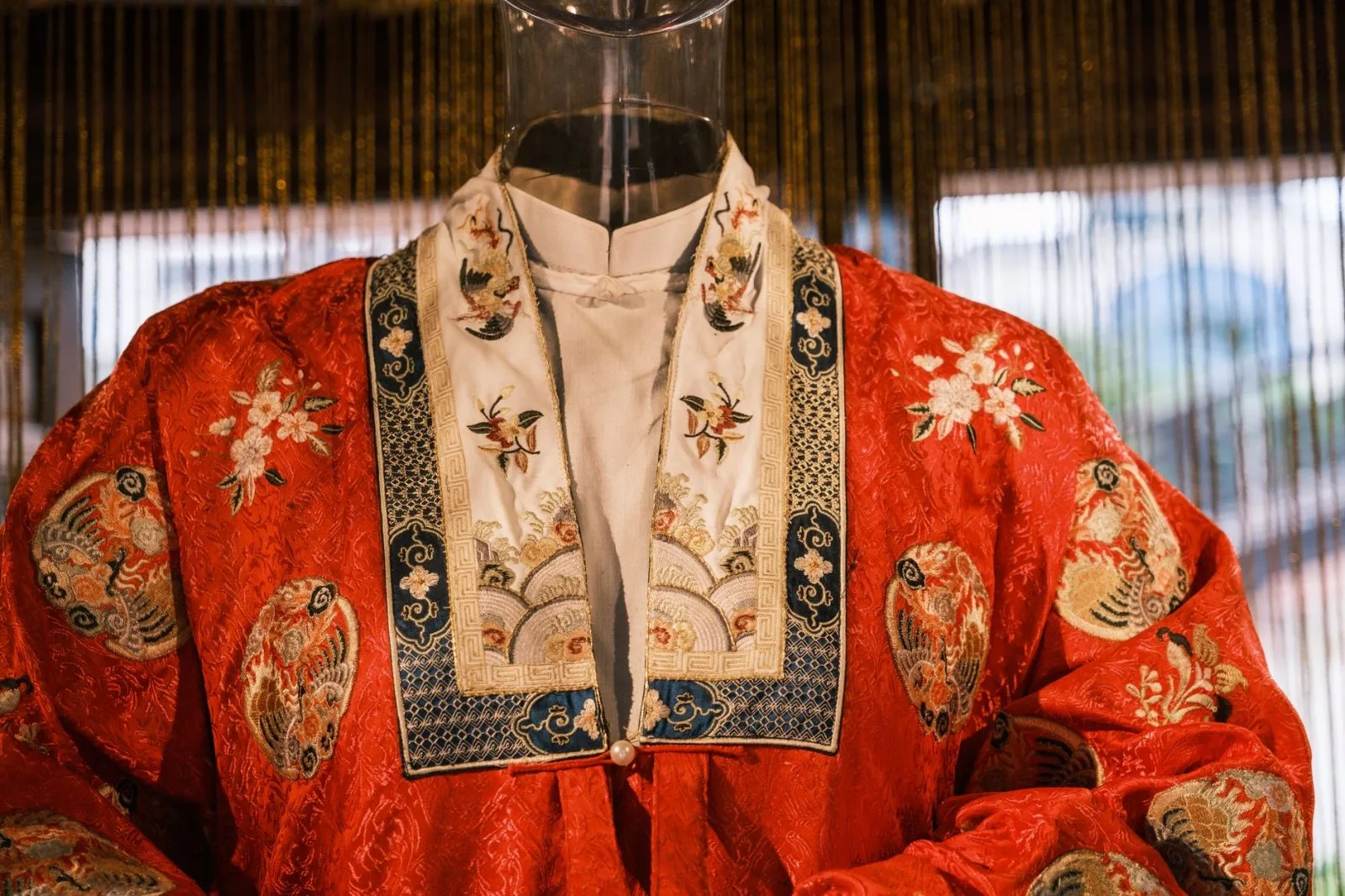
    Manchu dress shaped the qipao, the close-fitting robe later worn widely by Han Chinese women and known abroad as the cheongsam. Older garments had horse-hoof cuffs that could be folded back over the hands, and women’s formal dress included a tall flag headdress and shoes with a raised flowerpot sole. Under the Qing, men wore a shaved forehead and a braided queue, a rule enforced until the dynasty’s end. A traditional house was arranged as a pocket room with a heated kang platform along the west wall, where honored guests slept and ancestral tablets were kept. A pole in the courtyard was used in offerings that fed crows, an animal associated with founding legends.

    A Qing dynasty Manchu robe with horse-hoof cuffs and embroidered panels
    Manchu court dress influenced the qipao and the formal clothing of the Qing elite. TBD Tuyên | Pexels License (https://www.pexels.com/license/)

    What remains in Beijing

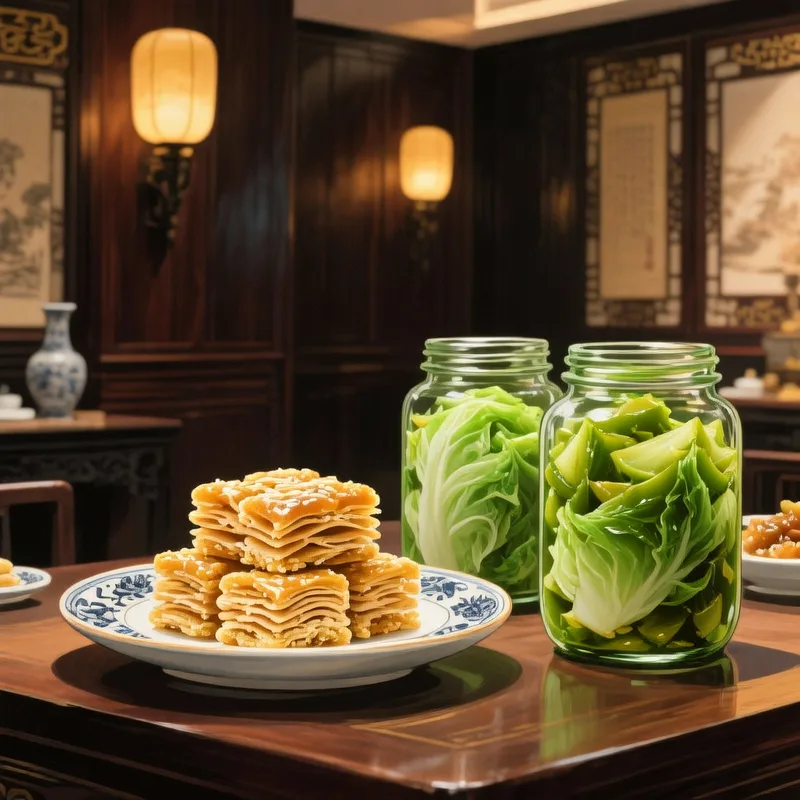
    Manchu cuisine survives in Beijing and the northeast through sachima, a sweet pastry made of fried dough and syrup, and through hot pots of pickled cabbage, pork and blood sausage. The elaborate Manchu-Han banquet is a later dining form assembled from court and regional dishes rather than a single unbroken tradition. Paper-cutting, embroidery and painted snuff bottles are among the crafts associated with Manchu households. In Beijing, the most public inheritance is architectural: the Forbidden City’s bilingual plaques, the layout of former banner quarters, and restaurants and museums that explain Qing court life. These traces make the dynasty legible on an ordinary walk through the old city.

    A Beijing restaurant display of Manchu sachima pastry and pickled cabbage hot pot
    Manchu food traditions remain visible in Beijing and northeastern China. कृत्रिम बुद्धिमत्ता द्वारा निर्मित चित्र · सिनोविज़
    On Beijing’s palace gates, Manchu and Chinese script still share the same lintel.

    स्रोत और आगे की जानकारी

    1. Manchu — एनसाइक्लोपीडिया ब्रिटानिका।
    2. Qing dynasty — एनसाइक्लोपीडिया ब्रिटानिका।
    3. Manchu Ethnic Group — China.org.cn.

    इसे यथास्थान देखें

    इस प्रविष्टि का अनुसरण करके उस क्षेत्र तक पहुँचें जहाँ यह संबंधित है।

    मानचित्र द्वारा अन्वेषण करें

    इस चर्चा का अनुसरण करें

    उन अन्य प्रविष्टियों को ब्राउज़ करें जिनमें इसके समान टैग हैं।

    टैग ब्राउज़ करें
  • डोंग लोग

    जीवन और लोककथाएँ

    डोंग लोग

    ड्रम टावर और बिना वाद्य यंत्रों के गाया जाने वाला गीत

    डोंग या काम, दक्षिण-पश्चिम चीन के क्रा-दाई भाषा बोलने वाले ग्रामीण हैं जो लकड़ी के टावरों, ढके हुए पुलों और आंशिक गायन के लिए जाने जाते हैं।

    अनुभाग
    जीवन और लोककथाएँ
    क्षेत्र
    Guangxi
    युग
    युगों के पार
    टैग
    जातीय, रीति-रिवाज

    डोंग गांवों के लोग ढोल-नगाड़े और गीत-मंडली के आसपास इकट्ठा होते हैं, जहाँ संगीत को सुनकर सीखा जाता है। उनका भव्य गीत, जो बिना वाद्य यंत्रों के गाया जाता है, 2009 में यूनेस्को की अमूर्त सांस्कृतिक विरासत की प्रतिनिधि सूची में शामिल किया गया था।

    तीन प्रांतों के गांवों

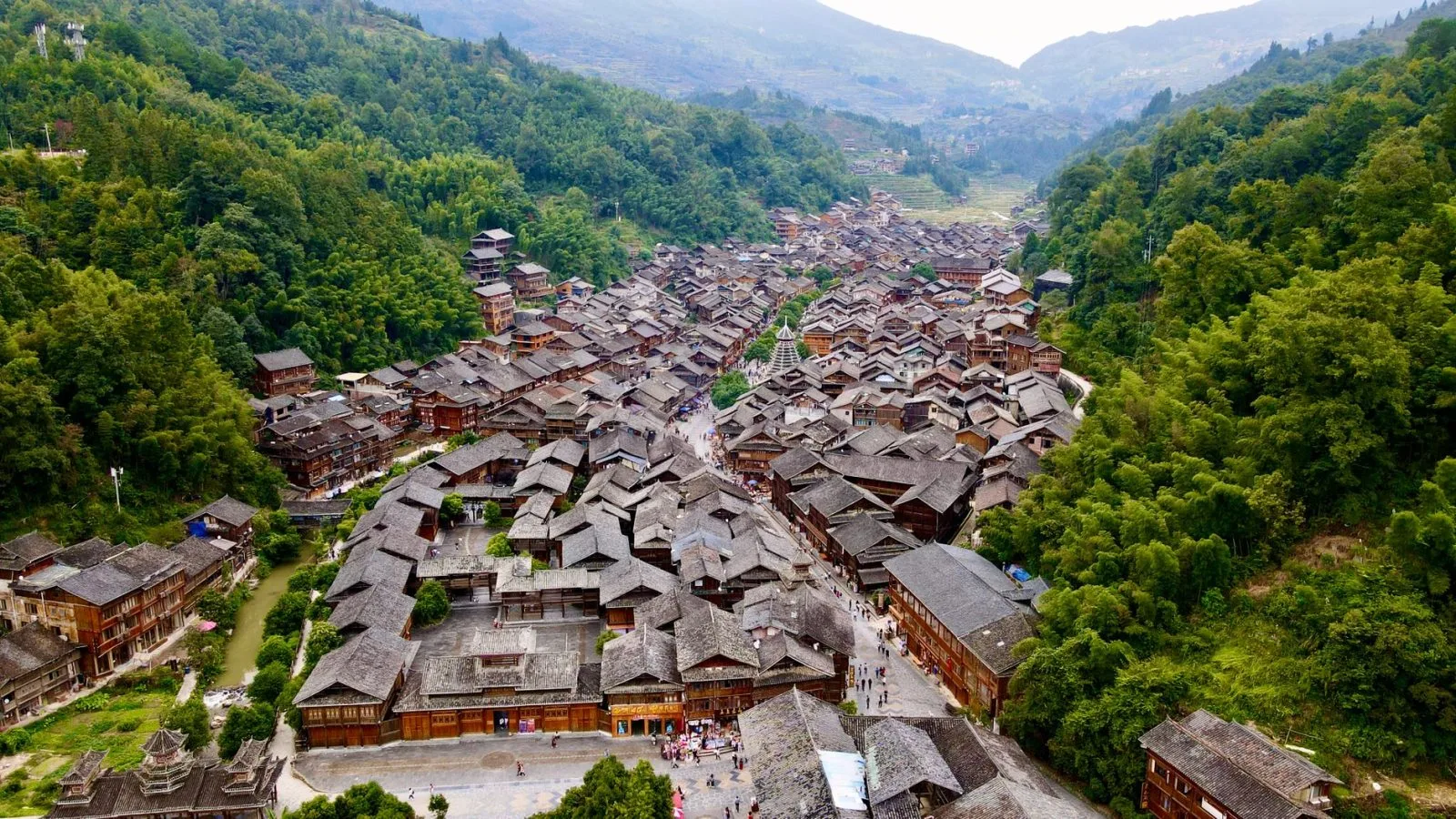
    2010 की जनगणना के अनुसार, डोंग समुदाय के लगभग 29 लाख लोग थे, जिन्हें काम के नाम से भी जाना जाता है। इनमें से अधिकांश पूर्वी गुइझोऊ के कियानदोंगनान मियाओ और डोंग स्वायत्त प्रान्त में रहते हैं, जबकि अन्य पश्चिमी हुनान के शिन्हुआंग काउंटी और उत्तरी ग्वांग्शी के सानजियांग काउंटी में रहते हैं, जो इस लेख का मुख्य क्षेत्र है। बस्तियाँ पहाड़ी क्षेत्रों में नदियों के किनारे बसी हैं, जहाँ घर लकड़ी के खंभों पर एक-दूसरे से सटे हुए बने होते हैं और भूतल पशुओं और भंडारण के लिए आरक्षित होती है। गाँव अक्सर किसी कबीले या संबंधित परिवारों के समूह के आसपास बसते हैं, और एक साझा ढोल मीनार गाँव का केंद्र होती है। पड़ोसी मियाओ, याओ और हान समुदाय इस क्षेत्र के बाज़ारों और अंतर्विवाहों के स्वरूप को प्रभावित करते हैं।

    गुआंग्शी के संजियांग में एक ड्रम टावर के चारों ओर डोंग शैली के ऊंचे खंभों पर बने घर समूह में clustered हैं।
    डोंग गांव एक दूसरे के बहुत करीब बने होते हैं, जिनके केंद्र में एक ड्रम टावर होता है। कॉलिन्स झाओ | पेक्सेल्स लाइसेंस (https://www.pexels.com/license/)

    भाषा और ग्राम शासन

    डोंग भाषा को काम भी कहा जाता है और यह क्रा-दाई परिवार की काम-सुई शाखा से संबंधित है, जिसमें दाई और थाई भाषाएँ भी शामिल हैं। इसमें चावल की खेती, वन कार्य और ग्राम अनुष्ठानों के लिए स्वर और व्यापक शब्दावली है। डोंग भाषा की कोई पुरानी, व्यापक रूप से प्रचलित लिपि नहीं है; आधिकारिक अभिलेखों के लिए चीनी अक्षरों का उपयोग किया जाता रहा है, और अब रोमन लिपि का उपयोग शब्दकोशों और गीतों के पाठ प्रकाशित करने में किया जाता है। ग्राम जीवन लंबे समय से कुआन नामक समझौतों द्वारा नियंत्रित होता रहा है, जो भूमि उपयोग, विवाह और विवाद निपटान पर समझौते होते हैं और सभाओं में पढ़े जाते हैं। बुजुर्ग और निर्वाचित मुखिया गाँव की ओर से बोलते हैं, जबकि गीत कक्ष और ढोल मीनार युवाओं के लिए संगीत और नियमों को सीखने के स्थान के रूप में कार्य करते हैं।

    मीनारें और ढके हुए पुल

    डोंग लकड़ी की इमारतें अपनी दो संरचनाओं के लिए प्रसिद्ध हैं। ड्रम टावर छतों के ऊपर एक बहुस्तरीय पैगोडा की तरह खड़ा है, जिसकी छज्जी उभरी हुई है। यह लकड़ी के टुकड़ों को जोड़कर बनाया गया है और इसका उपयोग बैठकों, संकेतों और त्योहारों के आयोजनों के लिए किया जाता है। हवा और बारिश से बचाने वाला पुल एक ढका हुआ पुल है, जिसकी छत टाइलों से ढकी है, इसके किनारे-किनारे बेंचें लगी हैं और इसमें एक या अधिक मंडपनुमा टावर हैं। बीसवीं शताब्दी की शुरुआत में बना संजियांग का चेंगयांग योंगजी पुल इस प्रकार के पुल का एक प्रसिद्ध उदाहरण है। दोनों संरचनाओं को स्थानीय बढ़ई धातु के फास्टनरों के बजाय मोर्टिस और टेनन जोड़ों का उपयोग करके बनाते हैं, और जब भी इनमें से किसी एक का निर्माण या मरम्मत की जाती है, तो पूरा गांव श्रम और लकड़ी का योगदान देता है।

    गुआंग्शी में एक नदी पर बना हुआ, पैगोडा टावरों वाला एक ढका हुआ डोंग पवन-वर्षा पुल।
    ढके हुए पुल एक ही संरचना में आश्रय, बैठने की जगह और गांव के एक पहचान चिन्ह का काम करते हैं। कृत्रिम बुद्धिमत्ता द्वारा निर्मित चित्र · सिनोविज़

    भव्य गीत और दैनिक भोजन

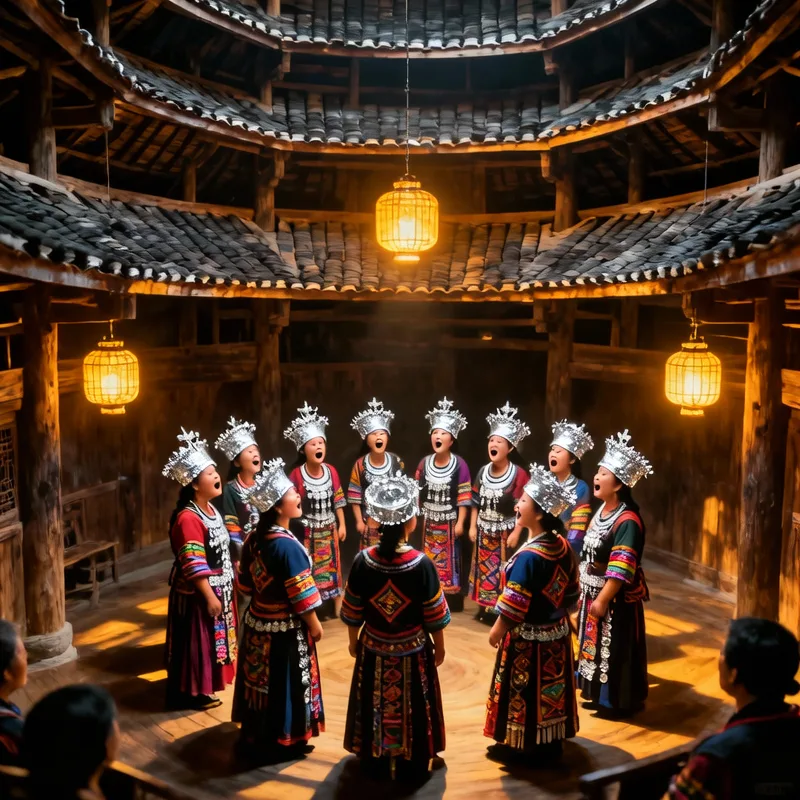
    काम ग्रैंड सॉन्ग, या डोंगगे, एक वाद्य यंत्रों से रहित बहुस्वर गायन शैली है, जिसमें उच्च स्वरों का नेतृत्व किया जाता है और समूह द्वारा निम्न स्वरों से उत्तर दिया जाता है। इसे गीत सभाओं में सीखा जाता है, जहाँ युवा लोग चूल्हे के चारों ओर बैठकर सर्दियों भर अभ्यास करते हैं, और इसे शादियों, त्योहारों और गाँवों के बीच यात्राओं के दौरान प्रस्तुत किया जाता है। कई स्थानों पर डोंग नव वर्ष ग्यारहवें चंद्र महीने में पड़ता है, जिसमें ढोल-नगाड़े के समूह इकट्ठा होते हैं और कुछ क्षेत्रों में बैल-लड़ाई भी होती है। दैनिक भोजन में चावल से भरी किण्वित खट्टी मछली, खट्टा सूप, चिपचिपा चावल और यू चा शामिल हैं, जो तले हुए चावल, मूंगफली और जड़ी-बूटियों से बनी चाय होती है। ये व्यंजन नम पहाड़ी जलवायु के लिए उपयुक्त हैं जहाँ संरक्षण और साझा ताप का महत्व है।

    एक गांव के गीत-मंच में डोंग गायक बिना किसी वाद्य यंत्र के आंशिक गायन प्रस्तुत कर रहे हैं।
    यह भव्य गीत गायन कक्षों में सीखा जाता है और सामुदायिक समारोहों में गाया जाता है। कृत्रिम बुद्धिमत्ता द्वारा निर्मित चित्र · सिनोविज़
    डोंग गांव में, ढोल मीनार एक पहचान चिन्ह होने के साथ-साथ लोगों के इकट्ठा होने का निमंत्रण भी है।

    स्रोत और आगे की जानकारी

    1. डोंग जातीय समूह का काम ग्रैंड गीत — यूनेस्को की अमूर्त सांस्कृतिक विरासत।
    2. लिंग — एनसाइक्लोपीडिया ब्रिटानिका।
    3. डोंग जातीय समूह — China.org.cn.

    इसे यथास्थान देखें

    इस प्रविष्टि का अनुसरण करके उस क्षेत्र तक पहुँचें जहाँ यह संबंधित है।

    मानचित्र द्वारा अन्वेषण करें

    इस चर्चा का अनुसरण करें

    उन अन्य प्रविष्टियों को ब्राउज़ करें जिनमें इसके समान टैग हैं।

    टैग ब्राउज़ करें
  • The Eight Great Cuisines

    जीवन और लोककथाएँ

    The Eight Great Cuisines

    A Map of Eight Regional Styles

    The eight great cuisines classify Chinese cooking by region, climate and technique.

    अनुभाग
    जीवन और लोककथाएँ
    क्षेत्र
    बीजिंग
    युग
    युगों के पार
    टैग
    खाना

    Ask a Chinese cook to name the country’s great cuisines and you will hear a list of eight. The scheme is a modern way of sorting older regional traditions, each shaped by climate, staple crops, waterways and trade.

    How the List Was Made

    An older division recognised four great traditions: Lu in the north, Yue in the south, Chuan in the west and Huaiyang in the east. The more detailed eight-cuisine scheme emerged in the 1980s and is often credited to Wang Shaoquan, a journalist at the People’s Daily. It added Zhe, Min, Xiang and Hui to the original four, giving provinces a more precise place on the culinary map. The categories are conventions, not laws; cooks in Chengdu and Guangzhou have always borrowed from neighbours.

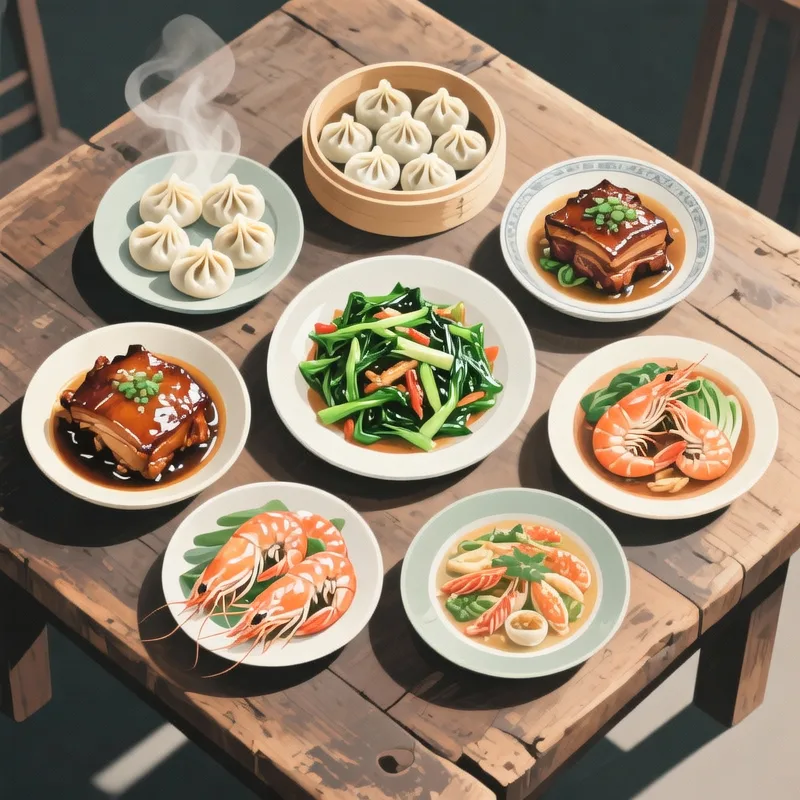
    Eight regional Chinese dishes arranged around a table
    The eight-cuisine scheme groups regional cooking styles by province and climate. कृत्रिम बुद्धिमत्ता द्वारा निर्मित चित्र · सिनोविज़

    North and East

    Lu, or Shandong cuisine, is the classic northern style. Coastal branches favour prawns, scallops and abalone, often quickly stir-fried, while inland cooks around Jinan excel at soups and long braises. Scallions and salt are characteristic seasonings, and steamed bread often replaces rice. Lu cooking shaped the food of the imperial court and of Beijing, where Shandong chefs dominated many restaurants; the capital’s Peking duck belongs to this northern lineage.

    Su, or Jiangsu cuisine, covers the Yangtze delta and Huaiyang region. It favours mild, slightly sweet flavours, careful knife work and serious soups; lotus root, bamboo shoots and water chestnut are common, and xiao long bao soup dumplings are its best-known export. Zhe cuisine, from Zhejiang, is lighter still: Dongpo pork is braised slowly with wine and soy, while West Lake vinegar fish and Longjing shrimp keep the taste of the water and the tea leaves.

    South and West

    Yue, or Cantonese cuisine, draws on the Pearl River delta and the South China Sea. Freshness governs the kitchen: fish and shellfish are steamed, roast meats are hung in the window, and dim sum is served with tea in a yum cha session. Chuan, or Sichuan cuisine, is defined by ma la, the numbing-spicy pairing of chilli and Sichuan pepper; pixian broad-bean paste gives many dishes their fermented depth. Xiang cooking from Hunan uses chilli without the numbing note, often smoked or pickled, while Hui cuisine from Anhui makes much of mountain ingredients such as bamboo shoots and preserved mandarin fish.

    Cantonese dim sum baskets and Sichuan dishes with chilli and Sichuan pepper
    Steam and freshness in the south; chilli and fermentation in the west. Vincent Rivaud | Pexels License (https://www.pexels.com/license/)

    Min and the Sea

    Min, or Fujian cuisine, is easy to overlook and hard to mistake. Fuzhou cooks are masters of soup and of hongzao, fermented red rice lees that colour and flavour pork, fish and river eels. Buddha jumps over the wall is a layered broth of shark fin, abalone, scallop, mushrooms and ham, named for a monk said to have leapt the wall for a taste. Coastal Fujian adds fish balls, oyster omelets and popiah-style crepes, reflecting a province oriented toward the sea and toward migration.

    • Lu — Shandong: scallions, seafood, slow soups
    • Chuan — Sichuan: ma la, chilli oil, broad-bean paste
    • Yue — Guangdong: dim sum, steaming, roast meats
    • Min — Fujian: red rice lees and layered soups

    Beijing as a Crossroads

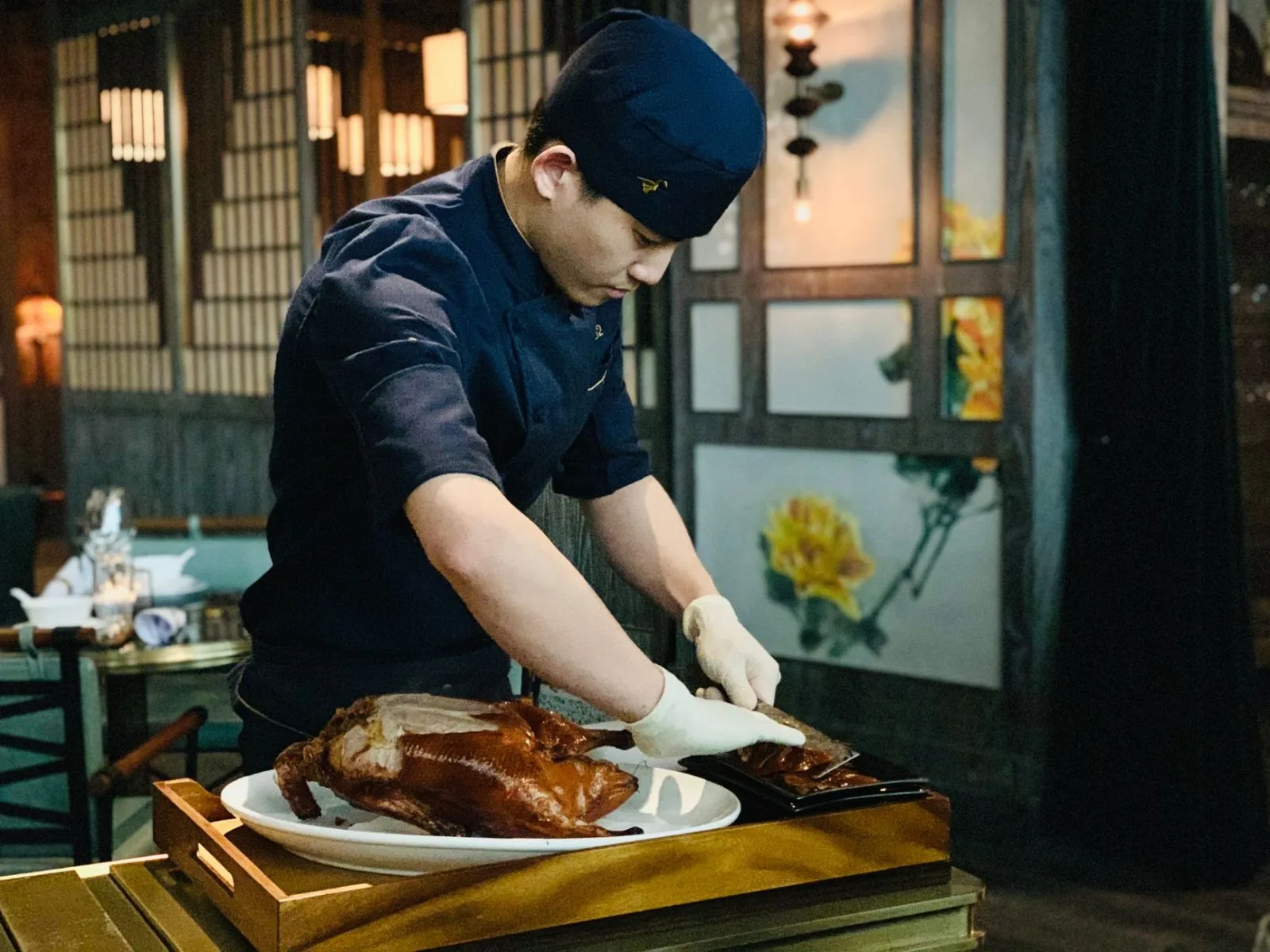
    The eight-cuisine map describes provinces, but Beijing has always eaten beyond its own borders. Shandong technique supplied the basis of restaurant cooking, Mongol and Manchu tastes left their mark in mutton dishes and hotpot, and the Qing court staged the elaborate Manchu-Han feast. Bianyifang, founded in 1416, roasted ducks in a closed oven; Quanjude, opened in 1864 by Yang Quanren, popularised the hanging oven and the crisp skin served with pancakes, scallions and sweet bean sauce. A capital city turns regional styles into a shared vocabulary.

    Peking duck being carved at a Beijing restaurant with pancakes and scallions
    Beijing’s roast duck emerged from northern techniques and capital city exchange. MorNa Tang | Pexels License (https://www.pexels.com/license/)
    Eight cuisines are a map of climate and trade, written in oil, vinegar and fermented bean paste.

    स्रोत और आगे की जानकारी

    1. Chinese cuisine — एनसाइक्लोपीडिया ब्रिटानिका।
    2. Gastronomy in China — एनसाइक्लोपीडिया ब्रिटानिका।
    3. Lu cuisine — एनसाइक्लोपीडिया ब्रिटानिका।

    इसे यथास्थान देखें

    इस प्रविष्टि का अनुसरण करके उस क्षेत्र तक पहुँचें जहाँ यह संबंधित है।

    मानचित्र द्वारा अन्वेषण करें

    इस चर्चा का अनुसरण करें

    उन अन्य प्रविष्टियों को ब्राउज़ करें जिनमें इसके समान टैग हैं।

    टैग ब्राउज़ करें
  • Hotpot

    जीवन और लोककथाएँ

    Hotpot

    A Pot at the Centre of the Table

    Hotpot turns dinner into a shared act of cooking at the table.

    अनुभाग
    जीवन और लोककथाएँ
    क्षेत्र
    सिचुआन
    युग
    युगों के पार
    टैग
    खाना

    Hotpot is a meal built around a vessel of simmering broth. Diners lower thin slices of meat, vegetables and offal into the liquid, cook them to the texture they want and dip them in sauce before eating.

    One Pot, Many Names

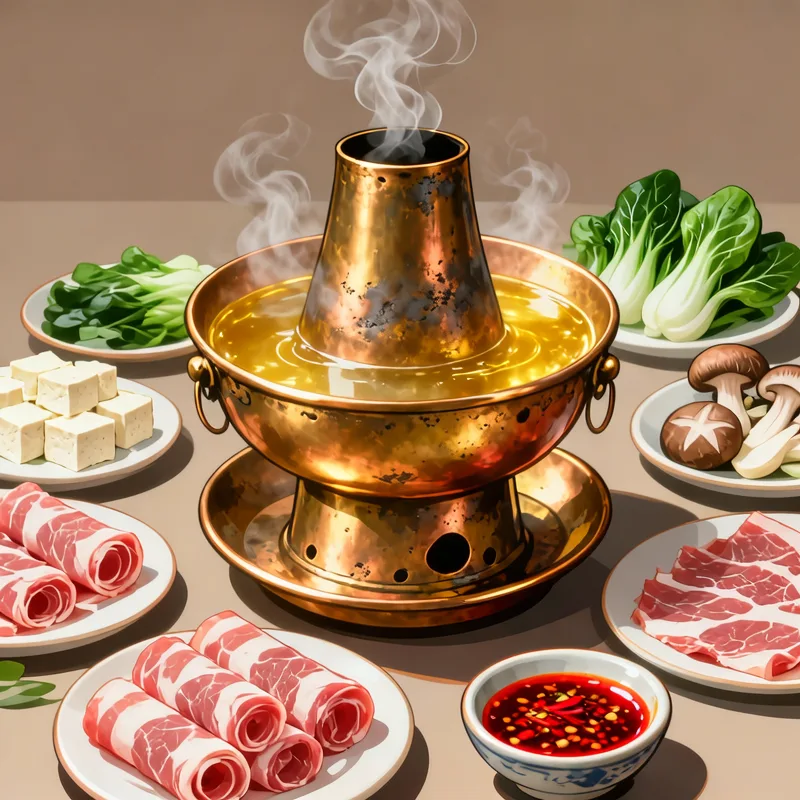
    The Chinese term huoguo literally means fire pot. In northern China the classic form is the copper pot with a central chimney, heated by charcoal, in which paper-thin slices of mutton are swished briefly in a clear broth. Beijing’s Donglaishun, founded in 1903, made the mutton dip famous, served with sesame sauce, fermented tofu and chive flower sauce. In Sichuan and Chongqing the pot is filled with a red, oil-floated broth instead. The table method is the same; the flavourings mark the region.

    Charcoal-heated copper hotpot with a central chimney set on a restaurant table
    The northern copper pot uses a clear broth; Sichuan versions favour red oil. कृत्रिम बुद्धिमत्ता द्वारा निर्मित चित्र · सिनोविज़

    The Sichuan Broth

    Two sensations define the Sichuan version. Chilli brings capsaicin heat; Sichuan pepper, the husk of a prickly ash, supplies hydroxy-alpha sanshool, which makes the tongue tingle and vibrate. Together they create ma la, numbing spicy. Chilli reached China only after the sixteenth century, arriving from the Americas through maritime trade, so the modern red broth is comparatively recent. Earlier seasonings relied on Sichuan pepper, ginger, fermented beans and the broad-bean chilli paste of Pixian.

    A Chongqing lao huoguo, or old hotpot, traditionally starts with beef tallow, dried chillies and paste, browned until the oil turns red. The nine-grid pot divides the surface: the centre boils hardest, the corners simmer gently, and each diner keeps track of their own food. Offal — tripe, duck blood, intestine — was the original cheap fare of dockworkers and boatmen at Chaotianmen. Tripe is cooked by the rule of seven up, eight down, dipped and lifted repeatedly for a few seconds.

    Chengdu and the Split Pot

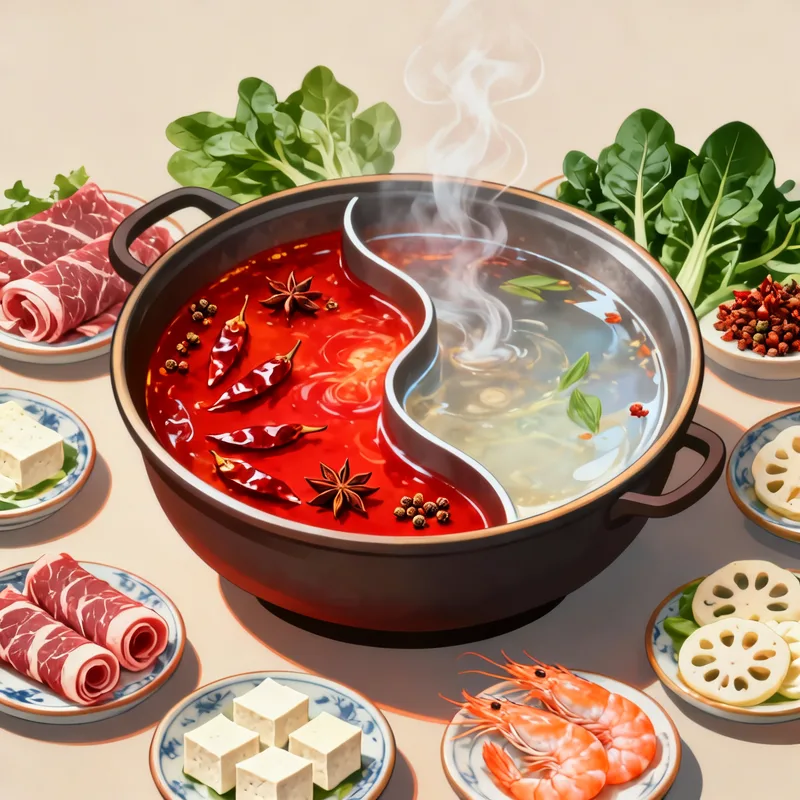
    Chengdu style is usually gentler than its Chongqing cousin. Cooks often use vegetable oil rather than beef tallow, add more aromatics and offer a yuanyang pot, a divided vessel with red broth on one side and a clear, mild stock on the other. Diners gather around it in stages: tough items go in first, greens and sliced fish last. Sesame oil mixed with garlic, coriander and scallions cools each bite before it reaches the mouth. The divided pot is a useful invention for a table with mixed tolerances.

    Divided hotpot with bubbling red chilli broth and clear broth in one vessel
    The yuanyang pot lets a table share one meal at two heat levels. कृत्रिम बुद्धिमत्ता द्वारा निर्मित चित्र · सिनोविज़

    How to Eat It

    Hotpot has a practical etiquette. Raw and cooked foods need separate chopsticks or serving utensils, and a shared pot requires patience with other diners’ timing. A few rules are widely repeated: do not stir the whole broth, do not fish with your own chopsticks, and let the boil return after adding cold ingredients. The meal is slow by design. As the pot reduces, the broth grows stronger, and the last handful of noodles absorbs everything that has gone before.

    • Nine-grid pot: centre boils; corners simmer
    • Mutton dip: sesame sauce, fermented tofu, chive flower sauce
    • Tripe: seven up, eight down
    • Yuanyang pot: one red side, one clear side

    From Street Stall to Global Chain

    The modern restaurant trade carried hotpot far beyond Sichuan. Haidilao, founded in Jiangyou in 1994, turned the meal into a service spectacle with waiting-area snacks and attentive staff; its branches now appear in many countries. Other chains adapted the format to clear broths and individual pots. Yet the social logic has not changed. A pot keeps everyone at the table for an hour, cooking in stages and talking between courses, which is why hotpot spreads easily wherever Chinese communities gather.

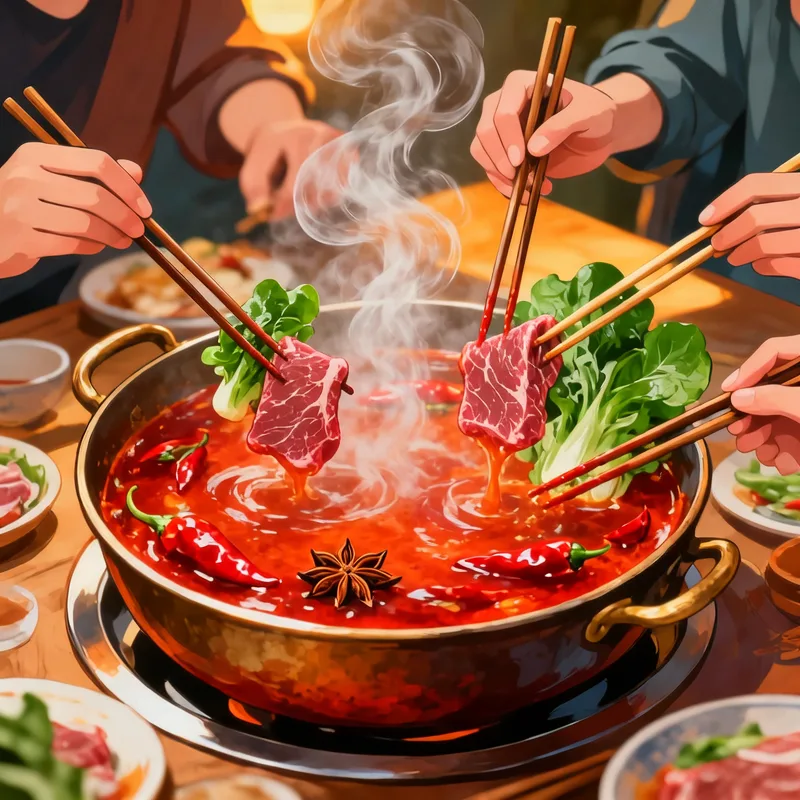
    Diners cooking sliced meat and vegetables in a bubbling red hotpot in Chongqing
    The shared pot keeps the meal slow and conversational. कृत्रिम बुद्धिमत्ता द्वारा निर्मित चित्र · सिनोविज़
    In a hotpot restaurant the meal is not served; it happens, slowly, in the middle of the table.

    स्रोत और आगे की जानकारी

    1. Chongqing: Administration and society — एनसाइक्लोपीडिया ब्रिटानिका।
    2. Chinese cuisine — एनसाइक्लोपीडिया ब्रिटानिका।
    3. What flavors distinguish Sichuan cuisine from other Chinese cuisines? — एनसाइक्लोपीडिया ब्रिटानिका।

    इसे यथास्थान देखें

    इस प्रविष्टि का अनुसरण करके उस क्षेत्र तक पहुँचें जहाँ यह संबंधित है।

    मानचित्र द्वारा अन्वेषण करें

    इस चर्चा का अनुसरण करें

    उन अन्य प्रविष्टियों को ब्राउज़ करें जिनमें इसके समान टैग हैं।

    टैग ब्राउज़ करें
  • Noodles of North China

    जीवन और लोककथाएँ

    Noodles of North China

    From Millet Bowls to Hand-Pulled Strands

    Wheat, water and hand technique make noodles a staple of the northern table.

    अनुभाग
    जीवन और लोककथाएँ
    क्षेत्र
    शानक्सी
    युग
    युगों के पार
    टैग
    Food, Geography

    North of the Qinling–Huaihe line, wheat and millet rather than rice shaped the daily meal. Noodles — mian when made from wheat, fen when made from other starches — became the most visible expression of that divide.

    An Archaeological Bowl

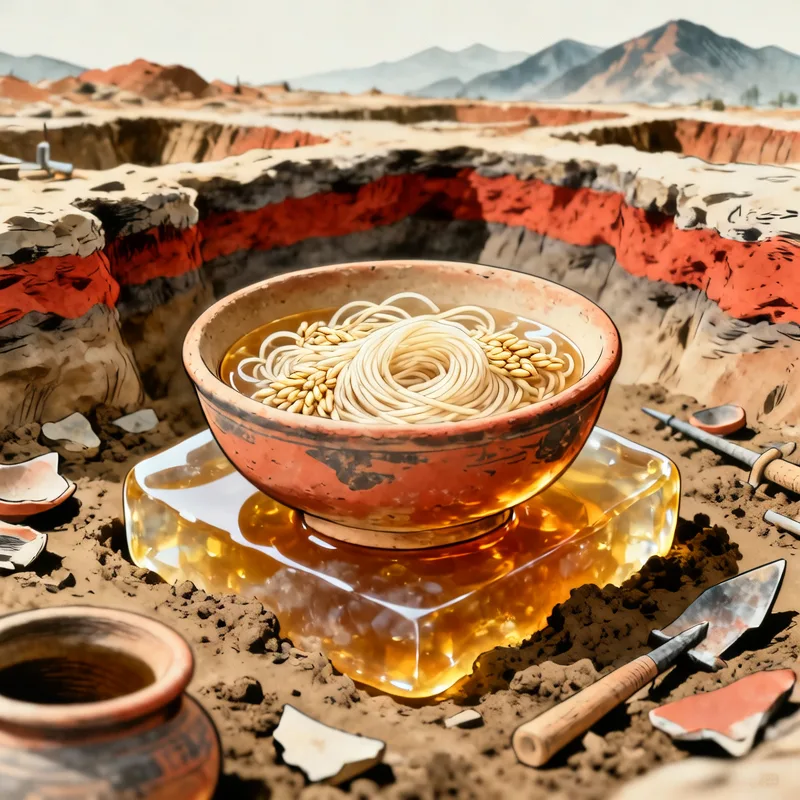
    Noodles are older than the wheat noodle. In 2005 researchers reported a bundle of thin yellow strands from a sealed earthenware bowl at Lajia, a Late Neolithic site in Qinghai on the Yellow River, dating to about 4,000 years ago. Starch grains and husk phytoliths identified foxtail and broomcorn millet, not wheat. A 2014 study used traditional extruding tools to reproduce similar strands from millet flour. The find does not settle every argument about noodle origins, but it gives the craft a solid archaeological date.

    Ancient millet noodle strands preserved in an earthenware bowl from the Lajia site
    A sealed bowl at Lajia preserved millet noodles dating to about 4,000 years ago. कृत्रिम बुद्धिमत्ता द्वारा निर्मित चित्र · सिनोविज़

    Wheat Moves North

    Wheat was domesticated in the Fertile Crescent and reached northern China several millennia before the Han dynasty. Its gluten made dough elastic enough to be stretched, rolled and boiled without breaking, which millet alone could not do. By the Tang and Song periods, mills, wheat fields and noodle shops were part of urban life in the north, and written recipes describe dried noodles kept for later use. The split with the rice-growing south hardened around this staple.

    Shaanxi sits at the centre of that wheat world. The Guanzhong plain is enclosed by the Qinling mountains to the south and the Loess Plateau to the north, with the Wei River running through it. Chang’an, the Tang capital at modern Xi’an, stood at the eastern end of the Silk Road; merchants, soldiers and Muslim communities all left marks on local food. Geography here is not background scenery — it determines the grain in the bowl.

    The Shaanxi Repertoire

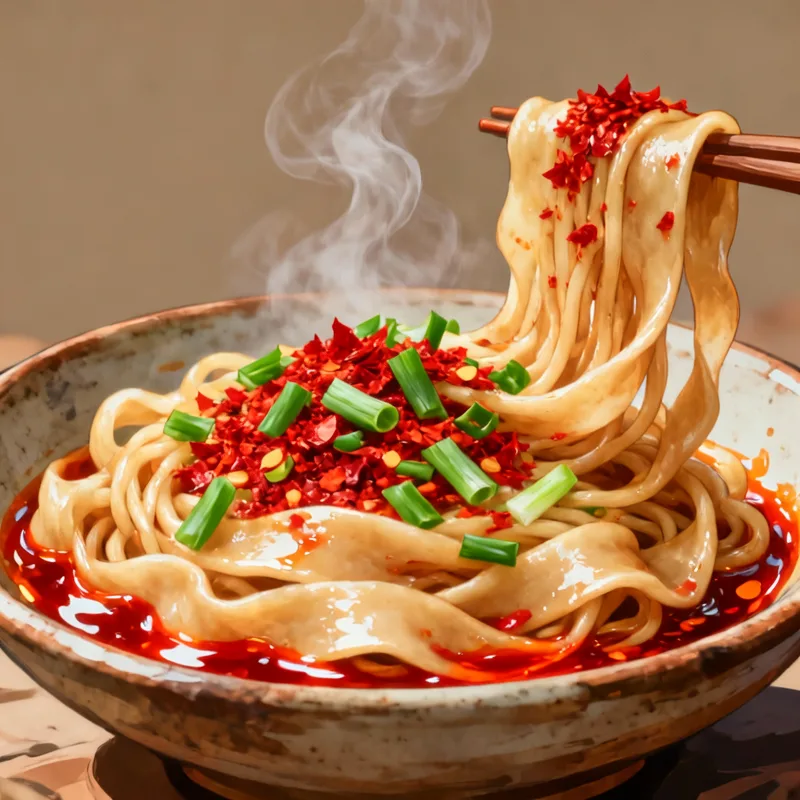
    The province’s noodles are made rather than merely cooked. Biangbiang mian are broad, hand-slapped ribbons, named for the sound of dough hitting the counter; the dialect character for biang has more than fifty strokes. Youpo mian are topped with chilli flakes, garlic and scallions, then splashed with hot oil until they hiss. Qishan saozi mian arrive in broth with diced pork, egg, tofu, wood ear and daylily, and the first bowl is traditionally set aside as an offering to ancestors before the family eats.

    Wide hand-slapped biangbiang noodles topped with chilli flakes and scallions
    Biangbiang mian take their name from the sound of dough striking the board. कृत्रिम बुद्धिमत्ता द्वारा निर्मित चित्र · सिनोविज़

    Soups, Bread and Cold Noodles

    Not all northern noodles are wheat strands. Yang rou paomo, a Xi’an speciality associated with the city’s Hui community, begins with a flatbread that the diner tears into small pieces before a rich mutton broth is poured over it. Liangpi are cold sheets or strips made from wheat or mung bean starch, dressed with vinegar, garlic and chilli oil. Shanxi, the neighbouring province, is known for knife-shaved dao xiao mian and for aged vinegar; Henan favours wide hand-pulled hui mian in lamb soup.

    • Qishan saozi mian — noodles with minced meat and vegetables
    • Yang rou paomo — mutton soup with torn flatbread
    • Biangbiang mian — wide, hand-slapped wheat noodles
    • Liangpi — cold starch noodles with chilli oil

    Beyond the Province

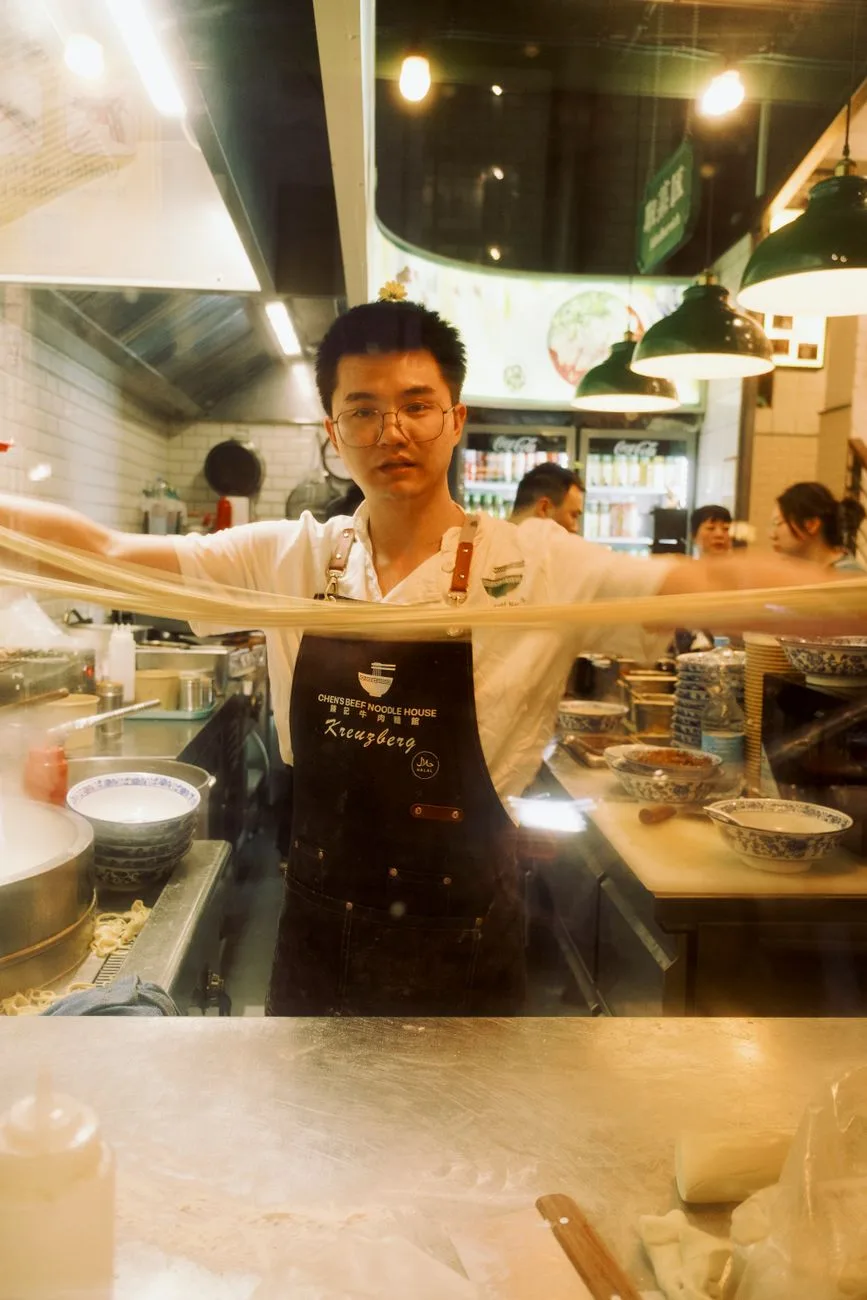
    The same techniques travel well. Lanzhou beef noodle soup, sold by Hui traders across China, pairs hand-pulled strands with a clear broth, sliced beef, radish and coriander. Beijing’s zhajiangmian uses wheat noodles under a thick fried soybean paste, surrounded by cucumber and bean sprouts. What unites these dishes is not a single sauce but a method: flour worked by hand into strands, boiled and served in a broth or with a paste. Northern noodle shops remain places where that work is visible.

    Cook pulling fresh wheat noodles by hand in a northern Chinese noodle shop
    Hand-pulling turns flour and water into strands in minutes. Felipe Souza Melo | Pexels License (https://www.pexels.com/license/)
    The sound of dough slapped on a board is part of the recipe: biangbiang is a verb before it is a name.

    स्रोत और आगे की जानकारी

    1. Millet noodles in Late Neolithic China — Nature.
    2. Chinese cuisine — एनसाइक्लोपीडिया ब्रिटानिका।
    3. Component and simulation of the 4,000-year-old noodles excavated from the archaeological site of Lajia in Qinghai, China — Chinese Science Bulletin.

    इसे यथास्थान देखें

    इस प्रविष्टि का अनुसरण करके उस क्षेत्र तक पहुँचें जहाँ यह संबंधित है।

    मानचित्र द्वारा अन्वेषण करें

    इस चर्चा का अनुसरण करें

    उन अन्य प्रविष्टियों को ब्राउज़ करें जिनमें इसके समान टैग हैं।

    टैग ब्राउज़ करें
  • दाई लोग

    जीवन और लोककथाएँ

    दाई लोग

    दक्षिणी युन्नान के ताई-भाषी समुदाय

    दाई लोग ताई भाषा बोलने वाले बौद्ध समुदाय हैं जिनके गांव, मंदिर और जल उत्सव दक्षिणी युन्नान की नदी घाटियों को आकार देते हैं।

    अनुभाग
    जीवन और लोककथाएँ
    क्षेत्र
    युन्नान
    युग
    युगों के पार
    टैग
    जातीय, रीति-रिवाज

    ज़िशुआंगबन्ना और देहोंग के निचले इलाकों में, दाई गाँव धान के खेतों और बौद्ध मठों के किनारे बसे हुए हैं। उनकी भाषा क्रा-दाई परिवार की ताई शाखा से संबंधित है, और उनके त्योहार मुख्य भूमि दक्षिण पूर्व एशिया के समुदायों के साथ साझा कैलेंडर का अनुसरण करते हैं।

    जहां घाटियाँ हैं

    चीन की 2010 की जनगणना में लगभग 11.6 करोड़ दाई लोगों की गणना की गई थी। इनमें से अधिकांश दक्षिणी और पश्चिमी युन्नान के निचले इलाकों में रहते हैं, विशेष रूप से लंकांग (मेकोंग) नदी के किनारे स्थित शीशुआंगबन्ना दाई स्वायत्त प्रान्त और म्यांमार सीमा के पास स्थित देहोंग दाई और जिंगपो स्वायत्त प्रान्त में। छोटे समुदाय लिनकांग, पुएर और होंगहे में भी फैले हुए हैं। बस्तियाँ आसपास की ठंडी पहाड़ियों के बजाय गर्म नदी घाटियों में बसी हैं जहाँ साल भर सिंचित चावल उगाया जा सकता है। निचले इलाकों में बसे होने के कारण दाई गाँव सीमा पार शान, थाई और लाओ समुदायों के साथ घनिष्ठ संपर्क में रहे हैं, और यही कारण है कि स्थानीय वास्तुकला, भोजन और त्योहारों का कैलेंडर मुख्य भूमि दक्षिण पूर्व एशिया से काफी मिलता-जुलता है।

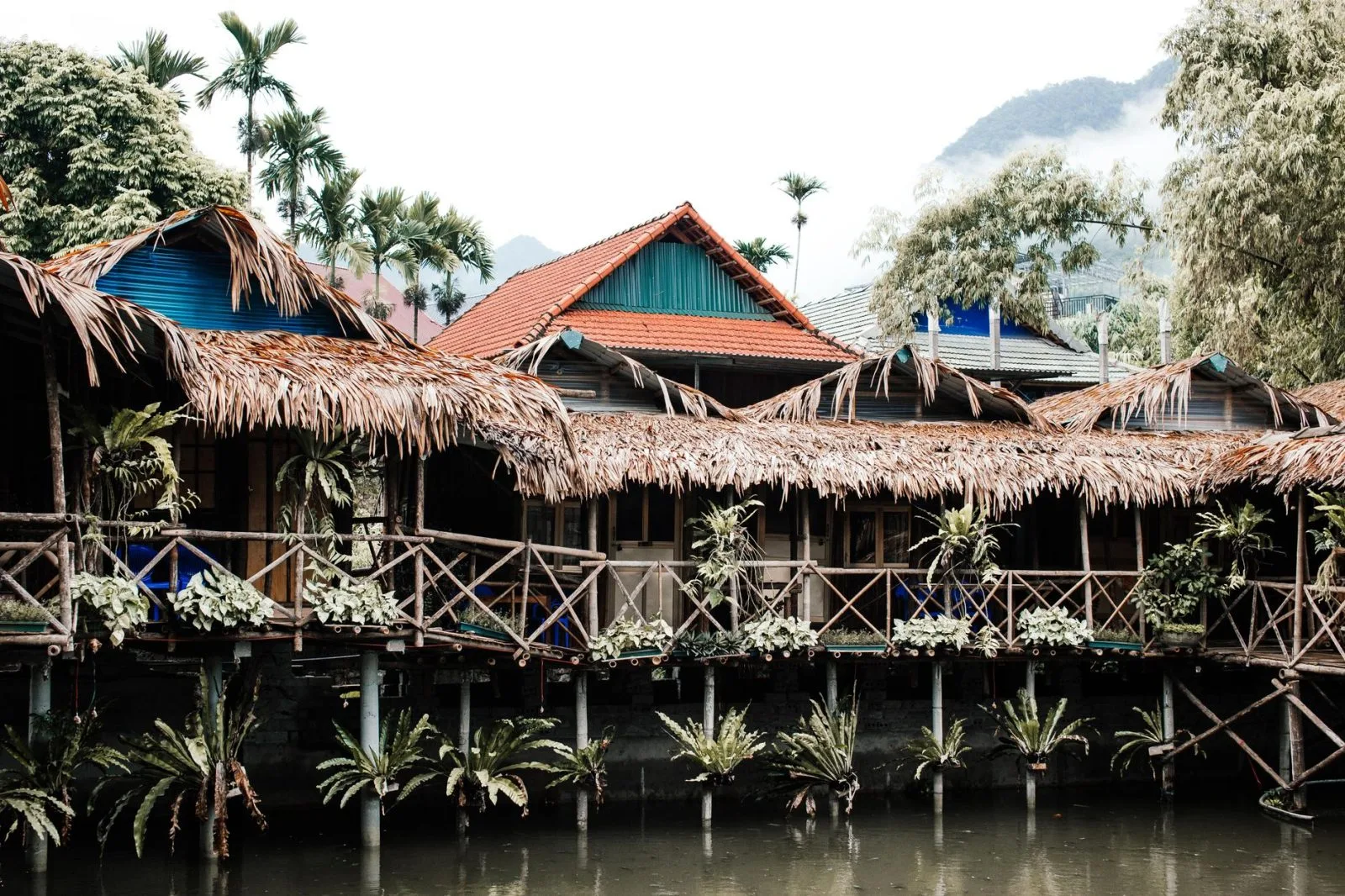
    युन्नान के ज़िशुआंगबन्ना में सिंचित चावल के खेतों के बगल में खड़ी छतों वाले दाई गाँव के घर
    गांव गर्म नदी घाटियों के किनारे बसे हुए हैं जहां साल भर चावल उगाया जा सकता है। राहेल क्लेयर | पेक्सेल्स लाइसेंस (https://www.pexels.com/license/)

    भाषा, लिपि और पानी

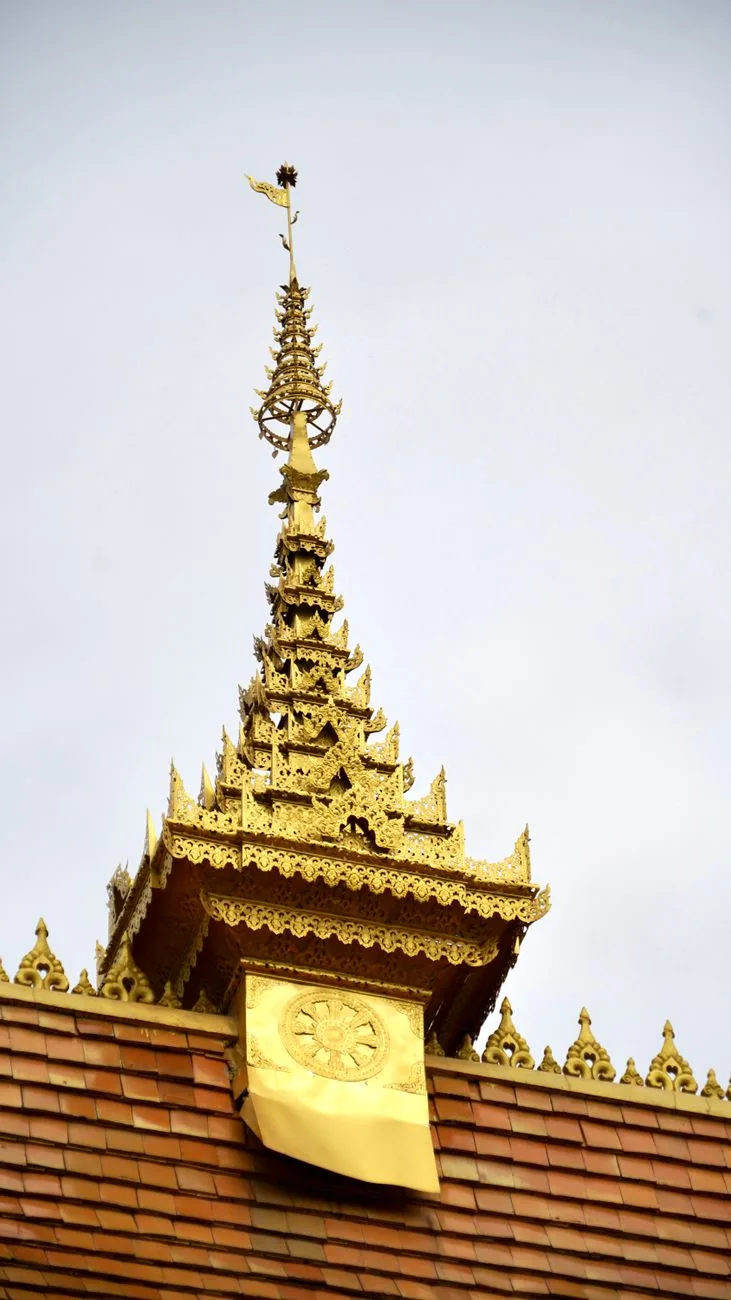
    दाई भाषा क्रा-दाई भाषा परिवार की ताई शाखा से संबंधित है, जो थाई और लाओ भाषाओं के समान ही व्यापक परिवार है। युन्नान में तीन लेखन परंपराएँ प्रचलित हैं: शीशुआंगबन्ना लिपि, देहोंग लिपि और जिनपिंग के आसपास प्रयुक्त एक अन्य रूप। ये सभी पुरानी ताई लेखन प्रणालियों से विकसित हुई हैं और एक समय में मुख्य रूप से मठों में शिक्षा के माध्यम से ही संरक्षित थीं। थेरवाद बौद्ध धर्म कई शताब्दियों तक व्यापार और तीर्थयात्रा मार्गों के माध्यम से दाई समुदायों तक पहुँचा, और स्थानीय वाट (मठ) गाँव की साक्षरता और धार्मिक अनुष्ठानों का केंद्र बन गया। लड़के पारंपरिक रूप से अपनी युवावस्था का कुछ हिस्सा नौसिखिए के रूप में बिताते थे, जहाँ वे धर्मग्रंथ पढ़ना और मंत्रों का जाप करना सीखते थे। सोने से मढ़े स्तूप और ढलान वाली छतों वाले लकड़ी के मंदिर आज भी यहाँ के प्रमुख स्थलचिह्न हैं।

    ज़िशुआंगबन्ना में सोने की परत चढ़े शिखर और नक्काशीदार लकड़ी की छतों वाला एक दाई बौद्ध मंदिर।
    स्थानीय वाट (प्रार्थना स्थल) लंबे समय से पठन-पाठन, दीक्षा समारोह और ग्राम अनुष्ठानों का केंद्र रहा है। एरिक फेंग | पेक्सेल्स लाइसेंस (https://www.pexels.com/license/)

    घर, वस्त्र और दैनिक भोजन

    एक पारंपरिक दाई घर लकड़ी या बांस के खंभों पर खड़ा होता है, जिसमें रहने का फर्श जमीन से ऊपर उठा हुआ होता है और एक ढलानदार छत होती है जो मानसून की भारी बारिश को बहा देती है। एक खुला बरामदा काम करने और बैठने की जगह के रूप में काम करता है, जबकि घर के नीचे का क्षेत्र भंडारण और पशुधन के लिए उपयोग किया जाता है। घरेलू बुनाई से सूती और रेशमी कपड़ा बनता है, और दाई ब्रोकेड अपने चमकीले धागों से बुने हुए मोर, हाथी और ज्यामितीय आकृतियों के लिए प्रसिद्ध है। चांदी के आभूषण, सुपारी और लाख की थालियाँ दैनिक और औपचारिक आदान-प्रदान में दिखाई देती हैं। भोजन में मुख्य रूप से चिपचिपा चावल, ताजे पानी की मछली, खट्टी बांस की कोंपलें और मिर्च की चटनी होती है, जिसे अक्सर केले के पत्तों में लपेटा जाता है। शीशुआंगबन्ना और पुएर के आसपास के चाय बागान एक और फसल प्रदान करते हैं जिसका इस क्षेत्र में लंबा इतिहास है।

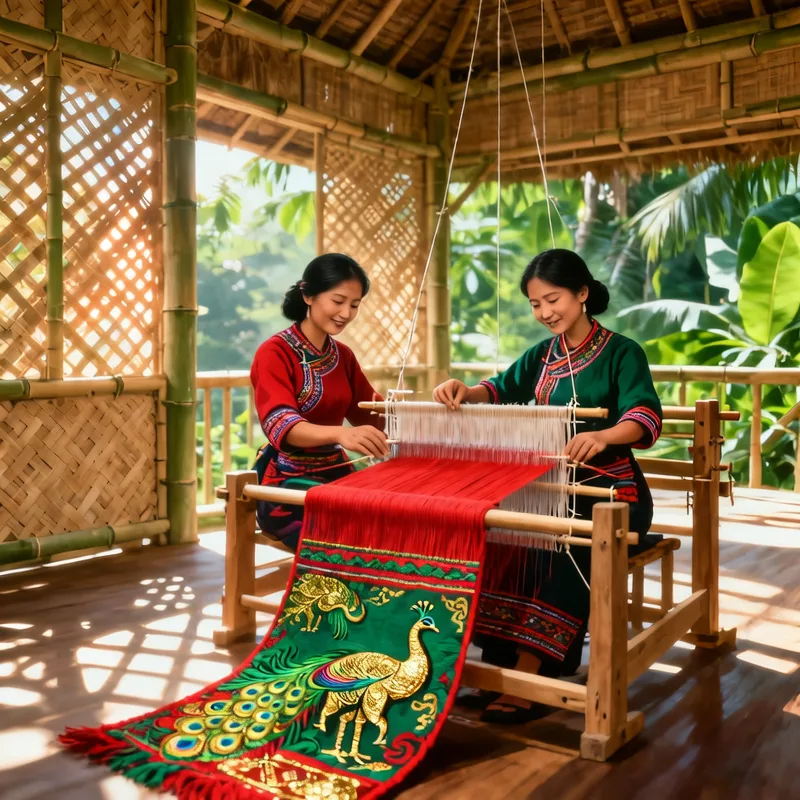
    एक लकड़ी के ऊंचे खंभों पर बने घर के बगल में बैकस्ट्रैप लूम पर काम करती एक दाई बुनकर।
    ब्रोकेड, चांदी का काम और पान रोजमर्रा के घरेलू जीवन का हिस्सा हैं। कृत्रिम बुद्धिमत्ता द्वारा निर्मित चित्र · सिनोविज़

    जल महोत्सव

    दाई नव वर्ष अप्रैल के मध्य में पड़ता है और इसे जल उत्सव के रूप में मनाया जाता है, जिसे स्थानीय रूप से सोंगक्रान के नाम से जाना जाता है। स्वच्छ और समृद्ध वर्ष की कामना के रूप में परिवार, पड़ोसियों और आगंतुकों पर जल डाला या छिड़का जाता है। इस दिन मठों का दर्शन, रेत के छोटे-छोटे पैगोडा का निर्माण और नदियों में नौका दौड़ भी आयोजित की जाती है। शाम को, मोर और हाथी नृत्य धीमी, नियंत्रित हाथ की मुद्राओं और चमकीले परिधानों के साथ प्रस्तुत किए जाते हैं। ये नृत्य दाई ओपेरा और लोक कथाओं के साथ-साथ सांस्कृतिक मंडलों और स्कूलों में भी सिखाए जाते हैं। आज यह उत्सव चीन के अन्य हिस्सों से भी आगंतुकों को आकर्षित करता है, जबकि मठ और ग्रामीण शिल्पकार इसकी भाषा और तकनीकों को संरक्षित रखना जारी रखते हैं।

    दाई के निचले इलाकों में, एक मठ, एक धान का खेत और एक करघा एक ही कैलेंडर का पालन करते हैं।

    स्रोत और आगे की जानकारी

    1. दाई — एनसाइक्लोपीडिया ब्रिटानिका।
    2. दाई जातीय समूह — China.org.cn.

    इसे यथास्थान देखें

    इस प्रविष्टि का अनुसरण करके उस क्षेत्र तक पहुँचें जहाँ यह संबंधित है।

    मानचित्र द्वारा अन्वेषण करें

    इस चर्चा का अनुसरण करें

    उन अन्य प्रविष्टियों को ब्राउज़ करें जिनमें इसके समान टैग हैं।

    टैग ब्राउज़ करें
  • Chinese Weddings

    जीवन और लोककथाएँ

    Chinese Weddings

    Rites, Gifts and the Red Veil

    Traditional Chinese weddings join two families through a sequence of gifts, processions and vows.

    अनुभाग
    जीवन और लोककथाएँ
    क्षेत्र
    ZHEJIANG
    युग
    युगों के पार
    टैग
    प्रथाएँ

    A Chinese wedding was historically less a single ceremony than a negotiated sequence between households. The classical six rites set out steps from proposal to the fetching of the bride; local practice in Zhejiang added its own music, boats and wines.

    The Six Rites

    The classical sequence, codified in ritual texts of the Zhou dynasty, is known as the six rites. A go-between first presented a proposal (nacai), then asked the bride’s name and birth details (wenming). Divination at the ancestral altar produced a favourable answer (naji), after which the groom’s family sent betrothal gifts (nazheng), requested an auspicious date (qingqi) and finally fetched the bride (qinying). Three documents — the betrothal, gift and wedding letters — accompanied the exchange. Few families performed all six in full, but the vocabulary survived in engagements.

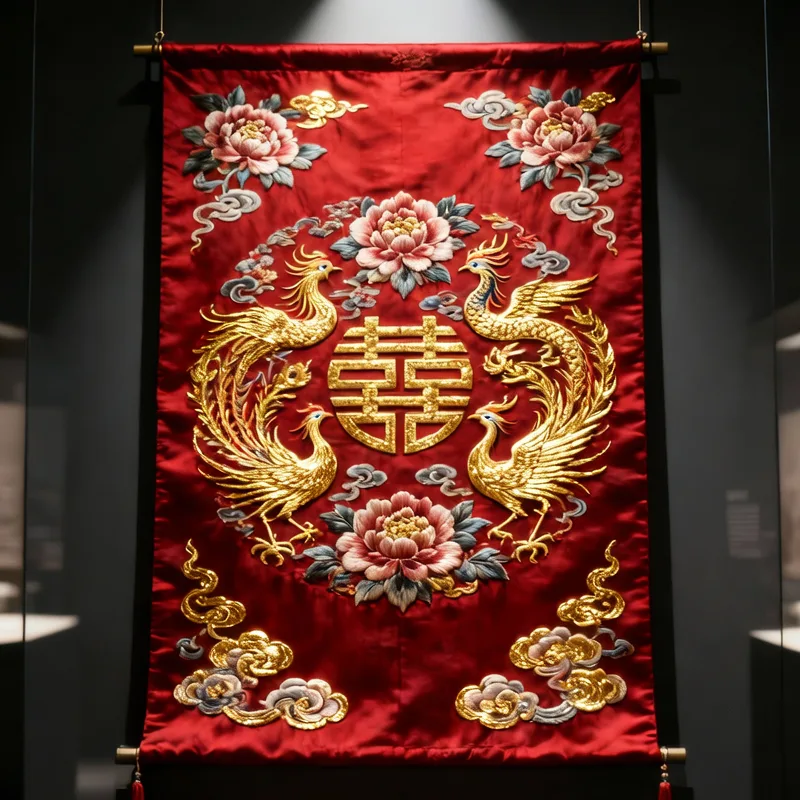
    Qing dynasty wedding hanging in silk and gold thread with auspicious symbols
    Auspicious textiles marked the threshold between two households. कृत्रिम बुद्धिमत्ता द्वारा निर्मित चित्र · सिनोविज़

    The Day of the Procession

    The word for marriage, hunyin, shares its first character with dusk, the traditional hour of the ceremony. Before dawn the bride, veiled in red, was carried from her natal home in a decorated sedan or, in the water towns of northern Zhejiang, aboard a boat hung with lanterns. Firecrackers and the reeds of suona horns announced the party. Crossing a saddle and a burning brazier at the groom’s gate invoked safety through puns on peace; the bride stepped over a threshold that marked a change of household.

    Inside, the couple bowed to the wedding candles, to the groom’s ancestors and to the elders, then served tea to both families in order of seniority. Red envelopes of money acknowledged each bow. On the bridal bed, dates, peanuts, longans and lotus seeds were scattered for a pun on bearing a son soon. A woman of good fortune straightened the quilts and spoke auspicious words. Only after the banquet, with its toasts of ganbei, did the formal duties ease.

    Zhejiang Inflections

    Regional custom gave the framework local texture. In Shaoxing, a jar of yellow rice wine might be buried when a daughter was born and opened at her wedding: nuer hong, daughter’s red. The wine belonged to the bride’s family and travelled with the dowry, alongside silk quilts from Huzhou and lacquered furniture. In Wuzhen and other canal towns, the bridal procession moved by water, and Yue opera troupes were hired for the feast. Southern Zhejiang kept the custom of laments, in which the bride and her women sang farewell verses.

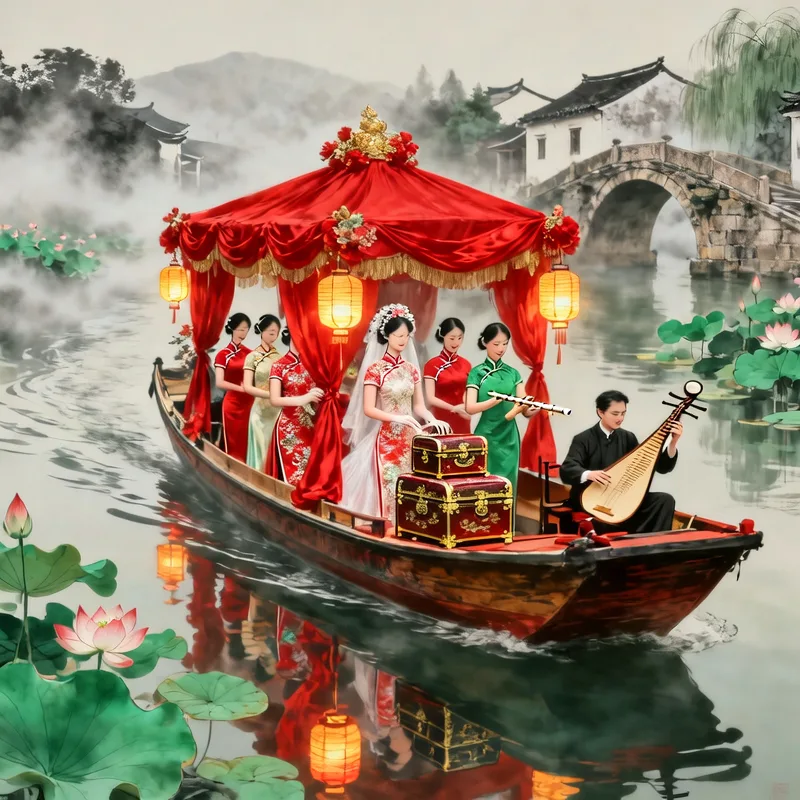
    Traditional bridal boat with red lanterns on a canal in a Zhejiang water town
    In canal towns the wedding procession travelled by water. कृत्रिम बुद्धिमत्ता द्वारा निर्मित चित्र · सिनोविज़

    Gifts, Dowries and Alliances

    Betrothal gifts and dowries were not mere display; they recorded the standing of two families and the terms of an alliance. The groom’s side supplied money, tea, wine, silk and livestock, while the bride brought textiles, jewellery, furniture and sometimes land or a shop. Surname exogamy was the rule: marriage within the same patrilineal clan was treated as incest. The 1950 Marriage Law recast the legal framework, establishing free choice of partner and equal property rights for spouses, but many gift customs continued.

    • Six rites: nacai, wenming, naji, nazheng, qingqi, qinying
    • Shaoxing’s nuer hong wine is opened at the daughter’s wedding.
    • Double happiness (shuangxi) appears on linens, paper cuts and pottery.
    • Tea served to elders wins red envelopes in return.

    Weddings Now

    Today a civil registration at the local civil affairs office makes a marriage legal, and ceremonies are chosen from a menu of options. Some couples hold a restrained tea ceremony at home; others book a banquet hall, a photographer and a host who keeps the toasts moving. The red veil has given way to a white dress for many brides, often followed by a red qipao for the formal photographs. In Zhejiang’s water towns, staged wedding processions are also a tourist performance, repeating the same gestures for an audience of visitors.

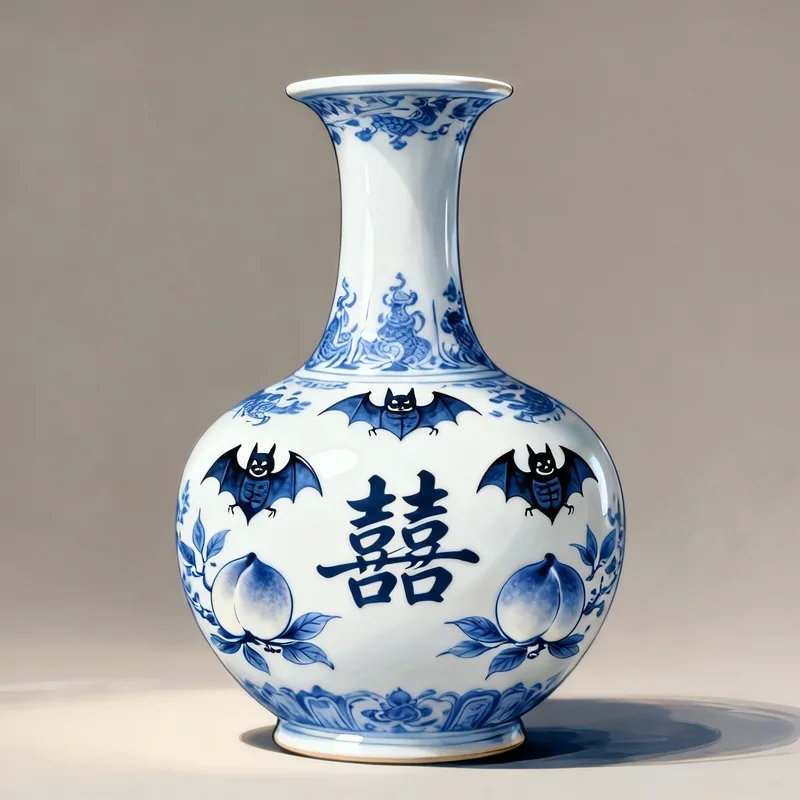
    Qing dynasty porcelain vase painted with bats, peaches and the double happiness character
    Double happiness, shuangxi, is the most recognisable emblem of a wedding. कृत्रिम बुद्धिमत्ता द्वारा निर्मित चित्र · सिनोविज़
    The bride’s tears, the groom’s brazier and the jar of wine buried at her birth all belong to one grammar of departure and arrival.

    स्रोत और आगे की जानकारी

    1. Marriage rituals — एनसाइक्लोपीडिया ब्रिटानिका।
    2. Why did traditional Chinese society prohibit marriage between people with the same surname? — एनसाइक्लोपीडिया ब्रिटानिका।
    3. Vase decorated with bats and peaches amid scrolling floral vines and double happiness character - कला का महानगरीय संग्रहालय।

    इसे यथास्थान देखें

    इस प्रविष्टि का अनुसरण करके उस क्षेत्र तक पहुँचें जहाँ यह संबंधित है।

    मानचित्र द्वारा अन्वेषण करें

    इस चर्चा का अनुसरण करें

    उन अन्य प्रविष्टियों को ब्राउज़ करें जिनमें इसके समान टैग हैं।

    टैग ब्राउज़ करें