ブログ

  • 江南料理

    生活と民話

    江南料理

    River Fish, Rice, and Refined Broth

    The cooking of the lower Yangtze favours freshwater fish, seasonal greens, and delicate stocks.

    セクション
    生活と民話
    地域
    浙江省
    時代
    時代を超えて
    タグ
    Food, Geography

    Jiangnan cooking grew in the wet, rice-growing country south of the Yangtze. Its reputation rests less on spice than on timing: a fish steamed just long enough, a broth cleared and simmered, or a vegetable picked before it toughens.

    A Landscape of Water and Rice

    Jiangnan means the land south of the Yangtze, a region of canals, lakes, and irrigated fields centred on Jiangsu and Zhejiang. From the Song dynasty (960–1279), the lower Yangtze became China’s densest and wealthiest farming region, supported by double-cropping rice, fish ponds, and silk production. Cities such as Hangzhou and Suzhou developed a class of officials, merchants, and literati who recorded dining in essays and cookbooks. Lin An, today’s Hangzhou, was the Southern Song capital after 1127, and its markets sold freshwater fish, crab, bamboo shoots, and lotus root. Local cooking took shape around what the water and nearby fields supplied in season.
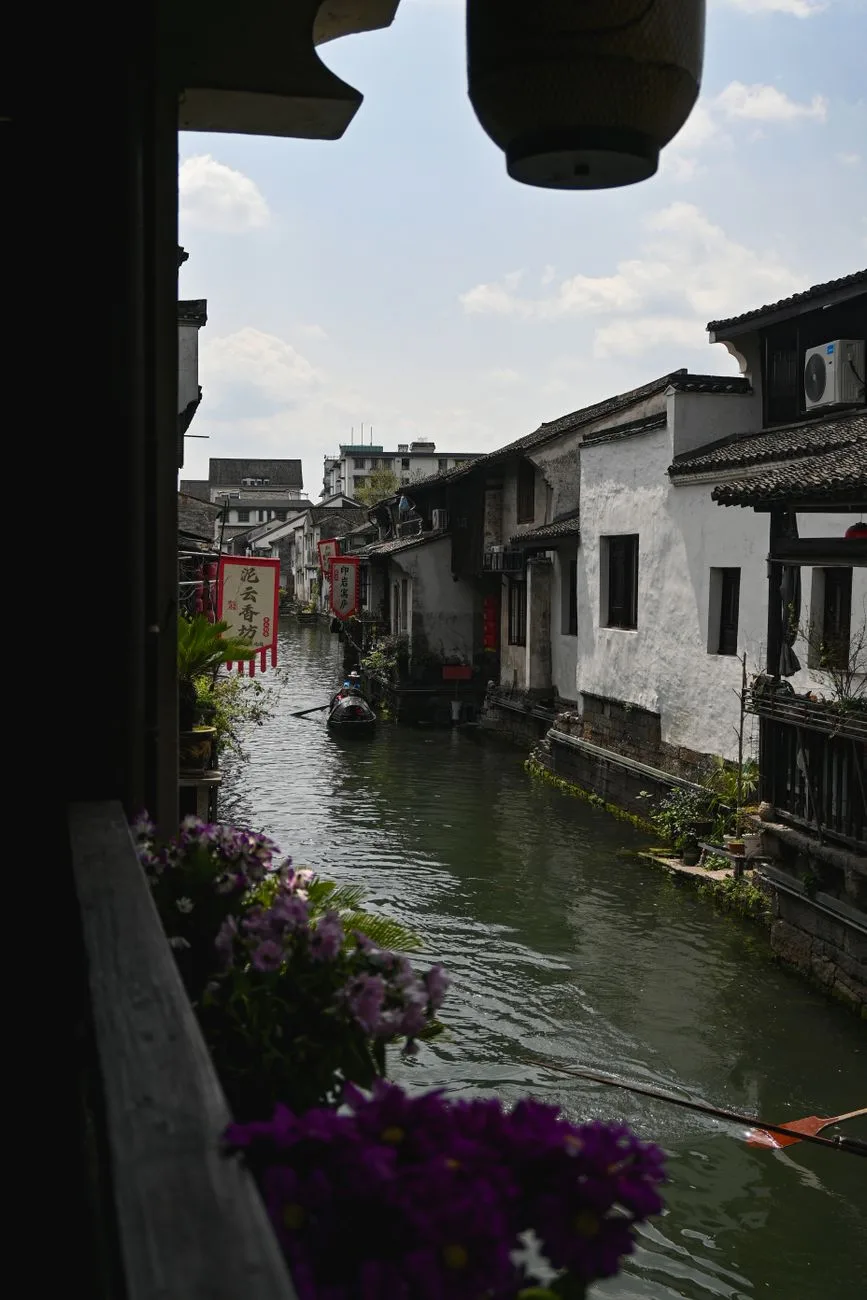
    Canals and rice fields in the Jiangnan countryside near Suzhou
    Canals, fish ponds, and irrigated fields shaped the Jiangnan pantry. 木 灬 | Pexels License (https://www.pexels.com/license/)

    Techniques of Cleanness

    Jiangnan cooks prize the natural flavour of ingredients, so technique often means restraint. Steaming preserves the texture of fish and glutinous rice; quick stir-frying keeps greens crisp; slow simmering turns pork bones and chicken into clear, aromatic broth. Shaoxing in Zhejiang is famous for yellow rice wine, used in marinades and for deglazing a hot wok. Vinegar from Zhenjiang balances sweet and sour dishes. Hangzhou’s famous West Lake vinegar fish uses a fish from the lake, scored and fried, then finished with a sweet-sour sauce. The dish is now a restaurant set piece, but it began as a local preparation of available freshwater fish.
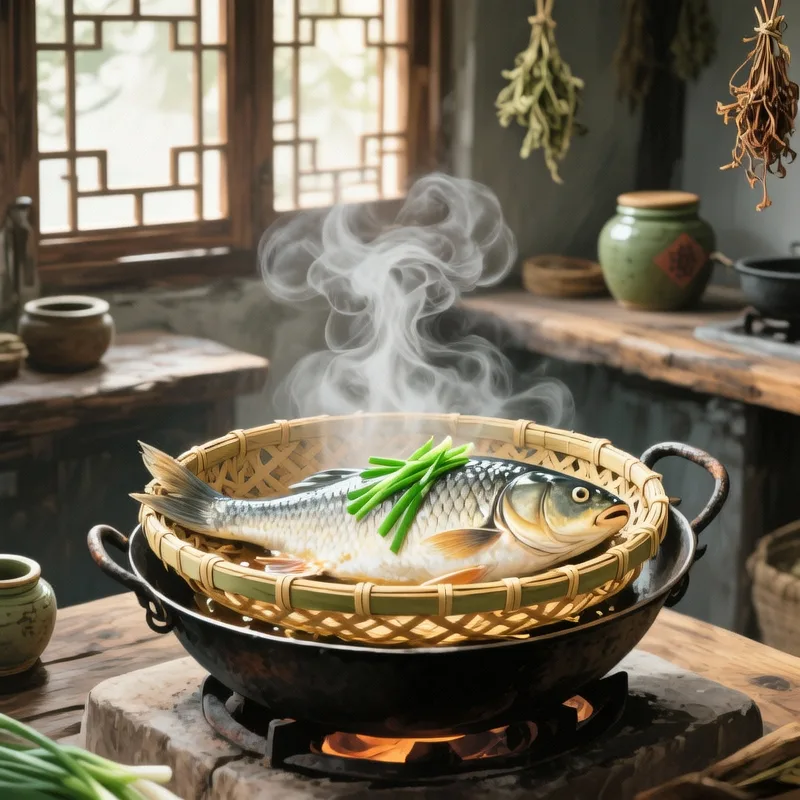
    A whole freshwater fish steaming in a bamboo basket over a wok in a Jiangnan kitchen
    Steaming is a defining Jiangnan technique because it preserves delicate texture. AI生成イラスト · SinoViz

    A Calendar of Local Dishes

    Seasonality gives the cuisine its rhythm. Spring brings bamboo shoots, shepherd’s purse, and the first river shrimp; autumn brings hairy crab from lakes and the slow-growing taihu whitebait. Suzhou’s squirrel-shaped mandarin fish is butterflied, scored, fried, and glazed, while braised pork belly is cooked until fat and lean layers hold together without hardness. Ningbo, on the Zhejiang coast, adds salted and dried seafood, and its tangyuan glutinous-rice balls filled with black sesame are eaten at the Lantern Festival. Shanghai, later and more cosmopolitan, absorbed these traditions into benbang cooking, favouring soy, sugar, and seafood.

    • West Lake vinegar fish from Hangzhou
    • Squirrel-shaped mandarin fish from Suzhou
    • Hairy crab from Taihu lakes in autumn
    • Black-sesame tangyuan for the Lantern Festival
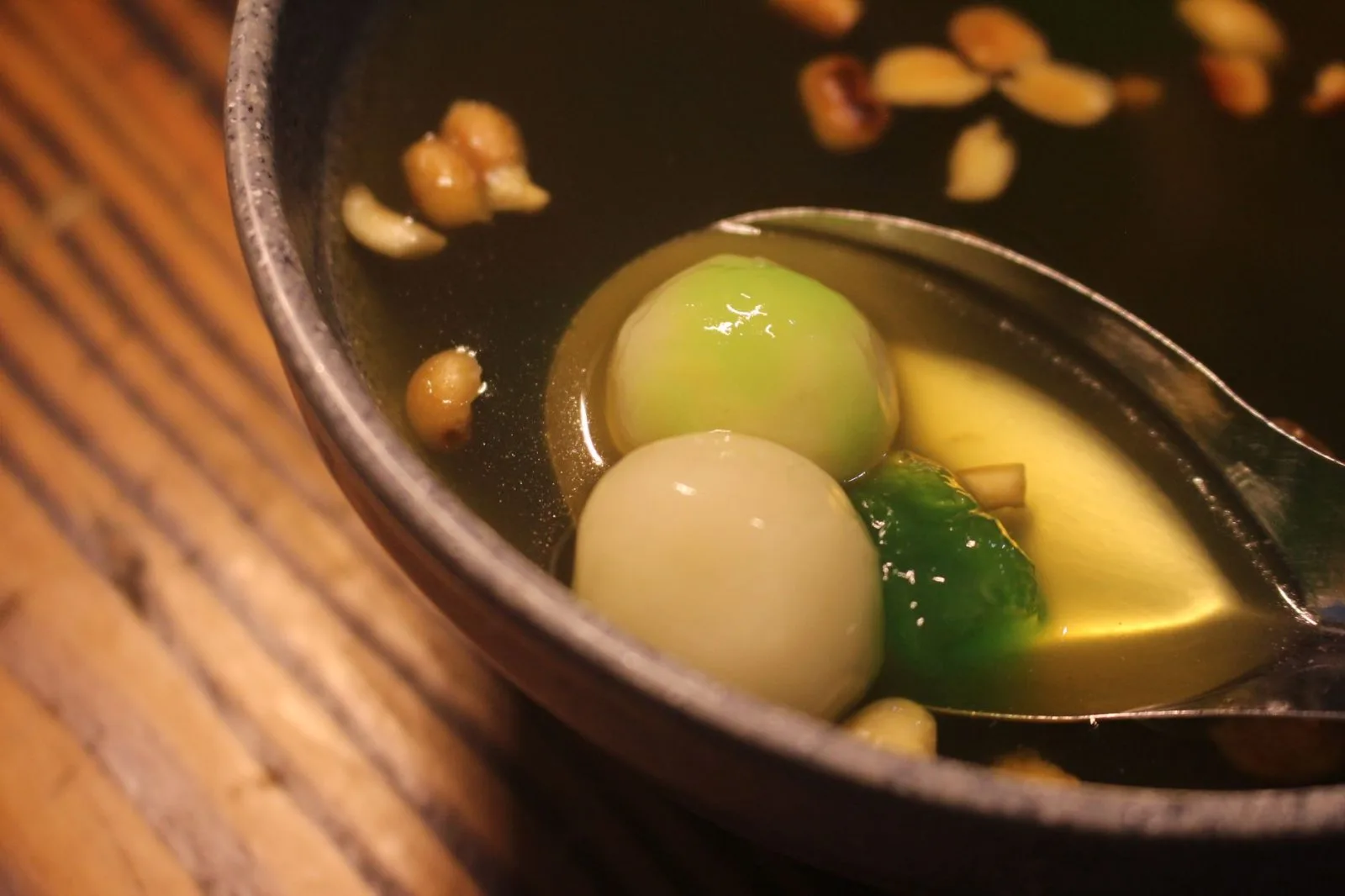
    Small glutinous rice balls with black sesame filling served in a warm bowl
    Tangyuan mark the Lantern Festival across the lower Yangtze. Jauhar Musthofal Qulub | Pexels License (https://www.pexels.com/license/)

    Gardens, Teahouses, and the Table

    Meals in Jiangnan were historically tied to gardens and teahouses, where scholars met over small dishes and wine. The region’s cookbooks, including Yuan Mei’s Suiyuan Shidan of 1792, record recipes alongside comments on market ingredients and household methods. Yuan Mei argued that a cook should understand each ingredient rather than bury it under sauce. That ideal still shapes the region’s public image, even when restaurant versions are elaborate. For a visitor, the useful lesson is to order by season and region: a lake crab in autumn, a bowl of noodles in Suzhou, or a pot of longjing tea near Hangzhou.

    In Jiangnan, the test of a dish is often how little the cook has done to spoil the ingredient.

    出典と参考文献

    1. Chinese Regional Cooking —ブリタニカ百科事典。
    2. 杭州 — ユネスコ世界遺産センター
    3. 杭州 —ブリタニカ百科事典。
    設置場所を見てください

    この項目をたどって、該当する地域へ移動してください。

    地図で探索する

    スレッドをたどってください

    同じタグを持つ他のエントリーを閲覧する。

    タグを閲覧する
  • 広東料理

    生活と民話

    広東料理

    Steam, Wok Heat, and Coastal Markets

    Guangdong cooking turns local seafood and temple fair foods into a refined restaurant tradition.

    セクション
    生活と民話
    地域
    広東省
    時代
    時代を超えて
    タグ
    Food, Geography

    Cantonese cuisine is the cooking of Guangdong and its diaspora, built on river deltas, coastal markets, and the heat of the wok. Its best-known dishes—roast goose, dim sum, and steamed fish—sit beside home-style soups and street snacks.

    The Pearl River Pantry

    The Pearl River Delta gave Cantonese cooking an unusually broad pantry. Rice grows in the lowlands, fish and shellfish come from the estuary, and hills behind Guangzhou supply vegetables, pork, and poultry. Guangzhou was a major port under the Tang and again after European traders arrived in the seventeenth and eighteenth centuries. Merchants, officials, and temple fairs supported restaurants that could pay for skilled chefs. By the Qing period, Guangzhou’s tea houses served small plates known as dim sum through the morning and midday. Emigrants from Guangdong later carried these dishes to Southeast Asia, North America, and Europe, adapting them to local supplies.

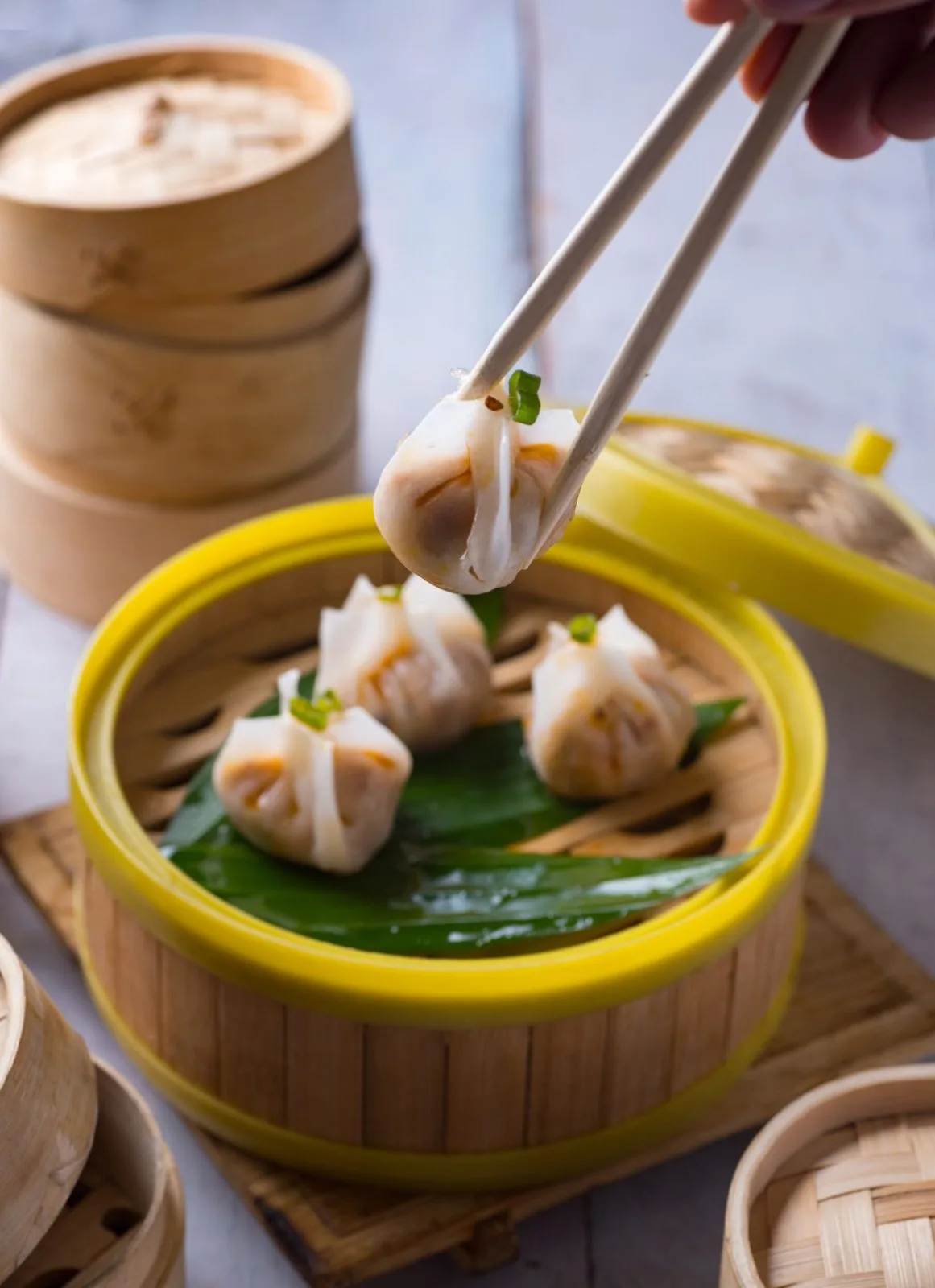
    Bamboo steamers filled with dim sum
    Dim sum developed in the teahouses of Guangzhou and spread with Cantonese migration. parveen tasud | Pexels License (https://www.pexels.com/license/)

    Wok Hei and the Roast House

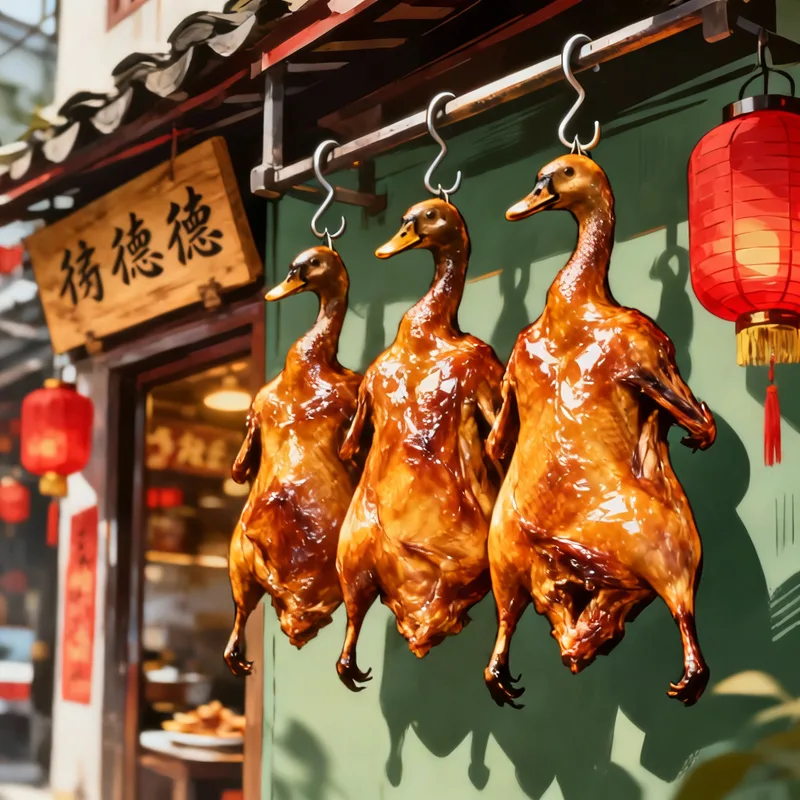
    Cantonese stir-frying depends on wok hei, the barely definable aroma produced when hot oil, vapours, and food meet a very hot wok. Chefs toss ingredients to keep them moving and prevent scorching; sauces are added late, often with cornstarch to give a light coating. Roasting is another speciality. Guangzhou-style white-cut chicken is poached and served with ginger and spring onion, while roast goose from Shunde is glazed, air-dried, and hung in a brick oven until the skin blisters. Char siu pork is marinated with honey and red fermented bean curd, then roasted with sugar caramelising at the edges.

    Roast geese hung to dry before roasting outside a Shunde restaurant
    Air-drying the skin is a key step in Shunde’s roast goose. AI生成イラスト · SinoViz

    Dim Sum and Morning Ritual

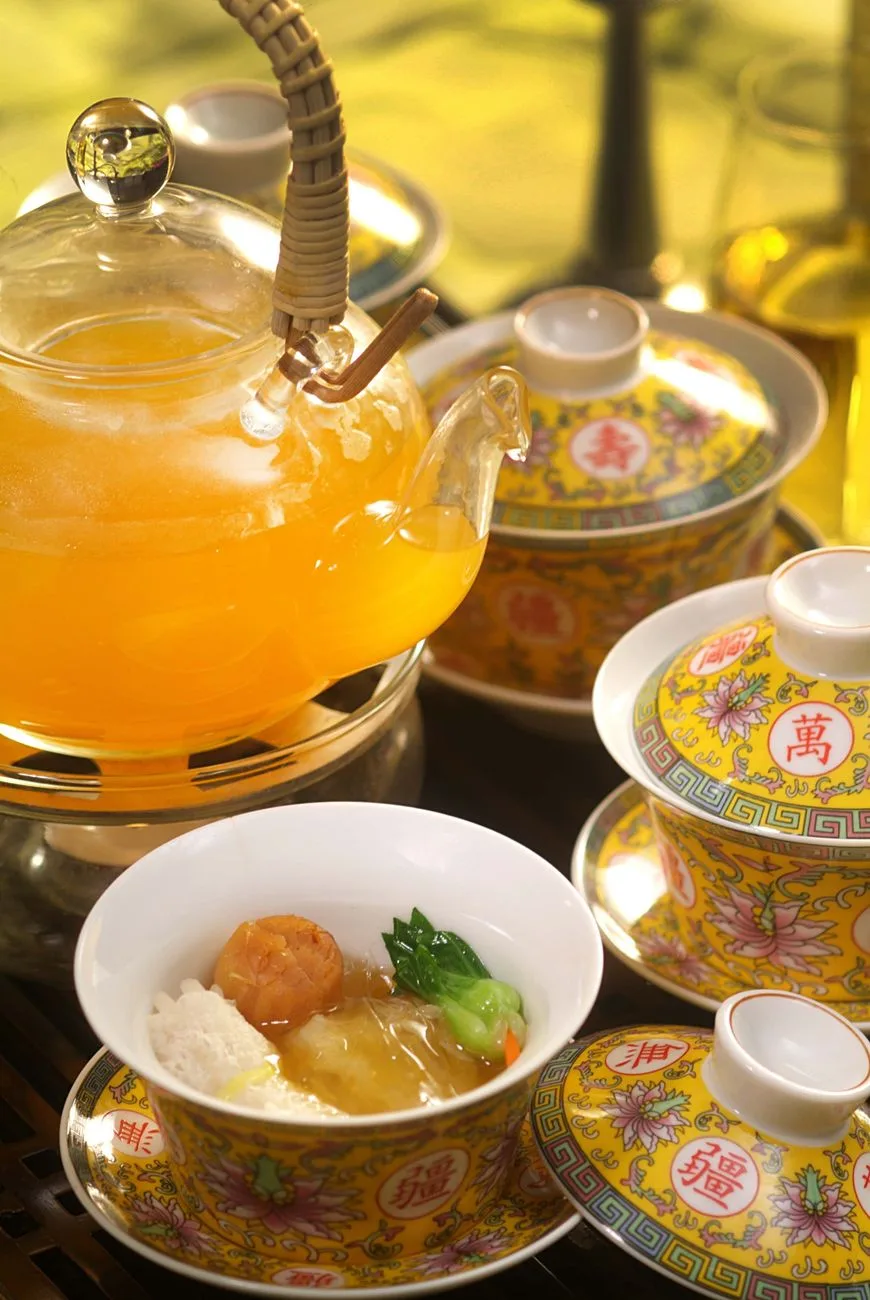
    Dim sum means a light snack, but in Cantonese practice it describes a meal of small portions ordered from trolleys or a paper card. Har gow wrap shrimp in a translucent wheat-starch skin; siu mai open-topped dumplings hold pork and shrimp; char siu bao are soft steamed buns with sweet roast-pork filling. Cheung fun are broad rice-noodle sheets rolled around shrimp, pork, or beef and dressed in soy sauce. Tea accompanies the meal, and the old custom of tapping a pot’s lid to signal for a refill is still performed, though younger diners may simply ask. The ritual is social as much as culinary, filling teahouses from early morning.

    • Har gow with translucent shrimp filling
    • Siu mai topped with a single shrimp
    • Cheung fun rice rolls with soy dressing
    • Egg tarts adapted from British custard pastry
    A trolley of bamboo steamers and tea pots beside a crowded Guangzhou dining room
    A dim sum meal is ordered in small dishes and shared across the table. minchephoto photography | Pexels License (https://www.pexels.com/license/)

    Regional Range and Diaspora

    Cantonese food is not one style. Shunde is known for delicate dairy desserts and fish dishes, Chaozhou nearby has a separate tradition of braised goose, seafood, and strong oolong tea, and Hakka communities in the hills favour preserved vegetables and stuffed tofu. Teochew and Hainanese migrants carried their own versions abroad. In Chinatowns from San Francisco to Singapore, Cantonese restaurants adapted to local tastes while keeping techniques such as steaming, roasting, and long simmered double-boiled soups. The resulting cuisines are mixed, but they preserve a central idea: fresh ingredients, precise heat, and a sauce that supports rather than hides them.

    Cantonese cooking asks a wok to do in seconds what other traditions give hours of stewing.

    出典と参考文献

    1. Chinese Cuisine —ブリタニカ百科事典。
    2. Cantonese cuisine —ブリタニカ百科事典。
    3. Guangzhou — ユネスコ世界遺産センター

    設置場所を見てください

    この項目をたどって、該当する地域へ移動してください。

    地図で探索する

    スレッドをたどってください

    同じタグを持つ他のエントリーを閲覧する。

    タグを閲覧する
  • ランタンフェスティバル

    生活と民話

    ランタンフェスティバル

    Lights on the Fifteenth Night

    The fifteenth night of the first lunar month closes the New Year with lanterns and sweet rice balls.

    セクション
    生活と民話
    地域
    北京
    時代
    時代を超えて
    タグ
    習慣、食べ物

    The Lantern Festival falls on the fifteenth day of the first lunar month, the first full moon of the year. Lanterns, night markets, riddles, and tangyuan rice balls mark the end of the New Year period.

    Origins in Calendar and Court

    The festival’s date follows the lunar calendar, so its Gregorian date changes each year. Several origins are cited. Emperor Wen of Han is said to have declared a public holiday around 180 BCE after defeating the Lü clan, while the Eastern Han emperor Ming promoted lantern displays in the first century CE as Buddhism spread. Daoist tradition associated the day with the heavenly official who grants blessings. By the Tang dynasty, the festival had become a major urban occasion: court records describe vast lantern displays in Chang’an and Luoyang, and the poet Su Weidao wrote of night markets bright as day. The Tang court relaxed curfew so people could view the lights.

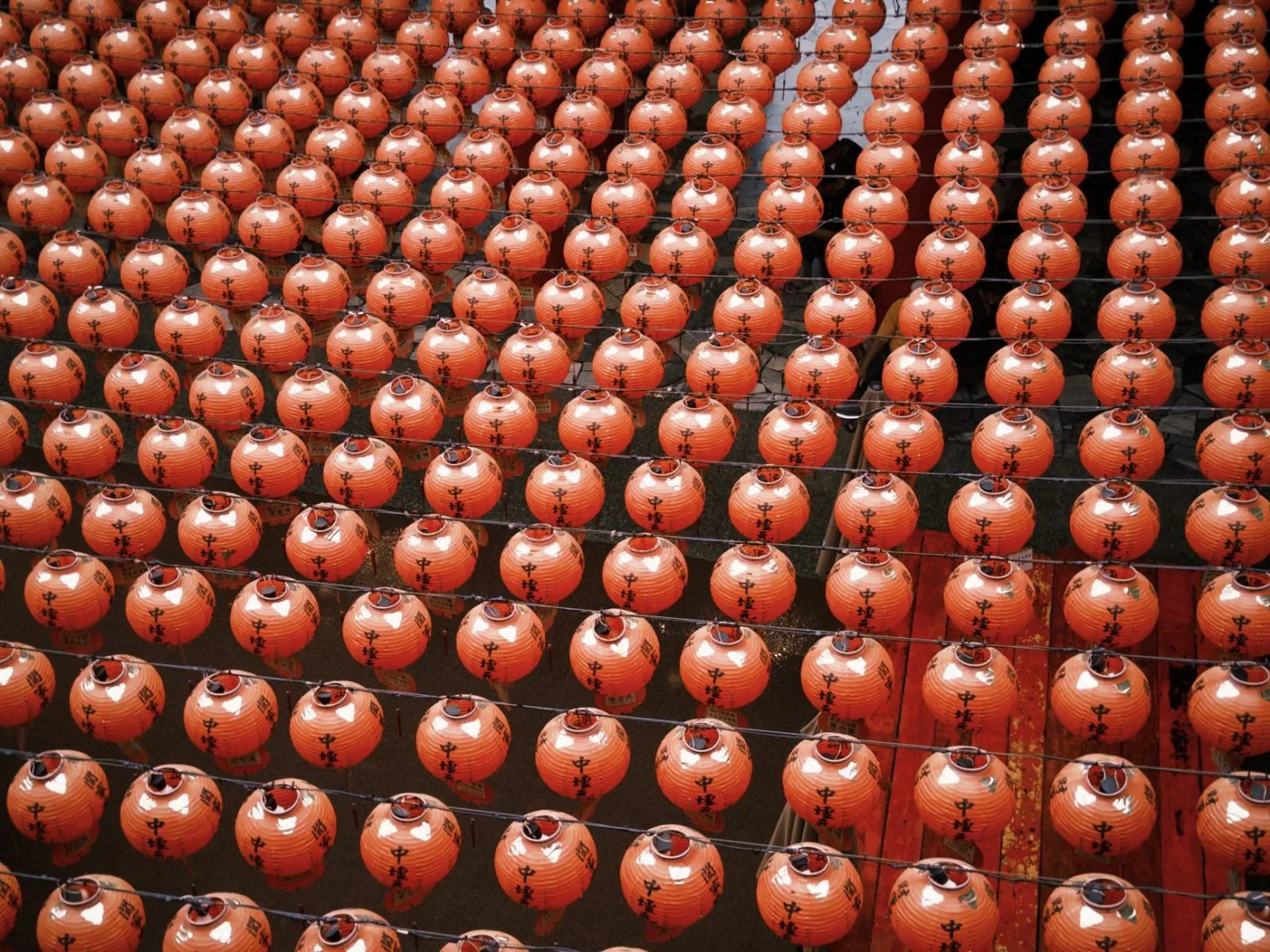
    Rows of illuminated red lanterns hanging along a street during a night festival
    Tang cities relaxed curfew so residents could walk among the lanterns at night. zack ZHUO | Pexels License (https://www.pexels.com/license/)

    Riddles, Lions, and Processions

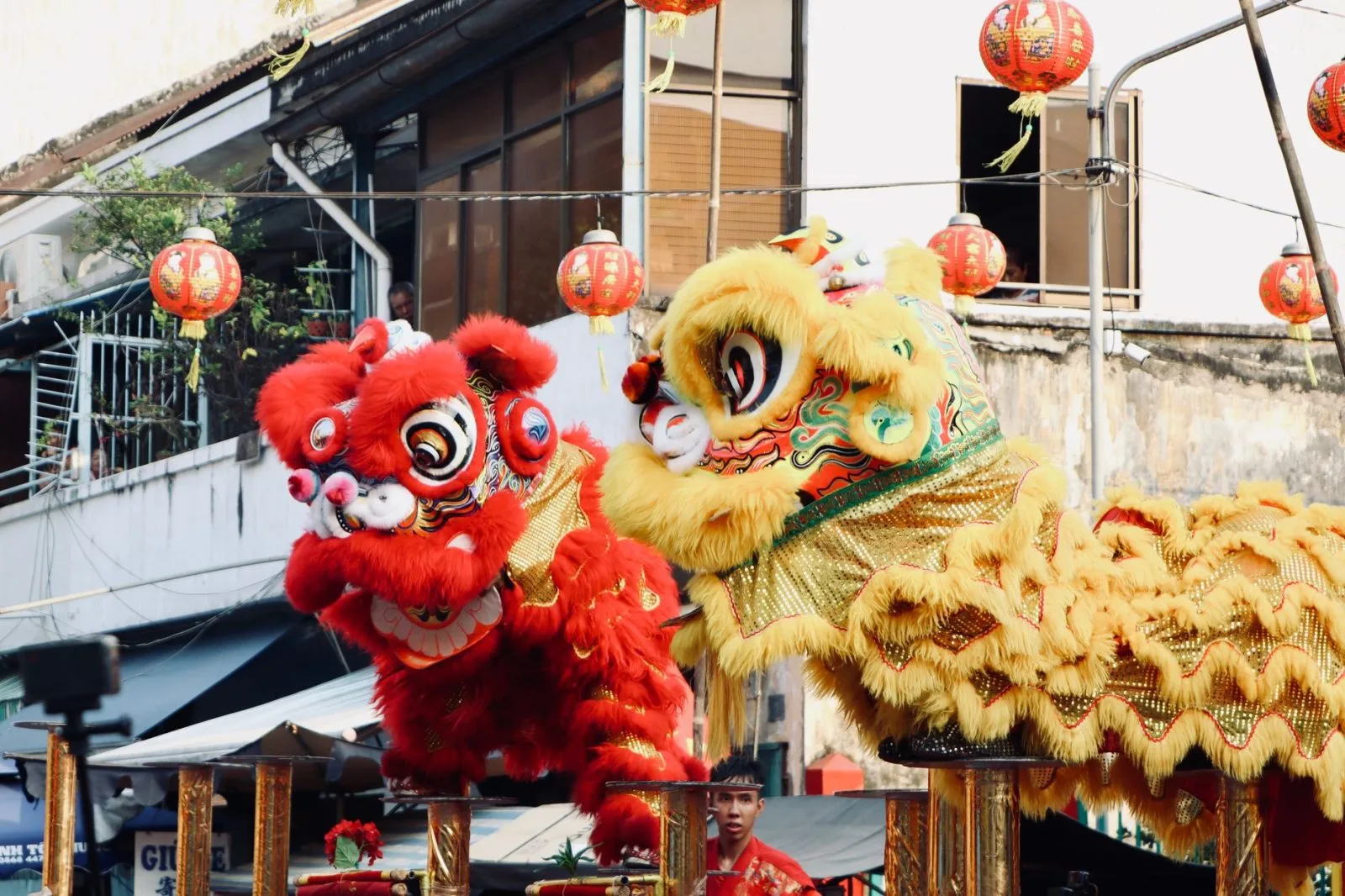
    Lantern riddles are written on slips attached to the lamps; solving one is a small test of wordplay and classical learning. Lion dances, dragon dances, and walking-on-stilts performances draw crowds in the streets, with local troupes competing for space and applause. In some places, people carry lanterns representing animals or characters, and children pull small lanterns on sticks. Beijing’s temple fairs once gathered vendors, performers, and visitors around temple courtyards; today the festival is also marked in parks and commercial districts. Taiwan is known for large lantern festivals and elaborate installations, while Nanjing has long been associated with elaborate lantern craft along the Qinhuai River.

    A lion dance troupe leaping beneath hanging lanterns during a street celebration
    Processions and lion dances turn the festival into a public performance. Pham Huynh Tuan Vy | Pexels License (https://www.pexels.com/license/)

    Tangyuan and the Taste of Reunion

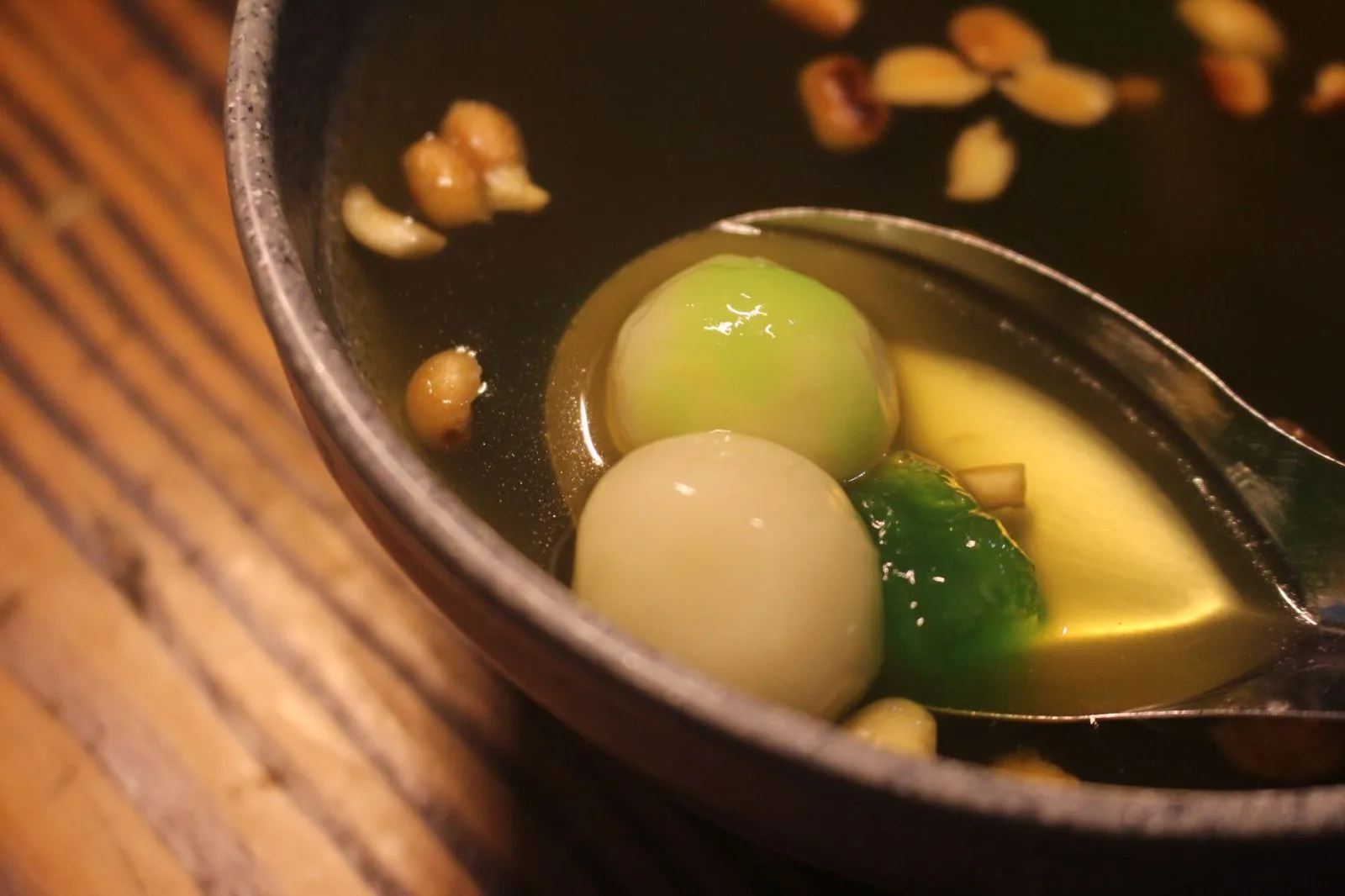
    The festival food is tangyuan in southern China and often yuanxiao in the north, both made from glutinous rice flour around a sweet filling. The names and methods differ: southern cooks wrap a soft dough around filling, while northern cooks may roll moistened filling in dry rice flour in repeated layers. Fillings include black sesame paste, red bean, peanut, and osmanthus sugar. The round shape suggests family unity, and the bowls are shared after the evening’s walk. In Ningbo, black-sesame tangyuan are a local speciality; in Shanghai and Suzhou they are sold from neighbourhood shops. Sweet rice wine and small glutinous balls are also served in some regions.

    • Black sesame, red bean, and peanut fillings
    • Southern wrapped tangyuan and northern rolled yuanxiao
    • Lantern riddles attached to public displays
    • Dragon and lion processions after dark
    A bowl of small white glutinous rice balls in clear sweet soup
    Round rice balls symbolise reunion at the first full moon. Jauhar Musthofal Qulub | Pexels License (https://www.pexels.com/license/)

    The Festival in Modern Cities

    The festival remains a public holiday in mainland China, though the number of days off and the school calendar vary. Major cities install temporary lighting, close some streets to traffic, and run lantern displays in parks and along rivers. Viewing a lantern show often means walking slowly in crowds; in Beijing, the temperature can still be below freezing, so warm layers matter. Photographers should check local rules on tripods and drones. Shopping districts extend the season commercially, but temple fairs and neighbourhood associations keep older practices alive. The date’s movement also means the festival may fall during term time or a working week, changing how families gather.

    The first full moon turns a winter street into a temporary gallery of paper, silk, and light.

    出典と参考文献

    1. ランタンフェスティバル —ブリタニカ百科事典。
    2. Chinese Lantern Festival — China Highlights.
    3. Yuanxiao Festival — 世界史百科事典

    設置場所を見てください

    この項目をたどって、該当する地域へ移動してください。

    地図で探索する

    スレッドをたどってください

    同じタグを持つ他のエントリーを閲覧する。

    タグを閲覧する
  • 紫禁城

    クロニクル

    紫禁城

    The Ming and Qing Imperial Palace

    A walled palace in Beijing that served as the seat of Ming and Qing imperial government.

    セクション
    クロニクル
    地域
    北京
    時代
    ユン・ミン・チン
    タグ
    History, Scenic Sites

    The Forbidden City was built as the ceremonial and administrative centre of the Ming and later Qing dynasties. Its courtyards and halls express rank in stone, timber, colour, and route: the emperor alone crossed the central axis to the throne hall.

    Building an Imperial Axis

    Construction began in 1406 under the Yongle Emperor, who had moved the capital from Nanjing to Beijing. The palace took roughly fourteen years to complete and opened in 1420. Its site lay south of the Yuan dynasty’s capital, Dadu, whose planner had already established a north-south axis. More than a million workers and artisans were mobilised, including convict labour and skilled craftsmen from across the empire. Timber came from southern forests, stone from quarries near Beijing, and glazed tiles from kilns in the capital’s outskirts. The name Zijin Cheng, or Purple Forbidden City, referred to the polarised Heavenly Emperor and the restrictions on entry.

    The Hall of Supreme Harmony rising above broad terraces on Beijing’s central axis
    The main throne hall stands on the palace’s central ceremonial axis. Lan Yao | Pexels License (https://www.pexels.com/license/)

    Front Court and Inner Quarters

    The palace is organised into an outer court for ceremony and an inner court for residence. The Hall of Supreme Harmony, the largest and highest hall, was used for enthronements, imperial weddings, and the winter solstice audience. Behind it stand the Hall of Central Harmony and the Hall of Preserving Harmony. The inner court includes the Palace of Heavenly Purity, the Hall of Earthly Tranquility, and the empress’s quarters. Officials approached through the Meridian Gate and crossed the Golden Water River on bridges that marked status. The design did more than impress: it separated ranks and turned movement through space into a visible grammar of power.

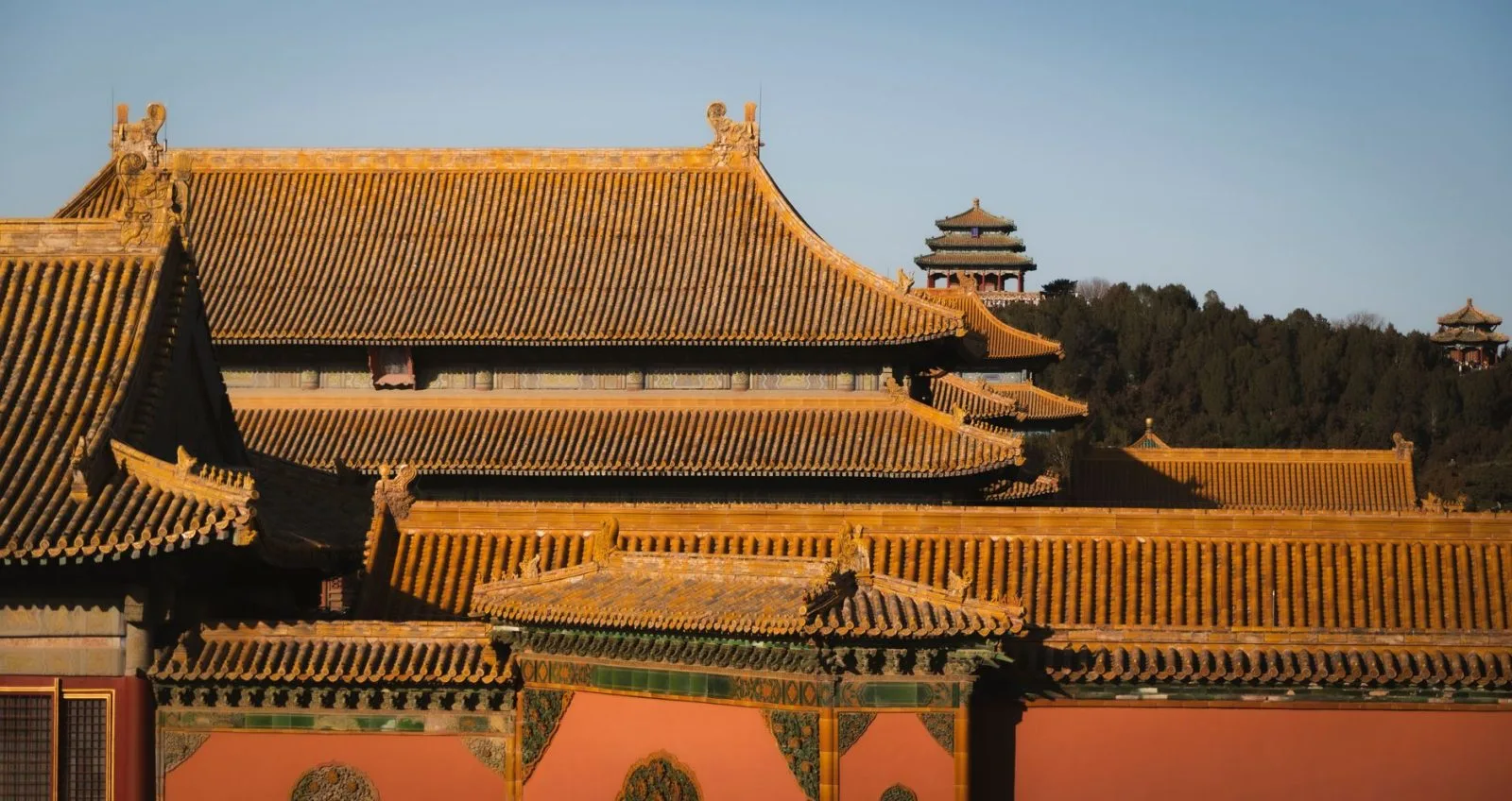
    A succession of red-walled courtyards and golden roofs viewed from a palace terrace
    Repeated courtyards made ceremonial progress part of the architecture. 虎 曼 | Pexels License (https://www.pexels.com/license/)

    Colour, Number, and Craft

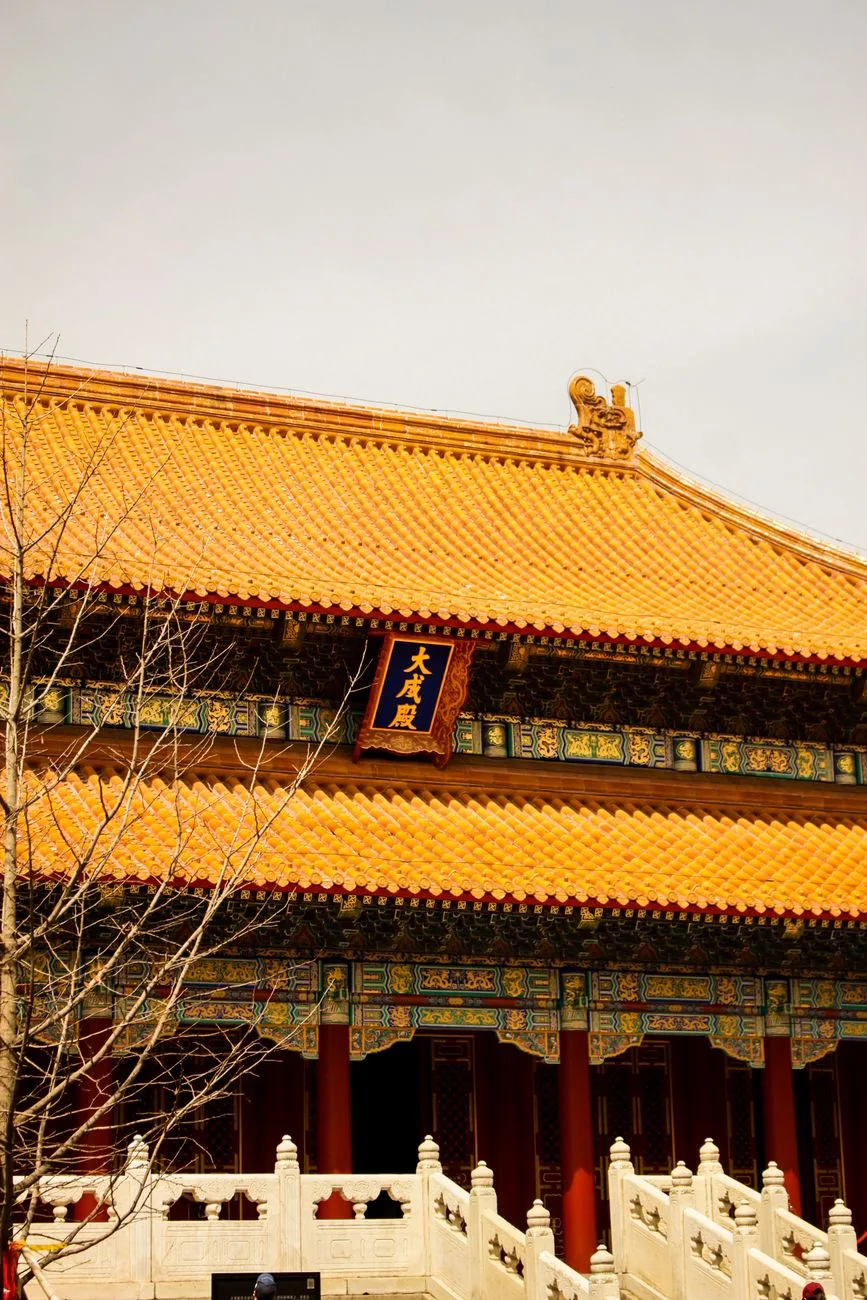
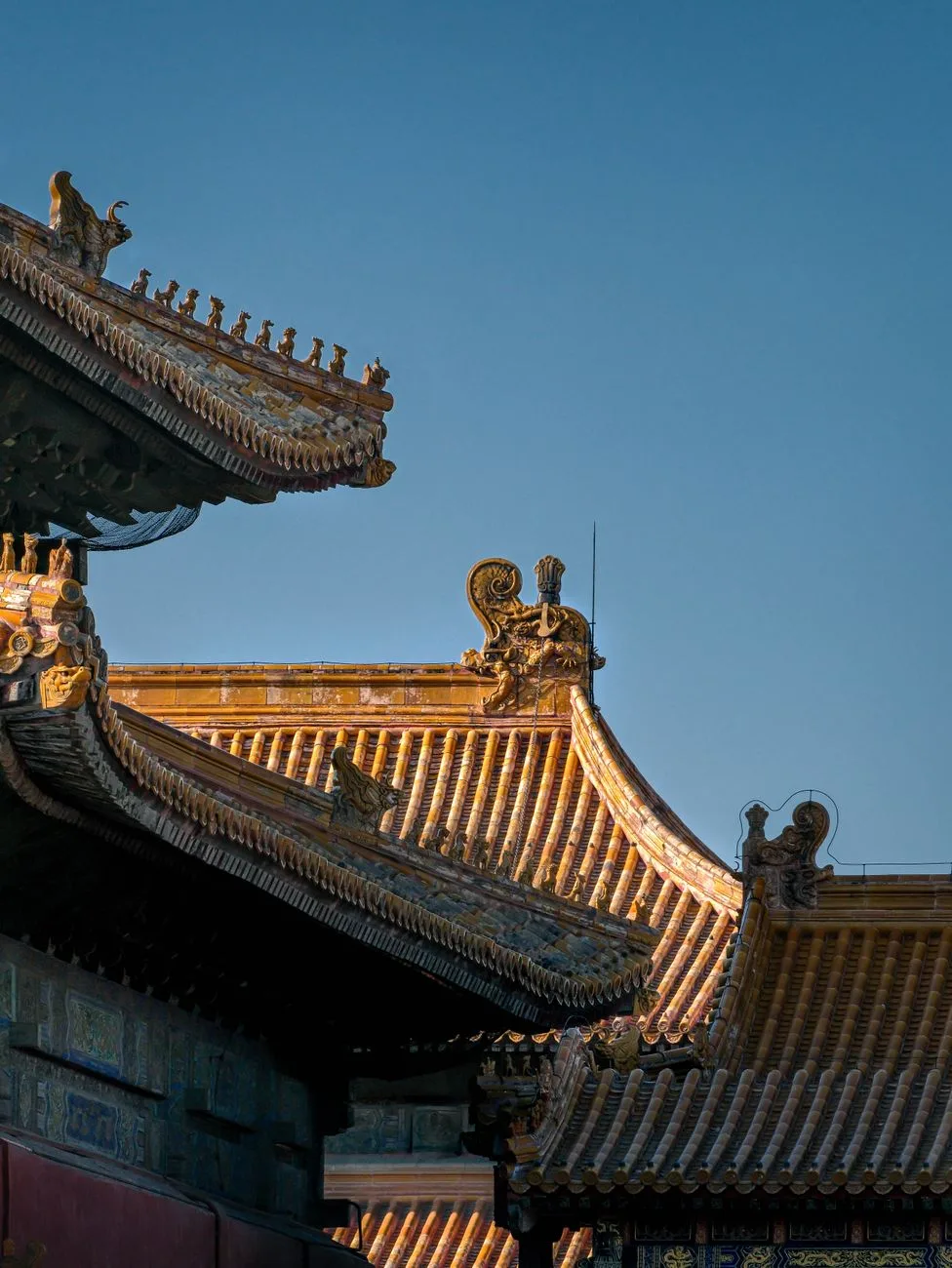
    The surviving buildings show Ming and Qing carpentry at large scale. Timber frames stand on stone plinths, with dougong bracket sets supporting deep eaves. Yellow glazed roof tiles were reserved for imperial buildings; vermilion walls, white marble terraces, and dark blue-green beams created a controlled palette. The Hall of Supreme Harmony carries ten roof figures, the highest rank, and its terrace holds bronze cranes and a tortoise. Numbers were symbolic: nine marked the emperor, and the palace is said to have 9,999 rooms, though the count depends on how spaces are defined. The Palace Museum, opened in 1925 after the last emperor left, now preserves the buildings and collections.

    • Begun in 1406 and occupied in 1420
    • Outer court for audiences, inner court for residence
    • Yellow roof tiles restricted to imperial use
    • Palace Museum opened to the public in 1925
    Golden roof tiles, bracket sets, and carved beams on a Qing palace hall
    Dougong brackets and yellow glazed tiles carried imperial rank. ravencrow BI | Pexels License (https://www.pexels.com/license/)

    Visiting the Palace Today

    The complex covers about 720,000 square metres and holds thousands of rooms, so a visit needs a route. Most visitors enter from the south at the Meridian Gate, pass the three great halls, then turn north to the inner court and the Garden of Cultivation. The Treasure Gallery and the Clock Gallery occupy separate wings and often require extra tickets. Ticket sales normally close in the afternoon and the palace is closed on Mondays except during peak holidays, so checking current rules matters. Tiananmen Square security adds time. The best views of the roofscape are from Jingshan Park to the north, which also marks the site where the Ming dynasty’s last emperor died in 1644.

    The palace made ceremony architectural: every gate, terrace, and roof colour told a visitor where power stood.

    出典と参考文献

    1. 紫禁城 — ユネスコ世界遺産センター
    2. 紫禁城 —ブリタニカ百科事典。
    3. The Palace Museum — The Palace Museum.

    設置場所を見てください

    この項目をたどって、該当する地域へ移動してください。

    地図で探索する

    スレッドをたどってください

    同じタグを持つ他のエントリーを閲覧する。

    タグを閲覧する
  • 高速鉄道

    旅のガイド

    高速鉄道

    A National Network at 300 km/h

    China’s high-speed lines connect major cities with frequent, electrified, mostly elevated track.

    セクション
    旅のガイド
    地域
    北京
    時代
    現代中国
    タグ
    Geography, Transport

    China’s high-speed rail network is the largest in the world, measured by route length. It grew from a single 2008 line between Beijing and Tianjin into a national system linking regional capitals, coastal cities, and tourist gateways.

    From the Beijing–Tianjin Line

    The Beijing–Tianjin intercity railway opened in August 2008, just before the Beijing Olympics, with trains designed for 350 kilometres per hour. It followed the Sixth Railway Speed-Up campaign, in which conventional lines were upgraded and new rolling stock imported from Siemens, Alstom, Bombardier, and Kawasaki. Technology transfer and domestic redesign produced the CRH family and later the Fuxing series. The 2011 Wenzhou accident on the Beijing–Shanghai line, caused by signalling failures during a thunderstorm, killed forty people and led to speed reductions, audits, and a slower pace of construction. The network nevertheless expanded rapidly after 2013.

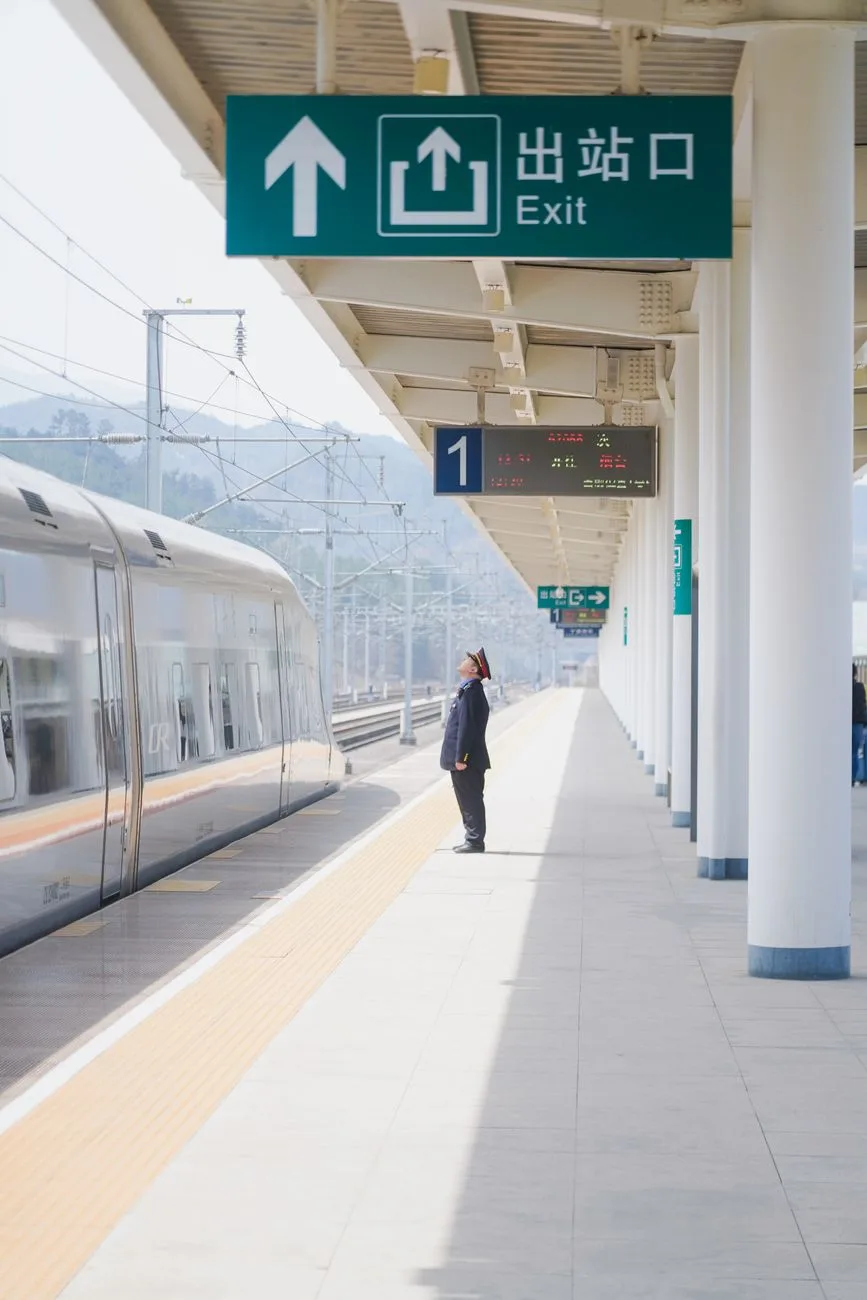
    A streamlined white high-speed train standing at a modern elevated platform
    The CRH and Fuxing trains developed from imported designs and domestic redesign. travelers_tw | Pexels License (https://www.pexels.com/license/)

    How the Network Is Built

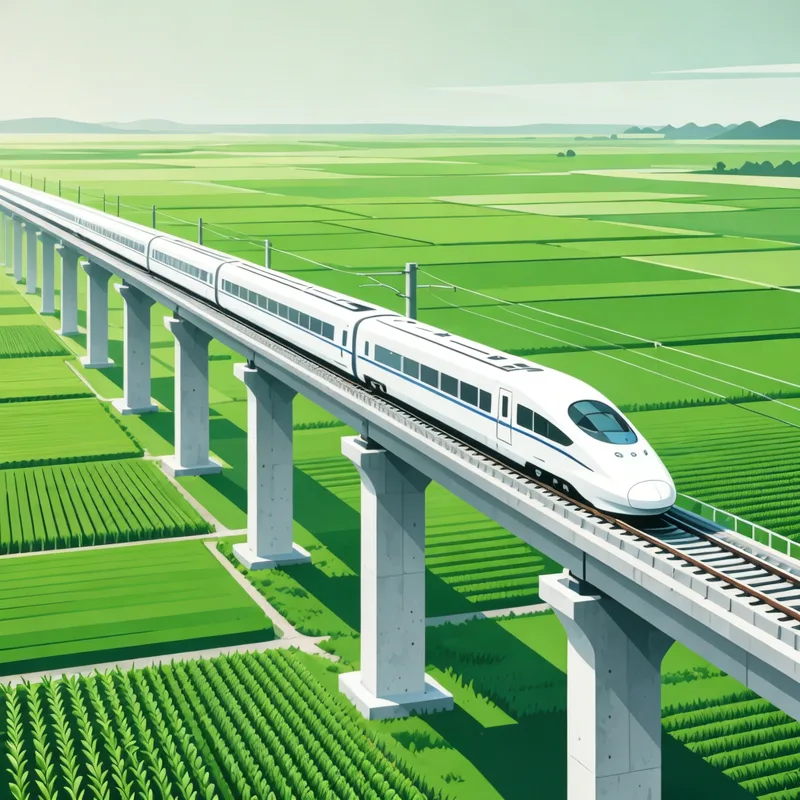
    High-speed lines require gentle curves, long tunnels, and level track, so much of the network rides on concrete viaducts. Bridges keep routes straight, reduce land take, and allow farm traffic and roads to pass underneath. Continuous welded rail, slab track, and overhead catenary carry trains at operating speeds commonly around 300–350 kilometres per hour on the fastest services. Automatic train control limits speed and spacing; drivers monitor the system rather than relying only on signals beside the track. Stations are often built outside old city cores, where land was available, so a central railway station and a high-speed station may be different places in the same city.

    Elevated high-speed railway crossing agricultural land on concrete piers
    Viaducts keep high-speed alignments straight and limit the footprint on farmland. AI生成イラスト · SinoViz

    Using the System

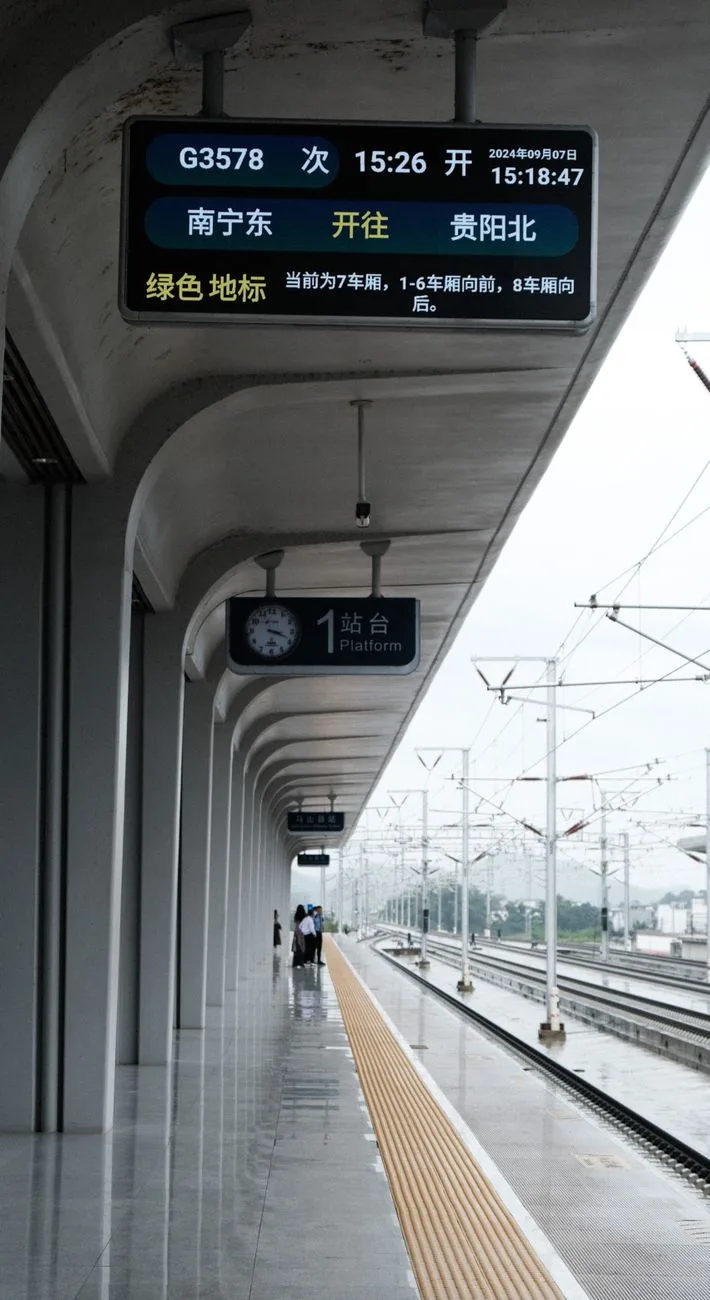
    Tickets are sold through the official Railway 12306 website and app; passports or resident identity documents are checked at entry, and names must match the booking. The G-series are the fastest passenger services, D-series generally run on upgraded or slightly slower lines, and overnight high-speed sleeper trains now cover longer routes. Larger stations use airport-style security, so arriving well before departure is wise. Seats are assigned, restaurant cars or at-seat delivery are common, and station boards use Chinese characters and Roman letters. Beijing West, Beijing South, and Beijing Chaoyang serve different lines, so the station name on the ticket matters as much as the city.

    • Book through Railway 12306 with an identity document
    • Allow time for security screening at large stations
    • Check whether the ticket says Beijing South, West, or Chaoyang
    • G trains are generally faster than D trains
    A departure board listing high-speed train times in a large Chinese station
    Check the exact station name: major cities may have several high-speed terminals. 航皓 陈 | Pexels License (https://www.pexels.com/license/)

    What the Routes Connect

    The Beijing–Shanghai line, opened fully in 2011, links the political capital to the financial centre in about four and a half hours on the fastest trains. The Beijing–Guangzhou line, completed in 2012, runs south through Shijiazhuang, Zhengzhou, Wuhan, and Changsha. The Lanzhou–Xinjiang line reached Urumqi in 2016, extending high-speed service deep into the northwest. Coastal lines connect Tianjin, Jinan, Nanjing, Hangzhou, and Shanghai, while newer routes serve Chengdu, Chongqing, Kunming, and Xi’an. Trains are frequent on busy corridors, but distances remain continental: a traveller crossing several time-zone-widths of China should still allow a full day.

    A high-speed station may sit far from the old city centre, so the ticket’s station name is part of the journey.

    出典と参考文献

    1. High-speed rail in China —ブリタニカ百科事典。
    2. China Railway High-speed — 世界史百科事典
    3. China Railway 12306 — China Railway.

    設置場所を見てください

    この項目をたどって、該当する地域へ移動してください。

    地図で探索する

    スレッドをたどってください

    同じタグを持つ他のエントリーを閲覧する。

    タグを閲覧する
  • 餃子

    生活と民話

    餃子

    小麦の詰め物入りケースと冬の儀式

    中国北部の餃子は、小麦粉の生地と季節の具材を組み合わせ、皆で囲む食事となる。

    セクション
    生活と民話
    地域
    北京
    時代
    時代を超えて
    タグ
    習慣、食べ物

    餃子は、小麦粉で包んだ具材を、茹でたり、蒸したり、揚げたりして調理するものです。中国北部では、冬至や旧正月を祝う行事として、家族が食卓を囲み、一つ一つ手で餃子を包みます。

    北部の食生活における小麦

    餃子は中国北部の小麦と粟の産地に属し、そこでは小麦粉が漢代以降の王朝で主食となった。その形は古代中国の貨幣に似ていることから、餃子は新年の言葉にも登場するようになった。餃子の「餃子」という音は、宝を交換するというフレーズと関連している。有名な言い伝えでは、餃子は漢代の医師、張仲景に由来するとされている。張仲景は凍傷になった耳を治療するために、餡を詰めた生地の包みを作ったと言われている。この話の真偽は定かではないが、寒い時期に餃子を食べる習慣を説明するものである。餡を詰めた小麦料理に関する考古学的証拠は、特定の発明者よりも明確である。

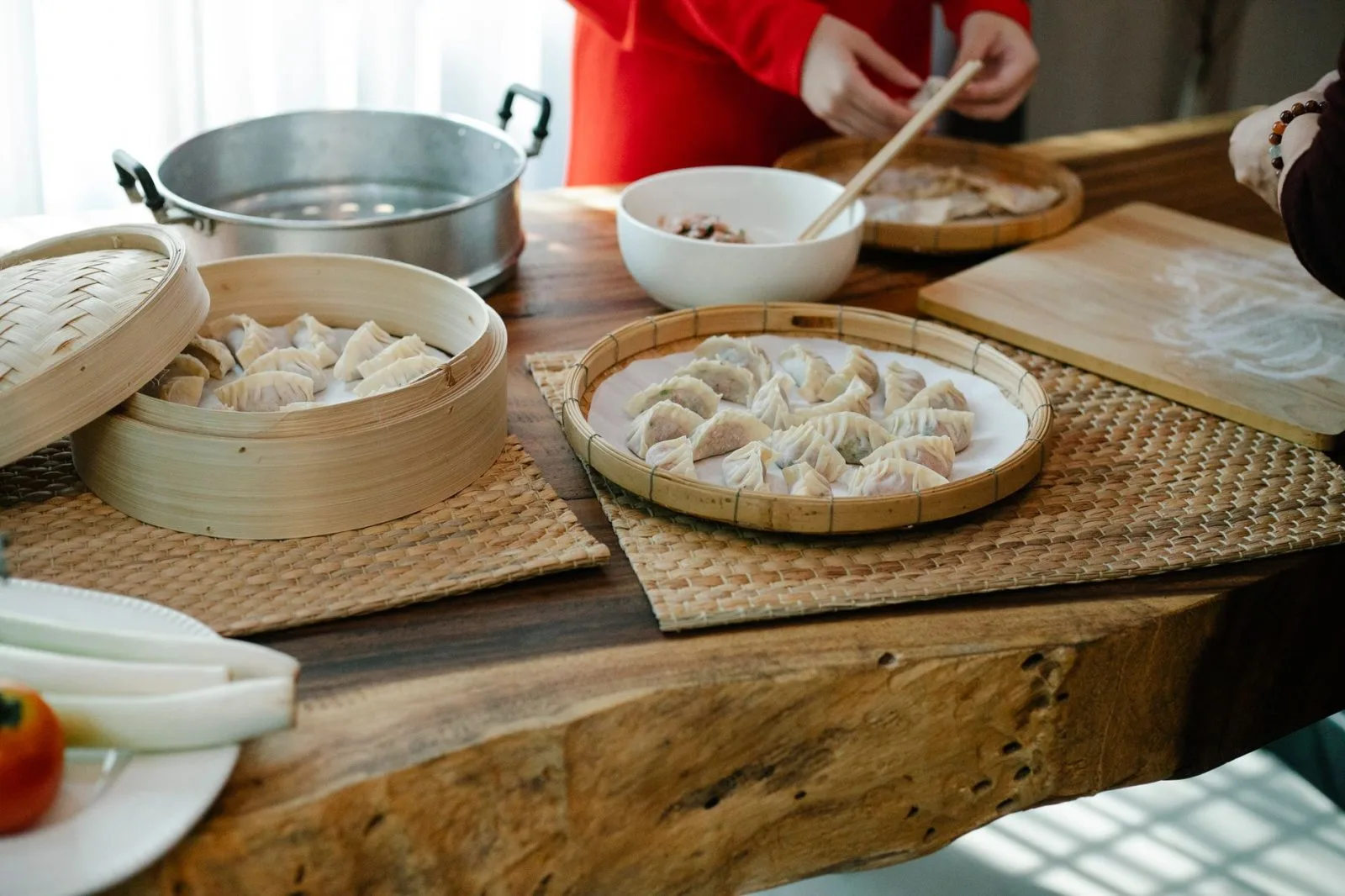
    小麦粉をまぶした木製の板の上に並べられた、ひだ状の餃子。
    ひだ状の縁が具材を閉じ込め、餃子特有の形を作り出します。 アンジェラ・ローマ | Pexelsライセンス(https://www.pexels.com/license/)

    生地、具材、折りたたみ

    餃子の基本的な生地は小麦粉と水で、グルテンが柔らかくなり、皮が破れずに薄く伸ばせるように休ませます。より柔らかい食感にするために、卵を加えたり、小麦粉の一部を熱湯に置き換えたりする料理人もいます。具材は火が通るように細かく刻みます。豚肉とキャベツ、ニラ、またはネギ。西北地方では羊肉と玉ねぎ。沿岸地方ではエビと卵。料理人は具材を中央に置き、皮を折りたたみ、縫い目に沿ってひだをしっかりと押さえます。空気が残っていると茹でたときに生地が開いてしまうため、しっかりと閉じることが重要です。豆腐、きのこ、卵などのベジタリアン具材も一般的で、特に寺院参拝や断食期間中によく食べられます。

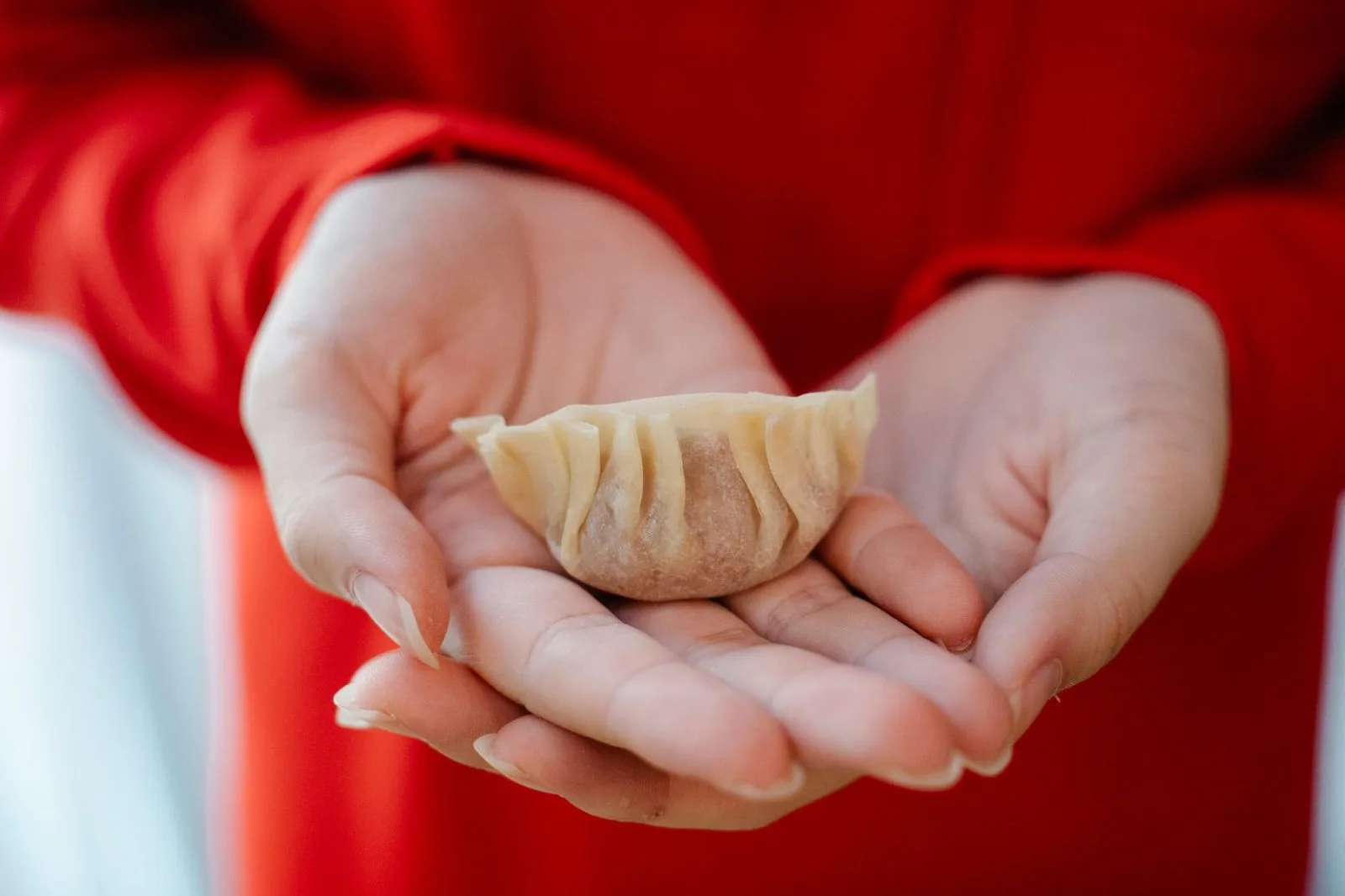
    生餃子の縁に沿ってひだをつまむ手
    プリーツで包みを密封する。折り方は家庭によって好みが異なる場合がある。 アンジェラ・ローマ | Pexelsライセンス(https://www.pexels.com/license/)

    茹でる、蒸す、揚げる

    最も一般的な調理法は茹でる方法です。餃子を大きな鍋に入れ、底から軽く押して、浮き上がって膨らむまで茹でます。北部の料理人は、鍋が再び沸騰したときに少量の冷水を加え、皮をしっかりさせるためにこの工程を3回繰り返すことがよくあります。焼き餃子、またはグオティエは、片面を揚げてから、少量の水を入れた蓋で蒸し、底をパリッとさせます。南部や海外のバリエーションには、エビと半透明の小麦粉の皮を使った蒸しハーガオがあります。つけダレは、黒酢と生姜から、ラー油やニンニクを加えた醤油まで様々です。具材も地域によって異なり、北京では豚肉とニラが主流で、イスラム教徒のコミュニティでは牛肉と羊肉が見られ、内陸部の寒い都市ではキャベツやキノコが好まれます。

    • 新年と冬至に食べる茹で餃子
    • サクサクに揚げた生地のグオティエ
    • 黒酢と生姜は定番のディップソース
    • 豚肉、ラム肉、エビ、または野菜を使った地域ごとの具材
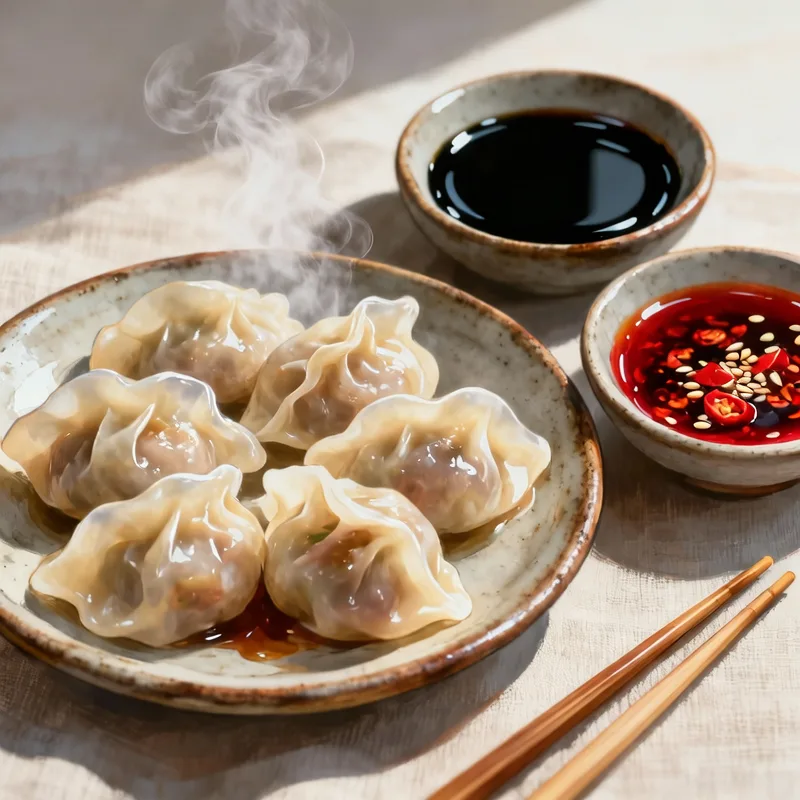
    茹で餃子に酢とラー油を添えて
    酢と生姜のディップソースが、濃厚な豚肉の具材の味を引き立てる。 AI生成イラスト · SinoViz

    一緒に作る

    餃子は、作るのにかかる時間があるため、社交的な食べ物です。旧正月の前夜には、何世代にもわたって皮を巻き、具を刻み、何十個、何百個もの餃子を一緒に包みます。中にはコインの形をした餃子や、幸運のお守りとして洗ったコインを隠した餃子もあります。食事は、家族の中で最も年長の人を中心に行われることが多いです。残った餃子は翌日揚げて食べ、冷凍餃子は中国国内外のスーパーマーケットで販売されています。レストランでは、北京のラム肉餃子から上海の鍋餃子やスープ入りの小籠包まで、様々な種類があります。小籠包は、関連性はあるものの、異なる種類の蒸しパンです。

    餃子作りは、家庭におけるちょっとした工夫の結晶だ。生地、具材、手、そして家族が集まる理由。

    出典と参考文献

    1. 団子 —ブリタニカ百科事典。
    2. 礁子 —ブリタニカ百科事典。
    3. 中国の旧正月 —ブリタニカ百科事典。

    設置場所を見てください

    この項目をたどって、該当する地域へ移動してください。

    地図で探索する

    スレッドをたどってください

    同じタグを持つ他のエントリーを閲覧する。

    タグを閲覧する
  • 唐詩

    クロニクル

    唐詩

    The Golden Age of Chinese Verse

    Tang poets turned courtly craft, frontier travel, and Buddhist thought into enduring short poems.

    セクション
    クロニクル
    地域
    陝西省
    時代
    スイタン
    タグ
    Customs, History

    The Tang dynasty (618–907) produced the most celebrated corpus of classical Chinese poetry. Poems travelled in manuscripts, anthologies, inscriptions, and performance, linking the capital Chang’an to frontier posts and monasteries.

    Chang’an and the Poet Official

    Poetry in the Tang was tied to the examination system and official life. Candidates were tested on their ability to write regulated verse, and prose essays were accompanied by poems; success could bring appointments and the chance to circulate work among patrons. Chang’an, the capital near present-day Xi’an, held roughly a million people at its height, with markets, temples, and foreign communities. Poets served in distant posts, wrote farewell poems, and composed on public occasions. The Quan Tangshi, compiled in the early eighteenth century under imperial order, preserves more than forty-eight thousand poems by over two thousand authors. Its scale shows how thoroughly verse was woven into literati life.

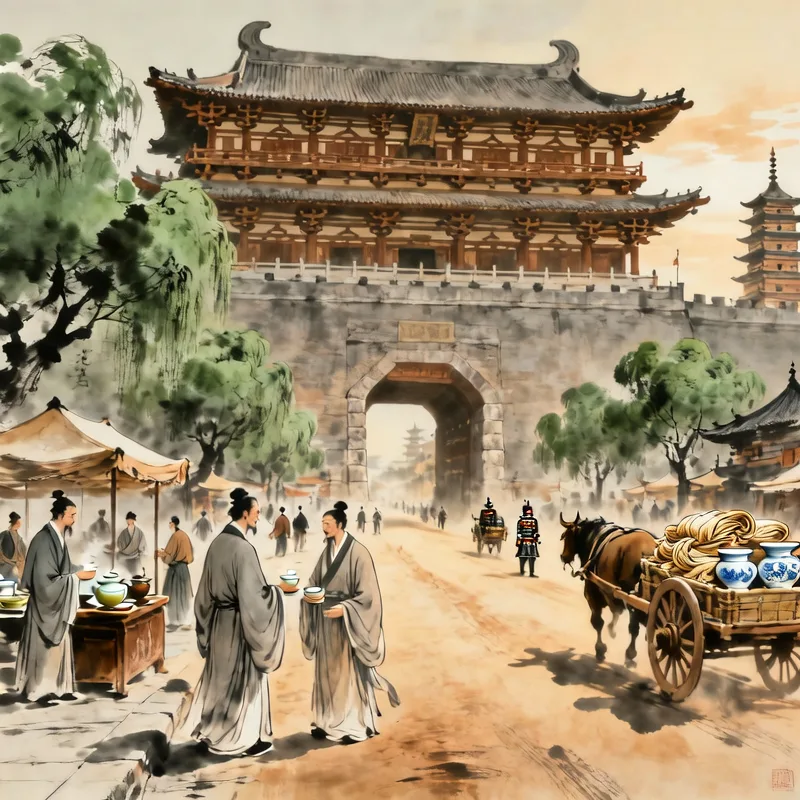
    A Tang-era city gate and broad avenue in the former capital Chang’an
    Officials and poets moved through the capital’s markets, temples, and government offices. AI生成イラスト · SinoViz

    Rule and Freedom in Regulated Verse

    Tang poets worked in several forms. Lüshi, or regulated verse, uses eight five- or seven-character lines, with strict tonal patterns and parallelism between the middle couplets. Jueju are four-line poems, apparently casual but often built on a sharp turn of thought. Older yuefu ballad forms and fu prose-poems remained in use. Du Fu (712–770) mastered regulated verse and brought social observation into it, writing of corruption, war, and hunger as well as landscape. Li Bai (701–762) is known for a freer, more expansive voice, though his best poems are also carefully made. Wang Wei (701–759) wrote compact landscape poems shaped by Chan Buddhism.

    An open landscape of mountains and mist resembling the settings of Tang landscape verse
    Landscape poetry often uses a small scene to suggest a larger state of mind. AI生成イラスト · SinoViz

    Frontier, Exile, and the South

    The decades after the An Lushan Rebellion of 755–763 changed the poetic map. Du Fu fled through war-torn northern China and later lived in Chengdu, where thatched hut poems mix domestic detail with political grief. Officials exiled south wrote about rivers, heat, and unfamiliar languages. The frontier inspired poems about marching armies, desert wind, and a soldier’s household, as in the work of Cen Shen and Gao Shi. Li Bai’s travels took him from Sichuan to the Yangtze and north; legends of his death by drowning in a southern river are repeated but uncertain. These movements widened the subjects of classical poetry and carried Tang styles into regional literary circles.

    • Du Fu’s verse on war, poverty, and ordinary life
    • Li Bai’s expansive journeys and drinking songs
    • Wang Wei’s Chan-influenced landscapes
    • Frontier poems of Gao Shi and Cen Shen
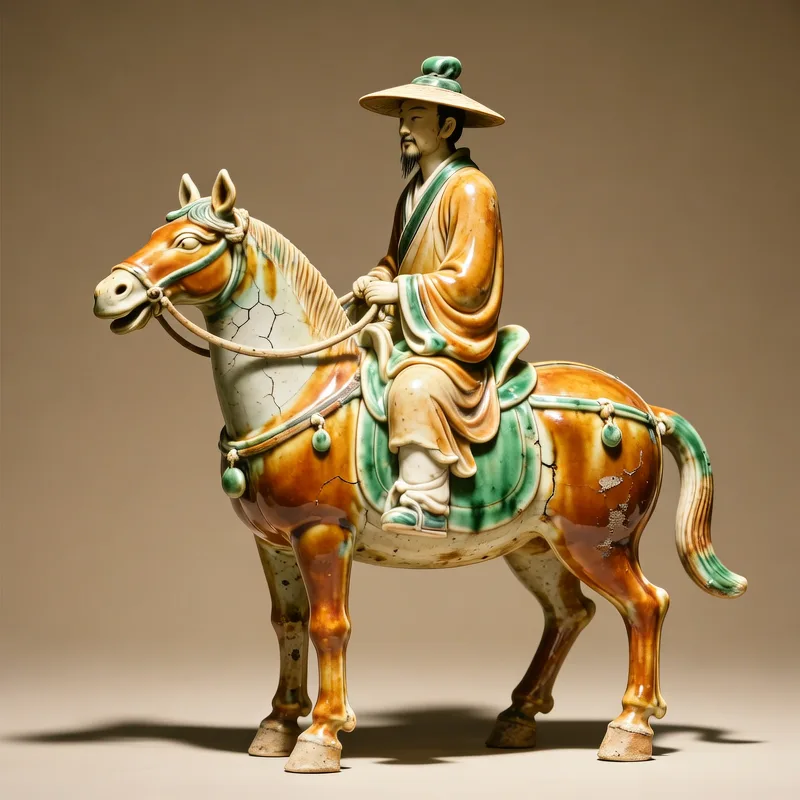
    A Tang dynasty ceramic figure of a mounted traveller on a long journey
    Travel, exile, and military service gave Tang poetry many of its subjects. AI生成イラスト · SinoViz

    Afterlife of the Tang Poem

    Tang poetry became a shared cultural memory. Schoolchildren memorised lines, calligraphers copied poems, and Song writers argued with Tang models rather than abandoning them. The Tang canon was also shaped by anthologies: the Tangshi Sanbaishou, compiled in the eighteenth century by Sun Zhu, remains a standard introductory collection. In modern China, poems by Li Bai and Du Fu are recited on formal occasions and quoted in ordinary conversation. Translators render the regulated lines into other languages, though tone patterns and parallel couplets resist exact transfer. Visitors to Xi’an can connect the poems to Shaanxi’s museums, the Tang city walls, and the sites of Chang’an’s wards and markets.

    A Tang poem can hold an empire’s politics in eight lines, or a whole mountain in four.

    出典と参考文献

    1. Tang dynasty —ブリタニカ百科事典。
    2. Chinese literature —ブリタニカ百科事典。
    3. 唐詩 — メトロポリタン美術館。

    設置場所を見てください

    この項目をたどって、該当する地域へ移動してください。

    地図で探索する

    スレッドをたどってください

    同じタグを持つ他のエントリーを閲覧する。

    タグを閲覧する
  • グランド運河

    地図探索

    グランド運河

    An Inland Waterway Across China

    The Grand Canal links northern and southern China through rivers, locks, and warehouse towns.

    セクション
    地図探索
    地域
    浙江省
    時代
    時代を超えて
    タグ
    Geography, History, Transport

    The Grand Canal is a system of artificial channels and connected rivers, not one continuous trench. For centuries it moved grain, salt, silk, and imperial correspondence between the Yellow River and the Yangtze delta.

    From Warrior States to Imperial Route

    Canal building began before unification. The state of Wu dug the Han Gou channel in the fifth century BCE to move troops and grain between the Yangtze and the Huai. The Qin and Han maintained regional waterways, but the Sui dynasty (581–618) created the first broadly connected system. Emperor Yang ordered hundreds of thousands of labourers to dig the Tongji Canal, linking Luoyang toward the Yangtze, and the Yongji Canal toward the north. The cost contributed to Sui collapse, yet the route remained useful. The Yuan dynasty (1271–1368) redirected the canal around the Yellow River toward Beijing, and Ming and Qing engineers rebuilt sections with locks and stone banks.

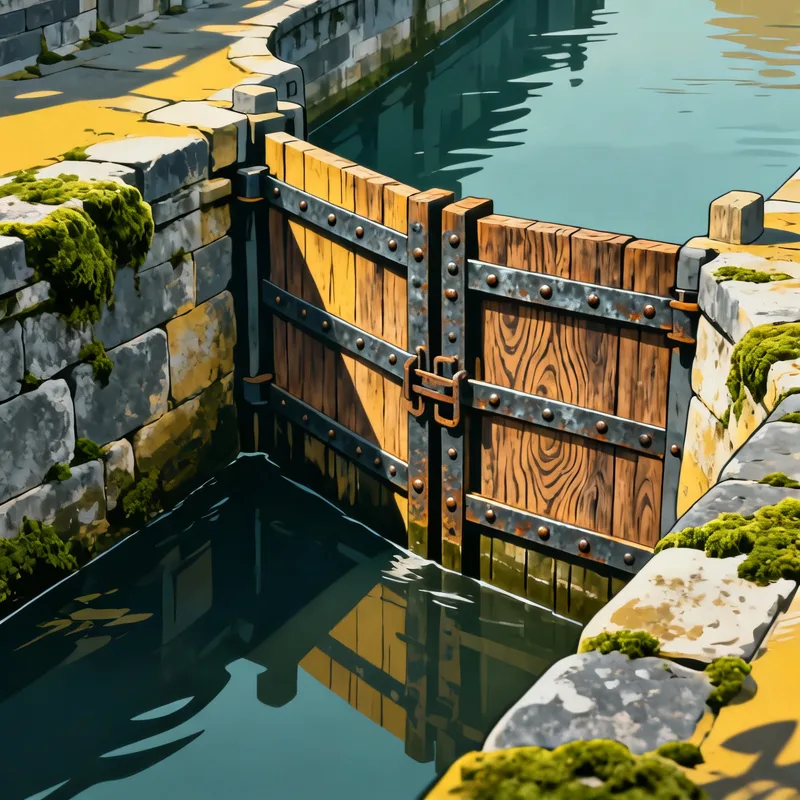
    An ancient canal lock with stone banks and a narrow timber water gate
    Locks allowed boats to cross differences in water level between river basins. AI生成イラスト · SinoViz

    Grain Boats and Market Towns

    The canal’s central purpose was transport. Under the Ming and Qing, tribute grain from the lower Yangtze moved north in huge flotillas of flat-bottomed boats, with relay crews and storage depots at key cities. The annual shipment fed the capital and the northern garrisons. Canal towns grew around wharves, granaries, guild halls, and money lenders: Linqing, Jining, Huai’an, and Yangzhou became exchange points as much as transit stops. Salt from the Huai coast, silk from Suzhou and Hangzhou, porcelain from Jingdezhen, and coal from northern mines moved along the same water. A journey that took weeks by road could be made with far greater bulk by boat.

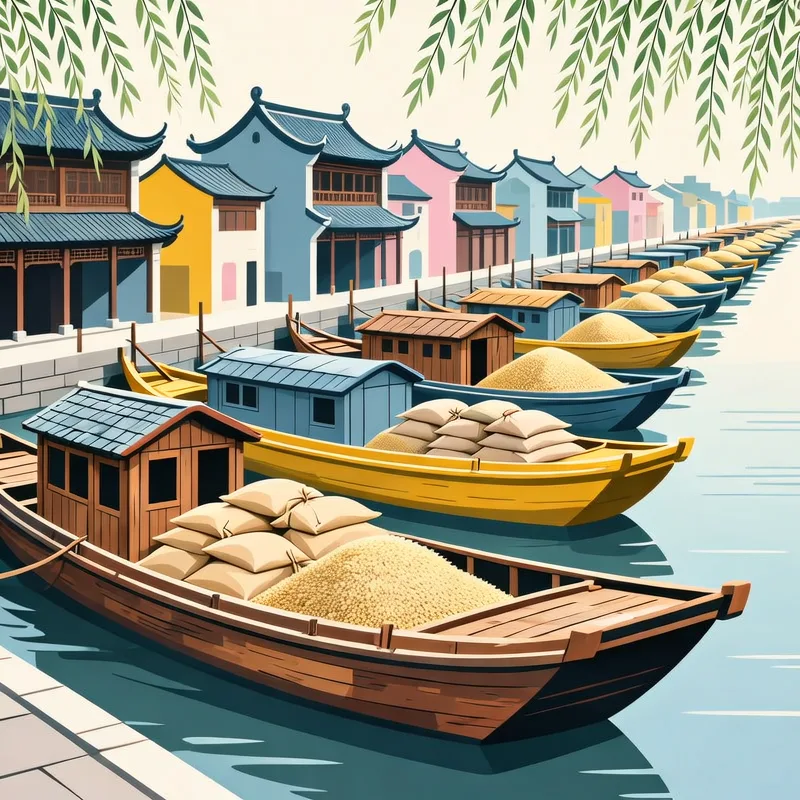
    A long line of flat-bottomed grain boats moored along a canal wharf
    Grain flotillas tied the Yangtze delta to the political capital. AI生成イラスト · SinoViz

    Southern Sections and Historic Cities

    The southern canal runs through the lowlands of Zhejiang and Jiangsu, where bridges, warehouses, and waterside houses still mark older commercial geography. Hangzhou is the southern terminus of the Sui-era system and a gateway to the Qiantang River. Suzhou’s canals were both transport routes and parts of the city’s garden landscape; its humpbacked stone bridges allowed boats to pass while pedestrians crossed. Wuxi and Zhenjiang sit at important junctions, while the Jiangnan section near the Yangtze has been widened and industrialised. UNESCO inscribed the Grand Canal on the World Heritage List in 2014, identifying thirty-one sections and twenty-seven components. The listed property includes canals, locks, bridges, and administrative sites.

    • Sui channels linked Luoyang with the Yangtze
    • Yuan engineers redirected the route toward Beijing
    • Tribute grain moved north in large boat flotillas
    • UNESCO listed thirty-one canal sections in 2014
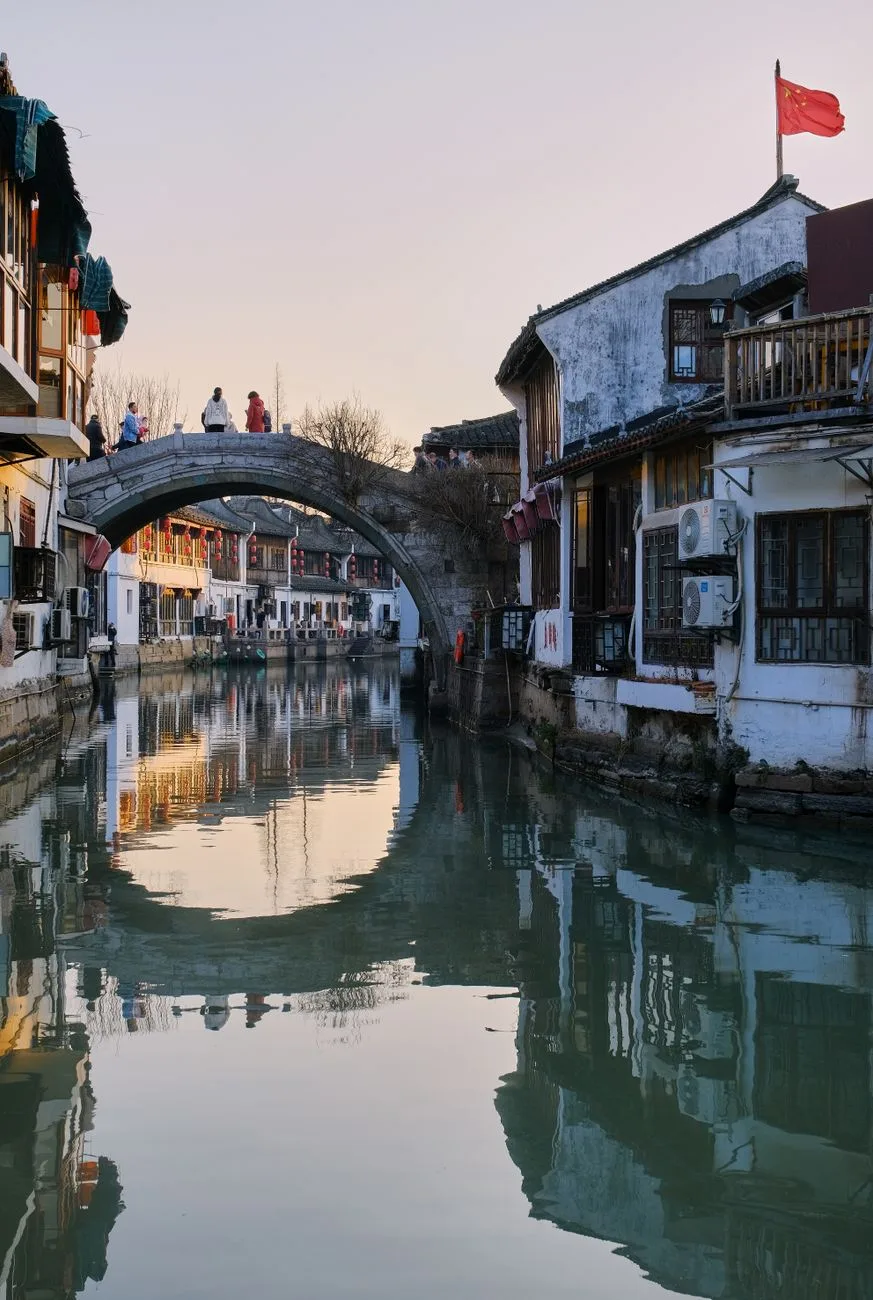
    Stone arch bridges and old waterside houses along a canal in southern China
    In Jiangnan, canal transport and city life developed together. Vind 🌙 | Pexels License (https://www.pexels.com/license/)

    Reading the Canal Today

    Much of the northern canal is no longer navigable end to end; railways and roads took over long-distance freight, and parts were buried or rerouted during the twentieth century. Southern sections remain busy with barges, and several cities operate passenger boats for residents and visitors. A useful route for a first visit is Hangzhou or Suzhou, where canal life is visible beside gardens and markets. Water levels, engineering works, and modern flood control change the scene, so boats and landing stages may shift. The canal’s historical importance lies not in scenic continuity alone but in the way it joined climates, crops, taxes, and cities over more than a thousand years.

    The Grand Canal was less a single road of water than a machine for moving grain, tax, and news.

    出典と参考文献

    1. グランド運河 — ユネスコ世界遺産センター
    2. グランドカナル —ブリタニカ百科事典。
    3. Grand Canal of China — 世界史百科事典

    設置場所を見てください

    この項目をたどって、該当する地域へ移動してください。

    地図で探索する

    スレッドをたどってください

    同じタグを持つ他のエントリーを閲覧する。

    タグを閲覧する
  • ミャオ族の銀細工

    生活と民話

    ミャオ族の銀細工

    装飾品、記念品、そして祭りの衣装

    中国南西部各地の祭りの衣装には、ミャオ族の銀製の装飾品が用いられ、家族の歴史や地域固有のアイデンティティを伝えている。

    セクション
    生活と民話
    地域
    雲南省
    時代
    時代を超えて
    タグ
    風習、民族文化、景勝地

    ミャオ族の銀細工は、貴州省、雲南省、および周辺地域のミャオ族コミュニティによって作られる、頭飾り、首飾り、イヤリング、ブレスレットなどの装飾品の総称です。これらの作品は、祭りや結婚式などの際に最も目立つ形で身につけられます。

    分散型工芸の伝統

    ミャオ族は貴州省、雲南省、広西チワン族自治区、四川省、そして東南アジア各地に居住しており、銀細工は地域によって様々です。雲南省では、文山県や紅河県周辺のミャオ族の村々が、より有名な貴州省の西江県や凱里県とは異なる様式を維持しています。装飾品は、小さな工房で働く専門の銀細工師によって作られ、多くの場合、複数の村にサービスを提供しています。デザインは、書かれた型紙ではなく、徒弟制度を通して習得されます。若い職人は、古い作品や祭りの衣装から型を写し取って、それを繰り返します。モチーフは、地元の鳥、花、昆虫、硬貨などから取られることがありますが、その意味は固定されていません。家族は代々装飾品を蓄積し、娘の祭りの頭飾りは、長年の貯蓄の成果を表すこともあります。

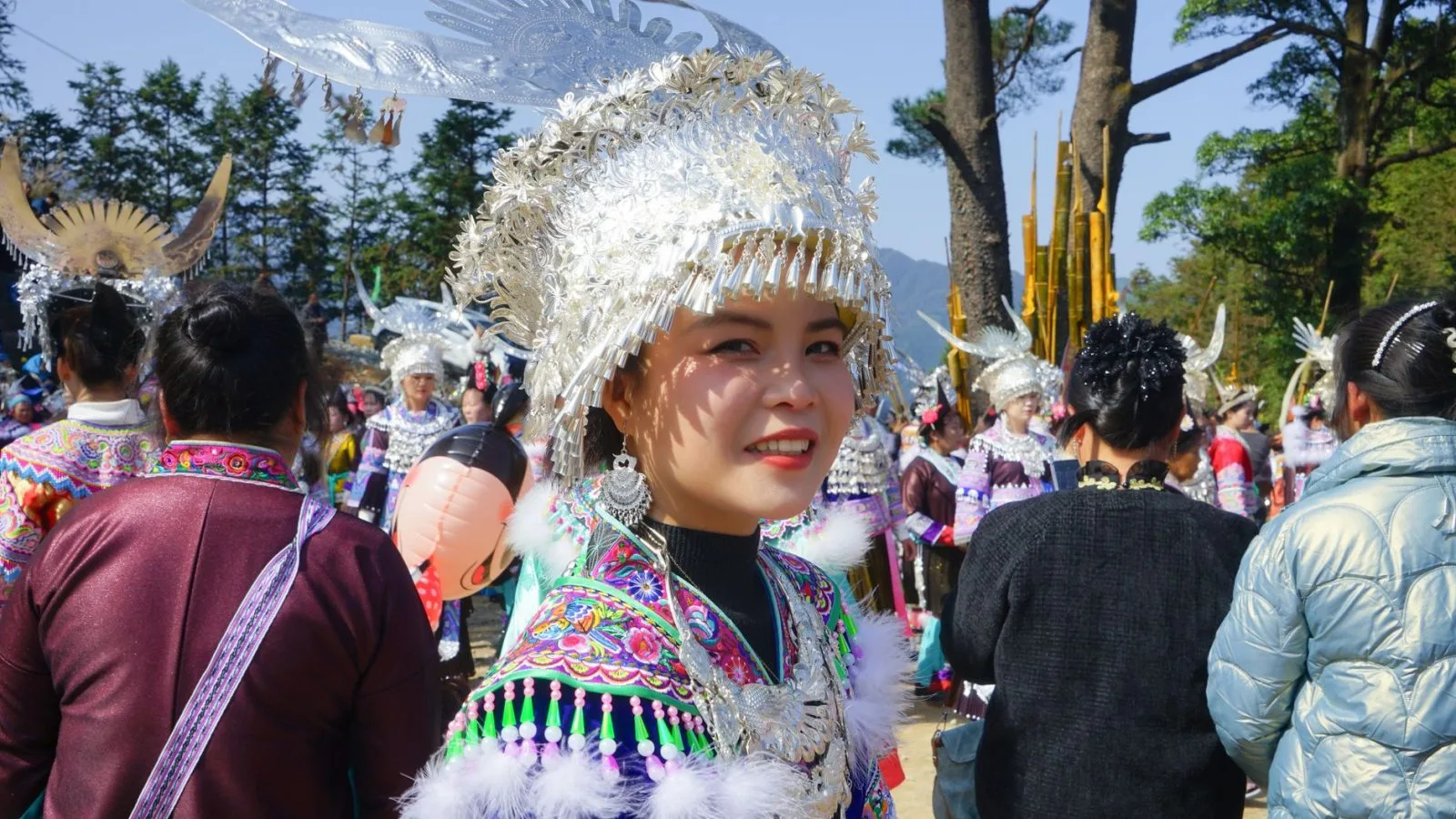
    祭りで着用された、銀の角、飾り板、吊り下げ装飾品が付いたミャオ族の頭飾り
    ヘッドドレスは、家宝と特定の機会のために作られたものを組み合わせたものである。 Jaqor Q.I. | Pexelsライセンス (https://www.pexels.com/license/)

    板材、ワイヤー、打ち出し細工

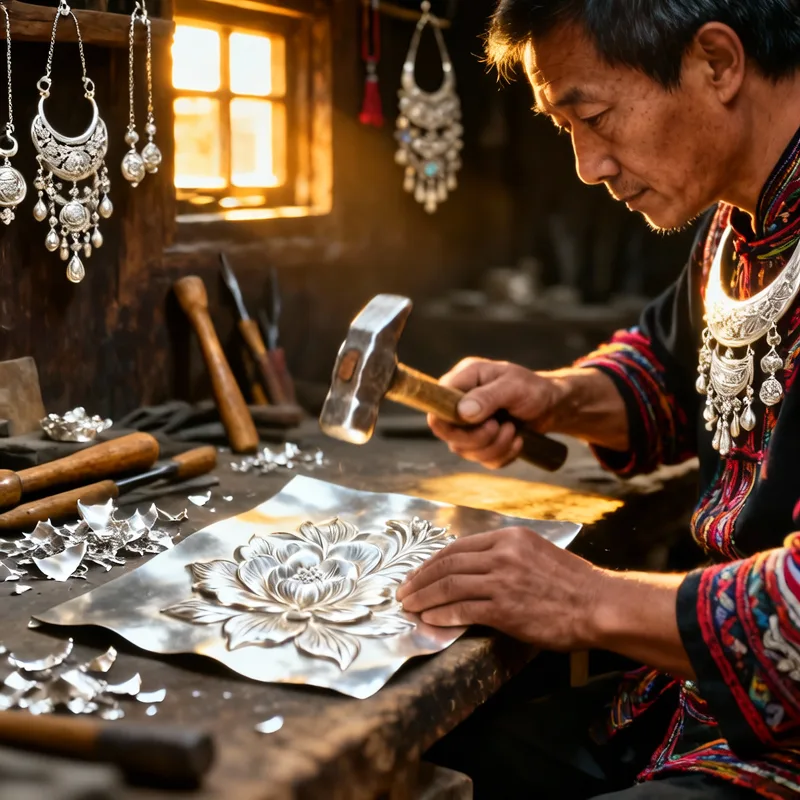
    ミャオ族の銀細工の多くは、銀板と銀線から始まります。鍛冶師は銀の塊を叩いて薄い板状にし、細長い帯状に切り出し、裏側から打ち出しと彫り込みで模様を浮かび上がらせます。馬の毛ほどの細さの銀線を撚り合わせてろう付けし、透かし細工の翼、角、花飾りなどを作ります。大きな頭飾りには、打ち出し細工の帯、垂れ下がる鎖、打ち出し細工の飾り板、そして着用者が回転すると揺れる小さな鈴の列が組み合わされることもあります。銀は、その色、加工のしやすさ、そして伝統的に守護と繁栄の象徴とされてきたことから重宝されています。儀式用の頭飾りは重すぎて長時間着用できない場合があるため、多くの装飾品は重量を軽減するために中空になっています。

    ミャオ族の銀細工師が薄い銀板を叩いて、花模様の浮き彫りの飾り板を作っている。
    打ち出し技法は、薄い銀板の裏側からデザインを浮き上がらせる技法である。 AI生成イラスト · SinoViz

    フェスティバルウェアと社会的意義

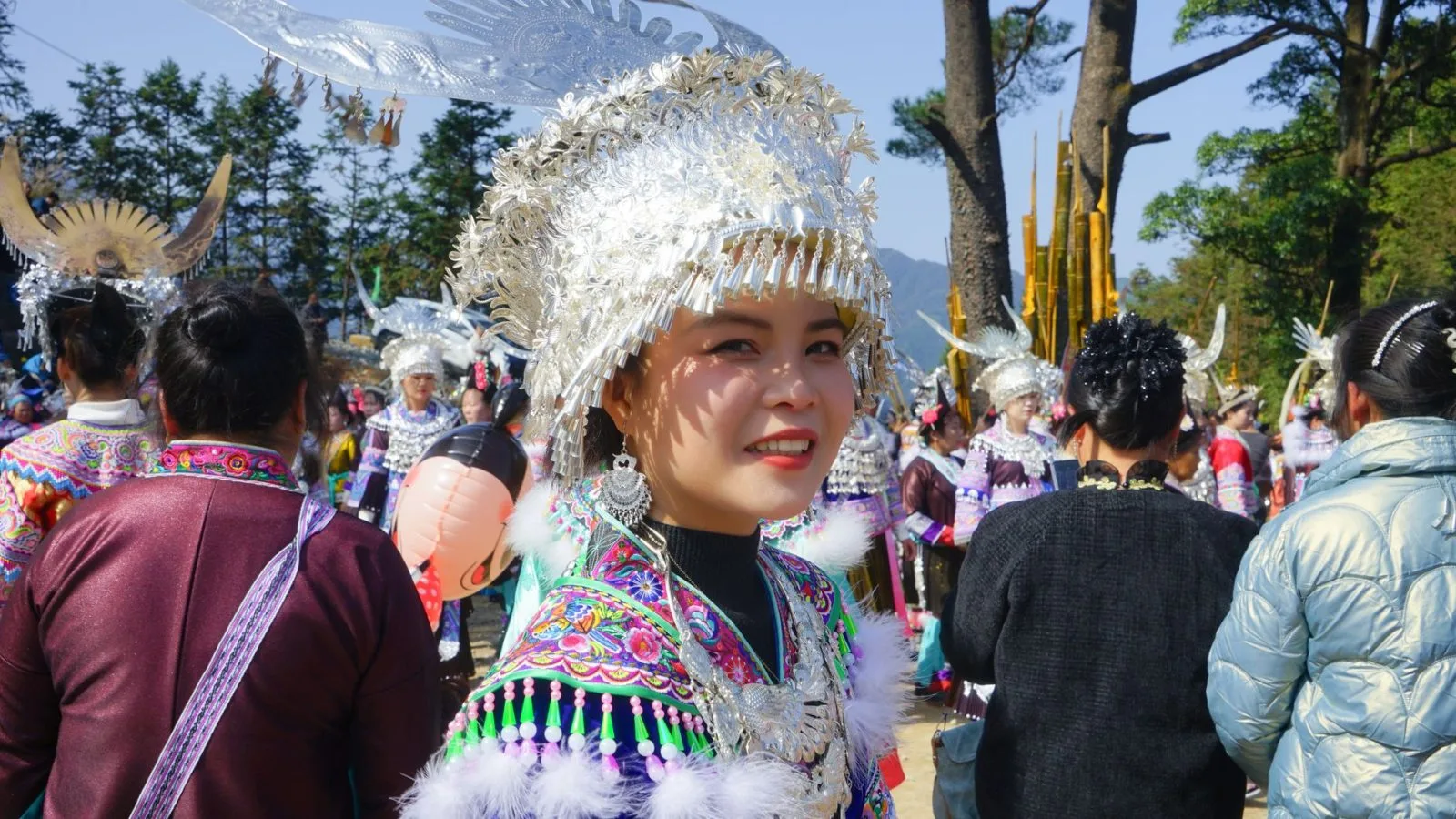
    銀の装飾品は、単独の宝飾品としてではなく、衣装全体の一部として捉えられます。ミャオ族の女性の祭りの衣装には、プリーツスカート、刺繍入りのジャケット、織物のベルト、三日月形または翼の形をした銀の襟飾りなどが含まれる場合があります。一部の地域では、イヤリングや首輪の数や形が、村の所属や婚姻状況を示します。旧正月、収穫祭、そして一部の地域でのミャオ族の新年には、女性や少女は家族揃いの衣装を身に着け、グループで歌ったり踊ったり、村の間を行進したりします。装飾品は動きに合わせて光を反射し、衣装がパフォーマンスの視覚的な一部となります。男性は、儀式的な意味合いの少ない銀のボタン、鎖、または小さなペンダントを身に着けることがあります。

    • 薄い銀板から浮き彫りされたレポゼ細工の飾り板
    • ねじれたワイヤーと透かし細工
    • 角、鎖、鈴のついた頭飾り
    • 新年や結婚式の儀式で着用される衣装
    刺繍が施されたミャオ族の祭り衣装を着て、重厚な銀の襟飾りとイヤリングを身につけた女性たち
    装飾品は刺繍や織物と合わせて、一つの衣装体系として身に着けられる。 Jaqor Q.I. | Pexelsライセンス (https://www.pexels.com/license/)

    市場、観光、そして継続性

    銀細工は村の工房、地域の市場、そして観光を通じて流通している。雲南省や貴州のミャオ族の村を訪れる人は、職人が小さな作品を形作る様子を見ることができるが、最も重要な家宝は通常販売されていない。お土産として売られている複製は、精巧なミニチュアから安価なメッキ金属まで多岐にわたるため、純銀製かどうかを確認することが重要だ。博物館や文化センターには古い頭飾りや首飾りが展示されているが、生活の場としては依然として地元の衣装である。一部のコミュニティでは祭りの衣装を復活させ、若い世代に銀細工を教えているが、移住や賃金労働によって、それらを製作したり身に着けたりする時間を持つ人が変化している。この工芸の未来は、目新しさよりも、それを使用する機会が継続的にあるかどうかにかかっている。

    ミャオ族の頭飾りは、身に着ける装身具であると同時に、家族の作品を伝える持ち運び可能な記録庫でもある。

    出典と参考文献

    1. Miao people —ブリタニカ百科事典。
    2. Chinese silver jewellery — Victoria and Albert Museum.
    3. Miao ethnic culture — China Highlights.

    設置場所を見てください

    この項目をたどって、該当する地域へ移動してください。

    地図で探索する

    スレッドをたどってください

    同じタグを持つ他のエントリーを閲覧する。

    タグを閲覧する
  • 四川料理

    生活と民話

    四川料理

    Chilli Oil, Ferment, and the Numbing Pepper

    Sichuan cooking balances chilli heat, Sichuan pepper numbness, fermented bean paste, and rich broth.

    セクション
    生活と民話
    地域
    四川省
    時代
    時代を超えて
    タグ
    Customs, Food, Geography

    Sichuan cuisine is known for bold seasoning, but its classic dishes are built on contrast: chilli with Sichuan pepper, hot oil with cool cucumber, or a clear broth beside a fiery one.

    A Basin Pantry and Early Flavours

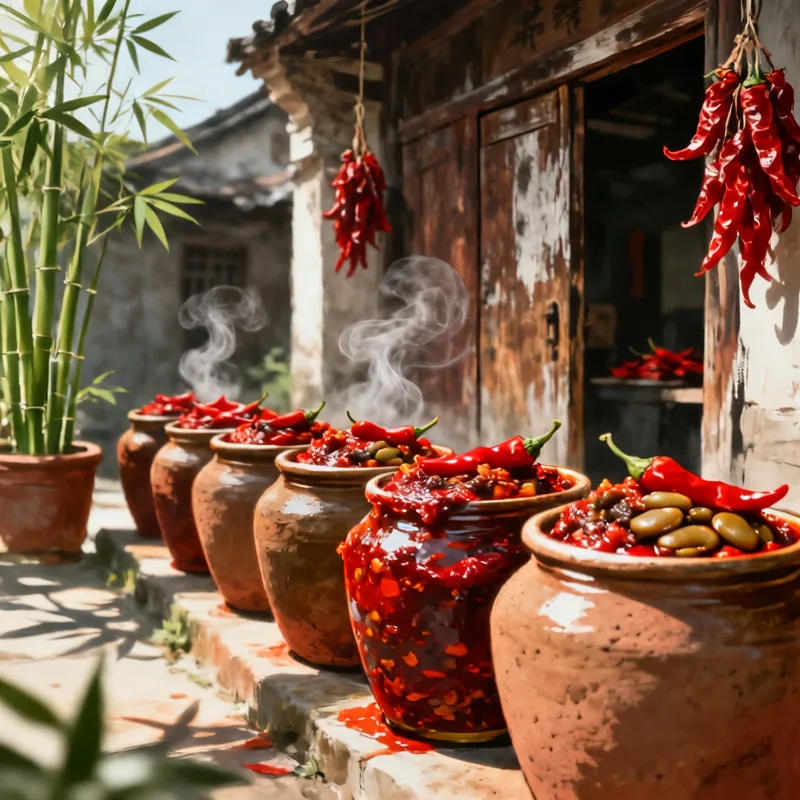
    The Sichuan Basin has fertile fields, rivers, and a humid climate, but its early elite cooking was not defined by chilli. Chilli peppers reached China from the Americas in the sixteenth century and became a Sichuan staple later, especially among ordinary households. Before that, cooks used ginger, garlic, mustard, vinegar, and the distinctive Sichuan pepper, Zanthoxylum simulans, whose husks cause a tingling sensation rather than heat.Fermented bean pastes from the basin towns added depth. Pixian doubanjiang, a broad-bean and chilli paste fermented in Pixian near Chengdu, became a foundation of many red-braised and stir-fried dishes. The province’s food therefore combines older preservation methods with ingredients that arrived through global trade.

    Jars of red chilli and broad-bean paste fermenting outside a Sichuan workshop
    Fermented doubanjiang gives many Sichuan dishes their deep red base. AI生成イラスト · SinoViz

    The Grammar of Heat

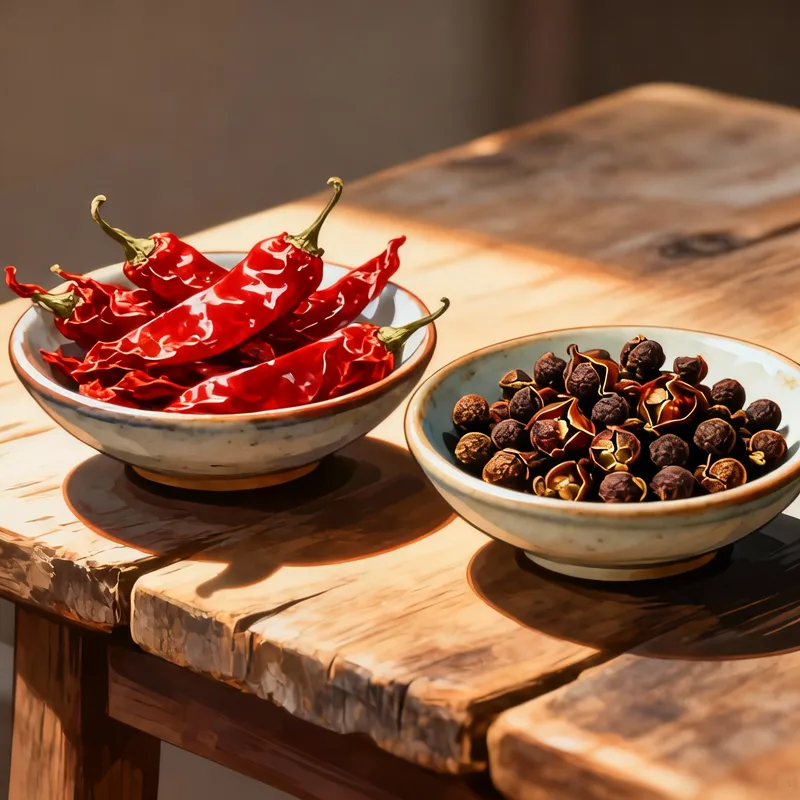
    Sichuan cooks distinguish several kinds of chilli heat. Dried chillies are fried in oil until fragrant but not blackened; chilli oil is steeped and aged; chilli bean paste supplies fermented heat; and fresh peppers give a brighter bite. Sichuan peppercorns, often toasted and ground, produce the málà combination of numbness and spice. Official Sichuan cookbooks describe more than twenty recognised flavour profiles, from guaiwei, strange or complex, to yuxiang, fish-fragrant, which uses no fish. Mapo tofu, associated with Chengdu in the nineteenth century, combines soft tofu, minced meat, doubanjiang, chilli oil, and Sichuan pepper. Kung Pao chicken uses dried chillies, peanuts, and a sweet-sour soy sauce.

    Dried red chillies and Sichuan peppercorns in separate shallow bowls
    Chilli heat and peppercorn numbness are distinct, and cooks balance them separately. AI生成イラスト · SinoViz

    Hotpot and the Two-Flame Bowl

    Chengdu hotpot is a social meal built around a divided pot. One side may hold a red broth of chilli oil, doubanjiang, beef fat, and spices; the other a clear chicken or mushroom stock. Diners cook thinly sliced beef, tripe, duck blood, fish balls, vegetables, and mushrooms, then dip them in sesame oil, garlic, and chopped herbs. The sesame dip cools the palate and coats the mouth against spice. Chongqing hotpot is often heavier and more direct, traditionally using beef tallow; Chengdu versions are commonly more aromatic and varied. Yibin and other southern cities add their own chilli blends. Restaurants label spice levels, but heat can still be adjusted only by asking.

    • Pixian doubanjiang as a fermented chilli-bean base
    • Málà: chilli heat plus peppercorn numbness
    • Two-flavour hotpot with red and clear broth
    • Sesame oil dip to moderate the heat
    A divided hotpot with red chilli broth and clear broth surrounded by ingredient plates
    A two-flavour pot lets a table divide heat from clarity. AI生成イラスト · SinoViz

    Beyond the Fiery Stereotype

    Not every Sichuan dish is hot. Sichuan’s most ceremonial dish, Gongbao chicken and the banquet classic ‘sweet and sour’ aside, the cuisine includes clear broths, steamed dishes, and delicate pastry. Zhangcha duck is smoked with tea leaves and camphor before steaming, while boiled pork slices are served in a clear broth with mustard greens. Chengdu’s teahouses and dish shops serve small noodles, sweet-water noodles, and dumplings. The province also includes Tibetan and Yi food traditions in its western highlands, where barley, yak products, and different seasonings dominate. Reading Sichuan cuisine only as heat misses its central achievement: layering aromas, textures, and ferments so that strong flavours remain controlled.

    Sichuan cooking is not simply hot; it is a carefully graded argument between chilli, pepper, oil, and ferment.

    出典と参考文献

    1. Sichuan cuisine —ブリタニカ百科事典。
    2. Chinese Cuisine —ブリタニカ百科事典。
    3. Sichuan Food — China Highlights.

    設置場所を見てください

    この項目をたどって、該当する地域へ移動してください。

    地図で探索する

    スレッドをたどってください

    同じタグを持つ他のエントリーを閲覧する。

    タグを閲覧する