編年史
The Imperial Examinations
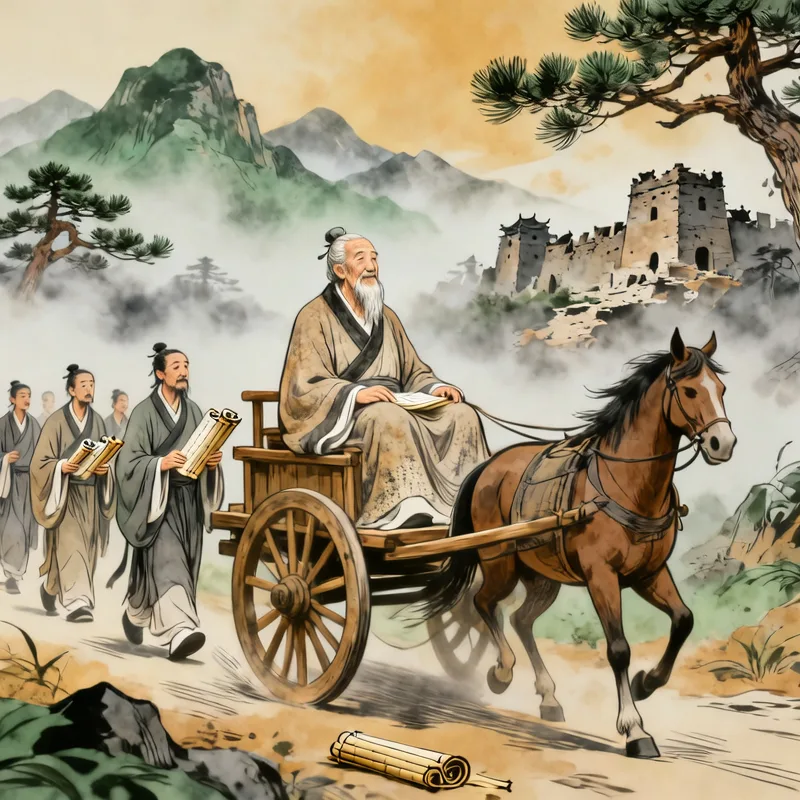
The Classics as a Road to Office
A competitive system that selected officials by examination for thirteen centuries.
- 部分
- 編年史
- 地區
- 北京
- 時代
- song-liao-jin
- 標籤
- History, Customs
For roughly thirteen hundred years, entry to China’s civil service ran through written examinations on the Confucian classics. The system began in the Sui dynasty, matured under the Song, and was abolished in 1905, shaping education, family strategy, and political culture.
From Recommendation to Examination
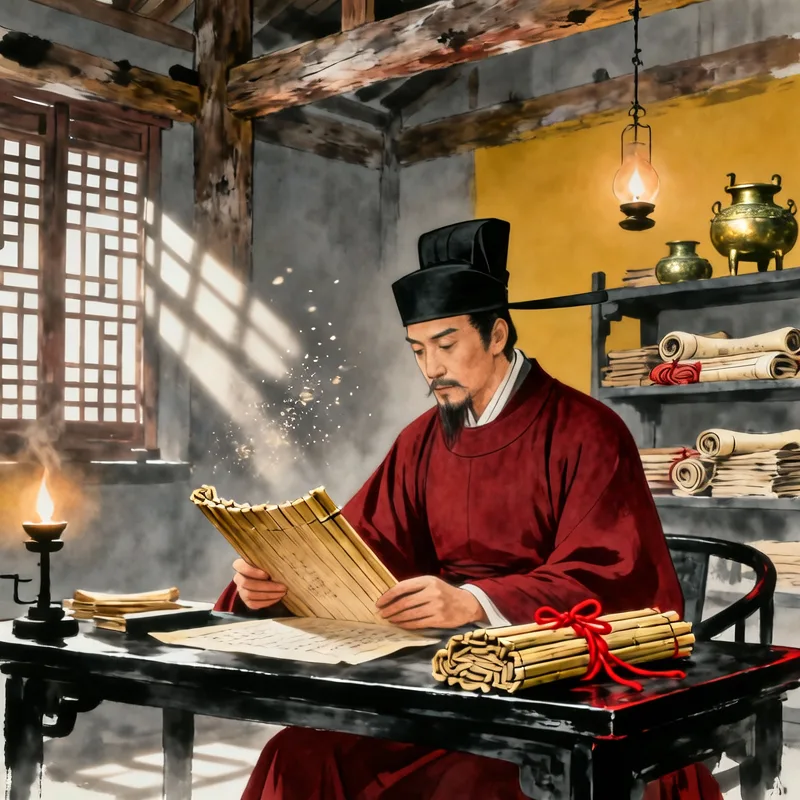
Earlier dynasties selected officials mainly by recommendation. The Han court, from 134 BCE, asked local authorities to submit candidates recommended for filial piety and integrity, while the imperial academy founded in 124 BCE tested classical learning. A decisive change came in 605 CE, when the Sui emperor Yang established examinations that allowed candidates to enter government through demonstrated knowledge rather than patronage alone. The Tang dynasty expanded the system, adding the jinshi degree, which tested literary composition and policy, and the mingjing degree, which tested command of the classics. Wu Zetian, who ruled from 690 to 705, broadened recruitment through examinations.
The Song Examination Machine
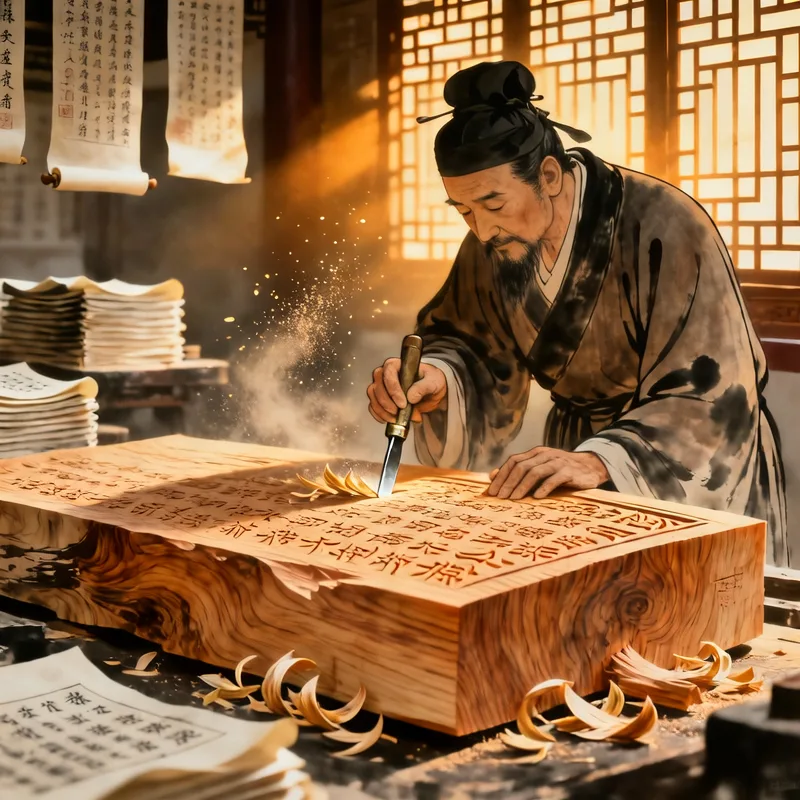
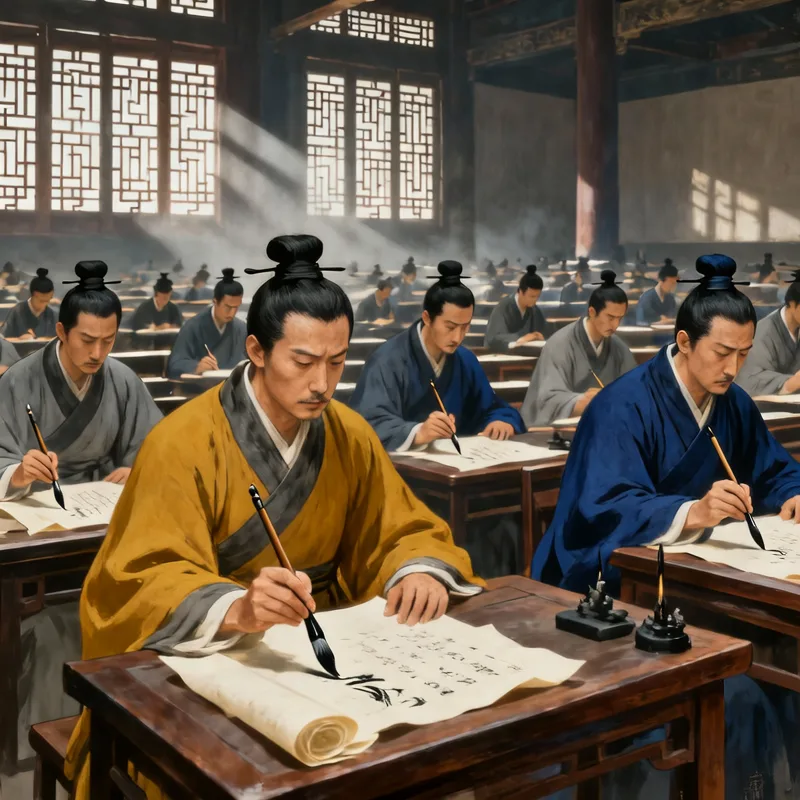
Under the Song dynasty, examinations became the main route to official career. The court settled on a three-year cycle and admitted far more candidates than the Tang had; successful jinshi could number in the hundreds every cycle. In 1057, Ouyang Xiu presided over an examination that favoured direct classical prose over ornate style and helped launch the careers of Su Shi and Su Zhe. Reforms associated with Wang Anshi in the 1070s shifted emphasis toward policy and institutional knowledge. Preparation required years of memorisation, and schools, private tutors, and printing presses grew around the demand. Success brought rank, salary, and local prestige.
Beijing and the Palace Examination
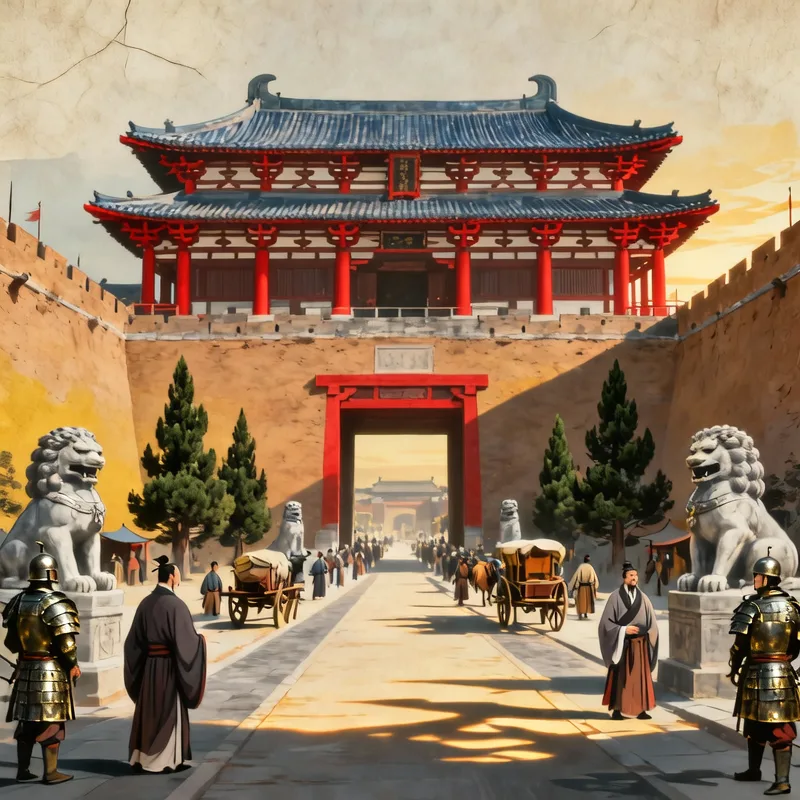
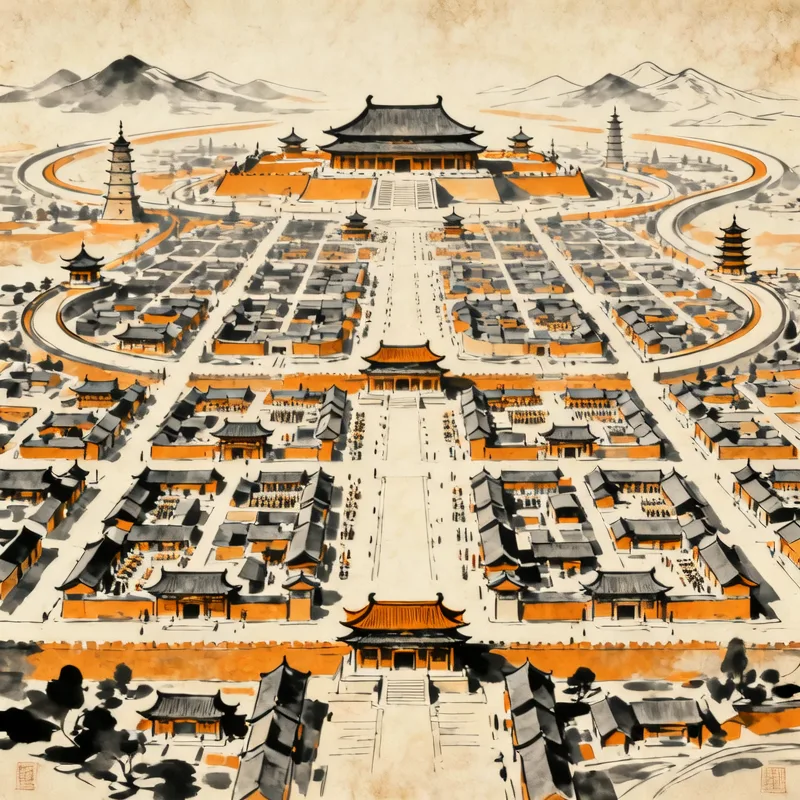
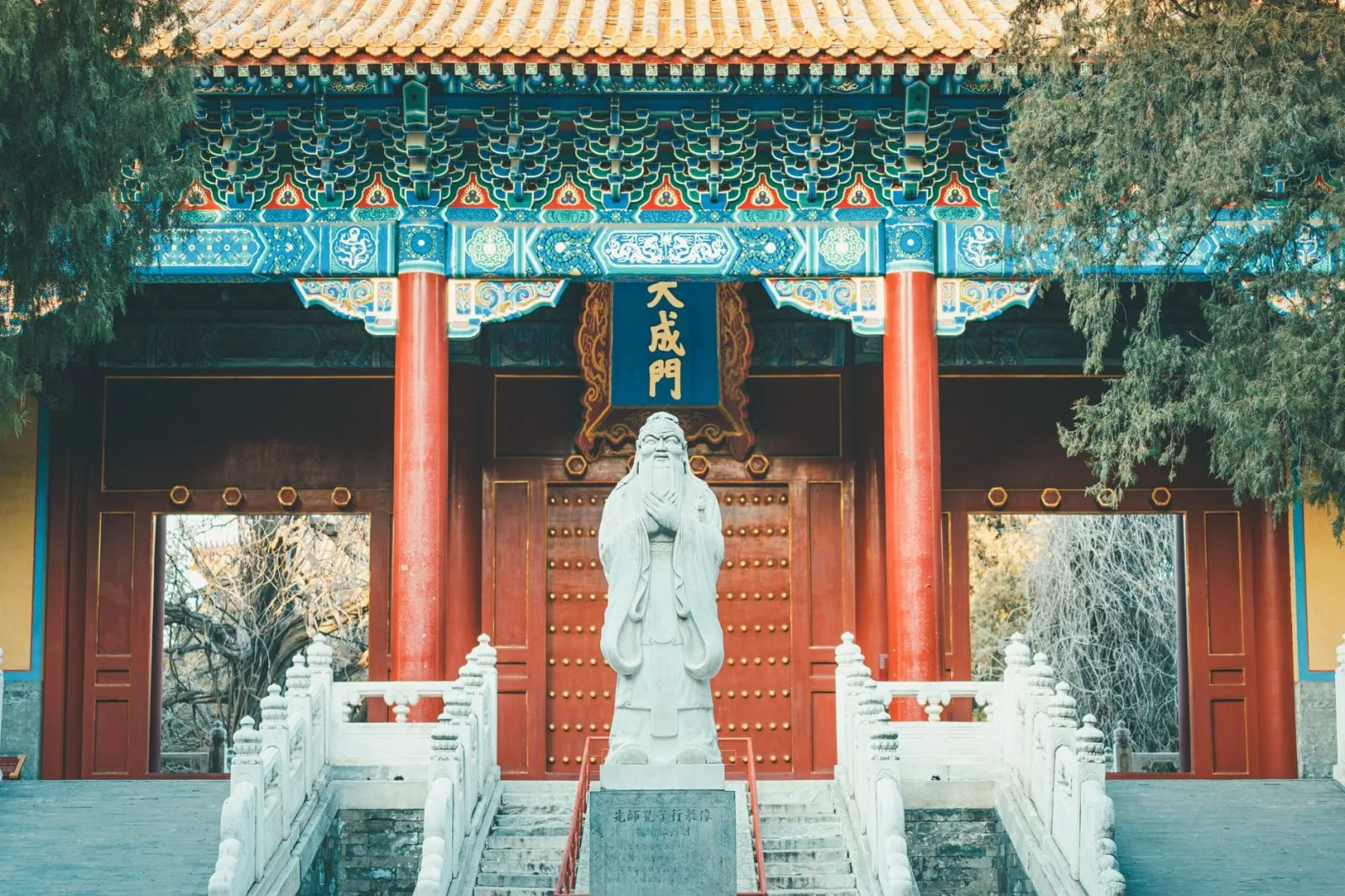
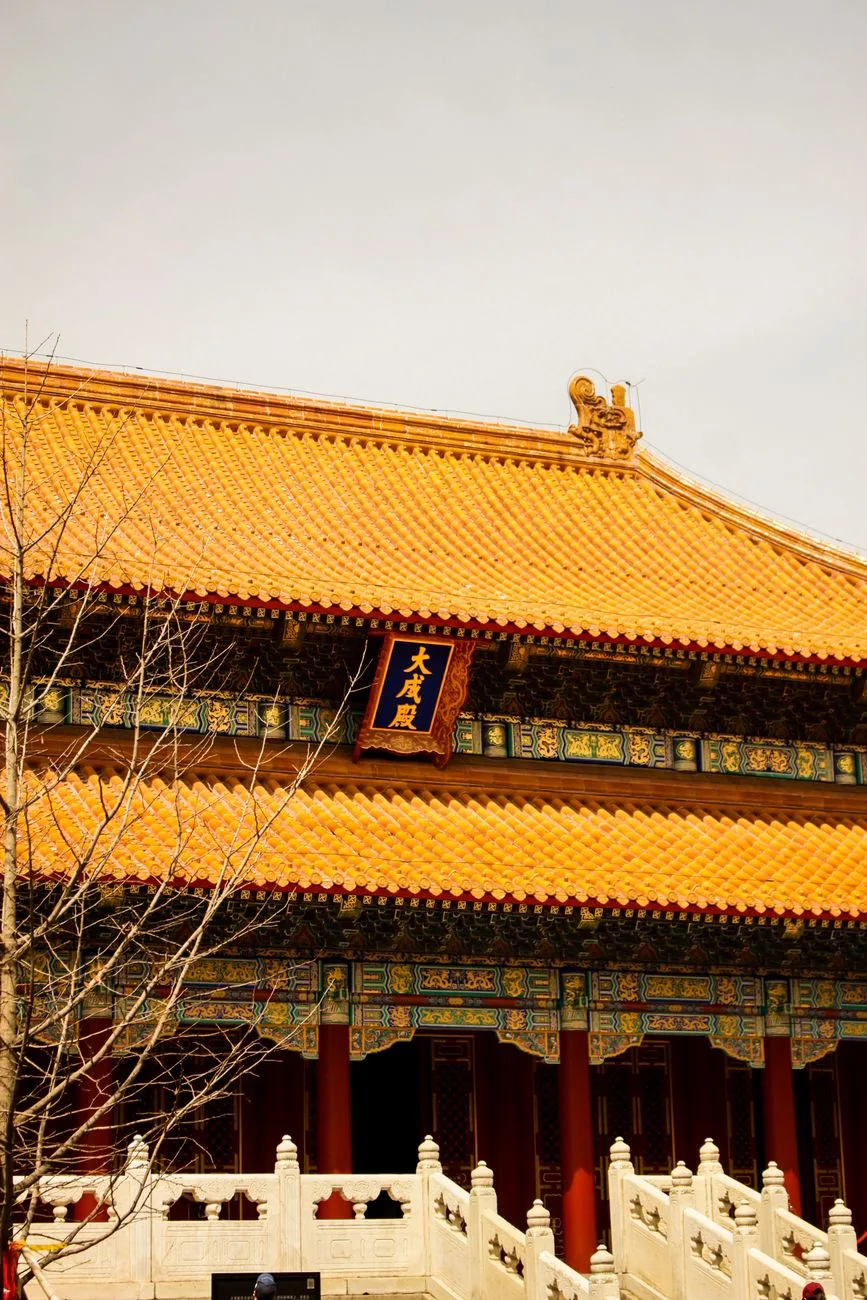
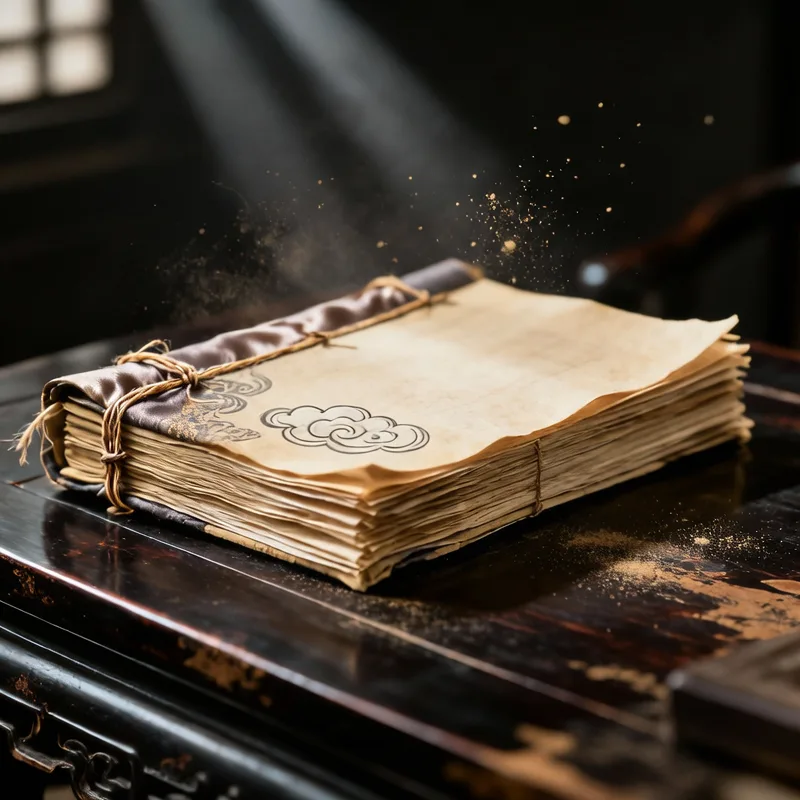
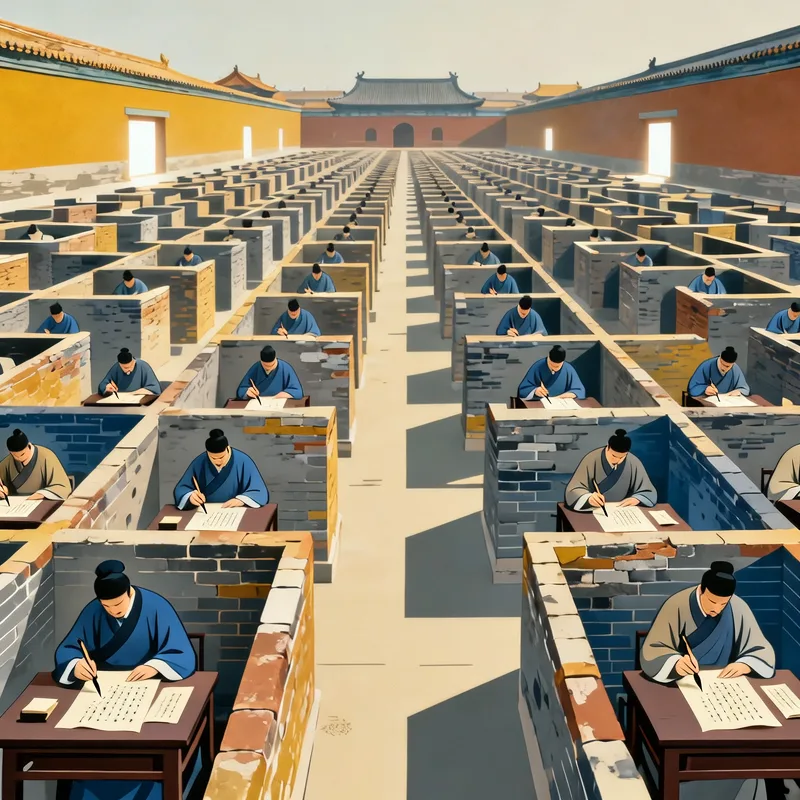
The system continued under the Yuan, Ming, and Qing, with changes in curriculum and quotas. The Yuan resumed examinations in 1315 and assigned places by ethnic category. From the Ming period, the eight-legged essay imposed a rigid structure of paired phrases on answers to classical quotations; the format was formalised in the late fifteenth century. In Beijing, the Imperial College stood beside the Temple of Confucius, and the highest round, the palace examination, was held within the imperial palace under the Qing. The Examination Hall in the city tested thousands of candidates in tiny cells. The system was abolished by imperial edict in 1905.
The Social Effects
The examinations promised that talent could rise, but the odds were narrow. Most candidates failed, and preparing for the tests demanded leisure that farming families rarely had. Wealthy lineages built schools and endowed study estates, so success often repeated within families. The curriculum also set intellectual boundaries: from the Yuan onward, Zhu Xi’s Neo-Confucian commentaries defined acceptable interpretations of the classics. Cheating, impersonation, and bribery were persistent problems, met with strict searches and regulation. Even so, the exams created a shared literary culture across a vast empire and made the ideal of government by educated merit a durable political claim.
The examination cell was small, but the text inside it defined the terms of public life.
資料來源及延伸閱讀
- Chinese examination system ——《不列顛百科全書》。
- The Civil Service Examinations of Imperial China — World History Encyclopedia.
- Beijing Central Axis: A Building Ensemble Exhibiting the Ideal Order of the Chinese Capital — UNESCO World Heritage Centre.