كرونيكل
Tang Chang’an
Cosmopolitan Capital on the Wei River
The Tang capital whose grid of wards held merchants, monks, and foreign envoys.
- قسم
- كرونيكل
- منطقة
- شانشي
- عصر
- سوي تانغ
- الوسوم
- History, Scenic Sites
Chang’an, on the site of modern Xi’an in Shaanxi, was the capital of the Tang dynasty from 618 to 907. Its planned streets and regulated markets made it the eastern anchor of the Silk Roads and a city of unusually visible cultural exchange.
A City Built on a Grid
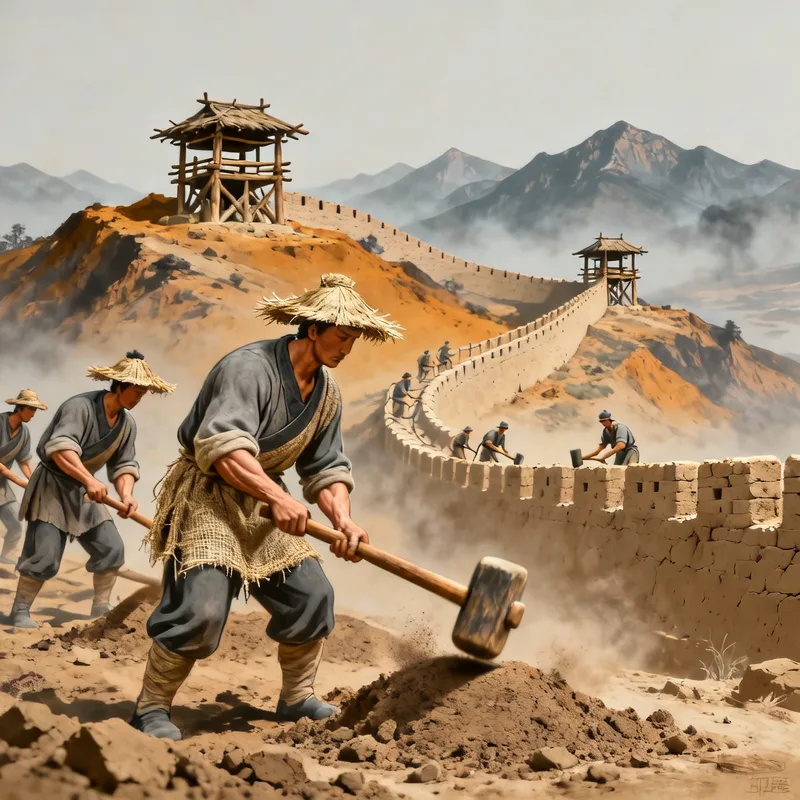
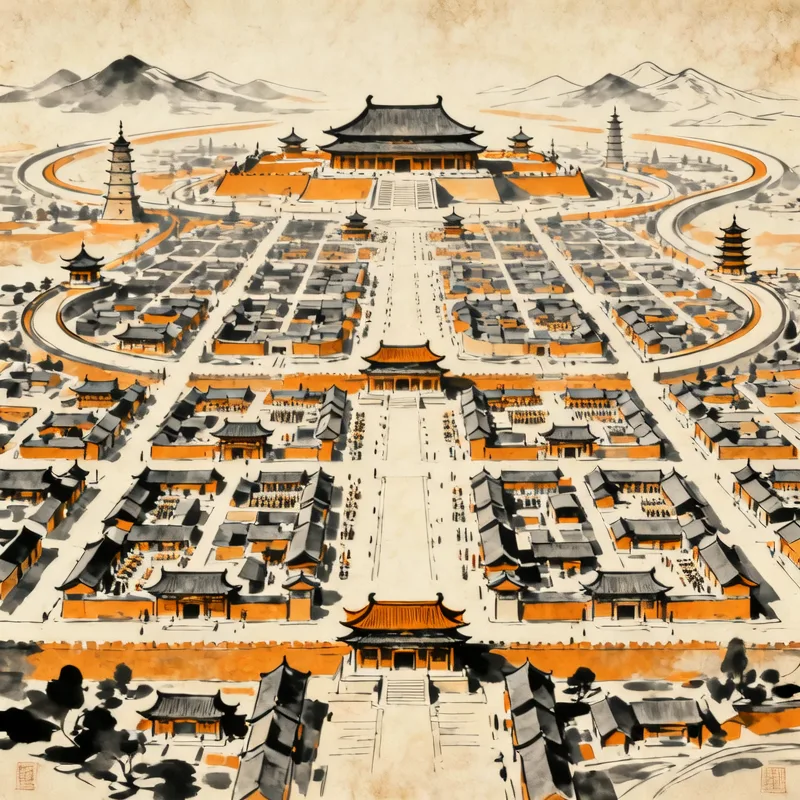
The Tang city followed the plan of Daxing, built for the Sui dynasty in 582, and was renamed Chang’an under the Tang in 618. Its rectangular enclosure covered roughly 84 square kilometres and was divided into the palace city, the imperial city, and 108 residential wards. Eleven north-south avenues crossed fourteen east-west streets, creating a rigid grid that reflected the court’s desire for order. The city wall had twelve gates, with the southern gate leading to the ceremonial avenue. Excavations have revealed the scale of the wards, which enclosed houses, temples, workshops, and narrow internal lanes.
Markets and Curfew
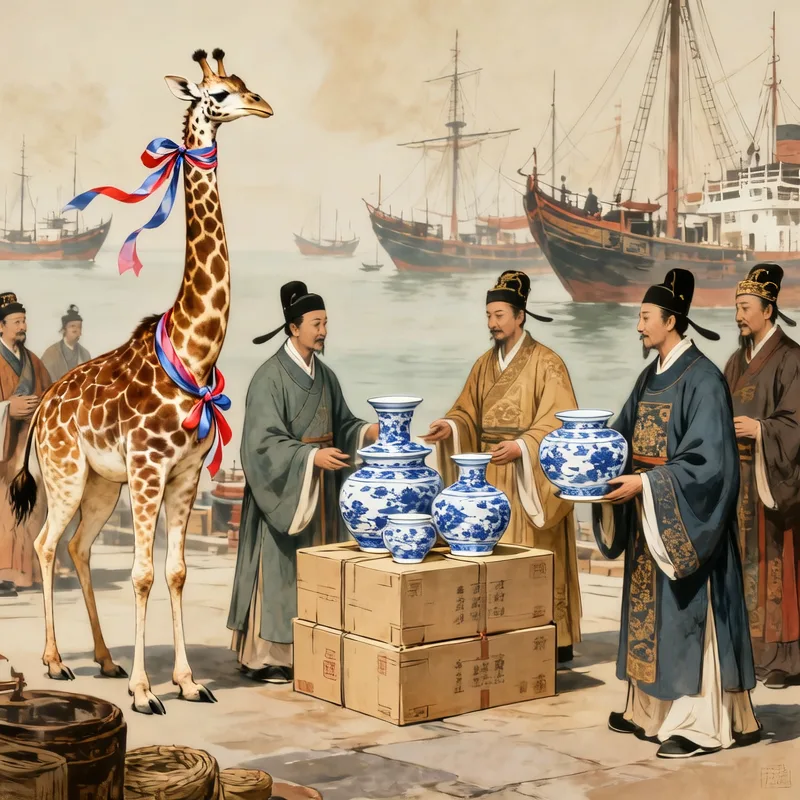
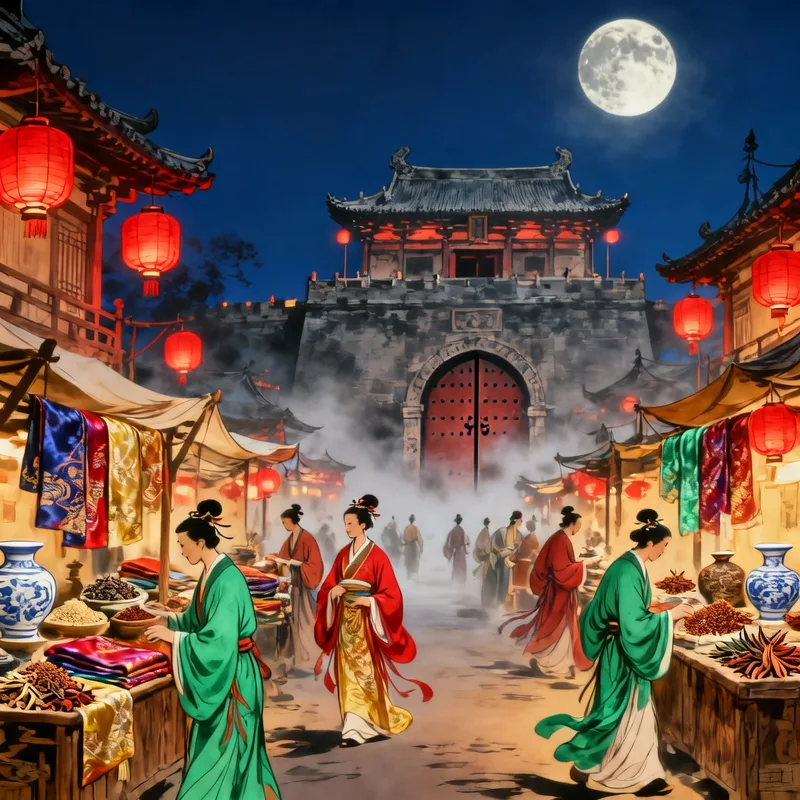
Commerce was concentrated in the East Market and West Market, each a walled rectangle of lanes and shops. The West Market served long-distance traders, with Sogdian and Persian merchants, wine shops, money changers, and pawnshops. Officials supervised weights and licensed trades, while a market administration kept order. A night curfew closed the ward gates after the evening drum, so business belonged to daylight hours. A Tang writer records more than two hundred trades in the West Market, from silk dyeing to medicine. This regulated commerce made customs revenue and luxury goods flow steadily into the capital.
Monks, Envoys, and a Stele
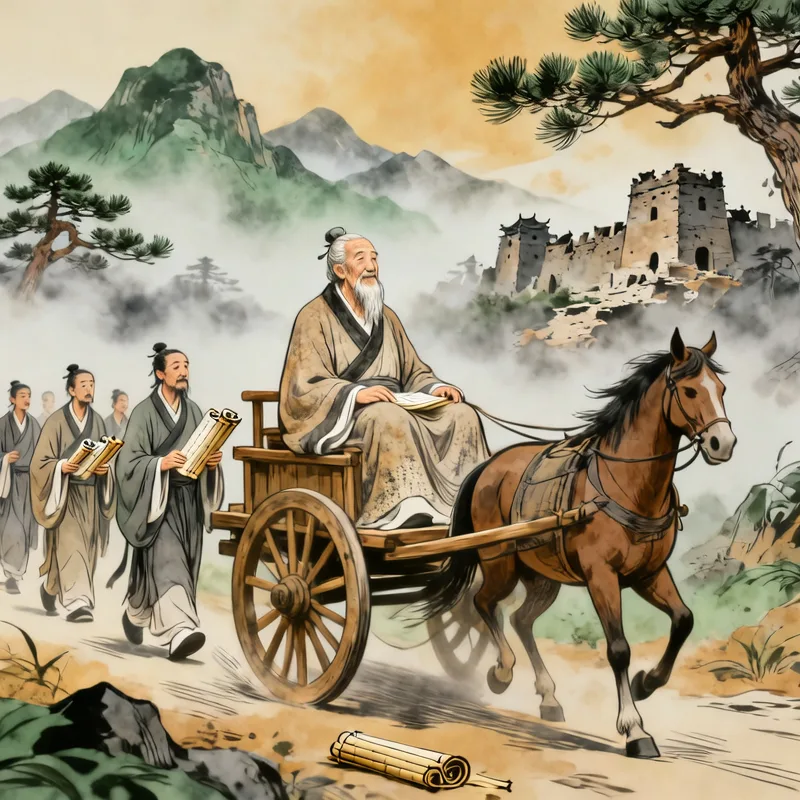
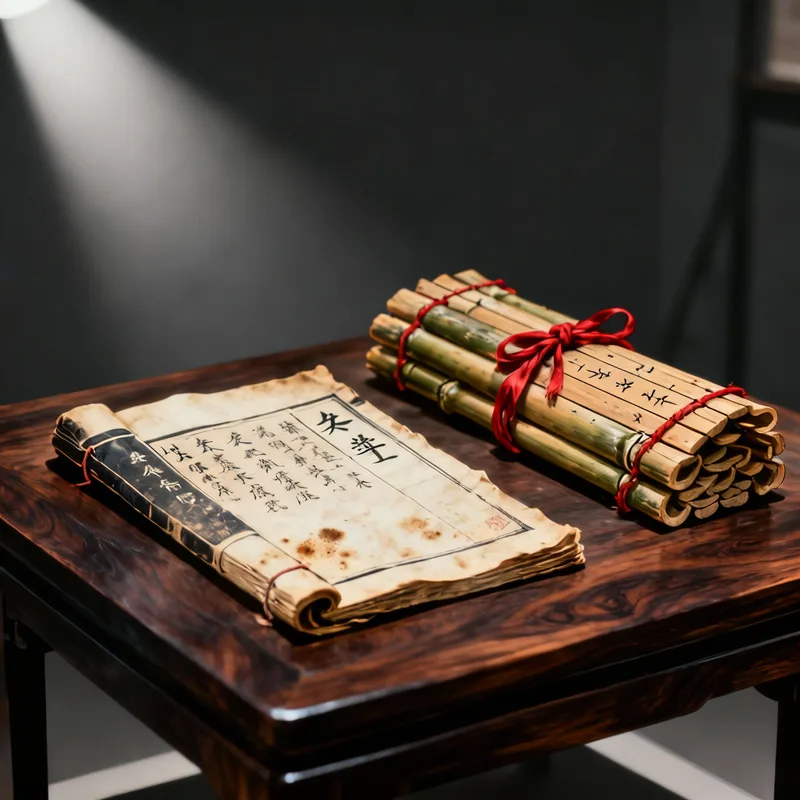
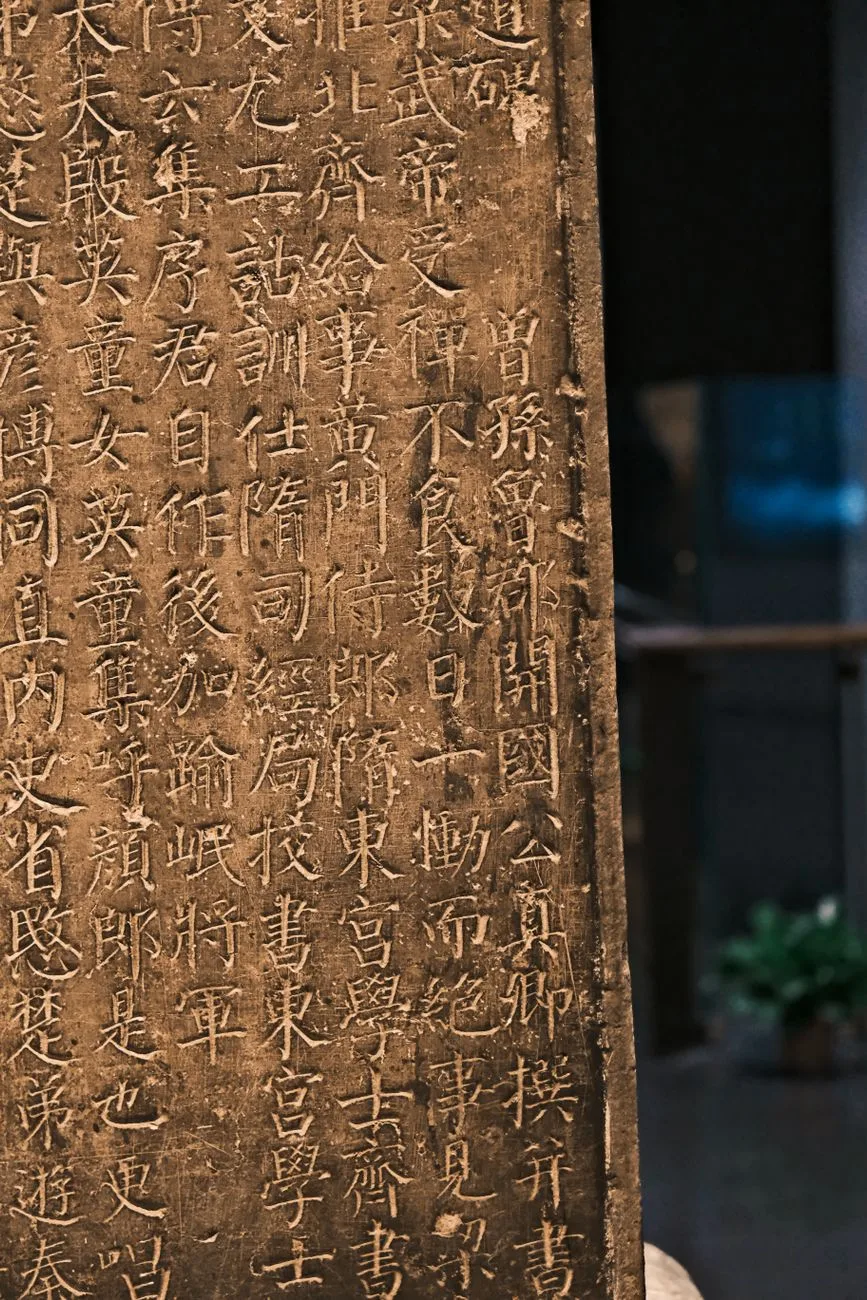
Chang’an’s religious landscape matched its commercial range. The Buddhist monk Xuanzang returned from India in 645 with scriptures and translated them at the Da Ci’en Temple, completed in 652; the Giant Wild Goose Pagoda still stands nearby. The Nestorian Stele, erected in 781, records the arrival of a Christian missionary in 635 and documents a church that used Chinese Buddhist and Daoist vocabulary. Zoroastrian and Manichaean communities had places of worship, and Arab and Persian traders lived in the western wards. Japanese embassies reached the city between 630 and 894, and Korean students studied at the imperial academy, carrying Tang institutions home.
After the Tang
The city’s political role ended abruptly. In 904, the warlord Zhu Wen forced the court to move to Luoyang and ordered much of Chang’an dismantled, so that its timber could be transported east. The Tang fell in 907, and the site never recovered its former extent. Later rulers fortified a smaller city on part of the old ground; the present Xi’an city wall dates from the Ming dynasty. Archaeologists have since mapped the Tang wards and excavated the West Market. The Giant and Small Wild Goose Pagodas remain visible markers of a capital that once connected the Wei River to the Indian Ocean.
In Tang Chang’an, the ward gate, the market licence, and the foreign monk belonged to the same system.
المصادر والمزيد من القراءة
- Silk Roads: the Routes Network of Chang’an-Tianshan Corridor — مركز التراث العالمي لليونسكو.
- Chang’an — موسوعة بريتانيكا.
- Chang’an — World History Encyclopedia.