Yaşam ve Folklor
Koreli Çinli Topluluklar
Pekin'de Kore dili ve gelenekleri
Çin'de yaşayan Koreliler, Çin'in kuzeydoğusunda ve Pekin gibi şehirlerde Korece konuşulan bir kültürel yaşamı sürdürmektedirler.
- Bölüm
- Yaşam ve Folklor
- Bölge
- Pekin
- Dönem
- Çağlar boyunca
- Etiketler
- Etnik, Gelenekler
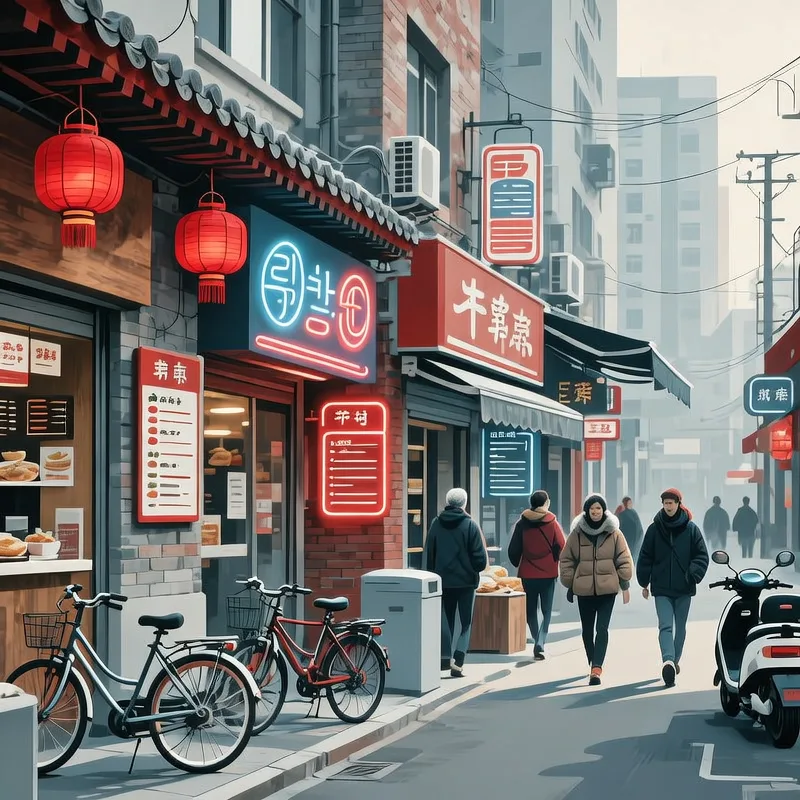
Çincede Chaoxianzu olarak bilinen Koreli Çinlilerin sayısı yaklaşık 1,8 milyondur. Yerleşim merkezleri kuzeydoğu sınırında yer almaktadır, ancak Pekin'in Wangjing ve Wudaokou bölgeleri oldukça görünür Korece konuşulan mahalleler haline gelmiştir.
Göç ve mahalleler
Koreli Çinli ailelerin çoğu, Çin'deki yerleşimlerini 19. yüzyılın sonlarına ve 20. yüzyılın başlarına dayandırır; bu dönemde zorluklar, askerlik ve Japonya'nın 1910'da Kore'yi ilhak etmesi, Tumen ve Yalu nehirleri boyunca göçü tetiklemiştir. 1952'de Jilin'de Yanbian Kore Özerk Bölgesi kurulmuş olup, Changbai ve Hunchun önemli merkezler olmaya devam etmektedir. Çin ve Güney Kore'nin 1992'de diplomatik ilişkiler kurmasının ardından, öğrenciler, tüccarlar ve mühendislerin büyük sayılarda gelmesiyle Pekin'in Koreli nüfusu hızla artmıştır. Wudaokou dil okulları ve öğrenci yurtlarıyla tanınırken, Wangjing ticari ölçekte süpermarketler, restoranlar ve Korece tabelalar geliştirmiştir.
Language and writing
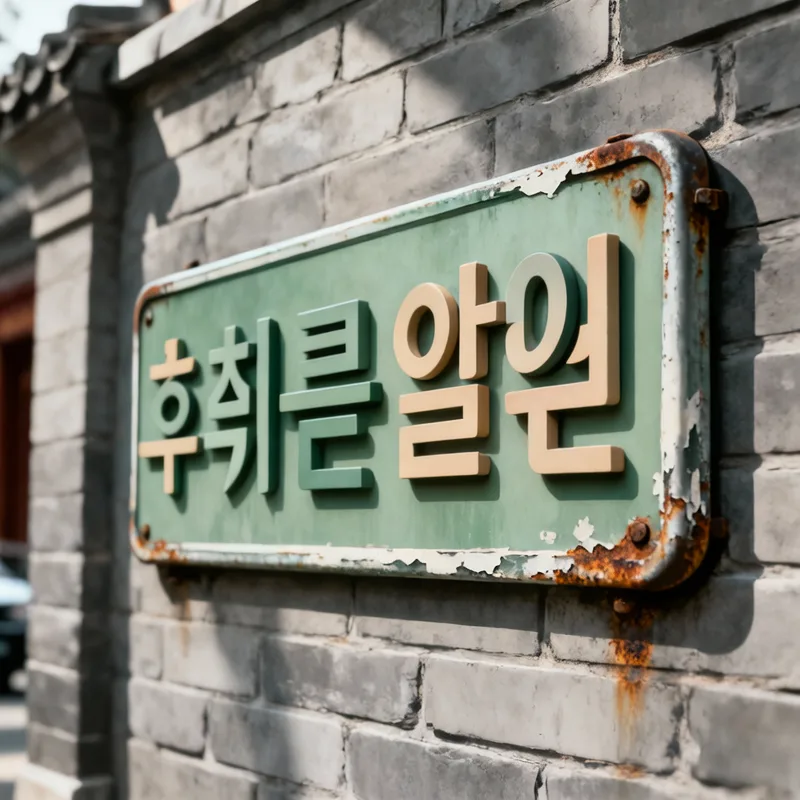
Korean is a Koreanic language, distinct from the Sinitic and Tungusic languages spoken elsewhere in the region. Its alphabet, Hangul, was created in the fifteenth century and is now the ordinary script for Korean Chinese writing; Chinese characters, or hanja, appear in historical texts and some names. Many older residents of Yanbian are bilingual in Korean and Mandarin, while city-born younger people often use Mandarin at school and work and Korean at home or in community media. Korean-language newspapers, radio and church services help sustain the language, and some families send children to schools where Korean is taught alongside the national curriculum.
Food and the household
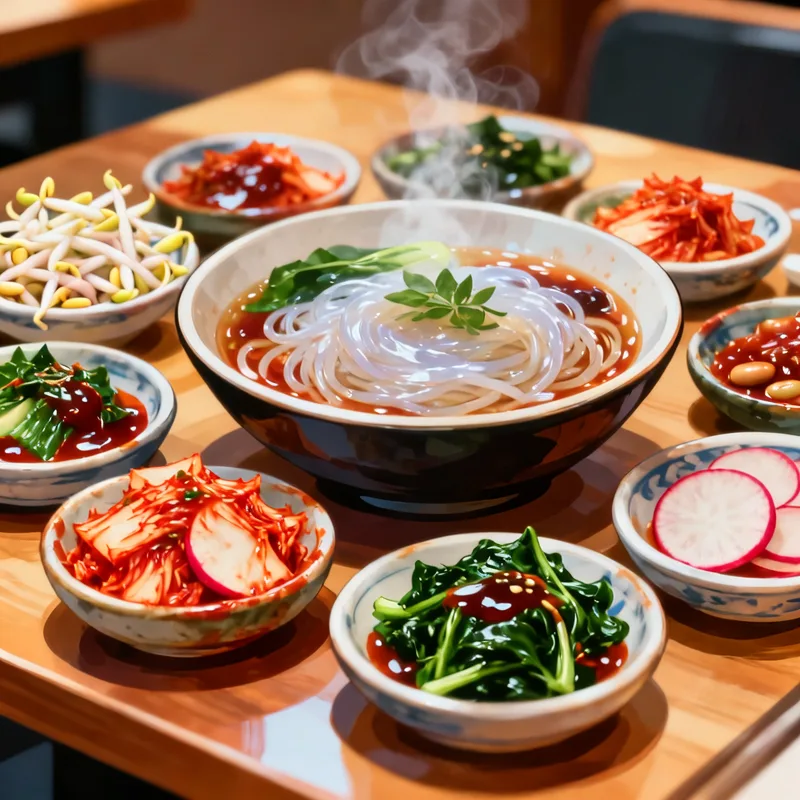
Korean foodways are among the most visible parts of community life. Kimchi, made from salted and fermented vegetables, is prepared in quantity in autumn, and the practice of making and sharing it has been recognised by UNESCO as intangible heritage in Korea. Everyday meals include rice, soup, bibimbap mixed with vegetables and chilli paste, grilled meat, and naengmyeon, or cold buckwheat noodles. Traditional houses used ondol, an underfloor flue system that heats the sleeping mat, and some rural homes still keep the low table and floor-seating arrangements of a hanok. In Beijing, apartment living has changed the setting, but the cuisine and the habit of sitting together at a shared table persist.
Festivals and community life
The two main family festivals are Seollal, the lunar new year, and Chuseok, the autumn harvest festival. At Seollal, families eat tteokguk, a soup of sliced rice cakes, and younger relatives perform a formal bow to elders. Chuseok is marked with visits to ancestral graves and songpyeon, small rice cakes filled with beans or sesame. Korean Chinese communities in Beijing also gather for weddings, school reunions and business associations, where Korean remains a language of trust and shared reference. Public visibility comes through restaurants, travel agencies and shops rather than a sealed enclave; the same streets serve neighbours of many backgrounds.
A Korean sign in Beijing marks a carried household habit more than a border.
Kaynaklar ve daha fazla okuma
- Korean language — Britannica Ansiklopedisi.
- Korean Ethnic Group — China.org.cn.
- Kimjang, making and sharing kimchi — UNESCO Intangible Cultural Heritage.