Ярлык: Таможня

  • Confucius and the Analects

    Хроника

    Confucius and the Analects

    A Teacher’s Words in Twenty Books

    The sayings of Confucius and the ritual tradition that grew around them.

    Раздел
    Хроника
    Область
    Пекин
    Эпоха
    three-dynasties
    Теги
    History, Customs

    Confucius lived in a fractured Zhou world and taught that good government began with personal conduct. His conversations, collected in the Analects, became one of the most widely read texts in East Asia and eventually a foundation of state ritual and examination culture.

    Life in the State of Lu

    Confucius, whose family name was Kong and personal name Qiu, was born in 551 BCE at Qufu in the state of Lu, in present-day Shandong. His father died when he was young, and he later worked as a keeper of granaries and herds before becoming known as a teacher. Around 497 BCE he left Lu after a political dispute and spent roughly fourteen years travelling through neighbouring states, advising rulers and gathering disciples. He returned to Lu around 484 BCE and died in 479 BCE. The Spring and Autumn era in which he lived saw the Zhou king’s authority eroded by powerful regional lords.
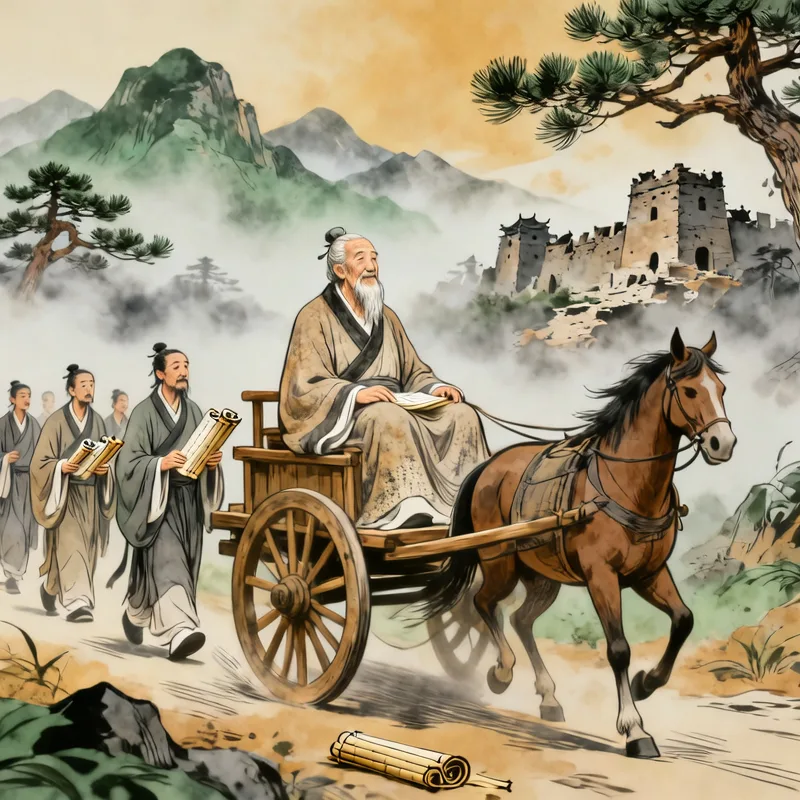
    Illustration of Confucius travelling with disciples through a hilly landscape
    Confucius spent about fourteen years seeking rulers willing to adopt his teaching. Иллюстрация, созданная с помощью ИИ · SinoViz

    How the Analects Took Shape

    The Analects, or Lunyu, is not a book written by Confucius himself. It is a compilation of sayings, questions, and short scenes, traditionally arranged in twenty chapters. Disciples and later followers transmitted the material orally before it reached its received form, probably during the fourth and third centuries BCE. Passages typically begin with "The Master said," followed by terse maxims on learning, ritual, and government. The Latin title Analects means "selected sayings." Because the text layers different generations of memory, it presents a teacher in conversation rather than a single systematic doctrine, which is part of its enduring appeal.
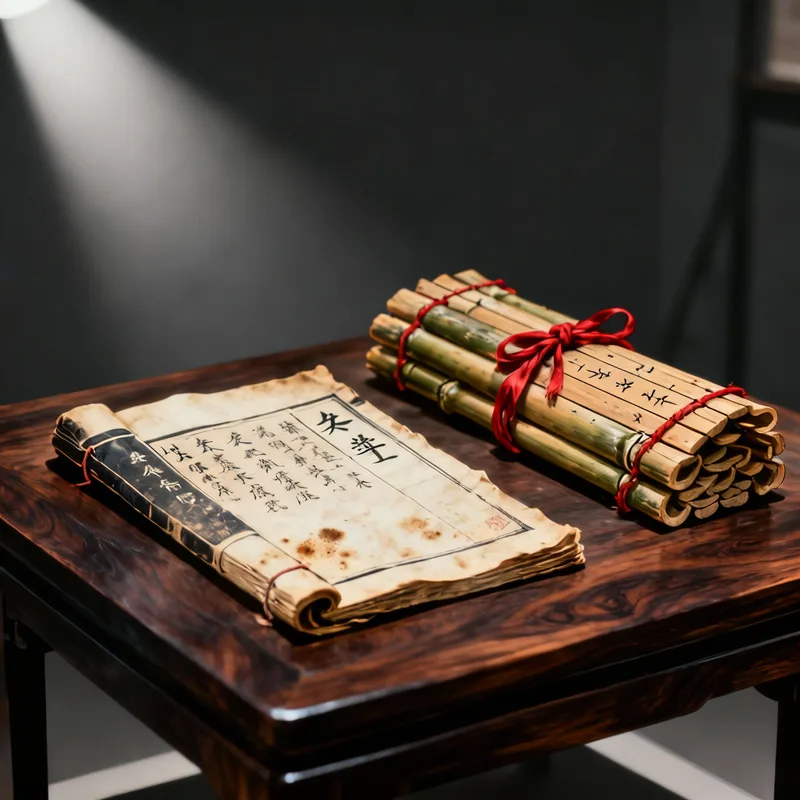
    Open page of a Chinese woodblock edition of the Analects with vertical columns of characters
    The Analects gathers sayings transmitted by disciples over several generations. Иллюстрация, созданная с помощью ИИ · SinoViz

    From Qufu to Beijing

    Confucius was honoured regionally in his lifetime and officially after his death. In 134 BCE, Emperor Wu of Han adopted the recommendation of Dong Zhongshu to elevate Confucian learning at court, and the imperial academy was founded in 124 BCE. The state cult spread: a temple at Qufu grew around the Kong family mansion and cemetery, and rulers performed sacrifices to the sage. In Beijing, a Temple of Confucius was built in 1302 under the Yuan dynasty and rebuilt under the Ming and Qing. It stood beside the Imperial College, linking the veneration of the teacher to the training of officials.
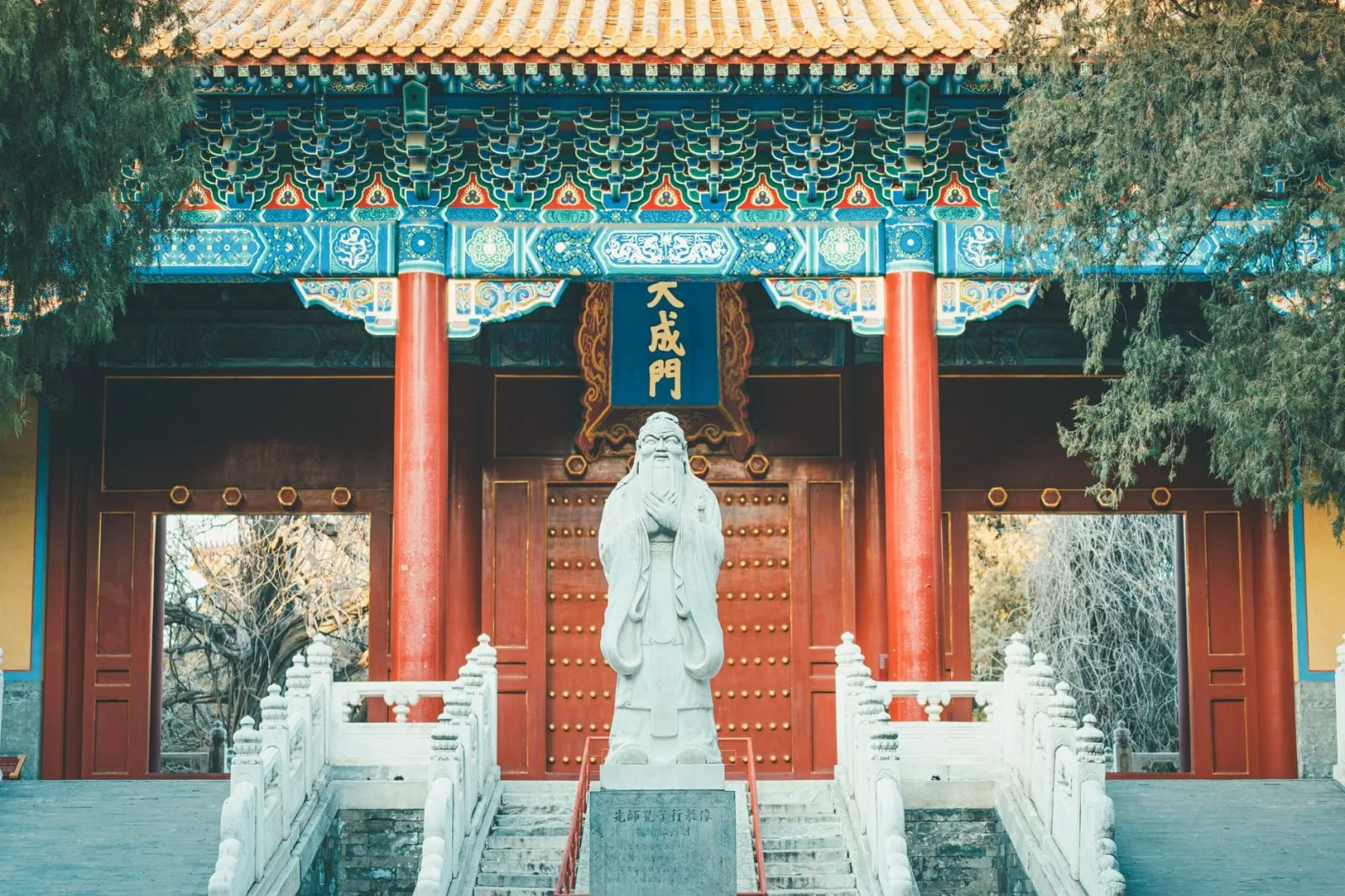
    Courtyard of a red-walled Confucian temple with a bronze incense burner and cypress trees
    Beijing’s Temple of Confucius, first built in 1302, joined worship to official education. zhang kaiyv | Pexels License (https://www.pexels.com/license/)

    The Teaching in Practice

    The central terms are ren, often translated as humaneness, and li, ritual propriety. Confucius treated them as habits formed through practice: respect for elders, careful speech, and attention to the duties of one’s position. The famous negative formulation of reciprocity, "What you do not want done to yourself, do not do to others," appears in the Analects. The text also insists that rulers set the moral tone, comparing their virtue to wind that bends the grass. Later readers in Korea, Japan, and Vietnam adapted the same vocabulary, while Neo-Confucian thinkers of the Song dynasty built a more systematic philosophy from it.

    What you do not want done to yourself, do not do to others. — Confucius, Analects 15.24

    Источники и дополнительная литература

    1. Confucius — Энциклопедия Британника.
    2. Confucius — Stanford Encyclopedia of Philosophy.
    3. Temple and Cemetery of Confucius and the Kong Family Mansion in Qufu — UNESCO World Heritage Centre.

    Посмотрите, как это выглядит на месте.

    Перейдите по этой ссылке в регион, к которому она относится.

    Исследуйте с помощью карты
    Продолжите обсуждение

    Просмотрите другие записи, имеющие теги.

    Просмотрите тег
  • Dining Etiquette

    Путеводитель

    Dining Etiquette

    The round table, read closely

    Chinese dining etiquette turns a shared meal into a lesson in hierarchy, generosity, and restraint.

    Раздел
    Путеводитель
    Область
    Пекин
    Эпоха
    На протяжении эпох
    Теги
    Таможня, еда

    At a Chinese banquet the food arrives in the middle of the table, and the social rules arrive with it. Knowing where to sit, when to lift your chopsticks, and how to answer a toast will do more for a Beijing dinner than any display of appetite.

    Taking Your Seat

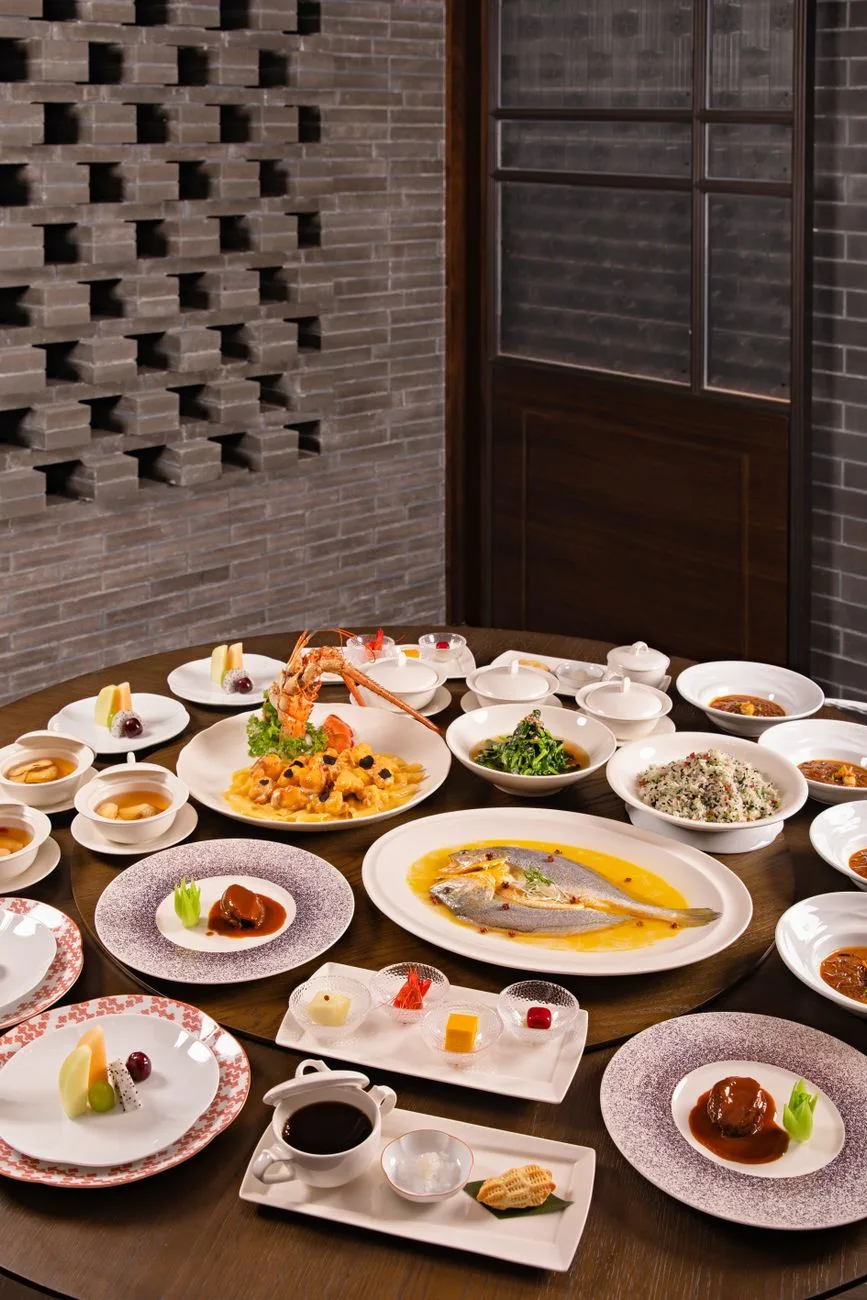
    The host usually decides where everyone sits, so wait to be shown to a chair instead of choosing one. At a round table the place facing the door, or the one furthest from it in some rooms, is the seat of honour and is offered to the eldest person or the senior guest. Guests of similar rank then alternate around the table. A lazy Susan in the middle makes every dish reachable; give it a gentle turn rather than spinning it past someone mid-reach. Serving others first is a small, noticed courtesy, especially topping up tea. When the host lifts chopsticks or says the meal has begun, start eating. Beginning early can suggest you were waiting for the food, not the company.

    Round dining table with a lazy Susan and place settings
    At a round table, the seat facing the door is usually reserved for the guest of honour. Change C.C | Pexels License (https://www.pexels.com/license/)

    Chopstick Rules

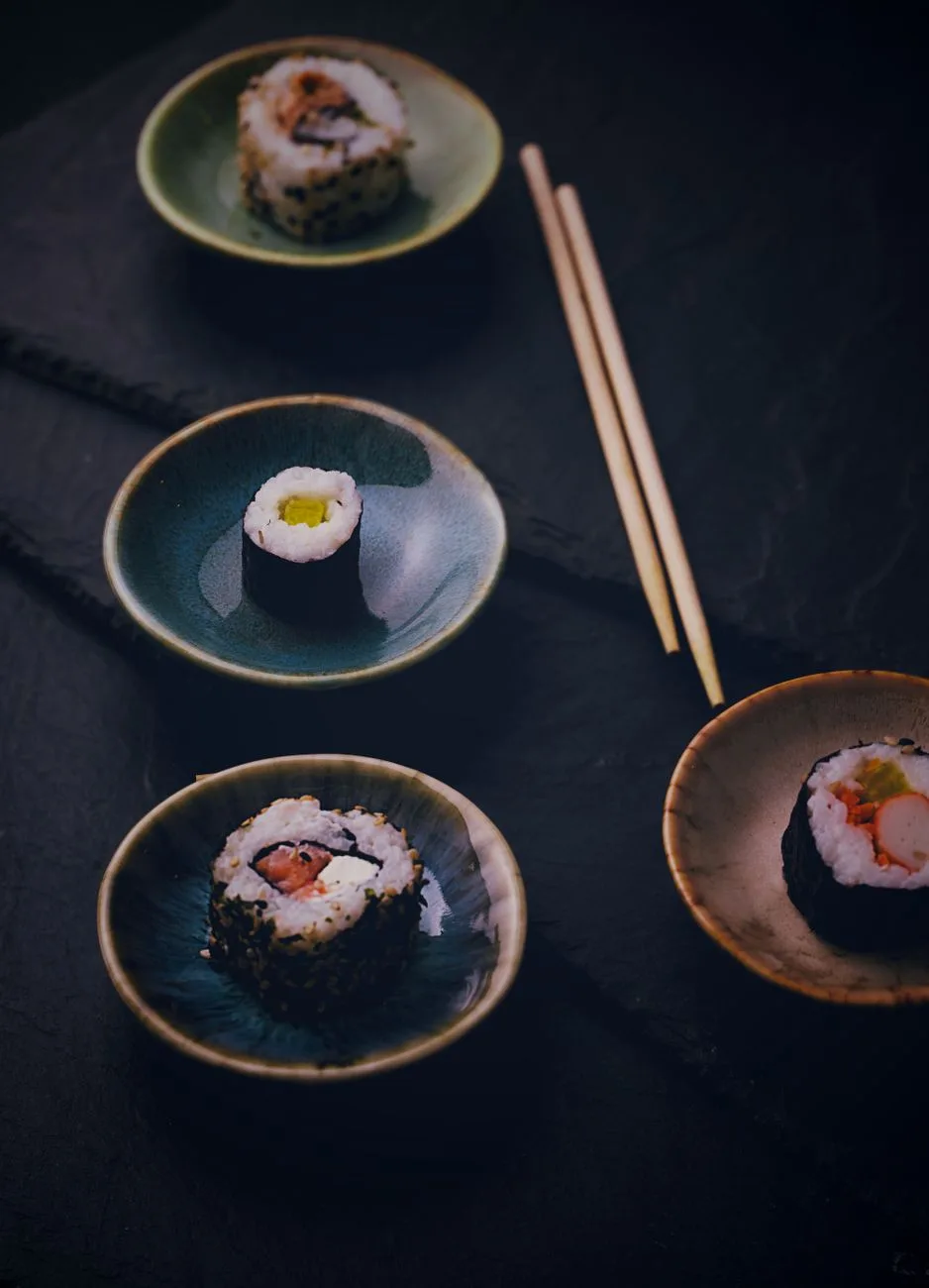
    Chopstick manners carry more weight than most table errors. Never stand a pair upright in a bowl of rice: the image resembles incense offered to the dead. Do not tap a bowl with chopsticks, point with them, spear food, or wave them while talking. Passing food from your chopsticks to someone else’s also echoes funeral rites, so set the piece on a shared plate instead. When you pause, lay the pair across your bowl or on a rest. It is acceptable to lift a small rice bowl toward your mouth, and slurping noodles is not rude. If you are unsure, watch the host. A guest who handles chopsticks carefully and takes modest portions will rarely cause offence, even if the finer points of the table are new.

    A pair of wooden chopsticks resting on a ceramic rest
    Chopsticks planted upright in rice resemble incense burned for the dead. Sylwester Ficek | Pexels License (https://www.pexels.com/license/)

    Toasts, Tea, and the Bill

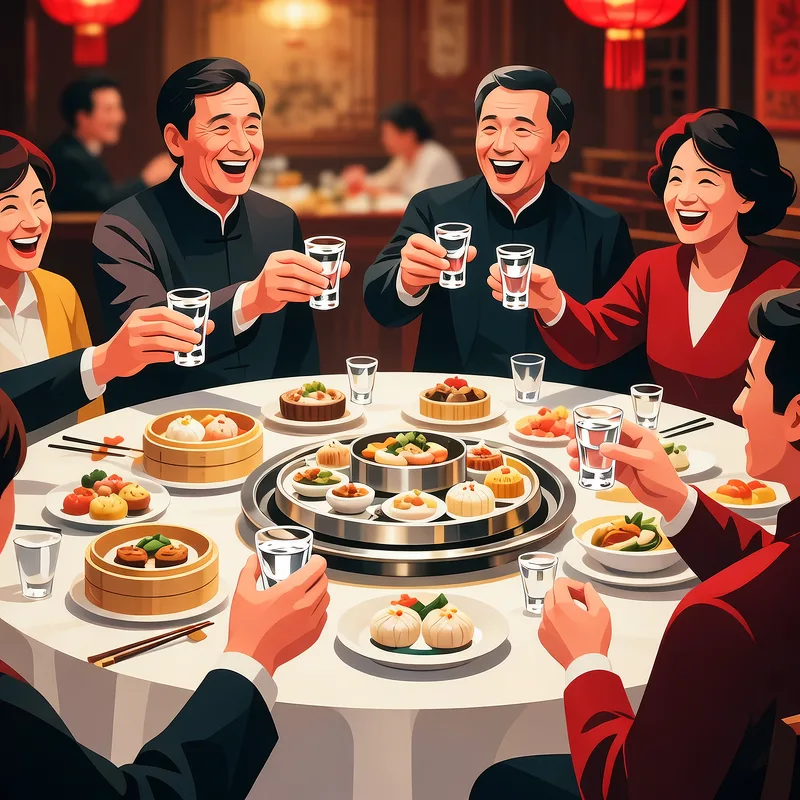
    Drinks are social glue. Beer and baijiu, a strong grain spirit, appear at many banquets alongside tea. When someone proposes a toast, stand, raise your glass with both hands if the person is senior, and touch rims slightly below theirs. Ganbei means dry the glass, but a small sip is acceptable if you do not drink; explain it early and stick to it. Never pour your own tea without offering the pot to neighbours first. Dishes are shared, but the host may serve a prized piece to a guest as a compliment. Leave a little food on your plate to signal that you are full, and do not scrape the last grains from a communal dish. The host normally pays; a brief offer to split the bill is enough.

    Diners raising small glasses of baijiu at a banquet
    A ganbei toast means dry the glass; sip if you prefer, but rise with the group. Иллюстрация, созданная с помощью ИИ · SinoViz

    Eating Out in Beijing

    Beijing’s dining rooms range from sidewalk dumpling shops to formal banquet halls, and the rules loosen as the setting becomes casual. In a neighbourhood restaurant, order for the table, share dishes, and expect a metal teapot and a stack of small bowls rather than individual plated courses. Payment usually happens at a counter; scan the QR code at the table to order or pay through Alipay or WeChat Pay, and ask for an English bill if needed. Tipping is not customary, though a round-up at a hotel restaurant is fine. Spicy dishes are common in some regional cuisines but not in classic Beijing cooking, where roast duck, noodles, and dumplings dominate. If a dish arrives whole, wait for the host to turn it or take the first portion.

    Watch the host, accept the toast, and leave a little on the plate.

    Источники и дополнительная литература

    1. Chinese Table Manners and Dining Etiquette — China Highlights.
    2. Chopsticks — Энциклопедия Британника.
    3. Chinese Culture: Food and Drink — Cultural Atlas, SBS.

    Посмотрите, как это выглядит на месте.

    Перейдите по этой ссылке в регион, к которому она относится.

    Исследуйте с помощью карты
    Продолжите обсуждение

    Просмотрите другие записи, имеющие теги.

    Просмотрите тег
  • Правила поведения в храме

    Путеводитель

    Правила поведения в храме

    Entering a Tibetan Buddhist sanctuary

    In a Tibetan Buddhist temple, the way you walk, look, and photograph is part of the practice, not just good manners.

    Раздел
    Путеводитель
    Область
    Xizang (Tibet)
    Эпоха
    На протяжении эпох
    Теги
    Customs, Scenic Sites

    On the plateau, a monastery is a working religious community as well as a historic building. Visitors to Lhasa’s Jokhang or the great monasteries around it enter a space where centuries of worship continue each day, and courtesy means making yourself unobtrusive.

    Before the Threshold

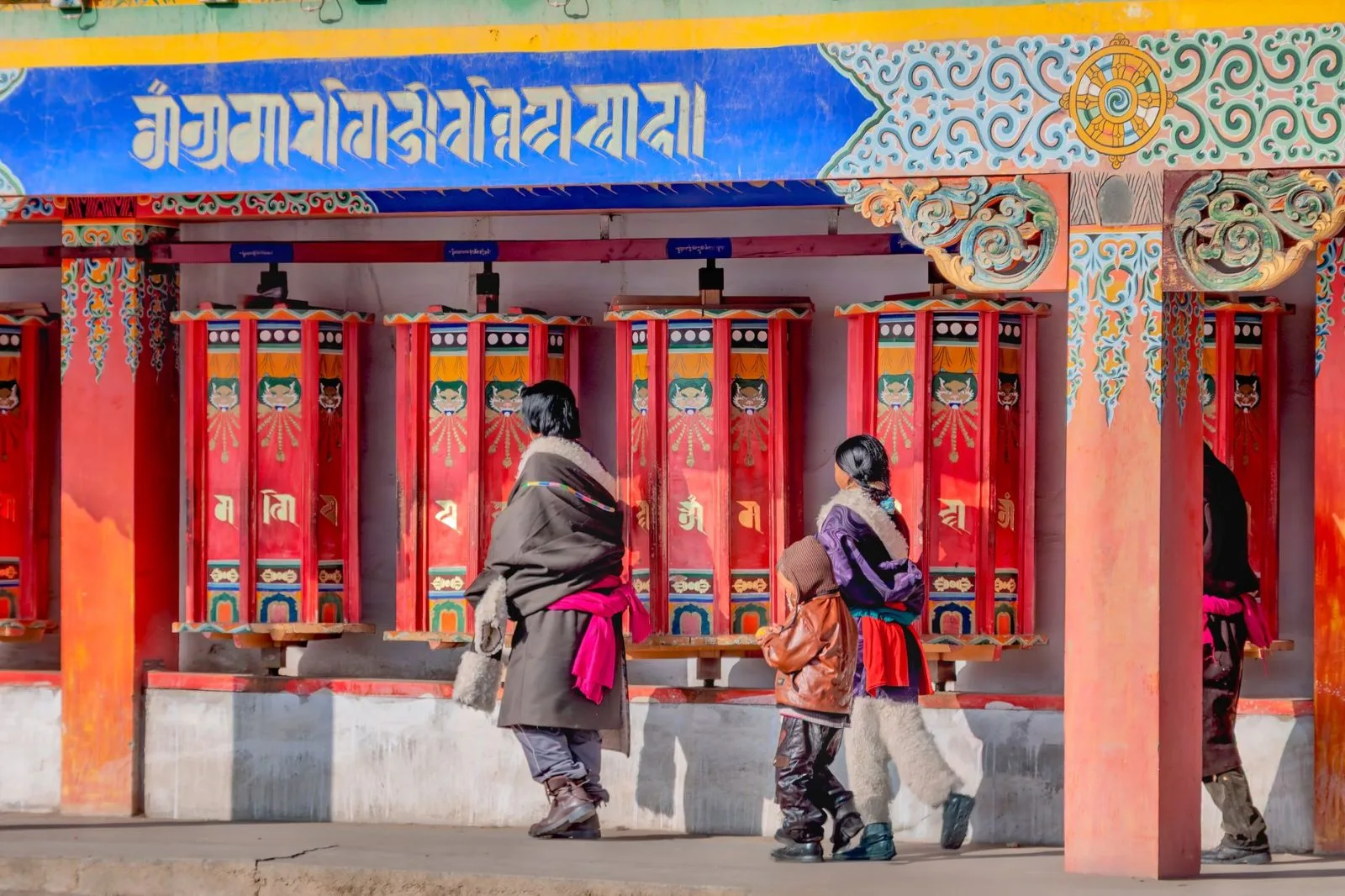
    Approach a temple calmly and dress with coverage: shoulders and knees covered, no shorts, and shoes removed before entering a prayer hall. Many monasteries ask visitors to leave hats and sunglasses outside as well. Walk clockwise around a stupa, a prayer-wheel corridor, or a temple courtyard, matching the direction of pilgrims who may be prostrating at every step. Do not step over a threshold or over a person’s outstretched hands; lift your feet and go around. Speaking softly is enough. A monk or nun may be in retreat, tea may be poured for the community, and a ceremony may be under way in a side chapel. If a door is ajar and people are chanting, wait rather than look in.

    Pilgrims walking clockwise around a temple courtyard in Tibet
    Circumambulation runs clockwise in Tibetan Buddhism; follow the crowd rather than cutting across. Man Fong Wong | Pexels License (https://www.pexels.com/license/)

    Inside the Prayer Hall

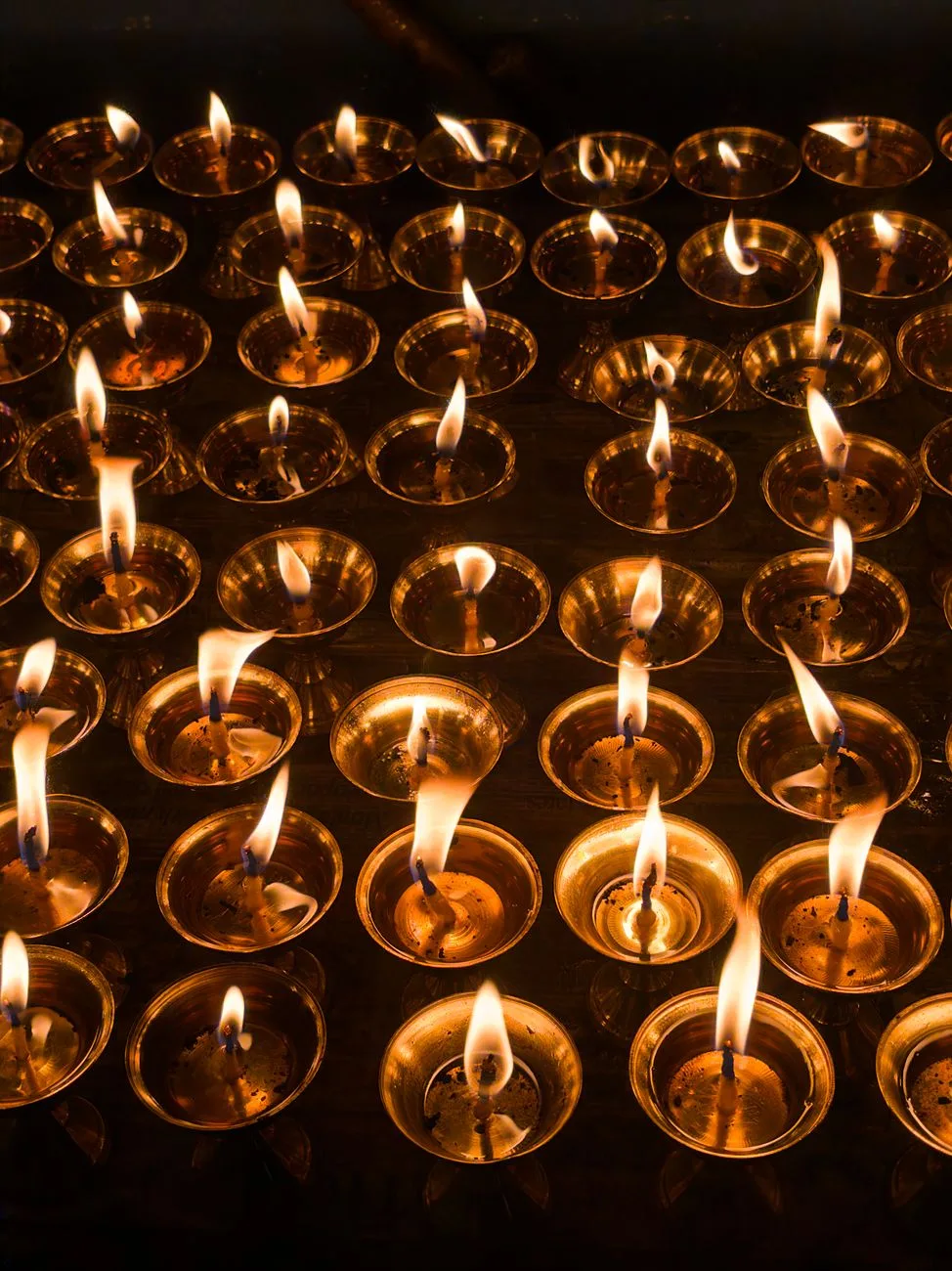
    Once inside, keep your hands to yourself. Statues, thangkas, and ritual objects are not props; touching them, pointing at them with one finger, or turning your back on an altar to pose for a photograph marks you as careless. Offerings are made with both hands: a khata scarf laid across the palms, a small amount of money, or the lighting of a butter lamp. If you do not wish to make an offering, simply stand aside and let others pass. Do not photograph inside halls unless a sign or a monk explicitly allows it; flash and camera clicks interrupt the room. When a pilgrim prostrates, give them room and never step over the mat. Photos of monks should be asked for, not assumed.

    Butter lamps glowing before a gilded statue in a Tibetan temple
    Butter lamps are offerings; keep a respectful distance from altars and statues. Sonam Phuntsok | Pexels License (https://www.pexels.com/license/)

    Festivals and Crowds

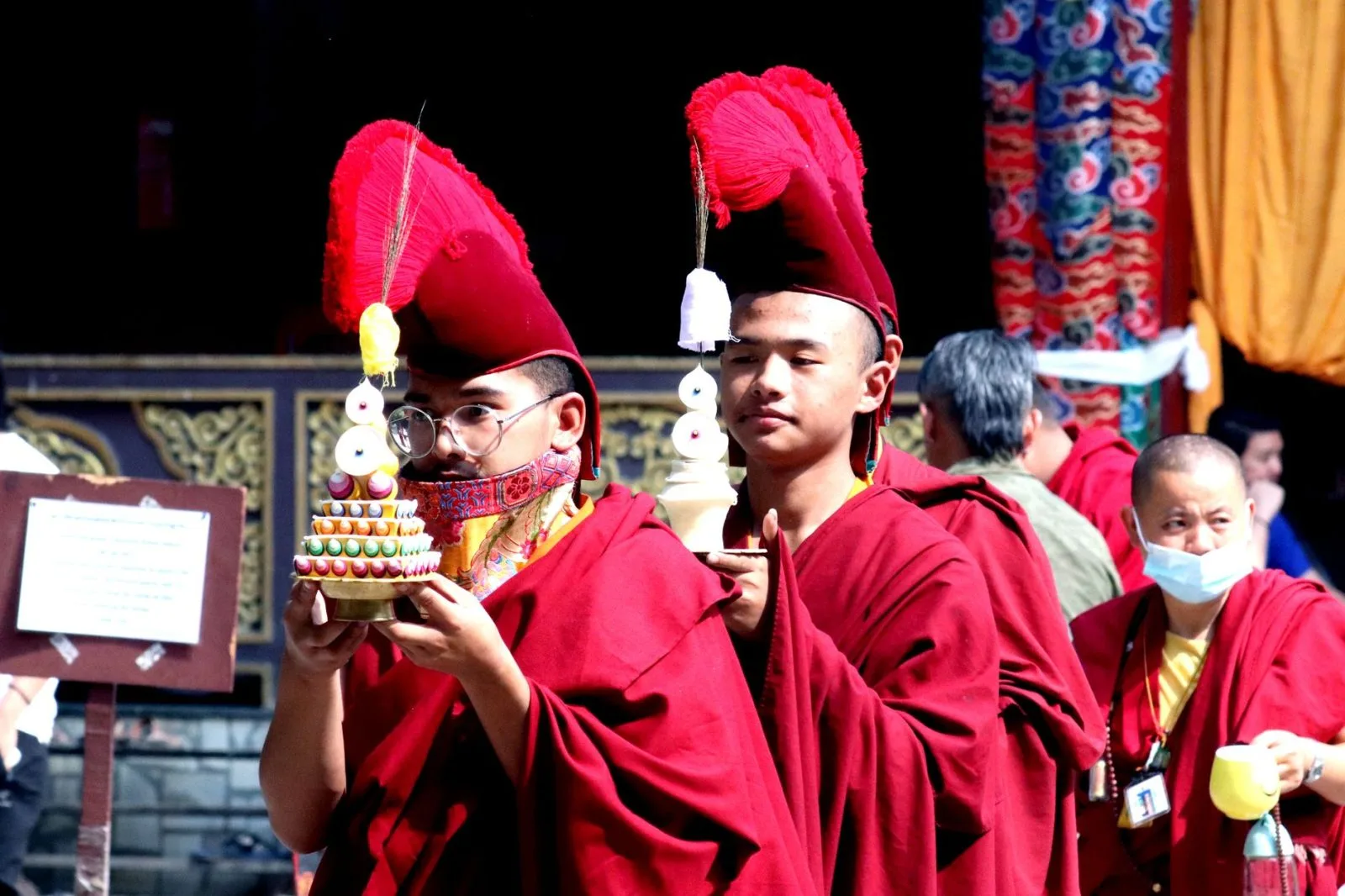
    Tibetan Buddhist festivals such as Losar, the New Year, or the Saga Dawa month bring thousands of worshippers to monasteries. Processions, masked cham dances, and the unfurling of a giant thangka at Drepung or Sera can draw crowds long before sunrise. Arrive early, carry water, and expect to stand for hours. Keep to the edges of the courtyard so that pilgrims moving toward the altar can pass. Queueing is not always formal; a loose line forms naturally at a doorway or a blessing, and pushing will be noticed. Photography restrictions usually tighten during ceremonies. A visitor who watches quietly, follows the direction of circumambulation, and accepts that part of the ritual will be unfamiliar will be welcomed more readily than one who demands explanations.

    Monks in maroon robes assembling for a temple ceremony
    During festivals, monastery courtyards fill before dawn; arrive early and keep to the edges. Karma Samten | Pexels License (https://www.pexels.com/license/)

    Practicalities on the Plateau

    Most monastery visits in the Xizang Autonomous Region begin in Lhasa, where permits and altitude shape the schedule as much as opening hours. The Jokhang, Potala Palace, and the great monasteries of Drepung and Sera sit at roughly 3,650 metres, so move slowly for the first day or two and drink water often. Many sites require advance reservation and a passport check at the gate; the Potala Palace limits daily visitors and issues timed tickets. Small notes are useful for offerings and entrance fees. Do not fly a drone near a monastery, and avoid loud phone calls on a rooftop or in a courtyard. Etiquette here is simple: move with the congregation, keep your hands off what is sacred, and let worship come first.

    Follow the direction of the pilgrims, and let the ritual come before the photograph.

    Источники и дополнительная литература

    1. Historic Ensemble of the Potala Palace, Lhasa — UNESCO World Heritage Centre.
    2. Tibetan Buddhism — Энциклопедия Британника.
    3. Tibet monastery etiquette — Tibet Travel.

    Посмотрите, как это выглядит на месте.

    Перейдите по этой ссылке в регион, к которому она относится.

    Исследуйте с помощью карты
    Продолжите обсуждение

    Просмотрите другие записи, имеющие теги.

    Просмотрите тег
  • Gift Giving

    Путеводитель

    Gift Giving

    Tokens, taboos, and the gift of face

    Gift giving in Beijing turns a private gesture into a readable social signal, where timing, wrapping, and refusal all carry meaning.

    Раздел
    Путеводитель
    Область
    Пекин
    Эпоха
    На протяжении эпох
    Теги
    Таможня

    A gift in China is rarely just an object. It is a small public statement about respect, hierarchy, and the relationship you hope to build, especially in a city like Beijing where formal courtesies still shape everyday encounters.

    The Grammar of Reciprocity

    Gift giving sits inside the older idea of guanxi, the network of reciprocal obligations that turns acquaintances into reliable contacts. A present acknowledges a relationship rather than creating one from nothing, and it is usually given at a defined moment: a first visit to a home, a business meeting after terms are settled, a wedding, a birth, or a return from travel. Beijing hosts often decline a generous offer two or three times before accepting, a ritual that lets both sides display modesty without really refusing. Visitors who treat the first no as final can break the rhythm. Reciprocity matters more than price; a forgotten gift is remembered longer than a cheap one.

    Choosing What to Bring

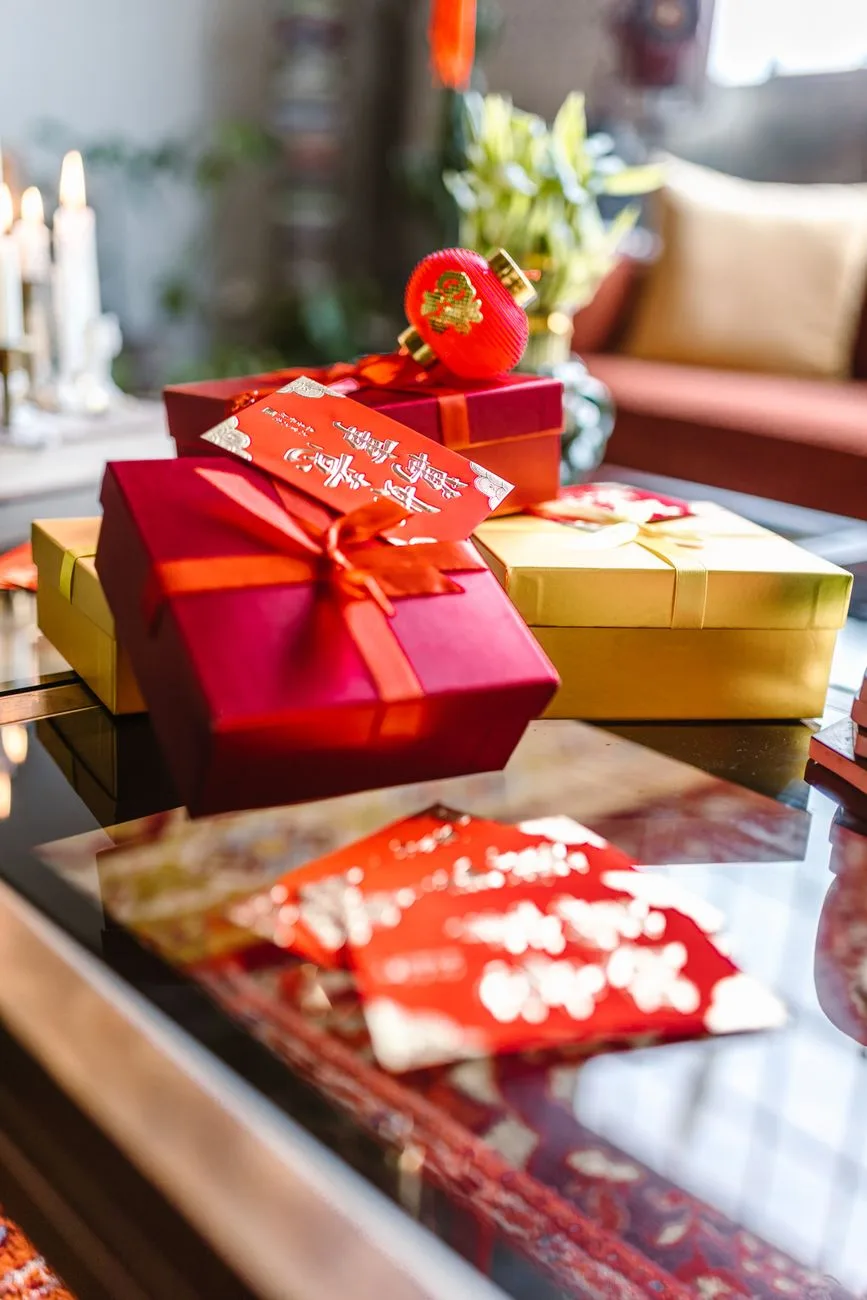
    Practical choices travel well. A tin of good tea, a basket of fruit, a bottle of liquor, or something distinctive from your home region all read as thoughtful without embarrassing the host. Colour does the heavy lifting: red and gold suggest luck and celebration, while white and black wrapping carry associations with mourning and are best avoided. Counts matter too. Even numbers are favoured at weddings and festivals, while the number four sounds like the word for death and is quietly sidestepped. Never give a clock, since the phrase for giving a clock echoes attending a funeral; pears, umbrellas, sharp objects, and white chrysanthemums carry similar unwanted meanings. When in doubt, a neatly wrapped food item with the price tag removed is safest.

    Red-wrapped gifts and tea boxes arranged on a table
    Red and gold wrapping signals celebration; the object inside is secondary to the gesture. RDNE Stock project | Pexels License (https://www.pexels.com/license/)

    The Moment of Giving

    Hand the gift over with both hands, or with the right hand supported at the left forearm if the package is small; a one-handed toss looks careless. Present it after the greeting and a few minutes of conversation rather than at the threshold, and describe it modestly as a small token or something you happened to bring. Do not press the recipient to open it immediately. In many Chinese settings gifts are set aside and opened later, which protects everyone from visible reactions. When you receive a gift, accept with both hands, say thank you, and put it somewhere respectful rather than dropping it beside your chair. A brief note or a later message acknowledging the gesture is appreciated.

    Two hands offering a wrapped package across a table
    Offer and receive with both hands; polite refusal is part of the exchange. Antoni Shkraba | Pexels License (https://www.pexels.com/license/)

    Money, Red Envelopes, and Business

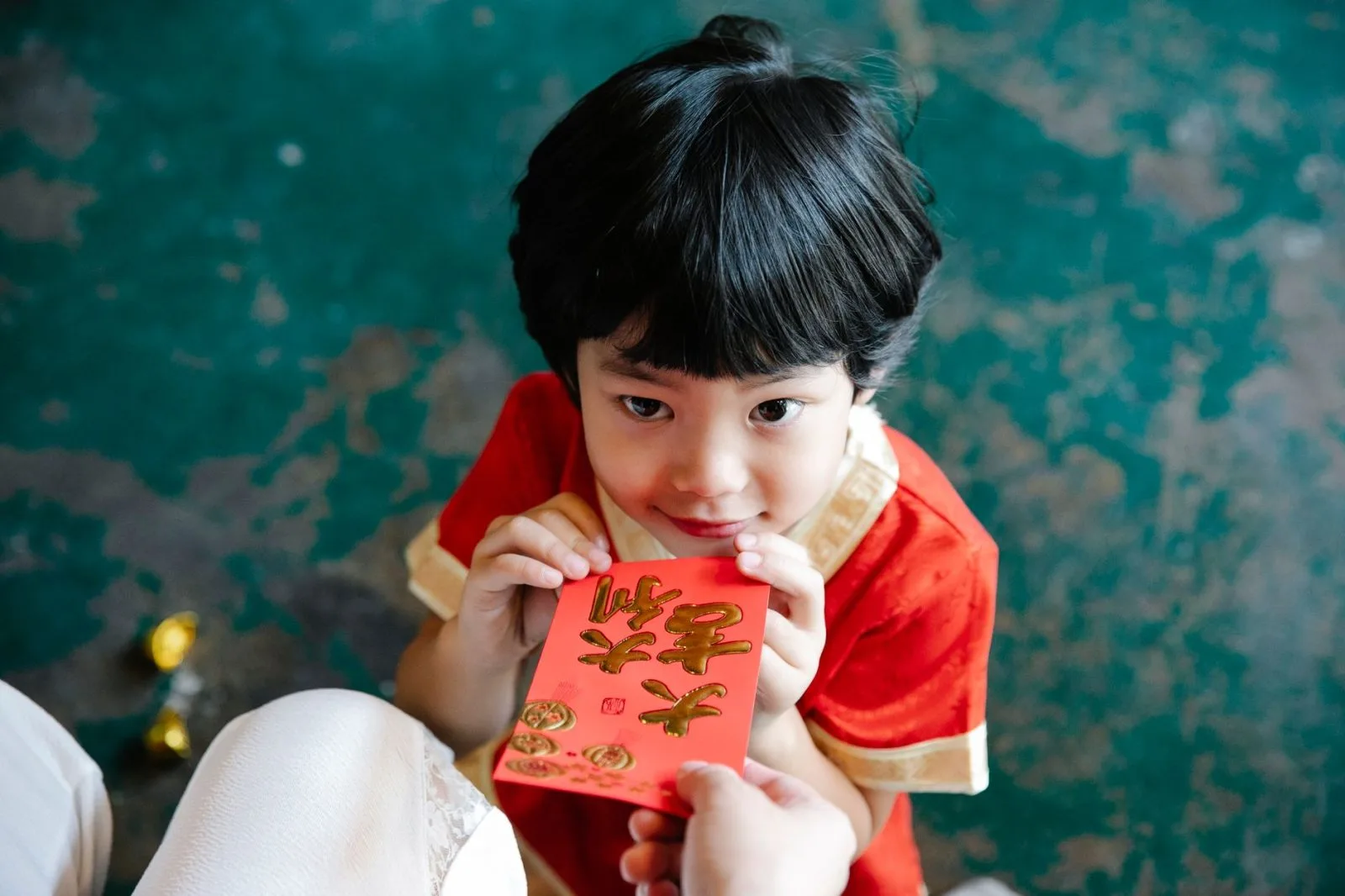
    Cash has its own rules. Hongbao, red paper envelopes with gold lettering, are given at weddings, births, and Lunar New Year; the amount should end in an even digit, and notes should be crisp. At a wedding the envelope is usually dropped in a reception basket, while at New Year it may be pressed into a child’s hand or sent through a phone app. In business settings, keep gifts modest and symbolic. Expensive items can look like an attempt to buy a decision and may be refused on principle or by rule. A company logo item, a book, or a regional speciality from your own city signals the relationship without creating a debt. Check the host organisation’s policy before offering anything of value.

    A red envelope with gold characters held between fingers
    Hongbao are given with both hands at weddings, birthdays, and New Year. Анджела Рома | Лицензия Pexels (https://www.pexels.com/license/)
    Give with both hands, mention modesty, and let the recipient decide when to open it.

    Источники и дополнительная литература

    1. Chinese Culture: Customs and Etiquette — Cultural Atlas, SBS.
    2. Chinese Gift Giving Etiquette — China Highlights.
    3. China Business Customs — U.S. Department of Commerce.

    Посмотрите, как это выглядит на месте.

    Перейдите по этой ссылке в регион, к которому она относится.

    Исследуйте с помощью карты
    Продолжите обсуждение

    Просмотрите другие записи, имеющие теги.

    Просмотрите тег
  • Фарфор

    Жизнь и фольклор

    Фарфор

    Clay, fire, and the white of Dehua

    Fujian’s kilns turned local clay into porcelain that travelled across the sea and changed how the world pictured China.

    Раздел
    Жизнь и фольклор
    Область
    Фуцзянь
    Эпоха
    На протяжении эпох
    Теги
    Customs, History, Scenic Sites

    Porcelain is defined by its body and its firing: a pale, fine clay heated to temperatures that vitrify the material and make it ring when struck. Fujian’s Dehua kilns made a version so white it seemed translucent, known in Europe as blanc de Chine.

    What Makes Porcelain

    Porcelain differs from ordinary pottery in both material and firing. Potters use kaolin, a white clay, mixed with feldspar and quartz, then fire the shaped vessel at roughly 1,200 to 1,400 degrees Celsius. At that temperature the body vitrifies: it becomes dense, non-porous, and slightly translucent at the edges. A glassy glaze is usually applied before firing, bonding to the body rather than sitting on it as a separate layer. Chinese potters had reached this threshold by the Tang and Song periods, and Jingdezhen in Jiangxi became the great production centre. The English word china stuck to the ware because the country was the source of the finest examples. A light tap on a good cup gives a clear ring, a quick test that still works in a shop.

    A porcelain bowl with a pale glaze photographed against light
    True porcelain is fired hot enough to vitrify the body, giving it a hard, resonant wall. lee c | Pexels License (https://www.pexels.com/license/)

    Dehua White

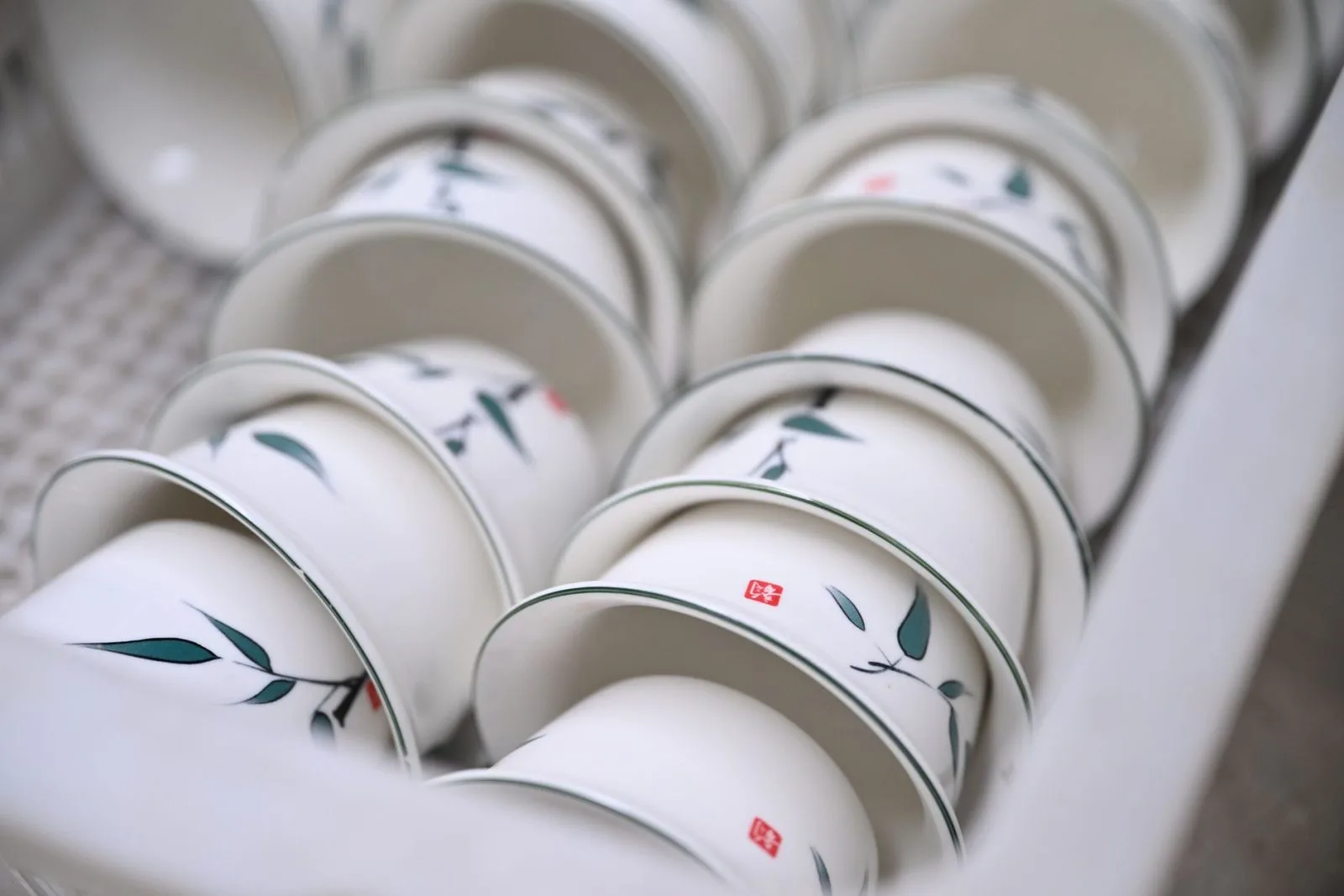
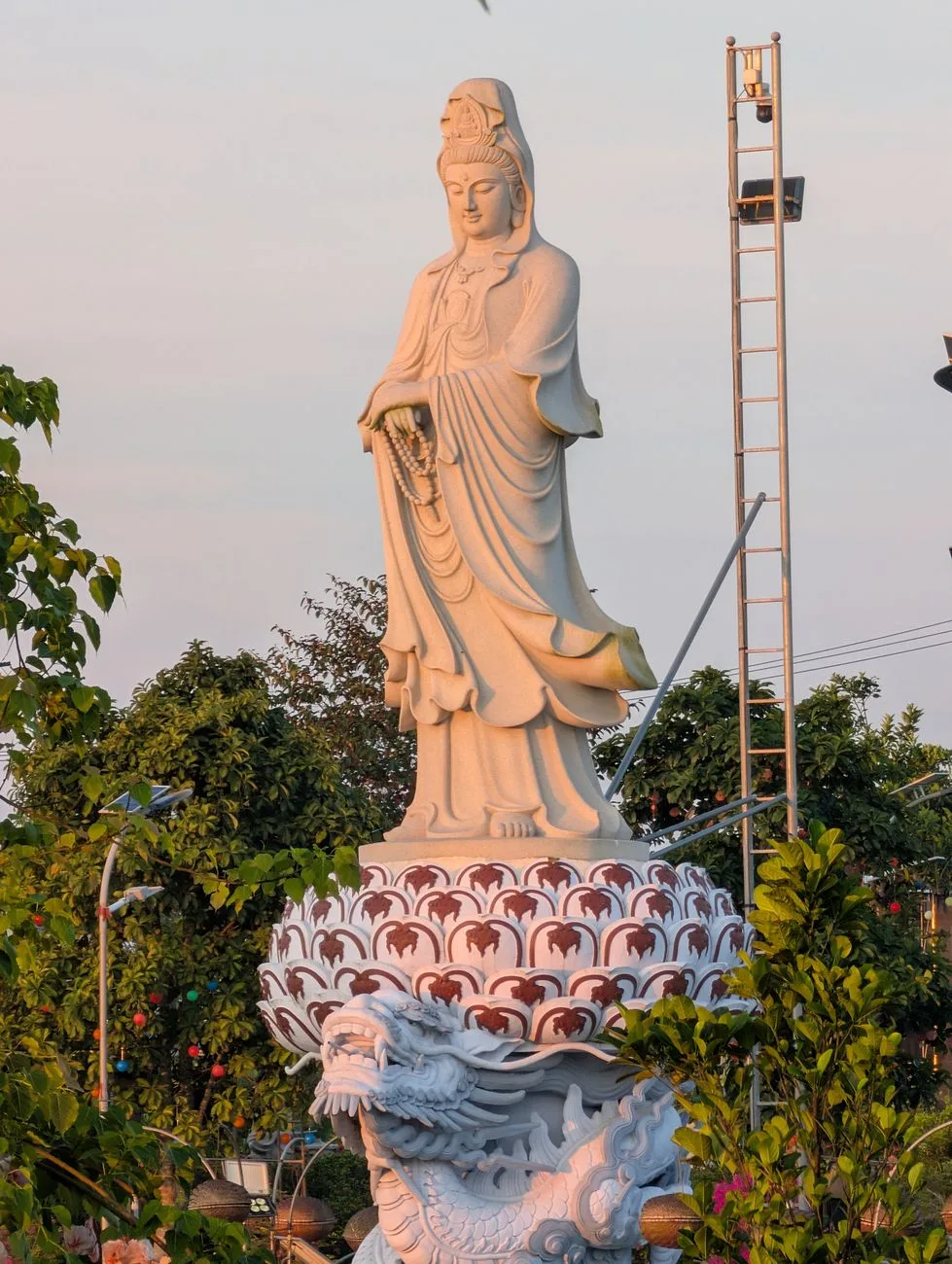
    Dehua, a county in Fujian’s Quanzhou prefecture, developed a white porcelain with a warm, creamy tone. Its clay is low in iron, which lets the glaze fire almost colourless, and its potters mastered figures as well as vessels. From the Ming dynasty onward, Dehua workshops produced small statues of Guanyin, the bodhisattva of compassion, with soft modelling and a smooth, almost waxy surface. European traders called the ware blanc de Chine, and by the seventeenth century it was collected in royal cabinets and copied by potters in Meissen and elsewhere. Tea wares also left the kilns: small cups, gaiwan lids and bowls, and white vessels that showed the colour of tea clearly. Local museums trace the kiln sequence from Song-period celadons through the white wares that made Dehua famous.

    A milky white porcelain figurine of Guanyin from Dehua
    Dehua’s porcelain figures of Guanyin became known in Europe as blanc de Chine. Quý Hoàng | Pexels License (https://www.pexels.com/license/)

    A Port for Porcelain

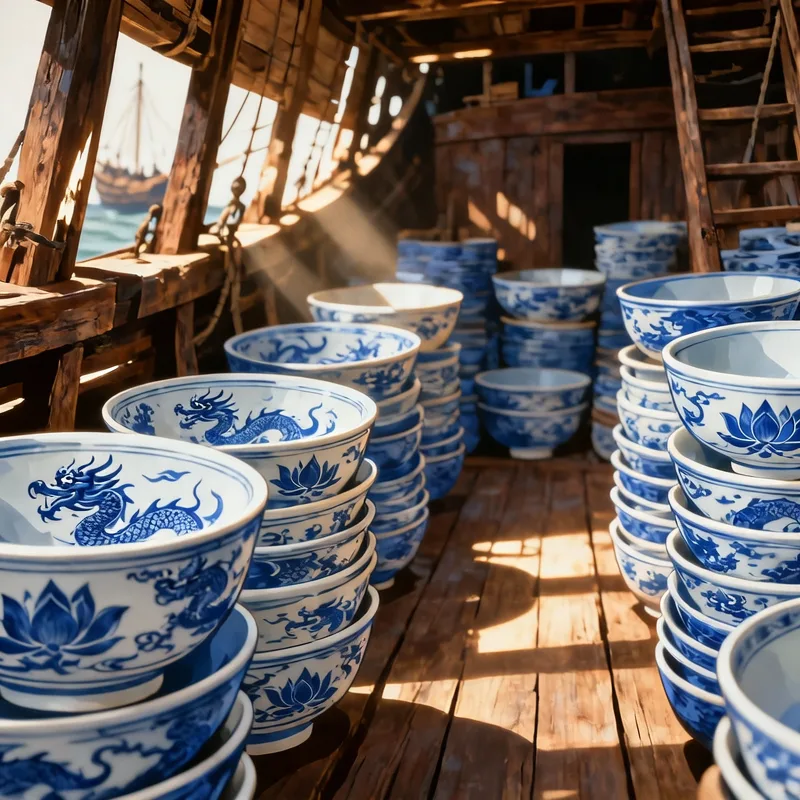
    Porcelain shaped trade as much as taste. Fujian’s coast faced the South China Sea, and Quanzhou became one of the busiest ports of the Song and Yuan dynasties, a place where merchants, monks, and ship crews exchanged goods and techniques. Archaeologists have recovered Chinese ceramics from ports and shipwrecks across Southeast Asia, the Indian Ocean, and East Africa; the fragments are dated by glaze and shape, making them a record of demand as well as production. UNESCO listed Quanzhou in 2021 as an emporium of the world in Song-Yuan China, with surviving mosques and temples. The export ware was not always the finest court piece. Sturdy bowls and jars packed in straw travelled in bulk, reaching households that never saw the kiln but knew the clay by its colour.

    Blue-and-white porcelain packed as cargo in a ship’s hold
    Quanzhou was a major Song and Yuan port from which Fujian ceramics were shipped abroad. Иллюстрация, созданная с помощью ИИ · SinoViz

    Using and Collecting

    Porcelain entered daily ritual as well as trade. A gaiwan, a bowl with a lid and saucer, is used for brewing tea in northern China; the lid controls the leaves and the saucer protects the fingers. White Dehua cups make the colour of a tea liquor easy to judge. Collectors look for a clean foot ring, an even glaze, and a mark painted on the base, though many imitations copy famous reign marks. Visit a kiln museum in Dehua or a ceramic gallery in Quanzhou to see the sequence from raw clay to finished piece. Handling a cup with a saucer and a steady hand is still the simplest way to understand why this material travelled so far.

    A clear ring and a translucent edge tell you what the fire has done.

    Источники и дополнительная литература

    1. Chinese Porcelain — The Metropolitan Museum of Art.
    2. Quanzhou: Emporium of the World in Song-Yuan China — UNESCO World Heritage Centre.
    3. Blanc de Chine — Энциклопедия Британника.

    Посмотрите, как это выглядит на месте.

    Перейдите по этой ссылке в регион, к которому она относится.

    Исследуйте с помощью карты
    Продолжите обсуждение

    Просмотрите другие записи, имеющие теги.

    Просмотрите тег
  • Calligraphy

    Жизнь и фольклор

    Calligraphy

    The brush as a record of the hand

    Chinese calligraphy turns writing into an art of pressure, rhythm, and restraint.

    Раздел
    Жизнь и фольклор
    Область
    Шэньси
    Эпоха
    На протяжении эпох
    Теги
    Customs, History

    A line of Chinese calligraphy is made once: the brush touches paper, and the mark cannot be corrected. That irreversibility is part of its appeal. In Xi’an, the city’s stone steles preserve the work of centuries of calligraphers in a form anyone can still read.

    The Four Treasures

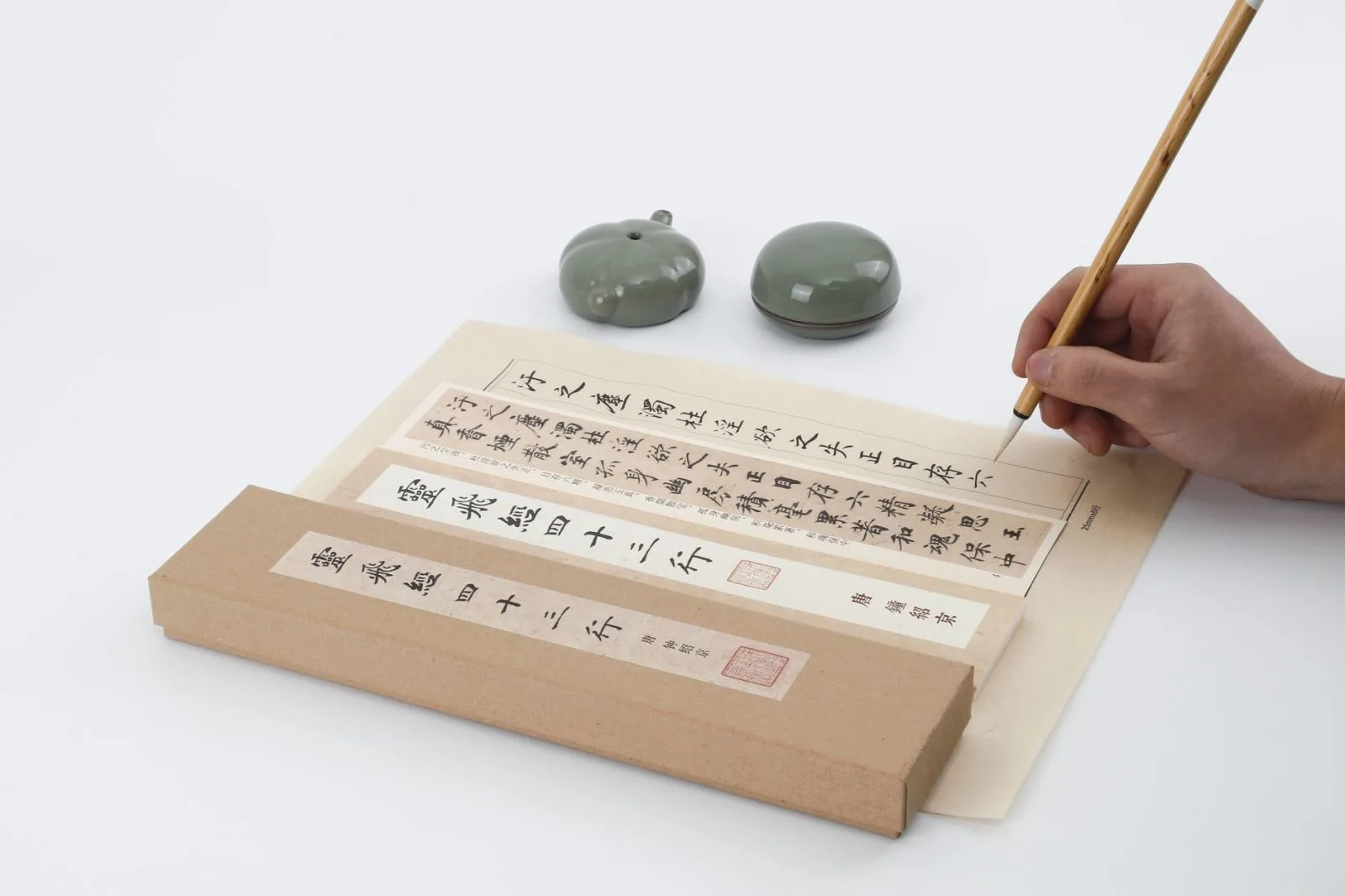
    The tools are known as the Four Treasures of the Study: brush, ink, paper, and inkstone. A brush of animal hair is held upright between thumb and fingers, and pressure makes the stroke swell and thin. Ink comes as a solid stick ground with water on a stone; the density of the mixture changes the character of the line. Paper is absorbent, so hesitation shows as a blot. Practice begins with the basic strokes, then with copying a model character hundreds of times until the hand remembers its proportions. Students still learn by tracing the regular script of Tang dynasty masters such as Yan Zhenqing and Ouyang Xun. The aim is not decorative flourish but control: a steady wrist, an even rhythm, and a line that holds its centre.

    Calligrapher’s brush, ink stick, paper, and inkstone laid on a desk
    Brush, ink, paper, and inkstone are the traditional Four Treasures of the Study. Feng Zou | Pexels License (https://www.pexels.com/license/)

    Scripts and Masters

    Chinese writing moved through several scripts, and calligraphers kept them all alive as styles. Seal script, with even, rounded lines, comes from the inscriptions on bronze and stone of the Zhou and Qin periods. Clerical script, formalised in the Han dynasty, flattened characters with a distinctive flared stroke. Regular script, settled by the Tang, is the model still taught in schools; each part of a character sits in a clear frame. Running script links strokes without losing legibility, while cursive script reduces them to rapid, connected gestures. Wang Xizhi’s Lantingji Xu, written in 353, is the famous example of running script; the original is lost, but copies carry its reputation. Later Song and Yuan artists, including Su Shi and Zhao Mengfu, made personal expression as important as correct form.

    Close view of flowing cursive calligraphy on a hanging scroll
    Cursive script compresses characters into gestures that reward slow reading. Feng Zou | Pexels License (https://www.pexels.com/license/)

    Stone Records in Xi’an

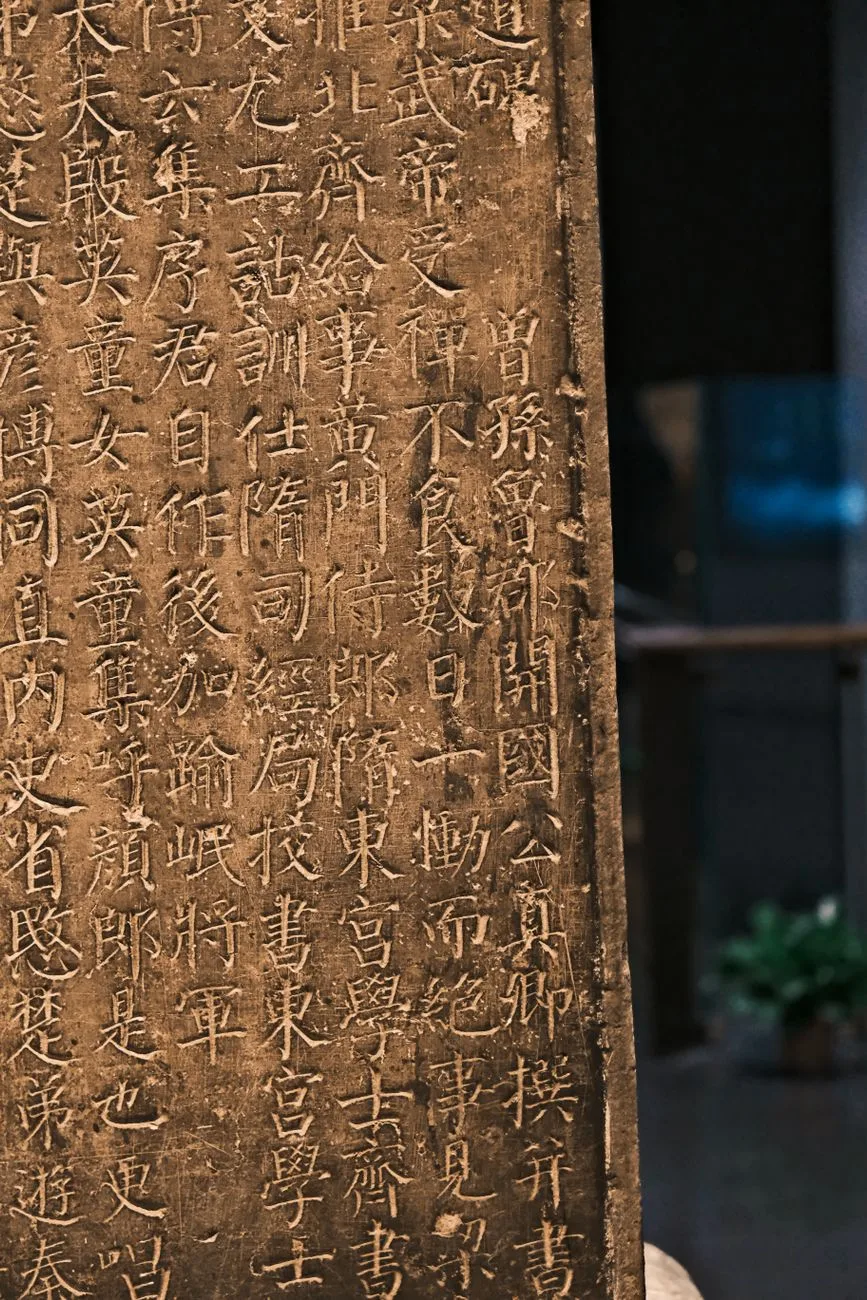
    Xi’an, the former Chang’an, preserves calligraphy on stone at the Beilin Museum, the Forest of Stone Steles. The collection began in 1087, when the Confucian classics were carved onto more than a hundred steles and installed beside the city’s Confucius Temple. Centuries of additions followed: tombstones, imperial edicts, Buddhist texts, and poems cut in several scripts. Rubbing a stele with damp paper and ink was the traditional way to study and circulate a model, and museums still demonstrate the technique. One slab records a Tang emperor’s visit to a Nestorian Christian church; another carries a Song dynasty city diagram. Walking the covered galleries, you can compare the same character written in seal, clerical, and regular forms across a thousand years.

    Rows of carved stone steles at the Beilin Museum in Xi’an
    The Beilin Museum holds thousands of steles, including Confucian classics cut into stone. Lily Lili | Pexels License (https://www.pexels.com/license/)

    Living Practice

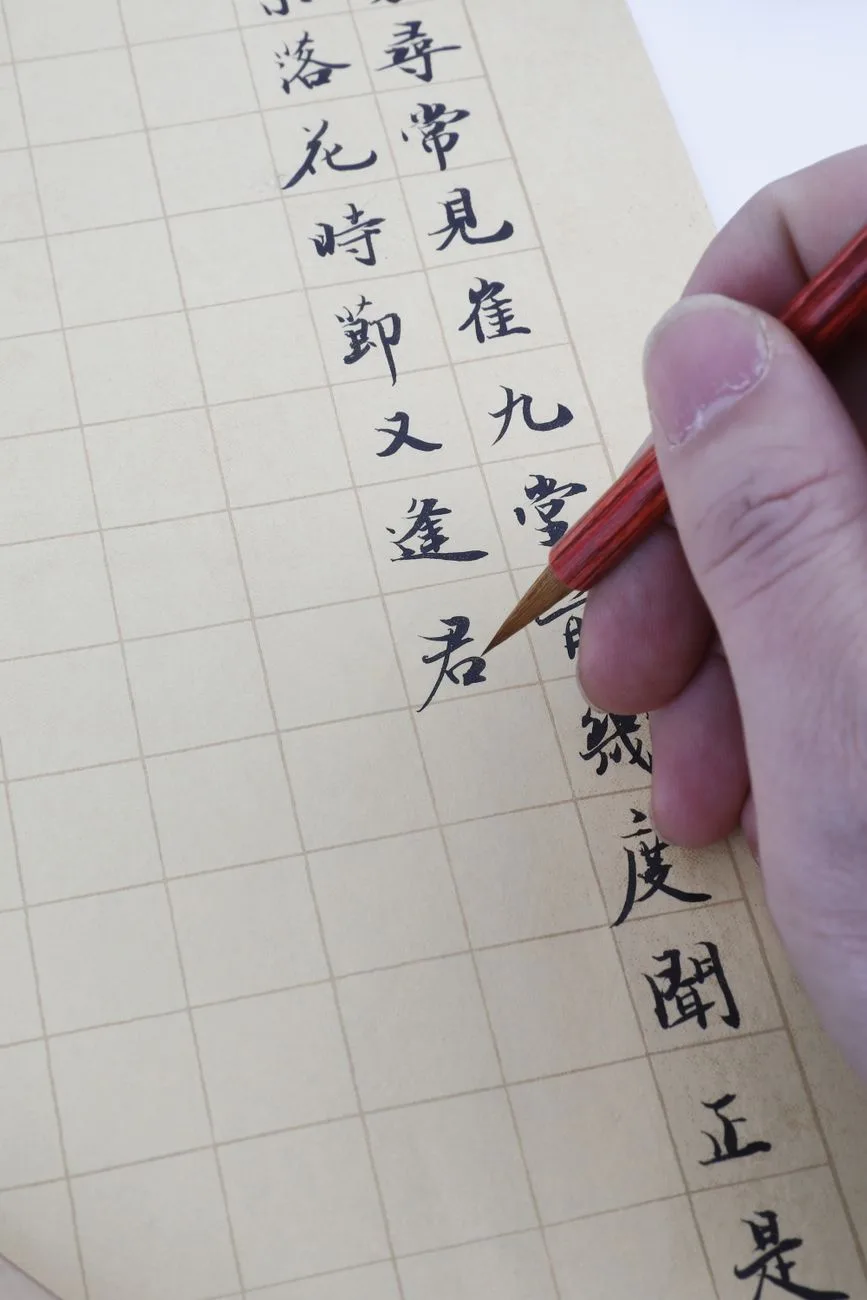
    Calligraphy remains a daily practice rather than a museum relic. Around Spring Festival, shops sell red paper couplets, and a single character for good fortune is pasted on doors, sometimes upside down to suggest that fortune has arrived. Temple names, shop signs, and station plaques are often lettered by accomplished hands. Schoolchildren practise copying characters in grid books, and older residents gather in parks to write with large water brushes on the pavement, where the characters dry in minutes. Workshops in Xi’an let visitors try a brush and learn how a stroke begins with a pause and ends with a lift. You need not read every character to see the differences: one script sits square and calm, the next leans and races.

    A stroke begins with a pause and ends with a lift; the paper keeps the record.

    Источники и дополнительная литература

    1. Chinese calligraphy — Энциклопедия Британника.
    2. Chinese Calligraphy — The Metropolitan Museum of Art.
    3. Beilin Museum, Xi’an — China Highlights.

    Посмотрите, как это выглядит на месте.

    Перейдите по этой ссылке в регион, к которому она относится.

    Исследуйте с помощью карты
    Продолжите обсуждение

    Просмотрите другие записи, имеющие теги.

    Просмотрите тег
  • Qingming

    Жизнь и фольклор

    Qingming

    Sweeping tombs, welcoming spring

    Qingming pairs the remembrance of ancestors with the first serious outings of spring.

    Раздел
    Жизнь и фольклор
    Область
    Чжэцзян
    Эпоха
    На протяжении эпох
    Теги
    Customs, Geography

    Qingming arrives around 4 or 5 April, when the sun reaches fifteen degrees of the spring equinox on the traditional solar-term calendar. Its two halves belong together: cleaning a family grave, then walking out into the greening countryside.

    A Solar Term and a Day of Remembrance

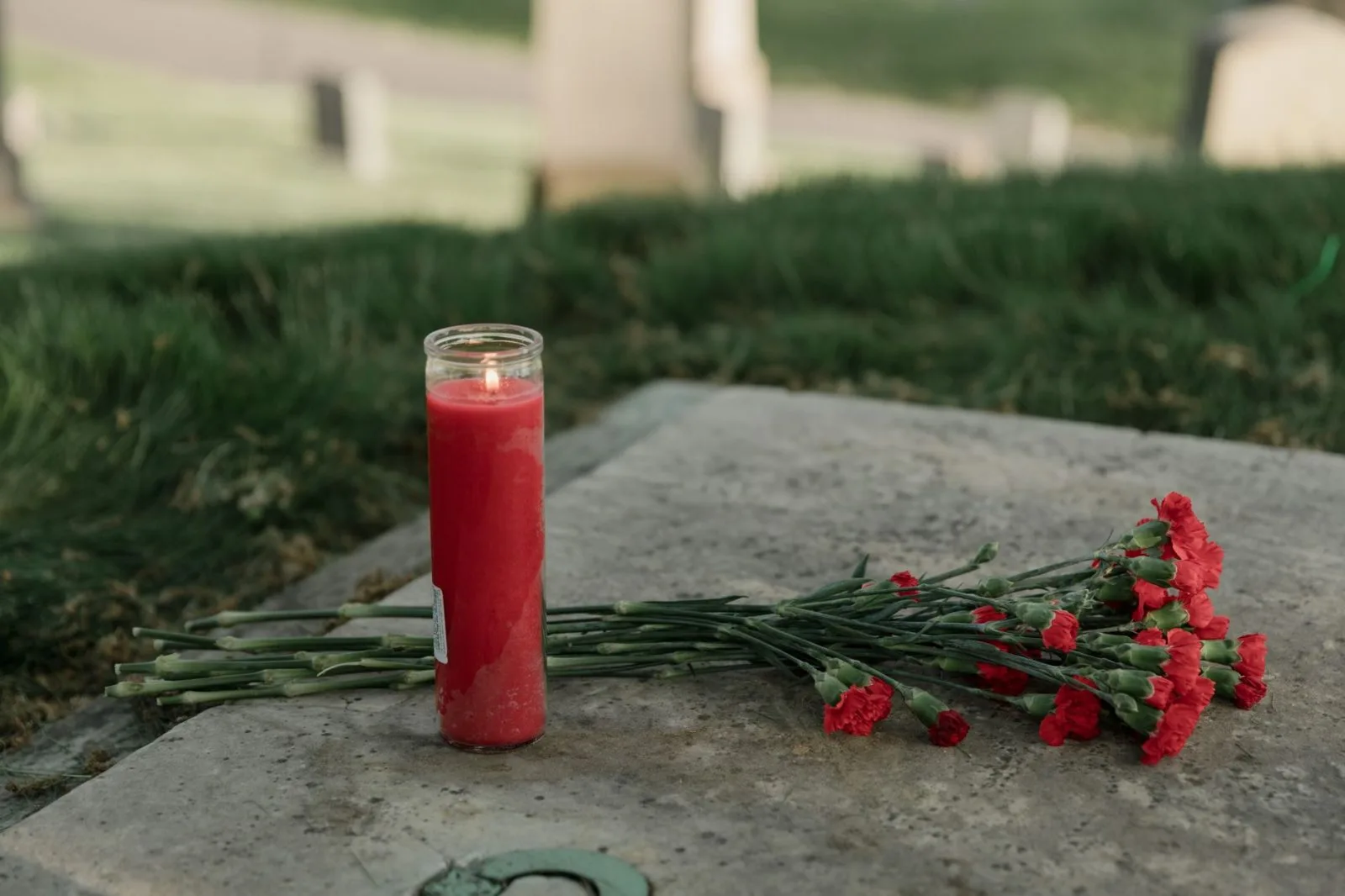
    Qingming means clear and bright, a name drawn from the twenty-four solar terms, the calendar that divides the year by the sun’s position. The term falls around 4 or 5 April, when temperatures rise and rain becomes frequent in the lower Yangtze. Families visit ancestral graves to sweep away leaves and weeds, repaint inscriptions, and lay out food, tea, and paper money. Offerings are followed by bows or a few words addressed to the dead. Paper money may be burned in a designated container, depending on local rules. The act is not a celebration of death but a maintenance of family continuity: the dead remain part of the household’s obligations. In Zhejiang, hillside graves make the visit a walk as much as a ritual.

    A family tending a grave with flowers on a hillside in spring
    Tomb sweeping means cleaning the grave, making offerings, and bowing before ancestors. RDNE Stock project | Pexels License (https://www.pexels.com/license/)

    The Cold Food Connection

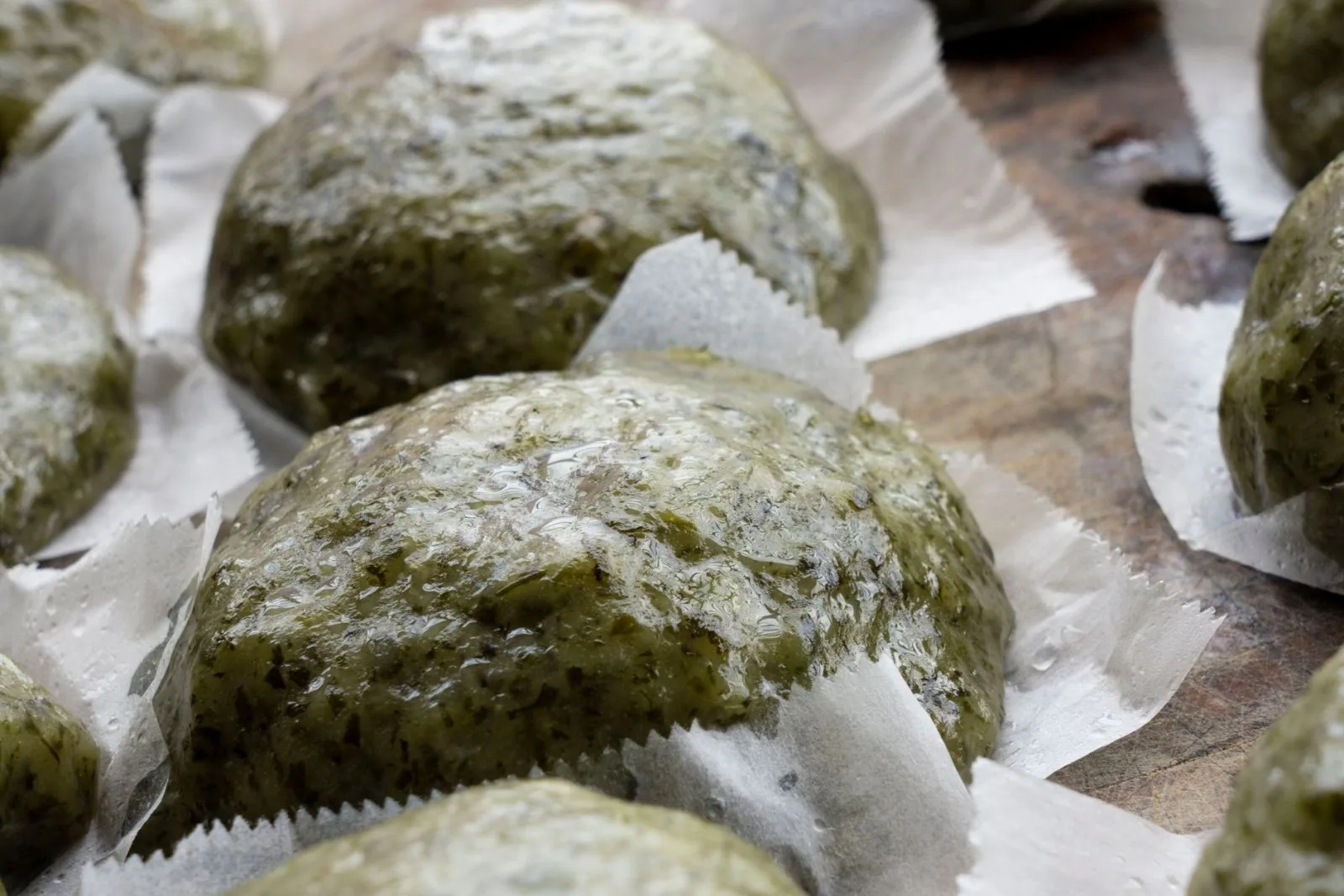
    Earlier custom linked this season with the Cold Food Festival, when fires were forbidden and families ate food prepared in advance. One traditional explanation connects the practice to Jie Zitui, a loyal follower of a Spring and Autumn duke who died in a forest fire; later historians treat the story as one among several local traditions rather than a single origin. In practice, the cold-food element has faded, but special foods remain. In Zhejiang and neighbouring Jiangnan, people eat qingtuan, soft green dumplings made with glutinous rice and mugwort juice, often filled with sweet red bean paste. Their colour comes from the first spring growth, and they are sold in markets for only a short season. Eating one links the memory of the dead to the first green.

    Qingming dumplings and cold food arranged on a table
    Qingming foods in Zhejiang include qingtuan, green rice cakes flavoured with mugwort. Jimmy Liao | Pexels License (https://www.pexels.com/license/)

    Spring Outings in Zhejiang

    The second half of Qingming is an outing, known as taqing, when families walk in parks, visit temples, or climb hills. Willow branches were once tucked into hair or hung at doors. In Zhejiang, the festival coincides with the first tea harvest around Hangzhou. Longjing, the tea from the hills near West Lake, is at its most valued when picked before Qingming; the tender buds of pre-Qingming pickings command higher prices. Visitors can see pickers between rows, and lakeside tea houses serve the new leaves. Qingming became a public holiday in 2008, giving the outing a practical boost. Combined with tomb sweeping, the day makes an unusual pair: a visit to the ancestors in the morning, a walk among new leaves in the afternoon.

    Tea pickers gathering early spring leaves in Zhejiang hills
    Pre-Qingming tea from Zhejiang’s hills is prized for its tender leaves. Quang Nguyen Vinh | Pexels License (https://www.pexels.com/license/)

    Poetry and Practice Today

    Qingming has a fixed place in Chinese literature. The Tang poet Du Mu wrote of drizzling rain on the Mourning Day and a traveller asking where wine could be bought, a poem that schoolchildren still memorise. The lines capture the day’s two moods: rain and sorrow, and the impulse to go out despite them. For a visitor, the details matter. Cemeteries can be crowded, so go early and keep to marked paths. Bring water and wear shoes suitable for muddy slopes. In Hangzhou, traffic around West Lake builds by mid-morning, and the metro is simpler than a taxi. Tea villages welcome visitors, but a field is a working crop, not a garden; wait for an invitation before touching the leaves. Respect anyone burning offerings, and never photograph a grave close-up.

    In the morning the family tends the grave; in the afternoon it walks among new leaves.

    Источники и дополнительная литература

    1. The Twenty-Four Solar Terms — Нематериальное культурное наследие ЮНЕСКО.
    2. West Lake Cultural Landscape of Hangzhou — UNESCO World Heritage Centre.
    3. Qingming Festival — China Highlights.

    Посмотрите, как это выглядит на месте.

    Перейдите по этой ссылке в регион, к которому она относится.

    Исследуйте с помощью карты

    Продолжите обсуждение

    Просмотрите другие записи, имеющие теги.

    Просмотрите тег
  • Фестиваль лодок-драконов

    Жизнь и фольклор

    Фестиваль лодок-драконов

    Racing, rice dumplings, and the fifth moon

    The Dragon Boat Festival joins boat races, sticky rice parcels, and a story of loyalty to a poet.

    Раздел
    Жизнь и фольклор
    Область
    Гуандун
    Эпоха
    На протяжении эпох
    Теги
    Таможня, еда

    Duanwu falls on the fifth day of the fifth lunar month, when the heat of early summer arrives in Guangdong. The holiday is best known for dragon boat racing and zongzi, but its smaller customs reveal as much about how the day is understood.

    Qu Yuan and the River

    The festival is commonly linked to Qu Yuan, a poet and minister of the state of Chu who died in 278 BCE after his advice was rejected and his state fell. Legend says that fishermen raced out in boats to find his body and threw bundles of rice into the river to keep fish from eating it. Historians note that the custom of racing boats and the fifth-month observance existed before this story attached to it; the legend explains a practice rather than creating it. Either way, the pairing of boat and rice dumpling gives the holiday its two enduring symbols. In school lessons and public ceremonies, Qu Yuan is presented as a figure of loyalty and moral independence, a poet whose writing still reads as political dissent.

    A dragon boat with a carved head and paddlers in formation
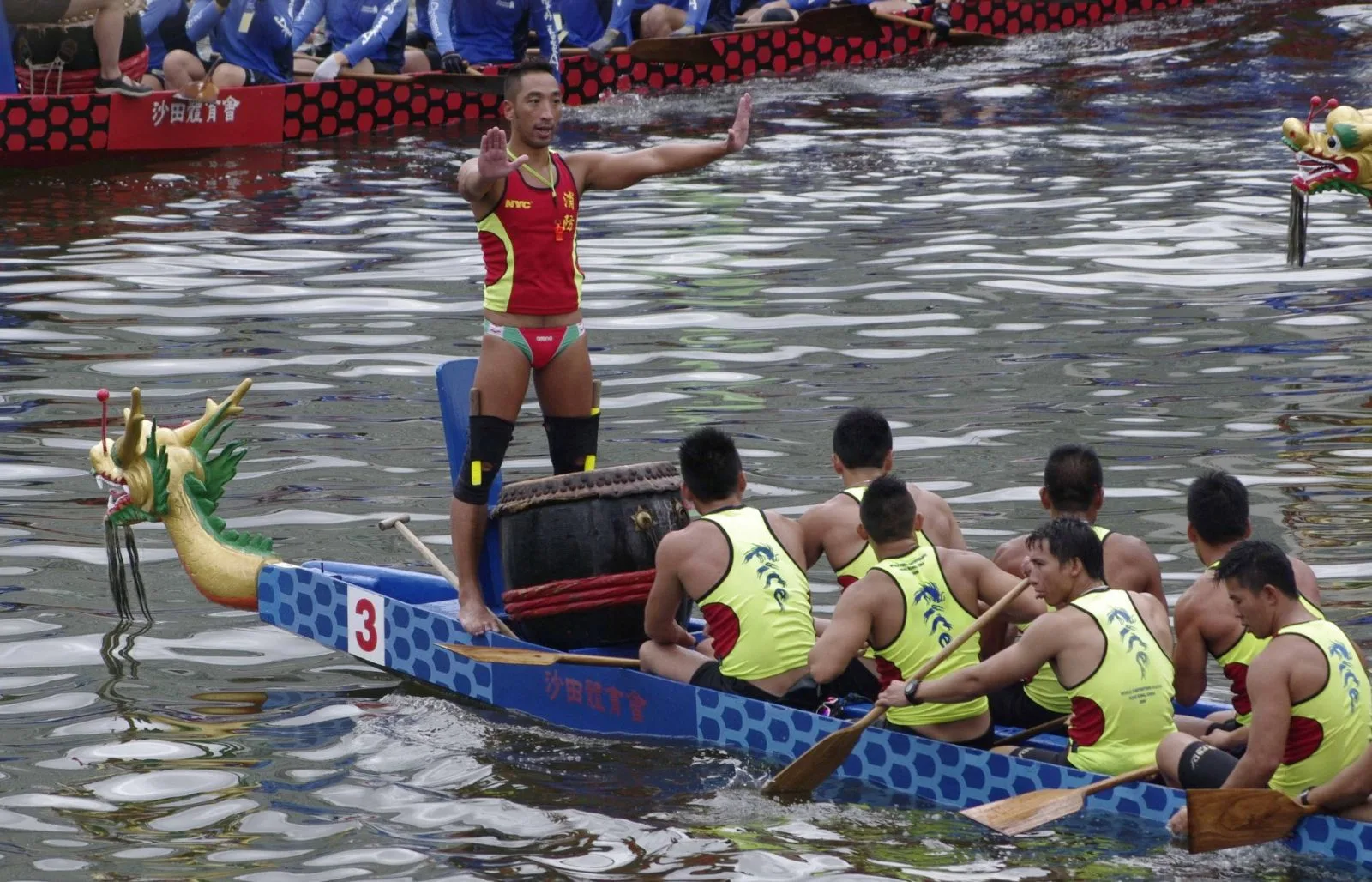
    Dragon boats are painted and carved; crews race to the beat of a drum. Kamus Cheung | Pexels License (https://www.pexels.com/license/)

    Zongzi and Household Charms

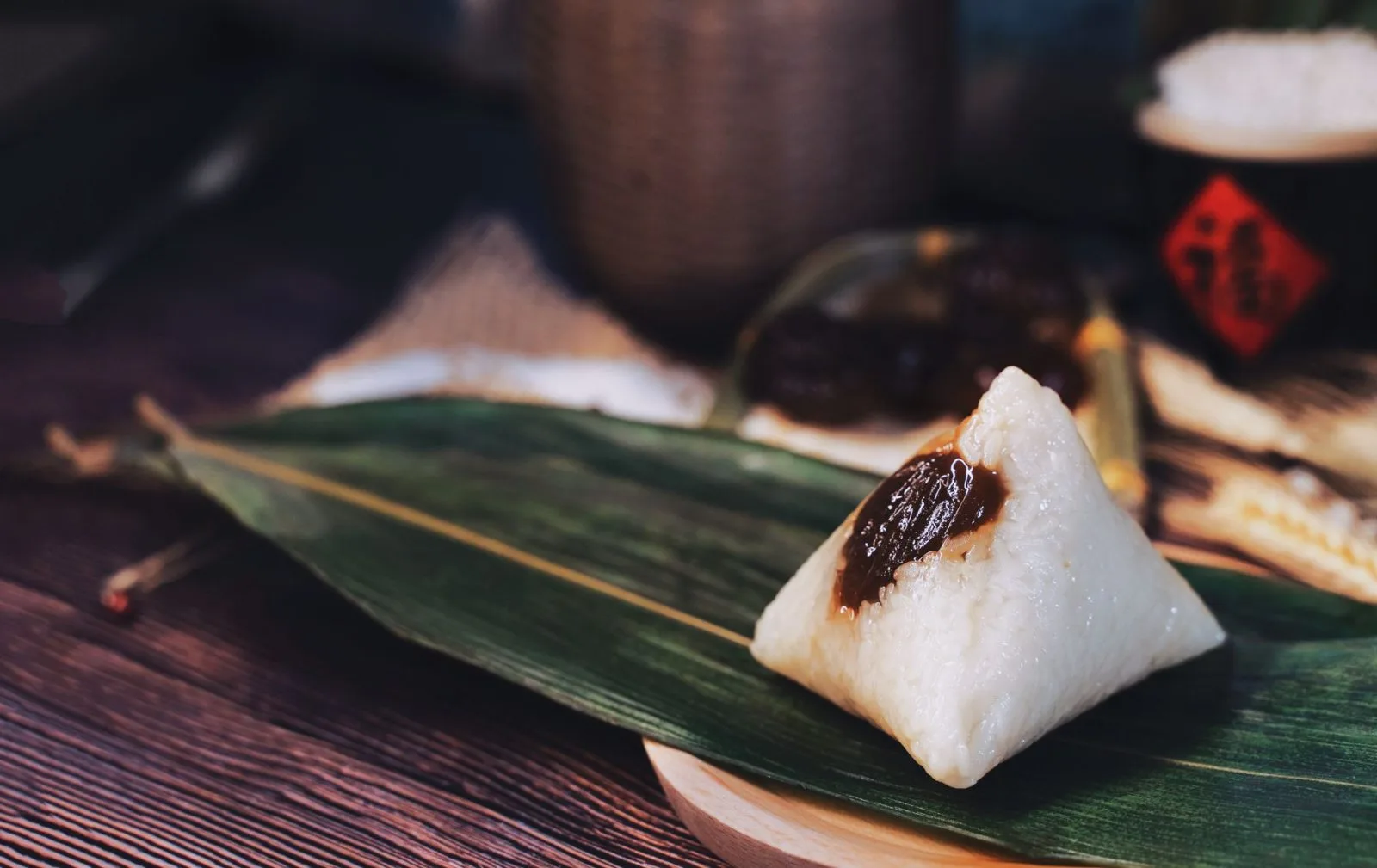
    Zongzi are parcels of glutinous rice wrapped in bamboo or reed leaves and tied with string, then boiled for hours. Fillings vary by region: Guangdong versions may include pork, salted egg, and mushrooms, while northern ones are often sweet with dates or red bean. Families make them in batches and give them to neighbours. The festival also has a protective side. In older practice, people hung mugwort and calamus at doorways to keep away illness and insects and tied five-coloured silk around children’s wrists. Realgar wine, a yellow mixture with a strong smell, was sprinkled around the house or dabbed on a child’s forehead, though modern safety advice discourages drinking it. These acts belong to a time when the fifth moon was thought to carry dampness, snakes, and fever.

    Pyramidal zongzi wrapped in bamboo leaves and tied with string
    Zongzi are filled with sticky rice and tied with string before boiling. zhen tang | Pexels License (https://www.pexels.com/license/)

    Guangdong on the Water

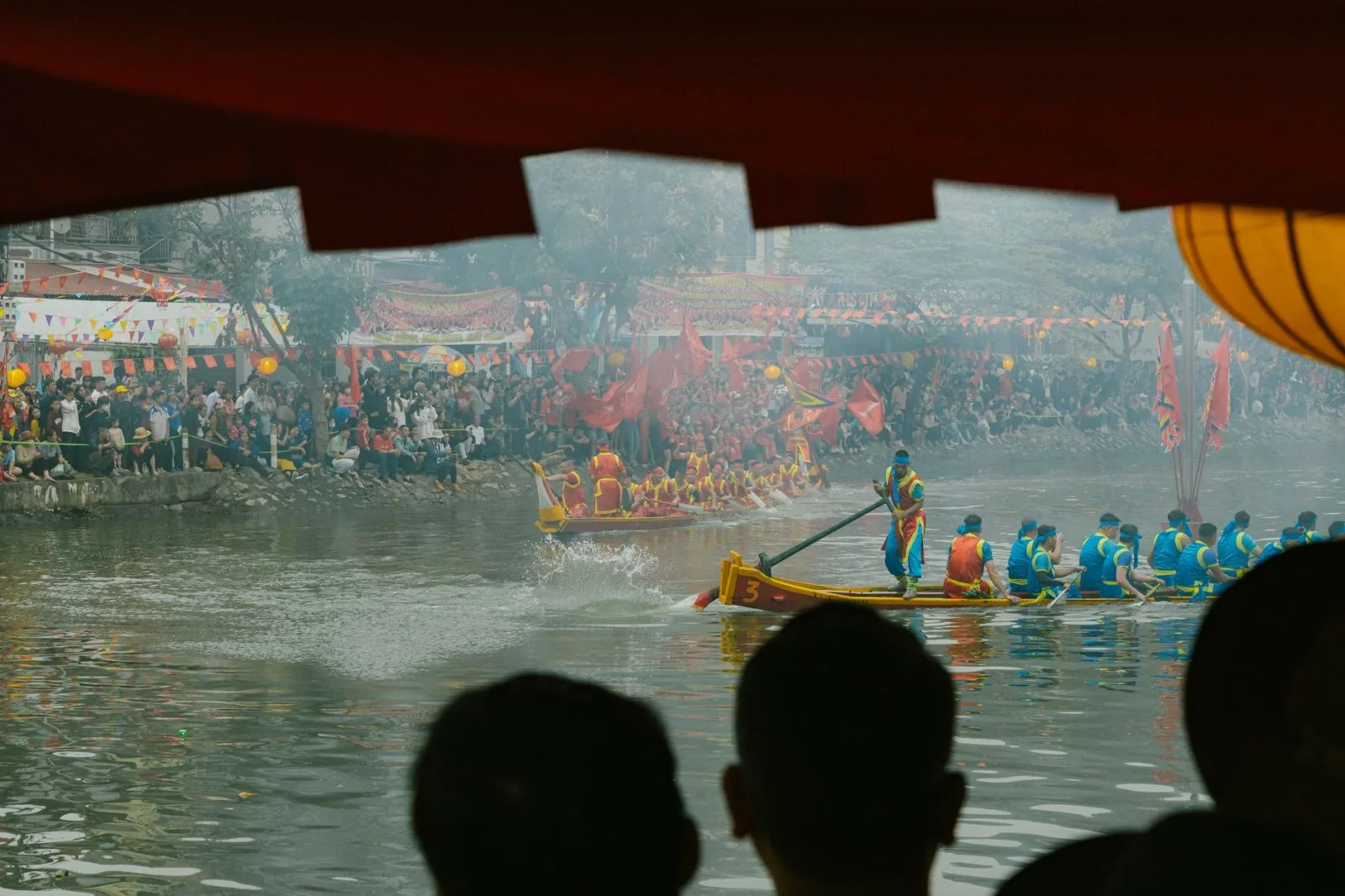
    In Guangdong, dragon boat racing is not a single event but a season. Villages and districts along the Pearl River Delta prepare boats through the spring, then race on rivers and creeks in the weeks around Duanwu. A long narrow boat carries a crew of paddlers, a drummer who sets the stroke, and a helmsman; the painted head and tail give the craft its name. Races are loud, crowded, and local, with teams known by village or temple affiliation. Spectators line bridges and banks, and the best vantage points fill early. The custom was inscribed on UNESCO’s intangible cultural heritage list in 2009. For a visitor, check local listings rather than assuming one central race: events are spread across Guangzhou and Foshan, and dates shift with the lunar calendar.

    Dragon boat crews racing on a Guangdong river before a crowd
    Pearl River Delta races draw village crews and large crowds in the weeks around Duanwu. HONG SON | Pexels License (https://www.pexels.com/license/)

    Observing the Day Today

    Duanwu is an official public holiday, so transport and tourist sites are busy. In Guangdong, the weather is hot and wet by May or June; bring water, a hat, and insect repellent if you plan to watch a race from an open bank. Respect the crews’ space at the water’s edge and do not step onto a boat or touch a drum without being invited. Many families still put mugwort at the door, and zongzi are easy to buy from markets in the days before the holiday. The festival is also an occasion for calling on relatives, though on a smaller scale. For travellers, the pleasure lies in the combination: a public spectacle on the river and a quiet, food-filled custom at home, both tied to the same lunar date.

    The drum sets the stroke, and the village supplies the crew.

    Источники и дополнительная литература

    1. Dragon boat festival — Нематериальное культурное наследие ЮНЕСКО.
    2. Фестиваль лодок-драконов — Энциклопедия Британника.
    3. Qu Yuan — Энциклопедия Британника.

    Посмотрите, как это выглядит на месте.

    Перейдите по этой ссылке в регион, к которому она относится.

    Исследуйте с помощью карты
    Продолжите обсуждение

    Просмотрите другие записи, имеющие теги.

    Просмотрите тег
  • Mid-Autumn Festival

    Жизнь и фольклор

    Mid-Autumn Festival

    Mooncakes under a full moon

    The Mid-Autumn Festival gathers families around the full moon, mooncakes, and a long tradition of watching the night sky.

    Раздел
    Жизнь и фольклор
    Область
    Пекин
    Эпоха
    На протяжении эпох
    Теги
    Таможня, еда

    Falling on the fifteenth day of the eighth lunar month, the Mid-Autumn Festival is a harvest celebration and a family reunion. In Beijing, the holiday is marked in courtyards, parks, and moon-viewing spots that fill after sunset.

    The Date and the Moon

    The festival follows the lunar calendar, so its date moves between early September and early October. The fifteenth day of the eighth month is chosen because the moon should be full, and roundness stands for completeness and family unity. Chinese tradition reads the moon’s surface as the figure of Chang’e, a woman who, in one version of the myth, drank an elixir and rose to live there with a rabbit that pounds medicine. Another story tells of Wu Gang cutting a tree that regrows each time. These tales are not scripture; they are the stories families retell while looking up. Around the festival, parks stay open late and lakes reflect the moon, giving city dwellers a quiet reason to be outdoors after dinner.

    A full moon rising over a Beijing park lake
    The festival falls on the full moon of the eighth lunar month, usually in September or October. marnock | Pexels License (https://www.pexels.com/license/)

    Mooncakes and Their Fillings

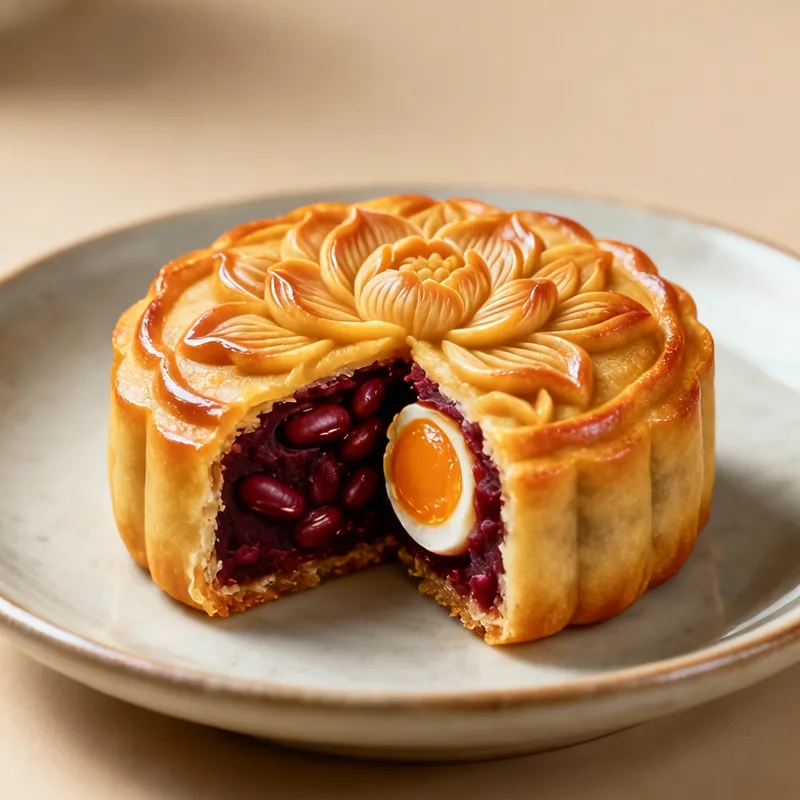
    Mooncakes are small, dense pastries with a thin crust and a heavy filling, traditionally cut into wedges and shared. The round shape echoes the moon, and the top is stamped with a pattern or characters such as longevity or harmony. Cantonese-style cakes often hold lotus seed paste and a salted duck egg yolk, whose yellow centre stands for the moon; other fillings include red bean, five nuts, and preserved fruit. Suzhou-style pastries use flaky layers, while snow-skin mooncakes are chilled and made with a glutinous rice wrapper. Because the cakes are rich, a sliver is usually enough, and tea helps. Prices rise in the weeks before the holiday, and elaborate boxes are made for gifting rather than eating. In Beijing, bakeries sell both traditional versions and small cakes.

    A round mooncake with a stamped pattern cut open to show the filling
    Mooncakes are dense pastries stamped with characters for longevity or harmony. Иллюстрация, созданная с помощью ИИ · SinoViz

    Beijing After Dark

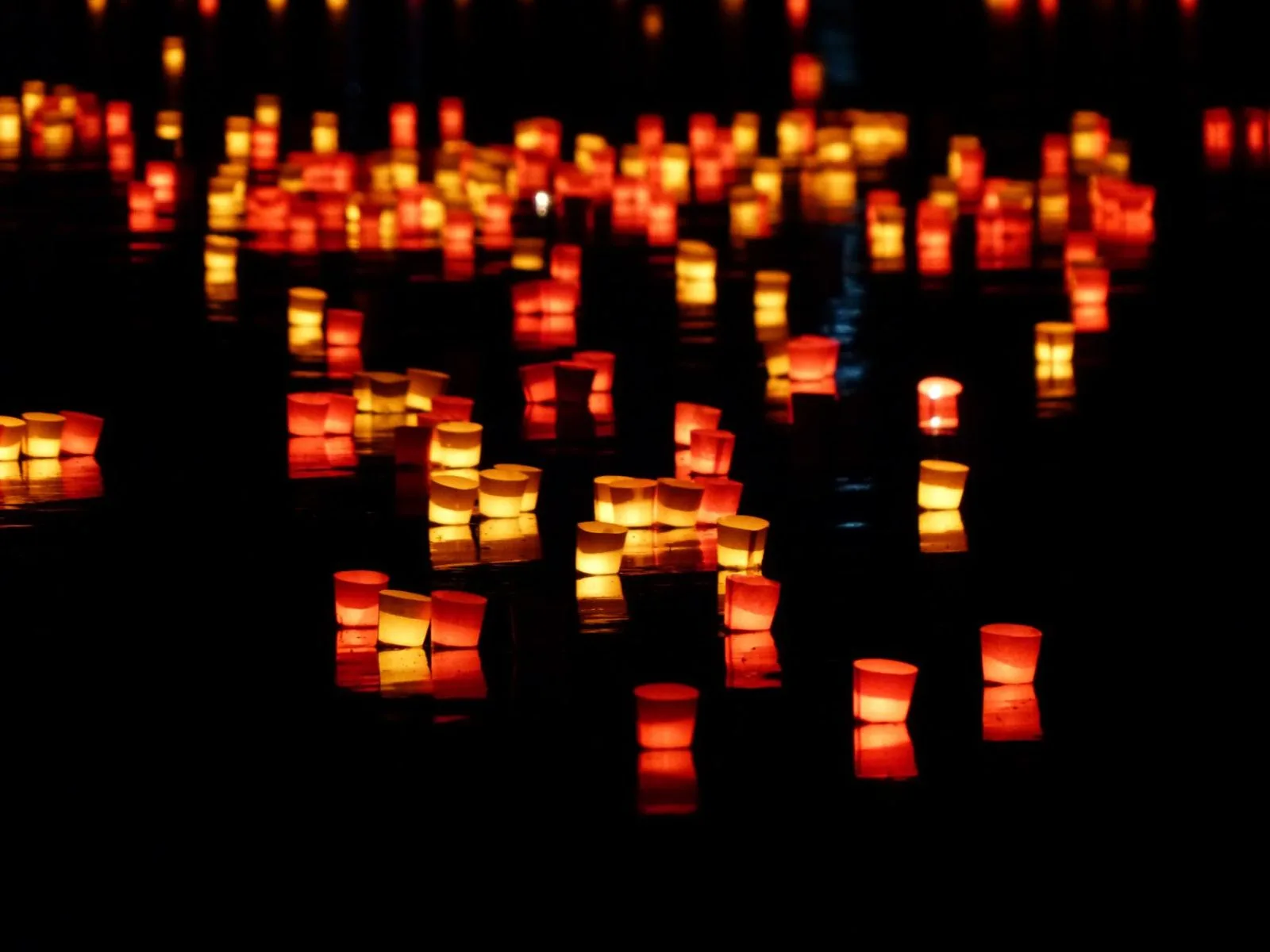
    Beijing’s moon-viewing spots fill quickly after dark. Beihai Park, with its lake and white stupa, and the Summer Palace, with Kunming Lake and the Long Corridor, are classic places to walk and watch the reflection. The Temple of Heaven also draws visitors. Families may light paper lanterns, and children carry them through the lanes; in some neighbourhoods, lantern riddles are posted for anyone who wants to try. Public holiday crowds mean metro stations near the parks stay busy late, so allow time to get back. Camping or bringing a barbecue is not appropriate in these historic grounds. A practical plan is to visit in the late afternoon, walk as the light fades, and take a seat by the water before the moon clears the rooftops.

    Lanterns reflected in a lake at a Beijing park during the Mid-Autumn Festival
    Parks such as Beihai and the Summer Palace draw moon-viewing crowds after sunset. Pixabay | Pexels License (https://www.pexels.com/license/)

    Gifts, Holiday, and Meaning

    Mooncakes are exchanged as gifts, often in boxes of four or six, and carrying a box to a family dinner is normal. The act matters more than the price; a modest cake from a favourite bakery can be more welcome than a lavish tin. Since 2008, the festival has been an official public holiday, reinforcing its role as a reunion, with millions travelling to see relatives. The deeper theme is tuanyuan, reunion, expressed by the circle of the cake and the full moon. Not everyone can be at the table, and the holiday acknowledges that absence as much as presence. If you are invited to a Beijing home, bring the cakes, arrive on time, and expect the evening to centre on a long meal rather than on speeches.

    Roundness carries the argument: a full moon, a round cake, a family gathered in one room.

    Источники и дополнительная литература

    1. Mid-Autumn Festival — Энциклопедия Британника.
    2. Mid-Autumn Festival — China Highlights.

    Посмотрите, как это выглядит на месте.

    Перейдите по этой ссылке в регион, к которому она относится.

    Исследуйте с помощью карты
    Продолжите обсуждение

    Просмотрите другие записи, имеющие теги.

    Просмотрите тег
  • Chinese Paper Cutting

    Жизнь и фольклор

    Chinese Paper Cutting

    Red paper, folded and cut

    A pair of scissors and a sheet of red paper can carry a whole vocabulary of wishes.

    Раздел
    Жизнь и фольклор
    Область
    Шэньси
    Эпоха
    На протяжении эпох
    Теги
    Customs, Ethnic

    Chinese paper cutting, or jianzhi, turns a flat sheet into a pattern of figures, flowers, and characters. Practised for centuries in rural households, it still marks weddings and New Year, and Shaanxi’s bold window designs are among its most recognisable regional forms.

    Origins and Technique

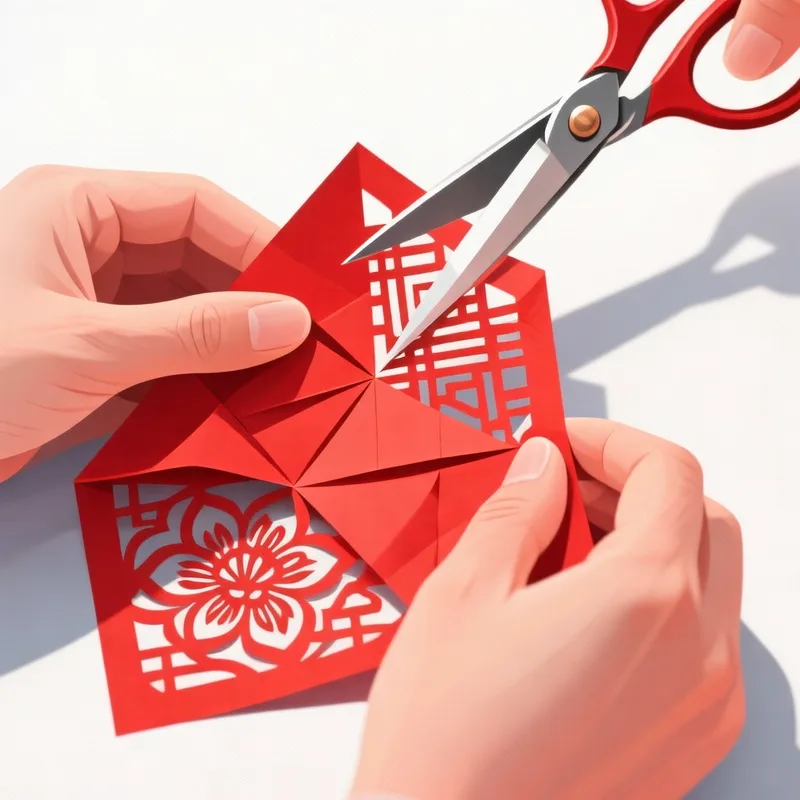
    Paper reached China in the Eastern Han period, and the first cuts followed once the material was cheap enough to experiment with. Early examples were used as offerings and as templates for embroidery; a surviving cut-paper find from the sixth century shows that the technique was established by then. Two methods developed. Scissors cut a folded sheet, creating a mirror-symmetric design with a single sequence of snips. A knife held upright cuts a stack of paper against a wax board, a method suited to finer lines and repeated motifs. Artists draw no outline for many traditional patterns; they cut directly, keeping the connecting threads that stop the design falling apart. The finished piece is light, cheap, and easy to paste on a window or door.

    Hands cutting a red paper design with small scissors
    Folding the paper before cutting produces the symmetrical patterns typical of window decorations. Иллюстрация, созданная с помощью ИИ · SinoViz

    A Language of Motifs

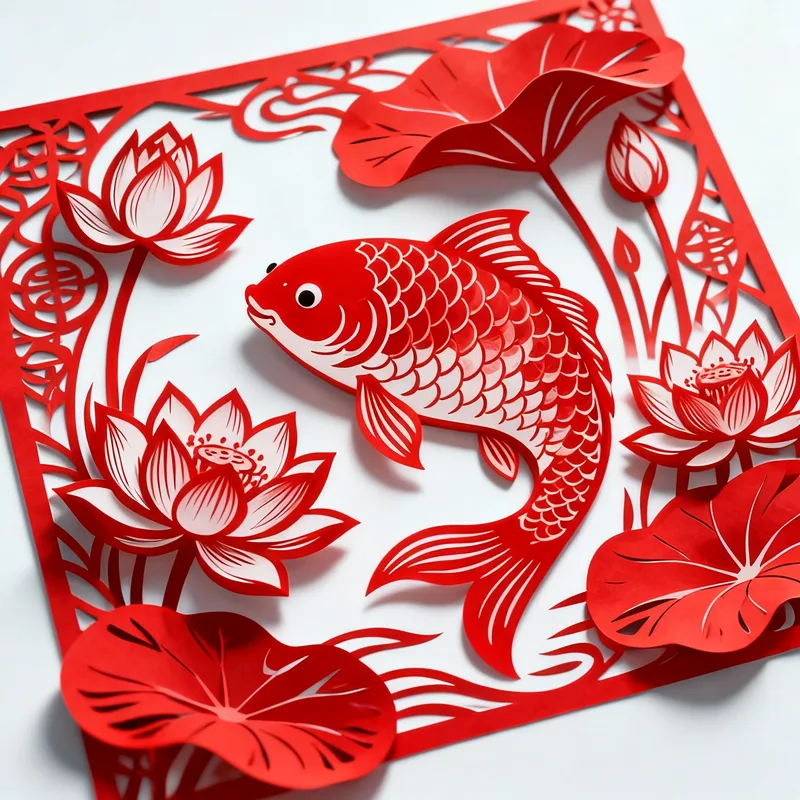
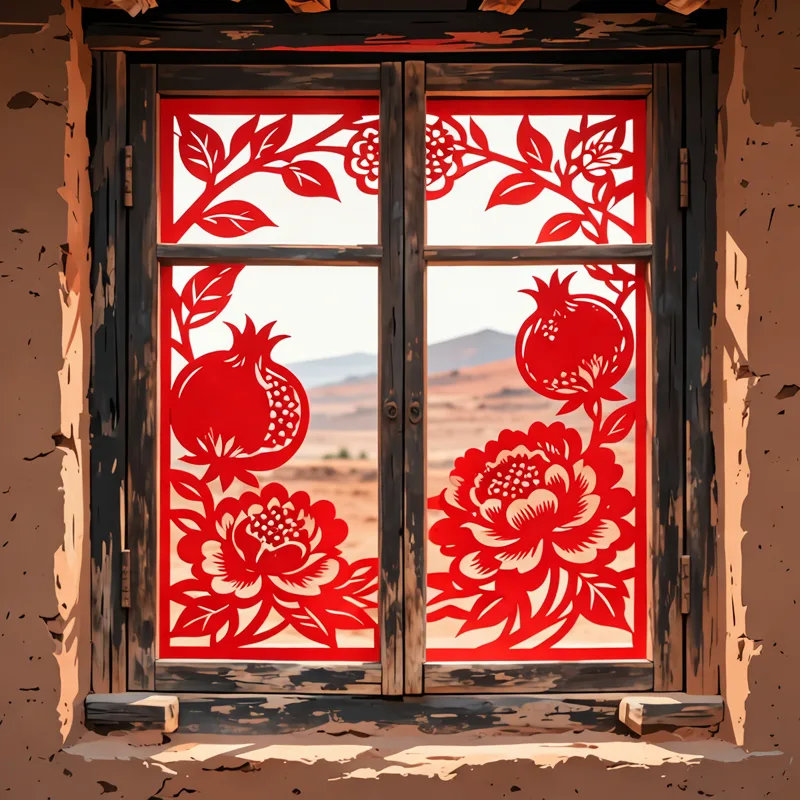
    The images are a system of visual puns. A fish means surplus, because the word for fish sounds like the word for abundance; lotus suggests purity. A pomegranate stands for many children, a bat for good fortune, and a peach for long life. The character fu, meaning good fortune, appears alone or inside a circular design, while shuangxi, double happiness, belongs to weddings. Zodiac animals, opera figures, and scenes of children at play all circulate as patterns. Colour matters as much as shape: red is the default for celebration, while white paper cuts are rarer and tied to older ritual uses. In a Shaanxi village window, the arrangement of these motifs tells a visitor what the household is hoping for in the coming year.

    Red paper-cut window decoration showing a fish and lotus flowers
    Fish and lotus form a rebus for abundance; motifs are chosen for the wish they carry. Иллюстрация, созданная с помощью ИИ · SinoViz

    Shaanxi Windows

    Paper cutting in Shaanxi is associated with rural life on the Loess Plateau, especially around Yan’an. Windows there were once small and deeply set, so designs favoured bold silhouettes and broad, connected shapes that could be read from across a room. Local artists talk of cutting with the heart rather than measuring with a ruler, and compositions often show figures, animals, and plants together in a single dense frame. Window grilles, or chuanghua, are pasted at New Year and replaced when they fade. Wedding cuts carry double happiness characters and images of fertility; birthday cuts use peaches and cranes. Women were the main practitioners in many villages, passing patterns from mother to daughter, and village fairs still sell sheets cut in the old local style.

    A Shaanxi farmhouse window with bold red paper cutouts
    Shaanxi cuts favour strong silhouettes and broad shapes, designed to read from a distance. Иллюстрация, созданная с помощью ИИ · SinoViz

    Recognition and Travel

    Chinese paper-cut was inscribed on UNESCO’s Representative List of the Intangible Cultural Heritage of Humanity in 2009, a recognition that named both the craft and the communities that sustain it. The listing does not freeze the art. Contemporary artists cut portraits, cityscapes, and political images with the same tools, and paper cuts appear in graphic design and animation. For a visitor, the appeal is that the work is easy to find and easy to try. Museum shops sell small sheets, market stalls sell single motifs, and workshops in Xi’an and rural Shaanxi teach the basic fold-and-cut method in an hour. Bring a sharp pair of scissors and practice on cheap red paper before attempting a detailed pattern. A finished cut pasted on glass changes with the light.

    The pattern holds together because the cutter leaves just enough paper between the lines.

    Источники и дополнительная литература

    1. Chinese paper-cut — Нематериальное культурное наследие ЮНЕСКО.
    2. Chinese Paper Cutting — China Highlights.
    3. Paper cutting — Энциклопедия Британника.

    Посмотрите, как это выглядит на месте.

    Перейдите по этой ссылке в регион, к которому она относится.

    Исследуйте с помощью карты
    Продолжите обсуждение

    Просмотрите другие записи, имеющие теги.

    Просмотрите тег