Kehidupan & Cerita Rakyat
Ancestor Veneration
Lineage, Ritual and Memory
Ancestral rites link the household, the lineage hall and the village cemetery.
- Seksyen
- Kehidupan & Cerita Rakyat
- Wilayah
- Fujian
- Era
- Merentasi zaman
- Tag
- Kastam
Ancestor veneration is the practice of honouring dead relatives with offerings, incense and prescribed rites. In Fujian it became a framework for lineage organisation, property ownership and migration, binding villages to ancestors who had often lived centuries earlier.
A Duty to the Dead
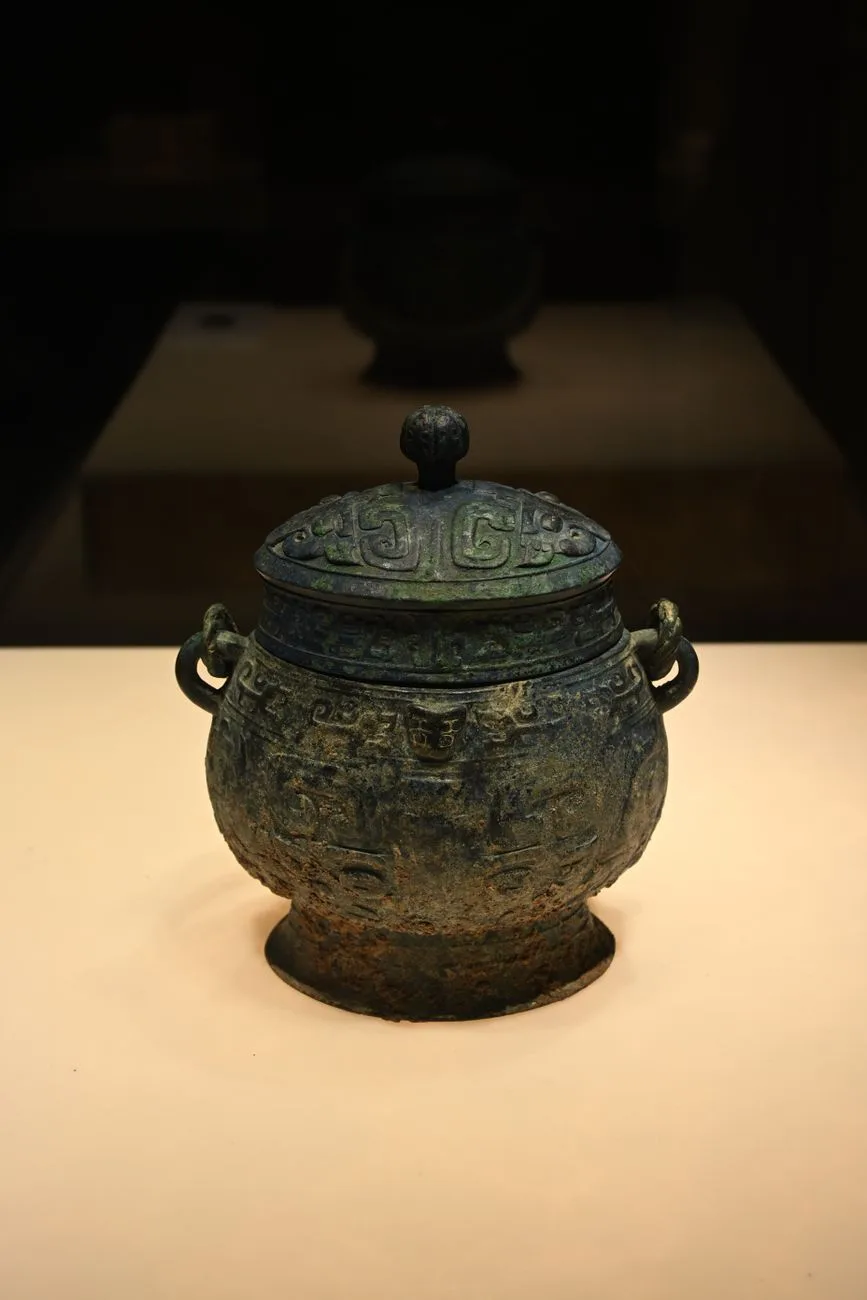
Confucian teaching gave the practice its moral language. The Analects urge the living to care carefully for funeral rites and follow ancestors afar, and describe sacrifice as if the spirits were present. The Book of Rites and related ritual texts set out mourning grades, offerings and the proper order of the dead. Archaeologists trace ancestor cults to the Late Neolithic, and Shang bronze vessels were cast with inscriptions naming the ancestor for whom wine or grain was offered. Veneration was obligation as much as affection.
The Household Altar
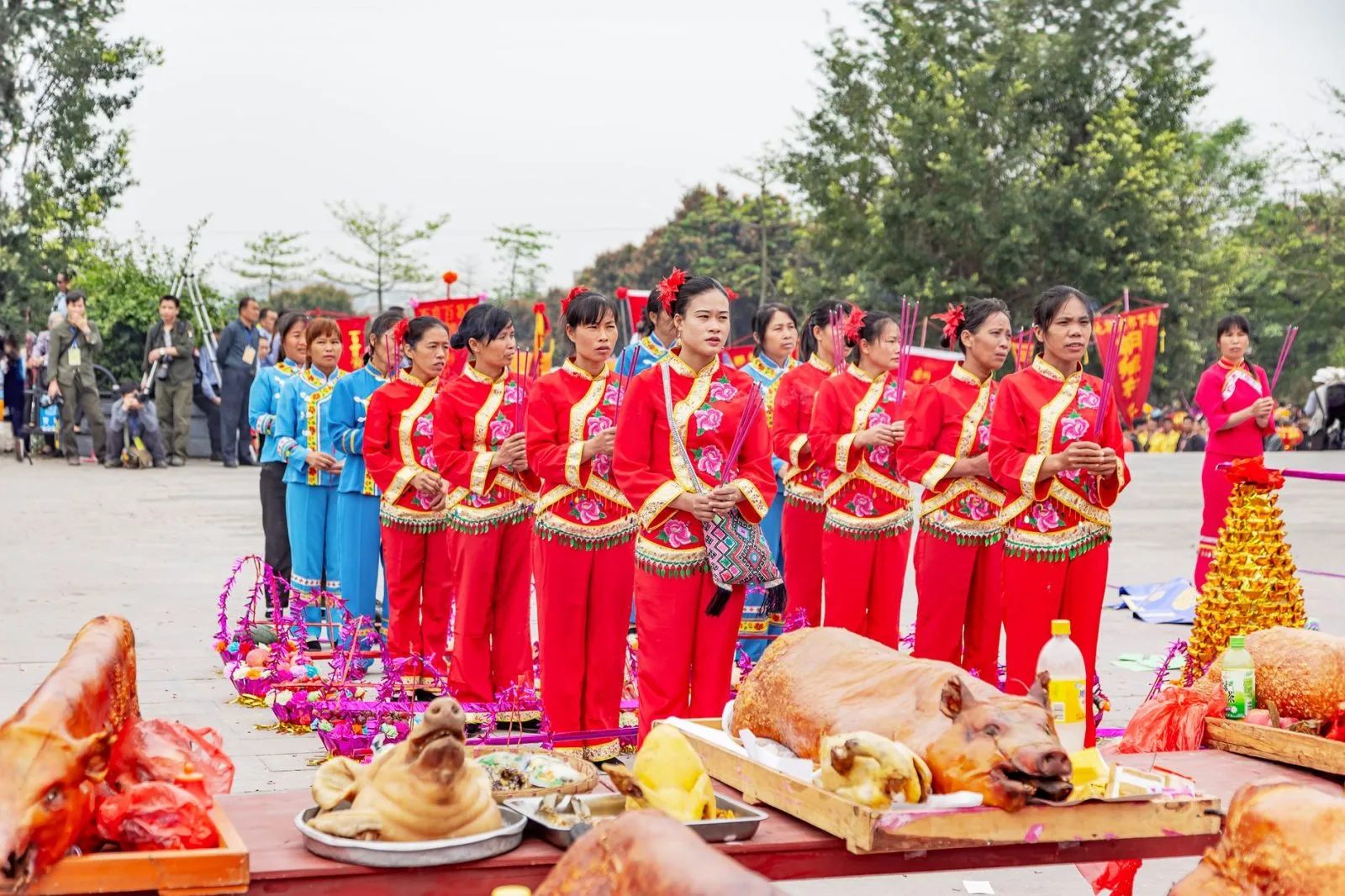
In a traditional home, a small altar holds ancestral tablets — wooden plaques inscribed with names and titles — arranged by generation. Incense is lit on the first and fifteenth days of the lunar month, and on the anniversary of a death. Offerings may include tea, wine, fruit, rice and three kinds of meat, laid out in an ordered arrangement; family members bow or kowtow in age order. The tablet is not an image of the person but a place where the relationship can be addressed.
Ritual time follows the calendar. Qingming, the Pure Brightness solar term in early April, is the great tomb-sweeping day: graves are cleared of weeds, offerings are left, and paper money is burned. Winter solstice brings another round of offerings in many Fujian households, often with tangyuan, sweet rice balls. During the seventh lunar month, the Ghost Festival extends attention beyond one’s own kin to wandering spirits, with community feasts and paper effigies.
Fujian’s Lineage Halls
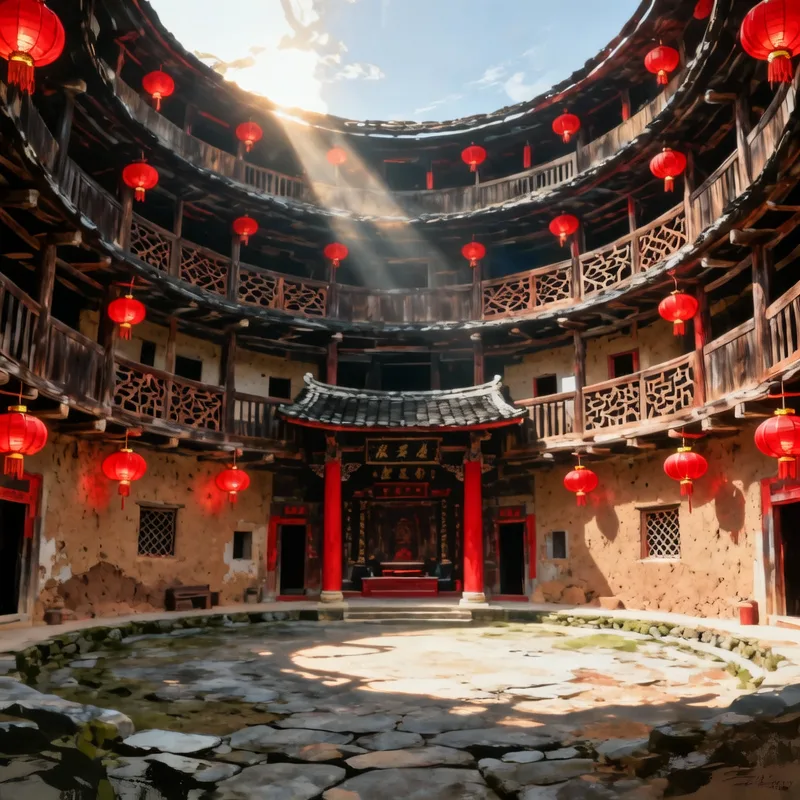
Nowhere is the social scale clearer than in Fujian. From the sixteenth century, lineage halls — citang — spread beyond the elite into villages across southeastern China, and in emigrant home regions they came to dominate the built landscape. A hall houses the collective tablets of a surname group, keeps the genealogy and manages corporate land whose income pays for repairs, sacrifices and schools. Inside some Hakka tulou, the great earthen communal houses of southwestern Fujian, an ancestral hall occupies a place within the defensive ring.
Migration and Return
Fujian’s coast sent migrants to Southeast Asia from the late Qing period onward, and ancestral rites travelled with them. Emigrants joined surname associations and built halls in Singapore, Malaysia and Indonesia; remittances paid for new halls and restored graves at home. Scholars describe these links as transnational lineage networks: the same ritual vocabulary connected the village altar, the overseas clan association and the cemetery. After the 1980s many descendants returned to rebuild halls, turning genealogy into a bridge across generations and borders.
- Qingming: graves swept and offerings laid in early April
- Seventh lunar month: Ghost Festival rites for unnamed spirits
- Citang: a lineage hall holding tablets, genealogy and corporate records
- Fujian Tulou: UNESCO World Heritage since 2008
Changes and Continuities
The twentieth century disrupted the institutional side. Land reform and collectivisation stripped lineage estates of their income, and during the Cultural Revolution many halls were closed or damaged. Since the 1980s, local initiatives have restored buildings and revived rites, sometimes as heritage tourism and sometimes as family duty. The practice persists in adjusted form: incense at a household shelf, a grave cleaned before Qingming, a name recorded in a rebuilt genealogy. What survives is the conviction that the dead remain part of the social order.
A tablet is not a portrait of the dead. It is an address at which the living may still speak to them.
Sumber & bacaan lanjut
- China: Religious beliefs and social organization — Ensiklopedia Britannica.
- Fujian Tulou — UNESCO World Heritage Centre.
- Chinese Diasporas: Early Modern Patterns, 1500–1740 — Cambridge University Press.