Vita e folklore
Cucina Jiangnan
River Fish, Rice, and Refined Broth
The cooking of the lower Yangtze favours freshwater fish, seasonal greens, and delicate stocks.
- Sezione
- Vita e folklore
- Regione
- Zhejiang
- Era
- Attraverso le epoche
- Etichette
- Food, Geography
Jiangnan cooking grew in the wet, rice-growing country south of the Yangtze. Its reputation rests less on spice than on timing: a fish steamed just long enough, a broth cleared and simmered, or a vegetable picked before it toughens.
A Landscape of Water and Rice
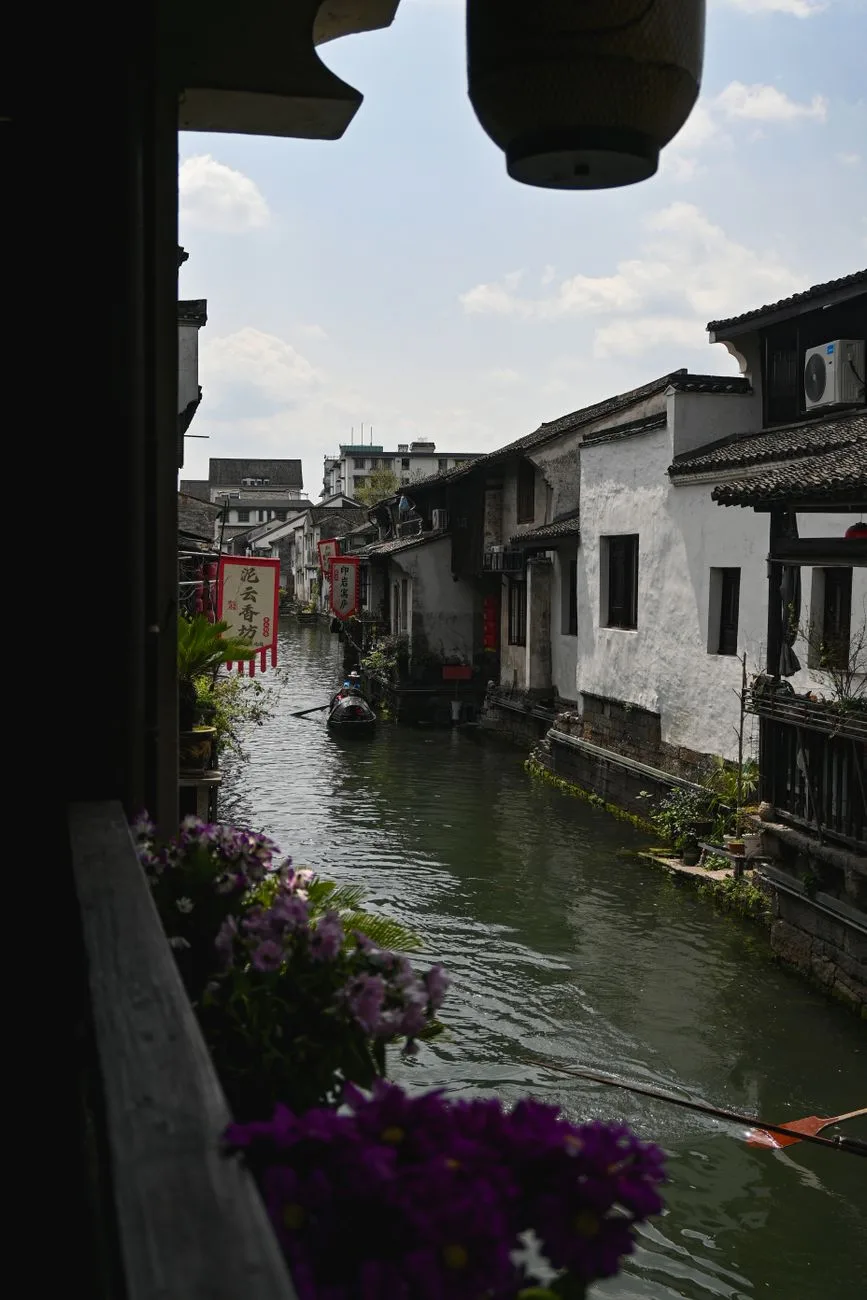
Jiangnan means the land south of the Yangtze, a region of canals, lakes, and irrigated fields centred on Jiangsu and Zhejiang. From the Song dynasty (960–1279), the lower Yangtze became China’s densest and wealthiest farming region, supported by double-cropping rice, fish ponds, and silk production. Cities such as Hangzhou and Suzhou developed a class of officials, merchants, and literati who recorded dining in essays and cookbooks. Lin An, today’s Hangzhou, was the Southern Song capital after 1127, and its markets sold freshwater fish, crab, bamboo shoots, and lotus root. Local cooking took shape around what the water and nearby fields supplied in season.
Techniques of Cleanness
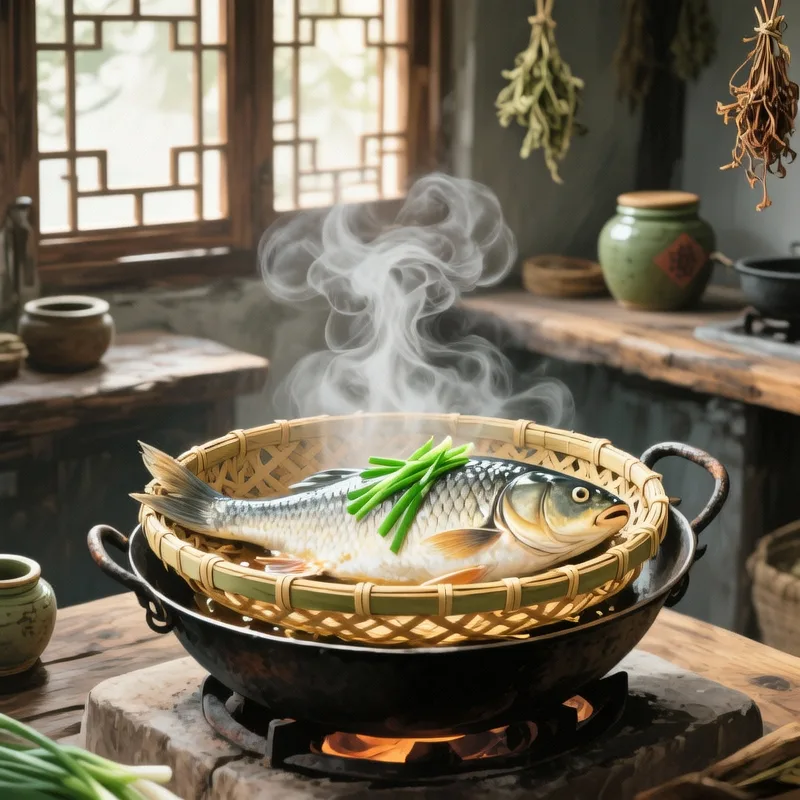
Jiangnan cooks prize the natural flavour of ingredients, so technique often means restraint. Steaming preserves the texture of fish and glutinous rice; quick stir-frying keeps greens crisp; slow simmering turns pork bones and chicken into clear, aromatic broth. Shaoxing in Zhejiang is famous for yellow rice wine, used in marinades and for deglazing a hot wok. Vinegar from Zhenjiang balances sweet and sour dishes. Hangzhou’s famous West Lake vinegar fish uses a fish from the lake, scored and fried, then finished with a sweet-sour sauce. The dish is now a restaurant set piece, but it began as a local preparation of available freshwater fish.
A Calendar of Local Dishes
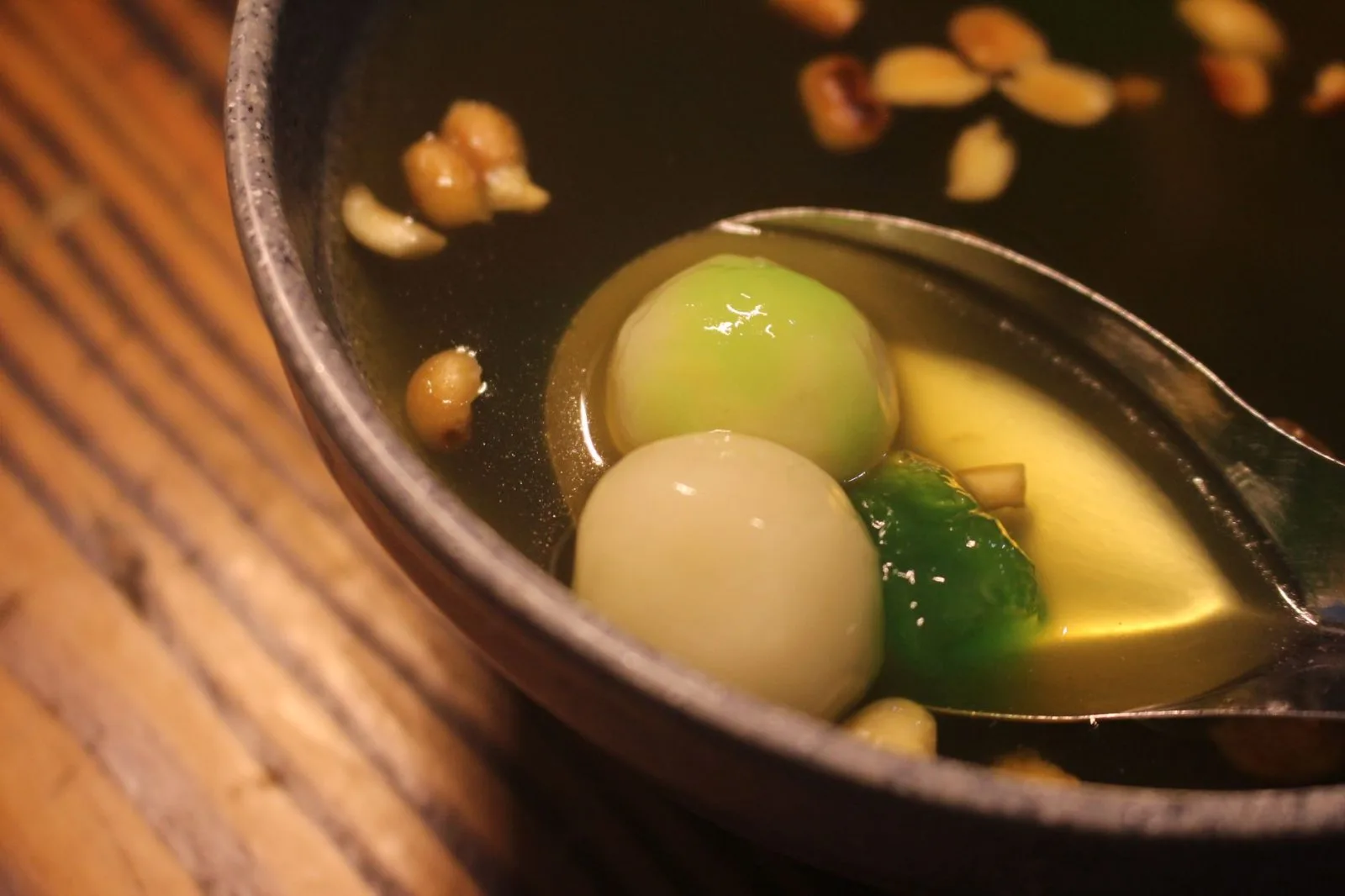
Seasonality gives the cuisine its rhythm. Spring brings bamboo shoots, shepherd’s purse, and the first river shrimp; autumn brings hairy crab from lakes and the slow-growing taihu whitebait. Suzhou’s squirrel-shaped mandarin fish is butterflied, scored, fried, and glazed, while braised pork belly is cooked until fat and lean layers hold together without hardness. Ningbo, on the Zhejiang coast, adds salted and dried seafood, and its tangyuan glutinous-rice balls filled with black sesame are eaten at the Lantern Festival. Shanghai, later and more cosmopolitan, absorbed these traditions into benbang cooking, favouring soy, sugar, and seafood.
- West Lake vinegar fish from Hangzhou
- Squirrel-shaped mandarin fish from Suzhou
- Hairy crab from Taihu lakes in autumn
- Black-sesame tangyuan for the Lantern Festival
Gardens, Teahouses, and the Table
Meals in Jiangnan were historically tied to gardens and teahouses, where scholars met over small dishes and wine. The region’s cookbooks, including Yuan Mei’s Suiyuan Shidan of 1792, record recipes alongside comments on market ingredients and household methods. Yuan Mei argued that a cook should understand each ingredient rather than bury it under sauce. That ideal still shapes the region’s public image, even when restaurant versions are elaborate. For a visitor, the useful lesson is to order by season and region: a lake crab in autumn, a bowl of noodles in Suzhou, or a pot of longjing tea near Hangzhou.
In Jiangnan, the test of a dish is often how little the cook has done to spoil the ingredient.
Fonti e ulteriori letture
- Chinese Regional Cooking — Enciclopedia Britannica.
- Hangzhou — UNESCO World Heritage Centre.
- Hangzhou — Enciclopedia Britannica.
Guardalo al suo posto
Segui questa voce per raggiungere la regione di appartenenza.
Esplora tramite mappa