टैग: प्रथाएँ

  • Korean Chinese Communities

    जीवन और लोककथाएँ

    Korean Chinese Communities

    Korean language and custom in Beijing

    Chinese Koreans maintain a Korean-speaking cultural life in northeastern China and in cities such as Beijing.

    अनुभाग
    जीवन और लोककथाएँ
    क्षेत्र
    बीजिंग
    युग
    युगों के पार
    टैग
    Ethnic, Customs

    Known in Chinese as Chaoxianzu, Korean Chinese number roughly 1.8 million. Their centres of settlement lie along the northeastern border, but Beijing’s Wangjing and Wudaokou districts have become highly visible Korean-language neighbourhoods.

    Migration and neighbourhoods

    Most Korean Chinese families trace their settlement in China to the late nineteenth and early twentieth centuries, when hardship, conscription and Japan’s annexation of Korea in 1910 drove migration across the Tumen and Yalu rivers. The Yanbian Korean Autonomous Prefecture was established in Jilin in 1952, and Changbai and Hunchun remain important centres. Beijing’s Korean population grew quickly after China and South Korea established diplomatic relations in 1992, when students, traders and engineers arrived in large numbers. Wudaokou became known for language schools and student housing, while Wangjing developed supermarkets, restaurants and Korean-language signage on a commercial scale.
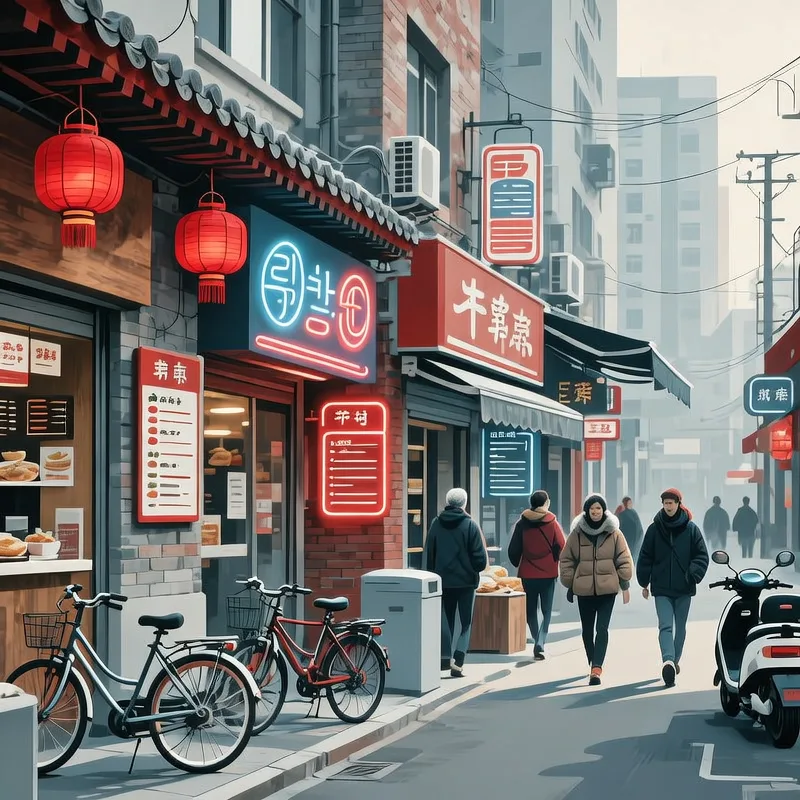
    Korean-language shop signs along a street in Beijing’s Wangjing district
    Korean signage in Wangjing reflects decades of student and business migration. कृत्रिम बुद्धिमत्ता द्वारा निर्मित चित्र · सिनोविज़

    Language and writing

    Korean is a Koreanic language, distinct from the Sinitic and Tungusic languages spoken elsewhere in the region. Its alphabet, Hangul, was created in the fifteenth century and is now the ordinary script for Korean Chinese writing; Chinese characters, or hanja, appear in historical texts and some names. Many older residents of Yanbian are bilingual in Korean and Mandarin, while city-born younger people often use Mandarin at school and work and Korean at home or in community media. Korean-language newspapers, radio and church services help sustain the language, and some families send children to schools where Korean is taught alongside the national curriculum.
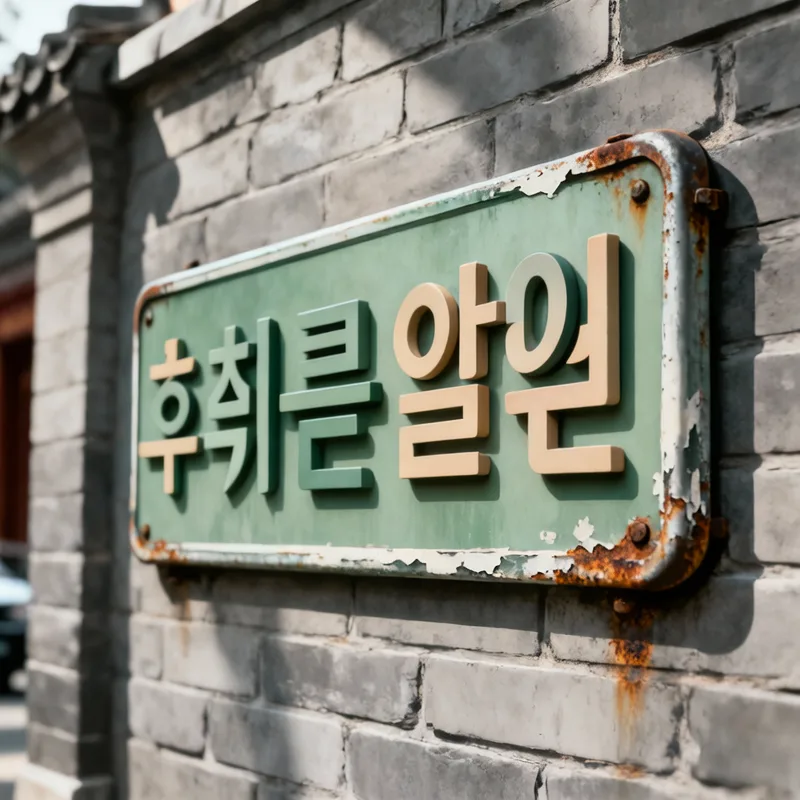
    A bilingual Korean and Chinese street sign in a Beijing neighbourhood
    Two writing systems mark the daily bilingualism of many Korean Chinese households. कृत्रिम बुद्धिमत्ता द्वारा निर्मित चित्र · सिनोविज़

    Food and the household

    Korean foodways are among the most visible parts of community life. Kimchi, made from salted and fermented vegetables, is prepared in quantity in autumn, and the practice of making and sharing it has been recognised by UNESCO as intangible heritage in Korea. Everyday meals include rice, soup, bibimbap mixed with vegetables and chilli paste, grilled meat, and naengmyeon, or cold buckwheat noodles. Traditional houses used ondol, an underfloor flue system that heats the sleeping mat, and some rural homes still keep the low table and floor-seating arrangements of a hanok. In Beijing, apartment living has changed the setting, but the cuisine and the habit of sitting together at a shared table persist.
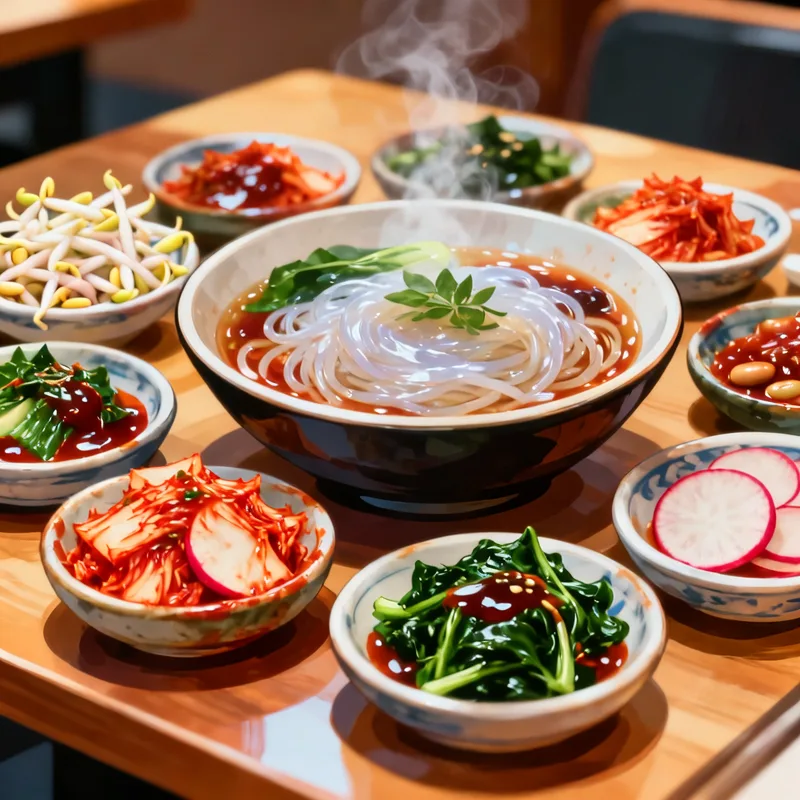
    An array of Korean side dishes and cold noodles on a restaurant table
    Shared side dishes and cold noodles are familiar features of Korean Chinese meals. कृत्रिम बुद्धिमत्ता द्वारा निर्मित चित्र · सिनोविज़

    Festivals and community life

    The two main family festivals are Seollal, the lunar new year, and Chuseok, the autumn harvest festival. At Seollal, families eat tteokguk, a soup of sliced rice cakes, and younger relatives perform a formal bow to elders. Chuseok is marked with visits to ancestral graves and songpyeon, small rice cakes filled with beans or sesame. Korean Chinese communities in Beijing also gather for weddings, school reunions and business associations, where Korean remains a language of trust and shared reference. Public visibility comes through restaurants, travel agencies and shops rather than a sealed enclave; the same streets serve neighbours of many backgrounds.

    A Korean sign in Beijing marks a carried household habit more than a border.

    स्रोत और आगे की जानकारी

    1. Korean language — एनसाइक्लोपीडिया ब्रिटानिका।
    2. Korean Ethnic Group — China.org.cn.
    3. Kimjang, making and sharing kimchi — UNESCO Intangible Cultural Heritage.

    इसे यथास्थान देखें

    इस प्रविष्टि का अनुसरण करके उस क्षेत्र तक पहुँचें जहाँ यह संबंधित है।

    मानचित्र द्वारा अन्वेषण करें

    इस चर्चा का अनुसरण करें

    उन अन्य प्रविष्टियों को ब्राउज़ करें जिनमें इसके समान टैग हैं।

    टैग ब्राउज़ करें
  • The Tujia People

    जीवन और लोककथाएँ

    The Tujia People

    Mountain weavers east of Sichuan

    The Tujia are a Tibeto-Burman-speaking people of the Wuling Mountains, known for stilt houses, woven brocade and collective dances.

    अनुभाग
    जीवन और लोककथाएँ
    क्षेत्र
    सिचुआन
    युग
    युगों के पार
    टैग
    Ethnic, Customs

    Although listed here under the Sichuan region, most Tujia communities lie east of the Sichuan Basin in the Wuling range. Their historical connection to the ancient Ba state ties them to the wider Bashu cultural world of southwest China.

    Range and numbers

    The 2010 census counted about 8.35 million Tujia, making them one of China’s largest ethnic minorities. Their main settlements stretch across the Wuling Mountains where Hunan, Hubei, Chongqing and Guizhou meet, in counties such as Yongshun and Longshan in Hunan, Shizhu and Pengshui in Chongqing, and Yanhe in Guizhou. Villages occupy stream valleys and limestone slopes, with terraced fields and forest on the higher ground. Their inclusion in the Sichuan region on this site reflects older Bashu connections and modern movement between the basin and its eastern mountains; the densest Tujia population is not in Sichuan province itself.

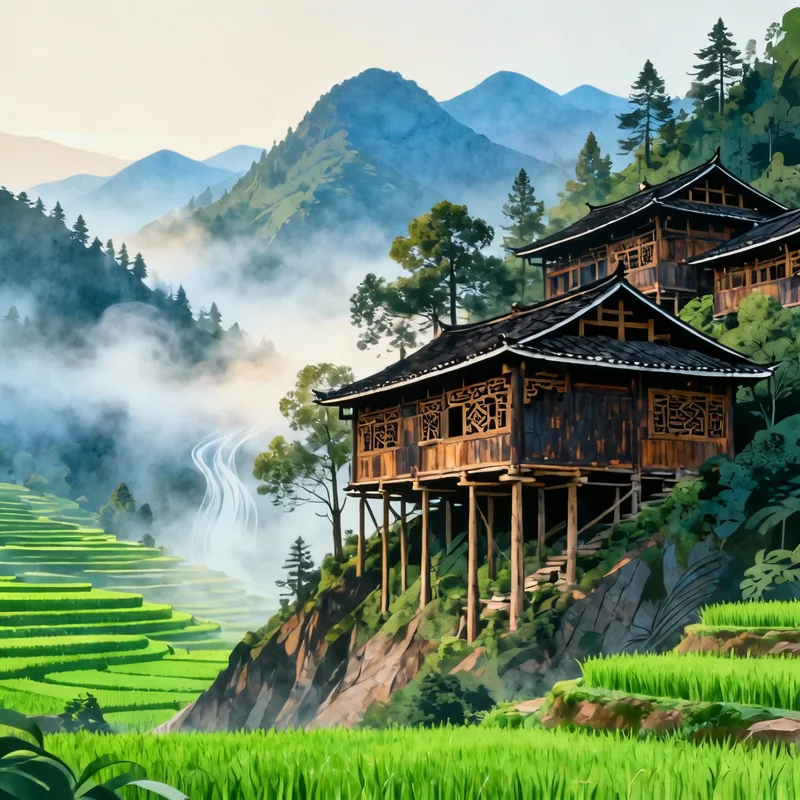
    Stilted timber houses on a wooded slope in the Wuling Mountains
    Tujia villages follow stream valleys and terraced slopes rather than flat basin land. कृत्रिम बुद्धिमत्ता द्वारा निर्मित चित्र · सिनोविज़

    Language and identity

    Tujia belongs to the Tibeto-Burman branch of the Sino-Tibetan family, with its closest affinities often discussed in relation to Naxi and other Qiangic languages. Today only a small number of people, mostly in a few western Hunan villages, speak it fluently; Southwestern Mandarin is the everyday language across most of the region. The name Tujia means native dwellers, and official recognition in the 1950s gave a common label to communities that had long interacted with Han, Miao, Dong and She neighbours. Oral histories preserve memories of the ancient Ba state, which controlled parts of the eastern Sichuan region until the Qin conquest of 316 BCE.

    Stilt houses and brocade

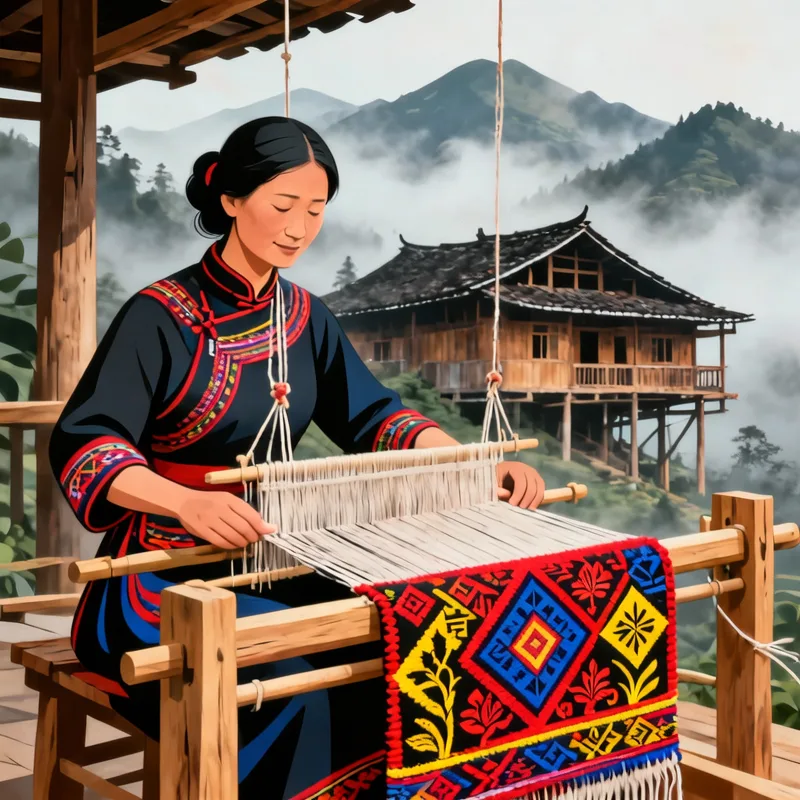
    On steep ground, Tujia builders raise diaojiaolou, houses whose upper living floor projects over a lower storey on wooden posts. A covered veranda runs along the front, and the roof is pitched to carry off heavy rain. Interior screens and window frames are carved with floral and geometric patterns. The best-known textile is xilankapu, a colourful brocade woven on a backstrap loom with motifs of flowers, birds, characters from opera and the patterned ta tai hua design. It appears in clothing, bags and wall hangings and is protected as national intangible heritage. Meals often include cured pork, smoked fish, glutinous rice cakes and a tea soup whisked with fried rice and peanuts.

    A Tujia brocade with geometric and floral motifs woven in red and black thread
    Xilankapu brocade is woven on a backstrap loom and used in dress and household textiles. कृत्रिम बुद्धिमत्ता द्वारा निर्मित चित्र · सिनोविज़

    Waving dances and new year

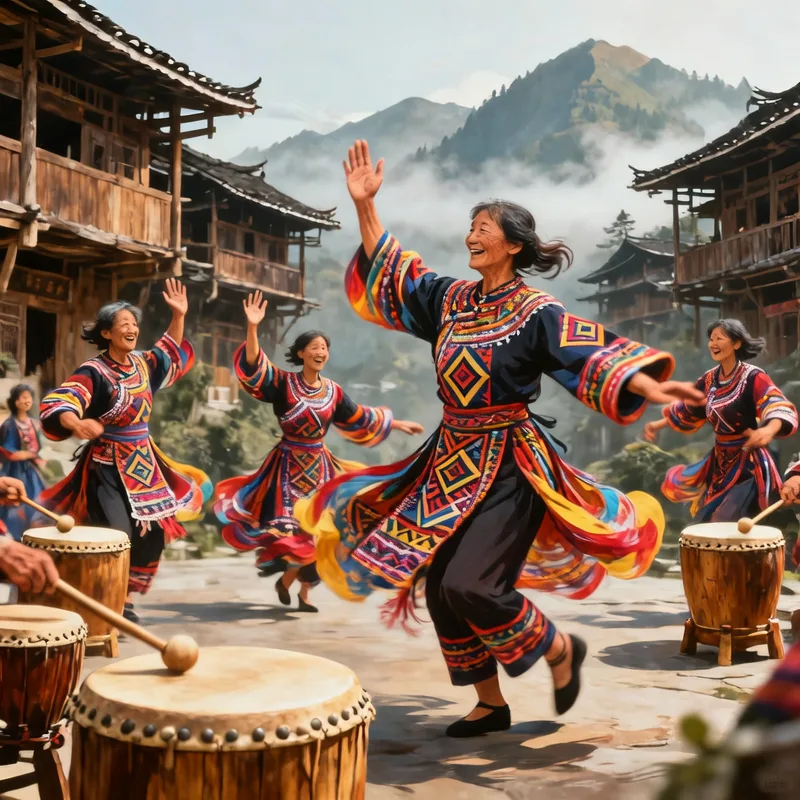
    The waving dance, bai shou wu, is performed by lines of dancers who swing their arms in time with drums and gongs. It takes place in a waving hall around the lunar new year and at the Sheba festival, where offerings are made to ancestors and village protectors. Some villages also perform Maogusi, a masked or straw-costumed dance that enacts hunting and farming scenes. Another distinctive custom is gan nian, celebrating the new year a day early, which oral tradition links to ancestors preparing for a military departure. These performances are now taught in schools and cultural centres, so a ritual once tied to a single village hall is seen by wider audiences.

    Tujia dancers in embroidered costumes performing a waving dance with drums
    The waving dance brings villagers together in coordinated arm movements and drum rhythms. कृत्रिम बुद्धिमत्ता द्वारा निर्मित चित्र · सिनोविज़
    In Tujia villages, a woven pattern and a dance step both carry family memory.

    स्रोत और आगे की जानकारी

    1. Tujia — एनसाइक्लोपीडिया ब्रिटानिका।
    2. Tujia Ethnic Group — China.org.cn.
    3. China Intangible Cultural Heritage — China ICH Net.

    इसे यथास्थान देखें

    इस प्रविष्टि का अनुसरण करके उस क्षेत्र तक पहुँचें जहाँ यह संबंधित है।

    मानचित्र द्वारा अन्वेषण करें

    इस चर्चा का अनुसरण करें

    उन अन्य प्रविष्टियों को ब्राउज़ करें जिनमें इसके समान टैग हैं।

    टैग ब्राउज़ करें
  • The Dong People

    जीवन और लोककथाएँ

    The Dong People

    Drum towers and unaccompanied song

    The Dong, or Kam, are Kra-Dai-speaking villagers of southwest China known for timber towers, covered bridges and part-singing.

    अनुभाग
    जीवन और लोककथाएँ
    क्षेत्र
    Guangxi
    युग
    युगों के पार
    टैग
    Ethnic, Customs

    Dong villages gather around a drum tower and a song hall, where music is learned by ear. Their grand song, sung in parts without instruments, was inscribed on UNESCO’s Representative List of Intangible Cultural Heritage in 2009.

    Villages across three provinces

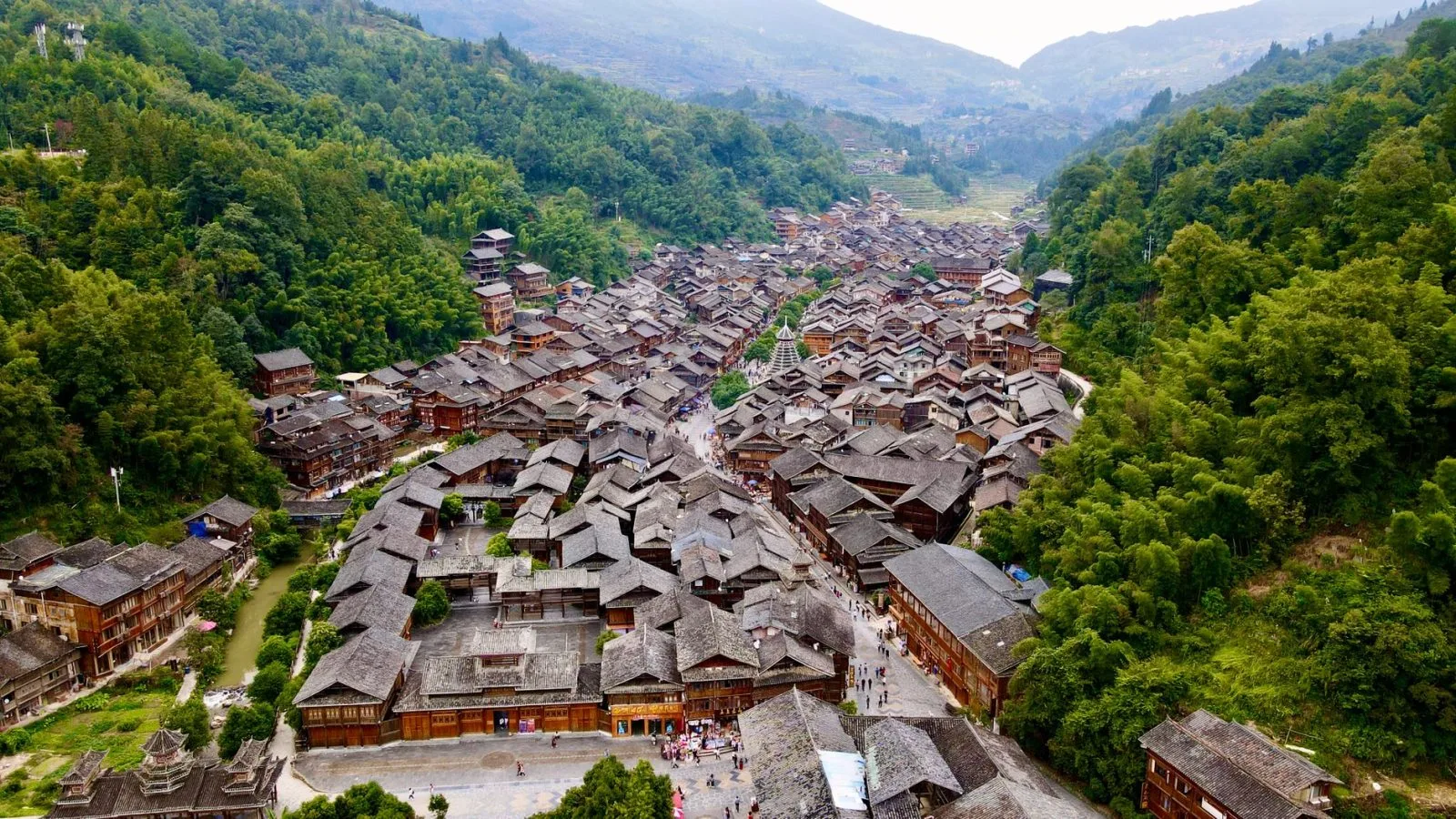
    The 2010 census recorded about 2.96 million Dong people, also known as Kam. Most live in the Qiandongnan Miao and Dong Autonomous Prefecture of eastern Guizhou, with others in Xinhuang County in western Hunan and Sanjiang County in northern Guangxi, the area tagged for this entry. Settlements cluster along streams in hilly country, where houses are built close together on timber posts and the ground floor is kept for animals and storage. Villages often form around a clan or a group of related families, and a shared drum tower marks the centre. Neighbouring Miao, Yao and Han communities shape the markets and intermarriage patterns of the region.

    Dong stilt houses clustered around a drum tower in Sanjiang, Guangxi
    Dong villages are built close together, with a drum tower at the centre. Collins Zhao | Pexels License (https://www.pexels.com/license/)

    Language and village rule

    The Dong language is also called Kam and belongs to the Kam-Sui branch of the Kra-Dai family, the wider family that includes Dai and Thai. It has tones and a large vocabulary for rice farming, forest work and village ritual. There is no old, widely shared Dong script; Chinese characters have been used for official records, and romanised spelling now helps publish dictionaries and song texts. Village life has long been regulated by compacts known as kuan, agreements on land use, marriage and dispute settlement that are recited at assemblies. Elders and elected heads speak for the village, while the song hall and the drum tower serve as places where young people learn the repertoire and the rules.

    Towers and covered bridges

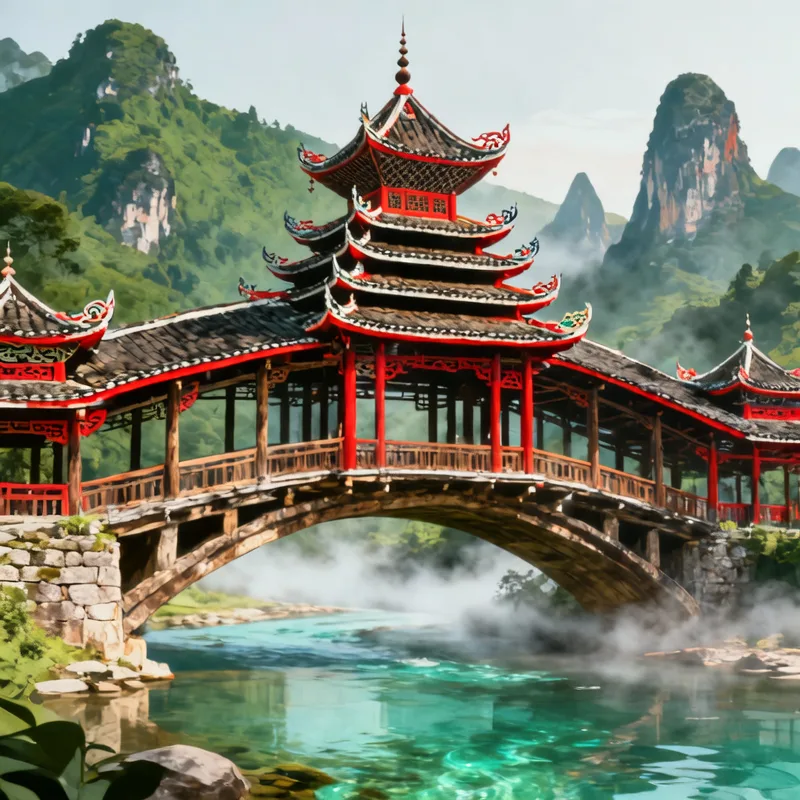
    Dong timber building is famous for two structures. The drum tower rises above the rooftops as a layered pagoda with projecting eaves, built from joined timbers and used for meetings, signals and festival gatherings. The wind and rain bridge is a covered crossing with a tiled roof, benches along its length and one or more pavilion towers. The Chengyang Yongji Bridge in Sanjiang, built in the early twentieth century, is a well-known example of this bridge type. Both structures are assembled by local carpenters using mortise and tenon joints rather than metal fasteners, and whole villages contribute labour and timber when one is raised or repaired.

    A covered Dong wind and rain bridge with pagoda towers spanning a stream in Guangxi
    Covered bridges provide shelter, seating and a village landmark in one structure. कृत्रिम बुद्धिमत्ता द्वारा निर्मित चित्र · सिनोविज़

    Grand song and daily food

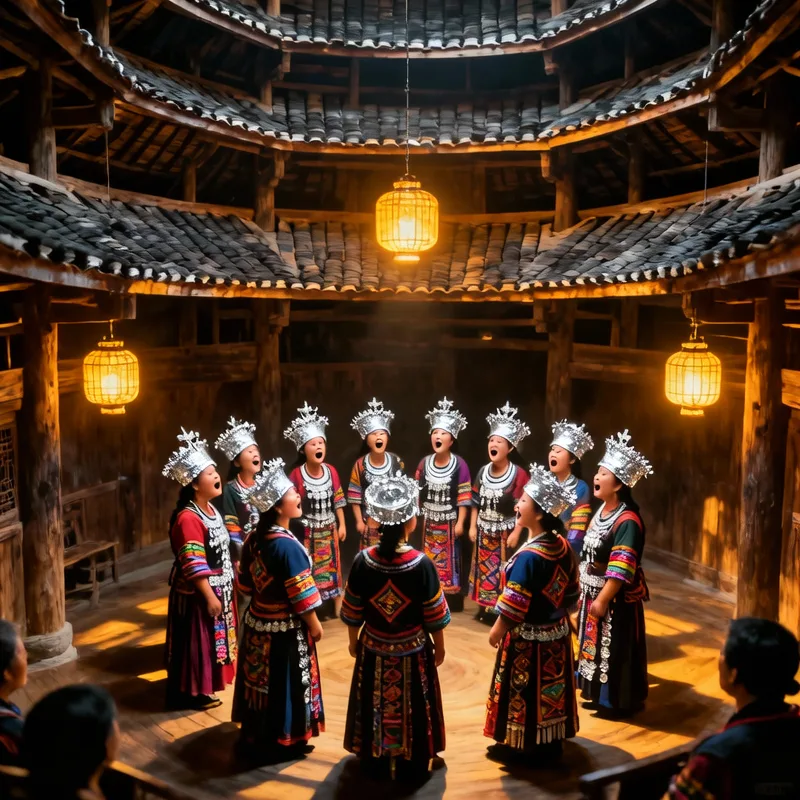
    The Kam grand song, or dongge, is unaccompanied polyphonic singing led by high voices and answered by a lower drone from the group. It is learned in song halls, where young people sit around a fireplace and rehearse through the winter, and it is performed at weddings, festivals and visits between villages. Dong New Year falls in the eleventh lunar month in many places, with drum tower gatherings and, in some areas, bullfighting. Daily food includes fermented sour fish packed with rice, sour soup, glutinous rice and you cha, a tea whisked with fried rice, peanuts and herbs. These dishes suit a wet upland climate where preservation and shared heating matter.

    Dong singers in a village song hall performing unaccompanied part-singing
    The grand song is learned in song halls and performed at communal gatherings. कृत्रिम बुद्धिमत्ता द्वारा निर्मित चित्र · सिनोविज़
    In a Dong village, the drum tower is both a landmark and an invitation to gather.

    स्रोत और आगे की जानकारी

    1. Kam grand song of the Dong ethnic group — UNESCO Intangible Cultural Heritage.
    2. Dong — एनसाइक्लोपीडिया ब्रिटानिका।
    3. Dong Ethnic Group — China.org.cn.

    इसे यथास्थान देखें

    इस प्रविष्टि का अनुसरण करके उस क्षेत्र तक पहुँचें जहाँ यह संबंधित है।

    मानचित्र द्वारा अन्वेषण करें

    इस चर्चा का अनुसरण करें

    उन अन्य प्रविष्टियों को ब्राउज़ करें जिनमें इसके समान टैग हैं।

    टैग ब्राउज़ करें
  • The Bai People

    जीवन और लोककथाएँ

    The Bai People

    White walls and craft around Dali

    The Bai are a Sino-Tibetan-speaking people concentrated around Dali, whose courtyard houses and indigo tie-dye define a local visual style.

    अनुभाग
    जीवन और लोककथाएँ
    क्षेत्र
    युन्नान
    युग
    युगों के पार
    टैग
    Ethnic, Customs

    Bai towns sit between the Cangshan mountains and Lake Erhai in northwestern Yunnan. Their language is Sino-Tibetan, and their communities carry memories of the Nanzhao and Dali kingdoms that ruled the region before the Mongol conquest of the thirteenth century.

    Between Cangshan and Erhai

    About 1.9 million Bai people were recorded in China’s 2010 census. Roughly four fifths live in Dali Bai Autonomous Prefecture, with other communities in Kunming, Chuxiong, Lijiang, Baoshan and parts of western Yunnan. Towns and villages cluster on the narrow strip of flat land between Cangshan’s slopes and the shore of Erhai, where irrigation supports rice, beans and dairy farming. The name Bai means white, a reference to the pale plaster that distinguishes local buildings. Because Dali stood on trade routes linking Yunnan with Sichuan and Tibet, Bai towns absorbed goods and techniques from several directions while keeping a strong local vocabulary of form and decoration.

    Whitewashed Bai houses with grey tiled roofs below the Cangshan range near Dali
    White plaster and dark tile give Dali-area villages their characteristic appearance. Doing Be | Pexels License (https://www.pexels.com/license/)

    Language and historical roots

    The Bai language belongs to the Sino-Tibetan family, usually placed within Tibeto-Burman, though scholars still debate its exact position because of heavy borrowing from Chinese. There is no widely used traditional Bai script, and Chinese characters have served for writing names, contracts and local records. Bai oral tradition, including creation stories and accounts of kingdom builders, is transmitted in speech and performance. Ancestors of the Bai are associated with the Nanzhao kingdom, which flourished from the eighth to the ninth century, and the Dali kingdom that followed between 937 and 1253. Both left stone inscriptions, Buddhist carvings and fortified sites around the lake.

    Courtyards, marble and dye

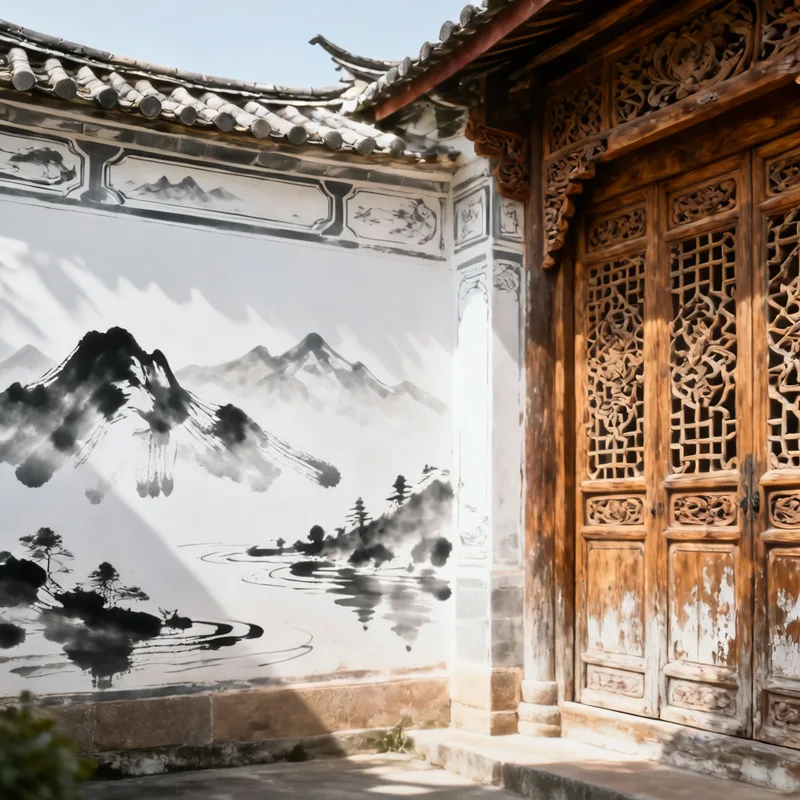
    The standard Bai house follows a layout known as sanfang yizhaobi, three wings arranged around a courtyard facing a freestanding screen wall. Walls are whitewashed, roofs are covered in grey clay tiles, and doorways and windows carry deep carved wooden fretwork. The screen wall is often painted with landscapes or calligraphy, and panels of local marble are set into lintels and table tops. In Zhoucheng and nearby villages, indigo tie-dye produces blue cloth patterned by stitching and binding before dyeing. Bai embroidery, plaster carving and stonework use similar floral and geometric motifs, so the same design vocabulary appears on clothing, furniture and building facades.

    A Bai courtyard screen wall with ink painting and a carved wooden doorway in Dali
    A painted screen wall faces the main wing of a traditional Bai courtyard house. कृत्रिम बुद्धिमत्ता द्वारा निर्मित चित्र · सिनोविज़

    Tea, markets and festivals

    Three-course tea is a Bai hospitality ritual: a bitter first cup brewed from roasted leaves, a sweet second cup with nuts and honey, and a final cup that mixes the two and is said to leave a lasting aftertaste. Local dishes include air-dried milk sheets called rushan, raw pork skin salad, sour fish from Erhai and bean curd cooked with local herbs. The Third Month Fair, held in the lunar third month at Dali, began as a livestock and goods market and now fills the foothills of Cangshan with stalls, horse trading and performances. Raosanling, a pilgrimage and singing gathering, and torch-lighting customs in some villages add other dates to the year.

    Bai vendors and livestock at the Third Month Fair near Dali, Yunnan
    The Third Month Fair grew from a regional market into a major public gathering. कृत्रिम बुद्धिमत्ता द्वारा निर्मित चित्र · सिनोविज़
    Bai craftsmen treat a house front, a tea cup and a dyed cloth as the same surface for pattern.

    स्रोत और आगे की जानकारी

    1. Bai — एनसाइक्लोपीडिया ब्रिटानिका।
    2. Bai Ethnic Group — China.org.cn.

    इसे यथास्थान देखें

    इस प्रविष्टि का अनुसरण करके उस क्षेत्र तक पहुँचें जहाँ यह संबंधित है।

    मानचित्र द्वारा अन्वेषण करें

    इस चर्चा का अनुसरण करें

    उन अन्य प्रविष्टियों को ब्राउज़ करें जिनमें इसके समान टैग हैं।

    टैग ब्राउज़ करें
  • The Dai People

    जीवन और लोककथाएँ

    The Dai People

    Tai-speaking communities of southern Yunnan

    The Dai are Tai-speaking Buddhist communities whose villages, temples and water festivals shape the river valleys of southern Yunnan.

    अनुभाग
    जीवन और लोककथाएँ
    क्षेत्र
    युन्नान
    युग
    युगों के पार
    टैग
    Ethnic, Customs

    In the lowlands of Xishuangbanna and Dehong, Dai villages sit beside rice fields and Buddhist monasteries. Their language belongs to the Tai branch of the Kra-Dai family, and their festivals follow a calendar shared with communities across mainland Southeast Asia.

    Where the valleys are

    About 1.16 million Dai people were counted in China’s 2010 census. Most live in the lowlands of southern and western Yunnan, especially the Xishuangbanna Dai Autonomous Prefecture along the Lancang (Mekong) River and the Dehong Dai and Jingpo Autonomous Prefecture near the Myanmar border. Smaller communities extend through Lincang, Pu’er and Honghe. Settlement follows warm river valleys where irrigated rice can be grown year-round, rather than the cooler surrounding hills. This lowland orientation has kept Dai villages in close contact with Shan, Thai and Lao communities across the borders, and it explains why local architecture, food and festival calendars have much in common with mainland Southeast Asia.

    Dai village houses with steep roofs beside irrigated rice fields in Xishuangbanna, Yunnan
    Villages follow the warm river valleys where rice can be grown through the year. Rachel Claire | Pexels License (https://www.pexels.com/license/)

    Language, script and the wat

    Dai belongs to the Tai branch of the Kra-Dai language family, the same broad family that includes Thai and Lao. Three writing traditions are used in Yunnan: the Xishuangbanna script, the Dehong script and a variant used around Jinping. All derive from older Tai writing systems and were once maintained mainly through monastery education. Theravada Buddhism reached Dai communities through trade and pilgrimage routes over several centuries, and a local wat, or monastery, became the centre of village literacy and ceremony. Boys traditionally spent part of their youth as novices, learning to read scripture and recite chants. Gilded stupas and timber temples with sloping roofs remain the most visible landmarks in the landscape.

    A Dai Buddhist temple with a gilded spire and carved timber eaves in Xishuangbanna
    The local wat has long been a centre of reading, ordination and village ceremony. Eric Feng | Pexels License (https://www.pexels.com/license/)

    House, cloth and daily food

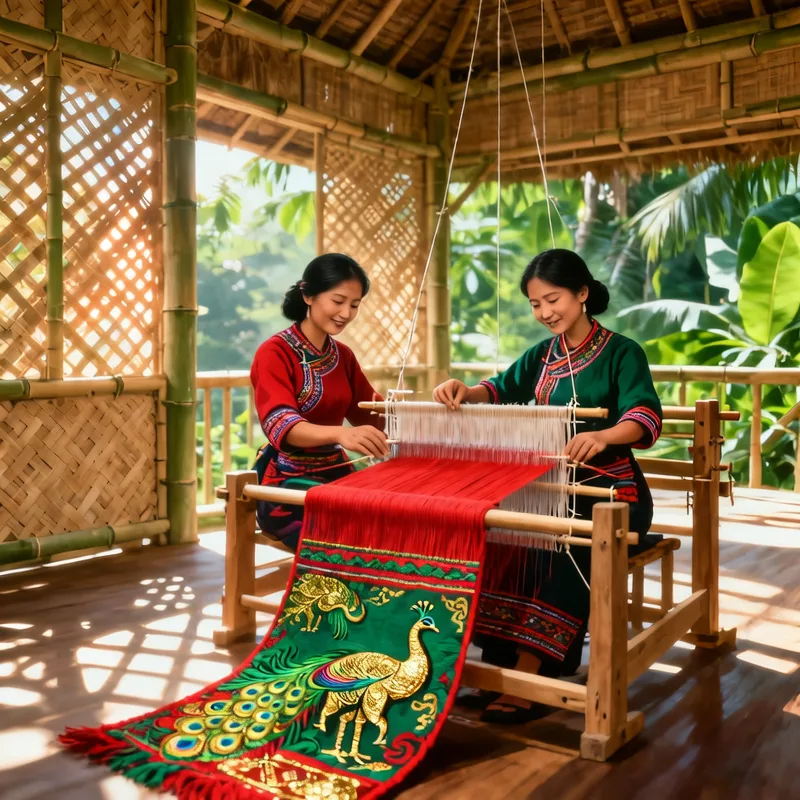
    A traditional Dai house stands on timber or bamboo posts, with the living floor lifted above the ground and a steep roof that sheds heavy monsoon rain. An open veranda serves as a work and sitting space, while the area beneath the house is used for storage and livestock. Household weaving produces cotton and silk cloth, and Dai brocade is known for peacock, elephant and geometric motifs worked in bright threads. Silver ornaments, betel nut and lacquered trays appear in daily and ceremonial exchange. Meals centre on glutinous rice, freshwater fish, sour bamboo shoots and chilli dips, often wrapped in banana leaves. Tea gardens around Xishuangbanna and Pu’er add another crop with a long regional history.

    A Dai weaver working on a backstrap loom beside a stilted wooden house
    Brocade, silverwork and betel nut are part of everyday household life. कृत्रिम बुद्धिमत्ता द्वारा निर्मित चित्र · सिनोविज़

    The Water Festival

    The Dai new year falls in mid-April and is celebrated as the Water Festival, known locally as Songkran. Water is poured or sprinkled over family, neighbours and visitors as a wish for a clean and abundant year, and the day also includes visits to the monastery, the building of small sand pagodas and boat races on the rivers. In the evenings, peacock and elephant dances are performed with slow, controlled hand movements and bright costumes. These dances are also taught in cultural troupes and schools, alongside Dai opera and folk storytelling. Today the festival draws visitors from other parts of China, while monasteries and village craft workers continue to maintain the language and techniques behind it.

    In the Dai lowlands, a monastery, a rice field and a loom keep the same calendar.

    स्रोत और आगे की जानकारी

    1. Dai — एनसाइक्लोपीडिया ब्रिटानिका।
    2. Dai Ethnic Group — China.org.cn.

    इसे यथास्थान देखें

    इस प्रविष्टि का अनुसरण करके उस क्षेत्र तक पहुँचें जहाँ यह संबंधित है।

    मानचित्र द्वारा अन्वेषण करें

    इस चर्चा का अनुसरण करें

    उन अन्य प्रविष्टियों को ब्राउज़ करें जिनमें इसके समान टैग हैं।

    टैग ब्राउज़ करें
  • The Lunar Calendar

    जीवन और लोककथाएँ

    The Lunar Calendar

    Timekeeping by Moon and Sun

    China’s traditional calendar ties lunar months to solar seasons, and festivals to both.

    अनुभाग
    जीवन और लोककथाएँ
    क्षेत्र
    बीजिंग
    युग
    युगों के पार
    टैग
    प्रथाएँ

    The Chinese calendar is lunisolar: its months follow the moon, while its years follow the sun. For more than two millennia, court astronomers and village farmers used the same system for different purposes — to date reigns and to know when to sow.

    How the Calendar Works

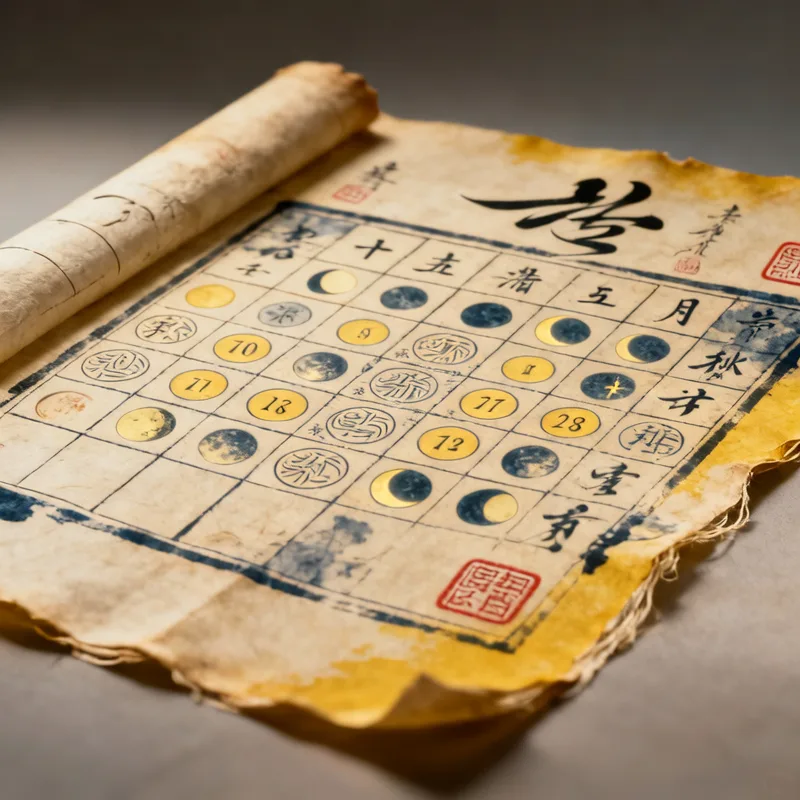
    Each month begins on the day of the astronomical new moon and lasts 29 or 30 days, so twelve lunar months total about 354 days — roughly eleven days short of a solar year. To keep spring in spring, intercalary months are inserted: seven extra months in every nineteen years, a cycle known as the Metonic cycle. A repeated month is numbered after the one it follows, hence a leap fourth month. Days are counted separately again by the sexagenary cycle, a pairing of ten heavenly stems and twelve earthly branches that labels each day and year with a combination such as jiachen.

    Page from a traditional Chinese almanac showing lunar months, solar terms and auspicious days
    A lunar month runs from one new moon to the next; a solar term marks the sun’s position. कृत्रिम बुद्धिमत्ता द्वारा निर्मित चित्र · सिनोविज़

    Observation Becomes Science

    The system grew out of observation. Oracle-bone inscriptions from the Shang dynasty (c. 1600–1046 BCE) record lunar months, eclipses and intercalary months, and the Spring and Autumn Annals preserves early eclipse records used later to test calculations. The Taichu calendar, adopted in 104 BCE under Emperor Wu of Han, fixed the year’s start at the first lunar month and established the nineteen-year intercalation rule. Later reforms refined it: Guo Shoujing’s Shoushi calendar of 1281, made for the Yuan capital at Dadu (Beijing), used a tropical year of 365.2425 days — the same length later adopted by the Gregorian reform.

    Calendrical skill was political. A ruler who could predict eclipses and announce the new moon claimed the mandate of heaven; issuing the almanac to subordinate states was an act of authority. The Beijing Ancient Observatory, built in 1442, still holds Ming armillary spheres and a gnomon used for such work. Astronomers there worked alongside Jesuit missionaries in the seventeenth century, when the Qing court adopted European methods for predicting eclipses while retaining the lunar month structure. The calendar was thus a meeting point of statecraft, mathematics and observation.

    The Twenty-Four Solar Terms

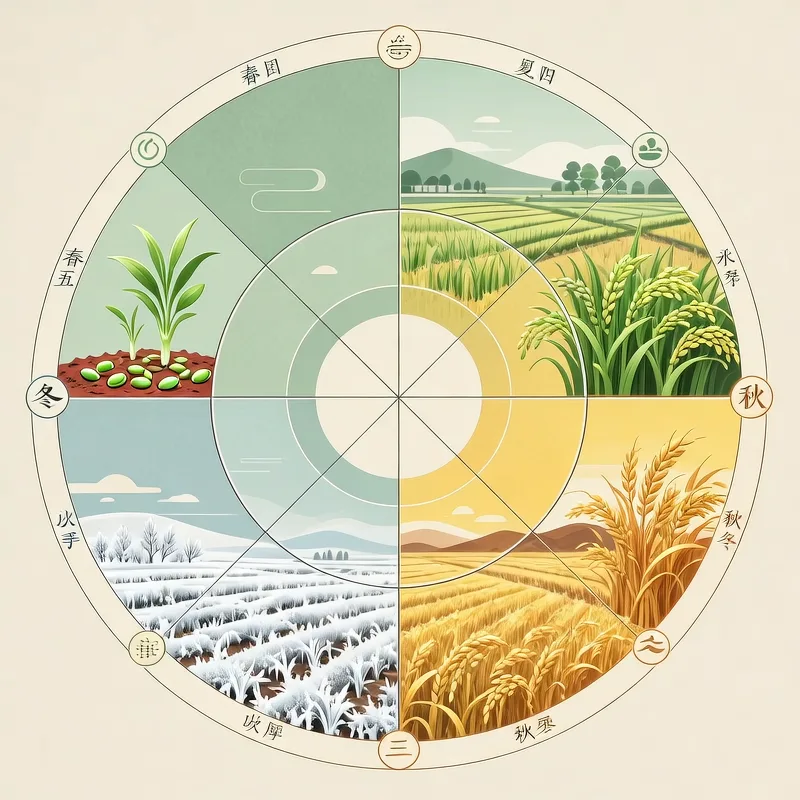
    Running beside the lunar months is a solar calendar of twenty-four terms, each spaced fifteen degrees along the sun’s annual path. The sequence begins with Lichun, the Beginning of Spring, around 4 February, and includes Qingming (Pure Brightness) in early April, Xiazhi (Summer Solstice), Bailu (White Dew) and Dongzhi (Winter Solstice). Developed in the Yellow River region and applied nationwide, the terms tell farmers when to expect frost or rain; proverbs still link them to sowing and harvest. UNESCO inscribed the knowledge and practice on its Representative List in 2016.

    Diagram of the sun’s annual path divided into twenty-four segments with agricultural labels
    Each solar term covers fifteen degrees of the sun’s path, about fifteen days apart. कृत्रिम बुद्धिमत्ता द्वारा निर्मित चित्र · सिनोविज़

    A Calendar of Festivals

    Because dates are counted from lunar months, festivals move against the Gregorian calendar. Spring Festival opens on the first day of the first lunar month and closes with the Lantern Festival on the fifteenth, when streets fill with lanterns. The Dragon Boat Festival falls on the fifth day of the fifth month, the Ghost Festival on the fifteenth of the seventh, and Mid-Autumn on the fifteenth of the eighth, when families gather under the full moon.

    • Spring Festival — first day of the first lunar month
    • Lantern Festival — fifteenth day of the first month
    • Dragon Boat Festival — fifth day of the fifth month
    • Mid-Autumn Festival — fifteenth day of the eighth month
    • Qingming — a solar term around 4–6 April

    Why It Still Matters

    The lunar calendar survives because it carries social time as well as astronomical time. Ancestors are honoured on Qingming and on the anniversary of a death counted in lunar dates; weddings and funerals are often scheduled by almanac. The zodiac animal of a year, the eight characters of a birth, and auspicious days for moving house all depend on the same stem-branch scaffolding. In Beijing, temple fairs and lantern displays still follow the first lunar month, while rural communities consult the solar terms for field work. Two systems, one calendar.

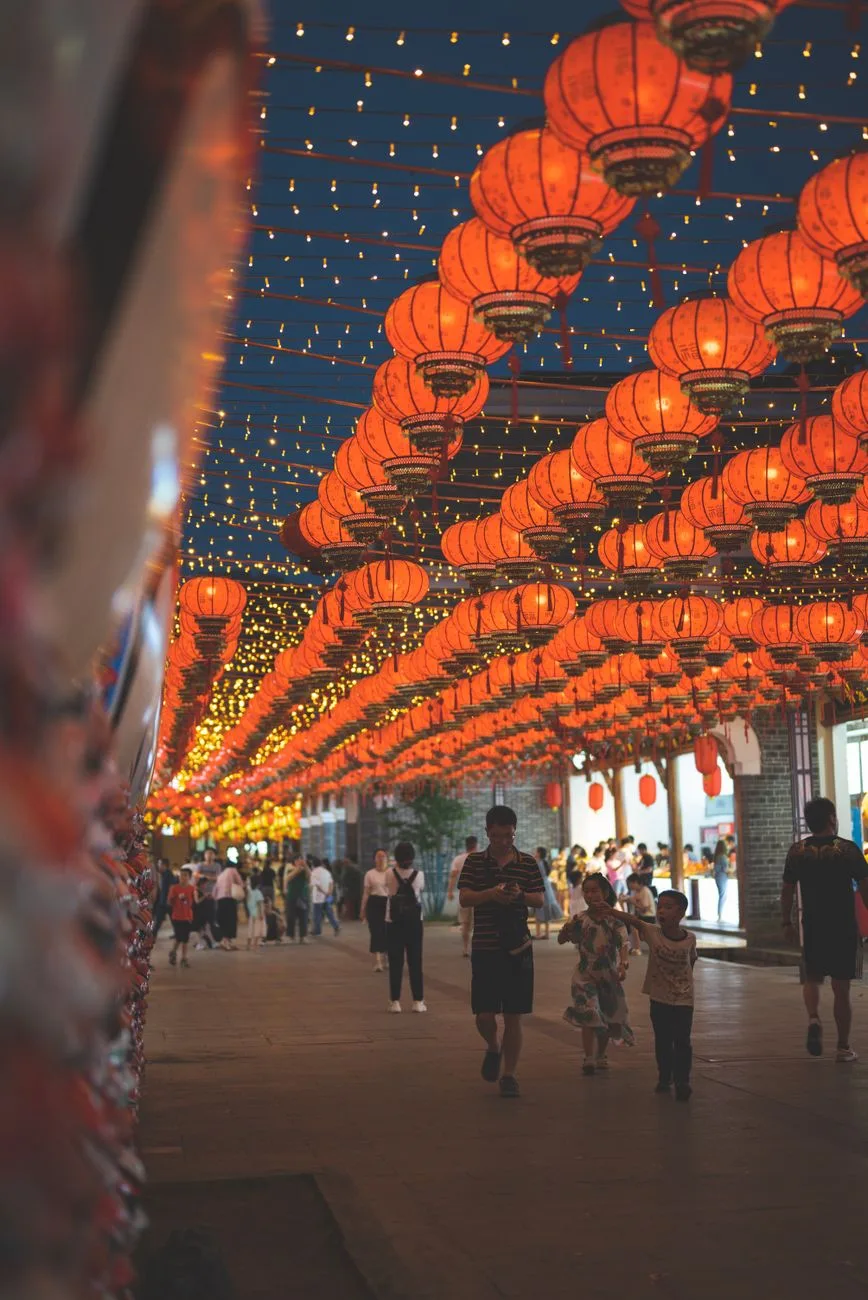
    Lanterns hanging in a Beijing street during the first lunar month
    Temple fairs and lantern displays still mark the opening weeks of the lunar year. Cz Jen | Pexels License (https://www.pexels.com/license/)
    The months follow the moon, but the year must answer to the sun.

    स्रोत और आगे की जानकारी

    1. The Twenty-Four Solar Terms, knowledge in China of time and practices developed through observation of the sun’s annual motion — UNESCO Intangible Cultural Heritage.
    2. Chinese calendar — एनसाइक्लोपीडिया ब्रिटानिका।
    3. चीनी नव वर्ष — एनसाइक्लोपीडिया ब्रिटानिका।

    इसे यथास्थान देखें

    इस प्रविष्टि का अनुसरण करके उस क्षेत्र तक पहुँचें जहाँ यह संबंधित है।

    मानचित्र द्वारा अन्वेषण करें

    इस चर्चा का अनुसरण करें

    उन अन्य प्रविष्टियों को ब्राउज़ करें जिनमें इसके समान टैग हैं।

    टैग ब्राउज़ करें
  • The Chinese Zodiac

    जीवन और लोककथाएँ

    The Chinese Zodiac

    Twelve Animals, Sixty-Year Cycle

    The twelve animals map years, hours and personality onto a repeating cycle.

    अनुभाग
    जीवन और लोककथाएँ
    क्षेत्र
    बीजिंग
    युग
    युगों के पार
    टैग
    प्रथाएँ

    The Chinese zodiac assigns an animal to each year in a twelve-year round. It is not a standalone horoscope but one layer of the lunisolar calendar, where twelve earthly branches combine with ten heavenly stems to name a full cycle of sixty years.

    The Twelve Animals

    The sequence is rat, ox, tiger, rabbit, dragon, snake, horse, goat, monkey, rooster, dog and pig, each paired with one of the twelve earthly branches: zi, chou, yin, mao, chen, si, wu, wei, shen, you, xu and hai. The goat is also translated as sheep or ram. A well-known folk tale explains the order as the result of a race across a river: the rat rides on the ox and leaps ahead at the bank, while the cat, in some versions, misses the crossing altogether. The story is later than the system it explains.

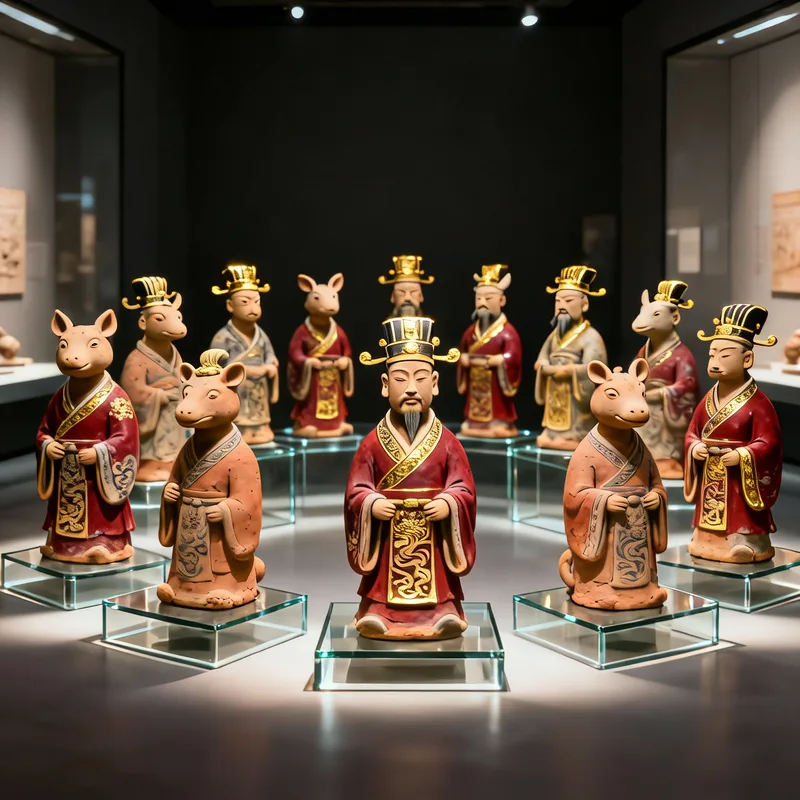
    Set of twelve Tang dynasty earthenware zodiac figures dressed as officials
    The animal order was fixed by the Eastern Han and appears in Tang tomb pottery. कृत्रिम बुद्धिमत्ता द्वारा निर्मित चित्र · सिनोविज़

    From Branches to Animal Signs

    The branches themselves are old; the animals attached to them appear more gradually. The Metropolitan Museum of Art notes that the twelve were first associated with the lunar calendar in China around the third century BCE and were firmly established by the first century CE. By the Eastern Han dynasty (25–220 CE) the conventional order was fixed, and texts such as Wang Chong’s Lunheng list the same animals used today. The pairing spread across East and Southeast Asia, where local traditions altered the cast.

    Tomb art confirms the dating. Tang dynasty (618–907) burials contain sets of twelve earthenware animals in official robes, placed as offerings for renewal and protection. Song dynasty examples are smaller glazed stoneware figures shown as civil officials or Daoist practitioners, with the identifying animal held in the hand or worn on the hat. The zodiac was never only a New Year novelty; it structured time in the tomb as it did among the living.

    Stems, Branches and Destiny

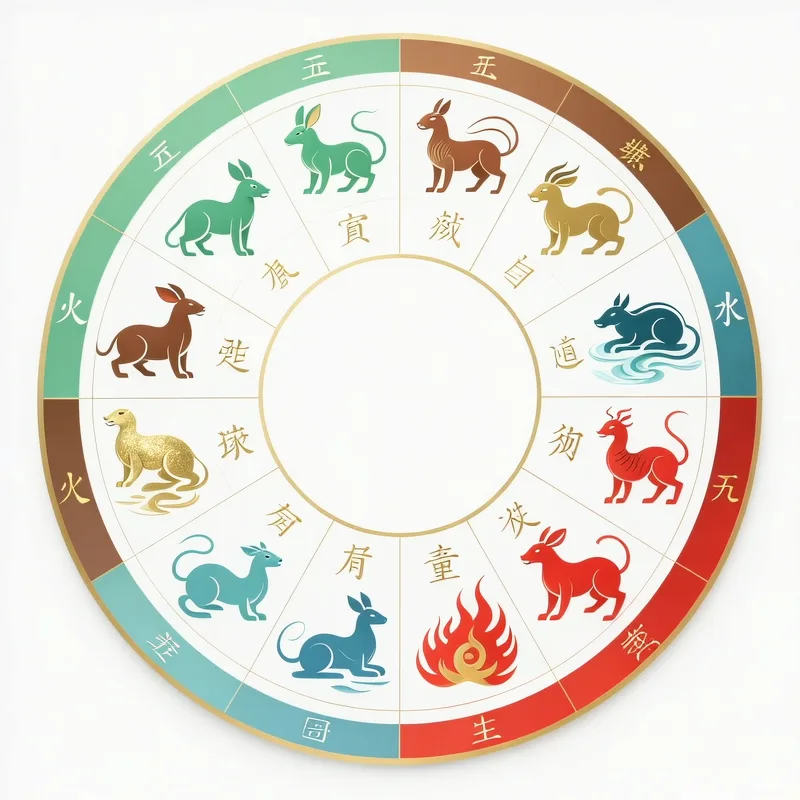
    Because the ten stems and twelve branches advance together, a year is described by a pair such as bingwu, the Fire Horse of 2026; the same pair recurs only after sixty years. Branches also divide the day into twelve two-hour watches, the zi hour running from eleven at night to one in the morning. The four pillars of fate — year, month, day and hour — are built from four such pairs. Practitioners of bazi read them for temperament and fortune, and families once consulted them when arranging matches.

    Circular diagram of the twelve Chinese zodiac animals and five elements
    Animal and element combine: 2026 is bingwu, the Fire Horse. कृत्रिम बुद्धिमत्ता द्वारा निर्मित चित्र · सिनोविज़

    In Daily Life

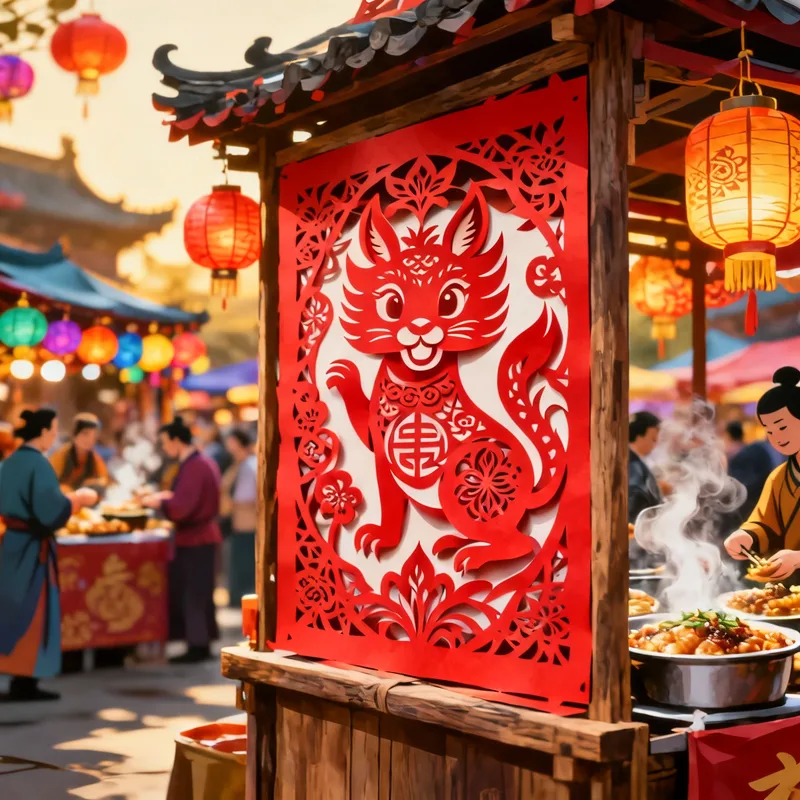
    Zodiac signs work as a shared shorthand rather than a strict belief. A person’s benming nian, the year their animal returns, is treated with caution; red clothing and red cords are common precautions, especially for children and elders. New Year prints, paper cuts and temple fairs display the animal of the year, and greetings routinely name it. Claims about compatibility draw on the branch cycle, with signs six places apart said to clash.

    • 2026 is Bingwu, the Year of the Fire Horse.
    • Each branch governs a two-hour period; zi covers 11 p.m.–1 a.m.
    • The four pillars of destiny combine year, month, day and hour.
    • Vietnam substitutes a cat for the rabbit.

    Regional Variations

    The cycle travelled with Chinese settlement and trade. In Vietnam the rabbit becomes a cat and the ox a water buffalo; the goat may be called a sheep elsewhere. Zodiac animals appear on coins, mirrors, lacquer and ceramics across the region, and Korean and Japanese calendars adopted the same branches with their own animal lists. Such variations matter: they show a calendar system being translated, not simply copied. The Chinese sequence remains the reference point for the lunar New Year celebrated in Beijing and in diaspora communities worldwide.

    Red paper cut showing the zodiac animal of the year on a temple fair stall
    Each lunar New Year brings a new animal to prints, paper cuts and greetings. कृत्रिम बुद्धिमत्ता द्वारा निर्मित चित्र · सिनोविज़
    The rat wins the race because it knows when to jump — a story invented long after the cycle was already in use.

    स्रोत और आगे की जानकारी

    1. Chinese zodiac — एनसाइक्लोपीडिया ब्रिटानिका।
    2. Set of twelve zodiac animals, Tang dynasty — The Metropolitan Museum of Art.
    3. Celebrating the Year of the Dog — The Metropolitan Museum of Art.

    इसे यथास्थान देखें

    इस प्रविष्टि का अनुसरण करके उस क्षेत्र तक पहुँचें जहाँ यह संबंधित है।

    मानचित्र द्वारा अन्वेषण करें

    इस चर्चा का अनुसरण करें

    उन अन्य प्रविष्टियों को ब्राउज़ करें जिनमें इसके समान टैग हैं।

    टैग ब्राउज़ करें
  • Ancestor Veneration

    जीवन और लोककथाएँ

    Ancestor Veneration

    Lineage, Ritual and Memory

    Ancestral rites link the household, the lineage hall and the village cemetery.

    अनुभाग
    जीवन और लोककथाएँ
    क्षेत्र
    फ़ुज़ियान
    युग
    युगों के पार
    टैग
    प्रथाएँ

    Ancestor veneration is the practice of honouring dead relatives with offerings, incense and prescribed rites. In Fujian it became a framework for lineage organisation, property ownership and migration, binding villages to ancestors who had often lived centuries earlier.

    A Duty to the Dead

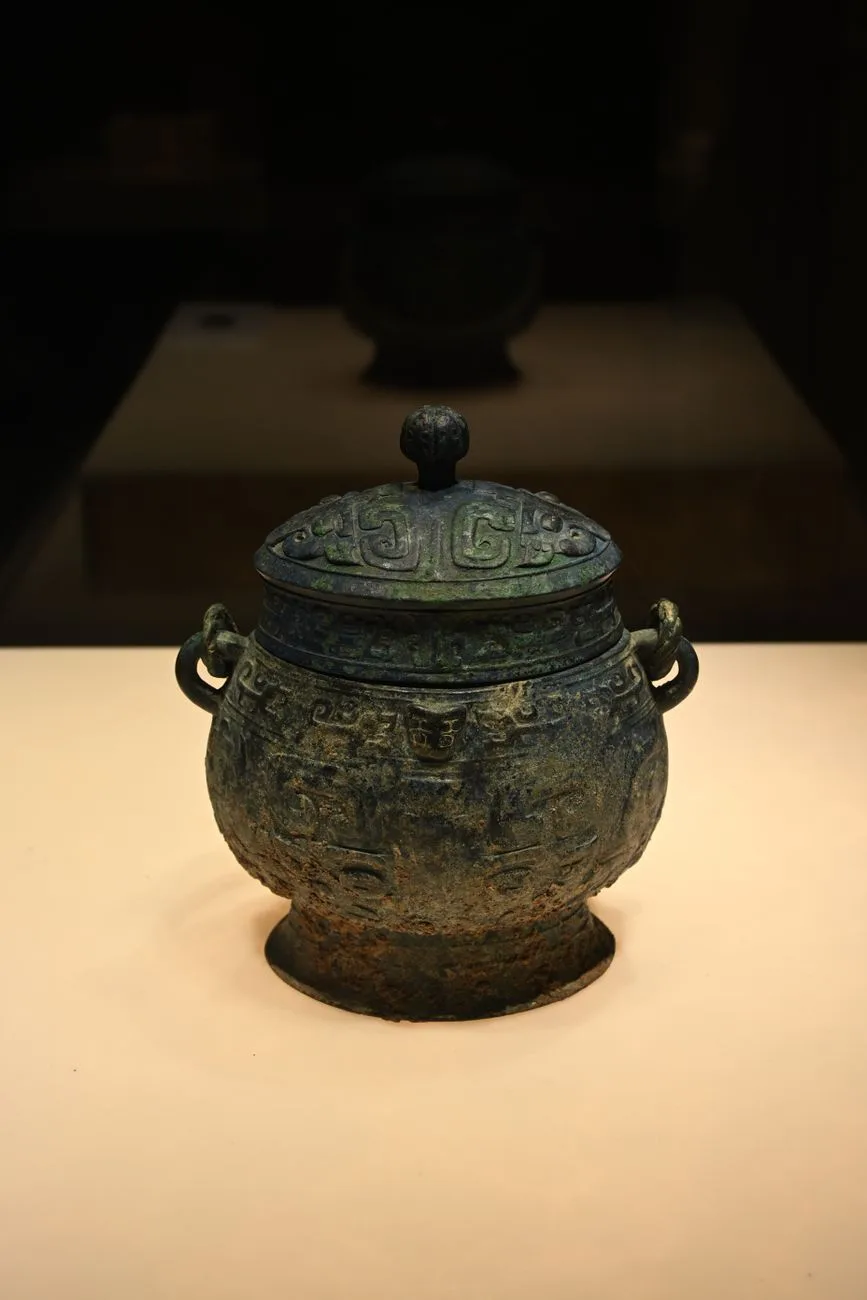
    Confucian teaching gave the practice its moral language. The Analects urge the living to care carefully for funeral rites and follow ancestors afar, and describe sacrifice as if the spirits were present. The Book of Rites and related ritual texts set out mourning grades, offerings and the proper order of the dead. Archaeologists trace ancestor cults to the Late Neolithic, and Shang bronze vessels were cast with inscriptions naming the ancestor for whom wine or grain was offered. Veneration was obligation as much as affection.

    Shang dynasty bronze ritual vessel with an inscription dedicating it to an ancestor
    Bronze vessels named the recipient of offerings, fixing the relationship in writing. K ZHAO | Pexels License (https://www.pexels.com/license/)

    The Household Altar

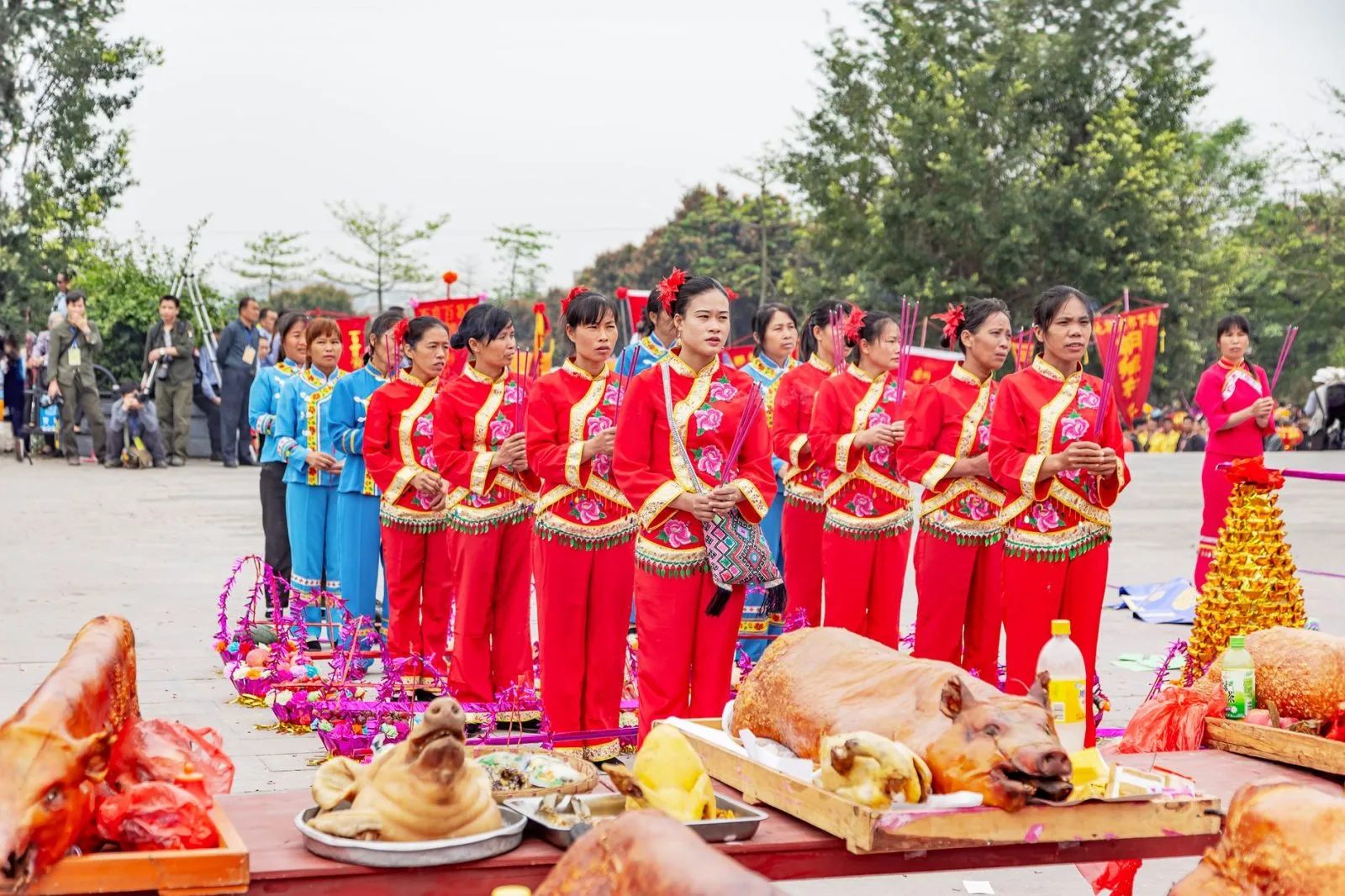
    In a traditional home, a small altar holds ancestral tablets — wooden plaques inscribed with names and titles — arranged by generation. Incense is lit on the first and fifteenth days of the lunar month, and on the anniversary of a death. Offerings may include tea, wine, fruit, rice and three kinds of meat, laid out in an ordered arrangement; family members bow or kowtow in age order. The tablet is not an image of the person but a place where the relationship can be addressed.

    Ritual time follows the calendar. Qingming, the Pure Brightness solar term in early April, is the great tomb-sweeping day: graves are cleared of weeds, offerings are left, and paper money is burned. Winter solstice brings another round of offerings in many Fujian households, often with tangyuan, sweet rice balls. During the seventh lunar month, the Ghost Festival extends attention beyond one’s own kin to wandering spirits, with community feasts and paper effigies.

    Fujian’s Lineage Halls

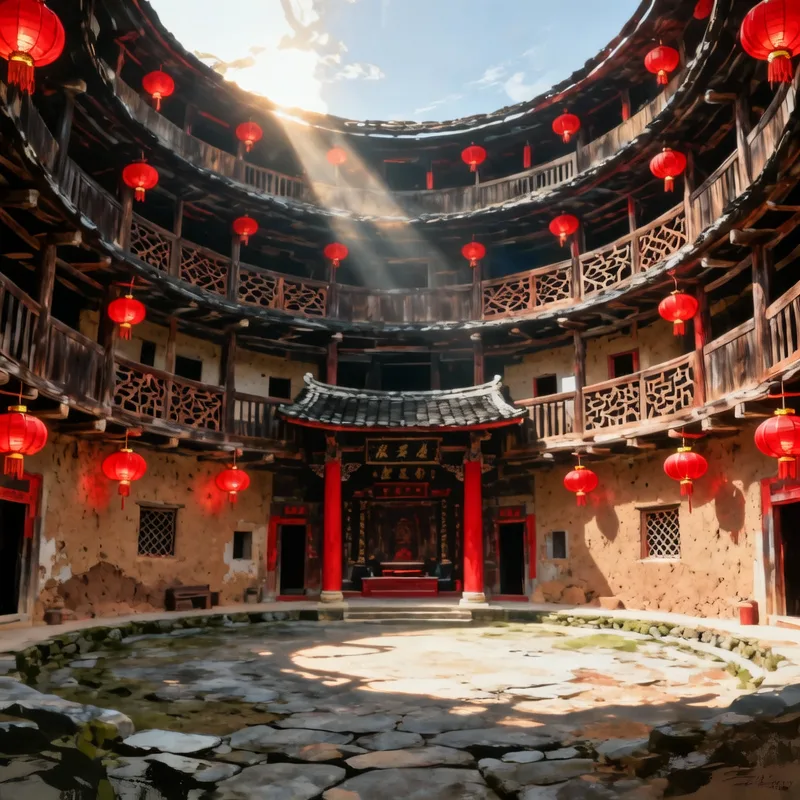
    Nowhere is the social scale clearer than in Fujian. From the sixteenth century, lineage halls — citang — spread beyond the elite into villages across southeastern China, and in emigrant home regions they came to dominate the built landscape. A hall houses the collective tablets of a surname group, keeps the genealogy and manages corporate land whose income pays for repairs, sacrifices and schools. Inside some Hakka tulou, the great earthen communal houses of southwestern Fujian, an ancestral hall occupies a place within the defensive ring.

    Interior courtyard and ancestral hall of a Fujian earthen tulou communal house
    A lineage hall within a tulou served a whole clan, not a single household. कृत्रिम बुद्धिमत्ता द्वारा निर्मित चित्र · सिनोविज़

    Migration and Return

    Fujian’s coast sent migrants to Southeast Asia from the late Qing period onward, and ancestral rites travelled with them. Emigrants joined surname associations and built halls in Singapore, Malaysia and Indonesia; remittances paid for new halls and restored graves at home. Scholars describe these links as transnational lineage networks: the same ritual vocabulary connected the village altar, the overseas clan association and the cemetery. After the 1980s many descendants returned to rebuild halls, turning genealogy into a bridge across generations and borders.

    • Qingming: graves swept and offerings laid in early April
    • Seventh lunar month: Ghost Festival rites for unnamed spirits
    • Citang: a lineage hall holding tablets, genealogy and corporate records
    • Fujian Tulou: UNESCO World Heritage since 2008

    Changes and Continuities

    The twentieth century disrupted the institutional side. Land reform and collectivisation stripped lineage estates of their income, and during the Cultural Revolution many halls were closed or damaged. Since the 1980s, local initiatives have restored buildings and revived rites, sometimes as heritage tourism and sometimes as family duty. The practice persists in adjusted form: incense at a household shelf, a grave cleaned before Qingming, a name recorded in a rebuilt genealogy. What survives is the conviction that the dead remain part of the social order.

    Family members burning paper offerings at a grave during Qingming in southern China
    Grave sweeping and offerings remain the most visible part of the Qingming rites. Man Fong Wong | Pexels License (https://www.pexels.com/license/)
    A tablet is not a portrait of the dead. It is an address at which the living may still speak to them.

    स्रोत और आगे की जानकारी

    1. China: Religious beliefs and social organization — एनसाइक्लोपीडिया ब्रिटानिका।
    2. Fujian Tulou — UNESCO World Heritage Centre.
    3. Chinese Diasporas: Early Modern Patterns, 1500–1740 — Cambridge University Press.

    इसे यथास्थान देखें

    इस प्रविष्टि का अनुसरण करके उस क्षेत्र तक पहुँचें जहाँ यह संबंधित है।

    मानचित्र द्वारा अन्वेषण करें

    इस चर्चा का अनुसरण करें

    उन अन्य प्रविष्टियों को ब्राउज़ करें जिनमें इसके समान टैग हैं।

    टैग ब्राउज़ करें
  • Chinese Weddings

    जीवन और लोककथाएँ

    Chinese Weddings

    Rites, Gifts and the Red Veil

    Traditional Chinese weddings join two families through a sequence of gifts, processions and vows.

    अनुभाग
    जीवन और लोककथाएँ
    क्षेत्र
    ZHEJIANG
    युग
    युगों के पार
    टैग
    प्रथाएँ

    A Chinese wedding was historically less a single ceremony than a negotiated sequence between households. The classical six rites set out steps from proposal to the fetching of the bride; local practice in Zhejiang added its own music, boats and wines.

    The Six Rites

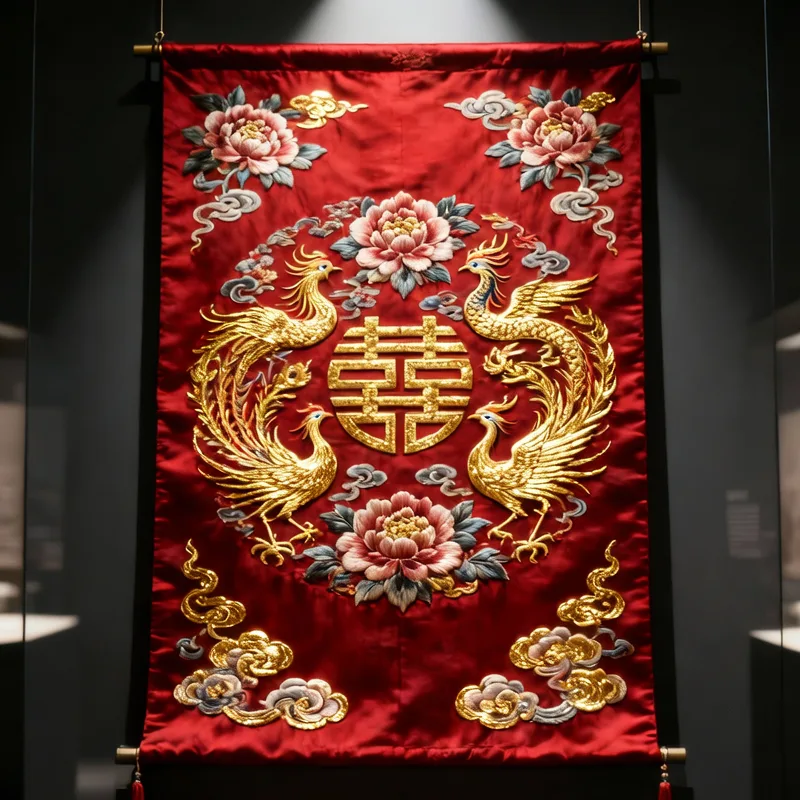
    The classical sequence, codified in ritual texts of the Zhou dynasty, is known as the six rites. A go-between first presented a proposal (nacai), then asked the bride’s name and birth details (wenming). Divination at the ancestral altar produced a favourable answer (naji), after which the groom’s family sent betrothal gifts (nazheng), requested an auspicious date (qingqi) and finally fetched the bride (qinying). Three documents — the betrothal, gift and wedding letters — accompanied the exchange. Few families performed all six in full, but the vocabulary survived in engagements.

    Qing dynasty wedding hanging in silk and gold thread with auspicious symbols
    Auspicious textiles marked the threshold between two households. कृत्रिम बुद्धिमत्ता द्वारा निर्मित चित्र · सिनोविज़

    The Day of the Procession

    The word for marriage, hunyin, shares its first character with dusk, the traditional hour of the ceremony. Before dawn the bride, veiled in red, was carried from her natal home in a decorated sedan or, in the water towns of northern Zhejiang, aboard a boat hung with lanterns. Firecrackers and the reeds of suona horns announced the party. Crossing a saddle and a burning brazier at the groom’s gate invoked safety through puns on peace; the bride stepped over a threshold that marked a change of household.

    Inside, the couple bowed to the wedding candles, to the groom’s ancestors and to the elders, then served tea to both families in order of seniority. Red envelopes of money acknowledged each bow. On the bridal bed, dates, peanuts, longans and lotus seeds were scattered for a pun on bearing a son soon. A woman of good fortune straightened the quilts and spoke auspicious words. Only after the banquet, with its toasts of ganbei, did the formal duties ease.

    Zhejiang Inflections

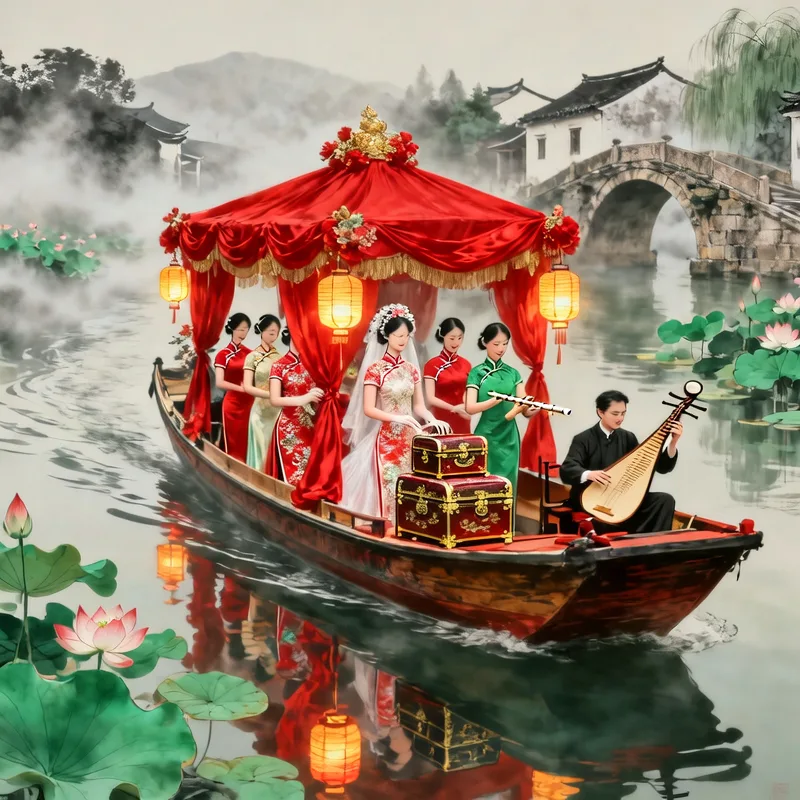
    Regional custom gave the framework local texture. In Shaoxing, a jar of yellow rice wine might be buried when a daughter was born and opened at her wedding: nuer hong, daughter’s red. The wine belonged to the bride’s family and travelled with the dowry, alongside silk quilts from Huzhou and lacquered furniture. In Wuzhen and other canal towns, the bridal procession moved by water, and Yue opera troupes were hired for the feast. Southern Zhejiang kept the custom of laments, in which the bride and her women sang farewell verses.

    Traditional bridal boat with red lanterns on a canal in a Zhejiang water town
    In canal towns the wedding procession travelled by water. कृत्रिम बुद्धिमत्ता द्वारा निर्मित चित्र · सिनोविज़

    Gifts, Dowries and Alliances

    Betrothal gifts and dowries were not mere display; they recorded the standing of two families and the terms of an alliance. The groom’s side supplied money, tea, wine, silk and livestock, while the bride brought textiles, jewellery, furniture and sometimes land or a shop. Surname exogamy was the rule: marriage within the same patrilineal clan was treated as incest. The 1950 Marriage Law recast the legal framework, establishing free choice of partner and equal property rights for spouses, but many gift customs continued.

    • Six rites: nacai, wenming, naji, nazheng, qingqi, qinying
    • Shaoxing’s nuer hong wine is opened at the daughter’s wedding.
    • Double happiness (shuangxi) appears on linens, paper cuts and pottery.
    • Tea served to elders wins red envelopes in return.

    Weddings Now

    Today a civil registration at the local civil affairs office makes a marriage legal, and ceremonies are chosen from a menu of options. Some couples hold a restrained tea ceremony at home; others book a banquet hall, a photographer and a host who keeps the toasts moving. The red veil has given way to a white dress for many brides, often followed by a red qipao for the formal photographs. In Zhejiang’s water towns, staged wedding processions are also a tourist performance, repeating the same gestures for an audience of visitors.

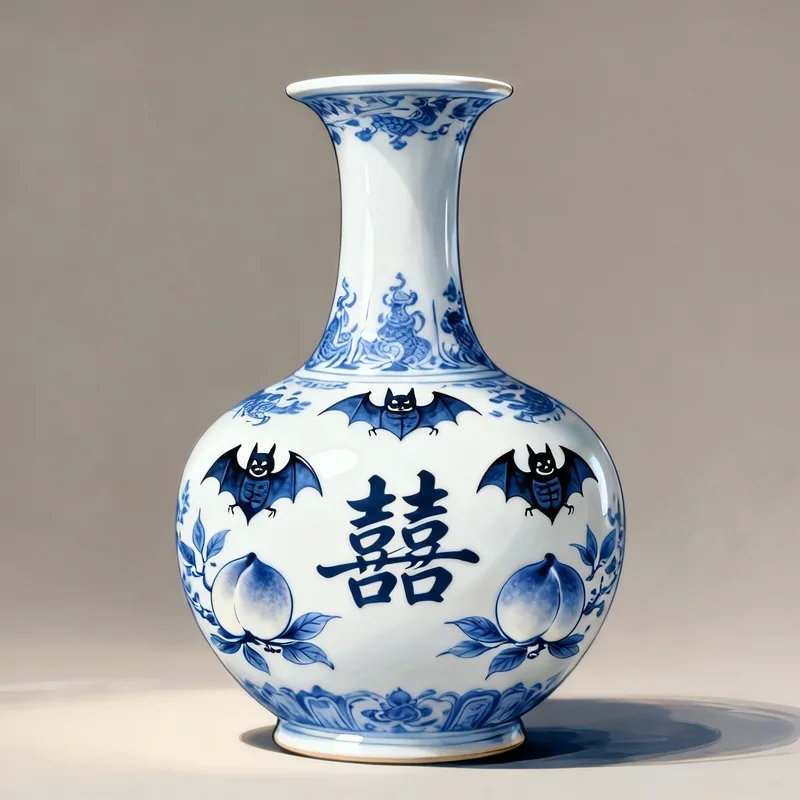
    Qing dynasty porcelain vase painted with bats, peaches and the double happiness character
    Double happiness, shuangxi, is the most recognisable emblem of a wedding. कृत्रिम बुद्धिमत्ता द्वारा निर्मित चित्र · सिनोविज़
    The bride’s tears, the groom’s brazier and the jar of wine buried at her birth all belong to one grammar of departure and arrival.

    स्रोत और आगे की जानकारी

    1. Marriage rituals — एनसाइक्लोपीडिया ब्रिटानिका।
    2. Why did traditional Chinese society prohibit marriage between people with the same surname? — एनसाइक्लोपीडिया ब्रिटानिका।
    3. Vase decorated with bats and peaches amid scrolling floral vines and double happiness character — The Metropolitan Museum of Art.

    इसे यथास्थान देखें

    इस प्रविष्टि का अनुसरण करके उस क्षेत्र तक पहुँचें जहाँ यह संबंधित है।

    मानचित्र द्वारा अन्वेषण करें

    इस चर्चा का अनुसरण करें

    उन अन्य प्रविष्टियों को ब्राउज़ करें जिनमें इसके समान टैग हैं।

    टैग ब्राउज़ करें
  • The Imperial Examinations

    इतिवृत्त

    The Imperial Examinations

    The Classics as a Road to Office

    A competitive system that selected officials by examination for thirteen centuries.

    अनुभाग
    इतिवृत्त
    क्षेत्र
    बीजिंग
    युग
    गीत-लियाओ-जिन
    टैग
    History, Customs

    For roughly thirteen hundred years, entry to China’s civil service ran through written examinations on the Confucian classics. The system began in the Sui dynasty, matured under the Song, and was abolished in 1905, shaping education, family strategy, and political culture.

    From Recommendation to Examination

    Earlier dynasties selected officials mainly by recommendation. The Han court, from 134 BCE, asked local authorities to submit candidates recommended for filial piety and integrity, while the imperial academy founded in 124 BCE tested classical learning. A decisive change came in 605 CE, when the Sui emperor Yang established examinations that allowed candidates to enter government through demonstrated knowledge rather than patronage alone. The Tang dynasty expanded the system, adding the jinshi degree, which tested literary composition and policy, and the mingjing degree, which tested command of the classics. Wu Zetian, who ruled from 690 to 705, broadened recruitment through examinations.

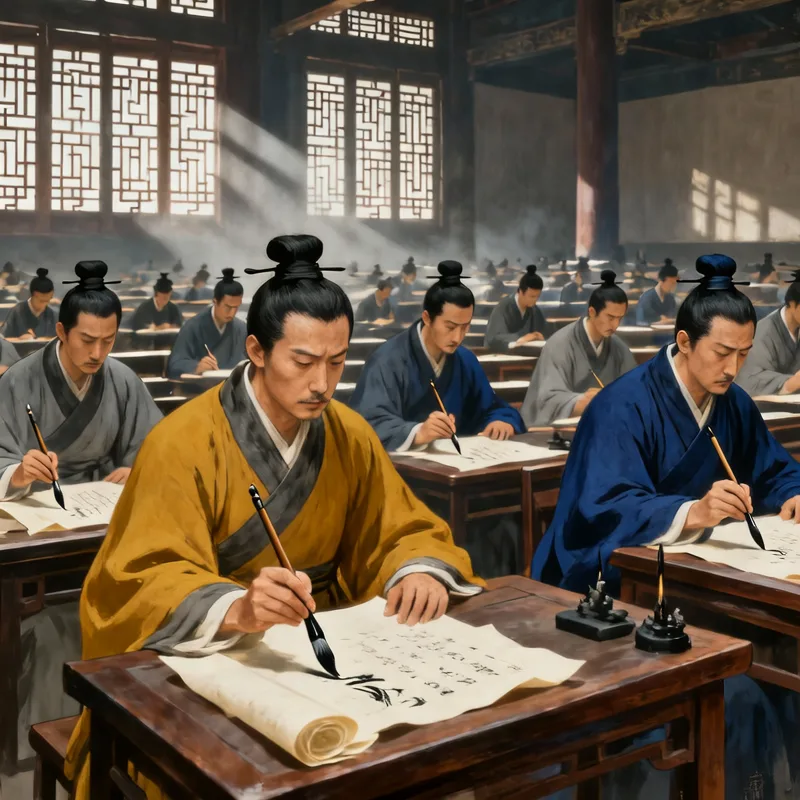
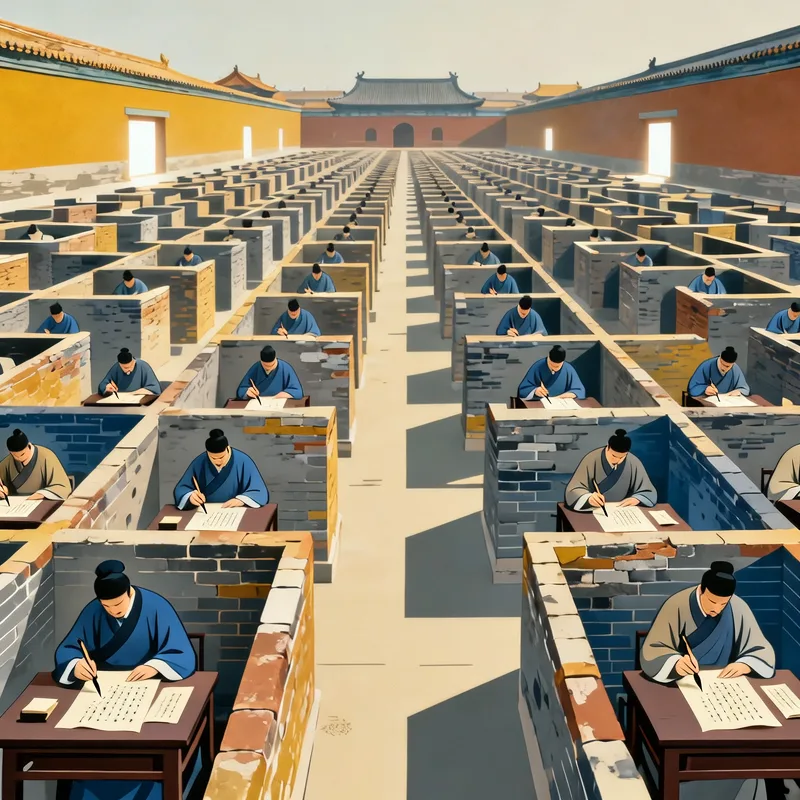
    Candidates writing at desks in a broad examination hall
    Examinations replaced birth and patronage with tested classical learning. कृत्रिम बुद्धिमत्ता द्वारा निर्मित चित्र · सिनोविज़

    The Song Examination Machine

    Under the Song dynasty, examinations became the main route to official career. The court settled on a three-year cycle and admitted far more candidates than the Tang had; successful jinshi could number in the hundreds every cycle. In 1057, Ouyang Xiu presided over an examination that favoured direct classical prose over ornate style and helped launch the careers of Su Shi and Su Zhe. Reforms associated with Wang Anshi in the 1070s shifted emphasis toward policy and institutional knowledge. Preparation required years of memorisation, and schools, private tutors, and printing presses grew around the demand. Success brought rank, salary, and local prestige.

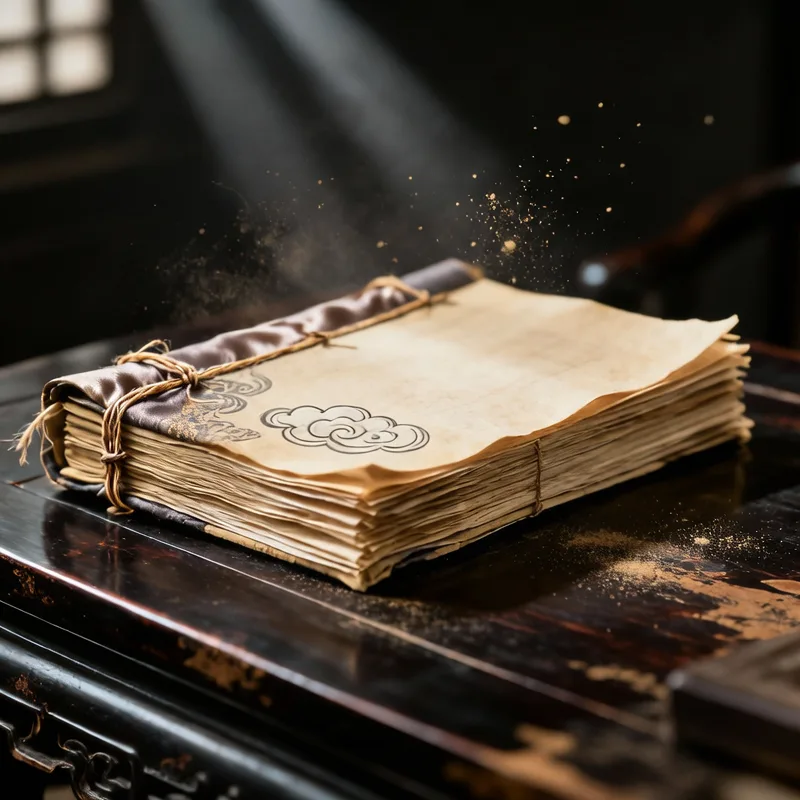
    Printed collection of model examination essays bound into a paper volume
    Printed model essays fed the preparation industry around the examinations. कृत्रिम बुद्धिमत्ता द्वारा निर्मित चित्र · सिनोविज़

    Beijing and the Palace Examination

    The system continued under the Yuan, Ming, and Qing, with changes in curriculum and quotas. The Yuan resumed examinations in 1315 and assigned places by ethnic category. From the Ming period, the eight-legged essay imposed a rigid structure of paired phrases on answers to classical quotations; the format was formalised in the late fifteenth century. In Beijing, the Imperial College stood beside the Temple of Confucius, and the highest round, the palace examination, was held within the imperial palace under the Qing. The Examination Hall in the city tested thousands of candidates in tiny cells. The system was abolished by imperial edict in 1905.

    Row of small brick examination cells with a seated candidate writing by lamplight
    Beijing’s Examination Hall confined thousands of candidates in individual cells. कृत्रिम बुद्धिमत्ता द्वारा निर्मित चित्र · सिनोविज़

    The Social Effects

    The examinations promised that talent could rise, but the odds were narrow. Most candidates failed, and preparing for the tests demanded leisure that farming families rarely had. Wealthy lineages built schools and endowed study estates, so success often repeated within families. The curriculum also set intellectual boundaries: from the Yuan onward, Zhu Xi’s Neo-Confucian commentaries defined acceptable interpretations of the classics. Cheating, impersonation, and bribery were persistent problems, met with strict searches and regulation. Even so, the exams created a shared literary culture across a vast empire and made the ideal of government by educated merit a durable political claim.

    The examination cell was small, but the text inside it defined the terms of public life.

    स्रोत और आगे की जानकारी

    1. Chinese examination system — एनसाइक्लोपीडिया ब्रिटानिका।
    2. The Civil Service Examinations of Imperial China — World History Encyclopedia.
    3. Beijing Central Axis: A Building Ensemble Exhibiting the Ideal Order of the Chinese Capital — UNESCO World Heritage Centre.

    इसे यथास्थान देखें

    इस प्रविष्टि का अनुसरण करके उस क्षेत्र तक पहुँचें जहाँ यह संबंधित है।

    मानचित्र द्वारा अन्वेषण करें

    इस चर्चा का अनुसरण करें

    उन अन्य प्रविष्टियों को ब्राउज़ करें जिनमें इसके समान टैग हैं।

    टैग ब्राउज़ करें