Vie et folklore
Festival des bateaux-dragons
Racing, rice dumplings, and the fifth moon
The Dragon Boat Festival joins boat races, sticky rice parcels, and a story of loyalty to a poet.
- Section
- Vie et folklore
- Région
- Guangdong
- Ère
- À travers les époques
- Étiquettes
- Douanes, alimentation
Duanwu falls on the fifth day of the fifth lunar month, when the heat of early summer arrives in Guangdong. The holiday is best known for dragon boat racing and zongzi, but its smaller customs reveal as much about how the day is understood.
Qu Yuan and the River
The festival is commonly linked to Qu Yuan, a poet and minister of the state of Chu who died in 278 BCE after his advice was rejected and his state fell. Legend says that fishermen raced out in boats to find his body and threw bundles of rice into the river to keep fish from eating it. Historians note that the custom of racing boats and the fifth-month observance existed before this story attached to it; the legend explains a practice rather than creating it. Either way, the pairing of boat and rice dumpling gives the holiday its two enduring symbols. In school lessons and public ceremonies, Qu Yuan is presented as a figure of loyalty and moral independence, a poet whose writing still reads as political dissent.
Zongzi and Household Charms
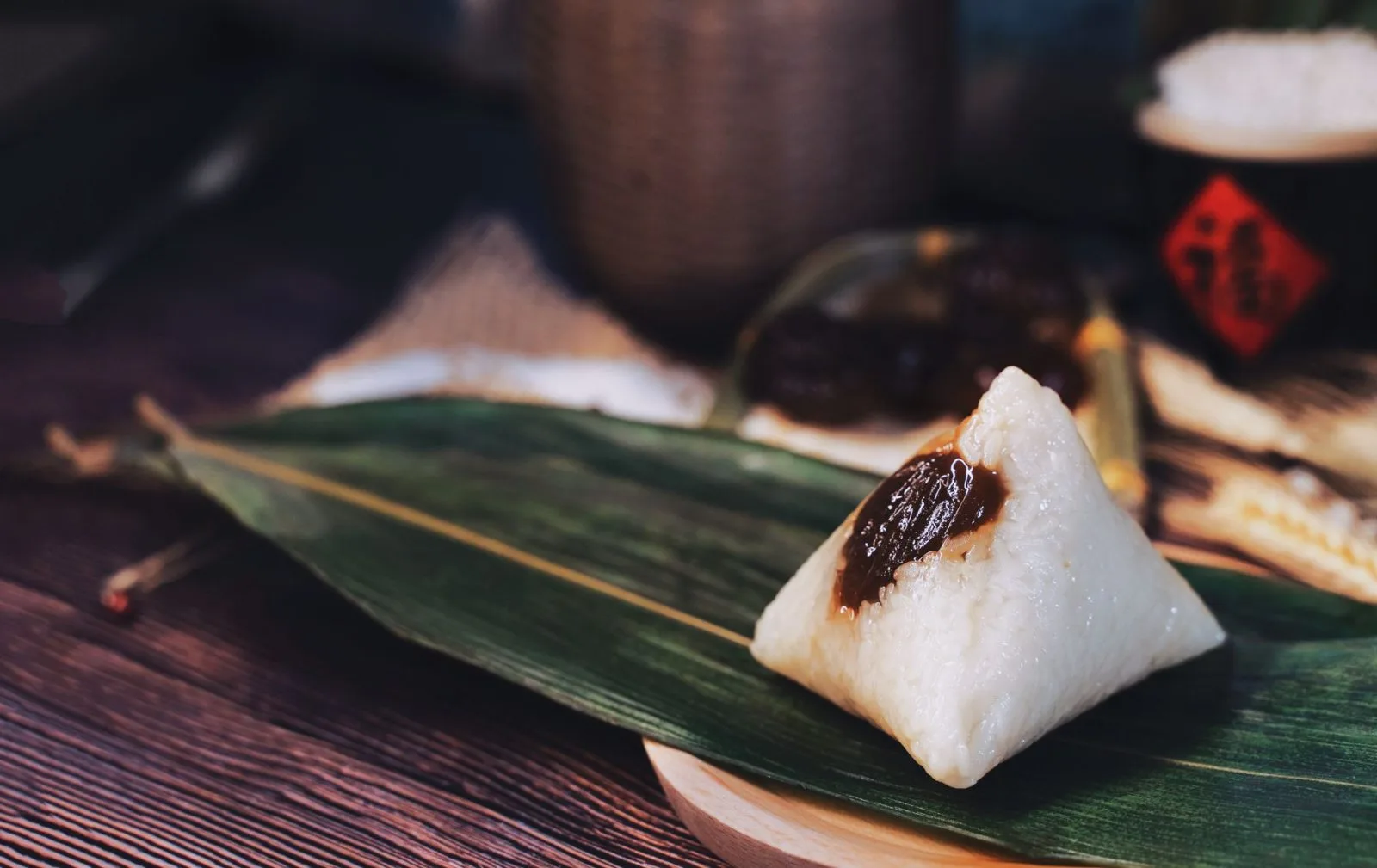
Zongzi are parcels of glutinous rice wrapped in bamboo or reed leaves and tied with string, then boiled for hours. Fillings vary by region: Guangdong versions may include pork, salted egg, and mushrooms, while northern ones are often sweet with dates or red bean. Families make them in batches and give them to neighbours. The festival also has a protective side. In older practice, people hung mugwort and calamus at doorways to keep away illness and insects and tied five-coloured silk around children’s wrists. Realgar wine, a yellow mixture with a strong smell, was sprinkled around the house or dabbed on a child’s forehead, though modern safety advice discourages drinking it. These acts belong to a time when the fifth moon was thought to carry dampness, snakes, and fever.
Guangdong on the Water
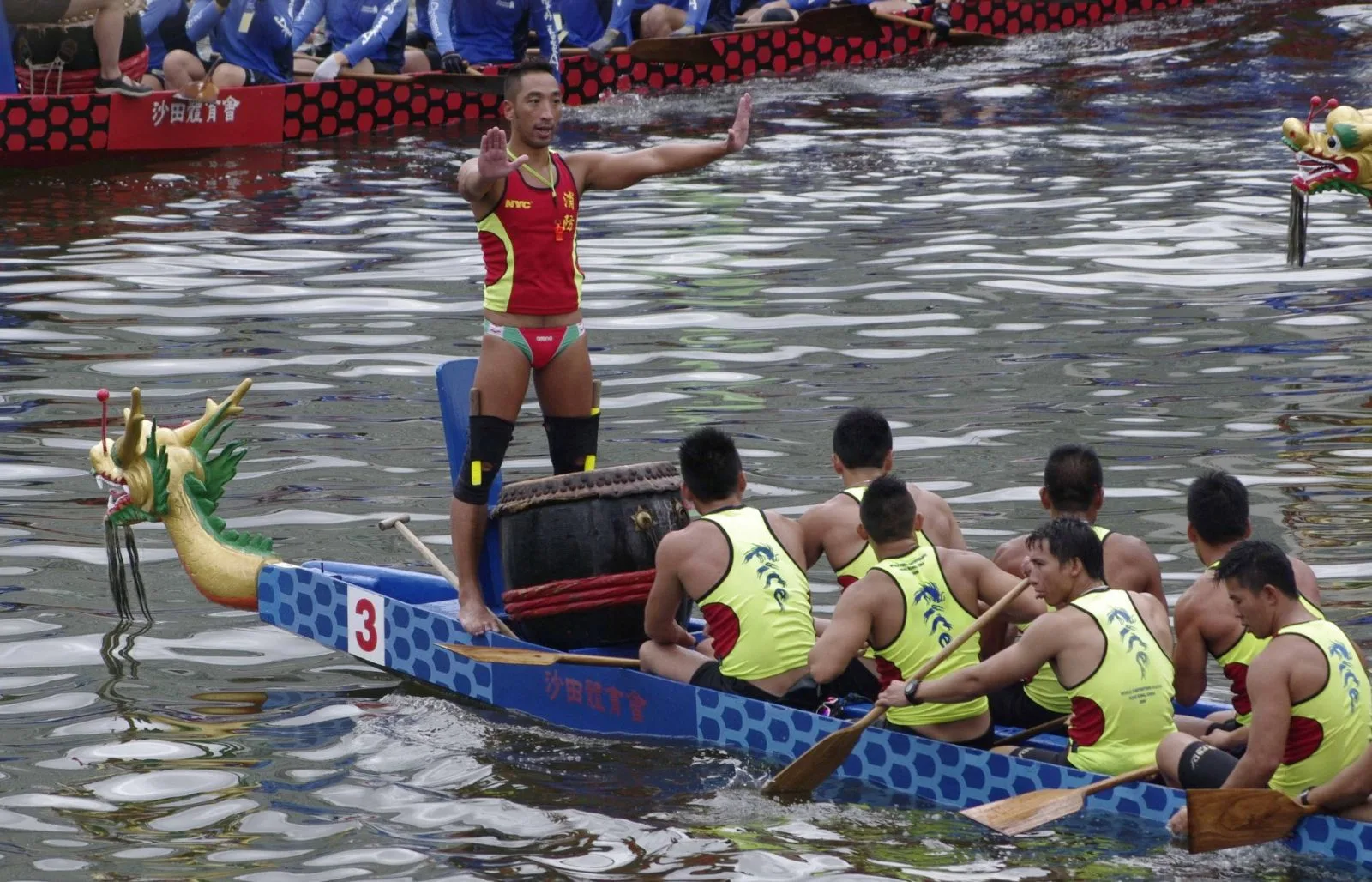
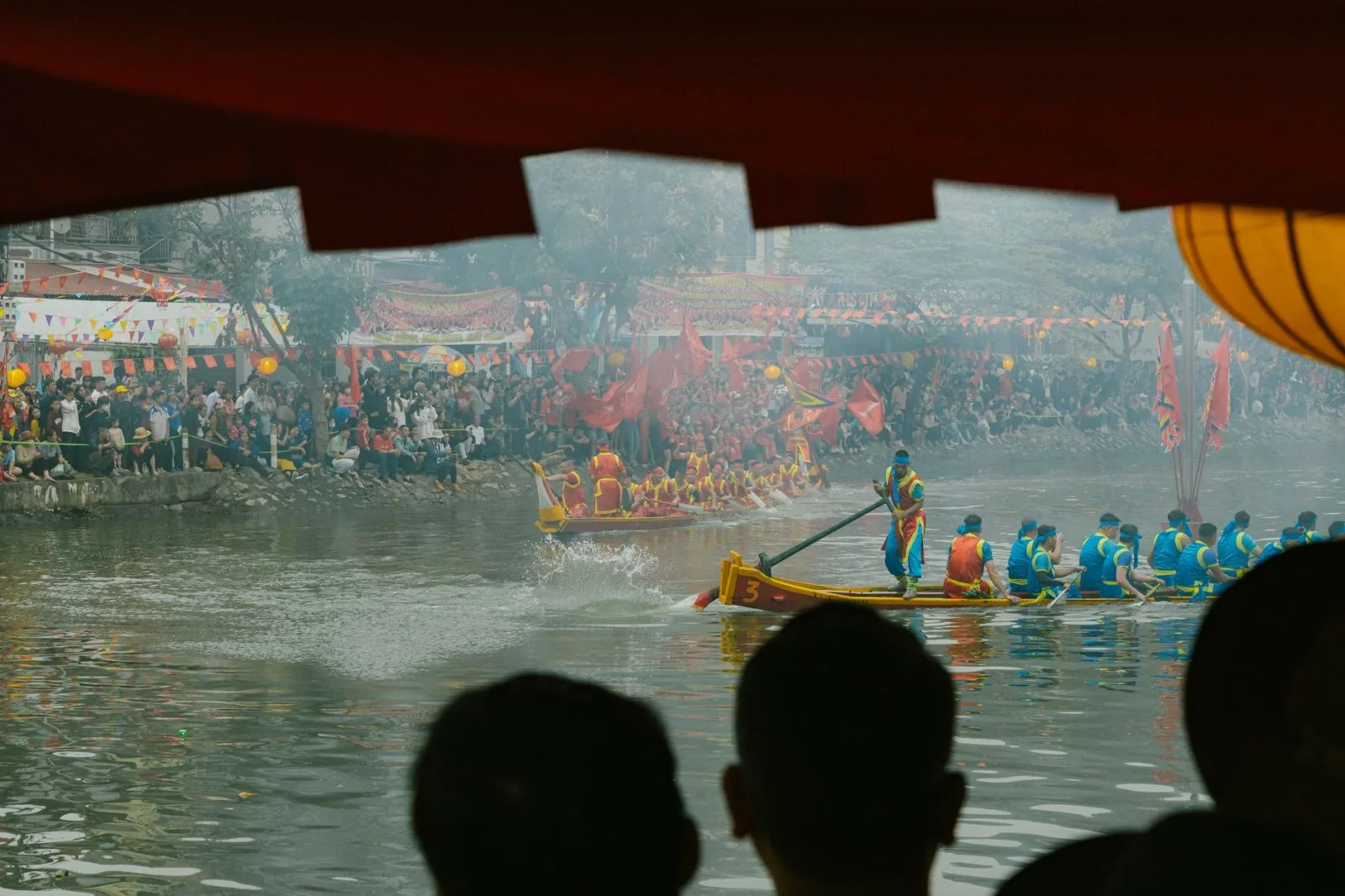
In Guangdong, dragon boat racing is not a single event but a season. Villages and districts along the Pearl River Delta prepare boats through the spring, then race on rivers and creeks in the weeks around Duanwu. A long narrow boat carries a crew of paddlers, a drummer who sets the stroke, and a helmsman; the painted head and tail give the craft its name. Races are loud, crowded, and local, with teams known by village or temple affiliation. Spectators line bridges and banks, and the best vantage points fill early. The custom was inscribed on UNESCO’s intangible cultural heritage list in 2009. For a visitor, check local listings rather than assuming one central race: events are spread across Guangzhou and Foshan, and dates shift with the lunar calendar.
Observing the Day Today
Duanwu is an official public holiday, so transport and tourist sites are busy. In Guangdong, the weather is hot and wet by May or June; bring water, a hat, and insect repellent if you plan to watch a race from an open bank. Respect the crews’ space at the water’s edge and do not step onto a boat or touch a drum without being invited. Many families still put mugwort at the door, and zongzi are easy to buy from markets in the days before the holiday. The festival is also an occasion for calling on relatives, though on a smaller scale. For travellers, the pleasure lies in the combination: a public spectacle on the river and a quiet, food-filled custom at home, both tied to the same lunar date.
The drum sets the stroke, and the village supplies the crew.
Sources et lectures complémentaires
- Dragon boat festival — Patrimoine culturel immatériel de l'UNESCO.
- Festival des bateaux-dragons — Encyclopædia Britannica.
- Qu Yuan — Encyclopædia Britannica.
Suivez le fil de discussion
Consultez les autres articles qui partagent les mêmes étiquettes.
Parcourir l'étiquette