Blog

  • Hotpot

    Vida y folclore

    Hotpot

    A Pot at the Centre of the Table

    Hotpot turns dinner into a shared act of cooking at the table.

    Sección
    Vida y folclore
    Región
    Sichuan
    Era
    A través de las épocas
    Etiquetas
    Food

    Hotpot is a meal built around a vessel of simmering broth. Diners lower thin slices of meat, vegetables and offal into the liquid, cook them to the texture they want and dip them in sauce before eating.

    One Pot, Many Names

    The Chinese term huoguo literally means fire pot. In northern China the classic form is the copper pot with a central chimney, heated by charcoal, in which paper-thin slices of mutton are swished briefly in a clear broth. Beijing’s Donglaishun, founded in 1903, made the mutton dip famous, served with sesame sauce, fermented tofu and chive flower sauce. In Sichuan and Chongqing the pot is filled with a red, oil-floated broth instead. The table method is the same; the flavourings mark the region.
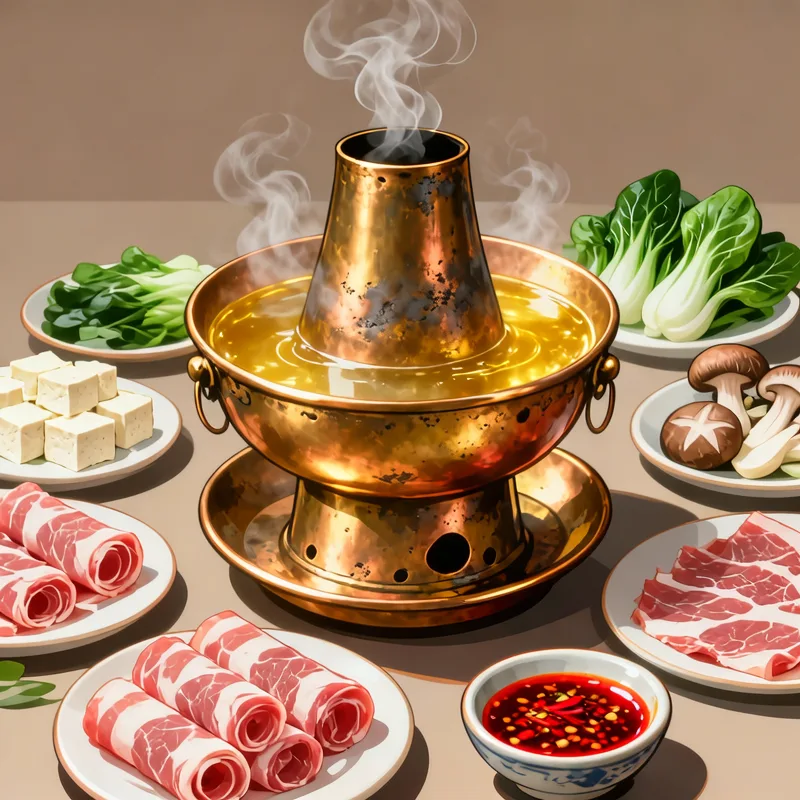
    Charcoal-heated copper hotpot with a central chimney set on a restaurant table
    The northern copper pot uses a clear broth; Sichuan versions favour red oil. Ilustración generada por IA · SinoViz

    The Sichuan Broth

    Two sensations define the Sichuan version. Chilli brings capsaicin heat; Sichuan pepper, the husk of a prickly ash, supplies hydroxy-alpha sanshool, which makes the tongue tingle and vibrate. Together they create ma la, numbing spicy. Chilli reached China only after the sixteenth century, arriving from the Americas through maritime trade, so the modern red broth is comparatively recent. Earlier seasonings relied on Sichuan pepper, ginger, fermented beans and the broad-bean chilli paste of Pixian.

    A Chongqing lao huoguo, or old hotpot, traditionally starts with beef tallow, dried chillies and paste, browned until the oil turns red. The nine-grid pot divides the surface: the centre boils hardest, the corners simmer gently, and each diner keeps track of their own food. Offal — tripe, duck blood, intestine — was the original cheap fare of dockworkers and boatmen at Chaotianmen. Tripe is cooked by the rule of seven up, eight down, dipped and lifted repeatedly for a few seconds.

    Chengdu and the Split Pot

    Chengdu style is usually gentler than its Chongqing cousin. Cooks often use vegetable oil rather than beef tallow, add more aromatics and offer a yuanyang pot, a divided vessel with red broth on one side and a clear, mild stock on the other. Diners gather around it in stages: tough items go in first, greens and sliced fish last. Sesame oil mixed with garlic, coriander and scallions cools each bite before it reaches the mouth. The divided pot is a useful invention for a table with mixed tolerances.
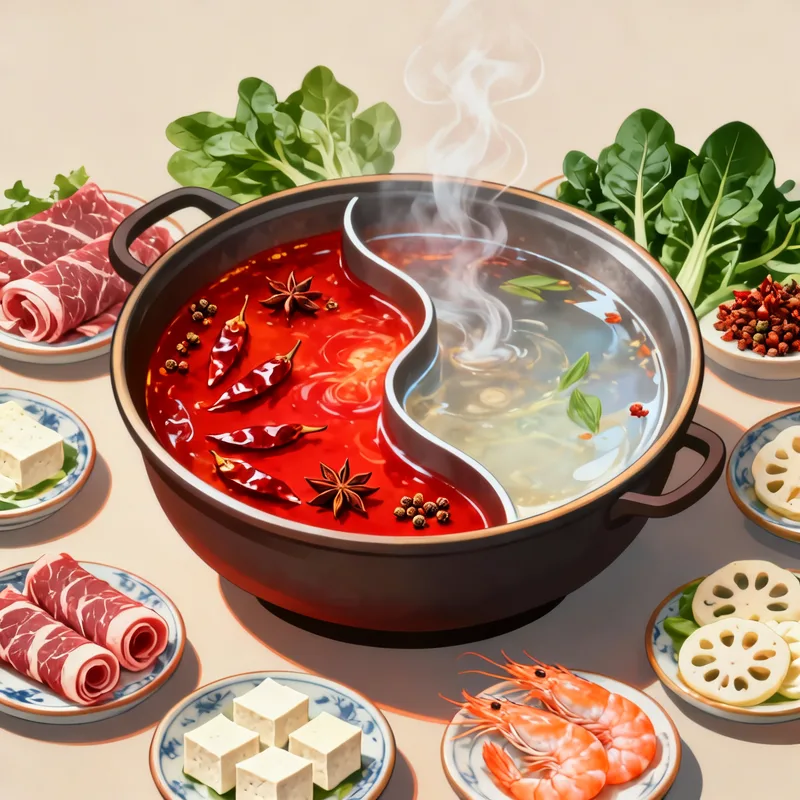
    Divided hotpot with bubbling red chilli broth and clear broth in one vessel
    The yuanyang pot lets a table share one meal at two heat levels. Ilustración generada por IA · SinoViz

    How to Eat It

    Hotpot has a practical etiquette. Raw and cooked foods need separate chopsticks or serving utensils, and a shared pot requires patience with other diners’ timing. A few rules are widely repeated: do not stir the whole broth, do not fish with your own chopsticks, and let the boil return after adding cold ingredients. The meal is slow by design. As the pot reduces, the broth grows stronger, and the last handful of noodles absorbs everything that has gone before.

    • Nine-grid pot: centre boils; corners simmer
    • Mutton dip: sesame sauce, fermented tofu, chive flower sauce
    • Tripe: seven up, eight down
    • Yuanyang pot: one red side, one clear side

    From Street Stall to Global Chain

    The modern restaurant trade carried hotpot far beyond Sichuan. Haidilao, founded in Jiangyou in 1994, turned the meal into a service spectacle with waiting-area snacks and attentive staff; its branches now appear in many countries. Other chains adapted the format to clear broths and individual pots. Yet the social logic has not changed. A pot keeps everyone at the table for an hour, cooking in stages and talking between courses, which is why hotpot spreads easily wherever Chinese communities gather.
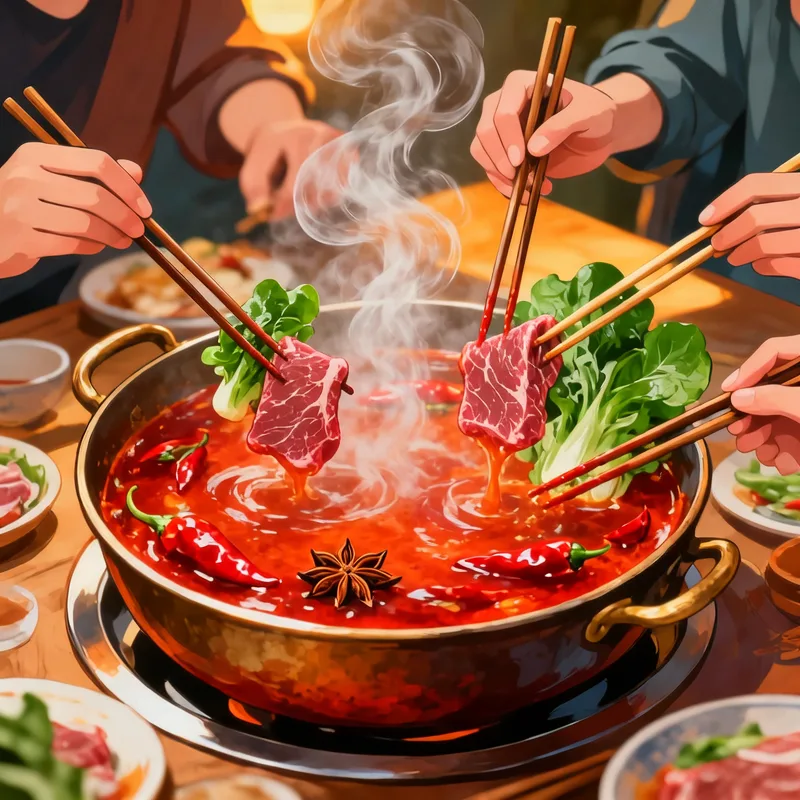
    Diners cooking sliced meat and vegetables in a bubbling red hotpot in Chongqing
    The shared pot keeps the meal slow and conversational. Ilustración generada por IA · SinoViz
    In a hotpot restaurant the meal is not served; it happens, slowly, in the middle of the table.

    Fuentes y lecturas adicionales

    1. Chongqing: Administration and society — Enciclopedia Británica.
    2. Chinese cuisine — Enciclopedia Británica.
    3. What flavors distinguish Sichuan cuisine from other Chinese cuisines? — Enciclopedia Británica.
    Véalo en su lugar

    Siga esta entrada a la región a la que pertenece.

    Explorar por mapa

    Sigue el hilo

    Explora otras entradas que compartan sus etiquetas.

    Explorar la etiqueta
  • The Lunar Calendar

    Vida y folclore

    The Lunar Calendar

    Timekeeping by Moon and Sun

    China’s traditional calendar ties lunar months to solar seasons, and festivals to both.

    Sección
    Vida y folclore
    Región
    Pekín
    Era
    A través de las épocas
    Etiquetas
    Aduanas

    The Chinese calendar is lunisolar: its months follow the moon, while its years follow the sun. For more than two millennia, court astronomers and village farmers used the same system for different purposes — to date reigns and to know when to sow.

    How the Calendar Works

    Each month begins on the day of the astronomical new moon and lasts 29 or 30 days, so twelve lunar months total about 354 days — roughly eleven days short of a solar year. To keep spring in spring, intercalary months are inserted: seven extra months in every nineteen years, a cycle known as the Metonic cycle. A repeated month is numbered after the one it follows, hence a leap fourth month. Days are counted separately again by the sexagenary cycle, a pairing of ten heavenly stems and twelve earthly branches that labels each day and year with a combination such as jiachen.

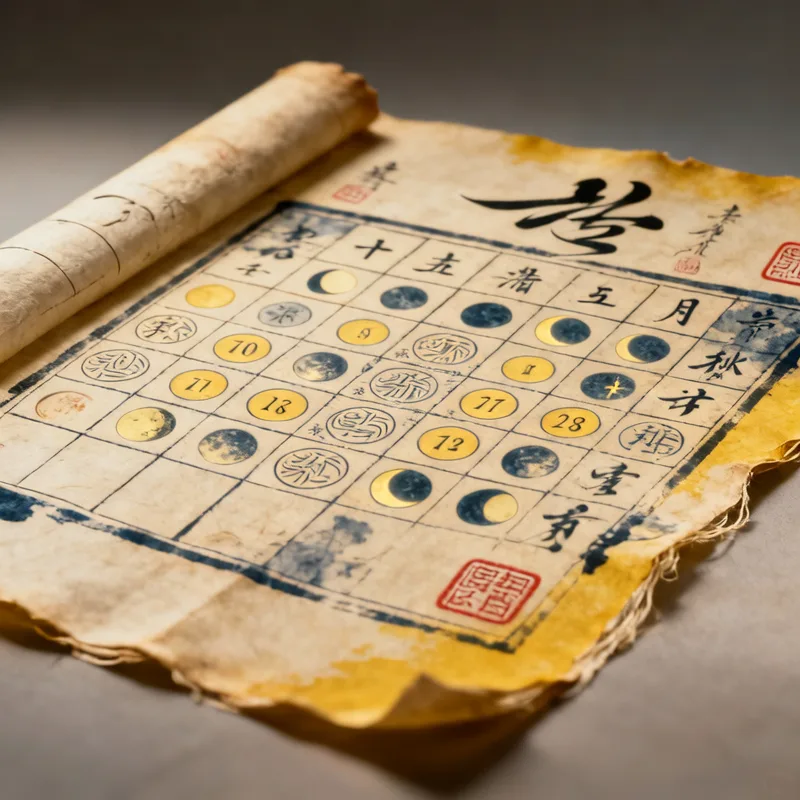
    Page from a traditional Chinese almanac showing lunar months, solar terms and auspicious days
    A lunar month runs from one new moon to the next; a solar term marks the sun’s position. Ilustración generada por IA · SinoViz

    Observation Becomes Science

    The system grew out of observation. Oracle-bone inscriptions from the Shang dynasty (c. 1600–1046 BCE) record lunar months, eclipses and intercalary months, and the Spring and Autumn Annals preserves early eclipse records used later to test calculations. The Taichu calendar, adopted in 104 BCE under Emperor Wu of Han, fixed the year’s start at the first lunar month and established the nineteen-year intercalation rule. Later reforms refined it: Guo Shoujing’s Shoushi calendar of 1281, made for the Yuan capital at Dadu (Beijing), used a tropical year of 365.2425 days — the same length later adopted by the Gregorian reform.

    Calendrical skill was political. A ruler who could predict eclipses and announce the new moon claimed the mandate of heaven; issuing the almanac to subordinate states was an act of authority. The Beijing Ancient Observatory, built in 1442, still holds Ming armillary spheres and a gnomon used for such work. Astronomers there worked alongside Jesuit missionaries in the seventeenth century, when the Qing court adopted European methods for predicting eclipses while retaining the lunar month structure. The calendar was thus a meeting point of statecraft, mathematics and observation.

    The Twenty-Four Solar Terms

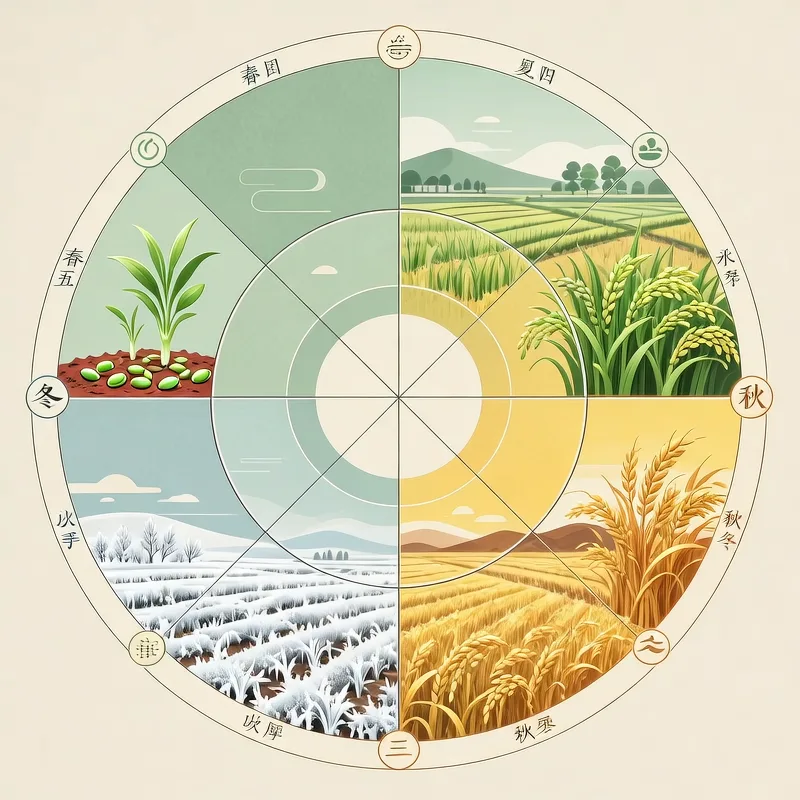
    Running beside the lunar months is a solar calendar of twenty-four terms, each spaced fifteen degrees along the sun’s annual path. The sequence begins with Lichun, the Beginning of Spring, around 4 February, and includes Qingming (Pure Brightness) in early April, Xiazhi (Summer Solstice), Bailu (White Dew) and Dongzhi (Winter Solstice). Developed in the Yellow River region and applied nationwide, the terms tell farmers when to expect frost or rain; proverbs still link them to sowing and harvest. UNESCO inscribed the knowledge and practice on its Representative List in 2016.

    Diagram of the sun’s annual path divided into twenty-four segments with agricultural labels
    Each solar term covers fifteen degrees of the sun’s path, about fifteen days apart. Ilustración generada por IA · SinoViz

    A Calendar of Festivals

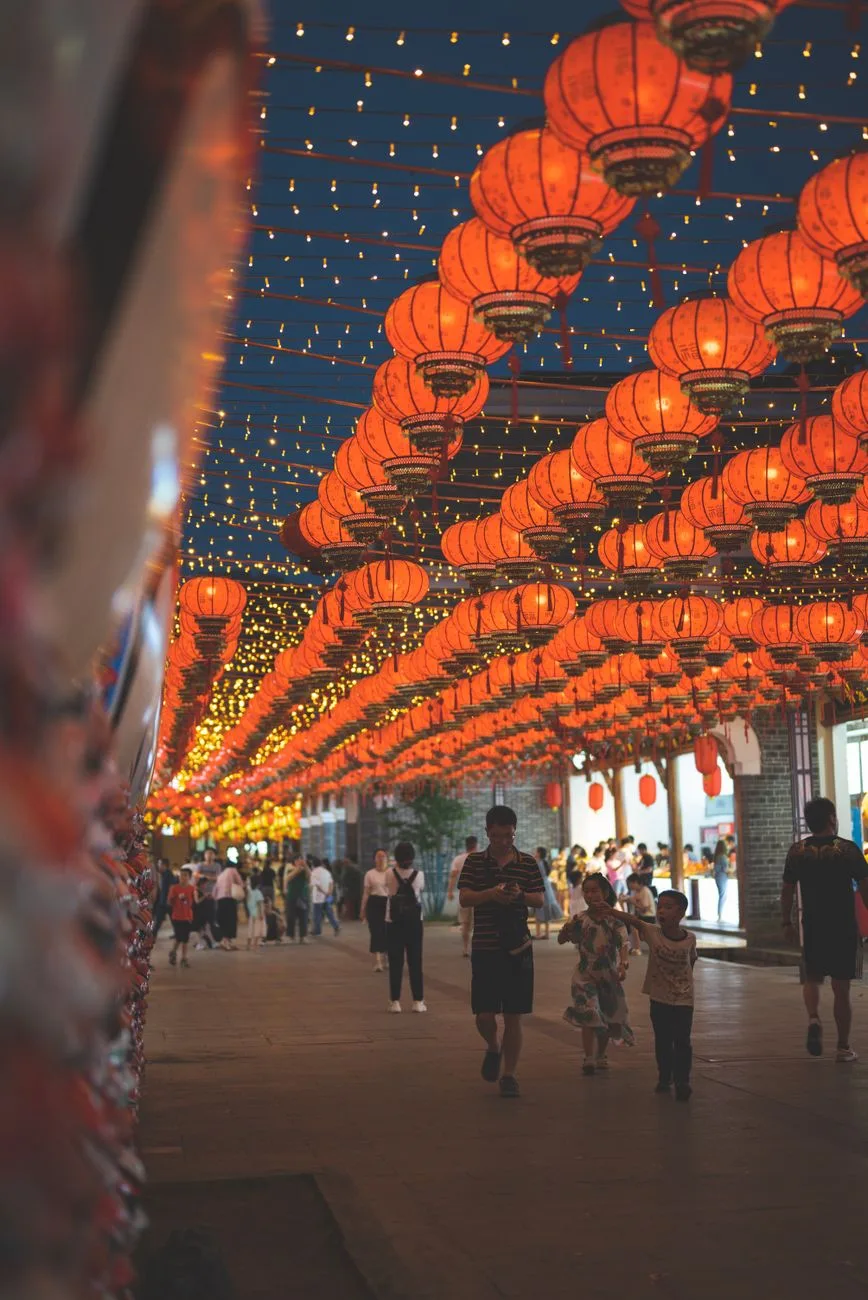
    Because dates are counted from lunar months, festivals move against the Gregorian calendar. Spring Festival opens on the first day of the first lunar month and closes with the Lantern Festival on the fifteenth, when streets fill with lanterns. The Dragon Boat Festival falls on the fifth day of the fifth month, the Ghost Festival on the fifteenth of the seventh, and Mid-Autumn on the fifteenth of the eighth, when families gather under the full moon.

    • Spring Festival — first day of the first lunar month
    • Lantern Festival — fifteenth day of the first month
    • Dragon Boat Festival — fifth day of the fifth month
    • Mid-Autumn Festival — fifteenth day of the eighth month
    • Qingming — a solar term around 4–6 April

    Why It Still Matters

    The lunar calendar survives because it carries social time as well as astronomical time. Ancestors are honoured on Qingming and on the anniversary of a death counted in lunar dates; weddings and funerals are often scheduled by almanac. The zodiac animal of a year, the eight characters of a birth, and auspicious days for moving house all depend on the same stem-branch scaffolding. In Beijing, temple fairs and lantern displays still follow the first lunar month, while rural communities consult the solar terms for field work. Two systems, one calendar.

    Lanterns hanging in a Beijing street during the first lunar month
    Temple fairs and lantern displays still mark the opening weeks of the lunar year. Cz Jen | Pexels License (https://www.pexels.com/license/)
    The months follow the moon, but the year must answer to the sun.

    Fuentes y lecturas adicionales

    1. The Twenty-Four Solar Terms, knowledge in China of time and practices developed through observation of the sun’s annual motion — Patrimonio Cultural Inmaterial de la UNESCO.
    2. Chinese calendar — Enciclopedia Británica.
    3. Año Nuevo Chino — Enciclopedia Británica.
    Véalo en su lugar

    Siga esta entrada a la región a la que pertenece.

    Explorar por mapa

    Sigue el hilo

    Explora otras entradas que compartan sus etiquetas.

    Explorar la etiqueta
  • Ancestor Veneration

    Vida y folclore

    Ancestor Veneration

    Lineage, Ritual and Memory

    Ancestral rites link the household, the lineage hall and the village cemetery.

    Sección
    Vida y folclore
    Región
    Fujian
    Era
    A través de las épocas
    Etiquetas
    Aduanas

    Ancestor veneration is the practice of honouring dead relatives with offerings, incense and prescribed rites. In Fujian it became a framework for lineage organisation, property ownership and migration, binding villages to ancestors who had often lived centuries earlier.

    A Duty to the Dead

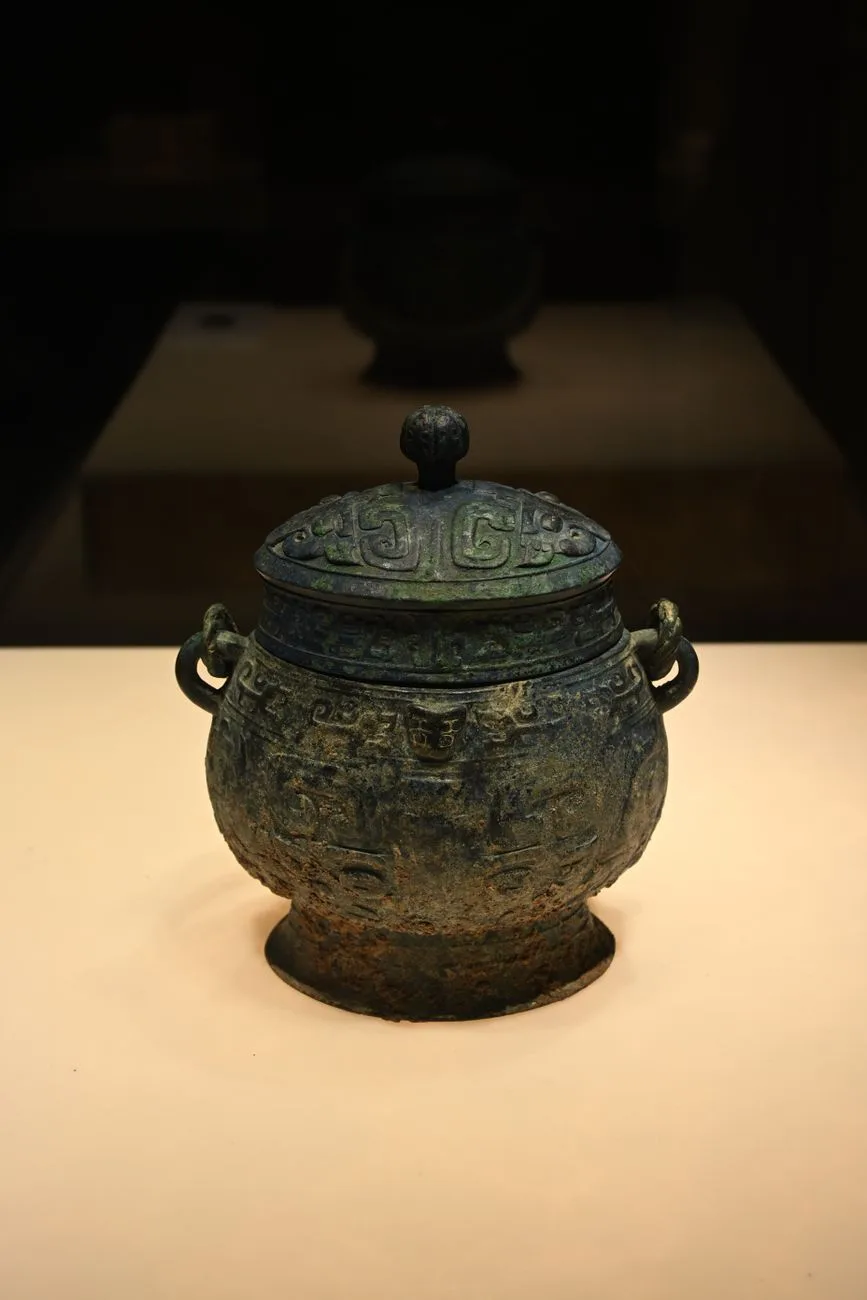
    Confucian teaching gave the practice its moral language. The Analects urge the living to care carefully for funeral rites and follow ancestors afar, and describe sacrifice as if the spirits were present. The Book of Rites and related ritual texts set out mourning grades, offerings and the proper order of the dead. Archaeologists trace ancestor cults to the Late Neolithic, and Shang bronze vessels were cast with inscriptions naming the ancestor for whom wine or grain was offered. Veneration was obligation as much as affection.

    Shang dynasty bronze ritual vessel with an inscription dedicating it to an ancestor
    Bronze vessels named the recipient of offerings, fixing the relationship in writing. K ZHAO | Pexels License (https://www.pexels.com/license/)

    The Household Altar

    In a traditional home, a small altar holds ancestral tablets — wooden plaques inscribed with names and titles — arranged by generation. Incense is lit on the first and fifteenth days of the lunar month, and on the anniversary of a death. Offerings may include tea, wine, fruit, rice and three kinds of meat, laid out in an ordered arrangement; family members bow or kowtow in age order. The tablet is not an image of the person but a place where the relationship can be addressed.

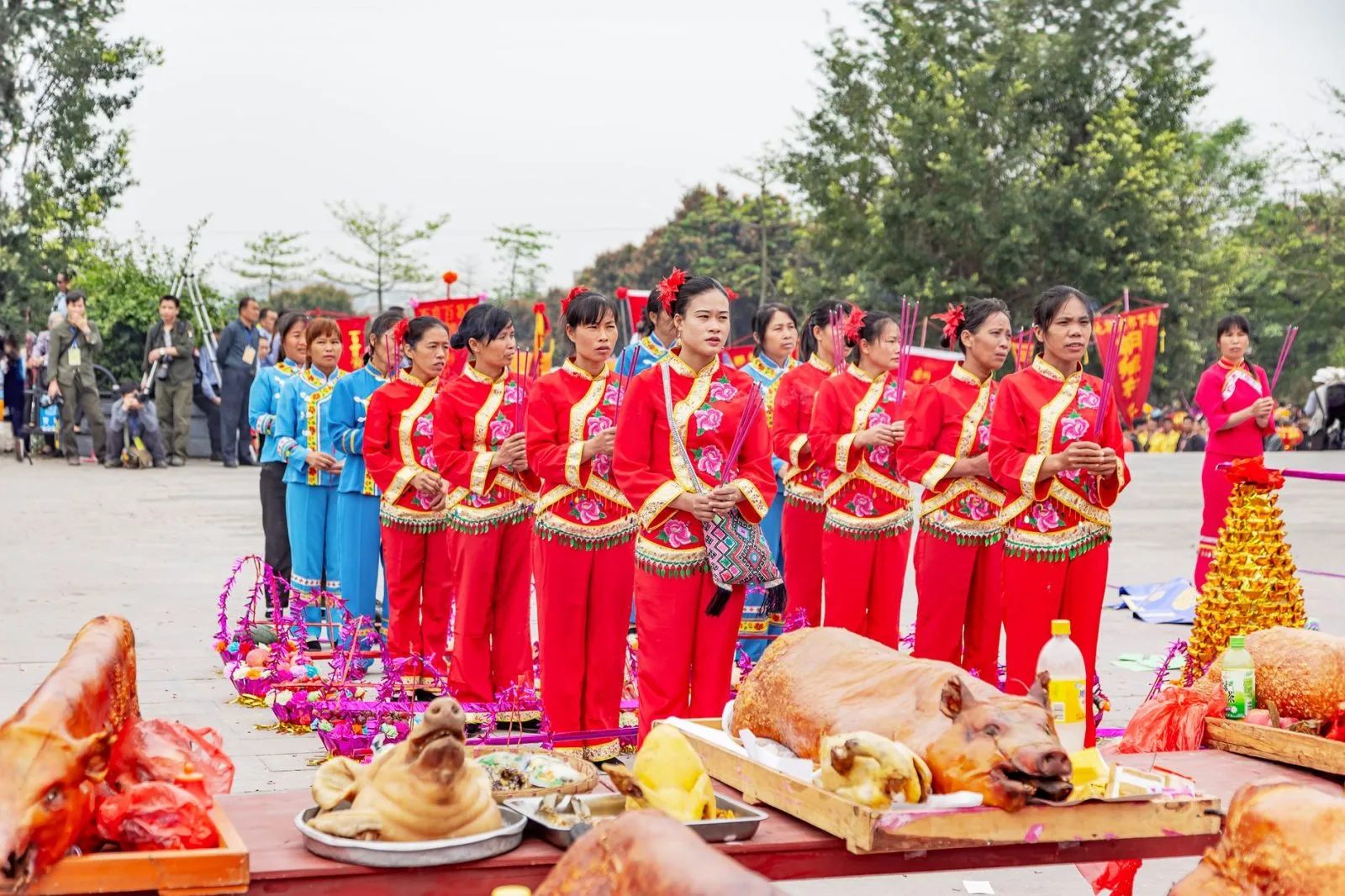
    Ritual time follows the calendar. Qingming, the Pure Brightness solar term in early April, is the great tomb-sweeping day: graves are cleared of weeds, offerings are left, and paper money is burned. Winter solstice brings another round of offerings in many Fujian households, often with tangyuan, sweet rice balls. During the seventh lunar month, the Ghost Festival extends attention beyond one’s own kin to wandering spirits, with community feasts and paper effigies.

    Fujian’s Lineage Halls

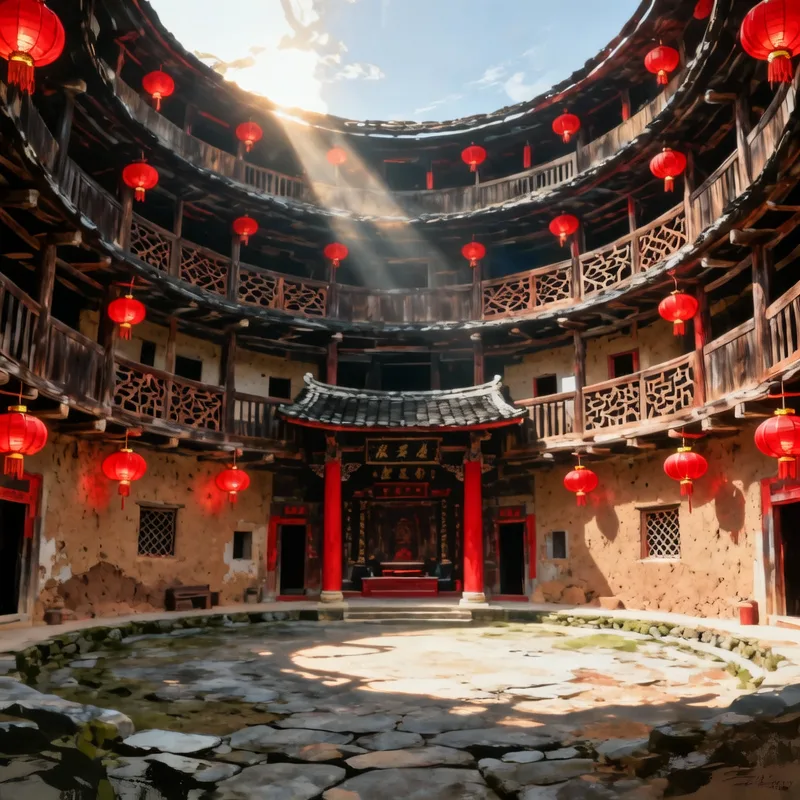
    Nowhere is the social scale clearer than in Fujian. From the sixteenth century, lineage halls — citang — spread beyond the elite into villages across southeastern China, and in emigrant home regions they came to dominate the built landscape. A hall houses the collective tablets of a surname group, keeps the genealogy and manages corporate land whose income pays for repairs, sacrifices and schools. Inside some Hakka tulou, the great earthen communal houses of southwestern Fujian, an ancestral hall occupies a place within the defensive ring.

    Interior courtyard and ancestral hall of a Fujian earthen tulou communal house
    A lineage hall within a tulou served a whole clan, not a single household. Ilustración generada por IA · SinoViz

    Migration and Return

    Fujian’s coast sent migrants to Southeast Asia from the late Qing period onward, and ancestral rites travelled with them. Emigrants joined surname associations and built halls in Singapore, Malaysia and Indonesia; remittances paid for new halls and restored graves at home. Scholars describe these links as transnational lineage networks: the same ritual vocabulary connected the village altar, the overseas clan association and the cemetery. After the 1980s many descendants returned to rebuild halls, turning genealogy into a bridge across generations and borders.

    • Qingming: graves swept and offerings laid in early April
    • Seventh lunar month: Ghost Festival rites for unnamed spirits
    • Citang: a lineage hall holding tablets, genealogy and corporate records
    • Fujian Tulou: UNESCO World Heritage since 2008

    Changes and Continuities

    The twentieth century disrupted the institutional side. Land reform and collectivisation stripped lineage estates of their income, and during the Cultural Revolution many halls were closed or damaged. Since the 1980s, local initiatives have restored buildings and revived rites, sometimes as heritage tourism and sometimes as family duty. The practice persists in adjusted form: incense at a household shelf, a grave cleaned before Qingming, a name recorded in a rebuilt genealogy. What survives is the conviction that the dead remain part of the social order.

    Family members burning paper offerings at a grave during Qingming in southern China
    Grave sweeping and offerings remain the most visible part of the Qingming rites. Man Fong Wong | Pexels License (https://www.pexels.com/license/)
    A tablet is not a portrait of the dead. It is an address at which the living may still speak to them.

    Fuentes y lecturas adicionales

    1. China: Religious beliefs and social organization — Enciclopedia Británica.
    2. Fujian Tulou — UNESCO World Heritage Centre.
    3. Chinese Diasporas: Early Modern Patterns, 1500–1740 — Cambridge University Press.

    Véalo en su lugar

    Siga esta entrada a la región a la que pertenece.

    Explorar por mapa

    Sigue el hilo

    Explora otras entradas que compartan sus etiquetas.

    Explorar la etiqueta
  • Chinese Weddings

    Vida y folclore

    Chinese Weddings

    Rites, Gifts and the Red Veil

    Traditional Chinese weddings join two families through a sequence of gifts, processions and vows.

    Sección
    Vida y folclore
    Región
    Zhejiang
    Era
    A través de las épocas
    Etiquetas
    Aduanas

    A Chinese wedding was historically less a single ceremony than a negotiated sequence between households. The classical six rites set out steps from proposal to the fetching of the bride; local practice in Zhejiang added its own music, boats and wines.

    The Six Rites

    The classical sequence, codified in ritual texts of the Zhou dynasty, is known as the six rites. A go-between first presented a proposal (nacai), then asked the bride’s name and birth details (wenming). Divination at the ancestral altar produced a favourable answer (naji), after which the groom’s family sent betrothal gifts (nazheng), requested an auspicious date (qingqi) and finally fetched the bride (qinying). Three documents — the betrothal, gift and wedding letters — accompanied the exchange. Few families performed all six in full, but the vocabulary survived in engagements.

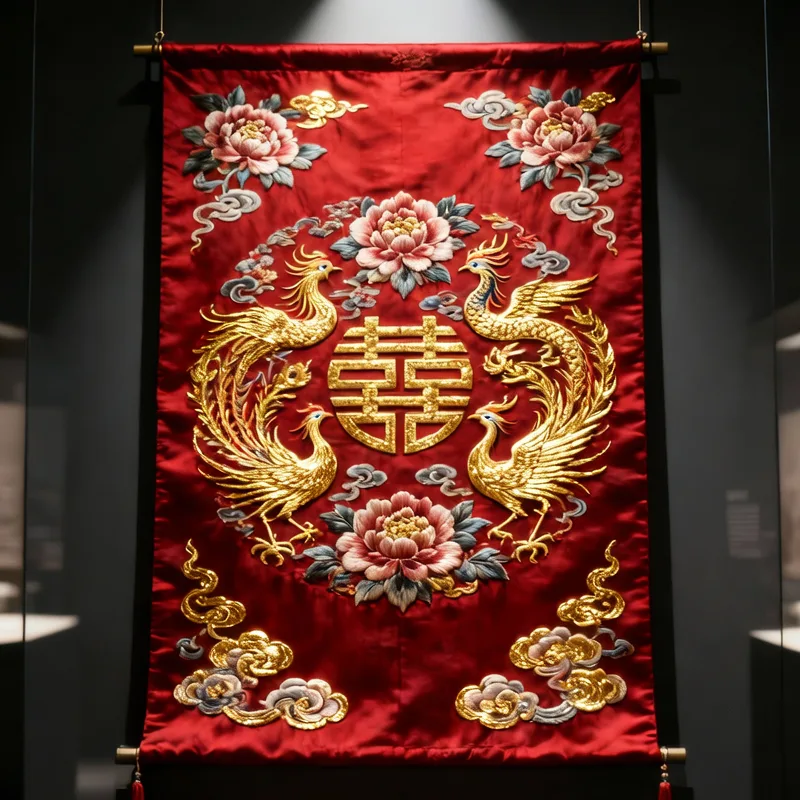
    Qing dynasty wedding hanging in silk and gold thread with auspicious symbols
    Auspicious textiles marked the threshold between two households. Ilustración generada por IA · SinoViz

    The Day of the Procession

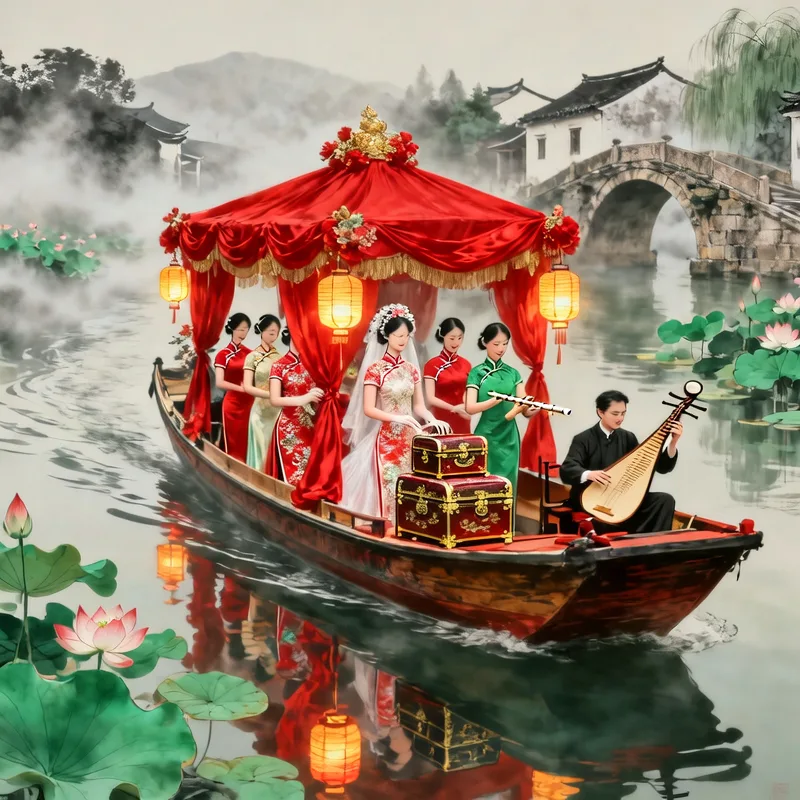
    The word for marriage, hunyin, shares its first character with dusk, the traditional hour of the ceremony. Before dawn the bride, veiled in red, was carried from her natal home in a decorated sedan or, in the water towns of northern Zhejiang, aboard a boat hung with lanterns. Firecrackers and the reeds of suona horns announced the party. Crossing a saddle and a burning brazier at the groom’s gate invoked safety through puns on peace; the bride stepped over a threshold that marked a change of household.

    Inside, the couple bowed to the wedding candles, to the groom’s ancestors and to the elders, then served tea to both families in order of seniority. Red envelopes of money acknowledged each bow. On the bridal bed, dates, peanuts, longans and lotus seeds were scattered for a pun on bearing a son soon. A woman of good fortune straightened the quilts and spoke auspicious words. Only after the banquet, with its toasts of ganbei, did the formal duties ease.

    Zhejiang Inflections

    Regional custom gave the framework local texture. In Shaoxing, a jar of yellow rice wine might be buried when a daughter was born and opened at her wedding: nuer hong, daughter’s red. The wine belonged to the bride’s family and travelled with the dowry, alongside silk quilts from Huzhou and lacquered furniture. In Wuzhen and other canal towns, the bridal procession moved by water, and Yue opera troupes were hired for the feast. Southern Zhejiang kept the custom of laments, in which the bride and her women sang farewell verses.

    Traditional bridal boat with red lanterns on a canal in a Zhejiang water town
    In canal towns the wedding procession travelled by water. Ilustración generada por IA · SinoViz

    Gifts, Dowries and Alliances

    Betrothal gifts and dowries were not mere display; they recorded the standing of two families and the terms of an alliance. The groom’s side supplied money, tea, wine, silk and livestock, while the bride brought textiles, jewellery, furniture and sometimes land or a shop. Surname exogamy was the rule: marriage within the same patrilineal clan was treated as incest. The 1950 Marriage Law recast the legal framework, establishing free choice of partner and equal property rights for spouses, but many gift customs continued.

    • Six rites: nacai, wenming, naji, nazheng, qingqi, qinying
    • Shaoxing’s nuer hong wine is opened at the daughter’s wedding.
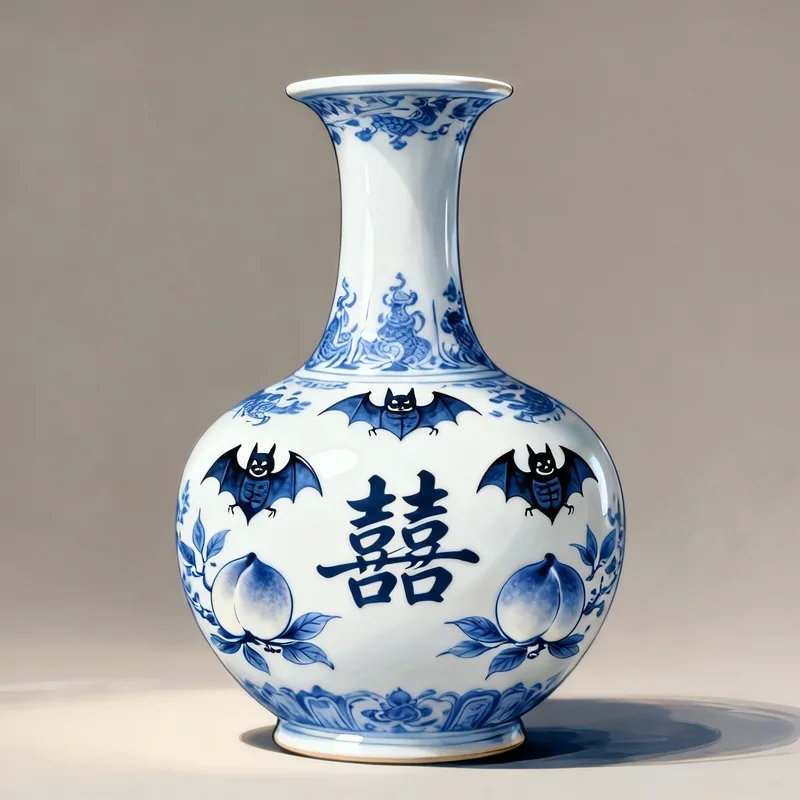
    • Double happiness (shuangxi) appears on linens, paper cuts and pottery.
    • Tea served to elders wins red envelopes in return.

    Weddings Now

    Today a civil registration at the local civil affairs office makes a marriage legal, and ceremonies are chosen from a menu of options. Some couples hold a restrained tea ceremony at home; others book a banquet hall, a photographer and a host who keeps the toasts moving. The red veil has given way to a white dress for many brides, often followed by a red qipao for the formal photographs. In Zhejiang’s water towns, staged wedding processions are also a tourist performance, repeating the same gestures for an audience of visitors.

    Qing dynasty porcelain vase painted with bats, peaches and the double happiness character
    Double happiness, shuangxi, is the most recognisable emblem of a wedding. Ilustración generada por IA · SinoViz
    The bride’s tears, the groom’s brazier and the jar of wine buried at her birth all belong to one grammar of departure and arrival.

    Véalo en su lugar

    Siga esta entrada a la región a la que pertenece.

    Explorar por mapa

    Sigue el hilo

    Explora otras entradas que compartan sus etiquetas.

    Explorar la etiqueta
  • The Chinese Zodiac

    Vida y folclore

    The Chinese Zodiac

    Twelve Animals, Sixty-Year Cycle

    The twelve animals map years, hours and personality onto a repeating cycle.

    Sección
    Vida y folclore
    Región
    Pekín
    Era
    A través de las épocas
    Etiquetas
    Aduanas

    The Chinese zodiac assigns an animal to each year in a twelve-year round. It is not a standalone horoscope but one layer of the lunisolar calendar, where twelve earthly branches combine with ten heavenly stems to name a full cycle of sixty years.

    The Twelve Animals

    The sequence is rat, ox, tiger, rabbit, dragon, snake, horse, goat, monkey, rooster, dog and pig, each paired with one of the twelve earthly branches: zi, chou, yin, mao, chen, si, wu, wei, shen, you, xu and hai. The goat is also translated as sheep or ram. A well-known folk tale explains the order as the result of a race across a river: the rat rides on the ox and leaps ahead at the bank, while the cat, in some versions, misses the crossing altogether. The story is later than the system it explains.

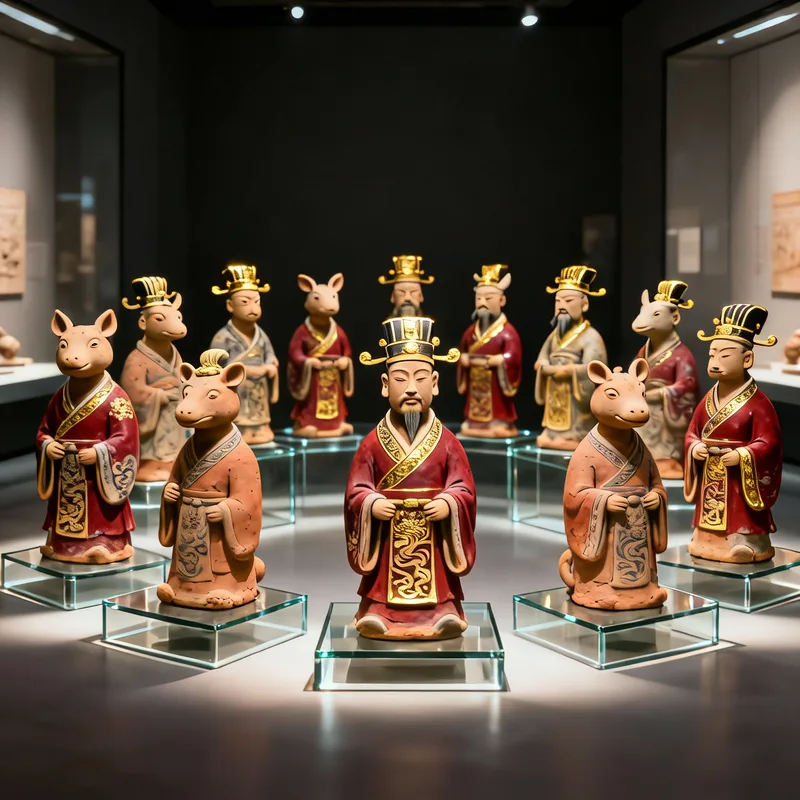
    Set of twelve Tang dynasty earthenware zodiac figures dressed as officials
    The animal order was fixed by the Eastern Han and appears in Tang tomb pottery. Ilustración generada por IA · SinoViz

    From Branches to Animal Signs

    The branches themselves are old; the animals attached to them appear more gradually. The Metropolitan Museum of Art notes that the twelve were first associated with the lunar calendar in China around the third century BCE and were firmly established by the first century CE. By the Eastern Han dynasty (25–220 CE) the conventional order was fixed, and texts such as Wang Chong’s Lunheng list the same animals used today. The pairing spread across East and Southeast Asia, where local traditions altered the cast.

    Tomb art confirms the dating. Tang dynasty (618–907) burials contain sets of twelve earthenware animals in official robes, placed as offerings for renewal and protection. Song dynasty examples are smaller glazed stoneware figures shown as civil officials or Daoist practitioners, with the identifying animal held in the hand or worn on the hat. The zodiac was never only a New Year novelty; it structured time in the tomb as it did among the living.

    Stems, Branches and Destiny

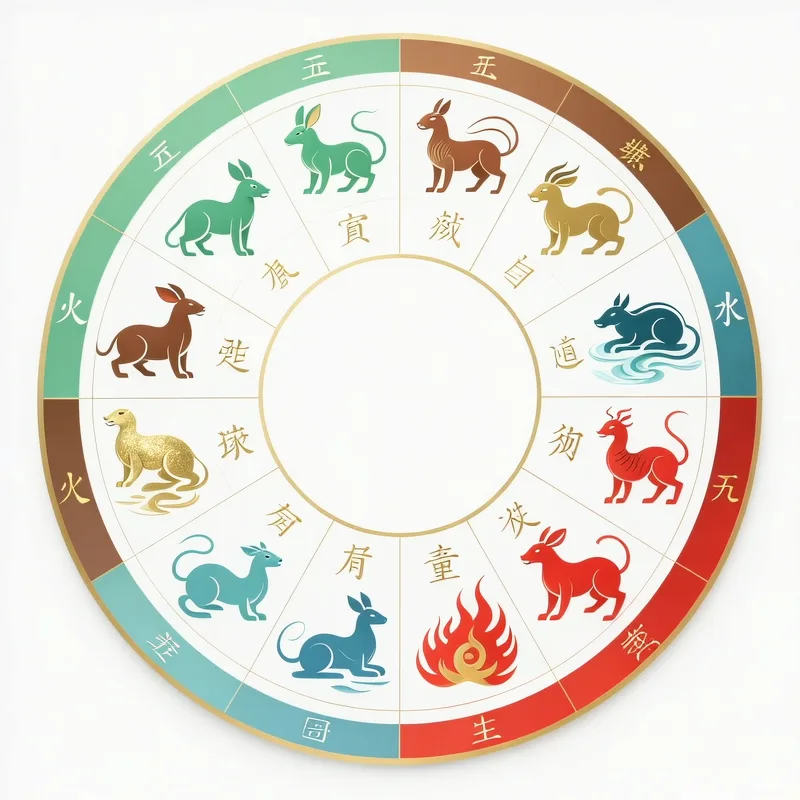
    Because the ten stems and twelve branches advance together, a year is described by a pair such as bingwu, the Fire Horse of 2026; the same pair recurs only after sixty years. Branches also divide the day into twelve two-hour watches, the zi hour running from eleven at night to one in the morning. The four pillars of fate — year, month, day and hour — are built from four such pairs. Practitioners of bazi read them for temperament and fortune, and families once consulted them when arranging matches.

    Circular diagram of the twelve Chinese zodiac animals and five elements
    Animal and element combine: 2026 is bingwu, the Fire Horse. Ilustración generada por IA · SinoViz

    In Daily Life

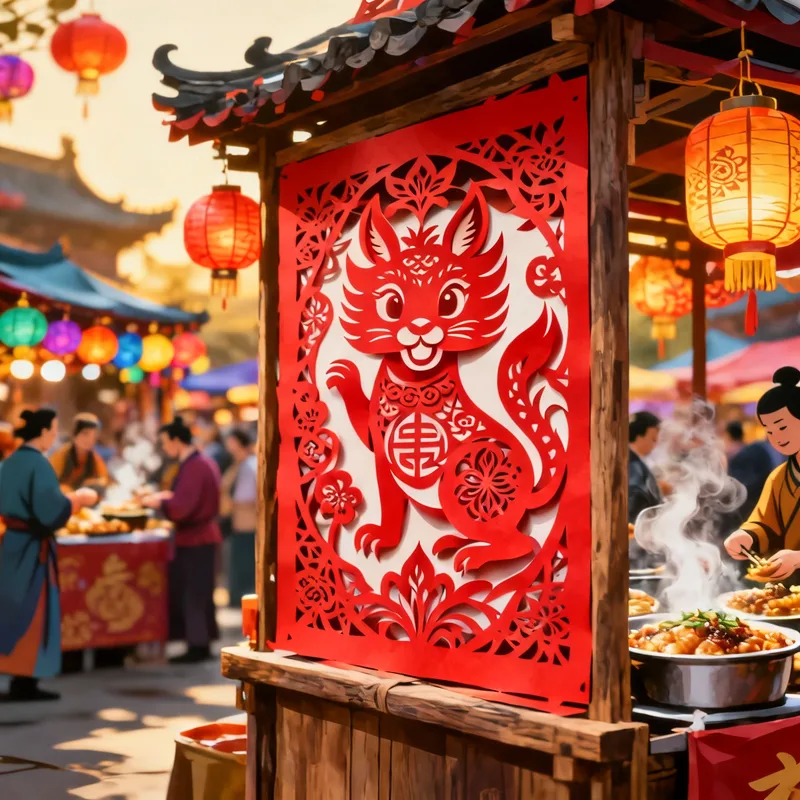
    Zodiac signs work as a shared shorthand rather than a strict belief. A person’s benming nian, the year their animal returns, is treated with caution; red clothing and red cords are common precautions, especially for children and elders. New Year prints, paper cuts and temple fairs display the animal of the year, and greetings routinely name it. Claims about compatibility draw on the branch cycle, with signs six places apart said to clash.

    • 2026 is Bingwu, the Year of the Fire Horse.
    • Each branch governs a two-hour period; zi covers 11 p.m.–1 a.m.
    • The four pillars of destiny combine year, month, day and hour.
    • Vietnam substitutes a cat for the rabbit.

    Regional Variations

    The cycle travelled with Chinese settlement and trade. In Vietnam the rabbit becomes a cat and the ox a water buffalo; the goat may be called a sheep elsewhere. Zodiac animals appear on coins, mirrors, lacquer and ceramics across the region, and Korean and Japanese calendars adopted the same branches with their own animal lists. Such variations matter: they show a calendar system being translated, not simply copied. The Chinese sequence remains the reference point for the lunar New Year celebrated in Beijing and in diaspora communities worldwide.

    Red paper cut showing the zodiac animal of the year on a temple fair stall
    Each lunar New Year brings a new animal to prints, paper cuts and greetings. Ilustración generada por IA · SinoViz
    The rat wins the race because it knows when to jump — a story invented long after the cycle was already in use.

    Fuentes y lecturas adicionales

    1. Chinese zodiac — Enciclopedia Británica.
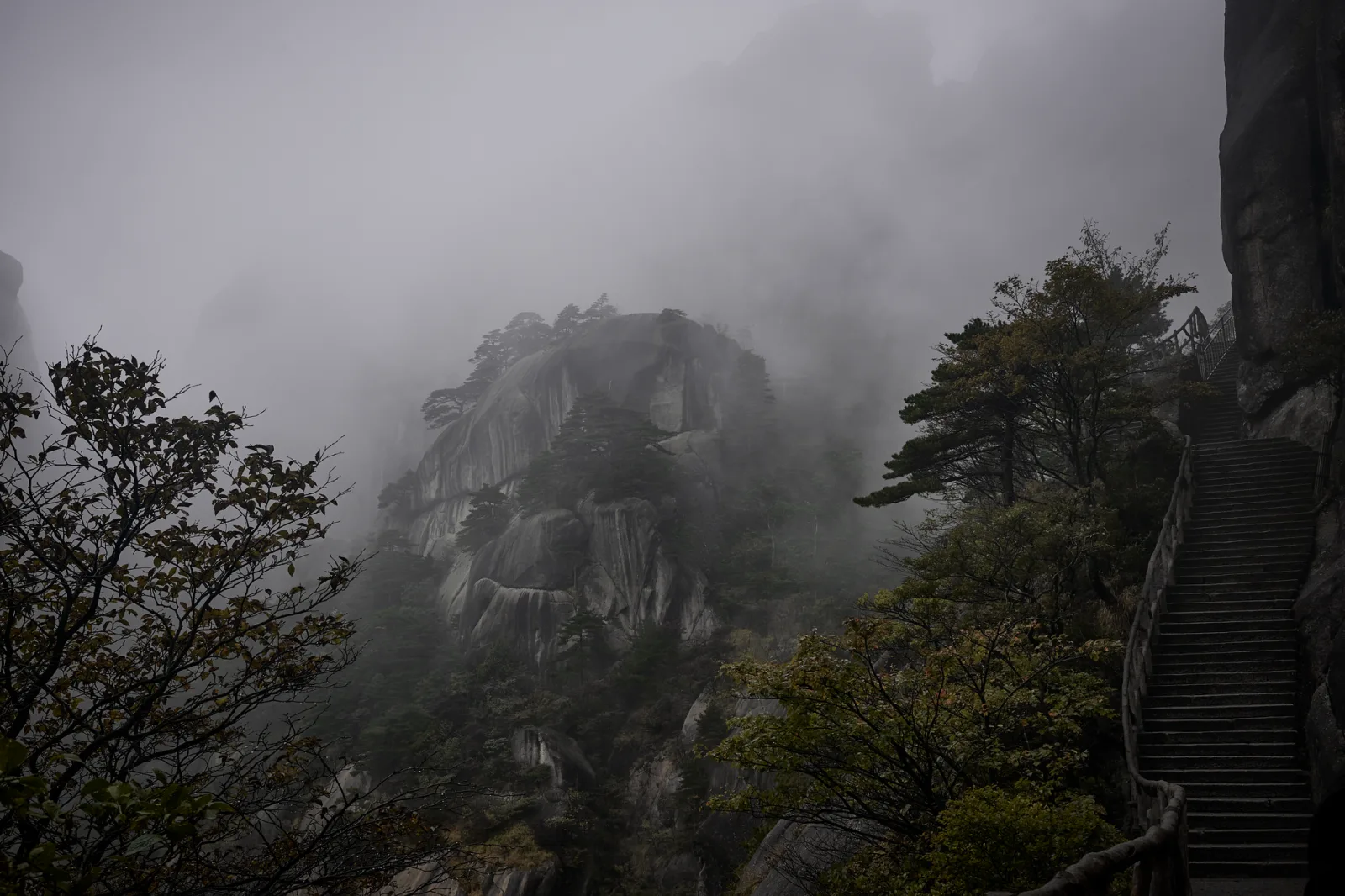
    2. Set of twelve zodiac animals, Tang dynasty — The Metropolitan Museum of Art.
    3. Celebrating the Year of the Dog — The Metropolitan Museum of Art.

    Véalo en su lugar

    Siga esta entrada a la región a la que pertenece.

    Explorar por mapa

    Sigue el hilo

    Explora otras entradas que compartan sus etiquetas.

    Explorar la etiqueta
  • Booking Trains with 12306

    Guía de viaje

    Booking Trains with 12306

    China Railway’s official ticket channel

    Book a real-name rail ticket on 12306, the channel operated by China Railway.

    Sección
    Guía de viaje
    Región
    Pekín
    Era
    modern-china
    Etiquetas
    Transporte

    12306 is the official website and app of China Railway’s customer service system. Foreign passport holders can use its English interface, provided their identity has been verified before they travel.

    Set up your account first

    Register on 12306.cn or in the Railway 12306 app and switch the app to English if needed. Choose passport as the document type and enter the name, nationality, number and expiry date exactly as printed; small mismatches cause gate problems later. Use an email address you can access and an international mobile number, which is accepted. Identity verification may be automatic, or it may require uploading a photograph of the passport information page for manual review. Register days, not hours, before your intended purchase date, since approval can take time.

    A traveller using a smartphone at a railway station
    Set up and verify your account before the day tickets are released. Anderson Santos | Pexels License (https://www.pexels.com/license/)

    Search, seat and payment

    Ordinary tickets go on sale 15 days before departure and remain available until about 30 minutes before the train leaves. The exact release time is set by the departure station and appears in the app; peak routes such as Beijing–Shanghai sell quickly at holiday periods. Search by the precise station, since a city may have several: Beijing South, Beijing West and Beijing Chaoyang are different origins. Choose second class, first class or a sleeper where offered, then pay within the order timer using a Chinese or foreign bank card, UnionPay or a linked mobile wallet.

    At the station

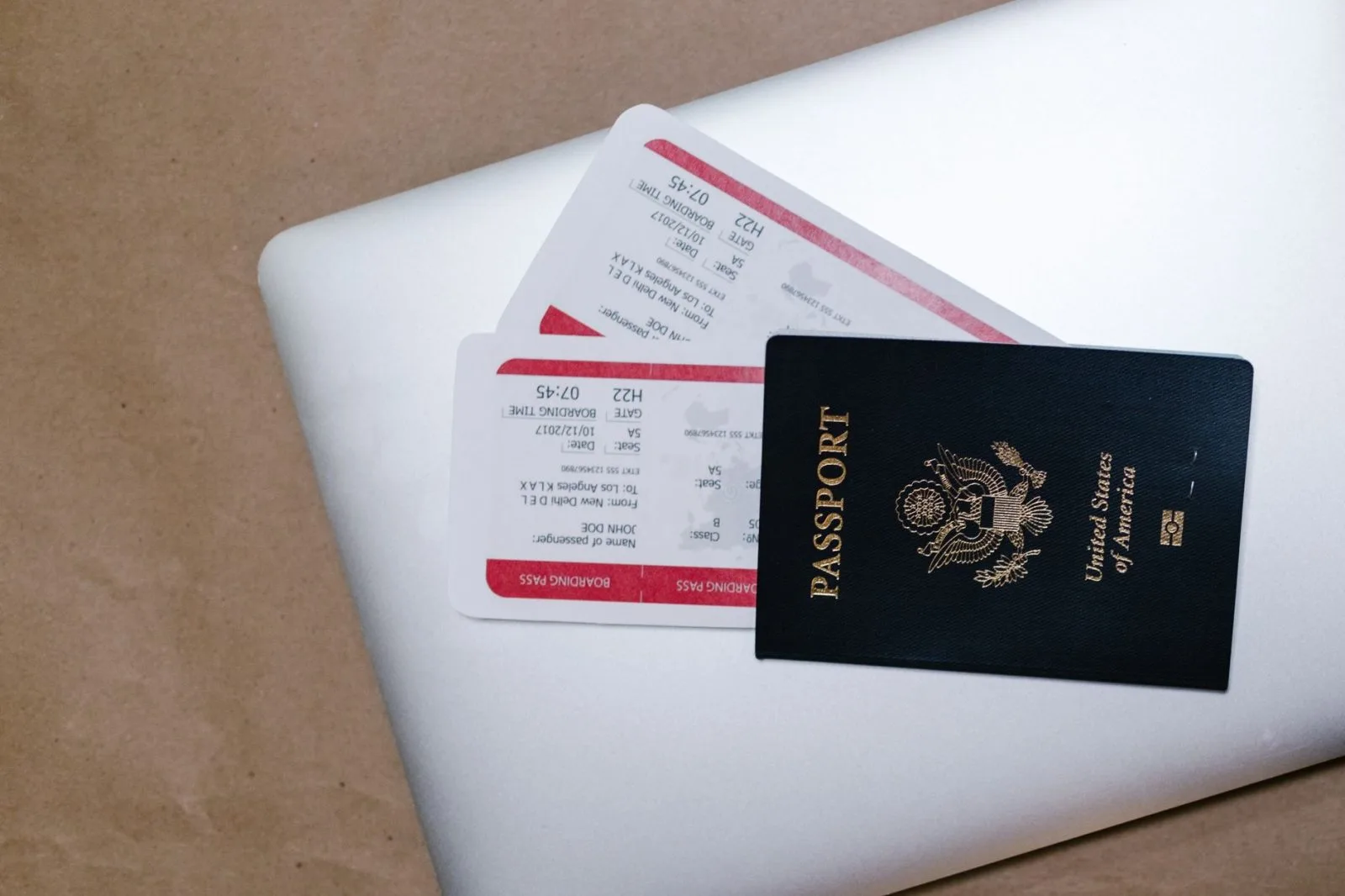
    Rail travel in China uses e-tickets: there is no paper ticket to collect. Carry the same passport used at booking and scan it at the gate or show it at the staffed lane if the reader fails. Passport holders cannot use the self-service machines that read foreign permanent residence cards, so allow time for a queue at staffed counters if you need assistance. Paper reimbursement vouchers were generally discontinued for journeys after 1 October 2025. Arrive early at large terminals such as Beijing South: security screening, platform distances and crowded concourses can take more time than expected.

    Passengers scanning travel documents at a high-speed rail station gate
    Your passport is the ticket; use the staffed lane if the gate reader fails. RDNE Stock project | Pexels License (https://www.pexels.com/license/)

    Changes, refunds and backups

    Tickets can be changed or refunded through 12306 or at a station window, but fees depend on how close you are to departure and on the new itinerary. Sales and changes normally run from 05:00 to 01:00 Beijing time, with a shorter window on Tuesdays; refunds and timetable enquiries are available around the clock. If a foreign card is declined, an alternative is an authorised platform or a station counter, where cash in renminbi may also be accepted. Keep passport, booking confirmation and train number together, and check the platform display rather than relying only on the app.

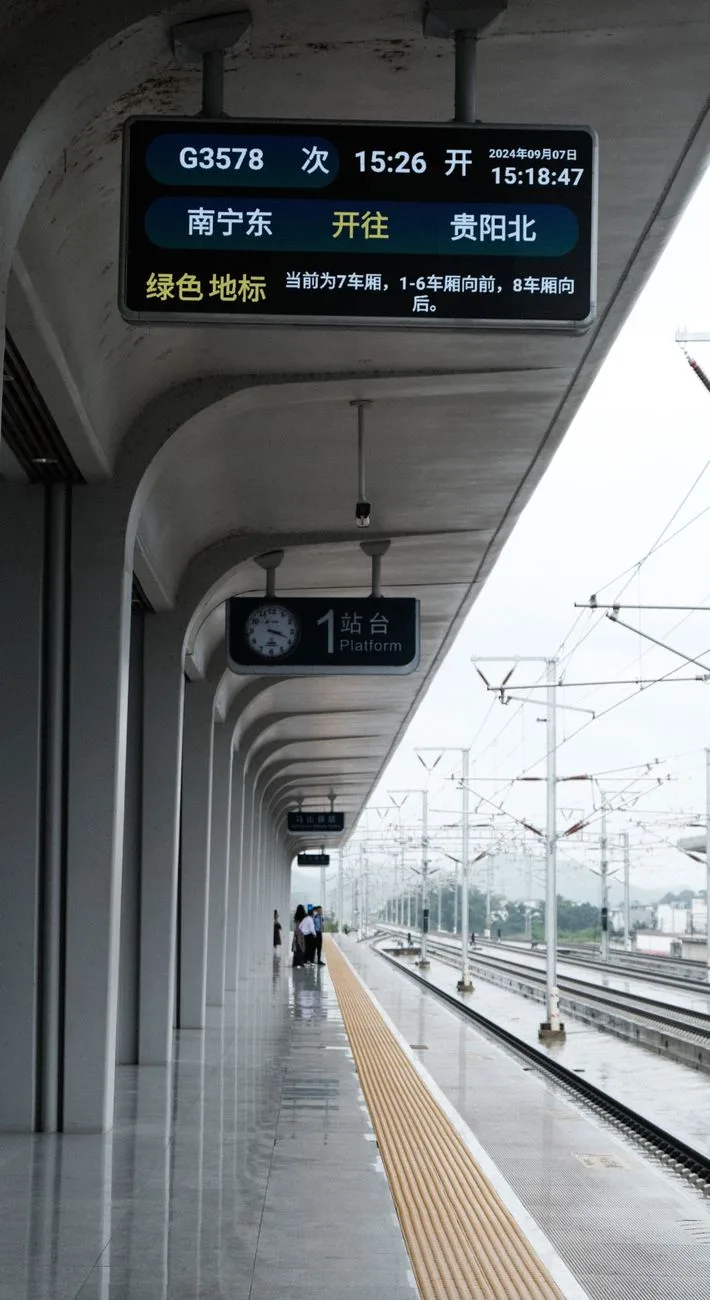
    A departure board listing high-speed trains in a Chinese railway station
    Check platform displays on the day; gate information can change close to departure. 航皓 陈 | Pexels License (https://www.pexels.com/license/)
    On Chinese rail, the passport is the ticket: book with the document you will carry.

    Fuentes y lecturas adicionales

    1. Purchase ticket on 12306 China Railway — MTR High Speed Rail.
    2. How to buy train tickets — Shanghai Municipal Government.
    3. Essential Tips for Buying Train Tickets in China — Beijing Municipal Government.

    Véalo en su lugar

    Siga esta entrada a la región a la que pertenece.

    Explorar por mapa

    Sigue el hilo

    Explora otras entradas que compartan sus etiquetas.

    Explorar la etiqueta
  • Huangshan

    Exploración de mapas

    Huangshan

    Granite peaks in a sea of clouds

    Follow the paths between Huangshan’s granite peaks, pines and hot springs.

    Sección
    Exploración de mapas
    Región
    Zhejiang
    Era
    A través de las épocas
    Etiquetas
    Scenic Sites, Geography

    Huangshan rises in southern Anhui, close to the Zhejiang border. UNESCO inscribed the mountain as a mixed natural and cultural property in 1990, recognising both its scenery and its place in Chinese art.

    A mountain made of granite

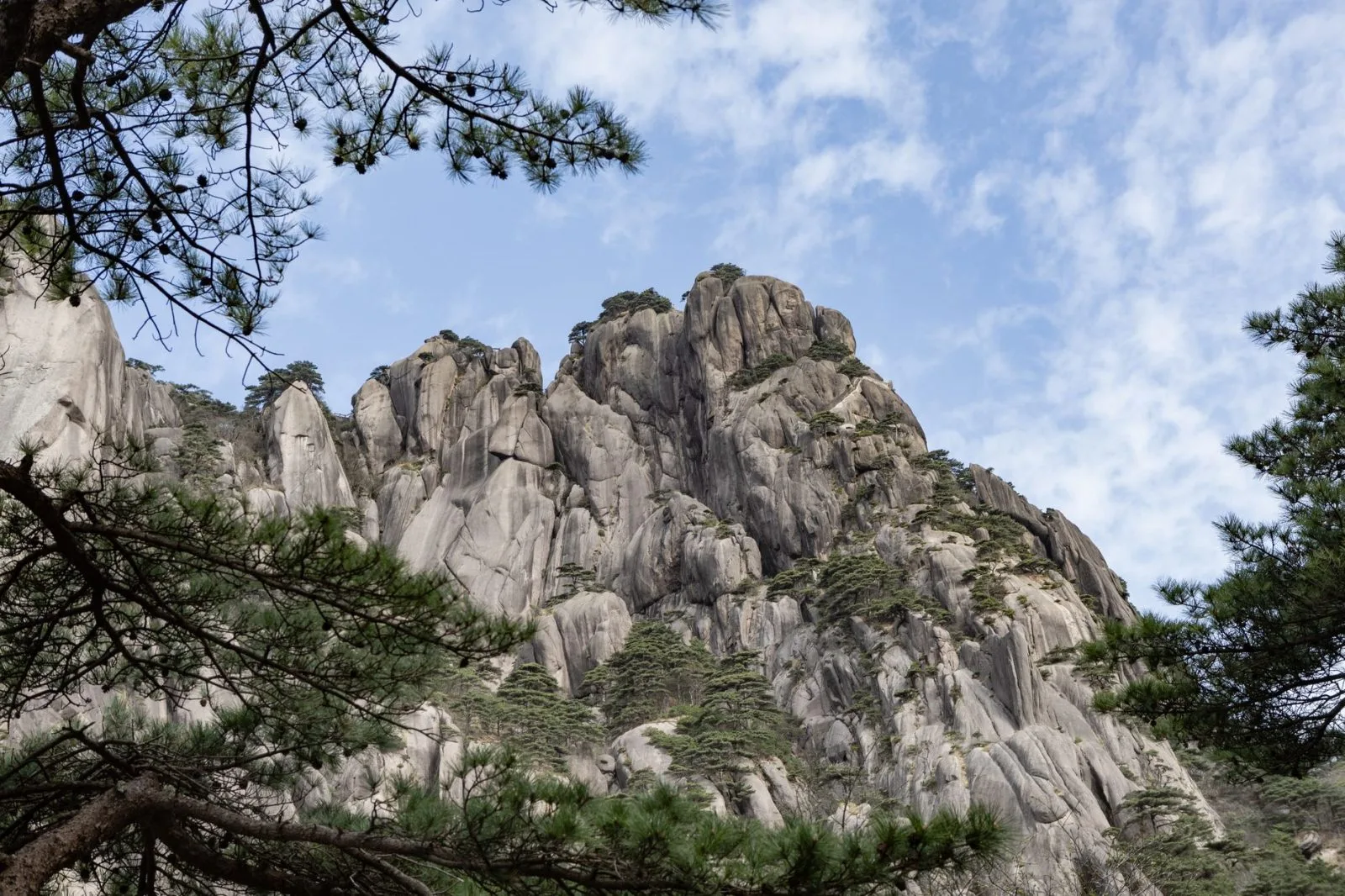
    Huangshan’s landscape is built from granite that cooled beneath the surface and was exposed by uplift and erosion. More than seventy peaks exceed 1,000 metres; Lotus Peak, the highest, reaches 1,864 metres. Jointing and weathering have split the rock into pillars, blocks and sheets, while water and ice have carved cavities and valleys. Mist forms readily in the humid climate, and cloud often fills the valleys below the ridges. Hot springs emerge at the mountain’s foot, where water circulates through fractured rock. The UNESCO property covers roughly 16,000 hectares with a wider buffer zone.

    Granite peaks emerging above a sea of cloud at Huangshan
    Jointed granite weathers into pillars and serrated ridges. 香菜 顾 | Pexels License (https://www.pexels.com/license/)

    Pines, paintings and poetry

    Huangshan pines grow from cracks in bare rock, their flattened crowns shaped by wind, snow and thin soils. The Guest-Greeting Pine near the northern viewpoints has become an emblem, though access is now managed to protect it. The mountain was named Huangshan by imperial order in 747 and drew hermits, poets and painters over later centuries. By the Yuan dynasty, dozens of temples stood on its slopes. In the Ming period, artists of the Huangshan school made its peaks a subject of landscape painting, helping to establish the shanshui, or mountain-and-water, tradition in Chinese art.

    Walking the mountain

    Most visitors enter from Tangkou at the foot of the mountain. Cableways from Yungu, Taiping and Yuhua shorten the approach, but the ridge walks still involve steep stone stairs and exposed sections. A common two-day route climbs to the northern or western hotel area, catches sunrise from a viewpoint such as Guangming Ding, then crosses the ridges before descending. Steps number in the tens of thousands, so sturdy shoes and a light pack matter. Weather changes quickly; cloud can erase views within minutes, and ice makes winter stairs slippery.

    Narrow stone steps cut into a granite ridge at Huangshan
    Cableways shorten the climb, but the ridge paths remain steep. Mr. Eric | Pexels License (https://www.pexels.com/license/)

    Seasons and nearby villages

    Spring brings flowering trees and frequent mist; summer is green and rainy, with cloud seas most likely after clear nights. Autumn is dry and clear, while winter snow and rime draw photographers despite cold temperatures and occasional closures. Dawn is the busiest time at the main viewpoints, and cable queues can be long during national holidays. Below the mountain, the villages of Xidi and Hongcun preserve Ming and Qing houses, lanes and water systems and were inscribed on the World Heritage List in 2000. They make a quieter complement to a night above the clouds.

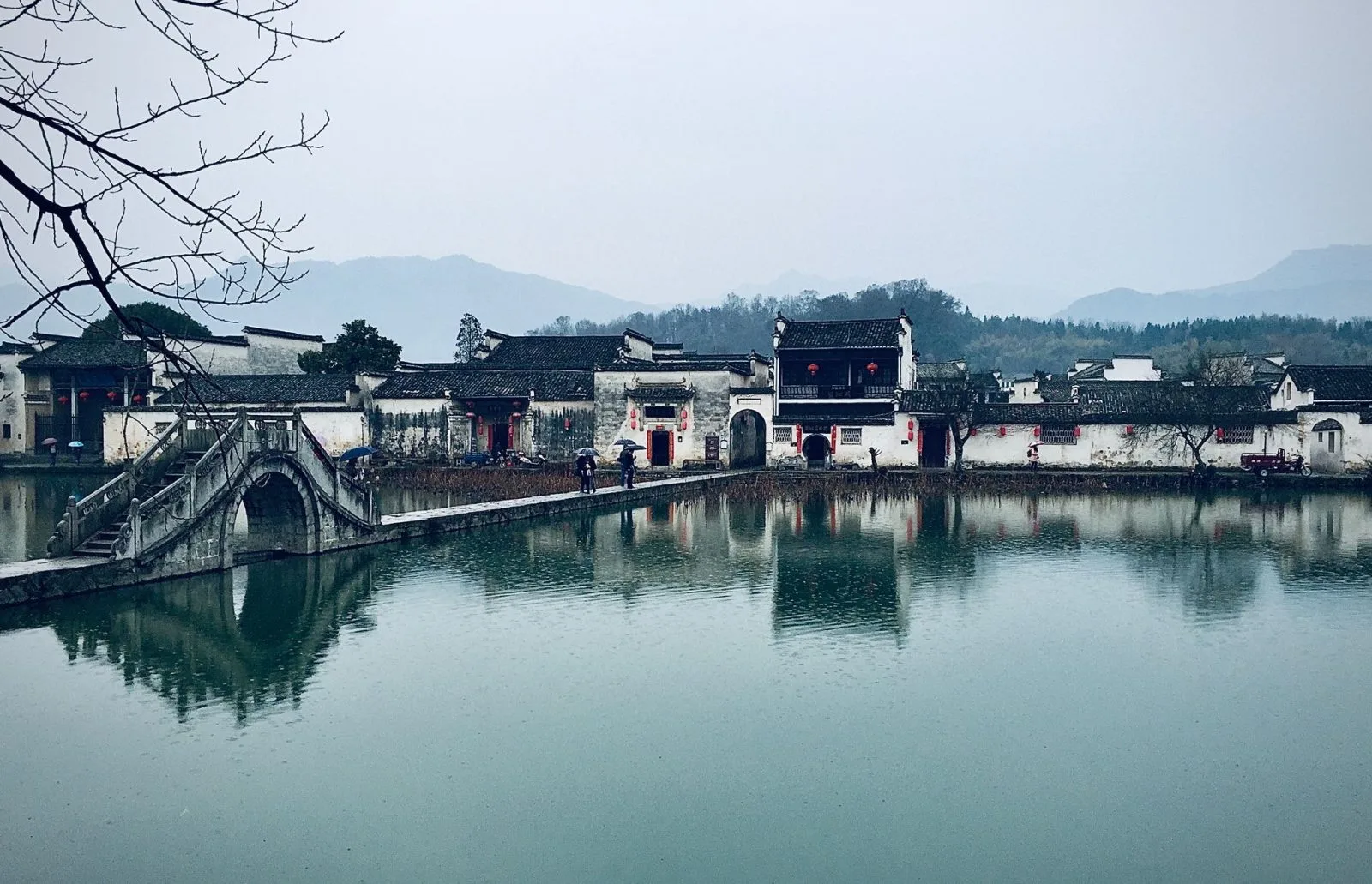
    Whitewashed houses and a water channel in Hongcun village
    The villages below Huangshan preserve Ming and Qing domestic architecture. lei wang | Pexels License (https://www.pexels.com/license/)
    Huangshan taught painters how a mountain could be both a place and an idea.

    Fuentes y lecturas adicionales

    1. Mount Huangshan — UNESCO World Heritage Centre.
    2. Ancient Villages in Southern Anhui – Xidi and Hongcun — UNESCO World Heritage Centre.
    3. Huangshan — Enciclopedia Británica.
    Véalo en su lugar

    Siga esta entrada a la región a la que pertenece.

    Explorar por mapa

    Sigue el hilo

    Explora otras entradas que compartan sus etiquetas.

    Explorar la etiqueta
  • West Lake

    Exploración de mapas

    West Lake

    A landscape shaped by scholars

    Read Hangzhou’s West Lake as a landscape built over centuries by dredging, planting and poetry.

    Sección
    Exploración de mapas
    Región
    Zhejiang
    Era
    A través de las épocas
    Etiquetas
    Scenic Sites, Geography

    West Lake covers about 6.4 square kilometres beside Hangzhou in Zhejiang. UNESCO inscribed the surrounding cultural landscape in 2011, citing its causeways, islands and long tradition of literary appreciation.

    Two causeways, three islands

    The lake began as a shallow bay linked to the Qiantang River. Alluvial deposition closed the connection, and repeated dredging from the ninth century onward created the layout seen today. Bai Causeway, about 987 metres long, runs west from the city towards Gushan Hill; Su Causeway, about 2.8 kilometres with six arched bridges, crosses the western side. Three small islands — Lesser Yingzhou, Mid-lake Pavilion and Ruangongdun — divide the water into five named sections. The whole property covers 3,323 hectares, of which about 559 is water.

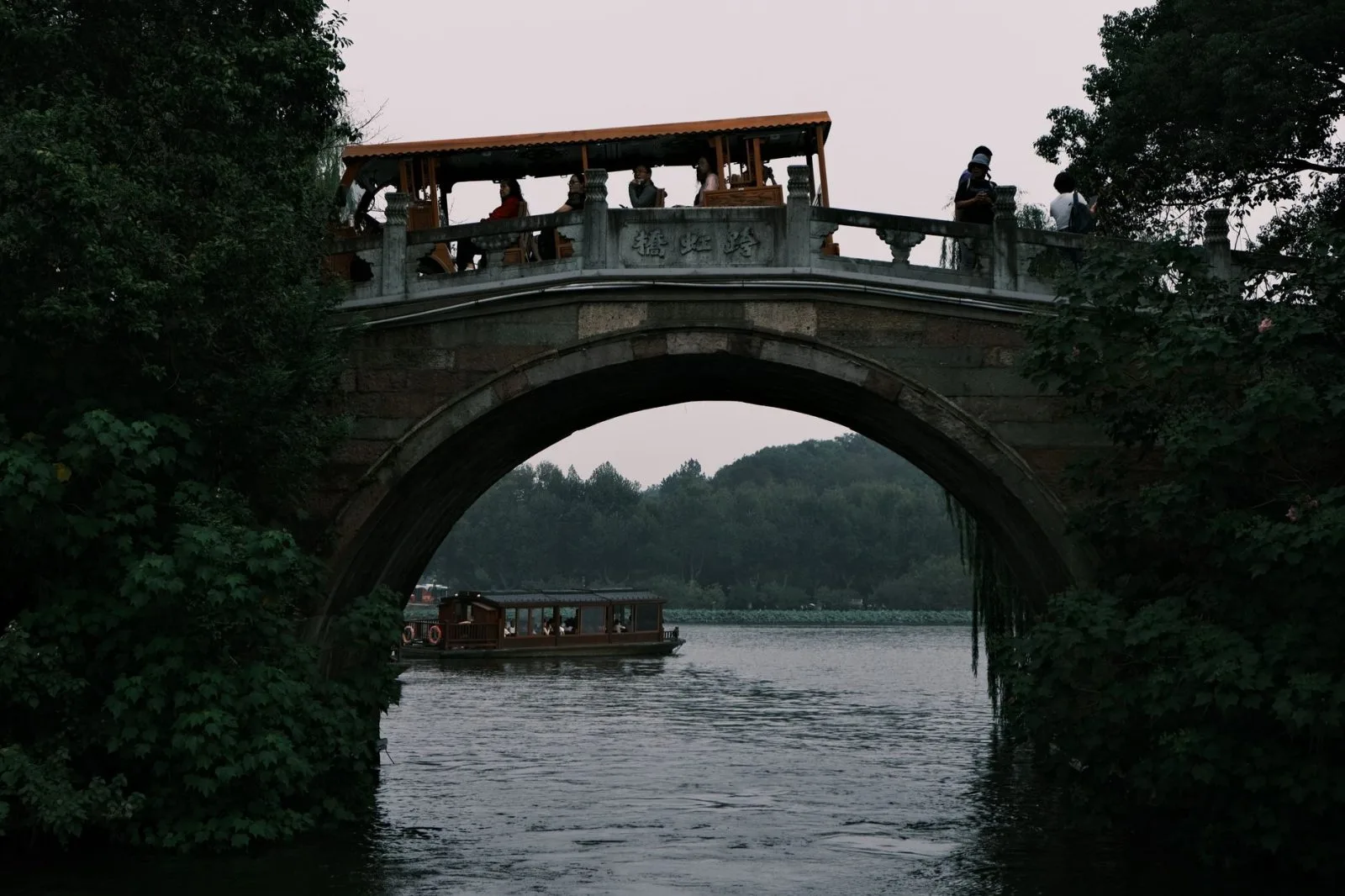
    An arched bridge on Su Causeway crossing West Lake at Hangzhou
    Dredged silt formed the causeways, bridges and islands of the lake. nana liu | Pexels License (https://www.pexels.com/license/)

    Poets and public works

    Bai Juyi, a Tang governor, directed dredging in the early ninth century; the causeway bearing his name commemorates that work. Su Shi, poet and governor of Hangzhou, oversaw a major dredging campaign in 1089 and used the silt to build the causeway that carries his name. He also marked the Three Pools area with stone pagodas to discourage planting that would accelerate silting. By the Southern Song period, writers had named ten scenic places around the lake, from Spring Dawn at Su Causeway to Evening Bell at Nanping Hill. The act of naming helped turn a working reservoir into a cultural landscape.

    Gardens that travelled

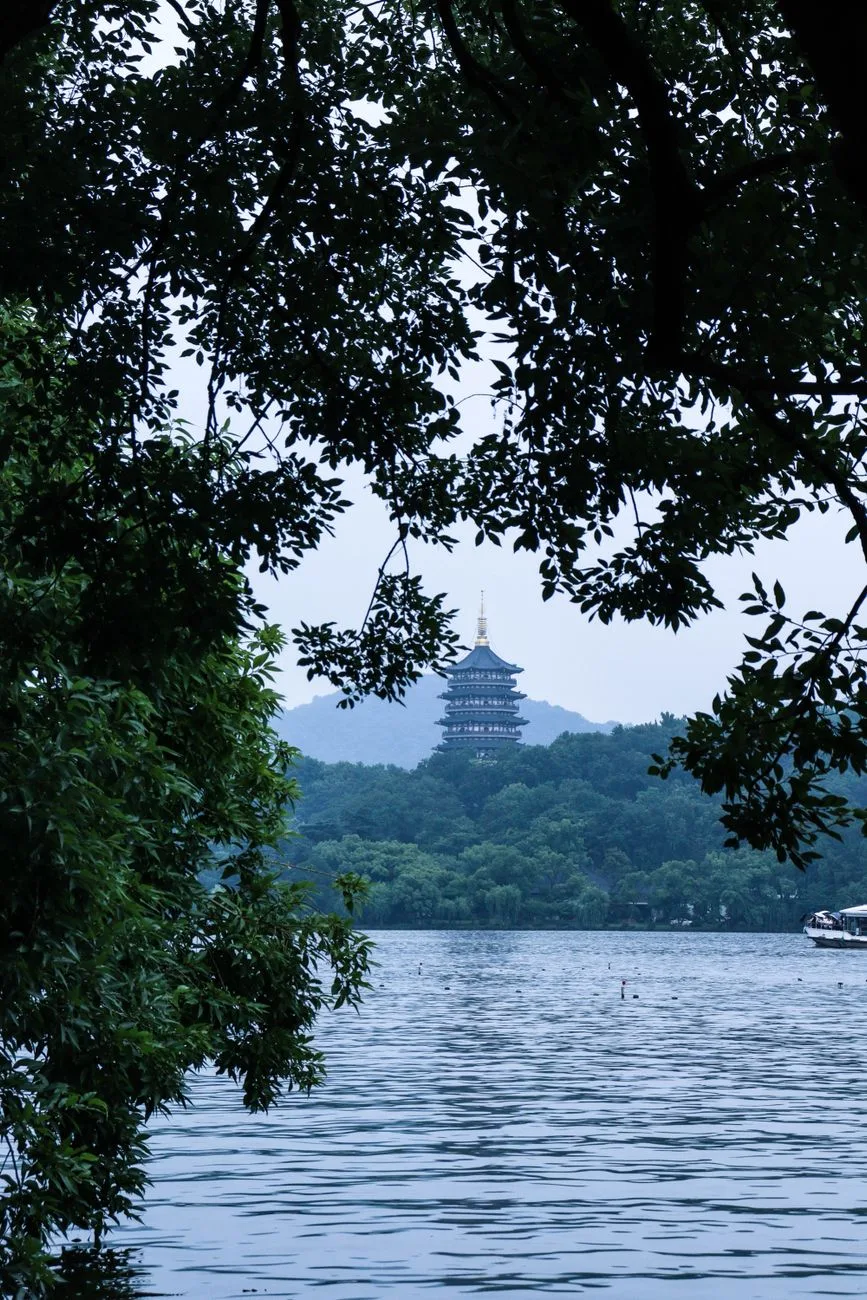
    West Lake’s combination of open water, wooded hills, pagodas, pavilions and planted banks became a model for garden design well beyond Hangzhou. UNESCO notes its influence in China, Japan and Korea, where lakes and causeways were used to compose views that joined human construction to natural forms. The surrounding hills hold temples and monuments, including Lingyin Temple and the remains of Leifeng Pagoda, which collapsed in 1924 and was rebuilt in 2002. Tea plantations on the western hills produce Longjing, or Dragon Well, tea; the planted landscape was part of the heritage nomination.

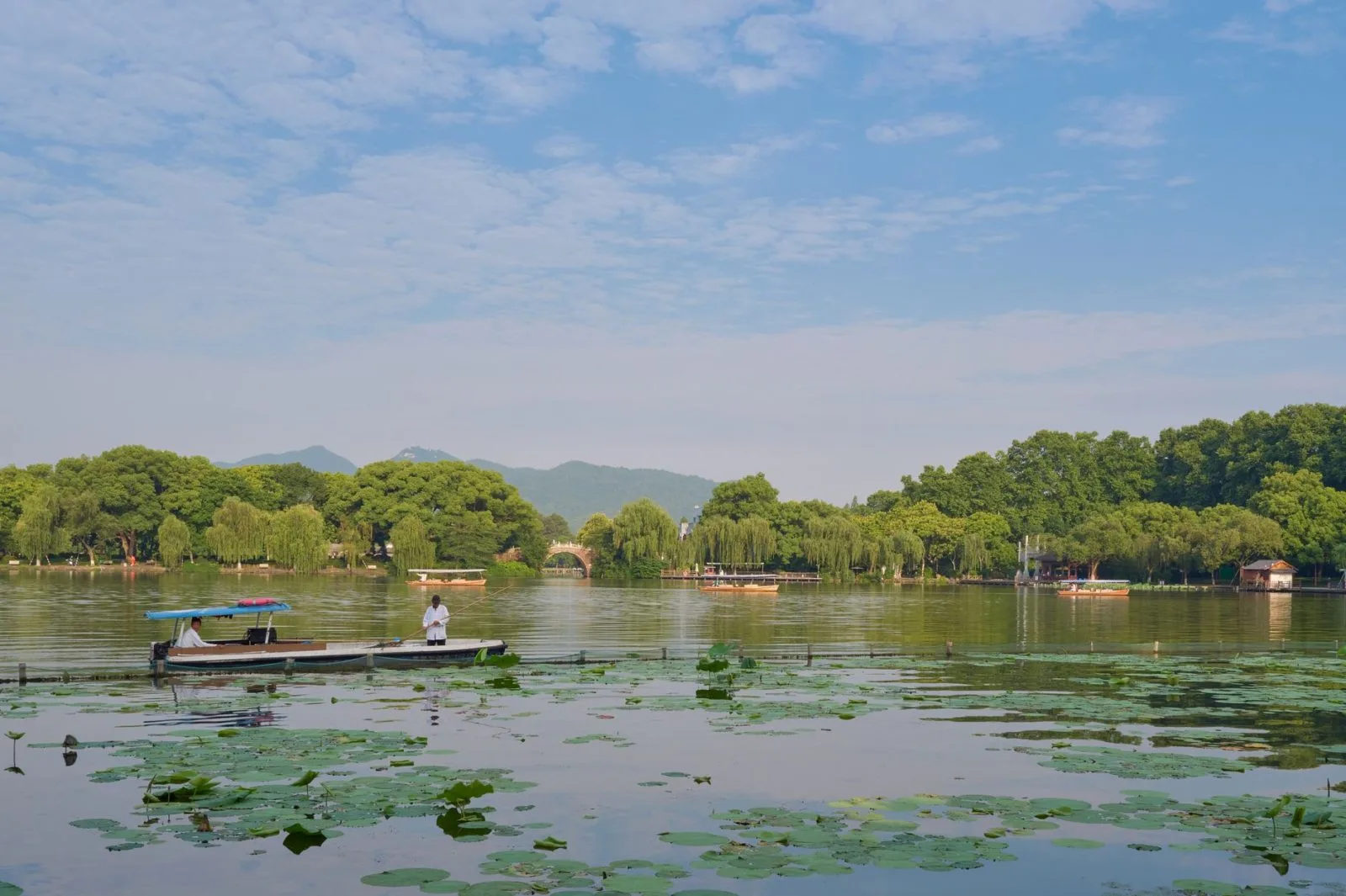
    Wooded hills and calm water at West Lake
    Temples and planted banks were composed as a sequence of views. Deep sea | Pexels License (https://www.pexels.com/license/)

    Seeing the lake

    The lake’s shore path runs for roughly 15 kilometres, and boats cross to the islands for views of the pagodas and arched bridges. Spring is the classic season, when willows leaf out and peach trees flower along the causeways; early summer brings lotus blooms and heavier heat. Autumn is dry and clear, and a rare snowfall can empty the streets as residents head for the Broken Bridge. Hangzhou is about an hour from Shanghai by high-speed rail, so a day visit is feasible, though the light is better early or late. Weekend crowds concentrate near the busiest causeways.

    Willow-lined shore path and pleasure boats on West Lake in spring
    Spring foliage and low light define the classic view of the lake. CK Seng | Pexels License (https://www.pexels.com/license/)
    West Lake is a piece of water that generations of writers taught China how to see.

    Fuentes y lecturas adicionales

    1. West Lake Cultural Landscape of Hangzhou — UNESCO World Heritage Centre.
    2. West Lake visitor information — Hangzhou Municipal Government.
    3. West Lake — Enciclopedia Británica.
    Véalo en su lugar

    Siga esta entrada a la región a la que pertenece.

    Explorar por mapa

    Sigue el hilo

    Explora otras entradas que compartan sus etiquetas.

    Explorar la etiqueta
  • The Li River

    Exploración de mapas

    The Li River

    Karst peaks along a working waterway

    Travel the 83-kilometre stretch of the Li River that links Guilin with Yangshuo.

    Sección
    Exploración de mapas
    Región
    Guangxi
    Era
    A través de las épocas
    Etiquetas
    Scenic Sites, Geography

    The Li rises in the Mao’er Mountains of northeastern Guangxi and runs about 437 kilometres towards the Xi River system. Its middle section passes through one of the densest tower-karst landscapes in the world.

    From mountain source to rice plain

    The Li’s upper waterways descend from the Mao’er Mountains near Xing’an and join near Rongjiang. At Xing’an the Qin dynasty Lingqu Canal, opened to navigation in 214 BCE, linked the Li to the Xiang River and thereby the Yangtze basin with the Pearl River delta. Built for military grain transport, the canal still irrigates farmland. The river then flows south through Lingchuan and Guilin, past low rice fields and scattered limestone hills. Its total course to the Xi River near Wuzhou is about 437 kilometres, shared with the Gui River downstream of Pingle.

    The Lingqu Canal passing through farmland near Xing’an in Guangxi
    Opened in 214 BCE, the canal once linked two of China’s great river systems. Ilustración generada por IA · SinoViz

    The cruise between Guilin and Yangshuo

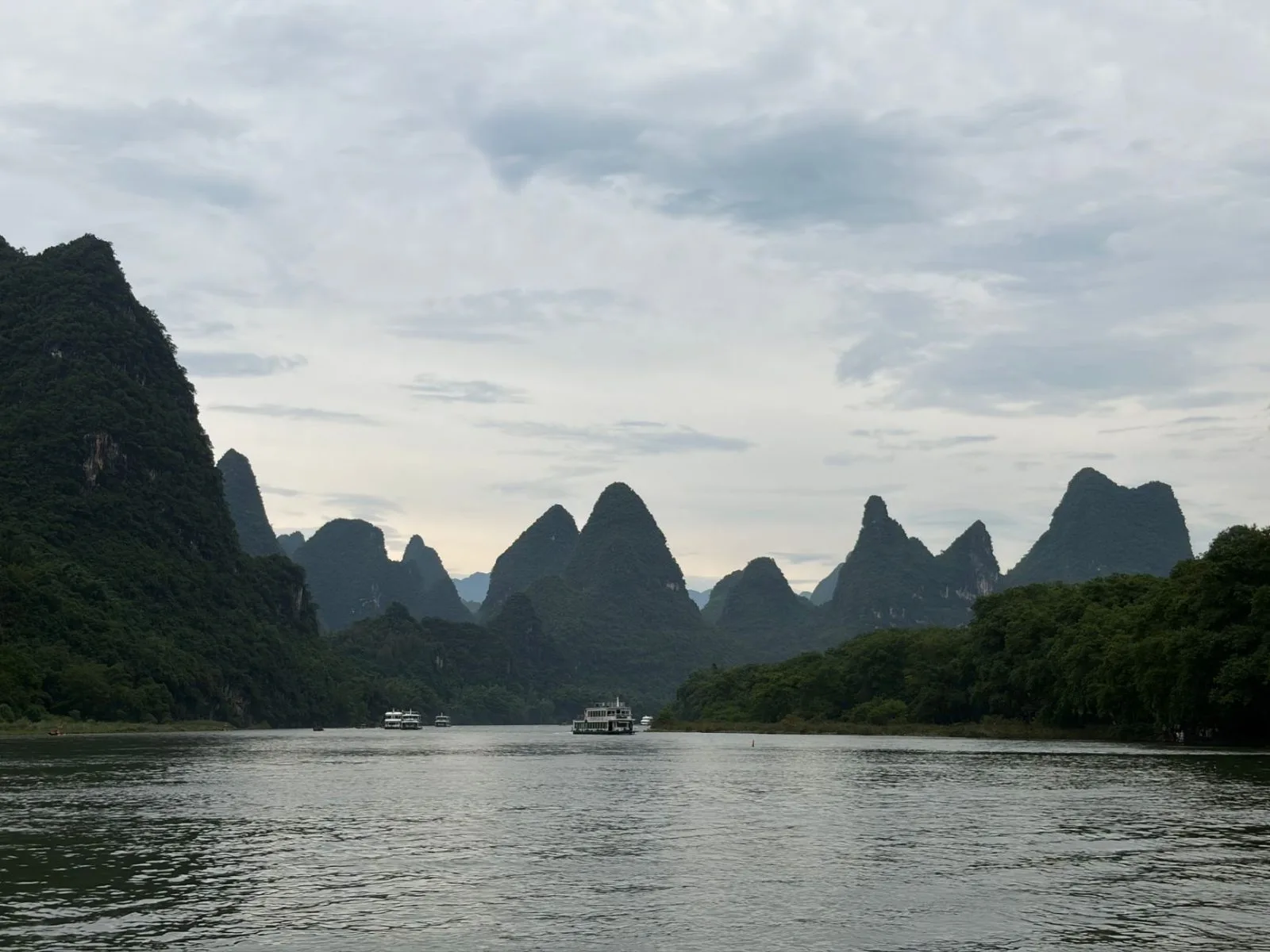
    The celebrated stretch runs 83 kilometres from Guilin to Yangshuo. Boats usually leave Mopanshan or Zhujiang pier in the morning and take four to five hours downstream, passing Elephant Trunk Hill, the cliffs near Yangdi and the Nine Horses Fresco Hill before reaching Yangshuo. The view near Xingping includes the bend printed on the 20-yuan banknote. Peaks here rise steeply from the water, many between 100 and 200 metres high, with caves and undercut cliffs at their base. The Li is part of the Guilin Karst component added to UNESCO’s South China Karst property in 2014.

    Water, seasons and boats

    The river is monsoon-fed: water levels usually peak between April and July and fall from November to January. High water gives deeper channels and fuller reflections, while low water exposes shoals and can shorten or suspend some sailings. The main cruise uses larger boats; electric rafts cover shorter sections around Yangdi, Xingping and Nine Horses Hill, and local ferries still carry passengers between villages. Tickets for the main route are real-name and best booked ahead through the scenic-area channel. Morning departures normally offer calmer water and clearer views than the heat of midday.

    An electric raft passing beneath limestone cliffs on the Li River
    Raft routes cover shorter sections where larger cruise boats cannot go. Willian Justen de Vasconcellos | Pexels License (https://www.pexels.com/license/)

    Beyond the boat

    Yangshuo rewards a slower itinerary. Cycling routes run between the town, the Yulong River and villages such as Xingping, where older houses and stone lanes remain. Bamboo rafts on the Yulong, a tributary, pass under low bridges and past water wheels at a gentler pace than the main river. Reed Flute Cave on Guilin’s western edge shows the underground architecture of the same limestone, with chambers lit for visitors. Guilin can be reached by high-speed rail from Guangzhou, Changsha and elsewhere; allow a full day for the cruise and another for the countryside.

    A bamboo raft on the Yulong River with karst peaks beyond
    The quieter tributaries reveal the same limestone landscape at walking pace. Guillaume Kremer | Pexels License (https://www.pexels.com/license/)
    The Li does not run through the karst so much as reveal it, bend by bend.

    Fuentes y lecturas adicionales

    1. Lijiang River Tourism Zone in Guilin — Guangxi Zhuang Autonomous Region Government.
    2. South China Karst — UNESCO World Heritage Centre.
    3. Lingqu Canal — Ministry of Water Resources.

    Véalo en su lugar

    Siga esta entrada a la región a la que pertenece.

    Explorar por mapa

    Sigue el hilo

    Explora otras entradas que compartan sus etiquetas.

    Explorar la etiqueta
  • La meseta tibetana

    Exploración de mapas

    La meseta tibetana

    The high ground behind Asia’s rivers

    Explore the plateau that feeds the Yangtze, Yellow, Brahmaputra and Indus.

    Sección
    Exploración de mapas
    Región
    Xizang (Tibet)
    Era
    A través de las épocas
    Etiquetas
    Geography, Scenic Sites

    The Tibetan Plateau averages more than 4,000 metres across roughly 2.5 million square kilometres. Its elevation and glaciers make it the headwater region for several of Asia’s largest rivers.

    How the plateau rose

    The plateau exists because the Indian plate began colliding with Eurasia tens of millions of years ago. Crust shortened and thickened, lifting a broad region of Tibet and Qinghai while the Himalayas rose along the southern margin. Geologists still debate how and when different parts reached their present height, but the process continues: parts of the region rise a few millimetres a year. The result is not a flat table but a mosaic of ranges, basins and lake districts, generally between 4,000 and 5,000 metres above sea level, bounded by the Kunlun, Karakoram and Himalaya.

    Snow-capped Himalayan peaks rising above the high plateau
    Collision between India and Eurasia built both the Himalayas and the plateau behind them. Lan Yao | Pexels License (https://www.pexels.com/license/)

    A water tower for Asia

    Meltwater and monsoon rain from the plateau feed the Yangtze and Yellow rivers eastward, the Mekong and Salween southward, and the Yarlung Tsangpo, which becomes the Brahmaputra, around the eastern Himalayas towards India. The Indus draws its headwaters from the western side. Glaciers and permafrost store water through winter and release it in warm months, so downstream farming and cities depend on highland conditions. Scientists often call the region Asia’s water tower; changing temperature and monsoon patterns make that supply a subject of active research rather than a fixed assumption.

    Life at altitude

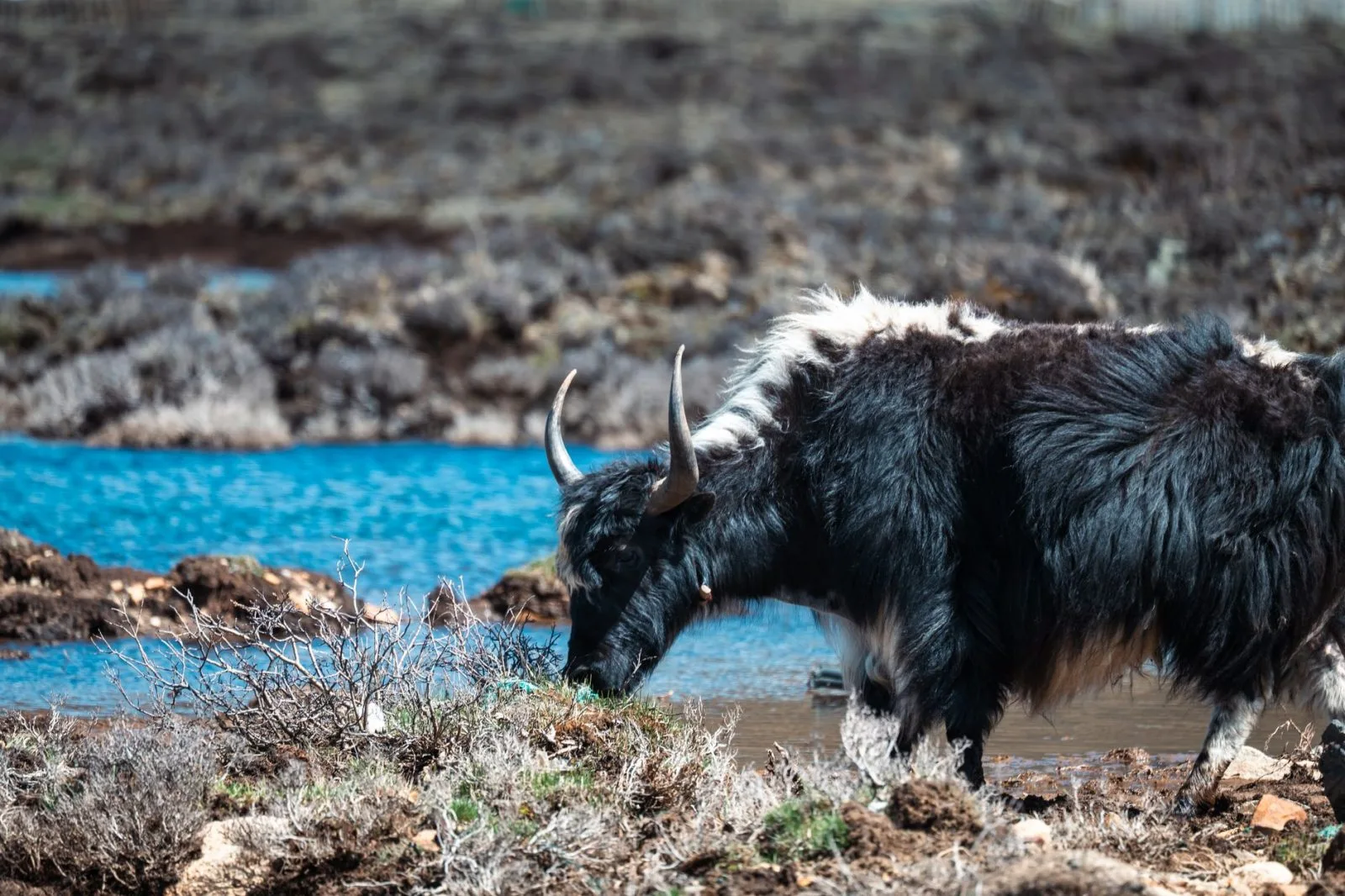
    Thin air means stronger ultraviolet light, lower oxygen and sharp daily temperature swings: a sunny afternoon can give way to a freezing night even in summer. Vegetation changes with elevation, from conifer forests in the lower valleys to alpine meadows and bare scree. Herders graze yaks and sheep on the grasslands, and Tibetan settlements cluster where water and shelter allow barley cultivation. Lhasa, at about 3,650 metres, has a milder setting than the northern plains. Visitors commonly need time to acclimatise, particularly before long walks or passes above 5,000 metres.

    Yaks grazing on alpine meadow beneath snow-dusted plateau mountains
    Pastoralism follows the short growing season of the high grasslands. Zhengyang TIAN | Pexels License (https://www.pexels.com/license/)

    Getting around

    The Qinghai–Tibet Railway reached Lhasa in 2006 after crossing permafrost and the Tanggula Pass, where the line climbs to 5,072 metres. Trains from Xining, Beijing and elsewhere carry oxygen systems and take more than a day from the capital. Roads now connect Lhasa with Nyingchi, Shigatse and the far west, though distances remain large and border areas may require permits for foreign nationals. Namtso, a salt lake above 4,700 metres, and Mount Kailash in Ngari draw pilgrims; the journey itself remains a practical test of altitude and weather.

    A train crossing the Qinghai–Tibet Railway over the high plateau
    The railway to Lhasa crosses more than 900 km of track above 4,000 metres. Mying Well | Pexels License (https://www.pexels.com/license/)
    Elevation here is not scenery; it is the condition that organises water, settlement and travel.

    Fuentes y lecturas adicionales

    1. Plateau of Tibet — Enciclopedia Británica.
    2. Palacio de Potala — UNESCO World Heritage Centre.
    3. The Qinghai–Tibet railway: The world’s highest train line — BBC Travel.

    Véalo en su lugar

    Siga esta entrada a la región a la que pertenece.

    Explorar por mapa

    Sigue el hilo

    Explora otras entradas que compartan sus etiquetas.

    Explorar la etiqueta