الوسم: عرقي

  • The Bai People

    الحياة والفولكلور

    The Bai People

    White walls and craft around Dali

    The Bai are a Sino-Tibetan-speaking people concentrated around Dali, whose courtyard houses and indigo tie-dye define a local visual style.

    قسم
    الحياة والفولكلور
    منطقة
    يونان
    عصر
    عبر العصور
    الوسوم
    عرقي، عادات

    Bai towns sit between the Cangshan mountains and Lake Erhai in northwestern Yunnan. Their language is Sino-Tibetan, and their communities carry memories of the Nanzhao and Dali kingdoms that ruled the region before the Mongol conquest of the thirteenth century.

    Between Cangshan and Erhai

    About 1.9 million Bai people were recorded in China’s 2010 census. Roughly four fifths live in Dali Bai Autonomous Prefecture, with other communities in Kunming, Chuxiong, Lijiang, Baoshan and parts of western Yunnan. Towns and villages cluster on the narrow strip of flat land between Cangshan’s slopes and the shore of Erhai, where irrigation supports rice, beans and dairy farming. The name Bai means white, a reference to the pale plaster that distinguishes local buildings. Because Dali stood on trade routes linking Yunnan with Sichuan and Tibet, Bai towns absorbed goods and techniques from several directions while keeping a strong local vocabulary of form and decoration.
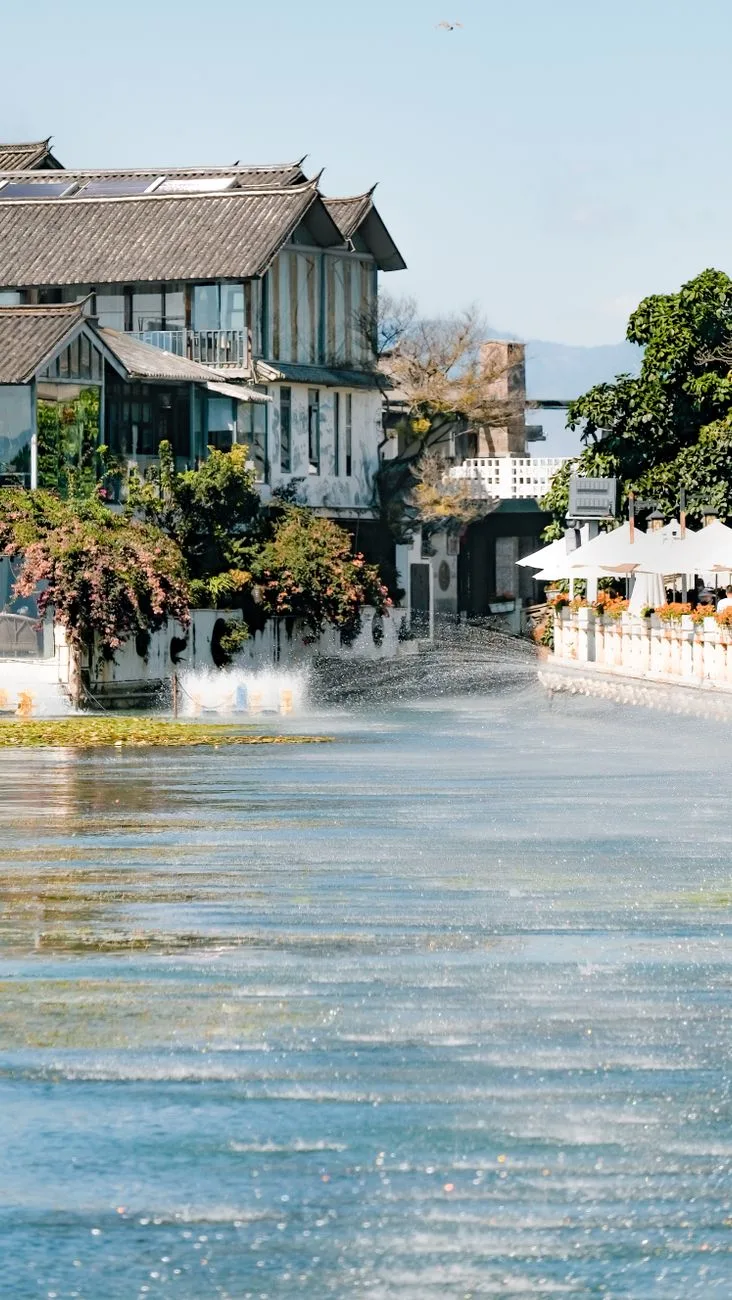
    Whitewashed Bai houses with grey tiled roofs below the Cangshan range near Dali
    White plaster and dark tile give Dali-area villages their characteristic appearance. Doing Be | Pexels License (https://www.pexels.com/license/)

    Language and historical roots

    The Bai language belongs to the Sino-Tibetan family, usually placed within Tibeto-Burman, though scholars still debate its exact position because of heavy borrowing from Chinese. There is no widely used traditional Bai script, and Chinese characters have served for writing names, contracts and local records. Bai oral tradition, including creation stories and accounts of kingdom builders, is transmitted in speech and performance. Ancestors of the Bai are associated with the Nanzhao kingdom, which flourished from the eighth to the ninth century, and the Dali kingdom that followed between 937 and 1253. Both left stone inscriptions, Buddhist carvings and fortified sites around the lake.

    Courtyards, marble and dye

    The standard Bai house follows a layout known as sanfang yizhaobi, three wings arranged around a courtyard facing a freestanding screen wall. Walls are whitewashed, roofs are covered in grey clay tiles, and doorways and windows carry deep carved wooden fretwork. The screen wall is often painted with landscapes or calligraphy, and panels of local marble are set into lintels and table tops. In Zhoucheng and nearby villages, indigo tie-dye produces blue cloth patterned by stitching and binding before dyeing. Bai embroidery, plaster carving and stonework use similar floral and geometric motifs, so the same design vocabulary appears on clothing, furniture and building facades.
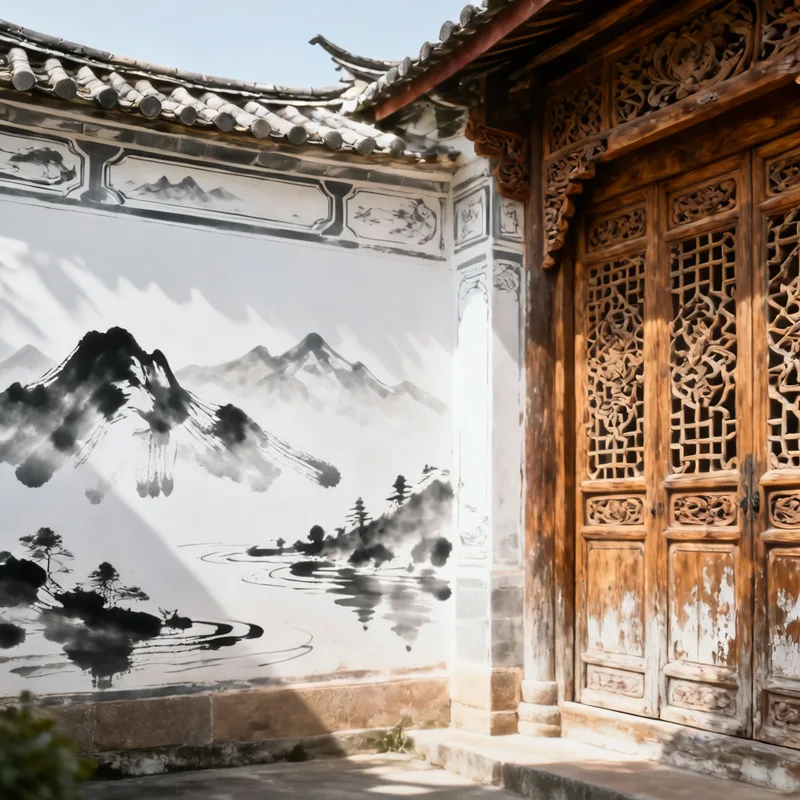
    A Bai courtyard screen wall with ink painting and a carved wooden doorway in Dali
    A painted screen wall faces the main wing of a traditional Bai courtyard house. رسم توضيحي مُولّد بالذكاء الاصطناعي · سينوفيز

    Tea, markets and festivals

    Three-course tea is a Bai hospitality ritual: a bitter first cup brewed from roasted leaves, a sweet second cup with nuts and honey, and a final cup that mixes the two and is said to leave a lasting aftertaste. Local dishes include air-dried milk sheets called rushan, raw pork skin salad, sour fish from Erhai and bean curd cooked with local herbs. The Third Month Fair, held in the lunar third month at Dali, began as a livestock and goods market and now fills the foothills of Cangshan with stalls, horse trading and performances. Raosanling, a pilgrimage and singing gathering, and torch-lighting customs in some villages add other dates to the year.
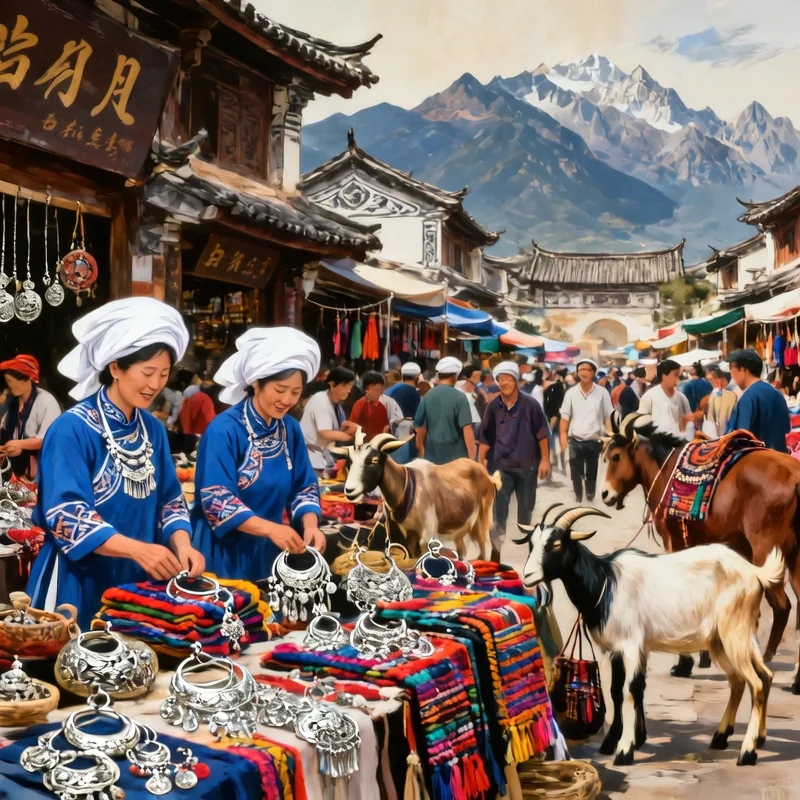
    Bai vendors and livestock at the Third Month Fair near Dali, Yunnan
    The Third Month Fair grew from a regional market into a major public gathering. رسم توضيحي مُولّد بالذكاء الاصطناعي · سينوفيز
    Bai craftsmen treat a house front, a tea cup and a dyed cloth as the same surface for pattern.

    المصادر والمزيد من القراءة

    1. Bai — موسوعة بريتانيكا.
    2. Bai Ethnic Group — China.org.cn.
    شاهدها في مكانها

    اتبع هذا المدخل إلى المنطقة التي ينتمي إليها.

    استكشف عبر الخريطة

    تابع الموضوع

    تصفح الإدخالات الأخرى التي تشترك في نفس الوسوم.

    تصفح الوسم
  • المجتمعات الكورية الصينية

    الحياة والفولكلور

    المجتمعات الكورية الصينية

    اللغة والعادات الكورية في بكين

    يحافظ الصينيون الكوريون على حياة ثقافية ناطقة باللغة الكورية في شمال شرق الصين وفي مدن مثل بكين.

    قسم
    الحياة والفولكلور
    منطقة
    بكين
    عصر
    عبر العصور
    الوسوم
    عرقي، عادات

    يُعرف الصينيون الكوريون في اللغة الصينية باسم تشاوكسيانزو، ويبلغ عددهم حوالي 1.8 مليون نسمة. تقع مراكز استيطانهم على طول الحدود الشمالية الشرقية، لكن منطقتي وانغجينغ ووداوكو في بكين أصبحتا من الأحياء الكورية البارزة.

    الهجرة والأحياء

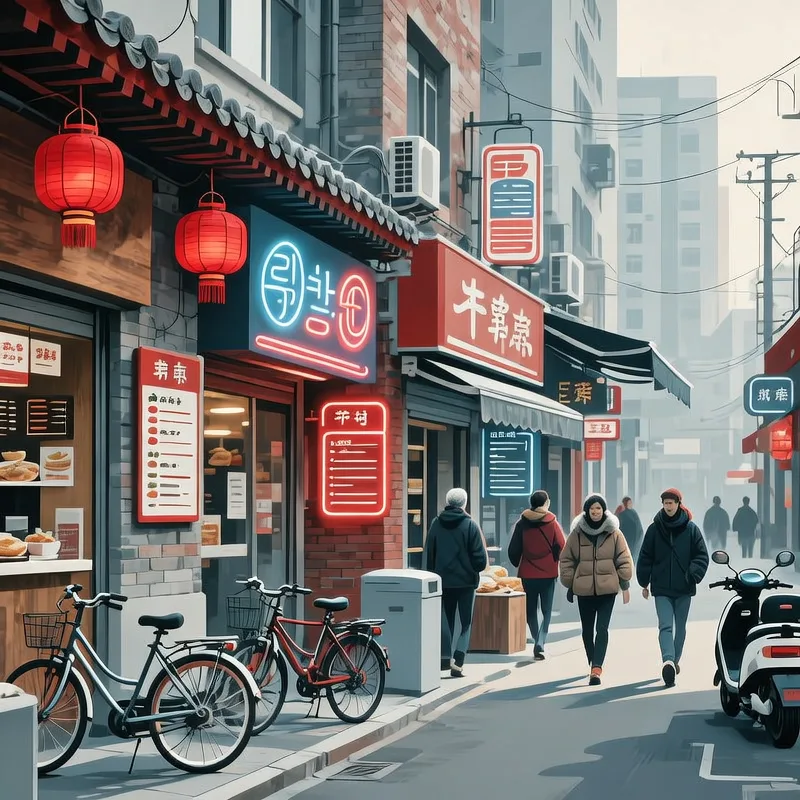
    يعود تاريخ استيطان معظم العائلات الكورية الصينية في الصين إلى أواخر القرن التاسع عشر وأوائل القرن العشرين، حين دفعت المصاعب والتجنيد الإجباري وضم اليابان لكوريا عام ١٩١٠ إلى الهجرة عبر نهري تومين ويالو. تأسست محافظة يانبيان الكورية ذاتية الحكم في جيلين عام ١٩٥٢، ولا تزال تشانغباي وهونتشون مركزين مهمين. نما عدد السكان الكوريين في بكين بسرعة بعد إقامة العلاقات الدبلوماسية بين الصين وكوريا الجنوبية عام ١٩٩٢، مع وصول أعداد كبيرة من الطلاب والتجار والمهندسين. اشتهرت ووداوكو بمدارس اللغات ومساكن الطلاب، بينما شهدت وانغجينغ ازدهارًا تجاريًا كبيرًا في مجال محلات السوبر ماركت والمطاعم واللافتات باللغة الكورية.

    لافتات محلات مكتوبة باللغة الكورية على طول أحد شوارع حي وانغجينغ في بكين
    تعكس اللافتات الكورية في وانغجينغ عقوداً من هجرة الطلاب ورجال الأعمال. رسم توضيحي مُولّد بالذكاء الاصطناعي · سينوفيز

    اللغة والكتابة

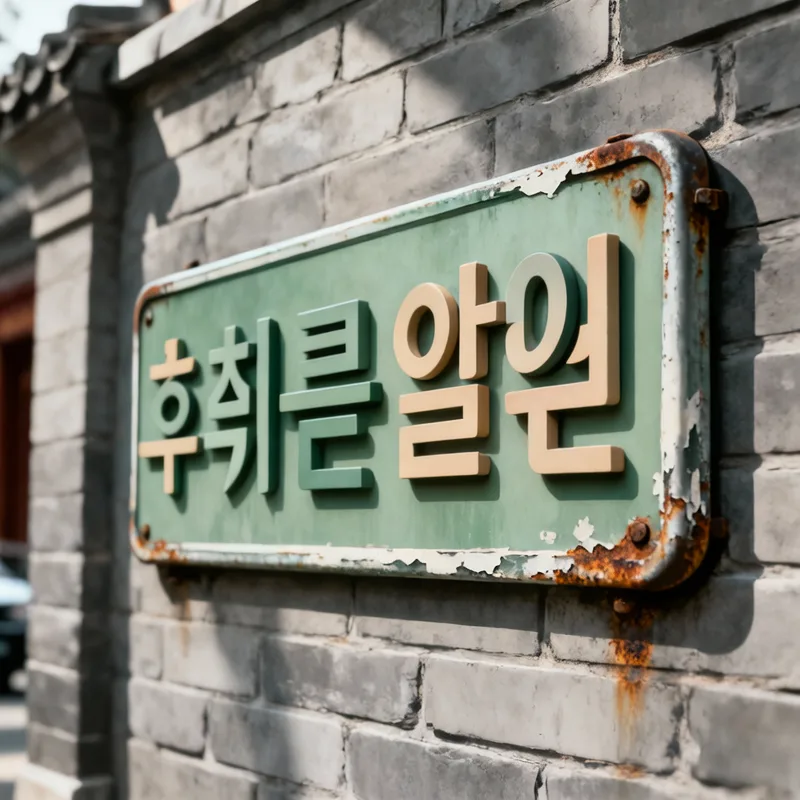
    اللغة الكورية لغة كورية، تختلف عن اللغات الصينية والتونغوسية المنتشرة في أنحاء أخرى من المنطقة. أبجديتها، الهانغول، وُضعت في القرن الخامس عشر، وهي الآن الأبجدية الشائعة للكتابة الكورية الصينية؛ وتظهر الأحرف الصينية، أو الهانجا، في النصوص التاريخية وبعض الأسماء. كثير من كبار السن في يانبيان ثنائيو اللغة، يجيدون الكورية والماندرين، بينما يستخدم الشباب المولودون في المدينة الماندرين في المدرسة والعمل، والكورية في المنزل أو في وسائل الإعلام المجتمعية. تساهم الصحف والإذاعة والخدمات الكنسية الكورية في الحفاظ على اللغة، وترسل بعض العائلات أطفالها إلى مدارس تُدرَّس فيها الكورية إلى جانب المناهج الدراسية الوطنية.

    لافتة شارع ثنائية اللغة (الكورية والصينية) في أحد أحياء بكين
    يُشير نظاما الكتابة إلى ثنائية اللغة اليومية في العديد من الأسر الكورية الصينية. رسم توضيحي مُولّد بالذكاء الاصطناعي · سينوفيز

    الغذاء والمنزل

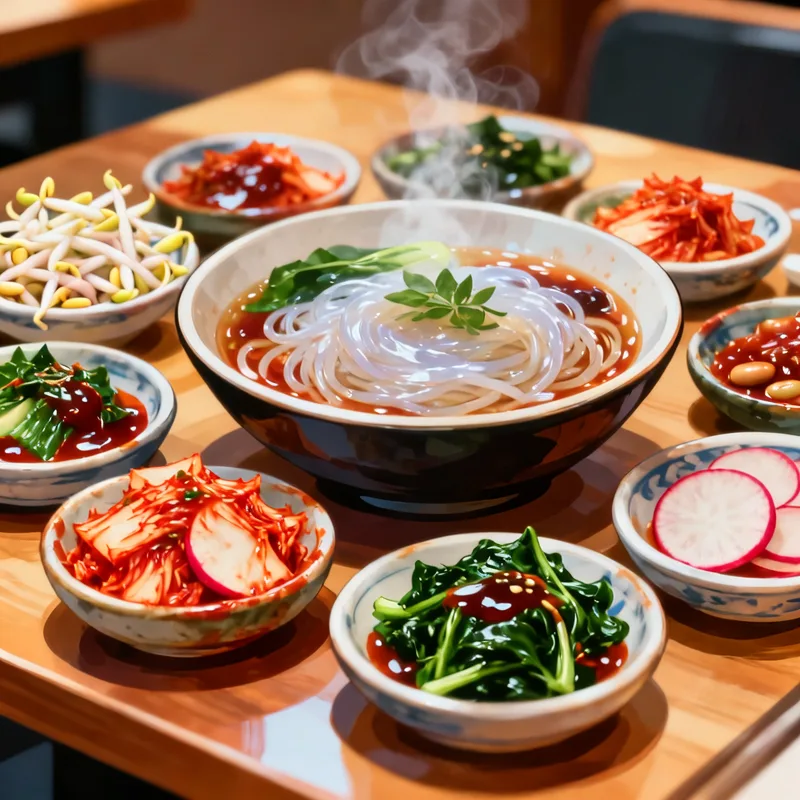
    تُعدّ عادات الطعام الكورية من أبرز مظاهر الحياة المجتمعية. يُحضّر الكيمتشي، المصنوع من الخضراوات المملحة والمخمرة، بكميات كبيرة في فصل الخريف، وقد اعترفت اليونسكو بممارسة صنعه ومشاركته كتراث ثقافي غير مادي في كوريا. تشمل الوجبات اليومية الأرز، والحساء، والبيبيمباب الممزوج بالخضراوات ومعجون الفلفل الحار، واللحم المشوي، والناينغميون، أو نودلز الحنطة السوداء الباردة. كانت المنازل التقليدية تستخدم الأوندول، وهو نظام تهوية تحت الأرض لتدفئة حصيرة النوم، ولا تزال بعض المنازل الريفية تحتفظ بطاولة منخفضة وترتيبات جلوس أرضية على غرار الهانوك. في بكين، غيّر السكن في الشقق النمط السائد، لكن المطبخ الكوري وعادة الجلوس معًا على طاولة مشتركة لا تزال قائمة.

    مجموعة متنوعة من الأطباق الجانبية الكورية والمعكرونة الباردة على طاولة مطعم
    تُعدّ الأطباق الجانبية المشتركة والمعكرونة الباردة من السمات المألوفة في الوجبات الكورية الصينية. رسم توضيحي مُولّد بالذكاء الاصطناعي · سينوفيز

    المهرجانات والحياة المجتمعية

    يُعدّ عيد رأس السنة القمرية (سولال) وعيد حصاد الخريف (تشوسوك) أهمّ الأعياد العائلية في بكين. في سولال، تتناول العائلات حساء "تيوكغوك"، وهو حساء من كعك الأرز المقطّع، ويؤدي الأقارب الأصغر سنًا انحناءة رسمية لكبار السن. أما تشوسوك، فيُحتفل به بزيارة قبور الأجداد وتناول "سونغبيون"، وهو كعك أرز صغير محشو بالفاصولياء أو السمسم. كما تجتمع الجاليات الكورية الصينية في بكين لحضور حفلات الزفاف، ولقاءات الخريجين، وعقد اجتماعات العمل، حيث تبقى اللغة الكورية لغةً للثقة والتواصل المشترك. ويتجلى حضور هذه الجاليات في المطاعم ووكالات السفر والمتاجر، بدلاً من الانعزال في منطقة سكنية مغلقة؛ فالشوارع نفسها تخدم جيرانًا من خلفيات متنوعة.

    تُشير لافتة كورية في بكين إلى عادة منزلية متوارثة أكثر من كونها تُشير إلى حدود.

    المصادر والمزيد من القراءة

    1. اللغة الكورية — موسوعة بريتانيكا.
    2. المجموعة العرقية الكورية — China.org.cn.
    3. كيمجانغ، صنع ومشاركة الكيمتشي — التراث الثقافي غير المادي لليونسكو.

    شاهدها في مكانها

    اتبع هذا المدخل إلى المنطقة التي ينتمي إليها.

    استكشف عبر الخريطة

    تابع الموضوع

    تصفح الإدخالات الأخرى التي تشترك في نفس الوسوم.

    تصفح الوسم
  • شعب توجيا

    الحياة والفولكلور

    شعب توجيا

    النساجون الجبليون شرق سيتشوان

    شعب توجيا هم شعب يتحدث اللغة التبتية البورمية ويقطن جبال وولينغ، ويشتهرون بمنازلهم المبنية على ركائز خشبية، ونسيج البروكار، ورقصاتهم الجماعية.

    قسم
    الحياة والفولكلور
    منطقة
    سيتشوان
    عصر
    عبر العصور
    الوسوم
    عرقي، عادات

    على الرغم من إدراجها هنا ضمن منطقة سيتشوان، فإن معظم مجتمعات توجيا تقع شرق حوض سيتشوان في سلسلة جبال وولينغ. ويربطها ارتباطها التاريخي بدولة با القديمة بعالم باشو الثقافي الأوسع في جنوب غرب الصين.

    النطاق والأرقام

    أحصى تعداد عام 2010 حوالي 8.35 مليون نسمة من شعب توجيا، مما يجعلهم إحدى أكبر الأقليات العرقية في الصين. تمتد مستوطناتهم الرئيسية عبر جبال وولينغ، حيث تلتقي مقاطعات هونان وهوبي وتشونغتشينغ وقويتشو، في مقاطعات مثل يونغشون ولونغشان في هونان، وشيتشو وبينغشوي في تشونغتشينغ، ويانخه في قويتشو. تنتشر قراهم على ضفاف الأنهار والمنحدرات الجيرية، وتتخللها حقول مدرجة وغابات في المناطق المرتفعة. يعكس إدراجهم في منطقة سيتشوان في هذا الموقع صلات قديمة بشعب باشو، وحركة حديثة بين حوض النهر وجباله الشرقية؛ إذ لا تتركز أعلى كثافة سكانية لشعب توجيا في مقاطعة سيتشوان نفسها.

    بيوت خشبية مبنية على ركائز على منحدر مشجر في جبال وولينغ
    تتبع قرى توجيا مجاري الأنهار والمنحدرات المدرجة بدلاً من الأراضي المسطحة. رسم توضيحي مُولّد بالذكاء الاصطناعي · سينوفيز

    اللغة والهوية

    تنتمي لغة توجيا إلى الفرع التبتي البورمي من عائلة اللغات الصينية التبتية، وغالبًا ما تُناقش أوجه التشابه الوثيقة بينها وبين لغات ناخي وغيرها من اللغات التشيانغية. اليوم، لا يتحدثها بطلاقة سوى عدد قليل من الناس، معظمهم في قرى قليلة غرب هونان؛ أما لغة الماندرين الجنوبية الغربية فهي اللغة السائدة في معظم أنحاء المنطقة. يعني اسم توجيا "السكان الأصليون"، وقد منح الاعتراف الرسمي في خمسينيات القرن الماضي تسميةً مشتركةً للمجتمعات التي تفاعلت لفترة طويلة مع جيرانها من الهان والمياو والدونغ والش. تحفظ الروايات الشفوية ذكريات دولة با القديمة، التي سيطرت على أجزاء من منطقة سيتشوان الشرقية حتى غزو تشين عام 316 قبل الميلاد.

    بيوت على ركائز خشبية وأقمشة بروكار

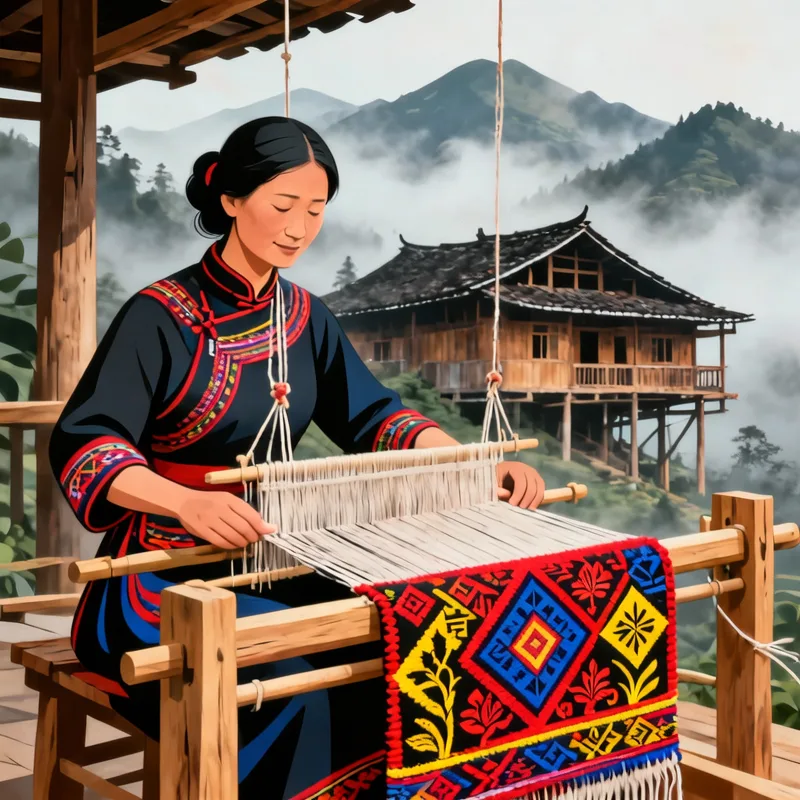
    على أرض شديدة الانحدار، يبني مقاولو توجيا منازل تُعرف باسم "دياوجياولو"، حيث يمتد الطابق العلوي فوق الطابق السفلي على أعمدة خشبية. وتمتد شرفة مسقوفة على طول الواجهة، ويكون السقف مائلاً لتصريف مياه الأمطار الغزيرة. وتُزين الشاشات الداخلية وإطارات النوافذ بنقوش نباتية وهندسية. أما أشهر المنسوجات فهي "شيلانكابو"، وهو نسيج بروكار ملون يُنسج على نول يدوي، ويحمل نقوشًا لأزهار وطيور وشخصيات من الأوبرا، بالإضافة إلى تصميم "تا تاي هوا" المميز. ويُستخدم هذا النسيج في الملابس والحقائب واللوحات الجدارية، وهو محمي كتراث ثقافي وطني غير مادي. وتشمل الوجبات عادةً لحم الخنزير المقدد والسمك المدخن وكعك الأرز اللزج وحساء الشاي المُحضر مع الأرز المقلي والفول السوداني.

    نسيج بروكار من توجيا مزين بزخارف هندسية وزهرية منسوجة بخيوط حمراء وسوداء
    يُنسج نسيج شيلانكابو على نول ذي حزام خلفي ويستخدم في صناعة الملابس والمنسوجات المنزلية. رسم توضيحي مُولّد بالذكاء الاصطناعي · سينوفيز

    رقصات التلويح ورأس السنة الجديدة

    تُؤدّى رقصة التلويح، باي شو وو، من قِبل صفوف من الراقصين الذين يُحرّكون أذرعهم على إيقاع الطبول والآلات النحاسية. تُقام هذه الرقصة في قاعة مخصصة لها خلال رأس السنة القمرية وفي مهرجان سبأ، حيث تُقدّم القرابين للأجداد وحماة القرية. كما تُقدّم بعض القرى رقصة ماوغوسي، وهي رقصة يرتدي فيها الراقصون أقنعة أو أزياء من القش، تُجسّد مشاهد الصيد والزراعة. ومن العادات المميزة الأخرى رقصة غان نيان، وهي احتفال برأس السنة قبل يوم من موعدها، ويربطها التراث الشفهي باستعداد الأجداد للرحيل العسكري. تُدرّس هذه العروض الآن في المدارس والمراكز الثقافية، وبذلك أصبح هذا الطقس، الذي كان مرتبطًا في السابق بقاعة قرية واحدة، متاحًا لجمهور أوسع.

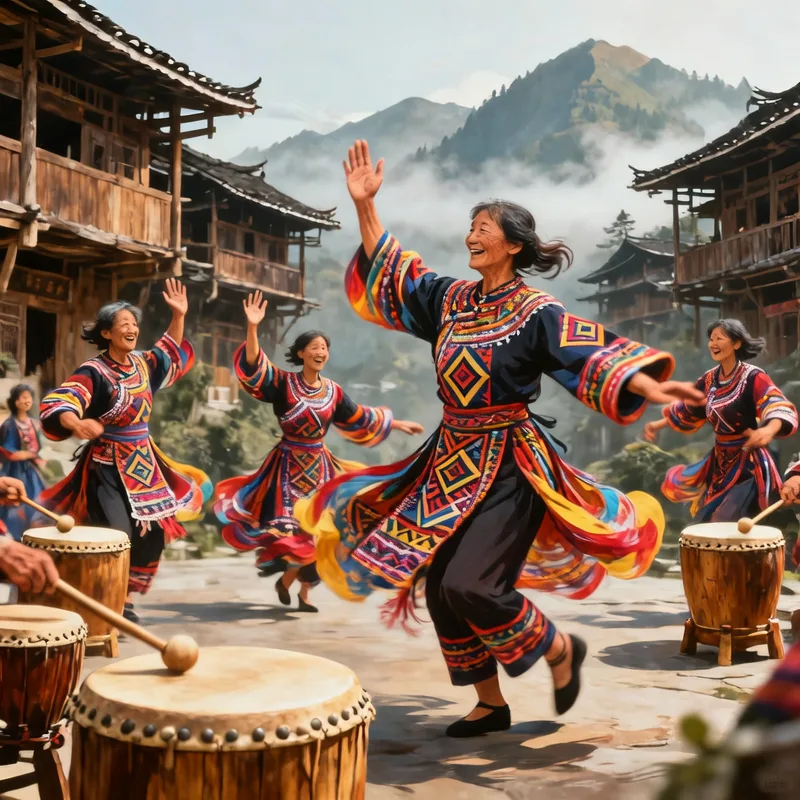
    راقصات من قبيلة توجيا يرتدين أزياء مطرزة ويؤدين رقصة التلويح على أنغام الطبول
    تجمع رقصة التلويح القرويين في حركات أذرع منسقة وإيقاعات طبول. رسم توضيحي مُولّد بالذكاء الاصطناعي · سينوفيز
    في قرى توجيا، يحمل كل من النمط المنسوج وخطوة الرقص ذكريات العائلة.

    المصادر والمزيد من القراءة

    1. توجيا — موسوعة بريتانيكا.
    2. مجموعة توجيا العرقية — China.org.cn.
    3. التراث الثقافي غير المادي للصين — شبكة الصين الدولية لتكنولوجيا المعلومات الصحية.

    شاهدها في مكانها

    اتبع هذا المدخل إلى المنطقة التي ينتمي إليها.

    استكشف عبر الخريطة

    تابع الموضوع

    تصفح الإدخالات الأخرى التي تشترك في نفس الوسوم.

    تصفح الوسم
  • The Manchu People

    الحياة والفولكلور

    The Manchu People

    Jurchen roots, Qing legacy in Beijing

    The Manchu are a Tungusic-speaking people whose Qing dynasty left a deep imprint on Beijing’s buildings and court culture.

    قسم
    الحياة والفولكلور
    منطقة
    بكين
    عصر
    يوان مينغ تشينغ
    الوسوم
    Ethnic, History

    Manchu identity took shape in the early seventeenth century among Jurchen groups of northeastern China. The Qing dynasty they founded ruled from Beijing between 1644 and 1912, and its material traces remain in the city’s palaces and archives.

    From Jurchen to Qing

    The Manchu descend from Jurchen communities of the northeast, who earlier founded the Jin dynasty of 1115 to 1234. In 1635 the ruler Hong Taiji adopted the name Manchu for his people, and in 1636 he renamed the state Qing. The dynasty took Beijing in 1644 and ruled China until 1912. Today roughly 10.4 million people identify as Manchu according to the 2010 census, making them one of the largest ethnic minorities. Most live in Liaoning, Hebei, Jilin and Heilongjiang, with substantial populations in Beijing and Tianjin. Migration into the capital after 1644 created banner neighbourhoods whose street names and food shops still register the Qing presence.

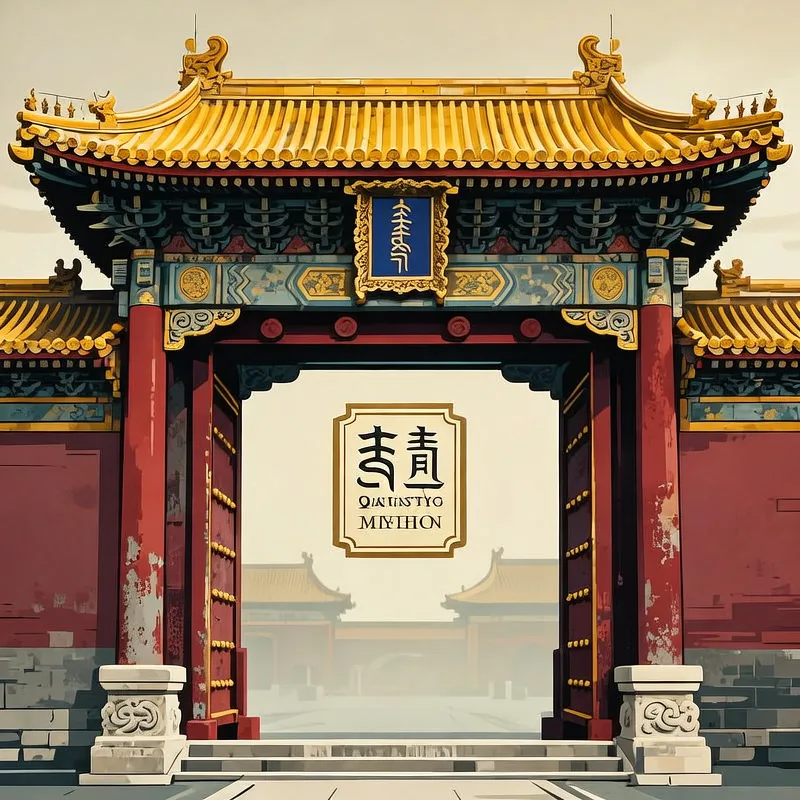
    A bilingual Manchu and Chinese plaque above a gate in Beijing’s Forbidden City
    Palace gates in Beijing carry inscriptions in both Manchu and Chinese. رسم توضيحي مُولّد بالذكاء الاصطناعي · سينوفيز

    A written language of archives

    Manchu is a Tungusic language, related to Xibe and more distantly to Evenki. Its written form was devised in the late sixteenth century by adapting the Mongolian script, and it became the language of Qing military records, imperial edicts and family archives. Thousands of these documents survive in Chinese and foreign collections, and they are consulted for the history of the dynasty and its frontier administration. Few people speak Manchu fluently today, mostly in a handful of northeastern villages, and Mandarin is the normal language of daily life. Even so, Manchu words survive in place names, court titles and the vocabulary of Qing institutions.

    Dress, house and food

    Manchu dress shaped the qipao, the close-fitting robe later worn widely by Han Chinese women and known abroad as the cheongsam. Older garments had horse-hoof cuffs that could be folded back over the hands, and women’s formal dress included a tall flag headdress and shoes with a raised flowerpot sole. Under the Qing, men wore a shaved forehead and a braided queue, a rule enforced until the dynasty’s end. A traditional house was arranged as a pocket room with a heated kang platform along the west wall, where honored guests slept and ancestral tablets were kept. A pole in the courtyard was used in offerings that fed crows, an animal associated with founding legends.

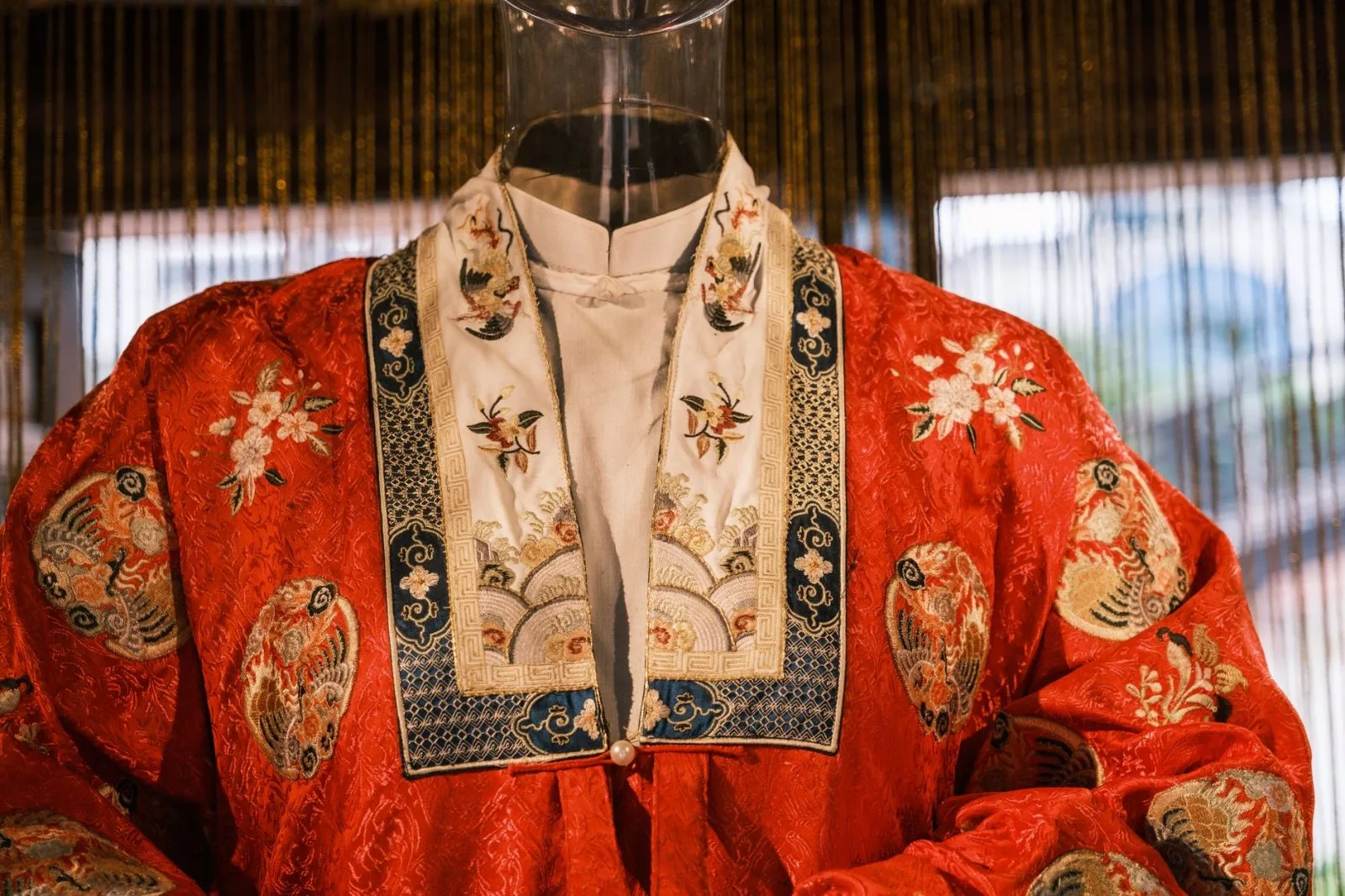
    A Qing dynasty Manchu robe with horse-hoof cuffs and embroidered panels
    Manchu court dress influenced the qipao and the formal clothing of the Qing elite. TBD Tuyên | Pexels License (https://www.pexels.com/license/)

    What remains in Beijing

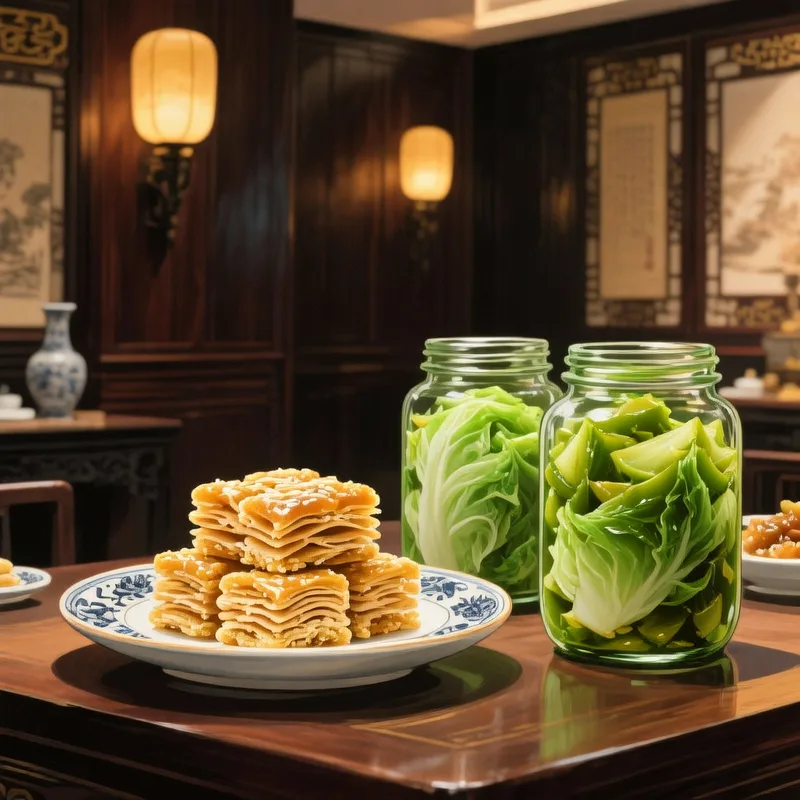
    Manchu cuisine survives in Beijing and the northeast through sachima, a sweet pastry made of fried dough and syrup, and through hot pots of pickled cabbage, pork and blood sausage. The elaborate Manchu-Han banquet is a later dining form assembled from court and regional dishes rather than a single unbroken tradition. Paper-cutting, embroidery and painted snuff bottles are among the crafts associated with Manchu households. In Beijing, the most public inheritance is architectural: the Forbidden City’s bilingual plaques, the layout of former banner quarters, and restaurants and museums that explain Qing court life. These traces make the dynasty legible on an ordinary walk through the old city.

    A Beijing restaurant display of Manchu sachima pastry and pickled cabbage hot pot
    Manchu food traditions remain visible in Beijing and northeastern China. رسم توضيحي مُولّد بالذكاء الاصطناعي · سينوفيز
    On Beijing’s palace gates, Manchu and Chinese script still share the same lintel.

    المصادر والمزيد من القراءة

    1. Manchu — موسوعة بريتانيكا.
    2. Qing dynasty — موسوعة بريتانيكا.
    3. Manchu Ethnic Group — China.org.cn.

    شاهدها في مكانها

    اتبع هذا المدخل إلى المنطقة التي ينتمي إليها.

    استكشف عبر الخريطة

    تابع الموضوع

    تصفح الإدخالات الأخرى التي تشترك في نفس الوسوم.

    تصفح الوسم
  • شعب دونغ

    الحياة والفولكلور

    شعب دونغ

    أبراج الطبول وأغنية بدون مصاحبة موسيقية

    شعب دونغ، أو كام، هم قرويون يتحدثون لغة كرا-داي في جنوب غرب الصين، ويشتهرون بأبراجهم الخشبية وجسورهم المغطاة وغنائهم الجماعي.

    قسم
    الحياة والفولكلور
    منطقة
    قوانغشي
    عصر
    عبر العصور
    الوسوم
    عرقي، عادات

    تتجمع قرى شعب دونغ حول برج الطبول وقاعة الغناء، حيث يتم تعلم الموسيقى سماعياً. وقد أُدرجت أغنيتهم الكبرى، التي تُغنى في أجزاء منها بدون آلات موسيقية، على القائمة التمثيلية للتراث الثقافي غير المادي لليونسكو في عام 2009.

    قرى في ثلاث مقاطعات

    أحصى تعداد عام 2010 حوالي 2.96 مليون نسمة من شعب دونغ، المعروفين أيضاً باسم كام. يعيش معظمهم في مقاطعة تشياندونغنان مياو ودونغ ذاتية الحكم في شرق مقاطعة قويتشو، بينما يقطن آخرون في مقاطعة شينهونغ غرب مقاطعة هونان ومقاطعة سانجيانغ شمال مقاطعة قوانغشي، وهي المنطقة التي تم تحديدها في هذا التقرير. تتجمع المستوطنات على طول الجداول في المناطق الجبلية، حيث تُبنى المنازل متقاربة على أعمدة خشبية، ويُخصص الطابق الأرضي للحيوانات والتخزين. غالباً ما تتشكل القرى حول عشيرة أو مجموعة من العائلات ذات الصلة، ويُمثل برج طبل مشترك مركزها. تُؤثر مجتمعات مياو وياو وهان المجاورة على الأسواق وأنماط الزواج المختلط في المنطقة.

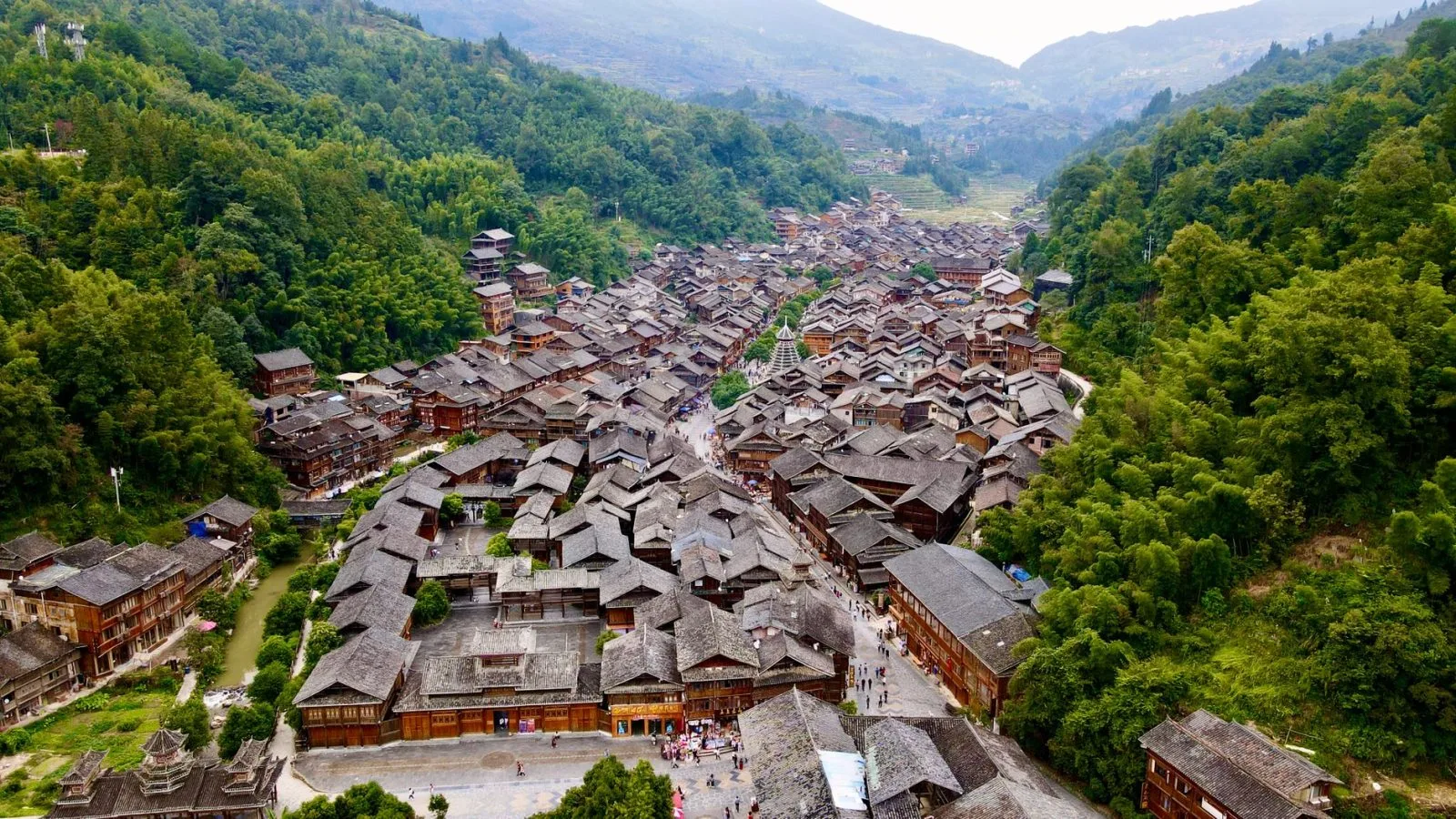
    منازل دونغ المبنية على ركائز خشبية متجمعة حول برج طبل في سانجيانغ، غوانغشي
    تُبنى قرى الدونغ متقاربة، مع وجود برج طبل في المركز. كولينز تشاو | رخصة بيكسلز (https://www.pexels.com/license/)

    اللغة وقواعد القرية

    تُعرف لغة دونغ أيضاً باسم كام، وهي تنتمي إلى فرع كام-سوي من عائلة لغات كرا-داي، وهي عائلة أوسع تضم لغات داي وتاي. تتميز هذه اللغة بنغماتها ومفرداتها الغنية المستخدمة في زراعة الأرز، وأعمال الغابات، والطقوس القروية. لا يوجد لها كتابة دونغ قديمة شائعة الاستخدام؛ فقد استُخدمت الأحرف الصينية في السجلات الرسمية، ويُستخدم التهجئة اللاتينية حالياً في نشر القواميس ونصوص الأغاني. لطالما نُظمت الحياة القروية بموجب اتفاقيات تُعرف باسم "كوان"، وهي اتفاقيات بشأن استخدام الأراضي والزواج وتسوية النزاعات، تُتلى في المجالس. يتحدث كبار السن والرؤساء المنتخبون باسم القرية، بينما تُستخدم قاعة الأغاني وبرج الطبول كمكان يتعلم فيه الشباب التراث الموسيقي والقواعد.

    الأبراج والجسور المغطاة

    Dong timber building is famous for two structures. The drum tower rises above the rooftops as a layered pagoda with projecting eaves, built from joined timbers and used for meetings, signals and festival gatherings. The wind and rain bridge is a covered crossing with a tiled roof, benches along its length and one or more pavilion towers. The Chengyang Yongji Bridge in Sanjiang, built in the early twentieth century, is a well-known example of this bridge type. Both structures are assembled by local carpenters using mortise and tenon joints rather than metal fasteners, and whole villages contribute labour and timber when one is raised or repaired.

    A covered Dong wind and rain bridge with pagoda towers spanning a stream in Guangxi
    Covered bridges provide shelter, seating and a village landmark in one structure. رسم توضيحي مُولّد بالذكاء الاصطناعي · سينوفيز

    Grand song and daily food

    The Kam grand song, or dongge, is unaccompanied polyphonic singing led by high voices and answered by a lower drone from the group. It is learned in song halls, where young people sit around a fireplace and rehearse through the winter, and it is performed at weddings, festivals and visits between villages. Dong New Year falls in the eleventh lunar month in many places, with drum tower gatherings and, in some areas, bullfighting. Daily food includes fermented sour fish packed with rice, sour soup, glutinous rice and you cha, a tea whisked with fried rice, peanuts and herbs. These dishes suit a wet upland climate where preservation and shared heating matter.

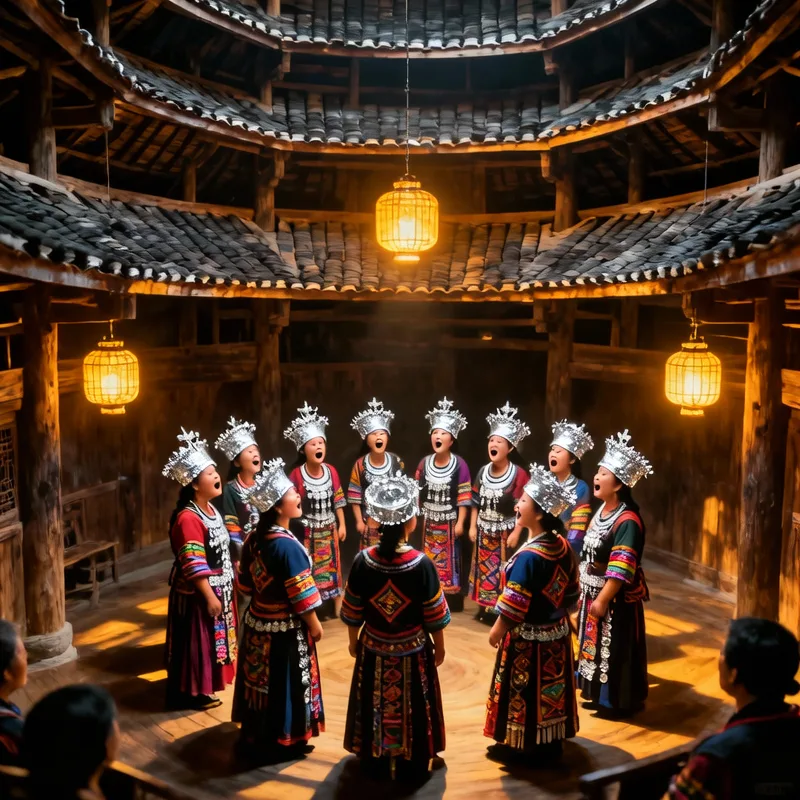
    Dong singers in a village song hall performing unaccompanied part-singing
    The grand song is learned in song halls and performed at communal gatherings. رسم توضيحي مُولّد بالذكاء الاصطناعي · سينوفيز
    In a Dong village, the drum tower is both a landmark and an invitation to gather.

    المصادر والمزيد من القراءة

    1. Kam grand song of the Dong ethnic group — التراث الثقافي غير المادي لليونسكو.
    2. Dong — موسوعة بريتانيكا.
    3. Dong Ethnic Group — China.org.cn.

    شاهدها في مكانها

    اتبع هذا المدخل إلى المنطقة التي ينتمي إليها.

    استكشف عبر الخريطة

    تابع الموضوع

    تصفح الإدخالات الأخرى التي تشترك في نفس الوسوم.

    تصفح الوسم
  • The Dai People

    الحياة والفولكلور

    The Dai People

    Tai-speaking communities of southern Yunnan

    The Dai are Tai-speaking Buddhist communities whose villages, temples and water festivals shape the river valleys of southern Yunnan.

    قسم
    الحياة والفولكلور
    منطقة
    يونان
    عصر
    عبر العصور
    الوسوم
    عرقي، عادات

    In the lowlands of Xishuangbanna and Dehong, Dai villages sit beside rice fields and Buddhist monasteries. Their language belongs to the Tai branch of the Kra-Dai family, and their festivals follow a calendar shared with communities across mainland Southeast Asia.

    Where the valleys are

    About 1.16 million Dai people were counted in China’s 2010 census. Most live in the lowlands of southern and western Yunnan, especially the Xishuangbanna Dai Autonomous Prefecture along the Lancang (Mekong) River and the Dehong Dai and Jingpo Autonomous Prefecture near the Myanmar border. Smaller communities extend through Lincang, Pu’er and Honghe. Settlement follows warm river valleys where irrigated rice can be grown year-round, rather than the cooler surrounding hills. This lowland orientation has kept Dai villages in close contact with Shan, Thai and Lao communities across the borders, and it explains why local architecture, food and festival calendars have much in common with mainland Southeast Asia.

    Dai village houses with steep roofs beside irrigated rice fields in Xishuangbanna, Yunnan
    Villages follow the warm river valleys where rice can be grown through the year. Rachel Claire | Pexels License (https://www.pexels.com/license/)

    Language, script and the wat

    Dai belongs to the Tai branch of the Kra-Dai language family, the same broad family that includes Thai and Lao. Three writing traditions are used in Yunnan: the Xishuangbanna script, the Dehong script and a variant used around Jinping. All derive from older Tai writing systems and were once maintained mainly through monastery education. Theravada Buddhism reached Dai communities through trade and pilgrimage routes over several centuries, and a local wat, or monastery, became the centre of village literacy and ceremony. Boys traditionally spent part of their youth as novices, learning to read scripture and recite chants. Gilded stupas and timber temples with sloping roofs remain the most visible landmarks in the landscape.

    A Dai Buddhist temple with a gilded spire and carved timber eaves in Xishuangbanna
    The local wat has long been a centre of reading, ordination and village ceremony. Eric Feng | Pexels License (https://www.pexels.com/license/)

    House, cloth and daily food

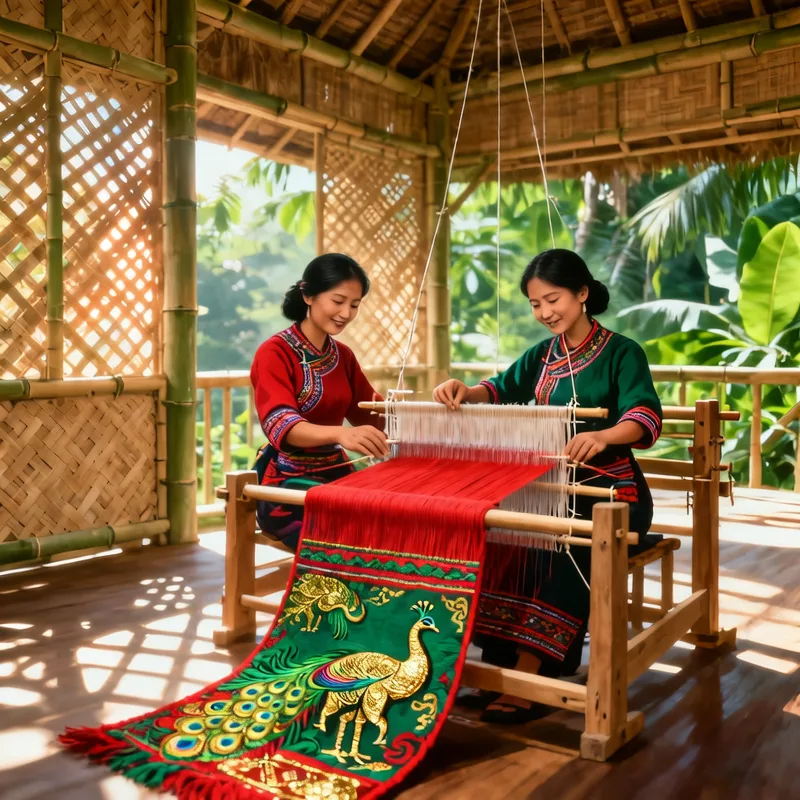
    A traditional Dai house stands on timber or bamboo posts, with the living floor lifted above the ground and a steep roof that sheds heavy monsoon rain. An open veranda serves as a work and sitting space, while the area beneath the house is used for storage and livestock. Household weaving produces cotton and silk cloth, and Dai brocade is known for peacock, elephant and geometric motifs worked in bright threads. Silver ornaments, betel nut and lacquered trays appear in daily and ceremonial exchange. Meals centre on glutinous rice, freshwater fish, sour bamboo shoots and chilli dips, often wrapped in banana leaves. Tea gardens around Xishuangbanna and Pu’er add another crop with a long regional history.

    A Dai weaver working on a backstrap loom beside a stilted wooden house
    Brocade, silverwork and betel nut are part of everyday household life. رسم توضيحي مُولّد بالذكاء الاصطناعي · سينوفيز

    The Water Festival

    The Dai new year falls in mid-April and is celebrated as the Water Festival, known locally as Songkran. Water is poured or sprinkled over family, neighbours and visitors as a wish for a clean and abundant year, and the day also includes visits to the monastery, the building of small sand pagodas and boat races on the rivers. In the evenings, peacock and elephant dances are performed with slow, controlled hand movements and bright costumes. These dances are also taught in cultural troupes and schools, alongside Dai opera and folk storytelling. Today the festival draws visitors from other parts of China, while monasteries and village craft workers continue to maintain the language and techniques behind it.

    In the Dai lowlands, a monastery, a rice field and a loom keep the same calendar.

    المصادر والمزيد من القراءة

    1. Dai — موسوعة بريتانيكا.
    2. Dai Ethnic Group — China.org.cn.
    شاهدها في مكانها

    اتبع هذا المدخل إلى المنطقة التي ينتمي إليها.

    استكشف عبر الخريطة

    تابع الموضوع

    تصفح الإدخالات الأخرى التي تشترك في نفس الوسوم.

    تصفح الوسم
  • فن قص الورق الصيني

    الحياة والفولكلور

    فن قص الورق الصيني

    Red paper, folded and cut

    A pair of scissors and a sheet of red paper can carry a whole vocabulary of wishes.

    قسم
    الحياة والفولكلور
    منطقة
    شانشي
    عصر
    عبر العصور
    الوسوم
    Customs, Ethnic

    Chinese paper cutting, or jianzhi, turns a flat sheet into a pattern of figures, flowers, and characters. Practised for centuries in rural households, it still marks weddings and New Year, and Shaanxi’s bold window designs are among its most recognisable regional forms.

    Origins and Technique

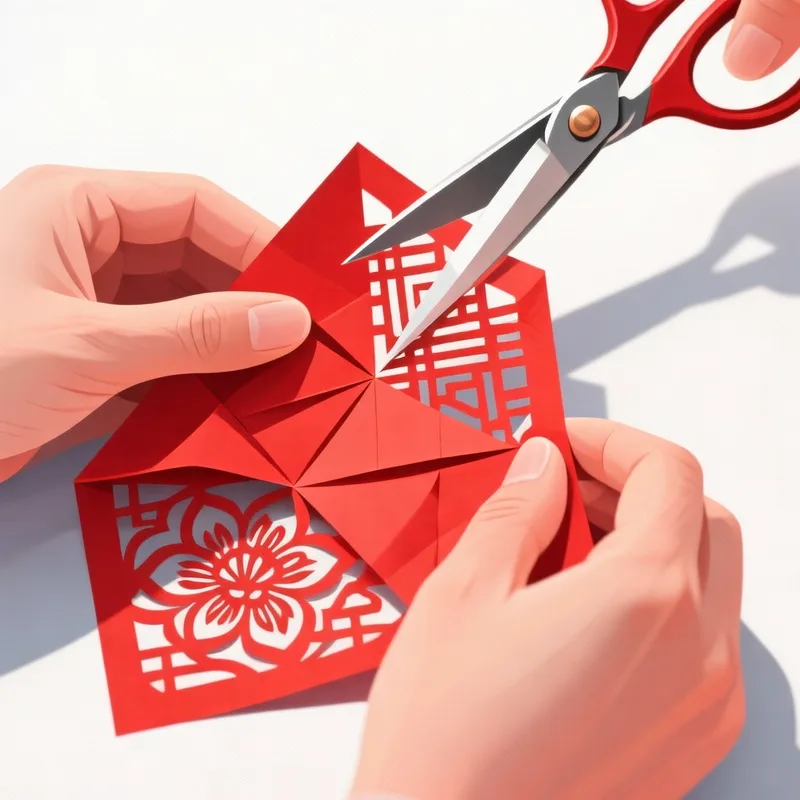
    Paper reached China in the Eastern Han period, and the first cuts followed once the material was cheap enough to experiment with. Early examples were used as offerings and as templates for embroidery; a surviving cut-paper find from the sixth century shows that the technique was established by then. Two methods developed. Scissors cut a folded sheet, creating a mirror-symmetric design with a single sequence of snips. A knife held upright cuts a stack of paper against a wax board, a method suited to finer lines and repeated motifs. Artists draw no outline for many traditional patterns; they cut directly, keeping the connecting threads that stop the design falling apart. The finished piece is light, cheap, and easy to paste on a window or door.

    Hands cutting a red paper design with small scissors
    Folding the paper before cutting produces the symmetrical patterns typical of window decorations. رسم توضيحي مُولّد بالذكاء الاصطناعي · سينوفيز

    A Language of Motifs

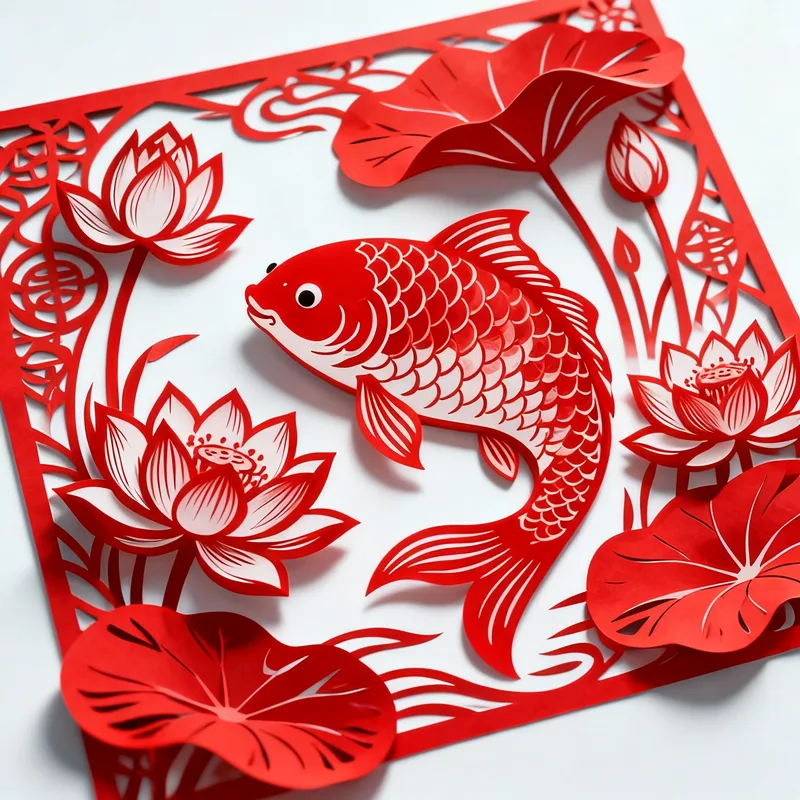
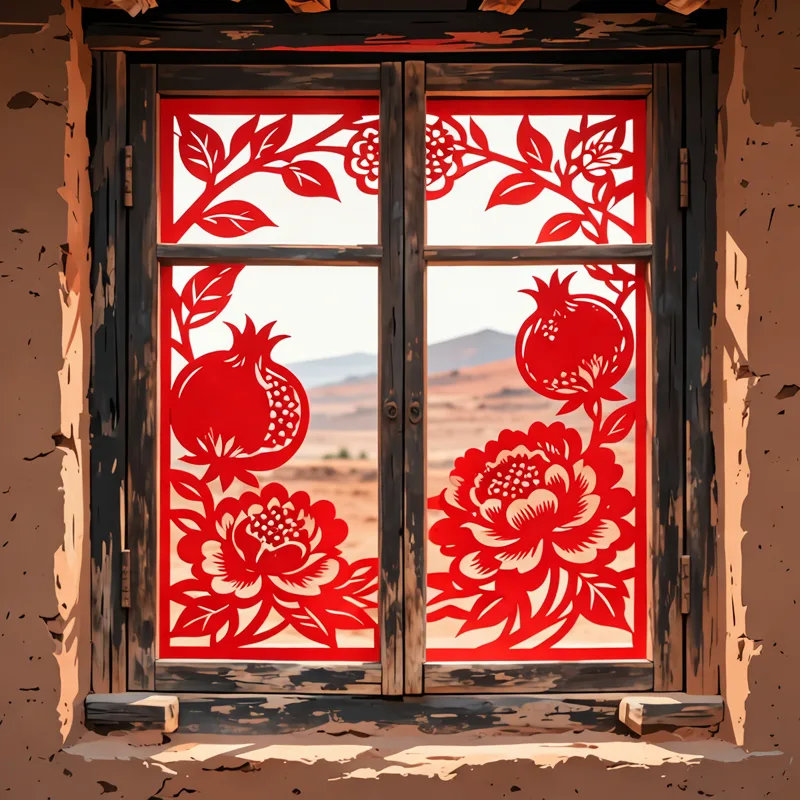
    The images are a system of visual puns. A fish means surplus, because the word for fish sounds like the word for abundance; lotus suggests purity. A pomegranate stands for many children, a bat for good fortune, and a peach for long life. The character fu, meaning good fortune, appears alone or inside a circular design, while shuangxi, double happiness, belongs to weddings. Zodiac animals, opera figures, and scenes of children at play all circulate as patterns. Colour matters as much as shape: red is the default for celebration, while white paper cuts are rarer and tied to older ritual uses. In a Shaanxi village window, the arrangement of these motifs tells a visitor what the household is hoping for in the coming year.

    Red paper-cut window decoration showing a fish and lotus flowers
    Fish and lotus form a rebus for abundance; motifs are chosen for the wish they carry. رسم توضيحي مُولّد بالذكاء الاصطناعي · سينوفيز

    Shaanxi Windows

    Paper cutting in Shaanxi is associated with rural life on the Loess Plateau, especially around Yan’an. Windows there were once small and deeply set, so designs favoured bold silhouettes and broad, connected shapes that could be read from across a room. Local artists talk of cutting with the heart rather than measuring with a ruler, and compositions often show figures, animals, and plants together in a single dense frame. Window grilles, or chuanghua, are pasted at New Year and replaced when they fade. Wedding cuts carry double happiness characters and images of fertility; birthday cuts use peaches and cranes. Women were the main practitioners in many villages, passing patterns from mother to daughter, and village fairs still sell sheets cut in the old local style.

    A Shaanxi farmhouse window with bold red paper cutouts
    Shaanxi cuts favour strong silhouettes and broad shapes, designed to read from a distance. رسم توضيحي مُولّد بالذكاء الاصطناعي · سينوفيز

    Recognition and Travel

    Chinese paper-cut was inscribed on UNESCO’s Representative List of the Intangible Cultural Heritage of Humanity in 2009, a recognition that named both the craft and the communities that sustain it. The listing does not freeze the art. Contemporary artists cut portraits, cityscapes, and political images with the same tools, and paper cuts appear in graphic design and animation. For a visitor, the appeal is that the work is easy to find and easy to try. Museum shops sell small sheets, market stalls sell single motifs, and workshops in Xi’an and rural Shaanxi teach the basic fold-and-cut method in an hour. Bring a sharp pair of scissors and practice on cheap red paper before attempting a detailed pattern. A finished cut pasted on glass changes with the light.

    The pattern holds together because the cutter leaves just enough paper between the lines.

    المصادر والمزيد من القراءة

    1. Chinese paper-cut — التراث الثقافي غير المادي لليونسكو.
    2. فن قص الورق الصيني — China Highlights.
    3. Paper cutting — موسوعة بريتانيكا.

    شاهدها في مكانها

    اتبع هذا المدخل إلى المنطقة التي ينتمي إليها.

    استكشف عبر الخريطة

    تابع الموضوع

    تصفح الإدخالات الأخرى التي تشترك في نفس الوسوم.

    تصفح الوسم
  • أعمال الفضة من مياو

    الحياة والفولكلور

    أعمال الفضة من مياو

    Ornament, Memory, and Festival Dress

    Miao silver ornaments carry family history and local identity in festival dress across southwest China.

    قسم
    الحياة والفولكلور
    منطقة
    يونان
    عصر
    عبر العصور
    الوسوم
    Customs, Ethnic, Scenic Sites

    Miao silverwork is a family of adornments—headdresses, collars, earrings, and bracelets—made by Miao communities in Guizhou, Yunnan, and neighbouring regions. The pieces are worn most visibly at festivals and weddings.

    A Distributed Craft Tradition

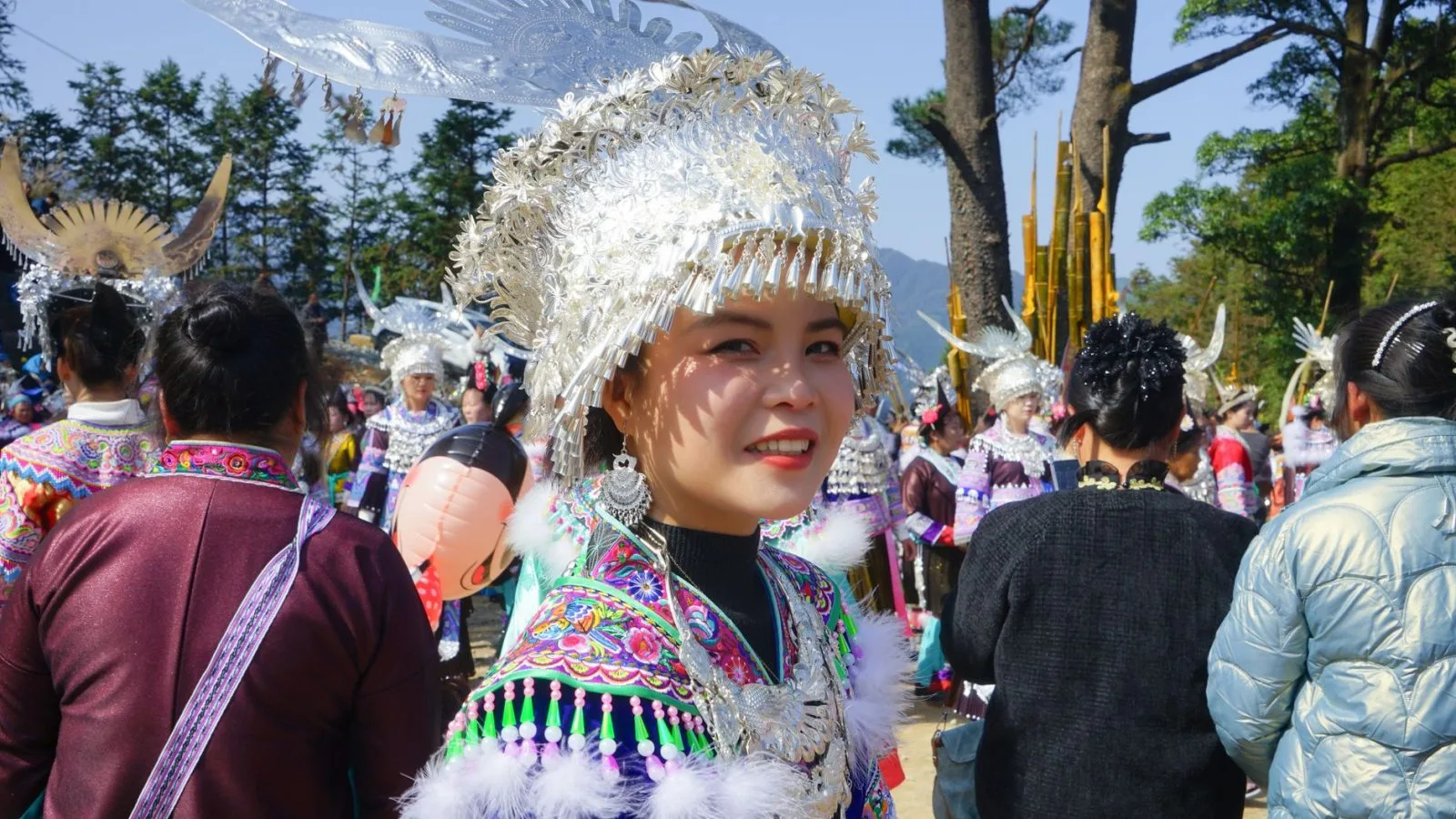
    Miao communities live across Guizhou, Yunnan, Guangxi, Sichuan, and Southeast Asia, and silverwork varies by locality. In Yunnan, Miao villages around Wenshan and Honghe maintain styles that differ from the better-known Guizhou counties of Xijiang and Kaili. Ornaments are made by specialised silversmiths who work in small workshops, often serving several villages. Designs are learned through apprenticeship rather than written patterns: a young smith repeats forms copied from older pieces and festival dress. Motifs may draw on local birds, flowers, insects, and coins, though their meanings are not fixed. Families accumulate ornaments over generations, and a daughter’s festival headdress may represent years of saving.

    A Miao headdress with silver horns, plaques, and hanging ornaments at a festival
    Headdresses combine family heirlooms with pieces made for a specific occasion. Jaqor Q.I. | Pexels License (https://www.pexels.com/license/)

    Sheet, Wire, and Repoussé

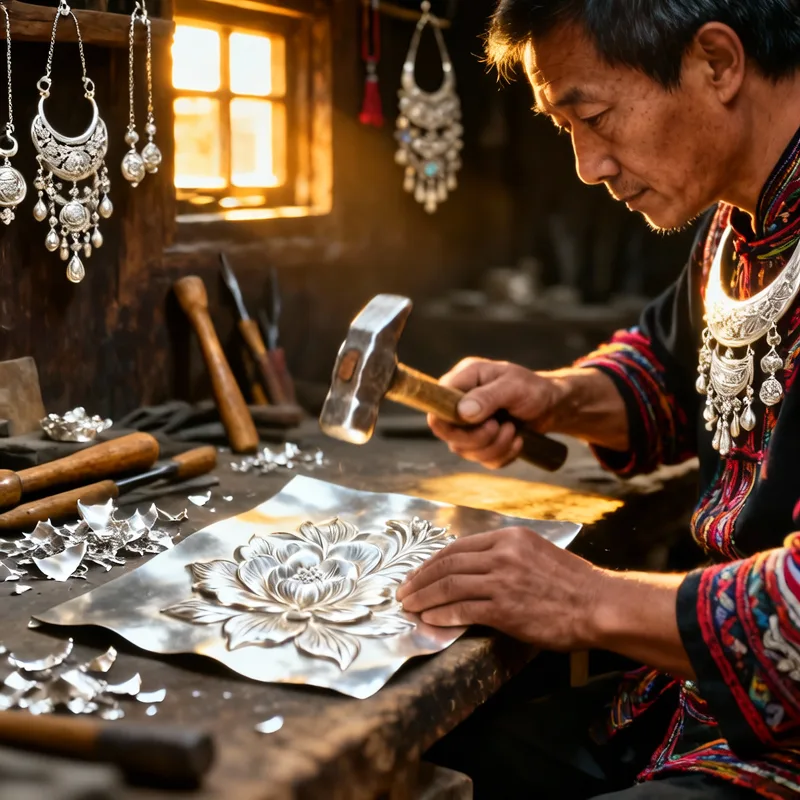
    Much Miao silverwork begins with sheet silver and wire. The smith hammers ingots into thin sheets, cuts strips, and raises patterns from the reverse with repoussé, a technique of punching and chasing to form relief. Horsehair-thin wires are twisted and soldered into filigree, then built into openwork wings, horns, and floral sprays. A large headdress may combine a hammered band, dangling chains, repoussé plaques, and rows of tiny bells that move when the wearer turns. Silver is valued for its colour, workability, and traditional association with protection and prosperity. Many ornaments are hollow to reduce weight, since a full ceremonial headdress can be heavy enough to limit long wear.

    A Miao silversmith hammering a thin silver sheet into a raised floral plaque
    Repoussé raises the design from the back of a thin silver sheet. رسم توضيحي مُولّد بالذكاء الاصطناعي · سينوفيز

    Festival Wear and Social Meaning

    Silver ornaments are read as part of an entire costume, not as isolated jewellery. A Miao woman’s festival dress may include a pleated skirt, embroidered jacket, woven belt, and a silver collar shaped like a crescent or a pair of wings. In some communities, the number and form of earrings or neck rings indicate village affiliation or marital status. During the Lunar New Year, harvest celebrations, and the Miao New Year in some areas, women and girls wear family sets while groups sing, dance, and process between villages. The ornaments catch light during movement, making dress a visual part of the performance. Men may wear silver buttons, chains, or small pendants with less ceremonial weight.

    • Repoussé plaques raised from thin silver sheet
    • Twisted wire and openwork filigree
    • Headdresses with horns, chains, and bells
    • Costumes worn for New Year and wedding rituals
    Women in embroidered Miao festival dress wearing heavy silver collars and earrings
    Ornaments are worn with embroidery and weaving as one costume system. Jaqor Q.I. | Pexels License (https://www.pexels.com/license/)

    Markets, Tourism, and Continuity

    Silverwork circulates through village workshops, regional markets, and tourism. Visitors to Miao villages in Yunnan and Guizhou can watch smiths shaping small pieces, though the most important heirlooms are usually not for sale. Reproductions sold as souvenirs range from careful miniatures to inexpensive plated metal, so asking whether a piece is solid silver matters. Museums and cultural centres document older headdresses and collars, but the living context remains local dress. Some communities have revived festival costumes and taught silversmithing to younger people, while migration and wage work change who has time to make and wear them. The craft’s future depends less on novelty than on continued occasions to use it.

    A Miao headdress is worn jewellery and a portable archive of family work at the same time.

    المصادر والمزيد من القراءة

    1. Miao people — موسوعة بريتانيكا.
    2. Chinese silver jewellery — Victoria and Albert Museum.
    3. Miao ethnic culture — China Highlights.

    شاهدها في مكانها

    اتبع هذا المدخل إلى المنطقة التي ينتمي إليها.

    استكشف عبر الخريطة

    تابع الموضوع

    تصفح الإدخالات الأخرى التي تشترك في نفس الوسوم.

    تصفح الوسم
  • يي

    المجتمع العرقي

    يي

    Fire, mountains and an ancient script

    Yi communities live across the mountains of southwest China. The Nuosu branch preserves a distinctive script and ritual tradition, while Torch Festival has become a widely recognised Yi celebration.

    مجتمع
    يي
    Population
    Around 9 million; Sichuan, Yunnan, Guizhou, Guangxi
    لغة
    Yi languages; Nuosu script
    01

    Where the community lives

    Yi people live mainly in Sichuan, Yunnan and Guizhou, often in mountainous areas. Liangshan in Sichuan is a major centre of Nuosu culture.
    02

    Language and belief

    Yi languages belong to the Tibeto-Burman family. The Nuosu syllabic script is a rare living indigenous writing system in China.
    03

    Festivals and daily life

    Torch Festival features bonfires, dancing and gatherings. Buckwheat, potatoes, cured meat and hearty mountain food reflect local agriculture.
    04

    Crafts and heritage

    Embroidery, lacquerware, silver ornaments and ritual texts preserve Yi aesthetic traditions. Epic storytelling and ritual specialists carry historical memory.

    انظر إلى المنطقة

    Open the map to read the land connected to this community.

    استكشف عبر الخريطة
  • تشوانغ

    المجتمع العرقي

    تشوانغ

    مدرجات الأرز ومهرجانات الأغاني

    The Zhuang are China’s largest minority ethnic group. Their culture is closely tied to Guangxi’s karst hills, rice farming, song festivals and distinctive bronze drum traditions.

    مجتمع
    تشوانغ
    Population
    Around 19 million, mostly in Guangxi
    لغة
    Zhuang (Tai-Kadai)
    01

    Where the community lives

    Most Zhuang people live in Guangxi, with communities also in Yunnan, Guangdong and Guizhou. Karst valleys and river plains shape settlement and agriculture.
    02

    Language and tradition

    Zhuang belongs to the Tai-Kadai family. Folk songs, especially antiphonal singing, are central to social life and courtship.
    03

    Festivals and daily life

    The Sanyuesan festival features singing, coloured eggs and gatherings. Rice, river fish and sour flavours appear in local food traditions.
    04

    Crafts and heritage

    Bronze drums, embroidered balls and indigo-dyed textiles are important cultural symbols. Dong and Zhuang communities also share drum tower and bridge-building traditions in some areas.

    انظر إلى المنطقة

    Open the map to read the land connected to this community.

    استكشف عبر الخريطة