Yaşam ve Folklor
Spring Festival
The new year at home and on the street
Spring Festival is the Lunar New Year, a fifteen-day season of reunions, red decorations, and public celebration.
- Bölüm
- Yaşam ve Folklor
- Bölge
- Pekin
- Dönem
- Çağlar boyunca
- Etiketler
- Gümrük, Yiyecek
Chun Jie, the Spring Festival, begins on the first day of the first lunar month and ends with the Lantern Festival on the fifteenth. In Beijing, the old rhythms of household ritual and temple fair sit alongside a modern holiday industry and a week-long public break.
The Eve and the First Days
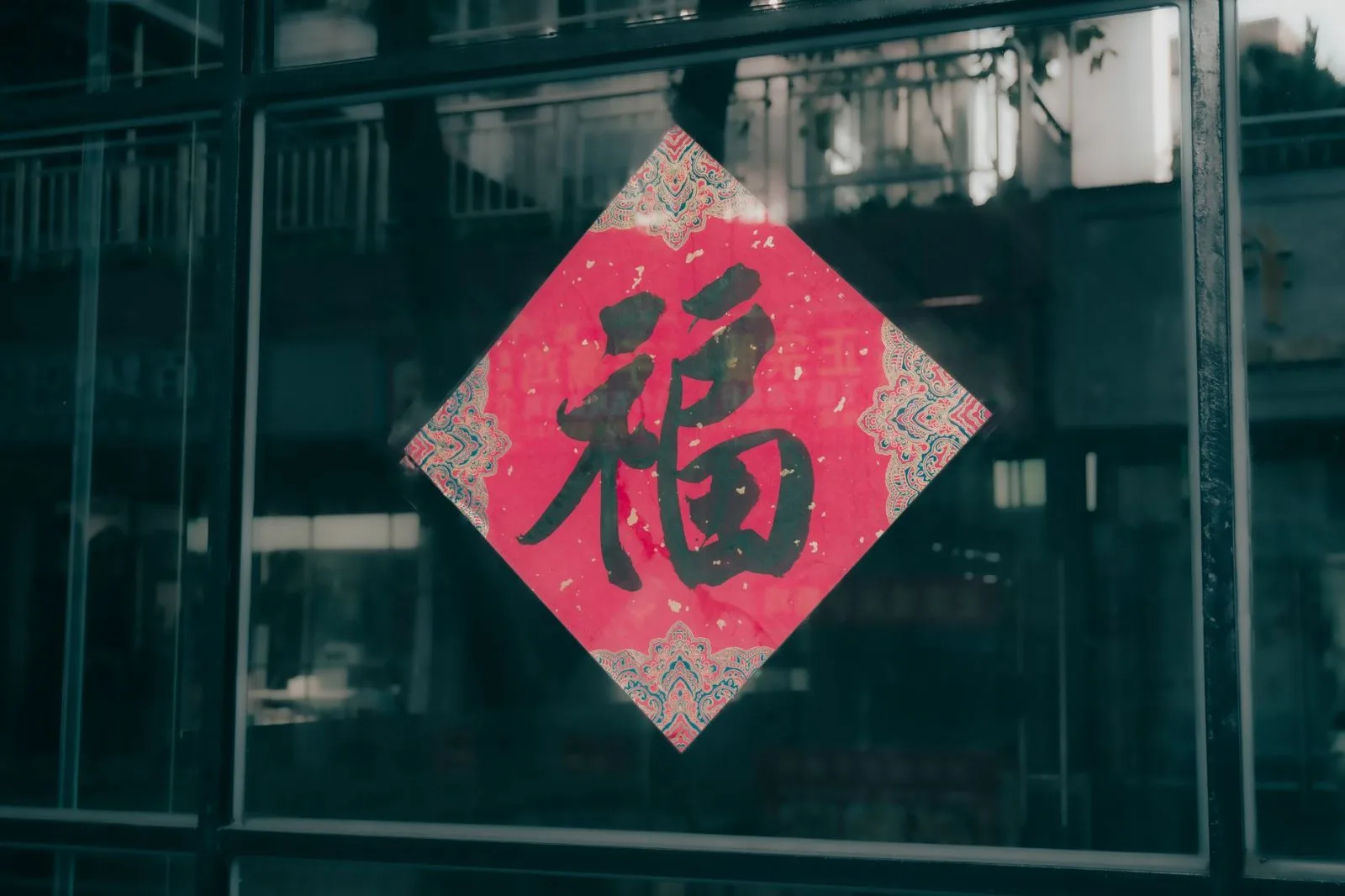
The preparations begin weeks ahead. Homes are cleaned, debts settled, and red paper couplets pasted around the door, often with the character fu pasted upside down to suggest that good fortune has arrived. New Year’s Eve is the centre of the festival. Families travel home for a long meal that includes jiaozi, dumplings shaped like ancient coins; in northern China they are eaten at midnight. Fish is served because the word for fish sounds like surplus, and a whole fish is often left partly uneaten. Firecrackers once marked the transition, though many urban areas restrict them. After dinner, many families watch the CCTV Spring Festival Gala while red envelopes are handed to children and unmarried younger relatives.
Visiting and Red Envelopes
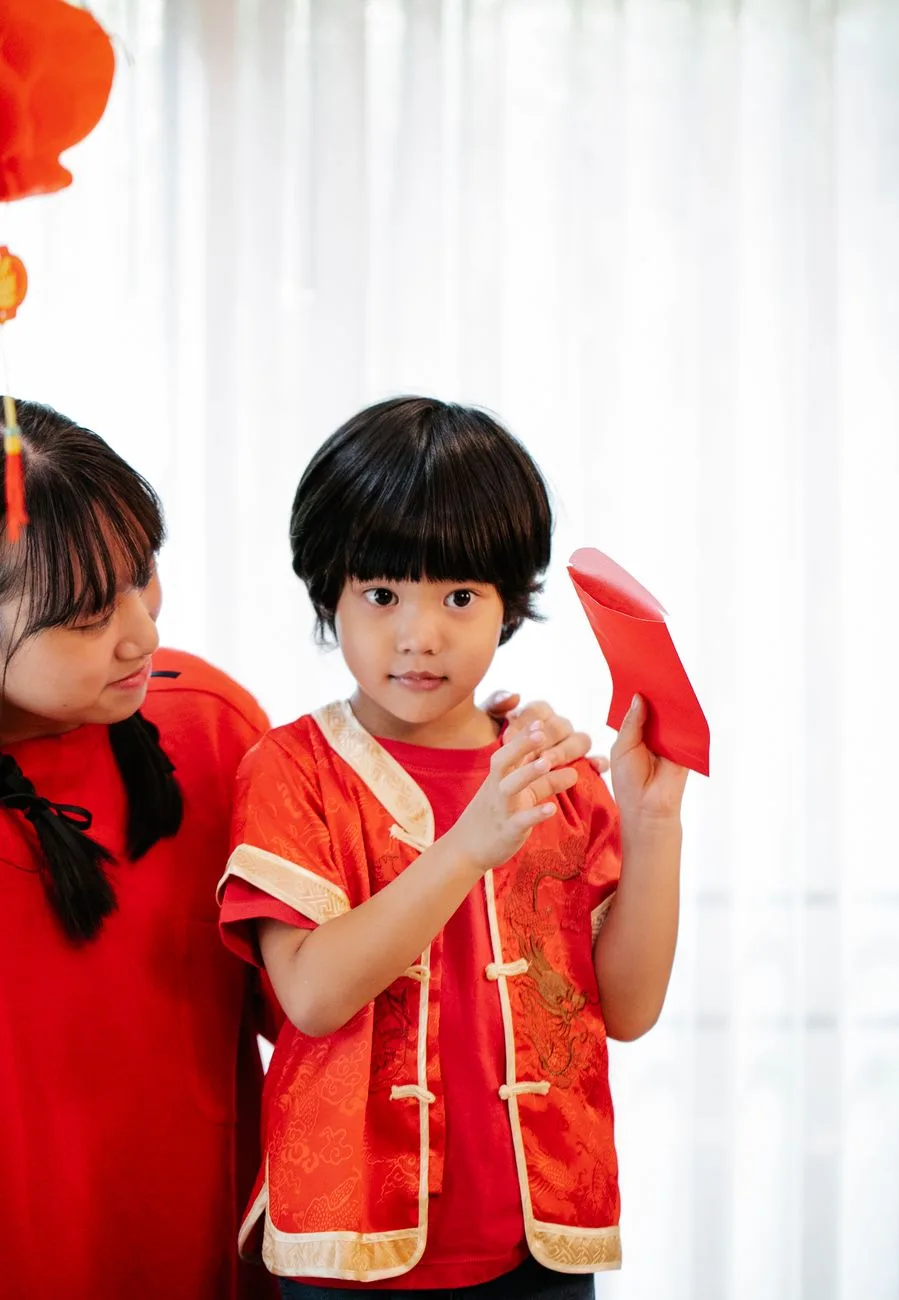
The first days are for bainian, visits to relatives and neighbours. People call on the oldest family members first, bringing fruit, tea, or sweets, and greet one another with phrases wishing prosperity and health. Hongbao, red envelopes containing cash, pass from married adults to children and younger unmarried relatives; amounts end in even numbers and are accepted with both hands and a thank-you. Hosts offer a tray of snacks, often including candied fruits and melon seeds, before a meal. Visiting over several days is normal, and a phone message has become an accepted substitute for distant friends. Dress is neat rather than formal, and arriving empty-handed is less important than arriving at all. The point of the circuit is to renew the relationships that hold a family network together.
Beijing Temple Fairs
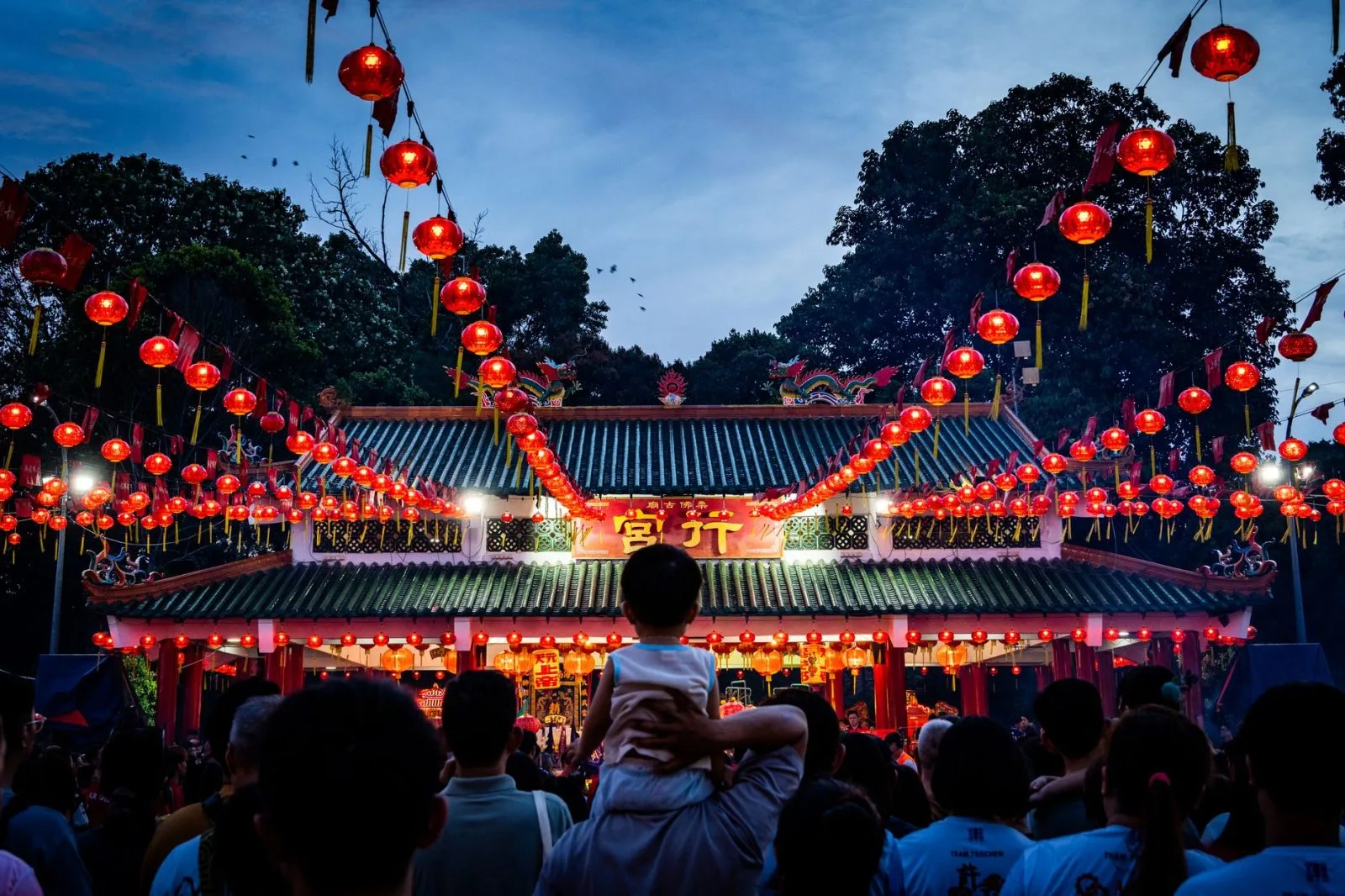
Beijing’s miaohui, or temple fairs, turn temple courtyards and parks into markets for the duration of the holiday. The fairs at Ditan, Taoranting, Baiyunguan, and the Summer Palace sell dolls, sugar paintings, paper cuts, and skewered snacks, with opera singers, acrobats, and lion dancers performing in the middle of the crowd. They began as religious gatherings attached to temple festivals and became popular public entertainments; today they are as much a family outing as a religious event. Admission is usually a small fee, and the busiest hours are afternoon. Metro stations near the parks are crowded, so go early and expect a queue for the best-known fairs. The atmosphere is informal: eat while you walk, watch a performance from the edge, and keep an eye on children.
The Fifteenth Day and a Global Holiday
The festival closes with Yuanxiao, the Lantern Festival, on the fifteenth day of the first lunar month. Streets and parks hang lanterns, families eat sweet rice balls called tangyuan, and lantern riddles invite a guess before the night ends. In Beijing, some neighbourhoods still stage dragon dances and drum processions. The Spring Festival was inscribed on UNESCO’s intangible cultural heritage list in 2024, recognising practices that extend well beyond one city. For visitors, the practical notes are straightforward. The public holiday closes shops and offices for several days, transport is crowded, and prices for flights and hotels rise. Book early, carry cash in small notes for envelopes and market stalls, and accept that some days are better spent with a family invitation than with a museum itinerary.
Red at the door, fish on the table, and an envelope in the hand mark the year’s first days.
Kaynaklar ve daha fazla okuma
- Spring festival, social practices of the Chinese people in celebration of traditional new year — UNESCO Somut Olmayan Kültürel Miras.
- Çin Yeni Yılı — Britannica Ansiklopedisi.
- Chinese New Year travel and festivals — China Highlights.