Жизнь и фольклор
Фестиваль фонарей
Lights on the Fifteenth Night
The fifteenth night of the first lunar month closes the New Year with lanterns and sweet rice balls.
- Раздел
- Жизнь и фольклор
- Область
- Пекин
- Эпоха
- На протяжении эпох
- Теги
- Таможня, еда
The Lantern Festival falls on the fifteenth day of the first lunar month, the first full moon of the year. Lanterns, night markets, riddles, and tangyuan rice balls mark the end of the New Year period.
Origins in Calendar and Court
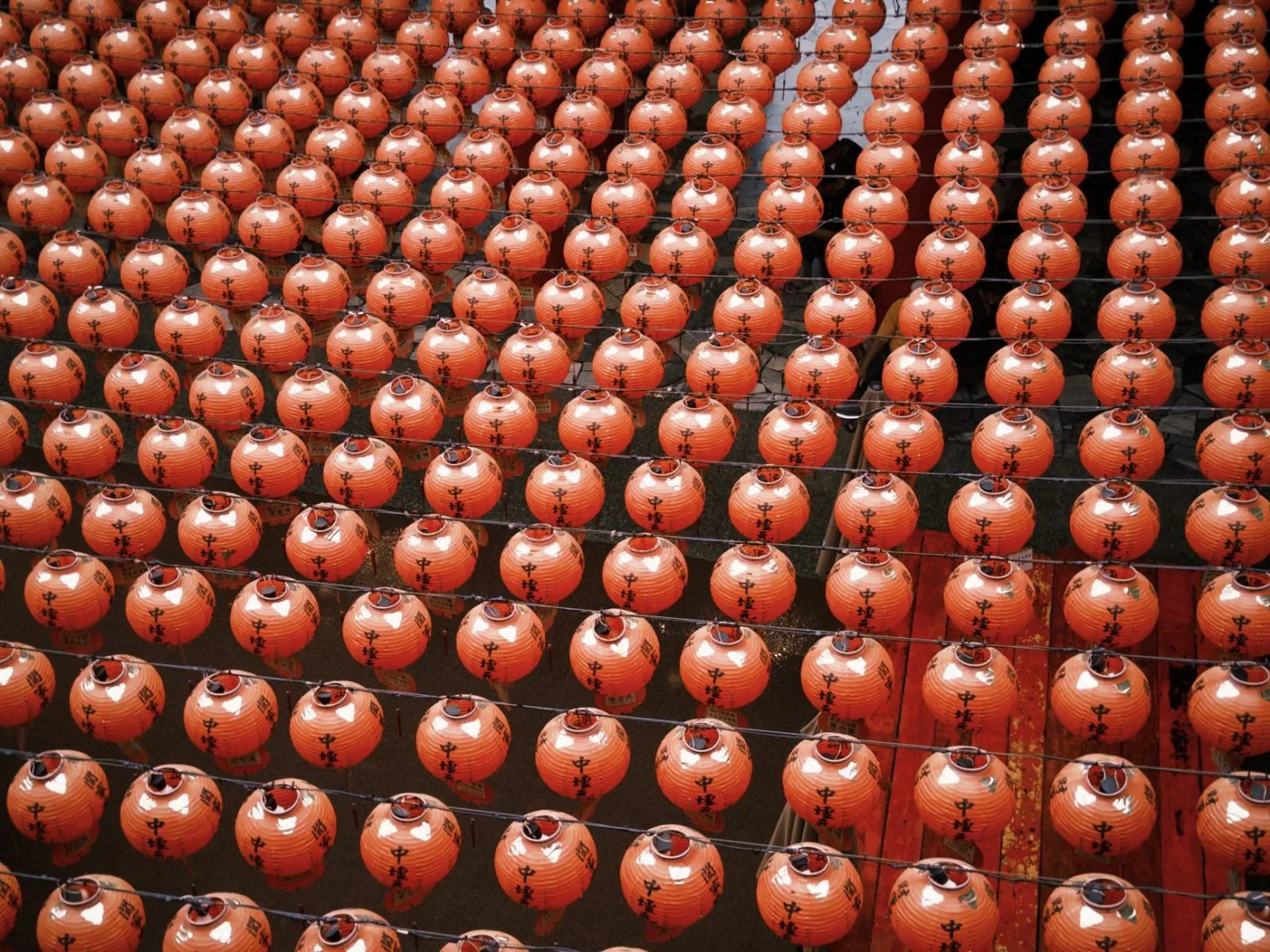
The festival’s date follows the lunar calendar, so its Gregorian date changes each year. Several origins are cited. Emperor Wen of Han is said to have declared a public holiday around 180 BCE after defeating the Lü clan, while the Eastern Han emperor Ming promoted lantern displays in the first century CE as Buddhism spread. Daoist tradition associated the day with the heavenly official who grants blessings. By the Tang dynasty, the festival had become a major urban occasion: court records describe vast lantern displays in Chang’an and Luoyang, and the poet Su Weidao wrote of night markets bright as day. The Tang court relaxed curfew so people could view the lights.
Riddles, Lions, and Processions
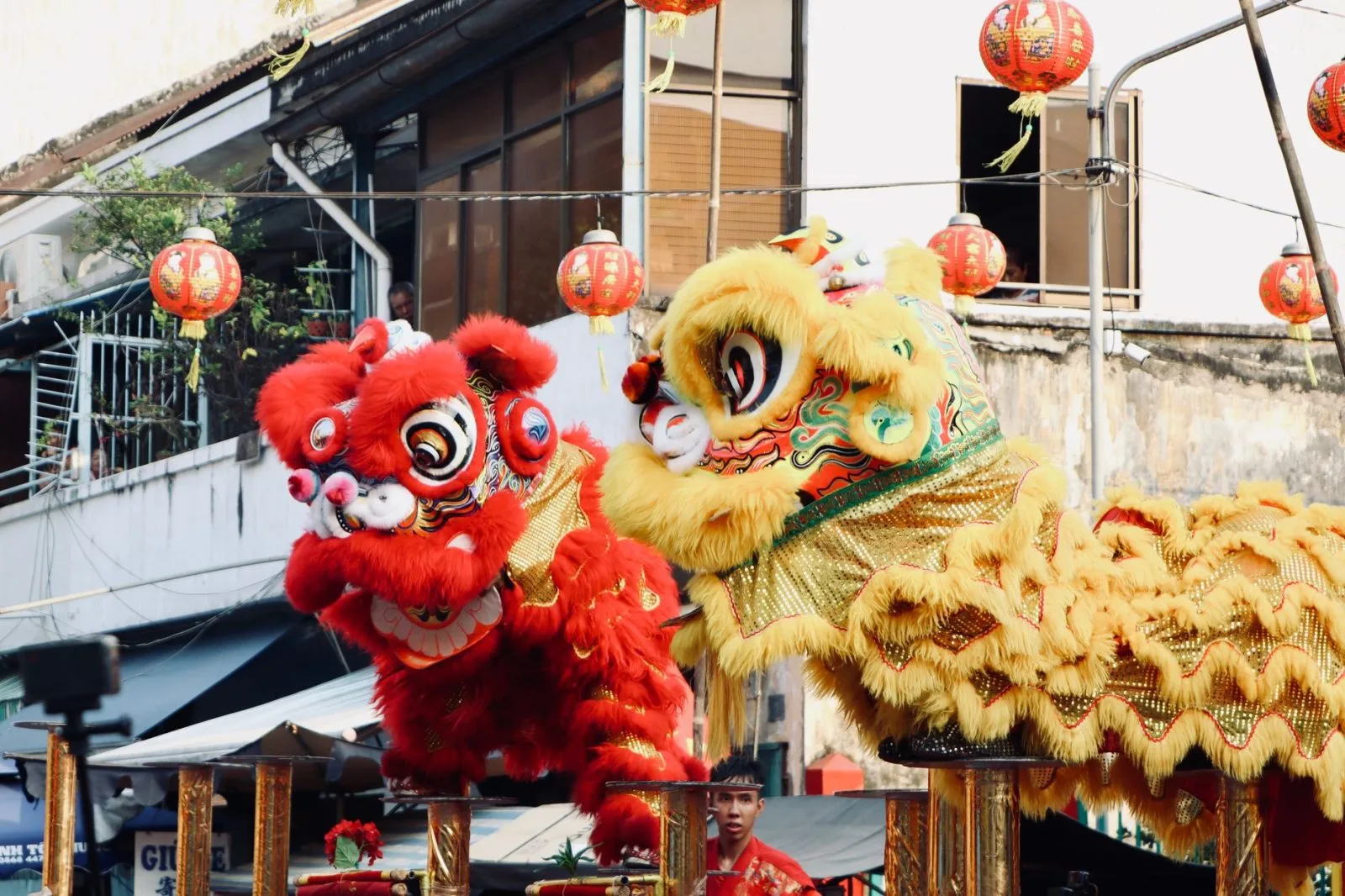
Lantern riddles are written on slips attached to the lamps; solving one is a small test of wordplay and classical learning. Lion dances, dragon dances, and walking-on-stilts performances draw crowds in the streets, with local troupes competing for space and applause. In some places, people carry lanterns representing animals or characters, and children pull small lanterns on sticks. Beijing’s temple fairs once gathered vendors, performers, and visitors around temple courtyards; today the festival is also marked in parks and commercial districts. Taiwan is known for large lantern festivals and elaborate installations, while Nanjing has long been associated with elaborate lantern craft along the Qinhuai River.
Tangyuan and the Taste of Reunion
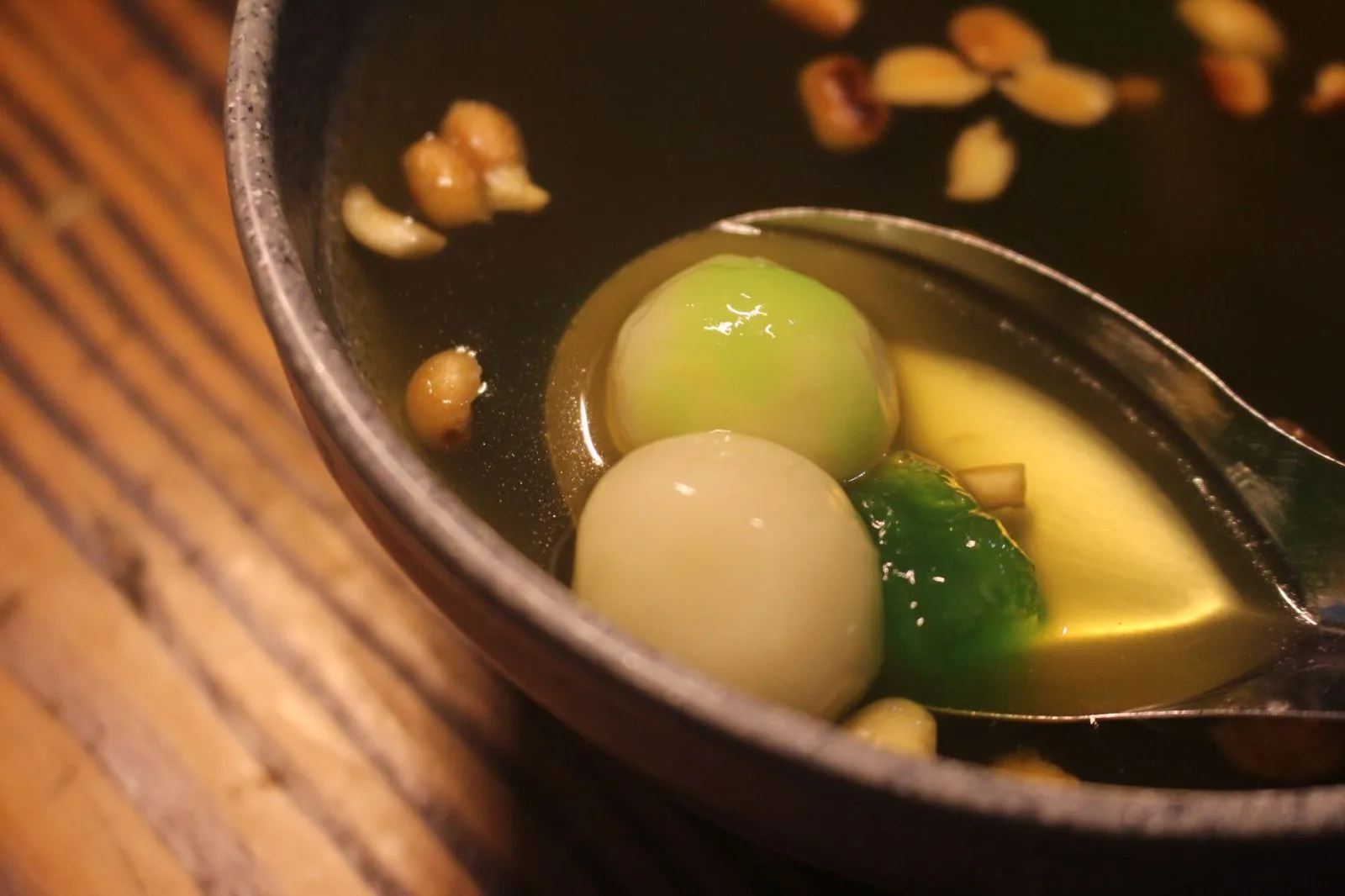
The festival food is tangyuan in southern China and often yuanxiao in the north, both made from glutinous rice flour around a sweet filling. The names and methods differ: southern cooks wrap a soft dough around filling, while northern cooks may roll moistened filling in dry rice flour in repeated layers. Fillings include black sesame paste, red bean, peanut, and osmanthus sugar. The round shape suggests family unity, and the bowls are shared after the evening’s walk. In Ningbo, black-sesame tangyuan are a local speciality; in Shanghai and Suzhou they are sold from neighbourhood shops. Sweet rice wine and small glutinous balls are also served in some regions.
- Black sesame, red bean, and peanut fillings
- Southern wrapped tangyuan and northern rolled yuanxiao
- Lantern riddles attached to public displays
- Dragon and lion processions after dark
The Festival in Modern Cities
The festival remains a public holiday in mainland China, though the number of days off and the school calendar vary. Major cities install temporary lighting, close some streets to traffic, and run lantern displays in parks and along rivers. Viewing a lantern show often means walking slowly in crowds; in Beijing, the temperature can still be below freezing, so warm layers matter. Photographers should check local rules on tripods and drones. Shopping districts extend the season commercially, but temple fairs and neighbourhood associations keep older practices alive. The date’s movement also means the festival may fall during term time or a working week, changing how families gather.
The first full moon turns a winter street into a temporary gallery of paper, silk, and light.
Источники и дополнительная литература
- Фестиваль фонарей — Энциклопедия Британника.
- Chinese Lantern Festival — China Highlights.
- Yuanxiao Festival — World History Encyclopedia.
Посмотрите, как это выглядит на месте.
Перейдите по этой ссылке в регион, к которому она относится.
Исследуйте с помощью карты