Leven & Folklore
Qingming
Sweeping tombs, welcoming spring
Qingming pairs the remembrance of ancestors with the first serious outings of spring.
- Sectie
- Leven & Folklore
- Regio
- Zhejiang
- Tijdperk
- Door de eeuwen heen
- Tags
- Customs, Geography
Qingming arrives around 4 or 5 April, when the sun reaches fifteen degrees of the spring equinox on the traditional solar-term calendar. Its two halves belong together: cleaning a family grave, then walking out into the greening countryside.
A Solar Term and a Day of Remembrance
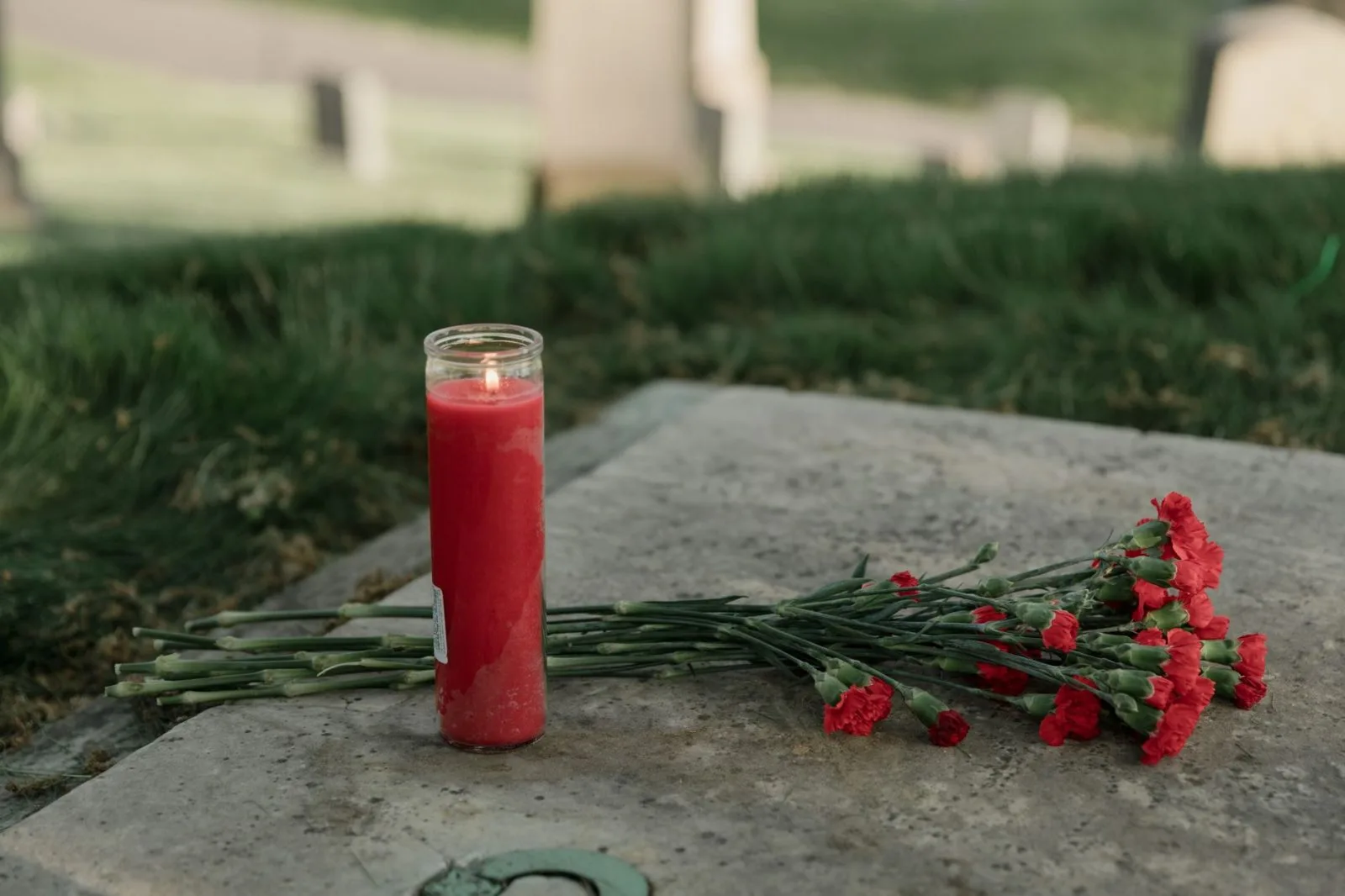
Qingming means clear and bright, a name drawn from the twenty-four solar terms, the calendar that divides the year by the sun’s position. The term falls around 4 or 5 April, when temperatures rise and rain becomes frequent in the lower Yangtze. Families visit ancestral graves to sweep away leaves and weeds, repaint inscriptions, and lay out food, tea, and paper money. Offerings are followed by bows or a few words addressed to the dead. Paper money may be burned in a designated container, depending on local rules. The act is not a celebration of death but a maintenance of family continuity: the dead remain part of the household’s obligations. In Zhejiang, hillside graves make the visit a walk as much as a ritual.
The Cold Food Connection
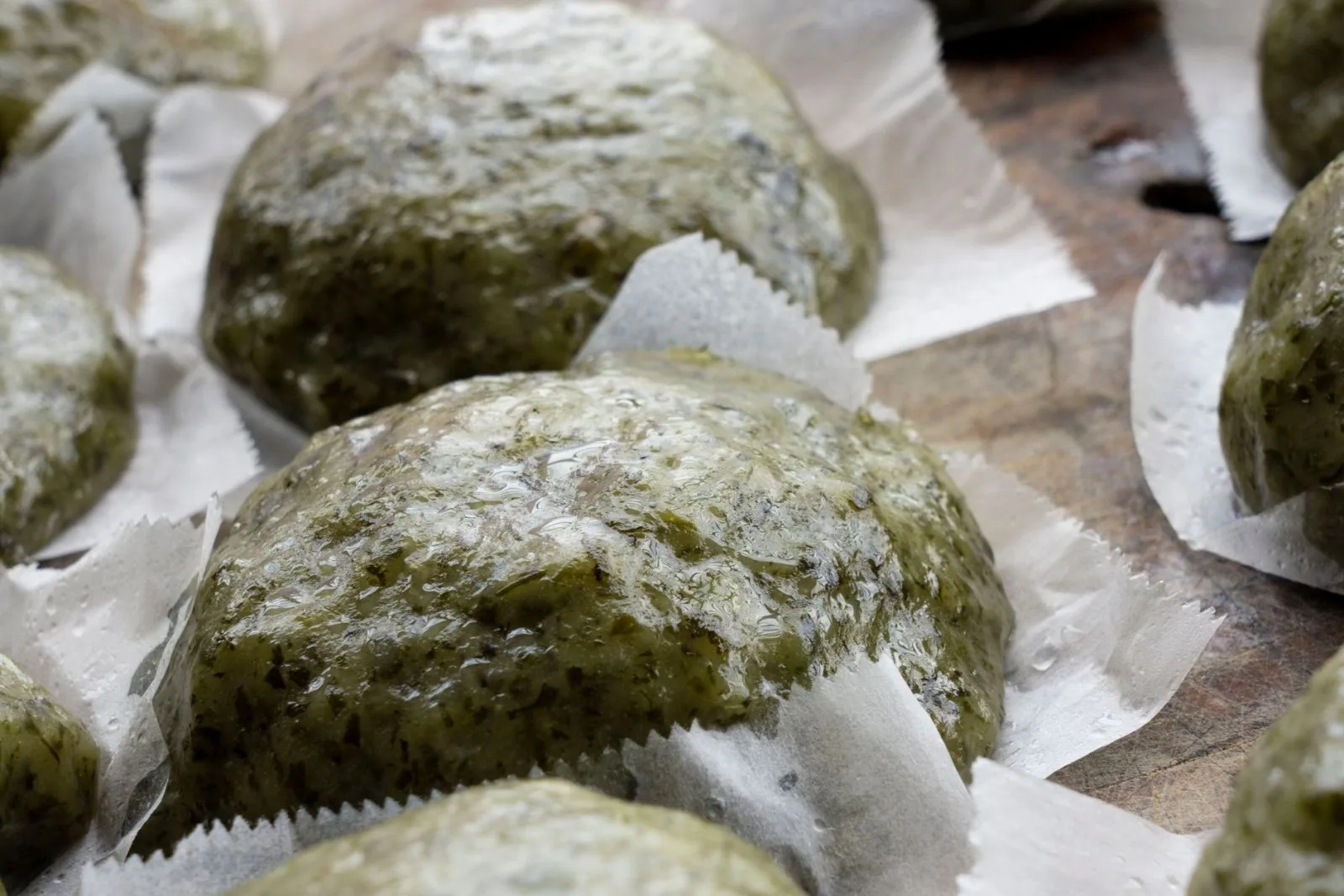
Earlier custom linked this season with the Cold Food Festival, when fires were forbidden and families ate food prepared in advance. One traditional explanation connects the practice to Jie Zitui, a loyal follower of a Spring and Autumn duke who died in a forest fire; later historians treat the story as one among several local traditions rather than a single origin. In practice, the cold-food element has faded, but special foods remain. In Zhejiang and neighbouring Jiangnan, people eat qingtuan, soft green dumplings made with glutinous rice and mugwort juice, often filled with sweet red bean paste. Their colour comes from the first spring growth, and they are sold in markets for only a short season. Eating one links the memory of the dead to the first green.
Spring Outings in Zhejiang
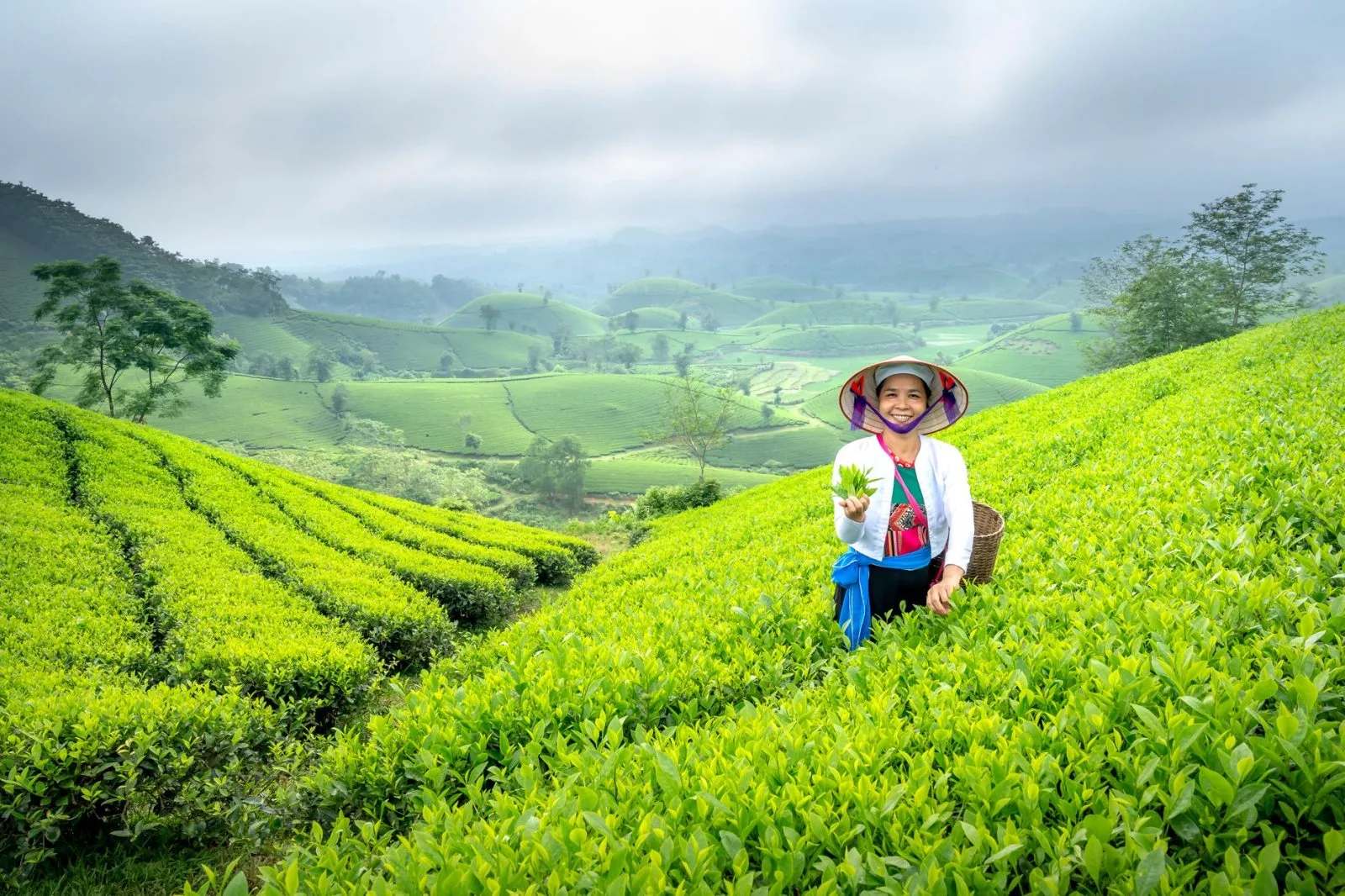
The second half of Qingming is an outing, known as taqing, when families walk in parks, visit temples, or climb hills. Willow branches were once tucked into hair or hung at doors. In Zhejiang, the festival coincides with the first tea harvest around Hangzhou. Longjing, the tea from the hills near West Lake, is at its most valued when picked before Qingming; the tender buds of pre-Qingming pickings command higher prices. Visitors can see pickers between rows, and lakeside tea houses serve the new leaves. Qingming became a public holiday in 2008, giving the outing a practical boost. Combined with tomb sweeping, the day makes an unusual pair: a visit to the ancestors in the morning, a walk among new leaves in the afternoon.
Poetry and Practice Today
Qingming has a fixed place in Chinese literature. The Tang poet Du Mu wrote of drizzling rain on the Mourning Day and a traveller asking where wine could be bought, a poem that schoolchildren still memorise. The lines capture the day’s two moods: rain and sorrow, and the impulse to go out despite them. For a visitor, the details matter. Cemeteries can be crowded, so go early and keep to marked paths. Bring water and wear shoes suitable for muddy slopes. In Hangzhou, traffic around West Lake builds by mid-morning, and the metro is simpler than a taxi. Tea villages welcome visitors, but a field is a working crop, not a garden; wait for an invitation before touching the leaves. Respect anyone burning offerings, and never photograph a grave close-up.
In the morning the family tends the grave; in the afternoon it walks among new leaves.
Bronnen en verdere informatie
- The Twenty-Four Solar Terms — Immaterieel cultureel erfgoed van UNESCO.
- West Lake Cultural Landscape of Hangzhou — UNESCO World Heritage Centre.
- Qingming Festival — China Highlights.