生活と民話
タイ族
雲南省南部のタイ語を話すコミュニティ
タイ族はタイ語を話す仏教徒のコミュニティであり、彼らの村、寺院、そして水祭りは雲南省南部の河川流域の景観を形作っている。
- セクション
- 生活と民話
- 地域
- 雲南省
- 時代
- 時代を超えて
- タグ
- 民族、習慣
西双版納と徳宏の低地には、水田や仏教寺院のそばにタイ族の村が点在している。彼らの言語はクラ・ダイ語族のタイ語派に属し、祭りは東南アジア本土の各地のコミュニティと共通の暦に従って行われる。
谷が
2010年の中国の国勢調査では、約116万人のタイ族が数えられた。彼らのほとんどは雲南省南部と西部の低地に居住しており、特に瀾滄江(メコン川)沿いの西双版納タイ族自治州とミャンマー国境近くの徳宏タイ族・ジンポー族自治州に集中している。小規模な集落は臨滄、普洱、紅河にも広がっている。集落は、涼しい周辺の丘陵地帯ではなく、灌漑による稲作が一年中可能な温暖な河川沿いの谷に沿って広がっている。こうした低地への居住形態により、タイ族の村々は国境を越えたシャン族、タイ族、ラオス族のコミュニティと密接な関係を保っており、地元の建築様式、食文化、祭りの暦が東南アジア本土と多くの共通点を持つ理由もそこにある。
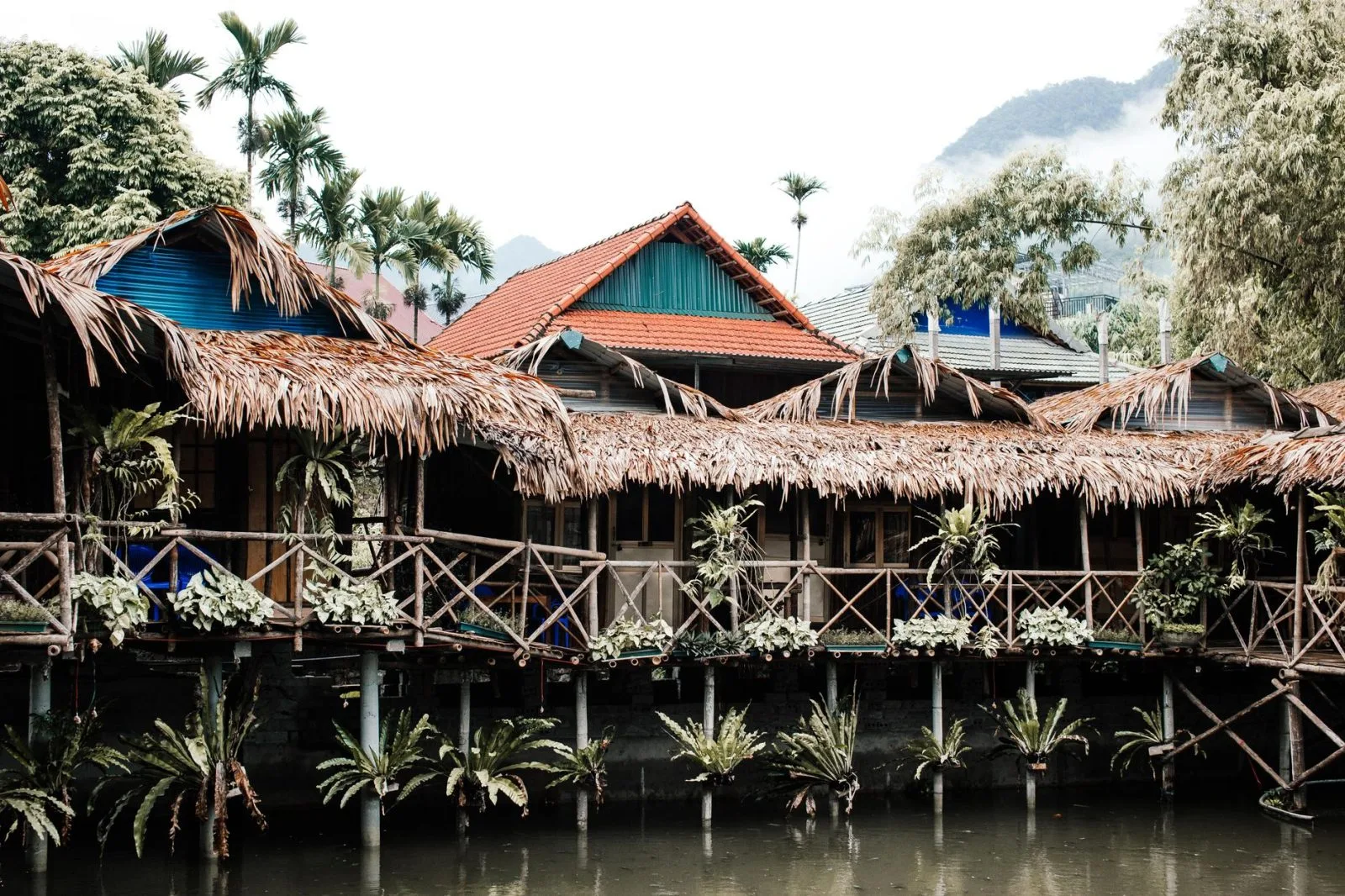
言語、文字、そして水
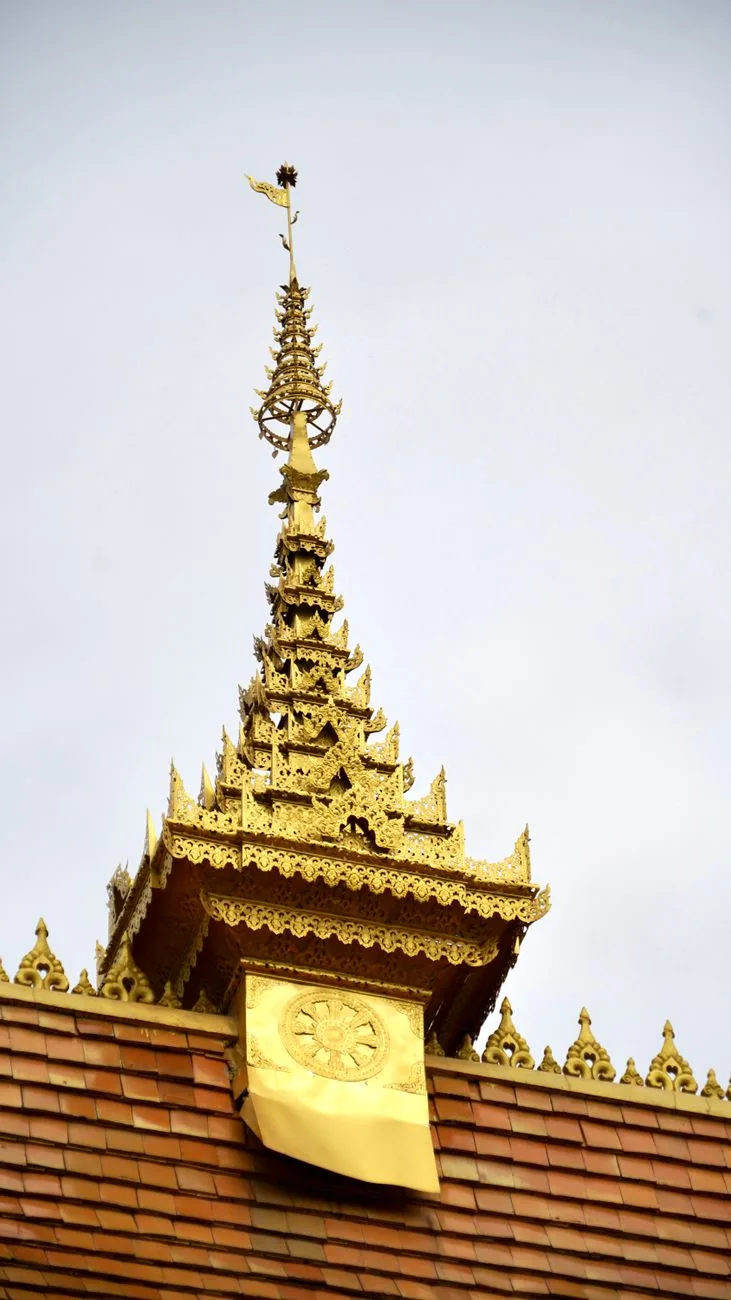
タイ語は、タイ語やラオス語を含むクラ・ダイ語族のタイ語派に属します。雲南省では、西双版納文字、徳宏文字、錦屏周辺で使用されている変種文字の3つの文字体系が用いられています。これらはすべて、より古いタイ語の文字体系に由来し、かつては主に僧院教育によって維持されていました。上座部仏教は、数世紀にわたる交易や巡礼路を通じてタイ族のコミュニティに伝わり、地元のワット(僧院)が村の識字と儀式の中心となりました。少年たちは伝統的に、青年期の一部を修行僧として過ごし、経典の読み方や詠唱を学びました。金箔を施した仏塔や傾斜屋根の木造寺院は、今もなおこの地域で最も目立つランドマークとなっています。
住居、衣服、日々の食料
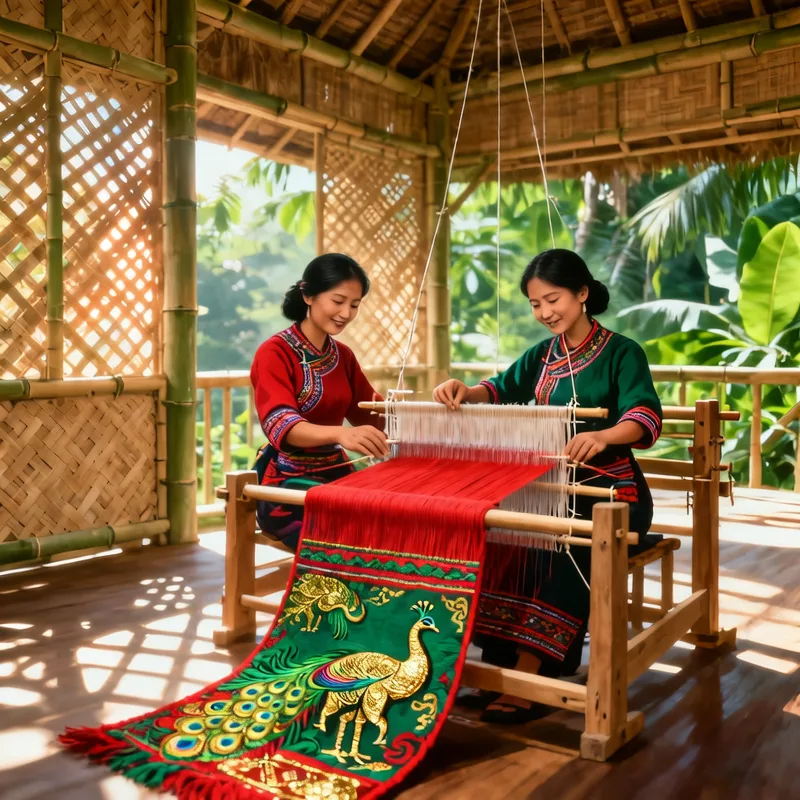
A traditional Dai house stands on timber or bamboo posts, with the living floor lifted above the ground and a steep roof that sheds heavy monsoon rain. An open veranda serves as a work and sitting space, while the area beneath the house is used for storage and livestock. Household weaving produces cotton and silk cloth, and Dai brocade is known for peacock, elephant and geometric motifs worked in bright threads. Silver ornaments, betel nut and lacquered trays appear in daily and ceremonial exchange. Meals centre on glutinous rice, freshwater fish, sour bamboo shoots and chilli dips, often wrapped in banana leaves. Tea gardens around Xishuangbanna and Pu’er add another crop with a long regional history.
The Water Festival
The Dai new year falls in mid-April and is celebrated as the Water Festival, known locally as Songkran. Water is poured or sprinkled over family, neighbours and visitors as a wish for a clean and abundant year, and the day also includes visits to the monastery, the building of small sand pagodas and boat races on the rivers. In the evenings, peacock and elephant dances are performed with slow, controlled hand movements and bright costumes. These dances are also taught in cultural troupes and schools, alongside Dai opera and folk storytelling. Today the festival draws visitors from other parts of China, while monasteries and village craft workers continue to maintain the language and techniques behind it.
In the Dai lowlands, a monastery, a rice field and a loom keep the same calendar.
出典と参考文献
- Dai —ブリタニカ百科事典。
- Dai Ethnic Group — China.org.cn