यात्रा मार्गदर्शिका
बीजिंग सबवे
Reading the network below the city
Beijing’s metro is cheap, dense, and faster than any car at rush hour once you know the system.
- अनुभाग
- यात्रा मार्गदर्शिका
- क्षेत्र
- बीजिंग
- युग
- आधुनिक चीन
- टैग
- Geography, Transport
The Beijing Subway opened in 1969 and has grown into one of the world’s largest metro networks. Its lines reach the Forbidden City area, both airports, the Olympic district, and the western hills, making it the default way to move around the centre.
Paying and Entering
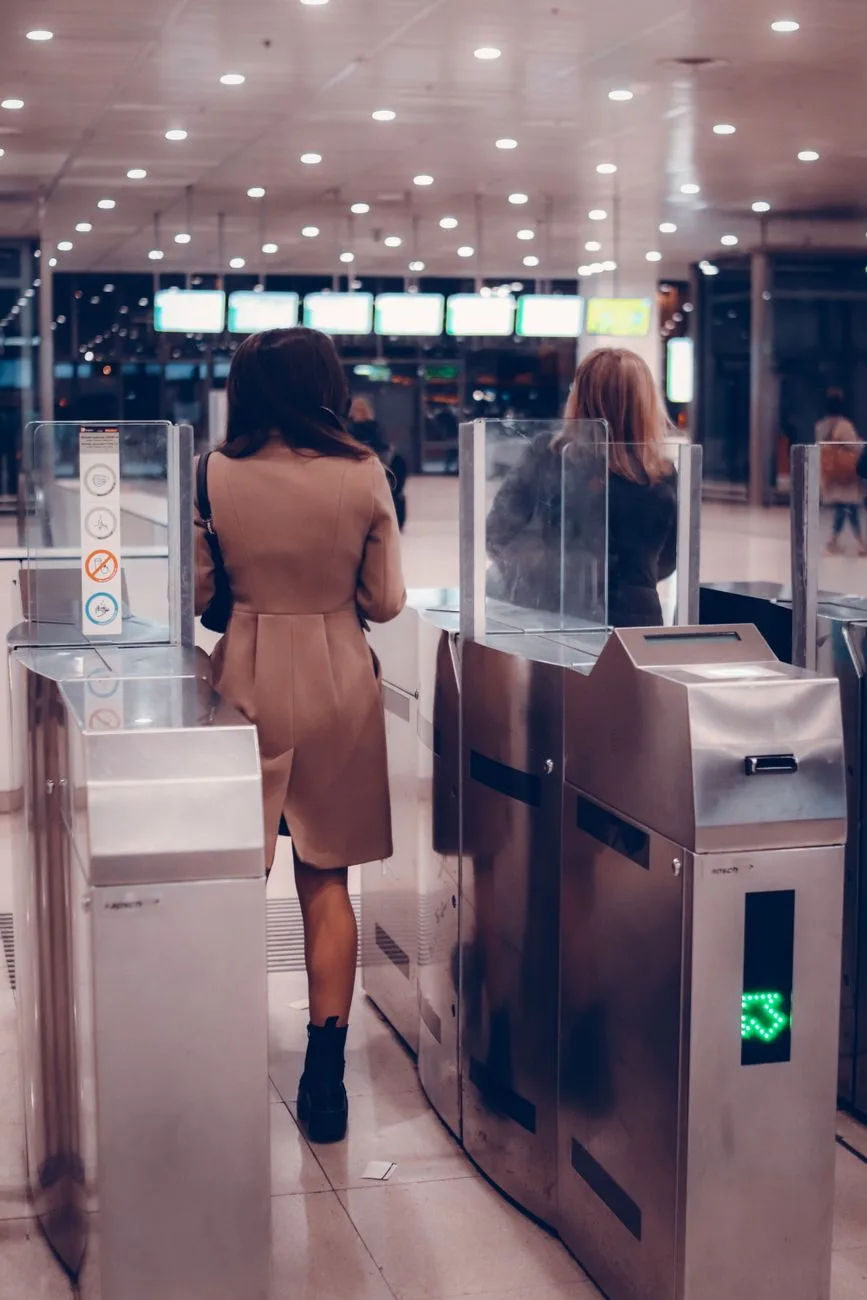
Fares start at three yuan for short trips and rise with distance, with the longest journeys costing around ten yuan or more. The cheapest traditional option is a Yikatong stored-value card, sold at station counters; tap it on the reader at both ends. Most visitors now scan a QR code instead. Alipay can generate a Beijing Transit code through its Transport mini programme, and the Beijing Subway app also supports QR rides. Activate the code before you reach the gate and keep the phone screen bright. A single journey ticket is available at machines in major stations. Before the gates, every passenger sends bags through a small X-ray scanner and walks through a metal detector, so leave a minute for the queue.
Reading the Map
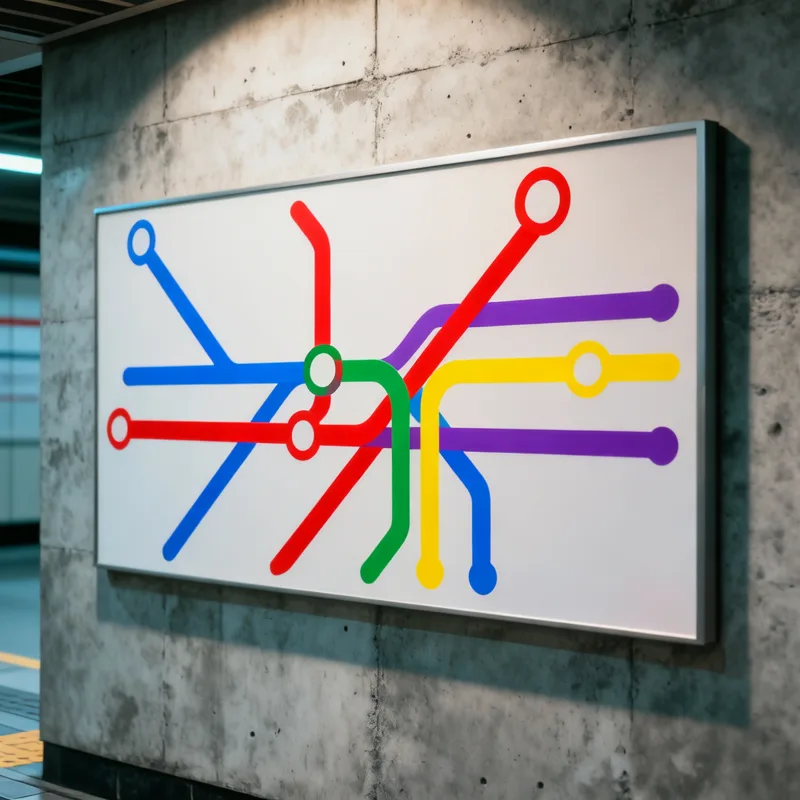
Signs are bilingual in Chinese and English, and line diagrams are colour-coded with numbers rather than names. Transfers can be long: Line 1 to Line 2 at Fuxingmen, or the interchange at Guomao, may mean several hundred metres of corridors and escalators. Follow the coloured tiles and overhead arrows rather than guessing. Each station has numbered or lettered exits; choosing the right one matters above ground, where a wrong exit can mean a ten-minute walk back around a block. Platform signs show the direction by terminus, so know which end of the line you are heading for. Trains run roughly from 5 a.m. to just after 11 p.m., with the last train earlier on some branches. Peak crowds arrive around 7-9 a.m. and 5-7 p.m.
Airport Lines and Day Trips
Two lines connect the city to its airports. The Capital Airport Express runs from Dongzhimen to Terminal 3 and Terminal 2; the Daxing Airport Express leaves from Caoqiao and reaches the new airport in under twenty minutes. Both require a separate fare that is higher than an ordinary metro ride, and airport stations add security checks. For the Forbidden City, use Tian’anmen East or Tian’anmen West and expect another security line at the palace entrance. The Olympic area is served by Lines 8 and 15, while Line 4 reaches the Summer Palace. For the Great Wall at Badaling, combine the metro with a suburban train or bus. Check the last-train time before an evening out; a late taxi ride back can be expensive.
Etiquette Below Ground
Metro etiquette is practical rather than formal. Stand to the right on escalators so people in a hurry can pass on the left, and let passengers leave before you board. Offer a seat to an older person, someone with a child, or a passenger with a disability. Backpacks are common, but swing yours off in a crowded car. Eating is discouraged in many stations and drinking is generally tolerated; keep wrappers in a bag until you find a bin. Announcements are made in Mandarin and English, and a recorded reminder asks passengers not to block the doors. If you miss your stop, the next station is rarely far away. Keep your card or phone ready before the exit gate, and check whether your destination needs a different payment method.
Choose the right exit before you surface; in Beijing it can save ten minutes above ground.
स्रोत और आगे की जानकारी
- बीजिंग सबवे — Beijing Mass Transit Railway Operation Corporation.
- Beijing public transport — Beijing Municipal Government.
- Beijing Subway guide — China Highlights.
इसे यथास्थान देखें
इस प्रविष्टि का अनुसरण करके उस क्षेत्र तक पहुँचें जहाँ यह संबंधित है।
मानचित्र द्वारा अन्वेषण करेंइस चर्चा का अनुसरण करें
उन अन्य प्रविष्टियों को ब्राउज़ करें जिनमें इसके समान टैग हैं।
टैग ब्राउज़ करें