Reiseführer
Gift Giving
Tokens, taboos, and the gift of face
Gift giving in Beijing turns a private gesture into a readable social signal, where timing, wrapping, and refusal all carry meaning.
- Abschnitt
- Reiseführer
- Region
- Peking
- Epoche
- Über die Epochen hinweg
- Tags
- Zoll
A gift in China is rarely just an object. It is a small public statement about respect, hierarchy, and the relationship you hope to build, especially in a city like Beijing where formal courtesies still shape everyday encounters.
The Grammar of Reciprocity
Gift giving sits inside the older idea of guanxi, the network of reciprocal obligations that turns acquaintances into reliable contacts. A present acknowledges a relationship rather than creating one from nothing, and it is usually given at a defined moment: a first visit to a home, a business meeting after terms are settled, a wedding, a birth, or a return from travel. Beijing hosts often decline a generous offer two or three times before accepting, a ritual that lets both sides display modesty without really refusing. Visitors who treat the first no as final can break the rhythm. Reciprocity matters more than price; a forgotten gift is remembered longer than a cheap one.
Choosing What to Bring
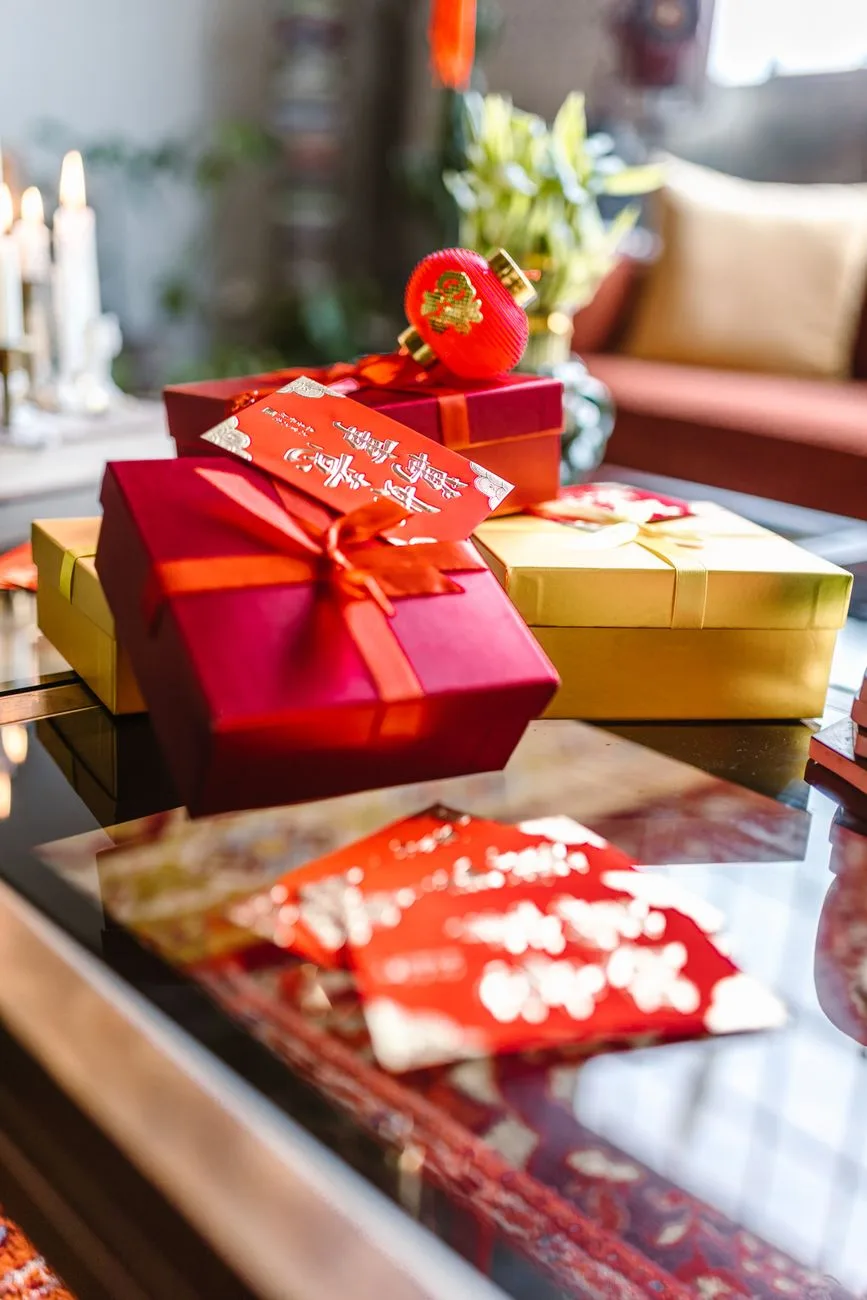
Practical choices travel well. A tin of good tea, a basket of fruit, a bottle of liquor, or something distinctive from your home region all read as thoughtful without embarrassing the host. Colour does the heavy lifting: red and gold suggest luck and celebration, while white and black wrapping carry associations with mourning and are best avoided. Counts matter too. Even numbers are favoured at weddings and festivals, while the number four sounds like the word for death and is quietly sidestepped. Never give a clock, since the phrase for giving a clock echoes attending a funeral; pears, umbrellas, sharp objects, and white chrysanthemums carry similar unwanted meanings. When in doubt, a neatly wrapped food item with the price tag removed is safest.
The Moment of Giving
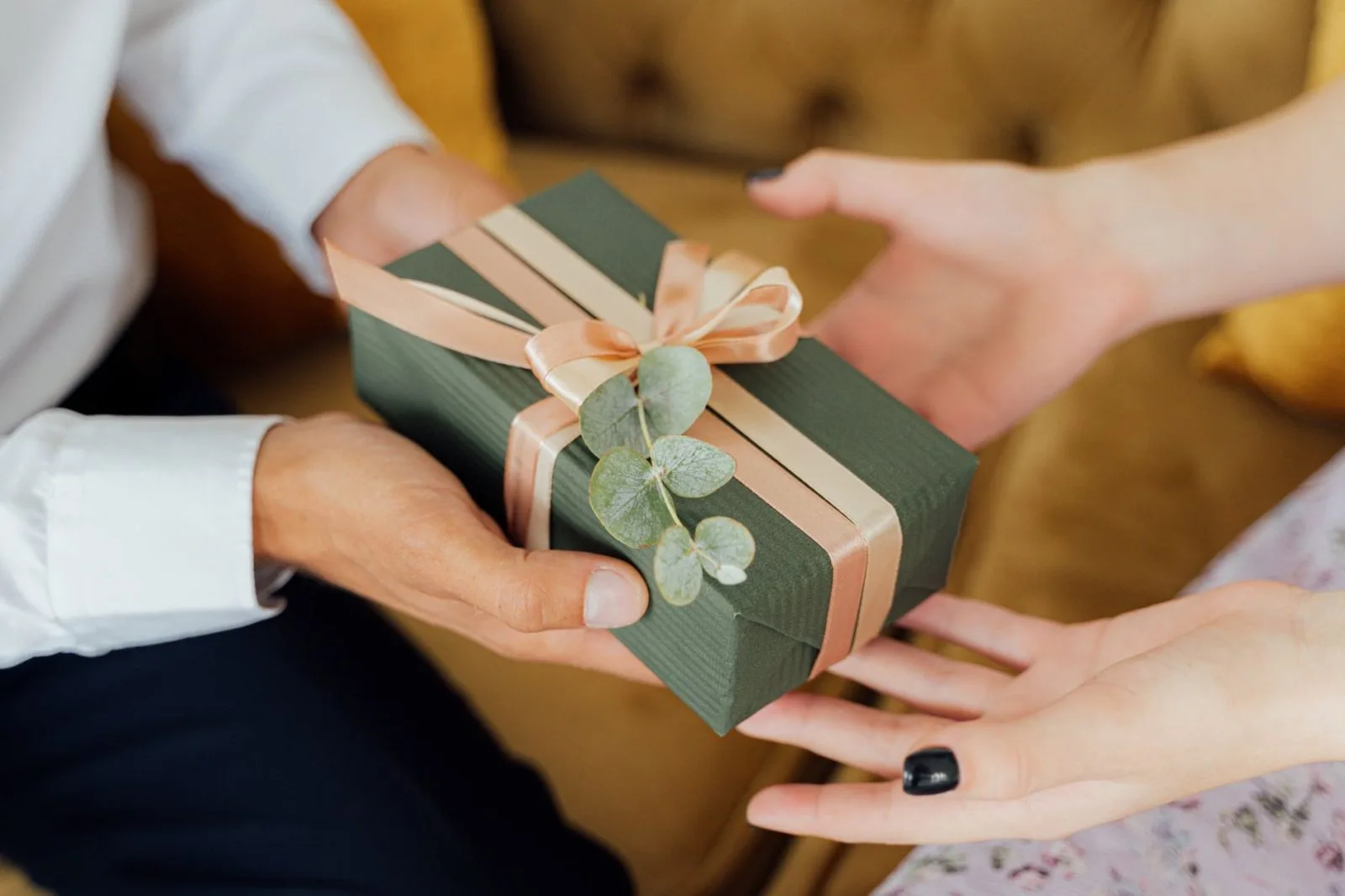
Hand the gift over with both hands, or with the right hand supported at the left forearm if the package is small; a one-handed toss looks careless. Present it after the greeting and a few minutes of conversation rather than at the threshold, and describe it modestly as a small token or something you happened to bring. Do not press the recipient to open it immediately. In many Chinese settings gifts are set aside and opened later, which protects everyone from visible reactions. When you receive a gift, accept with both hands, say thank you, and put it somewhere respectful rather than dropping it beside your chair. A brief note or a later message acknowledging the gesture is appreciated.
Money, Red Envelopes, and Business
Cash has its own rules. Hongbao, red paper envelopes with gold lettering, are given at weddings, births, and Lunar New Year; the amount should end in an even digit, and notes should be crisp. At a wedding the envelope is usually dropped in a reception basket, while at New Year it may be pressed into a child’s hand or sent through a phone app. In business settings, keep gifts modest and symbolic. Expensive items can look like an attempt to buy a decision and may be refused on principle or by rule. A company logo item, a book, or a regional speciality from your own city signals the relationship without creating a debt. Check the host organisation’s policy before offering anything of value.
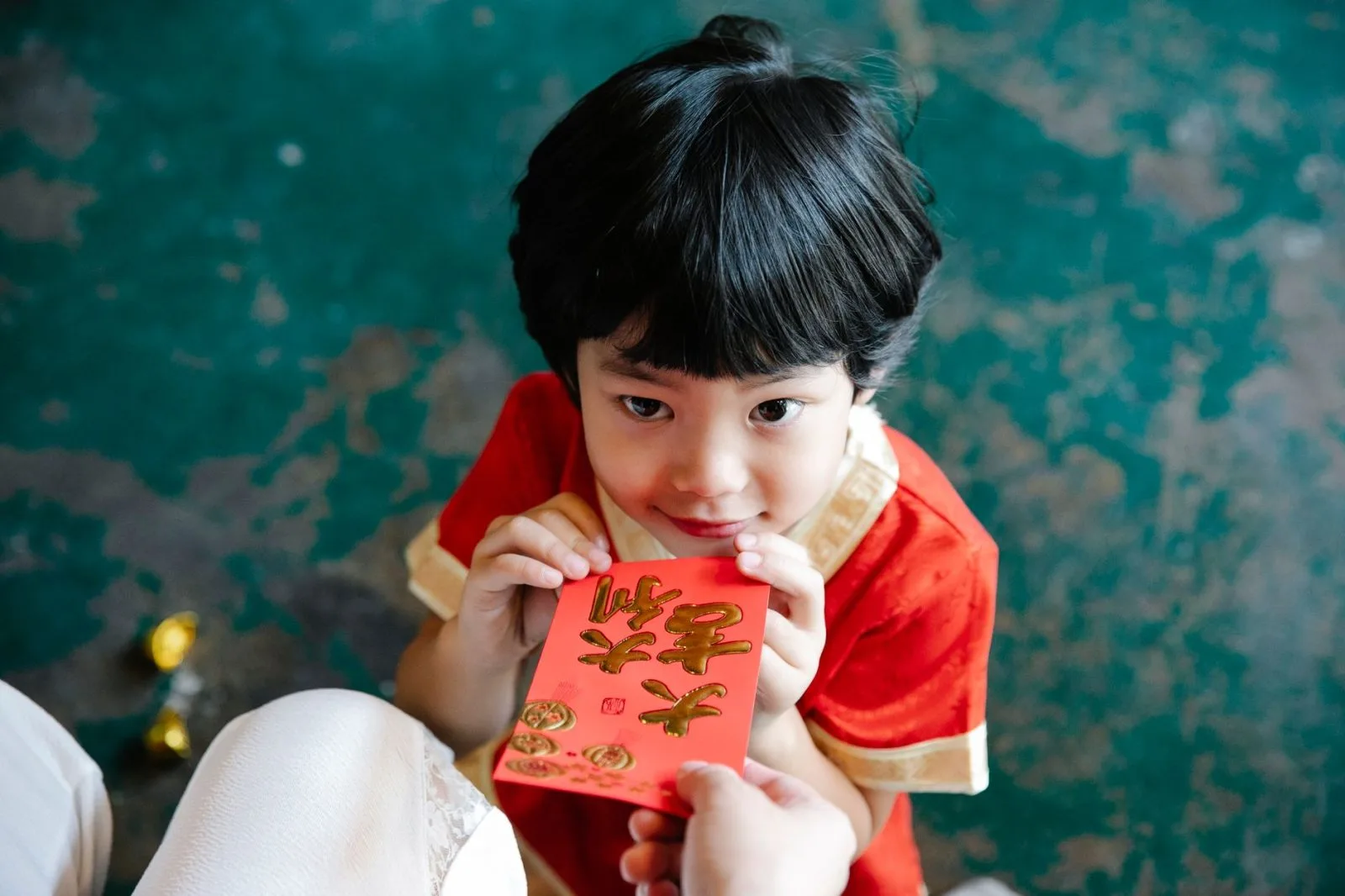
Give with both hands, mention modesty, and let the recipient decide when to open it.
Quellen & weiterführende Literatur
- Chinese Culture: Customs and Etiquette — Cultural Atlas, SBS.
- Chinese Gift Giving Etiquette — China Highlights.
- China Business Customs — U.S. Department of Commerce.
Sehen Sie es vor Ort
Folgen Sie diesem Eintrag zu der Region, zu der er gehört.
Erkunden Sie die Welt per KarteVerfolge den Thread
Durchsuchen Sie andere Einträge, die dieselben Schlagwörter verwenden.
Durchstöbere das Tag