Reiseführer
Tempeletikette
Entering a Tibetan Buddhist sanctuary
In a Tibetan Buddhist temple, the way you walk, look, and photograph is part of the practice, not just good manners.
- Abschnitt
- Reiseführer
- Region
- Xizang (Tibet)
- Epoche
- Über die Epochen hinweg
- Tags
- Customs, Scenic Sites
On the plateau, a monastery is a working religious community as well as a historic building. Visitors to Lhasa’s Jokhang or the great monasteries around it enter a space where centuries of worship continue each day, and courtesy means making yourself unobtrusive.
Before the Threshold
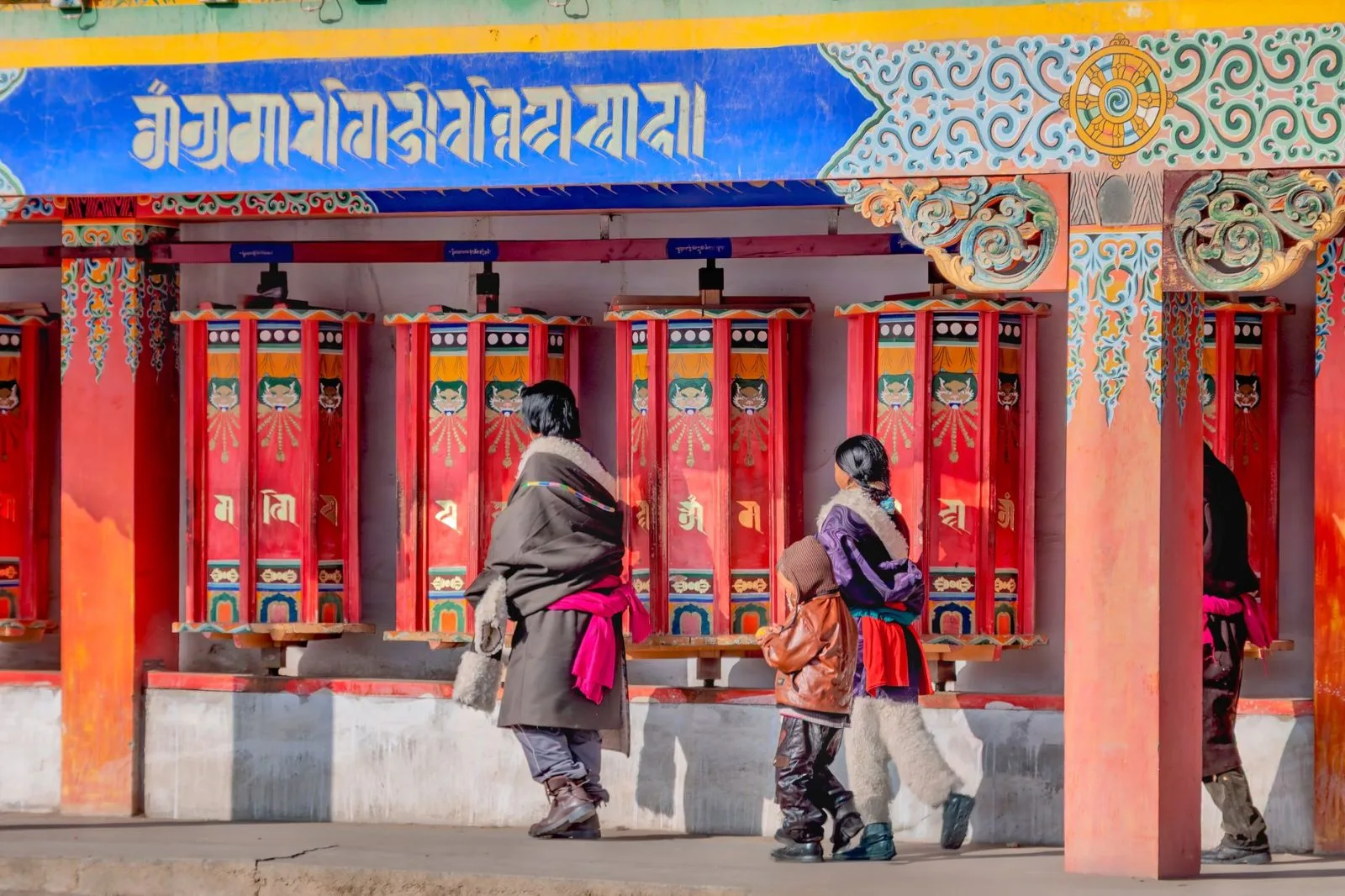
Approach a temple calmly and dress with coverage: shoulders and knees covered, no shorts, and shoes removed before entering a prayer hall. Many monasteries ask visitors to leave hats and sunglasses outside as well. Walk clockwise around a stupa, a prayer-wheel corridor, or a temple courtyard, matching the direction of pilgrims who may be prostrating at every step. Do not step over a threshold or over a person’s outstretched hands; lift your feet and go around. Speaking softly is enough. A monk or nun may be in retreat, tea may be poured for the community, and a ceremony may be under way in a side chapel. If a door is ajar and people are chanting, wait rather than look in.
Inside the Prayer Hall
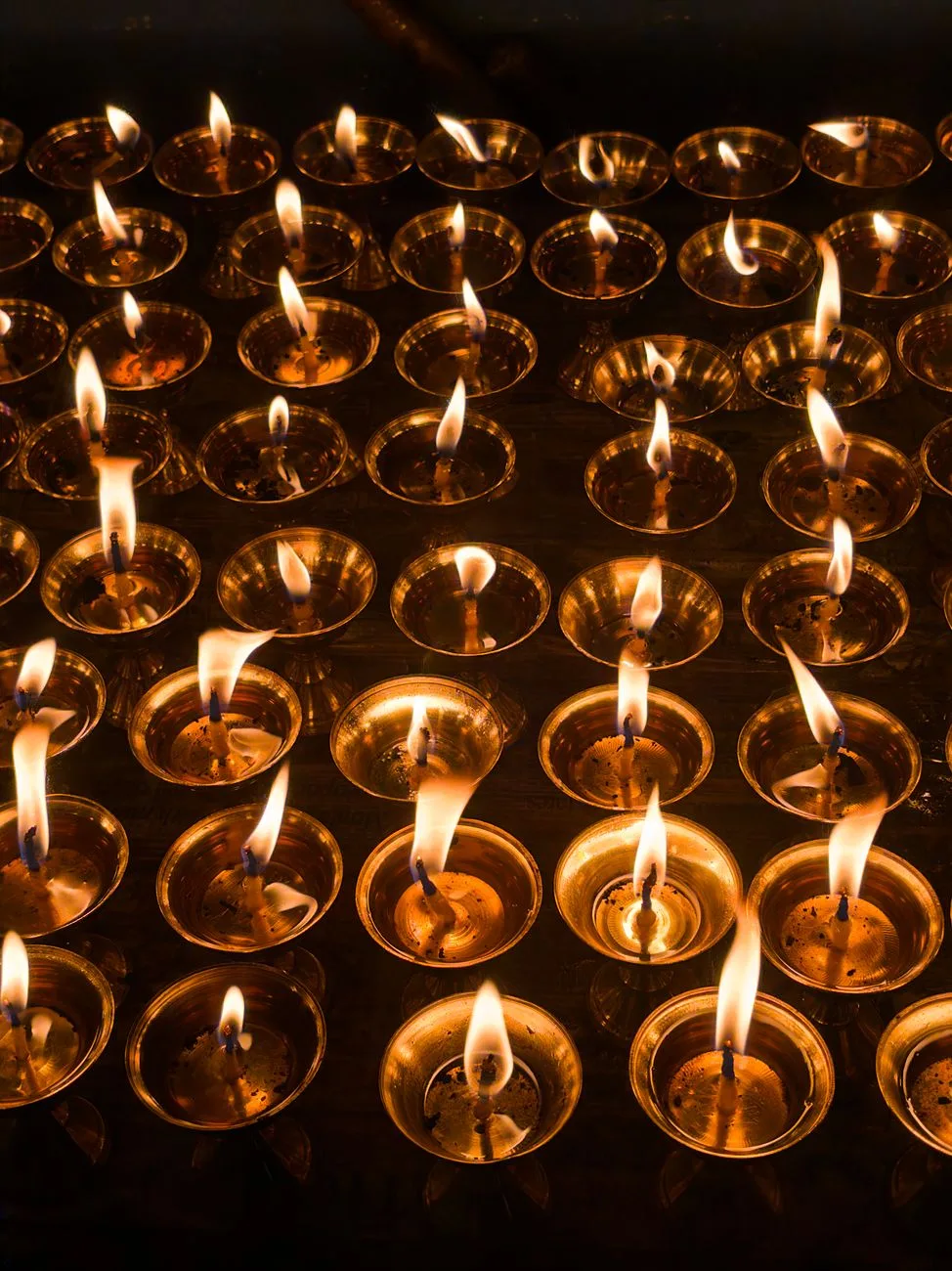
Once inside, keep your hands to yourself. Statues, thangkas, and ritual objects are not props; touching them, pointing at them with one finger, or turning your back on an altar to pose for a photograph marks you as careless. Offerings are made with both hands: a khata scarf laid across the palms, a small amount of money, or the lighting of a butter lamp. If you do not wish to make an offering, simply stand aside and let others pass. Do not photograph inside halls unless a sign or a monk explicitly allows it; flash and camera clicks interrupt the room. When a pilgrim prostrates, give them room and never step over the mat. Photos of monks should be asked for, not assumed.
Festivals and Crowds
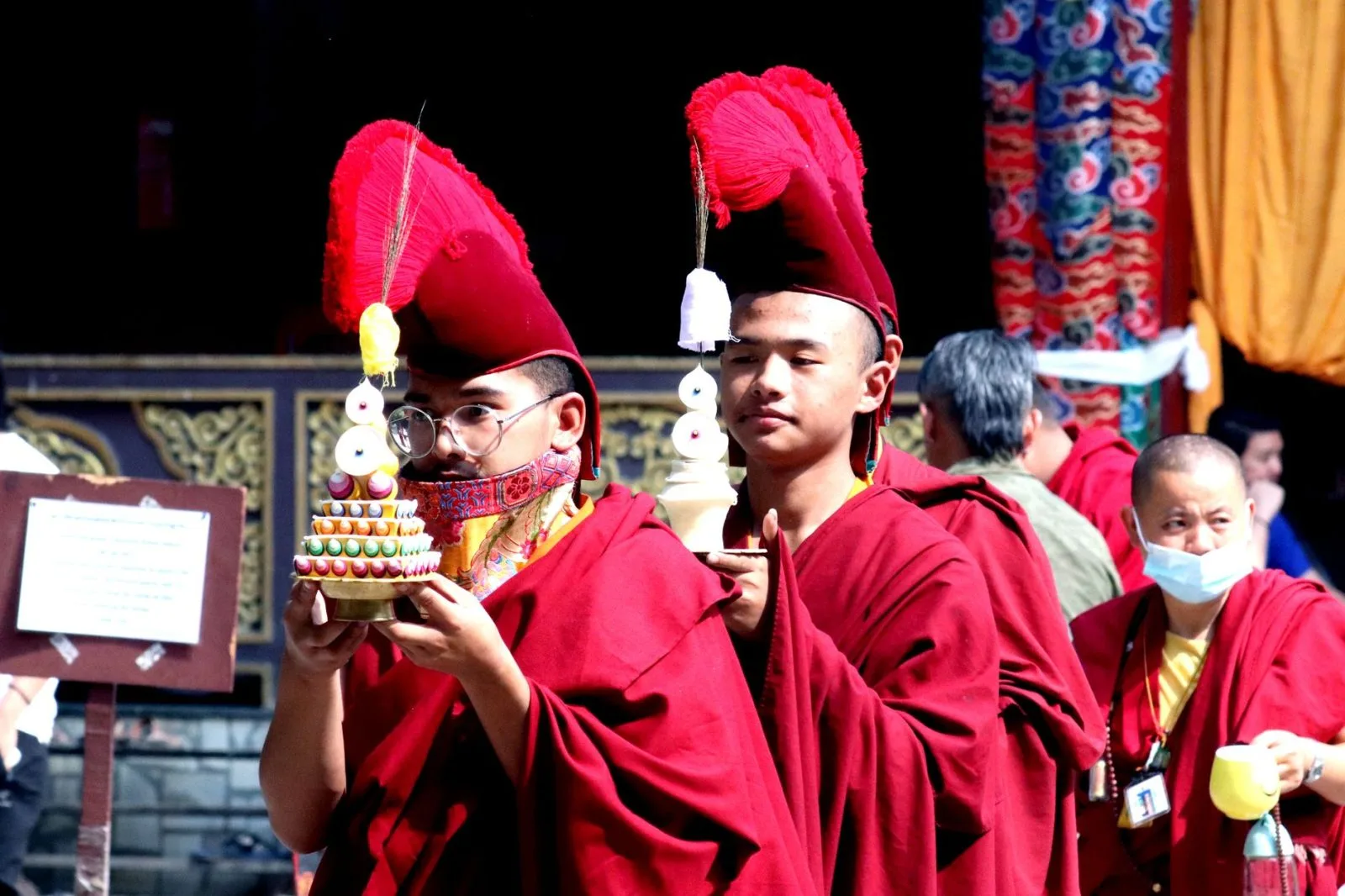
Tibetan Buddhist festivals such as Losar, the New Year, or the Saga Dawa month bring thousands of worshippers to monasteries. Processions, masked cham dances, and the unfurling of a giant thangka at Drepung or Sera can draw crowds long before sunrise. Arrive early, carry water, and expect to stand for hours. Keep to the edges of the courtyard so that pilgrims moving toward the altar can pass. Queueing is not always formal; a loose line forms naturally at a doorway or a blessing, and pushing will be noticed. Photography restrictions usually tighten during ceremonies. A visitor who watches quietly, follows the direction of circumambulation, and accepts that part of the ritual will be unfamiliar will be welcomed more readily than one who demands explanations.
Practicalities on the Plateau
Most monastery visits in the Xizang Autonomous Region begin in Lhasa, where permits and altitude shape the schedule as much as opening hours. The Jokhang, Potala Palace, and the great monasteries of Drepung and Sera sit at roughly 3,650 metres, so move slowly for the first day or two and drink water often. Many sites require advance reservation and a passport check at the gate; the Potala Palace limits daily visitors and issues timed tickets. Small notes are useful for offerings and entrance fees. Do not fly a drone near a monastery, and avoid loud phone calls on a rooftop or in a courtyard. Etiquette here is simple: move with the congregation, keep your hands off what is sacred, and let worship come first.
Follow the direction of the pilgrims, and let the ritual come before the photograph.
Quellen & weiterführende Literatur
- Historic Ensemble of the Potala Palace, Lhasa — UNESCO World Heritage Centre.
- Tibetan Buddhism — Encyclopaedia Britannica.
- Tibet monastery etiquette — Tibet Travel.
Sehen Sie es vor Ort
Folgen Sie diesem Eintrag zu der Region, zu der er gehört.
Erkunden Sie die Welt per KarteVerfolge den Thread
Durchsuchen Sie andere Einträge, die dieselben Schlagwörter verwenden.
Durchstöbere das Tag