Kartenerkundung
Suzhou-Gärten
Walled Landscapes of Song, Ming, and Qing
Suzhou’s classical gardens turn rocks, water, and borrowed views into sequences of rooms.
- Abschnitt
- Kartenerkundung
- Region
- Zhejiang
- Epoche
- Über die Epochen hinweg
- Tags
- Customs, Geography, Scenic Sites
The classical gardens of Suzhou are private landscapes created beside houses in the lower Yangtze city. Their walls conceal carefully staged views, with pavilions, ponds, and rocks arranged for walking rather than looking from one point.
A City of Scholar-Gardens
Suzhou grew wealthy through silk, grain, and canal trade, and its officials and merchants built gardens behind urban houses. The tradition began early, but the surviving masterpieces are mostly Ming and Qing. The Humble Administrator’s Garden was laid out around 1509 by the official Wang Xianchen; the Lingering Garden began in the Ming and was rebuilt in the Qing; the Master of the Nets Garden was renovated in the late eighteenth century. A garden was an extension of the household, used for receiving guests, drinking tea, writing poetry, and quiet walking. Its name often carried a literary allusion or a modest self-description, a convention that invites visitors to read the landscape as text.
Rocks, Water, and Borrowed Scenery
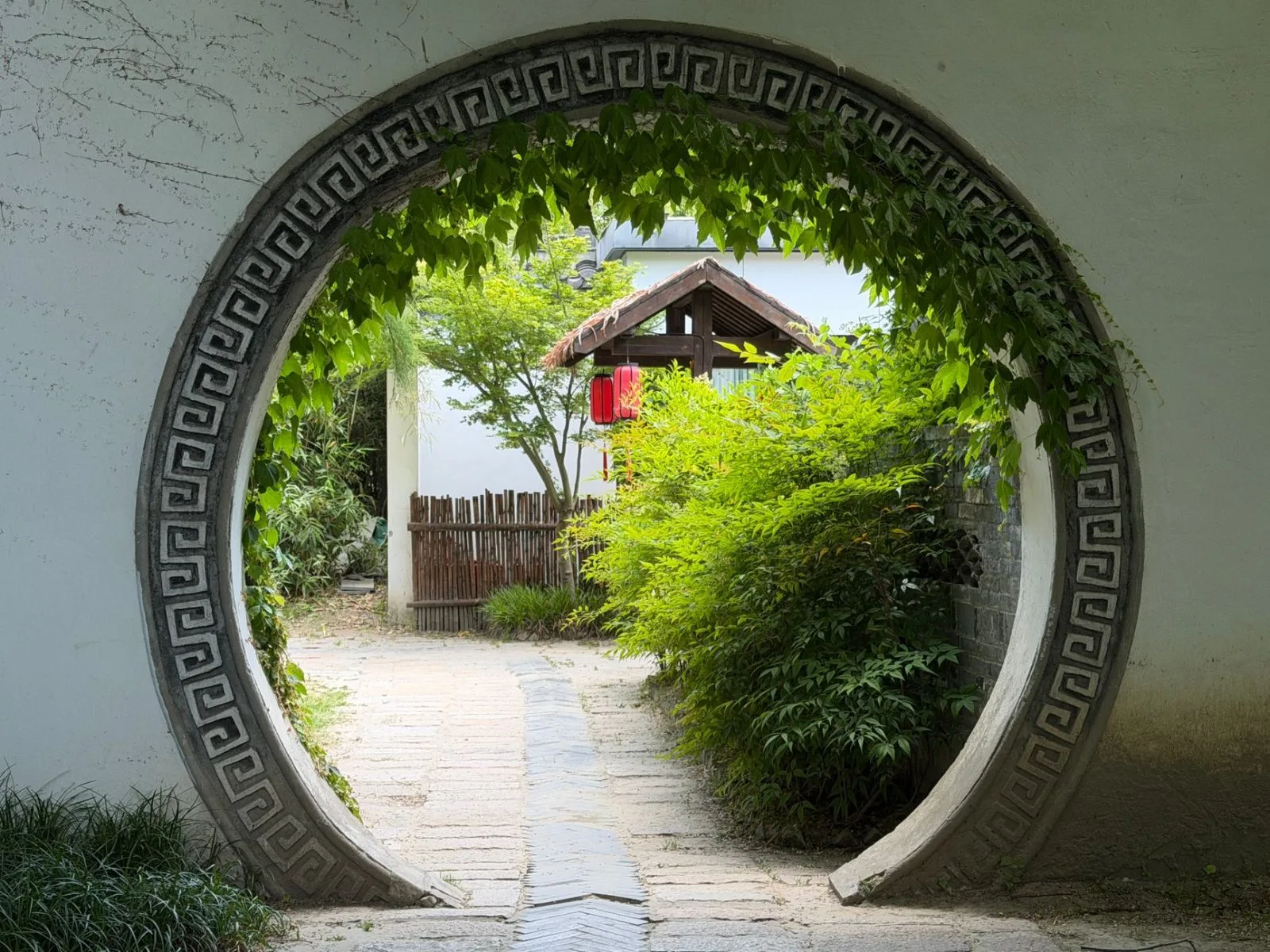
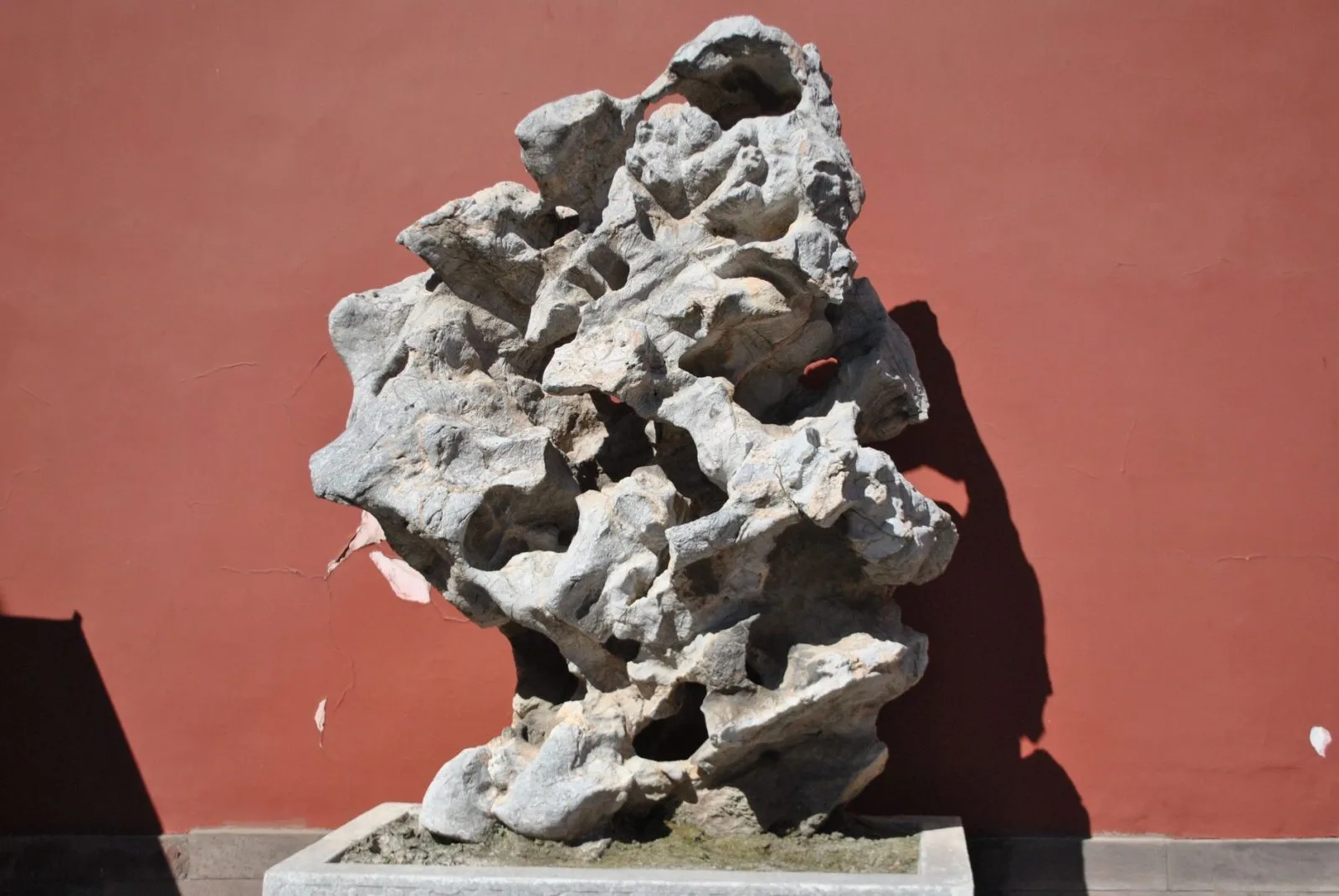
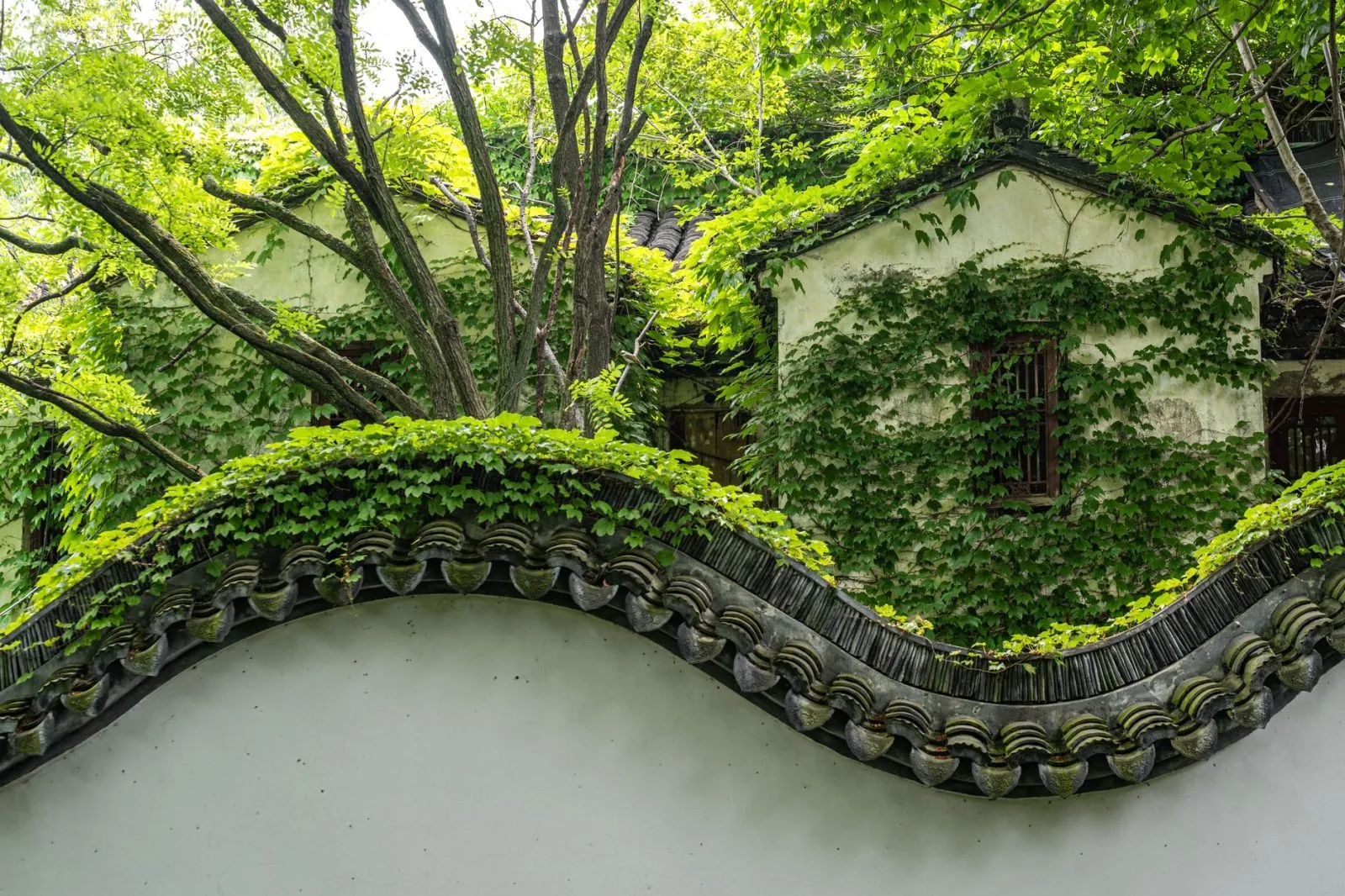
Suzhou garden design works through layering. Taihu rocks from the lakes west of the city are prized for holes, ridges, and narrow waists; large stones are set as mountains that can be circled. Water occupies the centre of many gardens, with pavilions placed at edges or on islands so views change along a route. White walls act as paper for bamboo shadows and plant forms. The technique of ‘borrowed scenery’ frames a distant pagoda, tree, or hill beyond the garden wall, making the property feel larger. Covered corridors link halls and create repeated glimpses through lattice windows. Nothing is meant to be seen all at once: the garden unfolds as a sequence of framed moments.
Four Gardens to Compare
The Humble Administrator’s Garden is the largest of the classical group, with broad water, low islands, and the distant North Temple Pagoda borrowed into its views. The Master of the Nets Garden is compact, using changes in room size and courtyard density to surprise the visitor; its night performances are popular but timed entry is needed. The Lingering Garden is known for a sequence of entrance, rockery, and waterside halls that delays the main view. The Lion Grove Garden takes its name from rock forms said to resemble lions and invites close inspection of stone labyrinths. Together they show that a small urban plot could imitate mountains, rivers, and travel through careful design.
- Humble Administrator’s Garden: broad water and borrowed pagoda view
- Master of the Nets: compact rooms and staged transitions
- Lingering Garden: rockery before the main pond
- Lion Grove: dense Taihu stone labyrinth
Visiting and Preservation
UNESCO inscribed the Classical Gardens of Suzhou on the World Heritage List in 1997, with additions in 2000. Several gardens are small and receive steady crowds, so early morning is usually the best time to see water and rocks without blocking views. Tickets are sold per garden and some sites cap daily numbers or use timed slots; combining two contrasting gardens in one day is more useful than rushing through four. Suzhou is reached from Shanghai by high-speed rail in roughly half an hour, and the old garden district is best explored on foot or by taxi. Preservation involves constant work on timber, plaster, drainage, and plants, since living gardens need maintenance as well as conservation.
A Suzhou garden is designed to be walked slowly, with each gate hiding the view beyond it.
Quellen & weiterführende Literatur
- Classical Gardens of Suzhou — UNESCO World Heritage Centre.
- Suzhou gardens — Encyclopaedia Britannica.
- Chinese garden — The Metropolitan Museum of Art.
Sehen Sie es vor Ort
Folgen Sie diesem Eintrag zu der Region, zu der er gehört.
Erkunden Sie die Welt per KarteVerfolge den Thread
Durchsuchen Sie andere Einträge, die dieselben Schlagwörter verwenden.
Durchstöbere das Tag