دليل الرحلة
خدمات النقل عبر التطبيقات
Booking a car in Beijing
A ride-hailing app can be the easiest way across Beijing, if you set it up before you leave the hotel.
- قسم
- دليل الرحلة
- منطقة
- بكين
- عصر
- الصين الحديثة
- الوسوم
- ينقل
Beijing’s streets are too large for spontaneous waving on most days. Ride-hailing apps match passengers with licensed drivers in minutes, but the system assumes a Chinese phone number, a local payment method, and a tolerance for pickup points that are not always at the curb.
Setting Up the App
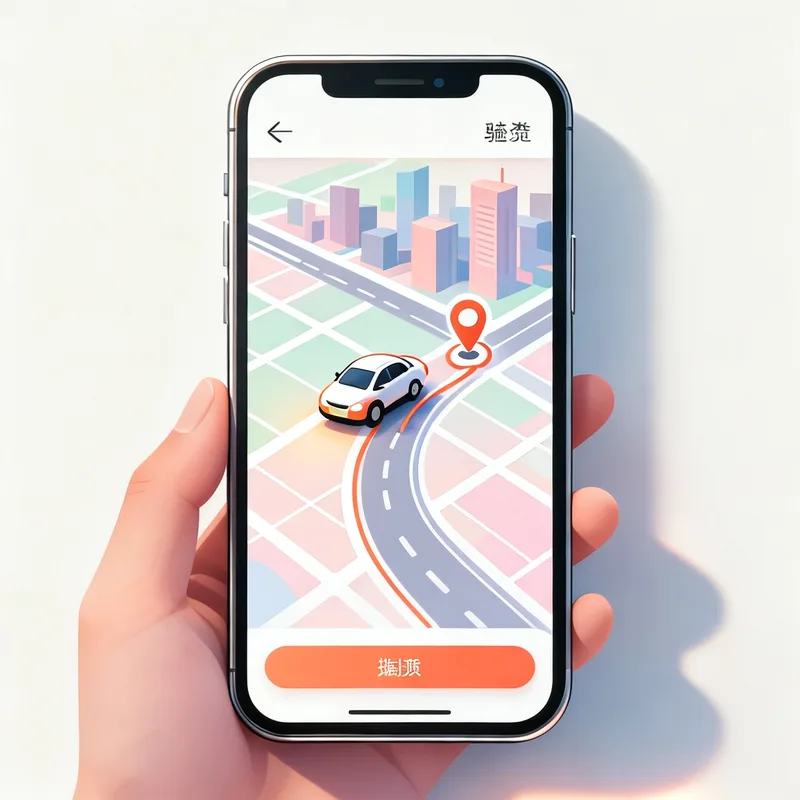
DiDi Chuxing is the dominant platform; Uber exited China in 2016 after selling its operations to DiDi. The app works in English on some account settings, though many driver-facing screens and messages remain in Chinese. Register with a phone number that can receive short messages, then add a payment method before trying to book. Foreign visitors often have better luck linking an international Visa or Mastercard than relying on a local bank card, but Alipay and WeChat Pay are the most dependable wallets. If your home app does not support Chinese numbers, install DiDi directly, allow location access, and enter your destination in Chinese characters or save the hotel address as a shortcut.
Booking and Meeting the Driver
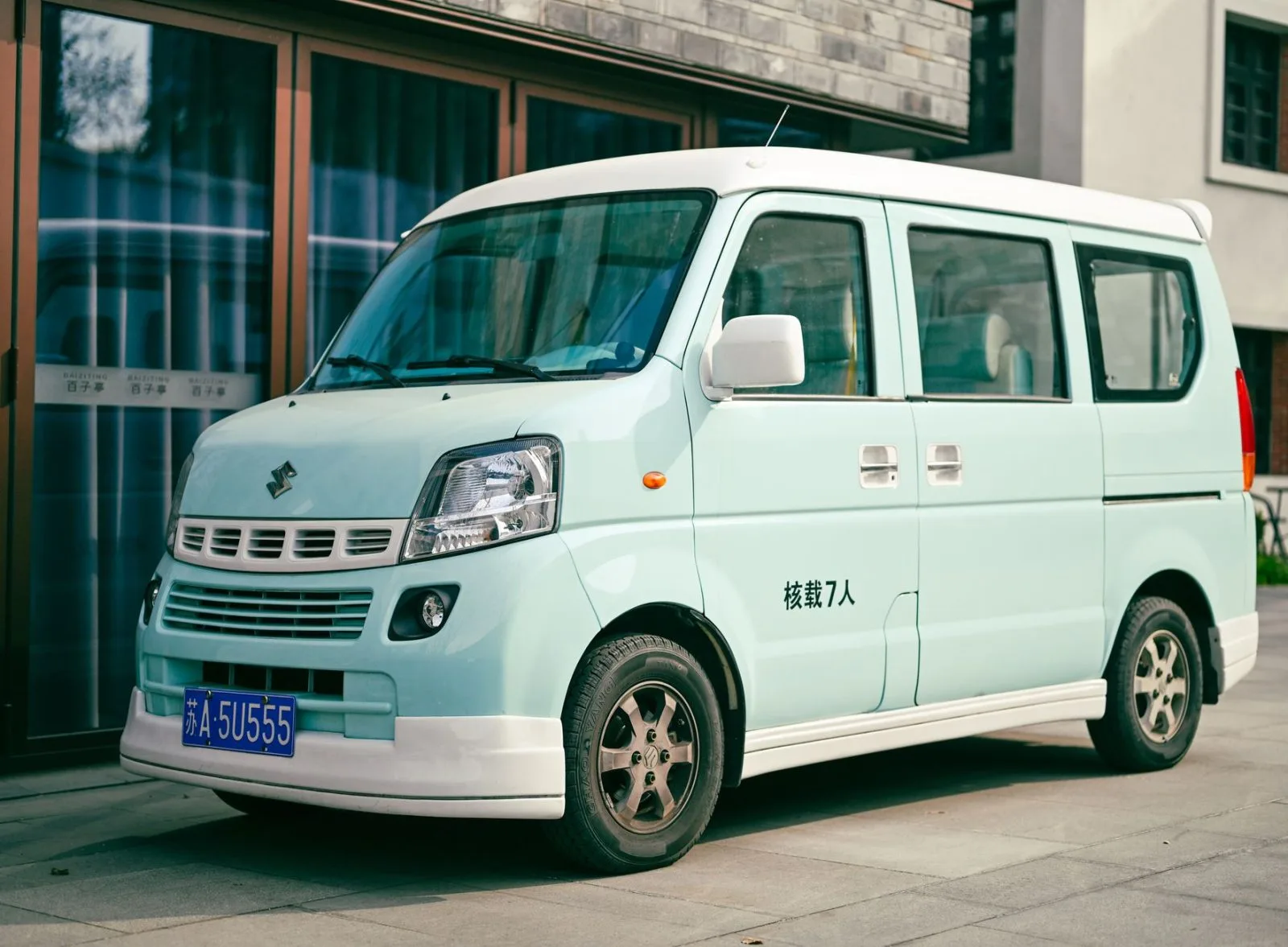
Enter the destination, choose a service level such as Express or a larger car, and confirm the fare estimate before requesting. Prices rise with traffic and demand, and a short trip during a rainstorm can cost far more than the same journey at noon. Once a driver accepts, the app shows a name, photo, licence plate, and estimated arrival. Wait at the pin you set, not a block away, and match the plate and car model before opening the door. If the driver calls, a simple address or your hotel name in Chinese helps. Cancellations are common in crowded districts; wait a minute for a new match rather than accepting an unlicensed car offered at the curb. Share the trip in the app if someone at home is waiting.
Airports, Stations, and Pickup Rules
Beijing Capital and Beijing Daxing airports, along with the main railway stations, have designated ride-hailing zones rather than free curbside pickup. Follow signs to the DiDi or ride-hailing area and confirm the exact gate or zone in the app before you walk outside; drivers cannot wait in traffic lanes. At a station, walking a few hundred metres to a cross street often produces a faster match than trying to leave the forecourt. Expect a short queue at the exit of a sports event or a shopping mall. The app may ask you to walk to a brighter, safer spot, which speeds up matching. Keep the trip short and the conversation simple; most drivers prefer a quiet ride, and a thank-you in Mandarin is appreciated.

Payment, Safety, and Alternatives
The fare is usually deducted automatically when the ride ends; tips are not expected and the app may not offer a tipping option. Keep the receipt in the app if you need an expense record. Check that the driver follows the route shown, and use the safety button to share your location if something feels wrong. Taxis remain a useful fallback: yellow-and-black or blue-and-white sedans can be flagged on main roads, and hotel doormen can write a destination in Chinese. Subway travel is faster across the centre at rush hour, while a bike-share works for the last kilometre. If the app will not accept your card, ask the hotel concierge to book a car or use the official taxi queue outside a major hub.
Wait at the pin, check the plate, and keep the passport or address ready in Chinese.
المصادر والمزيد من القراءة
- DiDi Global — DiDi.
- Beijing city guide — Beijing Municipal Government.
- Beijing taxi and transport — China Highlights.