دليل الرحلة
آداب تناول الطعام
The round table, read closely
Chinese dining etiquette turns a shared meal into a lesson in hierarchy, generosity, and restraint.
- قسم
- دليل الرحلة
- منطقة
- بكين
- عصر
- عبر العصور
- الوسوم
- الجمارك، الغذاء
At a Chinese banquet the food arrives in the middle of the table, and the social rules arrive with it. Knowing where to sit, when to lift your chopsticks, and how to answer a toast will do more for a Beijing dinner than any display of appetite.
Taking Your Seat
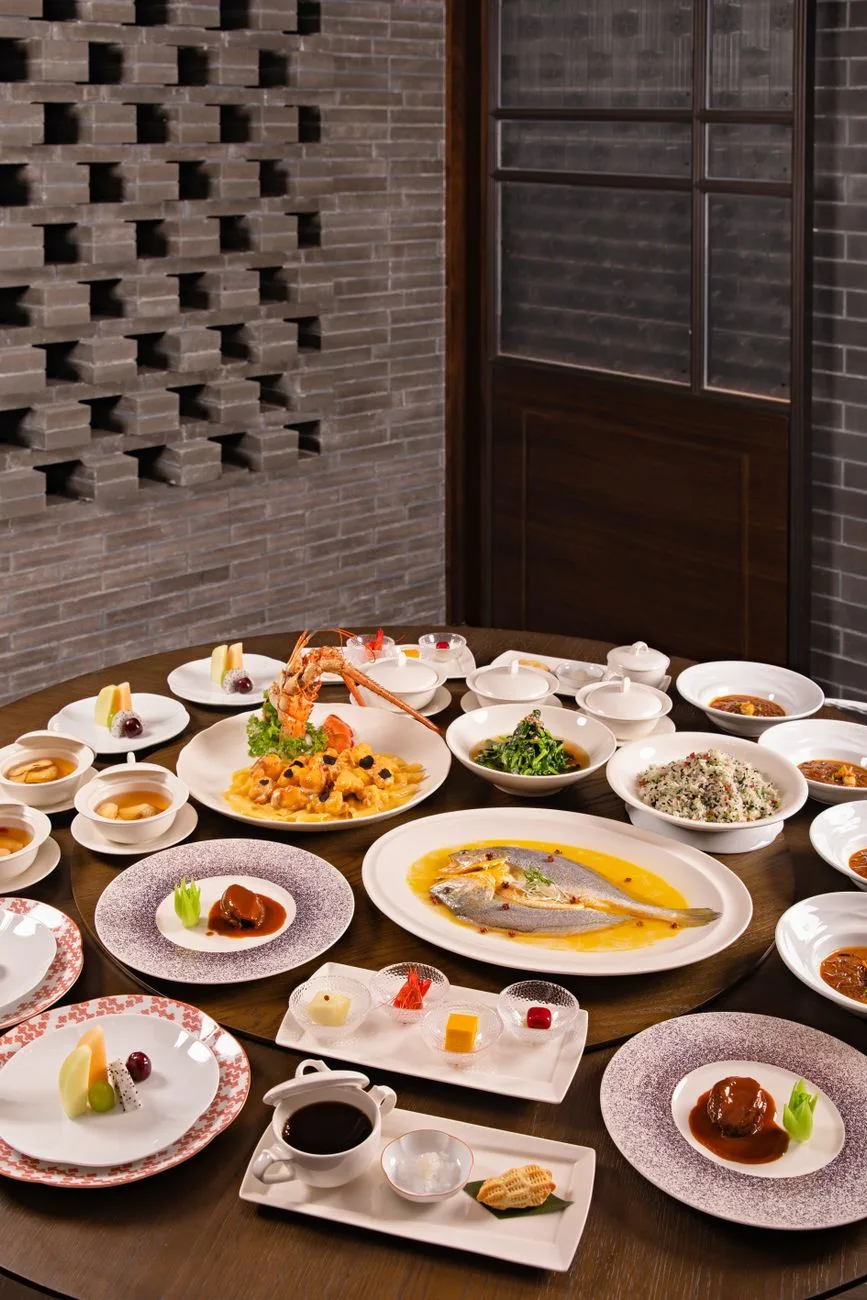
The host usually decides where everyone sits, so wait to be shown to a chair instead of choosing one. At a round table the place facing the door, or the one furthest from it in some rooms, is the seat of honour and is offered to the eldest person or the senior guest. Guests of similar rank then alternate around the table. A lazy Susan in the middle makes every dish reachable; give it a gentle turn rather than spinning it past someone mid-reach. Serving others first is a small, noticed courtesy, especially topping up tea. When the host lifts chopsticks or says the meal has begun, start eating. Beginning early can suggest you were waiting for the food, not the company.
Chopstick Rules
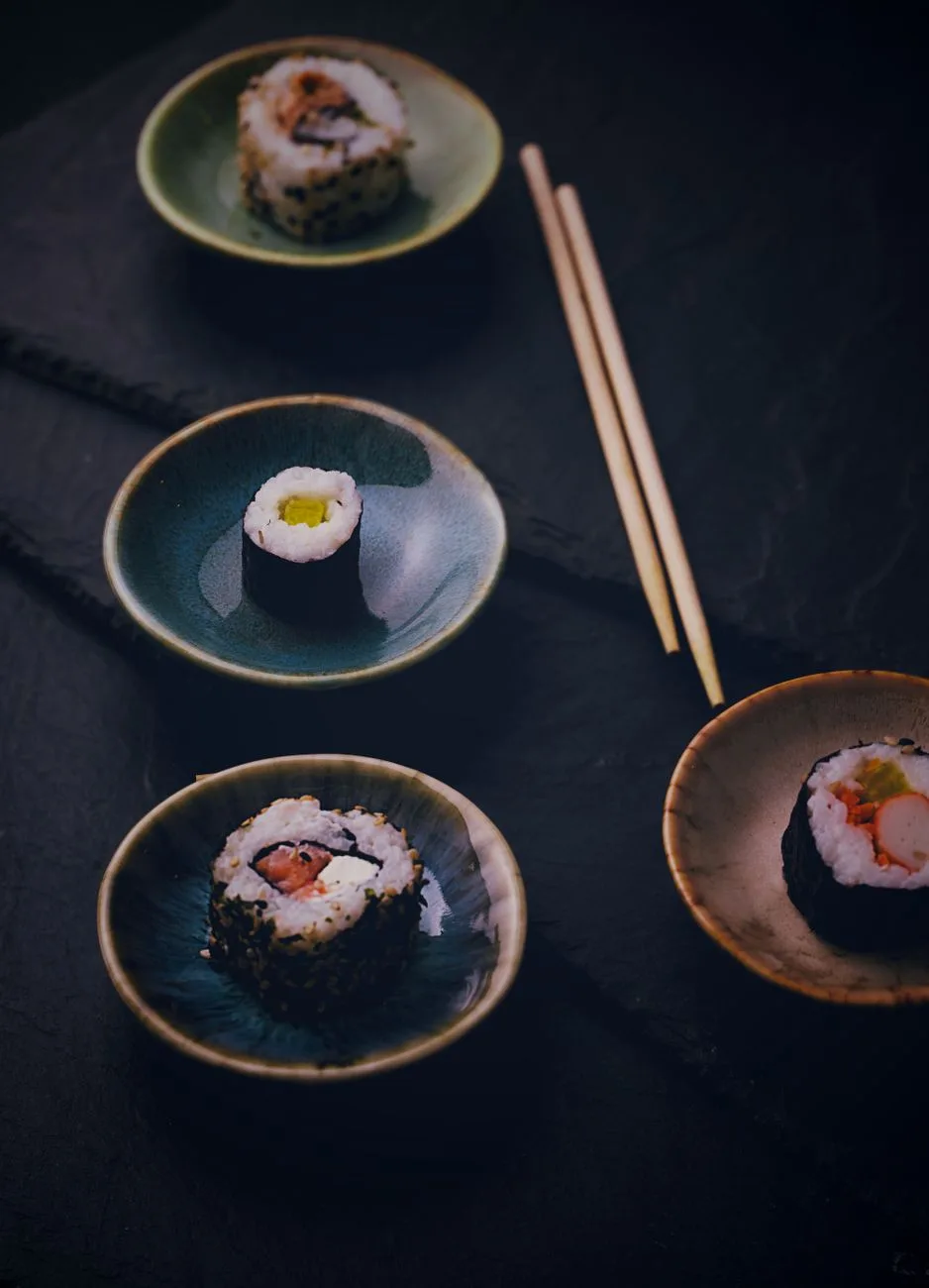
Chopstick manners carry more weight than most table errors. Never stand a pair upright in a bowl of rice: the image resembles incense offered to the dead. Do not tap a bowl with chopsticks, point with them, spear food, or wave them while talking. Passing food from your chopsticks to someone else’s also echoes funeral rites, so set the piece on a shared plate instead. When you pause, lay the pair across your bowl or on a rest. It is acceptable to lift a small rice bowl toward your mouth, and slurping noodles is not rude. If you are unsure, watch the host. A guest who handles chopsticks carefully and takes modest portions will rarely cause offence, even if the finer points of the table are new.
Toasts, Tea, and the Bill
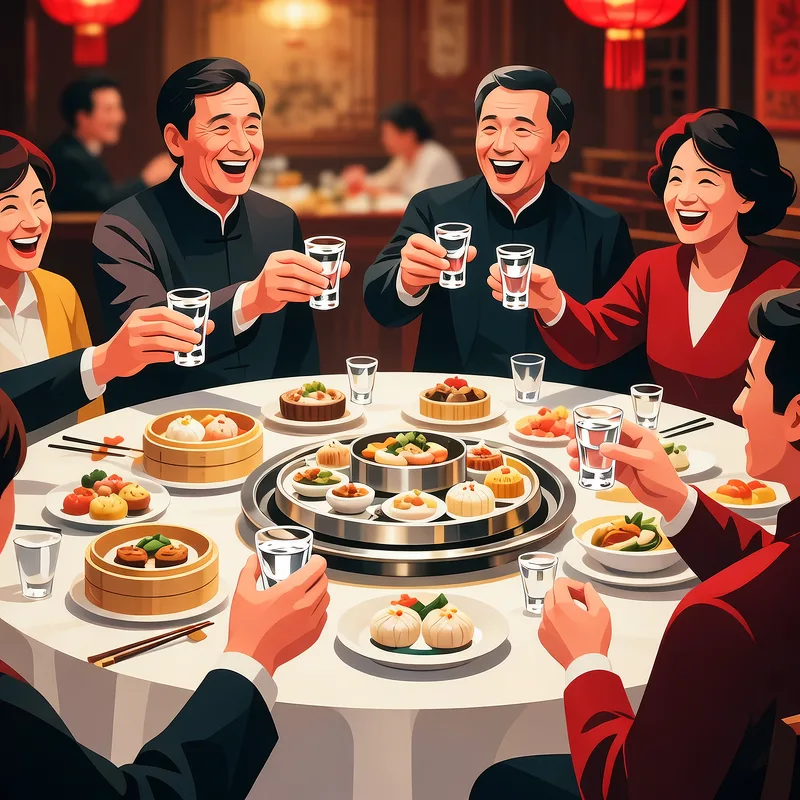
Drinks are social glue. Beer and baijiu, a strong grain spirit, appear at many banquets alongside tea. When someone proposes a toast, stand, raise your glass with both hands if the person is senior, and touch rims slightly below theirs. Ganbei means dry the glass, but a small sip is acceptable if you do not drink; explain it early and stick to it. Never pour your own tea without offering the pot to neighbours first. Dishes are shared, but the host may serve a prized piece to a guest as a compliment. Leave a little food on your plate to signal that you are full, and do not scrape the last grains from a communal dish. The host normally pays; a brief offer to split the bill is enough.
Eating Out in Beijing
Beijing’s dining rooms range from sidewalk dumpling shops to formal banquet halls, and the rules loosen as the setting becomes casual. In a neighbourhood restaurant, order for the table, share dishes, and expect a metal teapot and a stack of small bowls rather than individual plated courses. Payment usually happens at a counter; scan the QR code at the table to order or pay through Alipay or WeChat Pay, and ask for an English bill if needed. Tipping is not customary, though a round-up at a hotel restaurant is fine. Spicy dishes are common in some regional cuisines but not in classic Beijing cooking, where roast duck, noodles, and dumplings dominate. If a dish arrives whole, wait for the host to turn it or take the first portion.
Watch the host, accept the toast, and leave a little on the plate.
المصادر والمزيد من القراءة
- Chinese Table Manners and Dining Etiquette — China Highlights.
- Chopsticks — موسوعة بريتانيكا.
- Chinese Culture: Food and Drink — Cultural Atlas, SBS.